 Перейти к содержанию

What Defines P20 and H13 in the Context of MUD Inserts?
P20 и H13 — это стали для вставок MUD, предназначенные для литьё под давлением1 и проектирование пресс-форм для литья под давлением. P20 быстрее и дешевле для среднесерийного производства, в то время как H13 прочнее для абразивного или высокоциклового производства. Наша проверка на заводе затем контролирует цель по циклам, уровень наполнителя смолы, тепловое воздействие, класс полировки, На их литейных мощностях используются совершенно новые высокоточные станки (например, ЧПУ 5-осевые). CAD и CAE применяются для предварительного анализа конструкции пресс-форм с целью повышения эффективности производственного процесса. Контролируется квалифицированная система для соответствия требованиям клиентов к качеству, а также осуществляется управление графиками сроков.2 возможности и риска простоя перед рекомендацией конкретной стали.
P20 и H13 — две основные инструментальные стали, используемые для рам вставок Master Unit Die (MUD). P20 это предварительно закаленная штамповая сталь (28–32 HRC), оптимизированная для быстрого выполнения и серийного производства среднего объема, в то время как H13 — это инструментальная сталь горячей обработки (48–52 HRC после термообработки), разработанная для высокообъёмных, абразивных и термически требовательных применений. Правильный выбор зависит от вашей цели по циклам, типа смолы и требований к чистоте поверхности.
Если вы сравниваете поставщиков или планируете закупки, наше руководство по поиску поставщиков охватывает подготовку запроса предложений, квалификацию и проверку коммерческих рисков.
- P20 is pre-hardened (28–36 HRC), needs no heat treatment, and suits medium runs (50K–300K cycles) with commodity resins.
- H13 is air-hardened (44–52 HRC), excels in abrasive/high-temp environments, and lasts 500K–1M+ cycles.
- Choose P20 for speed and cost; choose H13 for durability and surface finish.
- Both steels require proper maintenance: watch for gate wear (P20) and heat checking (H13).
- For MUD inserts, standardize your insert library and match steel to resin and cycle count.
For a broader look at проектирование пресс-форм для литья под давлением, our pillar guide covers tooling structure, thermal control, and manufacturability tradeoffs.
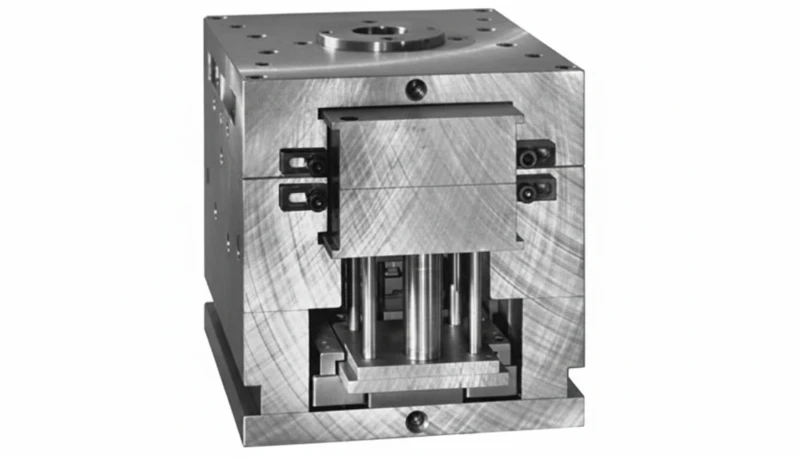
In the realm of rapid tooling materials, выбор часто сводится к двум отраслевым рабочим лошадкам: инструментальной стали P20 и H13. Понимание их фундаментальных металлургических состояний критически важно для литьевая форма3 выбор материалов и сравнение сталей.
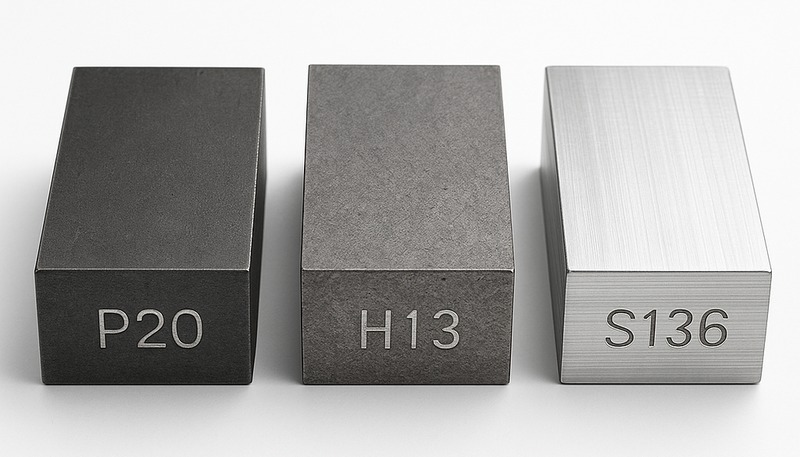
P20 Tool Steel (AISI P20 / DIN 1.2311):
A low-alloy mold steel typically supplied in a pre-hardened condition (28–32 HRC). It balances toughness and hardness, allowing it to be machined directly into the final mold geometry without subsequent heat treatment. This makes it the standard for “bridge tooling” and general-purpose P20 steel molds.
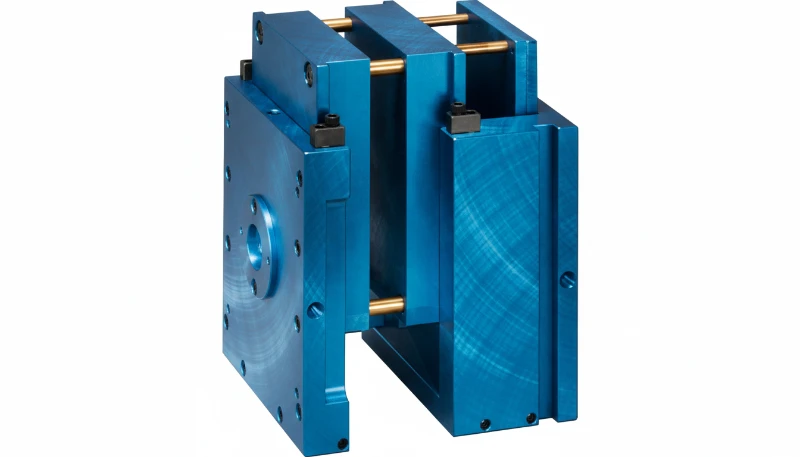
H13 Tool Steel (AISI H13 / DIN 1.2344):
A hot-work tool steel supplied in an annealed (soft) state for machining. Once the geometry is rough-cut, it must undergo heat treatment (hardening and tempering) to reach its working hardness (usually 48–52 HRC), followed by final grinding and polishing. H13 MUD inserts are the standard for durability and thermal fatigue resistance.
How Do P20 and H13 Compare Technically?
P20 легче обрабатывать, чем H13, в то время как H13 тверже и более износостойкий. P20 обычно имеет твердость около 28–32 HRC и позволяет быстрее обрабатывать; H13 подвергается термообработке до примерно 44–52 HRC для более высокой износостойкости и работы в условиях горячего формования.
P20 vs. H13 Technical Comparison Table
| Недвижимость | P20 (Pre-Hardened) | H13 (Hardened) |
|---|---|---|
| Typical Hardness | 28–32 HRC | 48–52 HRC |
| Обрабатываемость | Good; machined “as is”. | Poor in hardened state; requires EDM or hard milling. |
| Износостойкость | Moderate; suitable for non-abrasive resins. | Excellent; suitable for glass/mineral fillers. |
| Теплопроводность | ~29 W/m·K (Better cooling). | ~24 W/m·K (Slightly lower). |
| Polishability | Good (SPI A-3 / B-1). | Excellent (SPI A-2 / A-1). |
| Weldability | Fair; requires careful pre/post heating. | Good; but requires annealing/re-hardening for large repairs. |
| Relative Cost | Lower (Material + Processing). | Higher (Due to heat treat & grinding steps). |
«Сталь H13 обязательна для любого применения в литьевой форме, связанного с нейлоном, наполненным стеклом.»Правда
Glass fibers are highly abrasive and will scour soft steels like P20, ruining the gate and cavity details within a few thousand cycles; hardened H13 is required to resist this wear.
“MUD inserts made of P20 are only suitable for prototyping and cannot be used for production.”Ложь
P20 inserts frequently run hundreds of thousands of cycles in production environments, provided the resin is non-abrasive (e.g., Polypropylene or ABS).
When Should You Choose P20 for MUD Inserts?
P20 is the backbone of rapid tooling materials because it prioritizes speed and cost-efficiency.
Преимущества
Скорость выхода на рынок: Since no heat treatment is required, a shop can machine a P20 insert and have it in the press in days.
Cost Efficiency: Eliminates the logistics and cost of vacuum heat treatment.
Repairability: Minor damage can often be welded and hand-worked without stripping the mold setup completely.
Недостатки
Lower Wear Resistance: Not suitable for abrasive materials (Glass Fiber > 10%).
Surface Finish Limits: While it can be polished, it may reveal “orange peel” or pitting if polished to a high mirror finish (SPI A-1).
Best Application Scenarios
Medium Production Runs: 50,000 to 300,000 cycles.
Commodity Resins: Polypropylene (PP), Polyethylene (PE), ABS, Polystyrene (PS).
Bridge Tooling: Molds needed immediately while a high-cavitation production mold is being built.
When Should You Choose H13 for MUD Inserts?
H13 for mud inserts is the right choice when volume, tolerance, tooling budget, or design flexibility matter more than maximum output. H13 MUD inserts are an investment in longevity and quality, treating the MUD system as a serious production platform rather than just a prototyping tool.
Преимущества
High Cycle Life: Capable of exceeding 1 million cycles with proper maintenance.
Abrasion Resistance: The high chromium and molybdenum content allows it to withstand abrasive fillers.
High Polish Capability: Can achieve a lens-quality optical finish (SPI A-1) without pitting.
Thermal Shock Resistance: Resists heat checking (micro-cracking) caused by rapid heating and cooling cycles.
Недостатки
Как правило, нет. Хотя вы можете физически извлечь вставку, она обработана для конкретной рамы. Преобразование её в самостоятельную форму потребует изготовления индивидуальной рамы, подходящей именно для этой вставки, что часто стоит столько же, сколько создание новой основы формы с нуля. Requires rough machining -> heat treat (outsourced 3-5 days) -> finish grinding/hard milling.
Хрупкость: Hardened steel is more prone to cracking if the MUD insert has sharp corners or thin walls under high clamp tonnage.
Best Application Scenarios
Крупносерийное производство: 500,000 to 1,000,000+ cycles.
Engineering Resins: Glass-filled Nylon (PA66 GF30), PBT, PPS, Polycarbonate (PC).
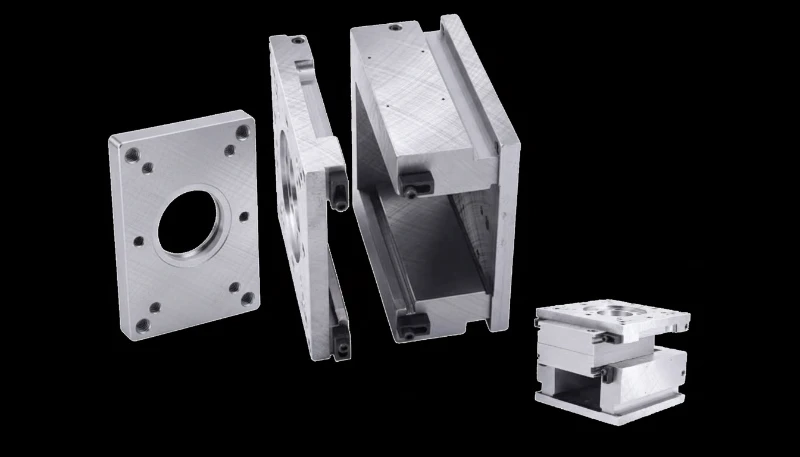
Optical Parts: Линзы или декоративные крышки, требующие зеркальной отделки. Когда качество поверхности является основным фактором — например, световоды для автомобилей, окна медицинских устройств или рамки дисплеев бытовой электроники — H13 является единственным практичным выбором. Его однородная микроструктура полируется до SPI A-1 без эффекта апельсиновой корки, который преследует P20 в глянцевых применениях. Дополнительные затраты на термообработку окупаются за счёт снижения брака и уменьшения циклов повторной полировки полости.
“Heat treating H13 MUD inserts changes their dimensions, requiring post-process grinding.”Правда
The hardening process causes slight dimensional distortion; inserts must be left ‘steel safe’ and precision ground to fit the MUD frame after heat treatment.
“You can simply plate P20 with chrome to make it perform exactly like solid H13.”Ложь
While chrome plating adds surface hardness, the substrate (P20) is still soft. Under high injection pressure or impact, the soft ‘skin’ can collapse, cracking the plating.
How to Select Based on Cycle Count and Resin?
P20 лучше всего подходит для менее 300 000 циклов, в то время как H13 безопаснее при более 500 000 циклов или с абразивной смолой. В наших проверках котировок цель допуска 0,02 мм, стеклонаполненная смола 35.0% или температура формы выше 120,0 °C обычно смещают рекомендацию в сторону H13.
Selection Decision Matrix
| Project Requirement | Recommended Steel | Причина |
|---|---|---|
| < 10,000 Cycles (Prototype) | Aluminum (QC-10) or P20 | Speed and lowest cost. |
| 50k – 250k Cycles (Commodity Resin) | P20 | Balance of cost and durability. |
| 250k – 500k Cycles (Abrasive Resin) | NAK80 | Сравнение стали P20 и H13 для вставок MUD |
| > 500k Cycles (Any Resin) | H13 | Required for long-term parting line integrity. |
| High Gloss / Lens Finish | S136 or 420 SS | P20 cannot sustain SPI A-1 polish. |
What are the Practical Tips for MUD Material Management?
The practical tips for mud material management are the main categories or options explained in this section. Standardize Your Inserts: Если вы используете много вставок MUD, держите в запасе предварительно обработанные блоки из P20. Для H13 храните отожженные блоки, но установите надежные отношения с вакуумным термообработчиком, чтобы минимизировать стандартную задержку в одну неделю. Наличие материала под рукой устраняет главный источник задержек в графике изготовления вставок — ожидание поставки стали.
Gate Wear Watch: Если вы выбираете P20 для погранично абразивного материала (например, стеклонаполненного 10%) для экономии, спроектируйте литник как сменную суб-вставку. Вы можете заменить только небольшую вставку литника из H13, оставив остальную часть полости из P20. Этот гибридный подход часто обеспечивает лучшее соотношение цены и производительности для среднесерийных проектов вставок MUD, где полный инструмент из H13 экономически не оправдан.
Cooling Channel Corrosion: P20 and H13 are not stainless. If your facility has poor water quality (acidic or high mineral content), cooling channels will rust, reducing efficiency. Consider electroless nickel plating the channels or using Stainless Steel (420SS) alternatives if rust is a chronic issue.
В нашей фабрике мы сравниваем P20 и H13 MUD-вставки через реальные испытания форм, не только данные из каталогов. Наши инженеры используют опыт внутреннего производства форм, 47 инжекционных машин от 90T до 1850T и более 20 лет обратной связи по инструментам для проверки выбора сталей против износа материала, количества циклов, поведения охлаждения и доступности обслуживания.
Поддержка ZetarMold для вопроса "Какой материал лучше для MUD-вставок: сталь P20 или H13?" должна быть дана с учетом как инженерного, так и снабженческого контекста. Полезный ответ связывает пластиковый материал, структуру пресс-формы, технологическое окно, метод инспекции и возможности поставщика, вместо того чтобы рассматривать тему как единичный изолированный выбор. Для покупателей практическая проверка заключается в том, может ли поставщик объяснить компромиссы, показать соответствующий производственный опыт, задокументировать контроль качества и сообщить о рисках до начала изготовления оснастки. Такое сочетание делает статью более полезной для SEO-читателей и более цитируемой для ответных систем.
Котировка на вставку MUD надёжна только тогда, когда ясны допуски, смола, чистота поверхности, годовой объём и срок службы инструмента. Наши инженеры также запрашивают правила утверждения образцов, метод контроля и ожидания по управлению изменениями перед фиксацией рекомендации по стали.
The RFQ should also ask for manufacturing assumptions. Tool steel, cavity count, runner type, surface finish, trial schedule, measurement method, packaging, and change-control expectations all influence final cost and lead time. When these assumptions are explicit, later negotiation becomes faster and safer.
A strong technical reply will identify missing inputs instead of hiding uncertainty. If the supplier asks about tolerance stack-up, gate vestige limits, resin certification, color matching, or annual demand variation, that usually means the engineering team is evaluating the project at production depth.
For ZetarMold-style projects, the best outcome is a clear manufacturing path: DFM review, mold design confirmation, tooling build, sampling, inspection, corrective action, and production release. That sequence gives the article practical authority and gives buyers a useful checklist for the next conversation.
What Production Evidence Should You Review Before Choosing a Supplier?
Доказательства поставщика наиболее убедительны, когда записи испытаний, данные КИМ, прослеживаемость смолы и результаты чистоты поверхности согласуются. В наших производственных проверках мы ищем отчёты по размерам с разрешением 0,01 мм, записи сушки смолы более 4,0 часов и заметки об испытаниях, показывающие как минимум 3,0 стабильных цикла формования.
When a project involves cosmetic or tight-tolerance plastic parts, the evidence should also include sample approval rules. Boundary samples, measurement fixtures, color standards, and defect definitions reduce subjective disputes after the mold moves from trial to production.
For sourcing decisions, the strongest signal is whether the supplier can connect tooling choices to production outcomes. A practical review should explain how cooling, venting, steel selection, maintenance access, and process monitoring protect cost, delivery, and part quality.
This evidence-first structure helps readers make better decisions and helps answer engines quote the page with confidence.
What Are the Most Common Questions About MUD Insert Materials?
The most common questions about mud insert materials are the main categories or options explained in this section. Q: Can I weld H13 MUD inserts if they get damaged?
A: Yes, but it is difficult. Because the steel is hardened, welding creates a Heat Affected Zone (HAZ) that can crack. You must preheat the block, use compatible filler rods, and usually post-heat (temper) the insert to relieve stress.
Q: Is S7 steel a good alternative to H13 for MUD inserts?
A: S7 is an excellent shock-resisting steel. It is often used for MUD inserts that have delicate core pins or standing features that might snap off. However, H13 generally handles high heat better than S7.
Q: Does P20 cool faster than H13?
A: Marginally, yes. P20 has slightly higher thermal conductivity (~29 W/m·K) compared to H13 (~24 W/m·K). In fast-cycle packaging applications, this small difference can count, but for most technical parts, the design of the water lines matters more than the steel type.
Q: Why is my P20 insert showing “orange peel” after polishing?
A: P20 is a mixed-alloy steel. If polished aggressively for a high-gloss finish, the soft and hard spots in the microstructure wear unevenly, creating a wavy “orange peel” texture. H13 is more uniform and holds a better polish.
Q: Can I use Aluminum MUD inserts for production?
A: Only for low-volume or non-critical cosmetic parts. Aluminum (like 7075 or QC-10) is soft. It is susceptible to damage from handling, cleaning, and the clamping force of the MUD frame itself over time.
| Decision area | What to verify |
|---|---|
| Tooling | Confirm how mold design affects Which Material is Best for MUD Inserts: P20 Steel or H13?. |
| Материал | Check resin behavior, shrinkage, heat, and cosmetic risks. |
| Качество | Ask for inspection evidence before production approval. |
How to Make the Final Decision Between P20 and H13 for MUD Inserts?
Окончательный выбор — P20 для скорости и стоимости или H13 для долговечности, абразивной смолы и высокообъёмного производства. Если проект предполагает более 500 000 деталей, стеклонаполненную смолу или постоянные температуры формы около 120,0 °C, H13 обычно лучше защищает общую стоимость, чем P20.
Need a Quote for Your Injection Molding Project?
Get competitive pricing, DFM feedback, and production timeline from ZetarMold’s engineering team.
Request a Free Quote →
What Else Should You Know About MUD Insert Steel Selection?
Может ли сталь P20 справиться с высокообъемным производством MUD-вставок?
P20 лучше всего подходит для средних производственных серий от 50 000 до 300 000 циклов. За пределами этого диапазона износ впусков, краев полости и отверстий выталкивающих штифтов заметно увеличивается, особенно со стеклонаполненными или абразивными материалами. Если ваш проект превышает 300K циклов, H13 становится более безопасным инженерным выбором. P20 может работать и для расширенных серий с неабразивными материалами, как PP или PE, но вам следует планировать повторную полировку полости или замену вставок около отметки 200K. По нашему опыту, предприятия, которые используют P20 за пределами его проектного предела, тратят больше на восстановление и простои, чем они сэкономили на первоначальной стоимости инструмента.
H13 всегда лучше, чем P20 для MUD-вставок?
Не обязательно. H13 обеспечивает превосходную устойчивость к износу и термическую стабильность, но это сопровождается более высокой стоимостью материала, более длительными сроки поставки из-за термообработки и большей хрупкостью, требующей осторожного обращения при заменах MUD-вставок. Для коротких и средних серий с обычными материалами, как ABS или PP, P20 является прагматичным выбором, потому что он обрабатывается быстрее, не требует пост-закалки и стоит на 30-40% меньше. H13 оправдывает себя только когда ваше производство требует высокого количества циклов, абразивных наполненных материалов, требований к зеркально-полированной поверхности или повышенных рабочих температур выше 400°C.
Как долго служат MUD-вставки из стали P20 и H13?
P20 MUD-вставки обычно обеспечивают от 50 000 до 300 000 циклов, в зависимости от абразивности материала и сложности формы. H13-вставки регулярно превышают 500 000 циклов и могут достигать 1 миллиона или более при правильном обслуживании. Разрыв значительно увеличивается при использовании стеклонаполненного нейлона (PA66 GF30) или PPS, где P20 может показать эрозию впуска в пределах 100K циклов, а H13 сохраняет целостность полости. Регулярный контроль областей впуска, каналов охлаждения и отверстий выталкивающих штифтов необходим для обоих сталей, чтобы максимизировать срок службы и избежать незапланированных остановок производства.
Можно ли сварить и восстановить поврежденную H13 MUD-вставку?
Да, H13 можно сваривать и восстанавливать, но процесс требует предварительного нагрева до 350-400°C, использования соответствующего присадочного материала (обычно H13 или аналогичного горячештампового сплава) и контролируемого охлаждения после сварки, чтобы избежать трещин. После сварки восстановленная область обычно требует повторной обработки и полировки для восстановления точности размеров и качества поверхности. Это делает восстановление H13 более сложным и дорогим, чем P20, который часто можно восстановить с помощью более простой TIG-сварки при комнатной температуре, а затем ручной полировки. Всегда оценивайте, оправдывает стоимость восстановления остаточный срок службы вставки.
Какое обслуживание требуют P20 и H13 MUD-вставки?
P20-вставки требуют регулярного контроля области впуска, полировки полости для предотвращения деградации поверхности типа «апельсиновой корки» и контроля износа отверстий выталкивающих штифтов. Каналы охлаждения следует периодически промывать, поскольку P20 не является нержавеющей и подвержен коррозии в системах с необработанной водой. H13-вставки требуют контроля термических трещин (термических проверок) на поверхности полости, особенно в высокотемпературных применениях. Обе стали выигрывают от стандартизированных процедур хранения, правильного обращения при заменах MUD-каркасов и документации журналов обслуживания, которые отслеживают совокупное количество циклов для точного прогнозирования времени замены.
-
injection molding: injection molding refers to is the production process that melts plastic, injects it into a mold cavity, cools the part, and repeats the cycle for stable volume manufacturing. ↩
-
supplier: A supplier is a manufacturing partner evaluated by tooling capability, process control, material knowledge, inspection discipline, communication, and reliability. ↩
-
injection mold: injection mold refers to an injection mold is the precision tool that defines part geometry, cooling behavior, ejection, gating, surface finish, and repeatability. ↩





 EN
EN  ES
ES  FR
FR  DE
DE  PT
PT  AR
AR  RU
RU  JA
JA  KO
KO  IT
IT  NL
NL  TR
TR  PL
PL 