Деталь
В этом руководстве рассматривается польский рынок литья под давлением1, приводится проверенная информация о 10 ведущих производителях, сравниваются затраты с Китаем и точно объясняется, когда выбор Польши оправдан, а когда — нет.
- Сектор литья под давлением в Польше выигрывает благодаря членству в ЕС, конкурентоспособной стоимости труда (~€13/hr против €48/hr в Германии) и близости к западноевропейским OEM-производителям.
- В десятку ведущих польских компаний по литью под давлением входят как глобальные контрактные производители (Rosti), так и семейные специализированные предприятия (ŚLIWA, SPLAST).
- Стоимость оснастки в Польше на 20–40% ниже, чем в Западной Европе, но на 30–60% выше, чем в Китае, при сопоставимой сложности формы.
- Польша лучше всего подходит для небольших и средних объемов с ограниченными сроками поставок на европейские рынки; Китай выигрывает за счет себестоимости единицы продукции в больших объемах и разнообразия пресс-форм.
- Перед подписанием договора всегда проверяйте сертификаты ISO, запрашивайте образцы деталей и подтверждайте возможность общения на английском языке.
Как выглядит рынок литья пластмасс под давлением в Польше?
Польский рынок литья под давлением определяется составом поставщиков, региональными кластерами и ограничениями при закупках, которые кратко рассмотрены в этом разделе. После вступления в ЕС в 2004 году Польша стала промышленным центром Центральной Европы. Сегодня сектор переработки пластмасс страны насчитывает более 1,000 компаний, причём литьё под давлением обеспечивает наибольшую долю производственных мощностей. Мировой рынок литьевых пластмасс2 оценивался в $362.47 миллиарда в 2025 году и, по прогнозам, достигнет $481.42 миллиарда к 2033 году.² Польша получает всё большую долю этого спроса, особенно со стороны OEM-производителей автомобилей, бытовой электроники, упаковки и медицинских изделий.
Этот рост обусловлен несколькими факторами. Во-первых, географическое положение Польши позволяет за один день доставить груз автомобилем в Германию, Чехию и Скандинавию — три крупнейших производственных центра Европы. Во-вторых, затраты на труд3 составляют в среднем около €13 в час — примерно треть от €48 в час в Германии.³ Это ценовое преимущество в сочетании с соответствием нормам ЕС (маркировка CE, соблюдение REACH) делает Польшу привлекательной для ближнего аутсорсинга производства.¹
Структура отрасли представляет собой сочетание дочерних предприятий крупных транснациональных компаний и польских фирм среднего размера. Такие крупные игроки, как Rosti (со штаб-квартирой в Дании), располагают масштабными предприятиями контрактного производства⁵, а отечественные компании, включая FORMET S.A. и SPLAST, десятилетиями поставляют продукцию автомобильным и промышленным клиентам. Большинство польских предприятий литья под давлением сертифицированы по ISO 9001, и все больше компаний поддерживают ISO 13485 для медицинских изделий или IATF 16949 для автомобильной отрасли. Мировой рынок литья под давлением⁴ продолжает расти, и польские компании занимают на нем все большую долю.
Какие тенденции формируют отрасль литья под давлением в Польше?
Польский сектор литья под давлением не стоит на месте. Несколько тенденций меняют работу компаний и характер конкуренции.
Внедрение автоматизации и Индустрии 4.0
Польские предприятия по литью под давлением активно инвестируют в роботизированное извлечение деталей, автоматизированный контроль качества (системы машинного зрения) и мониторинг процессов термопластавтоматов в реальном времени. Такие компании, как Rosti Poland, внедрили платформы Industry 4.0 на своем предприятии в Белостоке, что позволило перейти к предиктивному обслуживанию и снизить долю брака на 15–25%. Эта тенденция обусловлена ростом заработной платы — затраты на рабочую силу в Польше утроились с 2004 года, — что вынуждает производителей компенсировать увеличение расходов на персонал повышением эффективности.
Расширение медицинского производства и чистых помещений
За последние пять лет несколько польских предприятий литья под давлением ввели чистые помещения классов ISO 7 и 8. Сегмент медицинских изделий в Центральной Европе растёт примерно на 8% в год, и польские компании позиционируют себя как более доступную альтернативу швейцарским и немецким производителям. Такие компании, как ŚLIWA и SPLAST, расширили системы качества для обслуживания этого рынка.
Устойчивые материалы и циркулярная экономика
Нормы ЕС по одноразовым пластикам и содержанию вторичного сырья подталкивают польских переработчиков к биополимерам, смолам из переработанного потребительского пластика (PCR) и облегчённым конструкциям деталей. Польский пакт по пластмассам, согласованный со Стратегией ЕС по пластмассам, ставит цель довести долю вторичного сырья в пластиковой упаковке до 50% к 2030 году. Производители литьевых изделий для упаковочного сектора, включая AKSON и Molanderplast, адаптируют процессы к смесям вторичных материалов.
Перенос производства из Западной Европы в соседние страны
Сбои в цепочках поставок в 2020–2023 годах ускорили тенденцию к переносу производства в близлежащие страны. Немецкие и скандинавские OEM-производители всё чаще распределяют выпуск между азиатскими поставщиками (ради снижения затрат) и польскими поставщиками (ради скорости и гибкости). Членство Польши в ЕС устраняет таможенные задержки и неопределённость с тарифами, поэтому польские предприятия служат надёжным резервным или основным источником поставок для программ с жёсткими сроками.
Как выбрать поставщика литья под давлением в Польше?
Выбор подходящего польского партнёра по литью под давлением требует смотреть дальше сайта компании. Ниже приведена практическая схема из пяти наиболее важных направлений.
1. Сертификация и системы качества
Как минимум, ваш поставщик должен иметь сертификат ISO 9001:2015. Для автомобильной отрасли наличие IATF 16949 обязательно. Для медицинских изделий требуется ISO 13485. Запросите копии действующих сертификатов и убедитесь, что область сертификации охватывает литьё под давлением, а не только торговлю. Польские компании, такие как ŚLIWA, поддерживают сертификацию ISO 9001 с 1999 года и ISO 14001 с 2003 года, что свидетельствует о долгосрочной приверженности качеству.
2. Усилие машины и диапазон размеров деталей
Сопоставьте требования к детали с оборудованием поставщика. Предприятие со станками 50–200T не сможет эффективно выпускать крупные корпуса, а прессы 500–1000T избыточны для небольших прецизионных шестерён. Запросите перечень оборудования с диапазонами усилия смыкания. Требуемая проекту сложность пресс-формы должна соответствовать инструментальным возможностям поставщика: далеко не каждый польский переработчик изготавливает пресс-формы собственными силами.
3. Коммуникация и управление проектом
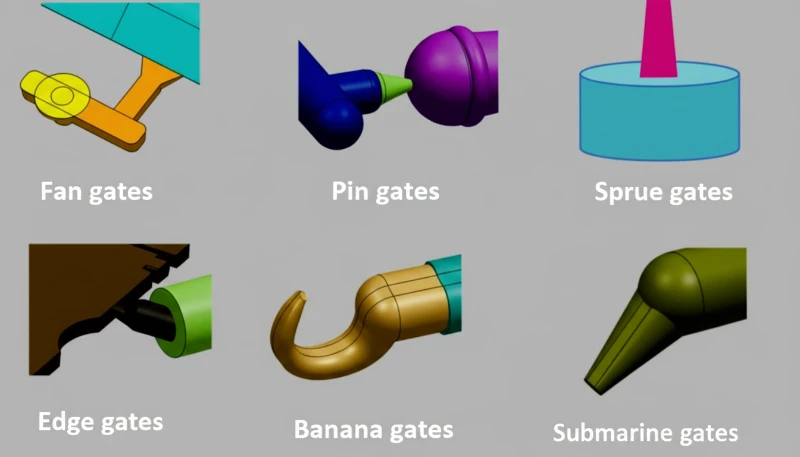
Большинство польских литейщиков владеют английским на рабочем уровне, но глубина общения различается. Для сложных проектов нужны инженеры, а не только сотрудники отдела продаж, которые могут обсуждать на английском углы уклона, расположение литников и компромиссы при выборе материалов. Во время первоначальной оценки попросите поговорить с инженером проекта, который будет вести ваш заказ, а не только с представителем по развитию бизнеса.
4. Минимальные объёмы заказа и сроки
Польские предприятия литья под давлением обычно устанавливают MOQ 1,000–5,000 штук для производственных серий, что выше объемов, часто принимаемых китайскими производителями. Изготовление оснастки занимает 6–12 недель в зависимости от сложности. Если проекту нужны серии менее 1,000 изделий или более короткий срок производства, подтвердите гибкость поставщика до размещения заказа.
5. Тревожные признаки, которых следует избегать
Обращайте внимание на следующие предупреждающие признаки: поставщик не может предоставить свежие рекомендации клиентов из вашей отрасли; цены выглядят слишком низкими и часто скрывают дополнительные сборы за образцы, изменения или логистику; поставщик неохотно допускает аудит предприятия; в договорах отсутствуют чёткие гарантийные условия на срок службы оснастки. Добросовестный польский производитель охотно проведёт видеоэкскурсию по предприятию и предоставит подробное предложение в течение 5–10 рабочих дней.
Какие 10 компаний по литью под давлением являются ведущими в Польше?
Ниже сравниваются 10 ведущих польских компаний литья под давлением по возможностям, соответствию отрасли и надёжности поставок. Список охватывает наиболее авторитетные компании, работающие в Польше, выбранные по стажу работы, спектру услуг, сертификатам и отраслевой репутации. Каждая запись содержит проверенные сведения, помогающие составить короткий список кандидатов для конкретного проекта.
1. Рости Польша
Rosti Poland — крупнейшее и наиболее международно связанное предприятие литья в этом списке. Польское подразделение датской Rosti Group (основана в 1944 году) работает в Белостоке на северо-востоке Польши, где недавно объединило два завода в одно из крупнейших европейских предприятий литья пластмасс под давлением. Rosti Poland специализируется на полном контрактном производстве⁵ — от проектирования и оснастки до выпуска, сборки и упаковки.
Компания обслуживает требовательные отрасли: медицинские устройства, бытовую электронику, автоматизацию дома, аккумуляторные технологии и упаковку. Среди клиентов Whirlpool, Roche Diagnostics и Tetra Pak. Rosti сертифицирована по ISO 9001, ISO 14001 и ISO 13485. Имея 200–300 сотрудников и современную автоматизацию, Rosti подходит для высокоточного средне- и крупносерийного производства с полным нормативным соответствием.
| Подробность | Технические детали из пластика, изготовленные методом литья под давлением |
|---|---|
| Расположение | Белосток, Польша |
| Год основания | 1999 (завод в Польше); группа основана в 1944 году |
| Сотрудники | 200–300 |
| Ключевые отрасли | Медицина, электроника, упаковка, домашняя автоматизация |
| Сертификаты | ISO 9001, ISO 13485, ISO 14001 |
| Веб-сайт | rosti.com |
2. FORMET S.A.
FORMET S.A. уже более 45 лет занимает устойчивое место в польской отрасли изготовления пресс-форм и литья под давлением. Компания расположена в Кобелице, в Силезском регионе — промышленном центре Польши. FORMET проектирует и изготавливает литьевые пресс-формы, а также производит литые под давлением детали для автомобильной и электронной промышленности, производителей товаров для дома и садовой техники. Компания экспортирует продукцию в Германию, Бельгию и Россию, что подтверждает ее способность соответствовать международным требованиям к качеству.
Сильная сторона FORMET — собственное инструментальное производство: компания проектирует и изготавливает пресс-формы, а затем ведёт серийное производство на собственном оборудовании. Такая вертикальная интеграция сокращает сроки и обеспечивает прямой контроль качества пресс-форм. Инженерная команда сопровождает весь процесс — от оценки осуществимости до серийного выпуска.
| Подробность | Технические детали из пластика, изготовленные методом литья под давлением |
|---|---|
| Расположение | Кобелице (Силезия), Польша |
| Год основания | Конец 1970-х (45+ лет) |
| Ключевые отрасли | Автомобильная промышленность, электроника, товары для дома |
| Прочность пуансона | Собственное проектирование и изготовление пресс-форм |
| Экспортные рынки | Германия, Бельгия, Россия |
| Адрес | ул. Polna 135, 43-262 Kobielice |
3. ŚLIWA Plastic Injection Molding Ltd
ŚLIWA — семейная компания по литью под давлением, основанная в 1981 году в Кельно на севере Польши. В компании работает около 120 сотрудников; она специализируется на прецизионном литье под давлением, сборке и тампонной печати. ŚLIWA поддерживает сертификацию ISO 9001 с 1999 года и ISO 14001 с 2003 года — это один из самых продолжительных периодов сертификации среди польских предприятий литья.
Клиентская база компании охватывает автомобильную и энергетическую отрасли, обе из которых предъявляют строгие требования к качеству. Более 40 лет непрерывной работы ŚLIWA и последовательные инвестиции в современное оборудование для литья под давлением делают компанию надёжным выбором для технических пластмассовых деталей с жёсткими допусками и стабильным качеством.
| Подробность | Технические детали из пластика, изготовленные методом литья под давлением |
|---|---|
| Расположение | Кельно, Польша |
| Год основания | 1981 |
| Сотрудники | ~120 |
| Ключевые отрасли | Автомобильная промышленность, энергетика |
| Сертификаты | ISO 9001 (с 1999 года), ISO 14001 (с 2003 года) |
| Услуги | Литьё под давлением, сборка, тампонная печать |
4. AKSON
Компания AKSON, основанная в 1996 году, тесно связана с упаковочной отраслью. Компания, расположенная в Грюнвальдзке, в основном изготавливает на заказ литьевые пресс-формы для элементов упаковки, а также имеет собственное подразделение переработки пластмасс для производства упаковочных компонентов литьем под давлением. Отличительная компетенция AKSON — полный комплекс проектных услуг: разработка концепции упаковки, исследование формы, анализ технологичности, подготовка документации 3D/2D и технических требований.
Одним из заметных достижений является разработка и производство стандартизованных выдувных дорнов для экструзионно-выдувного формования (EBM) — нишевого вида оснастки, демонстрирующего техническую компетентность компании. Штат в 200–299 сотрудников позволяет AKSON выполнять крупные проекты, сохраняя специализацию на упаковке.
| Подробность | Технические детали из пластика, изготовленные методом литья под давлением |
|---|---|
| Расположение | Грюнвальдская, Польша |
| Год основания | 1996 |
| Сотрудники | 200–299 |
| Ключевые отрасли | Упаковка, производство пресс-форм |
| Специализация | Проектирование упаковки и выдувные дорны |
| Услуги | Проектирование пресс-форм, литье под давлением, оснастка EBM |
5. SPLAST
Компания SPLAST была основана в 1989 году и остаётся польской компанией со 100% частным капиталом — семейным предприятием с глубокими местными корнями. Компания специализируется на технических пластмассовых деталях, изготовленных литьём под давлением, и стала одной из наиболее передовых компаний своей категории в Польше. SPLAST также является ведущим европейским производителем профессионального ручного уборочного инвентаря для офисов, гостиниц, больниц и заводов.
SPLAST — стратегический поставщик крупных промышленных клиентов, сочетающий литьё с разработкой изделий. Десятилетия работы и современное оборудование делают компанию надёжным польским партнёром с полной местной собственностью.
| Подробность | Технические детали из пластика, изготовленные методом литья под давлением |
|---|---|
| Расположение | Польша |
| Год основания | 1989 |
| Право собственности | 100% польского частного капитала, семейная собственность |
| Ключевые отрасли | Технические детали, уборочное оборудование |
| Специализация | Технические пластиковые детали, изготовленные литьём под давлением |
| Веб-сайт | Для полипропиленовой детали весом 50 грамм при заказе 10 000 штук ожидаемая цена составит €0,35–€0,55 за штуку у польского производителя против $0,15–$0,30 (€0,14–€0,28) из Китая. Разрыв сокращается при больших объёмах, поскольку затраты на автоматизированное производство сближаются, но трудоёмкие этапы (сборка, контроль, упаковка) остаются дешевле в Китае. |
6. WM
Компания WM работает с 1989 года в Лодзи, в центральной части Польши. Компания сочетает литьё пластмасс под давлением с металлообработкой, предлагая комплексные решения от концепции до готового изделия. WM располагает современным компьютеризированным литьевым цехом и хорошо оснащённым инструментальным участком, что позволяет выполнять как техническое обслуживание пресс-форм, так и изготовление новой оснастки.
WM специализируется на деталях со строгими требованиями к качеству и сложной геометрией. Производство следует системе качества на основе PN-EN ISO 9001. Обработка пластмасс и металла под одной крышей делает WM удобным партнёром для сборок из обоих материалов.
| Подробность | Технические детали из пластика, изготовленные методом литья под давлением |
|---|---|
| Расположение | Лодзь, Польша |
| Год основания | 1989 |
| Сотрудники | 100–199 |
| Ключевые отрасли | Промышленные, технические детали |
| Сертификаты | ISO 9001 |
| Уникальная возможность | Комбинация литья пластмасс под давлением и обработки металла |
7. Molanderplast
Molanderplast, основанная в 1983 году и расположенная в Щецине (недалеко от границы с Германией), — проектно-производственная компания, специализирующаяся на пластиковых изделиях, изготовленных литьем под давлением. Компания особенно сильна в решениях для погрузочно-разгрузочных и логистических операций: ее лотки и упаковочные решения рассчитаны на эффективное обращение и минимальный объем при транспортировке.
Ценностное предложение Molanderplast заключается в замене дорогостоящих одноразовых материалов пригодными для вторичной переработки аналогами, изготовленными методом литья под давлением. Компания работает с различными отраслями и предоставляет рекомендации по проектированию с учётом технологичности, что позволяет сократить количество деталей и снизить общие производственные затраты. Близость к границе с Германией делает её естественным ближним производственным партнёром для заказчиков из Германии и Скандинавии.
| Подробность | Технические детали из пластика, изготовленные методом литья под давлением |
|---|---|
| Расположение | Щецин, Польша (возле границы с Германией) |
| Год основания | 1983 |
| Сотрудники | 100–199 |
| Ключевые отрасли | Логистика, упаковка, перемещение материалов |
| Специализация | Перерабатываемые литые альтернативы одноразовым изделиям |
| Услуги | Проектирование, прототипирование, производство |
8. Frohe Ltd
Frohe Ltd обладает примерно 25-летним опытом прецизионного литья пластмасс под давлением. Компания обслуживает международных клиентов, уделяя особое внимание автомобильной промышленности. Frohe располагает двумя просторными современными производственными помещениями с высокими стандартами чистоты, что отражает приверженность компании производству со строгим контролем качества.
Помимо автомобильной отрасли Frohe обслуживает клиентов в сельском хозяйстве, пищевой промышленности и электронике. Возможности компании в прецизионном литье охватывают детали различной сложности и разные материалы. Постоянная ориентация на международных заказчиков обычно означает хорошо налаженные англоязычные коммуникации и управление проектами.
| Подробность | Технические детали из пластика, изготовленные методом литья под давлением |
|---|---|
| Расположение | Польша |
| Год основания | ~2001 (25 лет опыта) |
| Ключевые отрасли | Автомобилестроение, сельское хозяйство, пищевая промышленность, электроника |
| Специализация | Прецизионное литьё пластмасс под давлением |
| Предприятие | Два современных производственных помещения |
| Веб-сайт | frohe.pl |
9. Larkis
Компания Larkis, основанная в 1989 году и расположенная недалеко от Кракова, специализируется на резиновых и силиконовых изделиях, изготовленных литьём под давлением. Хотя это не традиционный производитель термопластов, Larkis входит в список благодаря комплексным возможностям по производству силиконовых прокладок, уплотнений, экструдированных силиконовых изделий и компонентов из жидкого силиконового каучука LSR.
Продукция применяется в автомобилях, кухонной технике, медицине, фармацевтике и хранении пищи. Larkis выполняет сложные заказы современными процессами и признана одним из ведущих производителей силикона в Польше. Для проектов с силиконовыми или резиновыми компонентами рядом с термопластами это полезный партнёр.
| Подробность | Технические детали из пластика, изготовленные методом литья под давлением |
|---|---|
| Расположение | Недалеко от Кракова, Польша |
| Год основания | 1989 |
| Ключевые отрасли | Автомобилестроение, медицина, пищевая промышленность, бытовая техника |
| Специализация | Литьевые изделия из LSR, силиконовые прокладки и уплотнения |
| Уникальная возможность | Полный ассортимент изделий из силикона/резины |
| Веб-сайт | larkis.pl |
10. ALEX Tools
ALEX Tools завершает список как быстро развивающаяся компания по производству форм и литью под давлением. Она сочетает литьё пластмасс под давлением с прецизионной обработкой металла на оборудовании CNC, позиционируя себя как универсального партнёра для проектов, где требуются и изготовление форм, и производство литых деталей.
Их инвестиции в технологию CNC обеспечивают высокую точность размеров как пресс-форм, так и готовых деталей. Хотя ALEX Tools моложе и меньше некоторых компаний из этого списка, она представляет растущий сегмент польских производителей, инвестирующих в современное оборудование для конкуренции за международные контракты.
| Подробность | Технические детали из пластика, изготовленные методом литья под давлением |
|---|---|
| Расположение | Польша |
| Ключевые отрасли | Промышленные прецизионные детали |
| Специализация | Литье под давлением + прецизионная обработка на станках с ЧПУ |
| Оборудование | Станки с ЧПУ для изготовления форм и деталей |
| Позиционирование | Растущий производитель с современным оборудованием |
| Услуги | Изготовление форм, литьё под давлением, обработка на ЧПУ |
Как стоимость литья под давлением в Польше соотносится со стоимостью в Китае?
При выборе между Польшей и Китаем для литья под давлением решающим фактором обычно является стоимость. Ниже приведено прямое сравнение на основе реальных цифр.
Затраты на оснастку
Пресс-форма средней сложности (2-полостная, с боковым механизмом) в Польше обычно стоит €8,000–€15,000. Такая же форма китайского производителя стоит $4,000–$8,000 (примерно €3,700–€7,400). Разница в цене составляет 40–60%. Польская оснастка обычно изготавливается по стандартам HASCO или DME, что упрощает техническое обслуживание и закупку запасных частей в Европе, тогда как китайские формы часто соответствуют стандартам LKM или местным стандартам.
Затраты на единицу продукции
При заказе 10,000 полипропиленовых деталей массой 50 граммов ожидаемая цена у польского изготовителя составит €0.35–€0.55 за штуку, а в Китае — $0.15–$0.30 (€0.14–€0.28). При больших объемах разница сокращается, поскольку затраты автоматизированного производства сближаются, однако трудоемкие операции (сборка, контроль, упаковка) в Китае остаются дешевле.
«Затраты на производственный труд в Польше (~€13/hr) составляют примерно треть от уровня Германии (~€48/hr), что даёт польским предприятиям литья под давлением значительное преимущество по стоимости в пределах EU.»True
Почасовая стоимость труда в обрабатывающей промышленности Польши, составлявшая в 2023 году приблизительно €13, выгодно отличается от €48 в Германии, €45 во Франции и €33 в Италии. Этот разрыв в затратах — основная причина, по которой западноевропейские OEM-производители переносят заказы на литье под давлением в Польшу.
"Детали, отлитые под давлением в Польше, всегда дешевле китайских в расчете на единицу."False
Китайские производители обычно предлагают цены за единицу литьевых деталей на 40–60% ниже, чем польские. Преимущество Польши проявляется в общей стоимости с доставкой при учете перевозки, таможенных пошлин и затрат на хранение запасов для малых и средних партий, поставляемых в Европу.
Помимо цены, решение о выборе поставщика зависит от того, что именно вы производите. Корпуса медицинских изделий, элементы отделки автомобильных салонов и корпуса бытовой электроники предъявляют разные требования к допускам, сертификации материалов и нормативной документации. Польские поставщики обычно специализируются на узких направлениях, и лишь немногие предлагают такой же широкий спектр возможностей, как крупные китайские изготовители пресс-форм. Если для нового потребительского продукта нужны многогнёздные пресс-формы и агрессивная цена, экономика склоняется в пользу Китая. Если же требуется сертифицированное литьё в чистом помещении класса 7 для медицинского изделия, продаваемого в ЕС, решающими преимуществами Польши становятся близость и знание местных норм.
"Многие руководители закупок используют двухисточниковую стратегию: Китай для крупносерийных чувствительных к стоимости деталей, Польша — для срочных регулируемых компонентов."True
Этот подход снижает риски сбоев цепочки поставок и одновременно оптимизирует затраты. Польша обеспечивает соответствие нормативам ЕС и быструю доставку регулируемой продукции, а Китай — более низкую себестоимость единицы для крупносерийных стандартных деталей, когда сроки поставки допускают гибкость.
"Все польские компании литья под давлением способны выпускать продукцию медицинского класса в чистых помещениях."False
Лишь часть польских предприятий литья под давлением инвестировала в чистые помещения и получила сертификацию ISO 13485 для производства медицинских изделий. Такие компании, как Rosti и ŚLIWA, предлагают литьё медицинского класса, однако многие польские производители сосредоточены на автомобильной, потребительской или промышленной продукции и не располагают чистыми помещениями.
Скрытые затраты, меняющие соотношение
Цена на этикетке не раскрывает всей картины. Закупка в Китае добавляет таможенные пошлины (обычно 3–6.5% для пластиковых изделий, ввозимых в ЕС), морскую перевозку ($2,000–$4,000 за контейнер) и 4–6 недель доставки. При производстве в Польше внутри ЕС нет таможенных пошлин, перевозка стоит лишь небольшую долю межконтинентальной, а сроки измеряются днями, а не неделями.
Затраты на коммуникацию также различаются. Польские поставщики работают в часовом поясе CET, который полностью совпадает с рабочими часами в Западной Европе. Разница во времени между Китаем и Центральной Европой в 6–7 часов означает, что ответы на ваши электронные письма приходят ночью, а решение проблем в реальном времени требует выходить на связь рано утром или поздно вечером.
Когда расчет говорит в пользу каждого варианта
Если общая стоимость заказа превышает €30,000 и важна скорость поставки, совокупная стоимость производства в Польше часто конкурентоспособна с учетом логистики, пошлин и расходов на хранение запасов. При заказе больших объемов (>50,000 единиц), когда решающее значение имеет цена за единицу, преимущество Китая в себестоимости деталей на 40–60% обычно перевешивает дополнительные логистические расходы.
Когда Польша является правильным выбором для закупки литья под давлением?
Польша является правильным выбором поставщика, когда коммуникация, близость региона и средние объемы производства важнее минимальной цены за единицу. Не каждый проект следует размещать в Польше и не каждый — в Китае. Ниже указано, когда каждый вариант более целесообразен.
Выбирайте Польшу, если:
Ваши конечные заказчики находятся в ЕС, и срок поставки критичен (автомобильная JIT, пополнение медицинских изделий). Требуется соответствие нормам ЕС, встроенное в производство (маркировка CE, REACH, медицинские изделия класса I–II). Объёмы малы или средни (1,000–50,000 единиц/год), когда экономия на оснастке в Китае не компенсирует логистику. Вы хотите лично провести аудит завода: перелёты в Варшаву или Краков из любого европейского узла занимают менее 3 часов и стоят €100–€300.
Выбирайте Китай, когда:
Вам нужна минимальная цена при 50,000+ единицах, поставщик с 400+ материалами и диапазоном 90T–1850T на одной площадке, а также многогнездная форма, где экономия оснастки 40–60% напрямую влияет на ROI.
Многие менеджеры по закупкам используют стратегию двух источников: Китай — для крупносерийных деталей, чувствительных к цене, а Польша — для срочных или регулируемых компонентов.
Часто задаваемые вопросы о литье под давлением в Польше
Литье под давлением в Польше дешевле, чем в Германии?
Да, существенно. Средняя стоимость производственного труда в Польше составляет около €13 в час против €48 в Германии, что даёт преимущество примерно в 70%. Стоимость оснастки и единицы продукции в Польше обычно на 30–50% ниже при соблюдении требований ЕС к качеству и нормативному соответствию, включая маркировку CE и требования REACH. Благодаря этой разнице Польша особенно привлекательна для малых и средних серий, где экономия на каждой детали суммируется по всему заказу. Компромисс состоит в том, что Германия располагает более глубокой специализацией в отдельных областях высокоточного и микролитья, которая может оправдывать более высокую цену.
Какие сертификаты обычно имеют польские предприятия литья под давлением?
Большинство давно работающих польских предприятий литья под давлением имеют базовый сертификат системы менеджмента качества ISO 9001:2015. Компании автомобильного сектора поддерживают IATF 16949, а производители медицинских изделий — ISO 13485 для регулируемого производства. Экологический сертификат ISO 14001 также распространён среди крупных компаний, например ŚLIWA, которая поддерживает ISO 9001 и ISO 14001 более двух десятилетий. При оценке поставщика всегда запрашивайте актуальные копии сертификатов и проверяйте, что область сертификации охватывает именно операции литья под давлением, а не только торговую деятельность. Такая проверка помогает предотвратить дорогостоящие проблемы с качеством на последующих этапах производства.
Каков типичный срок поставки литьевой формы в Польшу?
Срок изготовления стандартной формы в Польше составляет 6–12 недель в зависимости от сложности, числа полостей и загрузки поставщика. Добавьте 1–2 недели на T1, проверку размеров и отчет FAI. Сложные многогнездные формы с боковыми механизмами, наклонными толкателями или вывинчиваемыми сердечниками занимают 14–16 недель. Сроки оснастки сопоставимы с Китаем, но доставка по Европе грузовиком занимает дни, а не недели морем. Срочное исполнение возможно за доплату и обсуждается при запросе цены.
Могут ли польские предприятия выполнять литьё под давлением медицинского класса?
Несколько польских компаний, включая Rosti и ŚLIWA, инвестировали в чистые помещения и имеют сертификацию ISO 13485 для производства медицинских изделий. Чистые помещения классов ISO 7–8 подходят для большинства медицинских изделий классов I и II. Эти компании могут производить компоненты систем доставки лекарств, корпуса диагностического оборудования и рукоятки хирургических инструментов с валидированными производственными процессами. Перед заключением производственного партнёрства проверьте у каждого поставщика класс чистого помещения, возможности испытаний биосовместимости материалов и совместимость со стерилизацией (EtO, гамма-излучение, автоклав).
Предлагают ли польские предприятия литья под давлением собственное изготовление пресс-форм?
Некоторые имеют такие возможности, другие — нет. Компании FORMET S.A. и WM эксплуатируют собственные инструментальные цеха с обрабатывающими центрами CNC, EDM и оборудованием проволочной резки, что позволяет полностью проектировать, изготавливать и обслуживать пресс-формы на одной площадке. Другие польские предприятия передают изготовление специализированным инструментальным цехам и сосредоточены только на серийном производстве. Если для проекта критичны качество формы, скорость обслуживания, сроки итераций или защита интеллектуальной собственности, отдавайте приоритет поставщикам с собственным производством пресс-форм. Это также снижает риск ошибок коммуникации между конструктором и производственной командой.
Какие материалы обычно перерабатывают польские предприятия литья под давлением?
Польские литейные предприятия работают со стандартными инженерными термопластами, включая PP (полипропилен), PE (полиэтилен), ABS, PA (нейлон), PC (поликарбонат), POM (ацеталь) и PMMA (акрил). Некоторые компании также перерабатывают высокоэффективные технические материалы, такие как PEEK, PPS и LCP, для специализированных применений в автомобилестроении и электронике. Специалисты, например Larkis под Краковом, предлагают литьё LSR (жидкого силиконового каучука). Выбор материала следует подтвердить на этапе предложения, включая доступность, срок поставки специальных марок и требования к сертификации. Некоторые польские предприятия также предлагают подбор цвета и компаундирование суперконцентратов по индивидуальным требованиям.
Каковы типичные минимальные объёмы заказа для литья под давлением в Польше?
Большинство польских предприятий литья под давлением устанавливают минимальный объём заказа 1,000–5,000 изделий на одну производственную партию. Некоторые поставщики принимают меньшие объёмы для изготовления прототипов или пилотных партий, но по повышенной цене за единицу, поскольку затраты на наладку распределяются на меньшее количество деталей. При объёме менее 1,000 единиц оцените, не окажутся ли 3D-печать (FDM или SLA) либо вакуумное литьё (силиконовая оснастка) экономичнее на начальном этапе производства до инвестиций в полноценную литьевую оснастку. Небольшая пилотная партия также позволяет проверить качество поставщика до размещения полного производственного заказа.
Как проверить возможности польского предприятия по литью под давлением?
Запросите видеоэкскурсию по предприятию — большинство поставщиков организуют её в течение нескольких дней. Попросите недавние рекомендации заказчиков из вашей отрасли и свяжитесь с ними, чтобы обсудить фактическое соблюдение сроков поставки и стабильность качества. Проверяйте сертификаты через выдавшую их организацию (TÜV, BSI, SGS), а не полагайтесь на отсканированные копии. До размещения заказа на полное производство закажите образец детали, чтобы лично оценить качество поверхности, точность размеров и качество материала. Контрольный список аудита завода, охватывающий возраст оборудования, системы качества и экологический контроль, выявит возможности, которых не видно на сайте. Многие опытные специалисты по закупкам также запрашивают пробную производственную серию из 100–200 изделий, чтобы проверить стабильность процесса до размещения полного заказа.
Почему ZetarMold — подходящий партнёр для покупателей из Польши?
Если ваш анализ указывает на Китай из-за преимуществ стоимости или масштаба, ZetarMold предлагает убедительное сочетание возможностей, с которым не могут сравниться многие стратегии закупок только в Польше. Компания ZetarMold находится в Шанхае, имеет 20+ лет опыта литья под давлением и эксплуатирует 45 термопластавтоматов усилием от 90T до 1850T — такой диапазон доступен немногим польским формовщикам. Это позволяет нам производить всё: от небольших прецизионных фиксаторов до крупных корпусов массой до 10 kg за один впрыск.
Собственное производство ZetarMold выпускает 100+ комплектов литьевых форм в месяц; в штате 8 ведущих инженеров (у каждого 10+ лет опыта) и 30+ англоговорящих руководителей проектов со временем ответа ≤24 часов. До обработки стали команда выполняет DFM-анализ, моделирование потока и оптимизацию конструкции, сокращая дорогостоящие доработки.
Для покупателей из Польши ключевые преимущества таковы: доступ к более чем 400 материалам, критически важный для специализированных промышленных и потребительских применений; сертификация ISO 9001/13485/14001/45001 по качеству, медицинским, экологическим требованиям и безопасности; конкурентная цена, обычно позволяющая сэкономить 30–60% на оснастке по сравнению с европейскими производителями.
На нашем заводе мы понимаем, что закупки в Китае вызывают опасения по поводу коммуникации и качества. Поэтому каждому проекту назначается отдельный англоязычный менеджер, предоставляются обновления хода работ в реальном времени с фотографиями и полные отчёты о размерах образцов T1. ZetarMold осуществляет поставки по всему миру и располагает проверенными логистическими партнёрами для надёжной доставки в европейские страны, включая Польшу.
Готовы сравнить? Получите бесплатное предложение по проекту — ответим в течение 24 часов с ценой, DFM и графиком производства.
рынок литья под давлением: мировой рынок литья под давлением оценивался в $365.22 млрд в 2024 году и, как ожидается, вырастет до $580.44 млрд к 2033 году при среднегодовом темпе роста 4.74%. ↩
рынок пластмасс, изготовленных литьём под давлением: мировой рынок таких пластмасс оценивался в $362.47 млрд в 2025 году и, по прогнозам, достигнет $481.42 млрд к 2033 году при среднегодовом темпе роста 4.0%. ↩
затраты на рабочую силу: средняя почасовая стоимость труда в производстве в ЕС составляла €33.70 в 2024 году; в Германии она достигала €48.30, а в Польше — €13 в час, согласно данным Eurostat. ↩