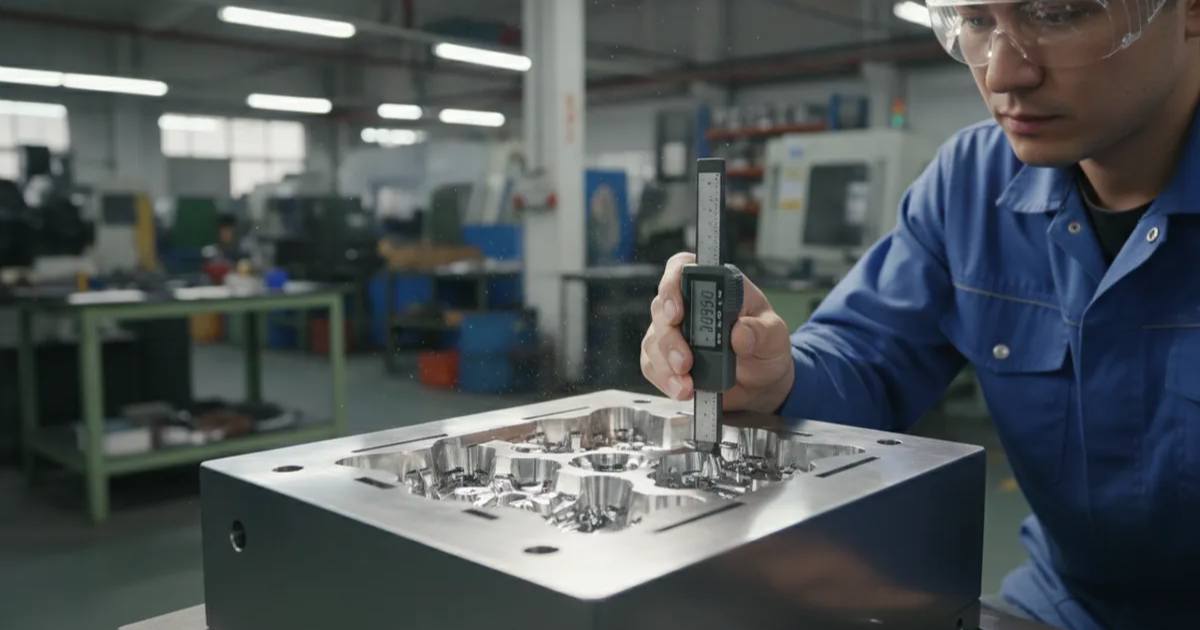
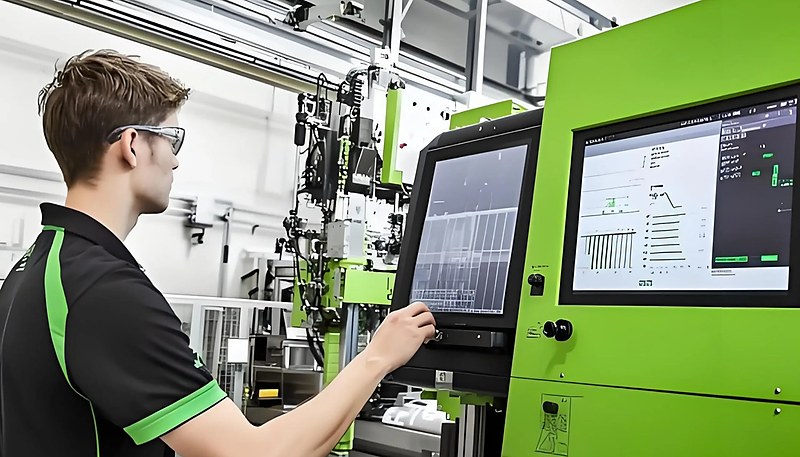
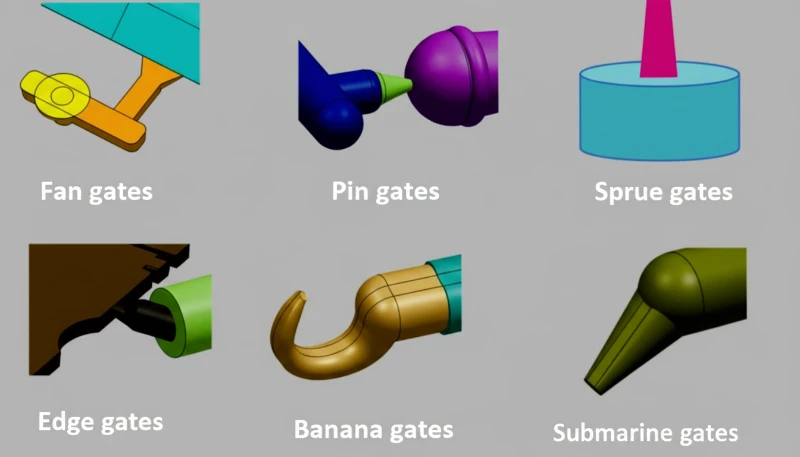
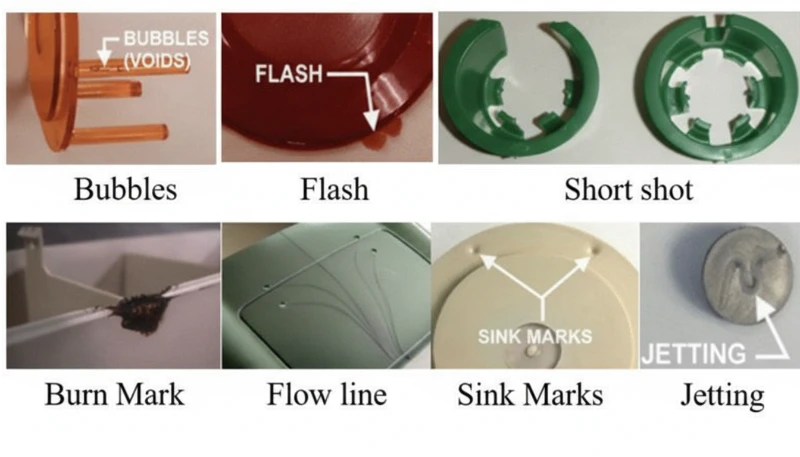
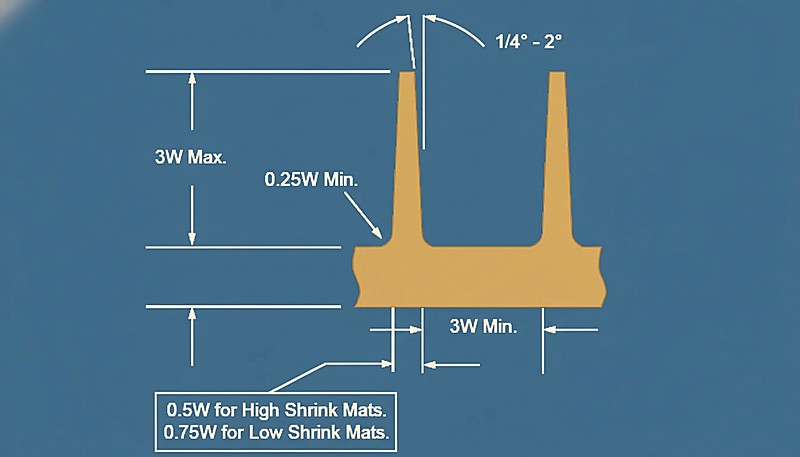
- сравнение термоформования и литья под давлением” class=”wp-image-52260″ width=”800″ height=”457″ />
- При термоформовании плоский пластиковый лист нагревают и формуют на форме с помощью вакуума или давления — этот метод подходит для крупных, тонкостенных и неглубоких изделий, таких как лотки и корпуса.
- Литье под давлением обеспечивает допуски ±0.05 mm; типичные допуски термоформования составляют ±0.5–1.5 mm.
- Оснастка для термоформования стоит в 5–10× раз дешевле литьевой формы, что делает ее привлекательной для крупных деталей малыми сериями.
- Материал, геометрия детали, объём и требования к равномерности стенок определяют, какой процесс подходит для вашего применения.
Когда клиент присылает конструкцию большого пластикового лотка, оболочки корпуса или упаковочной вставки, первый вопрос: нужно литьё под давлением или термоформование? Внешне процессы похожи — оба формуют пластик теплом и формой, — но фундаментально различаются возможностями, экономикой и применением. Правильный выбор экономит десятки тысяч долларов на оснастке и месяцы разработки.
Что такое литьё под давлением и почему оно так широко применяется?
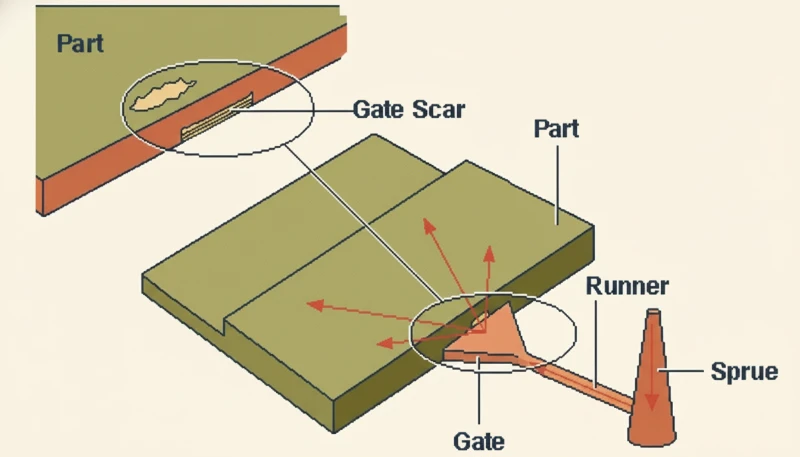
При литье под давлением расплавленные гранулы термопласта1 проходят через нагретый цилиндр и под давлением 10 000–30 000 psi впрыскиваются в закрытую стальную полость пресс-формы. Пластик заполняет все элементы полости, охлаждается, затвердевает и извлекается в виде готовой твердой детали. Для большинства потребительских изделий весь цикл — от смыкания формы до извлечения детали — обычно занимает 15–60 секунд.
Определяющая особенность литья под давлением — полнота формообразования: полость одновременно ограничивает пластик со всех сторон, позволяя воспроизводить элементы размером до 0.02 mm. Острые кромки, глубокие ребра, внутренние резьбы, живые шарниры и защелки можно получить за одну операцию. На нашем заводе литье под давлением применяется для большинства сплошных пластиковых деталей, требующих точности, высокого внешнего качества или конструкционной прочности.
Литье под давлением масштабируется от одногнездных прототипных форм до 128-гнездных форм для массового производства, благодаря чему оно экономически целесообразно в широком диапазоне объемов. Процесс совместим практически со всеми термопластами — от массовых PP и ABS до инженерных марок, таких как PEEK и LCP. Именно благодаря этой универсальности литье под давлением является преобладающим в мире процессом производства пластмассовых изделий и обеспечивает более 70% всех пластмассовых деталей по объему.
Что такое термоформование и когда оно превосходит литье под давлением?
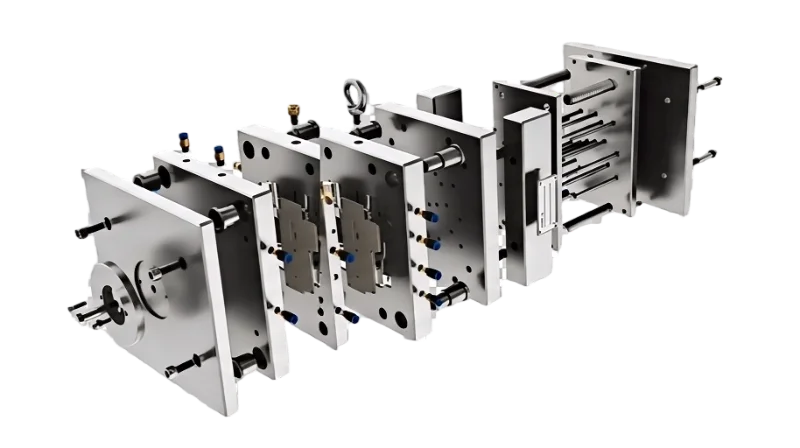
Термоформование нагревает плоский пластиковый лист до размягчения и формует его по форме вакуумом, давлением или механическим усилием. После охлаждения лишний материал обрезается. В отличие от литья под давлением, исходным материалом служит готовый лист, а пластик формуется поверх формы, а не впрыскивается внутрь.
Существуют два основных вида термоформования: вакуумное формование, при котором размягченный лист прижимается к форме атмосферным давлением, и формование под давлением2, где с противоположной стороны дополнительно подается сжатый воздух, позволяющий получить более мелкие и четкие элементы. Вакуумное формование наиболее распространено и обходится дешевле всего; при подходящей геометрии формование под давлением обеспечивает качество поверхности, близкое к литью под давлением, при значительно меньшей стоимости оснастки.
Термоформование особенно эффективно в трех ситуациях: для очень крупных деталей (обшивка потолка автомобиля, внутренние панели холодильников, корпуса гидромассажных ванн), когда пресс-формы для литья под давлением были бы чрезмерно дорогими; для тонкостенной упаковки (пищевые лотки, блистерные упаковки, контейнеры-ракушки), где эффективно используется листовой материал; и для малосерийного производства, когда меньшие инвестиции в оснастку для термоформования оправдывают более высокий расход материала на деталь из-за обрезки.
Как эти два процесса различаются по геометрии и сложности деталей?
Геометрия детали — первый критерий выбора процесса. Каждый процесс имеет собственную область геометрий, в которой он эффективен и за пределами которой перестает работать.
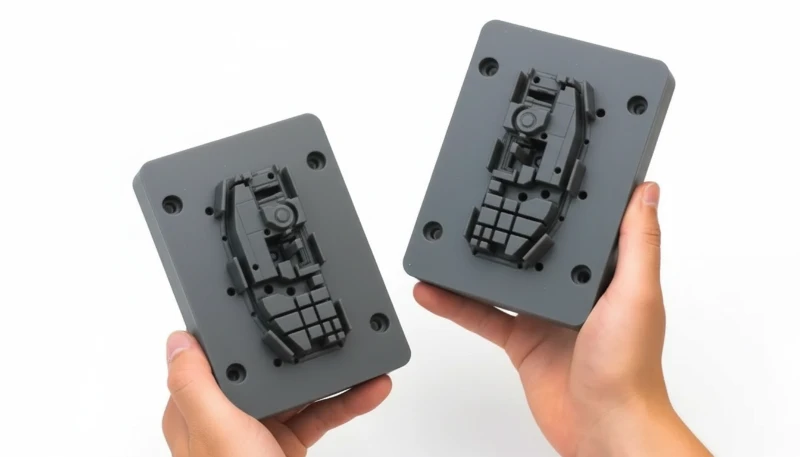
Литьё под давлением позволяет создавать практически любую трёхмерную сплошную геометрию: сложные поднутрения с ползунами и наклонными выталкивателями, внутреннюю резьбу с выворачиваемыми пуансонами, несколько толщин стенок в одной детали и прецизионные элементы, такие как канавки уплотнительных колец и отверстия подшипников. Единственное ограничение: форма должна открываться по линии разъёма, а деталь — чисто извлекаться.
Термоформование ограничено открытыми относительно неглубокими геометриями, вытягиваемыми из плоского листа. Глубокая вытяжка с большим отношением глубины к ширине приводит к утонению стенок и разрушению материала. Для поднутрений требуются сложные подвижные секции формы, которые повышают стоимость и уменьшают преимущество термоформовочной оснастки. Внутренние элементы, такие как бобышки, рёбра и защёлки, невозможно получить стандартным термоформованием — для них нужны вторичные операции: сварка, склеивание или механическое крепление.
“Оснастка для термоформования может стоить на 80–90% меньше, чем эквивалентные пресс-формы для литья под давлением для крупных деталей.”True
Оснастка для термоформования крупной детали может стоить $5,000–$20,000 при изготовлении из алюминия или композита, тогда как эквивалентная литьевая форма из инструментальной стали для детали того же размера обойдётся в $50,000–$200,000 или больше. Разница в стоимости оснастки в 5–10× делает термоформование очевидно более экономичным для крупных деталей низкой сложности при малых и средних объёмах производства. Однако для малых, сложных и массовых деталей литьё под давлением выигрывает по совокупной стоимости.
“Термоформирование может обеспечить такие же размерные допуски, как и литье под давлением.”False
При термоформовании пластиковый лист неконтролируемо растягивается по односторонней форме, что приводит к разбросу толщины стенки и допускам размеров ±0.5–1.5 mm для стандартных процессов. При литье под давлением пластик ограничен двумя точно обработанными половинами формы, что обеспечивает допуски ±0.05 mm. Для любых изделий, требующих точных посадок, уплотнительных поверхностей или жестких сборочных допусков, правильным процессом является литье под давлением. Термоформование эффективно там, где точность размеров вторична по отношению к стоимости и размеру детали.
Какой процесс обеспечивает лучшую размерную точность?
Точность размеров — один из важнейших критериев выбора деталей, которые должны входить в сборочные узлы, герметично сопрягаться с другими компонентами или соответствовать нормативным требованиям к размерам.
Литьё под давлением обеспечивает самые жёсткие допуски, достижимые при производстве пластиков. Стандартные коммерческие допуски составляют ±0.2 mm; с прецизионной оснасткой и контролируемыми параметрами процесса (температурой формы, скоростью впрыска, давлением выдержки, временем охлаждения) мы стабильно достигаем ±0.05 mm. Причина в том, что обе половины формы точно ограничивают пластик со всех сторон во время затвердевания.
Допуски термоформования по своей природе шире: обычно ±0.5–1.5 mm для стандартного вакуумного формования и ±0.3–0.8 mm для формования под давлением. Изменение толщины стенки термоформованной детали на ±20–40% ожидаемо и приемлемо для большинства упаковочных применений. Оно возникает из-за неравномерного растяжения листа при формовании: стенки в углах и глубоких участках становятся тоньше. Для прецизионных сборок термоформованные детали часто требуют обрезки и вторичных операций для соблюдения требований к посадке.
Как соотносится экономика объёмов производства?
Экономическая точка перехода между литьем под давлением и термоформованием в значительной степени зависит от размера и сложности детали, а также годового объема производства. Понимание этой точки критически важно для планирования проекта.
Литьё под давлением требует дорогой оснастки, но при больших объёмах имеет низкую стоимость детали. Пресс-форма стоимостью $20,000 при амортизации на 100,000 деталей добавляет $0.20 к каждой детали, а при 1,000,000 деталей — $0.02. Для небольших и средних деталей при высоком объёме (свыше 25,000–50,000 единиц в год) литьё под давлением почти всегда обеспечивает минимальную общую стоимость.
“При больших объемах производства литье под давлением почти всегда имеет более низкую общую стоимость, чем термоформирование для эквивалентных деталей.”True
Отходы материала при термоформировании (20–40% обрезков), более длительное время цикла на деталь и ограниченные возможности многогнездных форм означают, что стоимость одной детали не снижается так резко с ростом объема, как при литье под давлением. При объемах примерно выше 50 000 единиц в год для деталей среднего размера высокая стоимость оснастки для литья под давлением полностью амортизируется, и его более низкая стоимость на деталь делает его экономическим победителем. Вот почему товары массового потребления почти повсеместно производятся литьем под давлением, несмотря на высокие инвестиции в оснастку.
“Термоформирование может обеспечить такую же сложность детали, как и литье под давлением, для структурных компонентов.”False
Термоформование ограничено открытыми, относительно неглубокими геометриями, вытягиваемыми из плоского листа. За одну операцию оно не может создавать внутренние элементы, такие как бобышки, рёбра, защёлки или интегральные петли, которые литьё под давлением производит обычно. Глубокая вытяжка вызывает утончение стенок и разрушение материала. Для сложных конструкционных компонентов литьё под давлением является единственным жизнеспособным одностадийным процессом.
Термоформование требует недорогой оснастки, но имеет более высокую себестоимость детали из-за отходов при обрезке (обычно в обрезь уходит 20–40% листа), более медленных циклов толстолистового формования и ограниченных вариантов многогнездности. Для очень крупных деталей малыми сериями (менее 5,000–10,000 единиц в год) термоформование часто выигрывает по общей стоимости проекта, несмотря на более высокую себестоимость детали.
Расчёт безубыточности прост: для каждого процесса при планируемом объёме производства сравните (стоимость оснастки + стоимость детали × объём). Мы строим такую модель для каждого клиентского выбора между литьём под давлением и термоформованием, и результаты часто удивляют инженеров, считавших термоформование всегда более дешёвым для крупных деталей.
Какие материалы лучше всего подходят для каждого процесса?
Выбор материала тесно связан с выбором процесса. Оба процесса работают с термопластами, но варианты материалов и требования существенно различаются.
Литьем под давлением перерабатывают практически все термопласты: массовые смолы (ПП, ПЭ, АБС, ПС), инженерные пластики (ПА, ПОМ, ПК, ПБТ), высокоэффективные пластики (PEEK, PEI, PPS) и эластомеры (TPU, TPE). Полностью совместимы и высоконаполненные компаунды со стекловолокном, углеродным волокном или минеральным наполнителем. На нашем заводе мы перерабатываем более 50 материалов.
Для термоформования требуется листовой материал, доступный для распространённых полимеров (ABS, HIPS, PETG, PVC, HDPE, PEEK), но не для всех конструкционных марок. Материалы с высоким содержанием наполнителя или армирования трудно термоформовать, поскольку наполнитель препятствует равномерному формированию и вытяжке листа. Выбор материала для термоформования также ограничен ассортиментом поставщиков листа: специальные материалы могут отсутствовать в требуемой толщине.
Для применений, требующих специальных сертификатов материала (FDA, USP Class VI, UL 94 V-0), оба процесса допускают использование соответствующих материалов, хотя литьё под давлением обычно предлагает более широкий выбор сертифицированных марок от разных поставщиков.
 продолжительность цикла3 сравнение термоформования и литья под давлением” class=”wp-image-53071″ width=”800″ height=”457″ />
Часто задаваемые вопросы о литье под давлением и термоформовании
Могут ли термоформованные детали быть такими же прочными, как детали, отлитые под давлением? При одинаковых материале и толщине стенки термоформованные и литые детали обладают сходными механическими свойствами: обе получают из одного и того же термопласта. Однако толщина стенок термоформованных деталей неизбежно меняется — в углах они тоньше, — из-за чего снижается однородность конструкции. Литые детали с ребрами и бобышками зачастую обеспечивают лучшее соотношение жесткости и массы за счет геометрии, а не простой толщины материала.
Какой процесс лучше подходит для прототипирования? Прототипы крупных тонкостенных деталей можно изготовить термоформованием за 1–2 недели при низкой стоимости оснастки. Для сложных объемных деталей 3D-печать быстрее и дешевле как термоформования, так и изготовления прототипа методом литья под давлением. Если прототип должен точно воспроизводить серийный материал и качество поверхности, оптимальным выбором будет литье под давлением в алюминиевой прототипной форме: 2–3 недели и $5 000–$15 000.
Каков максимальный размер детали при литье под давлением? Ограничения задаются объемом впрыска машины и усилием смыкания. Крупные термопластавтоматы способны формовать детали массой свыше 20 кг, но оснастка для очень больших изделий становится чрезвычайно дорогой. Для деталей с проекционной площадью более примерно 1 000 × 600 мм термоформование обычно экономически выгоднее литья под давлением.
Может ли термоформование обеспечить качество поверхности, сопоставимое с литьем под давлением, для видимых потребительских изделий? На наружной стороне, соприкасающейся с формой, формование под давлением может давать поверхность класса A, сопоставимую с литьем под давлением для плоских или плавно изогнутых панелей. Однако мелкая фактура поверхности — от зеркальной SPI A1 до грубой SPI D3 — при литье под давлением контролируется точнее и воспроизводится стабильнее, чем при термоформовании.
Как выбрать между этими двумя процессами для своего проекта? Руководствуйтесь следующими правилами: для объемной детали или изделия с внутренними элементами — ребрами, бобышками, резьбой — выбирайте литье под давлением. Для крупной, тонкостенной и относительно неглубокой детали оцените термоформование. При объеме менее 5 000 крупных деталей экономика оснастки убедительно говорит в пользу термоформования. При объеме свыше 50 000 деталей любого размера обычно выигрывает совокупная стоимость литья под давлением. Отправьте нам 3D-файл, и мы бесплатно порекомендуем процесс и рассчитаем затраты. Подробный обзор представлен в нашем полном руководстве по литью под давлением.
-
Термопласт: полимерный материал, который размягчается при нагреве выше температуры плавления и затвердевает при охлаждении, благодаря чему пригоден для литья под давлением, термоформования, выдувного формования и экструзии, а по окончании срока службы может перерабатываться. ↩
-
Формование под давлением: разновидность термоформования, при которой к верхней поверхности нагретого пластикового листа прикладывается положительное давление воздуха, пока лист притягивается к форме. Это позволяет получать более четкие мелкие элементы и более тонкую фактуру поверхности, чем при одном лишь вакуумном формовании. ↩
-
Время цикла: полное время одного цикла литья под давлением, включая впрыск, выдержку под давлением, охлаждение и раскрытие формы с извлечением детали; для стандартных изделий обычно составляет 15–60 секунд, причем на охлаждение приходится 50–70% всего цикла. ↩
Получите конкурентную цену, рекомендации DFM и график производства от инженерной команды ZetarMold.