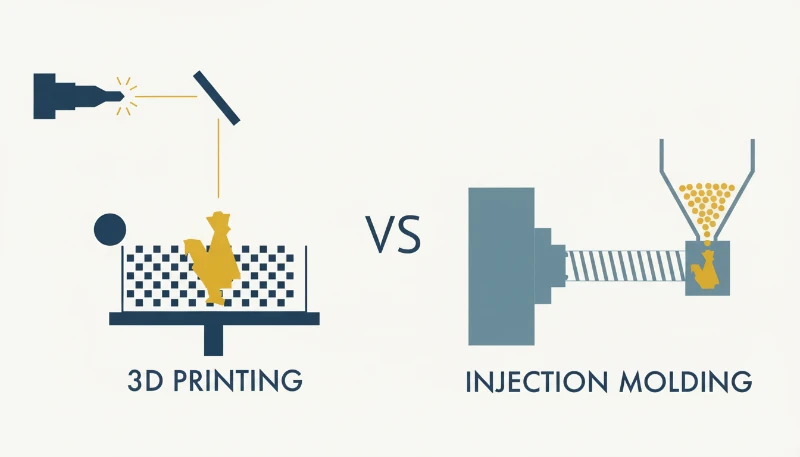
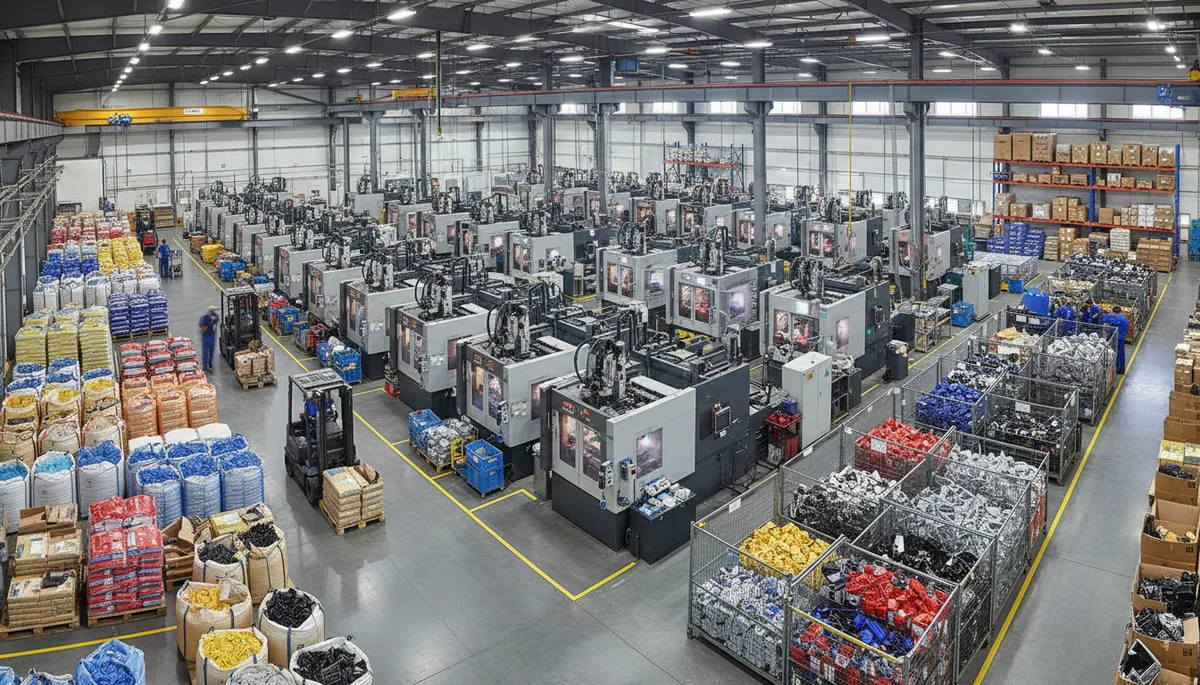
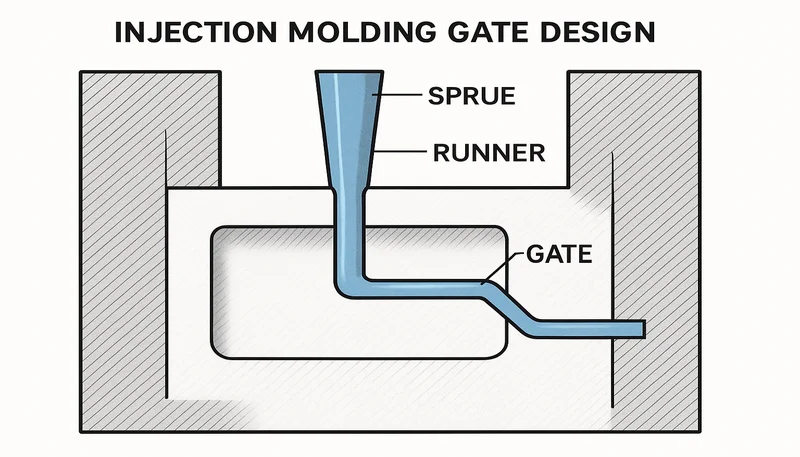
Что такое пресс-форма для литья под давлением и почему она критична для производства?
Литьевая пресс-форма — это изготовленная по индивидуальному проекту металлическая оснастка, которая в процессе литья под давлением1 придаёт расплавленному пластику форму готовых деталей. Она определяет геометрию детали, качество поверхности и точность размеров, поэтому является самым важным компонентом любого производства пластиковых изделий. Без правильно спроектированной пресс-формы невозможно обеспечить стабильное производство независимо от качества машины или выбора материала.
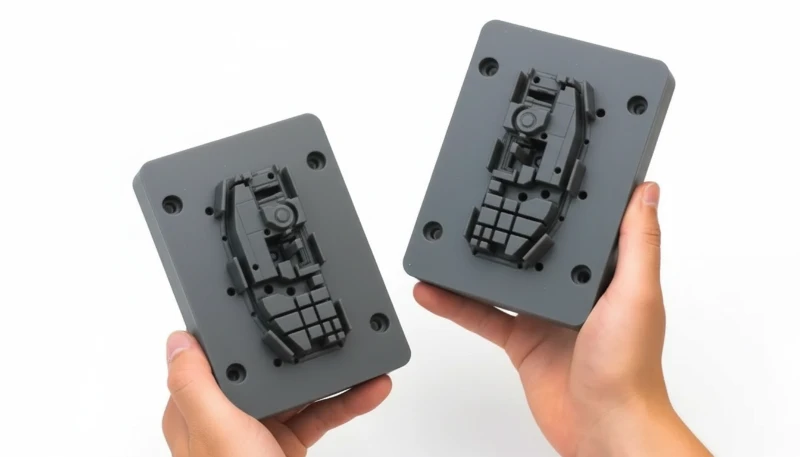
Критическая роль пресс-форм обусловлена тремя факторами: они определяют точность размеров, качество поверхности и эффективность производства. Пресс-форма с неправильно расположенными полостями или смещёнными сердечниками будет выпускать детали вне допуска независимо от параметров машины. Текстуры поверхности — от глянцевого покрытия Class A до матовых текстур, таких как VDI 3400, — физически вытравливаются на стали пресс-формы и напрямую переносятся на каждую деталь. Кроме того, конструкция пресс-формы определяет продолжительность цикла благодаря схеме каналов охлаждения, балансировке полостей и эффективности выталкивания. Правильный выбор типа пресс-формы для конкретного применения — не просто техническое, а стратегическое бизнес-решение, влияющее на стоимость оснастки и каждой детали, гибкость производства и срок вывода продукции на рынок.
- Одногнездные формы подходят для прототипов, жестких допусков и небольших бюджетов на оснастку.
- Многогнёздные формы снижают себестоимость единицы только тогда, когда годовой спрос оправдывает более высокие вложения в оснастку.
- Семейные пресс-формы лучше всего подходят для родственных деталей с сопоставимыми объемом, материалом и характером заполнения.
- Этажные пресс-формы увеличивают выпуск за цикл, но требуют более точной центровки, технического обслуживания и настройки оборудования.
- Многокомпонентное литьё позволяет изготавливать детали из нескольких материалов, но совместимость материалов и стоимость оснастки необходимо проверить заранее.
Каковы основные типы литьевых пресс-форм?
Литьевые пресс-формы классифицируются по конфигурации полостей, производственной стратегии и требованиям применения. Понимание каждого типа помогает производителям выбрать оптимальную оснастку для конкретных производственных целей.
| Тип пресс-формы | Конфигурация | Лучшее для | Полости | Типичная стоимость |
|---|---|---|---|---|
| Однополостная пресс-форма | Одна полость на цикл | Прототипирование, малые серии, высокая точность | 1 | Низкая ($3k-$15k) |
| Многогнёздная пресс-форма | Несколько одинаковых полостей | Крупносерийное производство | 2-100+ | Высокая ($20k-$200k+) |
| Семейная форма | Несколько разных деталей | Связанные детали в одной пресс-форме | 2–8 деталей | Средняя ($15k-$60k) |
| Этажная пресс-форма | Несколько ярусов в стопке | Эффективное использование пространства, высокая производительность | В 2x-4x раза выше стандартного | Очень высокая ($50k-$500k+) |
| Пресс-форма для формования поверх основы | Двухкомпонентное литьё или литьё со вставками | Детали из нескольких материалов | 1-4 гнезда | Высокая ($25k-$150k) |
«Баланс полостей — обеспечение одинаковых условий заполнения во всех полостях — в многогнездных пресс-формах достигается сложнее, чем в одногнездных».True
Балансировка одной полости проста: температуру расплава, скорость и давление впрыска регулируют до получения приемлемой детали. В многоместной форме литниковая система2 должна одновременно подавать в каждую полость одинаковый объем расплава при одинаковых температуре и давлении. Неравная длина литников, небольшие градиенты температуры или малые отклонения механической обработки могут вызывать различия между полостями по массе, размерам и внешнему виду деталей. С увеличением числа полостей сложность балансировки растет экспоненциально.
«Многогнёздные пресс-формы всегда обеспечивают меньшую стоимость детали независимо от объёма производства».False
Многогнёздные пресс-формы обеспечивают экономические преимущества только тогда, когда объём производства оправдывает более высокую стоимость оснастки. Для партий менее 50,000-100,000 деталей экономия на единицу за счёт сокращения времени цикла и трудозатрат часто не компенсирует более высокие первоначальные вложения в пресс-форму. Для средних объёмов одногнёздные пресс-формы могут оказаться экономичнее с учётом обслуживания пресс-формы и требований к стабильности качества между гнёздами.
Когда следует выбирать одногнездную пресс-форму?
Одногнездные пресс-формы — базовый тип пресс-форм: за каждый рабочий цикл термопластавтомата изготавливается одна деталь. Несмотря на простоту, они обладают особыми преимуществами, благодаря которым являются оптимальным выбором для многих областей применения.
В ZetarMold мы рекомендуем одногнездные пресс-формы для:
Прототипирование и разработка: быстрая оснастка (USD 3k-10k) позволяет оперативно дорабатывать конструкцию без крупных капитальных вложений. В одногнездной форме изменения вносить проще и дешевле.
Малые и средние объемы производства: годовой выпуск менее 50,000-100,000 деталей редко оправдывает затраты на многогнездную оснастку.
Высокоточные применения: жёсткие допуски (±0.05mm или меньше) проще выдерживать при одной полости. При прецизионном литье под давлением3 можно сосредоточить особое внимание на качестве полости.
Крупные или сложные детали: детали размером более 200mm или со сложной геометрией часто используют всё усилие смыкания и весь объём впрыска машины.
Неопределенность будущей конструкции: если конструкция детали может измениться, одногнездные формы проще и дешевле дорабатывать или заменять.
Компромисс — более высокая стоимость детали в серийном производстве, но когда приоритетны гибкость, точность или меньшие вложения в оснастку, одногнездные формы обеспечивают лучшую общую экономику.
Когда многогнёздные формы экономически оправданы?
Многогнёздные пресс-формы экономически оправданы, когда годовой спрос достаточно высок, чтобы окупить повышенную стоимость оснастки за счёт снижения себестоимости единицы продукции. Их применение целесообразно при годовом объёме свыше 50,000–100,000 одинаковых деталей: тогда более высокая стоимость оснастки быстро компенсируется значительно меньшей ценой детали. Выпуская за цикл две, четыре, восемь или даже сотни копий, многогнёздная форма снижает себестоимость благодаря высокой эффективности производства, но только при объёме, оправдывающем инвестиции.
Используйте многогнездные пресс-формы, если:
Годовой объём превышает 100,000 деталей: точка безубыточности зависит от размера и сложности детали, но типичным порогом служит объём 100,000+ деталей в год.
Конструкция детали стабильна: многогнездную оснастку дорого изменять. До инвестирования убедитесь, что конструкция готова к производству.
Требуется стабильное качество: при крупносерийном производстве необходимо обеспечить одинаковое качество деталей во всех полостях.
Мощность машины позволяет: убедитесь, что термопластавтомат имеет достаточное усилие смыкания — умножьте усилие для одного гнезда на число гнезд — и достаточный объем впрыска.
Себестоимость одной детали имеет критическое значение: для достижения целевой цены потребительским товарам и автомобильным компонентам часто требуются многогнездные пресс-формы.
По нашему опыту, 4-гнездные и 8-гнездные пресс-формы являются наиболее распространенными конфигурациями для среднесерийного производства (100,000-1,000,000 деталей в год). Большее число гнезд (16, 32, 64+) обычно применяется только для очень мелких деталей, таких как крышки бутылок, электрические разъемы и крепеж.
Что такое семейные пресс-формы и когда они полезны?
Семейные пресс-формы выпускают взаимосвязанные детали за один цикл и полезны, когда эти детали имеют общий материал, усадку и спрос. Они наиболее эффективны при необходимости выпускать 2–8 разных, но связанных деталей средними сериями, особенно если компоненты затем собираются в одном изделии. Размещая несколько геометрий деталей в одной базе, семейная форма устраняет затраты на отдельную оснастку и обеспечивает производство всех компонентов из одной партии материала для стабильной посадки и цвета.
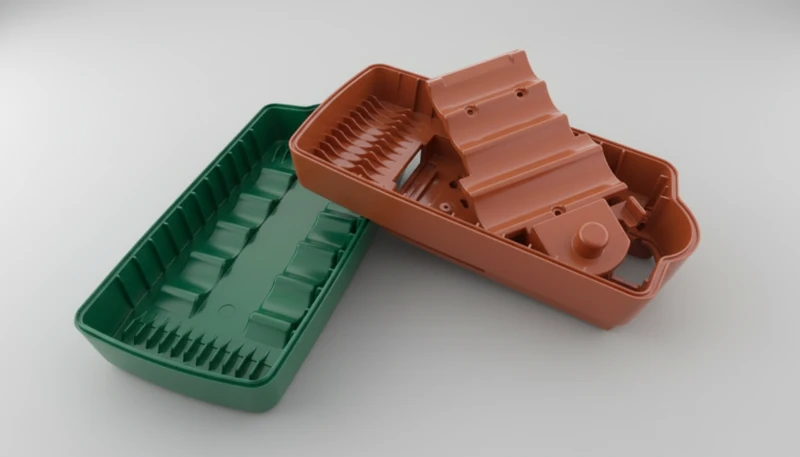
Семейные пресс-формы особенно эффективны, когда:
Детали образуют сборочный комплект: совместное изготовление корпуса, крышки и внутреннего кронштейна устраняет несоответствия запасов и упрощает сборочную логистику.
Материал одинаков: во всех гнёздах должна использоваться одна и та же полимерная смола — для разных материалов нужны отдельные пресс-формы.
Размеры деталей сходны: большие различия в объеме деталей вызывают дисбаланс полостей и проблемы заполнения.
Объём умеренный: он должен быть достаточно высоким, чтобы оправдать групповую пресс-форму, но достаточно низким, чтобы отдельные пресс-формы для каждой детали были нерациональны.
Точное совпадение цвета имеет решающее значение: одновременное производство всех компонентов обеспечивает полную однородность цвета.
К сложностям относятся: более трудная балансировка гнёзд из-за различий в геометрии деталей; необходимость снимать с машины всю форму, если одно гнездо изношено или требует обслуживания; а также ограничение времени цикла гнездом, которое заполняется медленнее всего. Несмотря на эти сложности, семейные формы могут снизить общую стоимость оснастки на 40-60% по сравнению с отдельными формами для каждого компонента.
Как этажные пресс-формы повышают эффективность производства?
Многоэтажные пресс-формы повышают эффективность прежде всего за счет увеличения выпуска за цикл без пропорционального роста занимаемой машиной площади. Несколько уровней полостей, обычно два или четыре, размещают вертикально в одном пакете пресс-формы, фактически удваивая или учетверяя выпуск за цикл без применения более крупного термопластавтомата. Каждый уровень работает независимо, поэтому число деталей за впрыск увеличивается, а габариты машины и усилие смыкания остаются прежними.
Преимущества этажных пресс-форм:
Удвоенная или учетверённая производительность: 2-этажная пресс-форма выпускает 2x деталей за цикл, 4-этажная — 4x.
Эффективное использование площади: та же занимаемая площадь машины при удвоенной производительности. Критично для предприятий с ограниченной производственной площадью.
Снижение себестоимости детали: машинное время распределяется на большее число деталей за цикл.
Улучшенный баланс полостей: все полости равноудалены от центрального литника, поэтому баланс лучше традиционных многогнездных схем.
Детали с толстыми сечениями или сложной геометрией могут требовать более длительного времени охлаждения, что снижает преимущество многополостного производства.
Более высокая стоимость оснастки: этажные формы стоят в 2-3 раза дороже сопоставимых обычных многогнёздных форм.
Увеличенная высота пресс-формы: требуются машины с большим просветом (ходом раскрытия пресс-формы) и достаточным усилием смыкания.
Сложное обслуживание: больше компонентов означает больше потенциальных точек отказа и более длительные простои на техническое обслуживание.
Увеличенная продолжительность цикла: для этажных пресс-форм часто требуется дополнительное время на разделение ярусов и выталкивание деталей между уровнями.
На нашем заводе мы успешно использовали двухуровневые этажные формы для крупносерийных потребительских изделий и компонентов автомобильного интерьера. Инвестиции значительны, но оправданы при объёме производства свыше 500,000 деталей в год.
Что такое пресс-формы для формования поверх подложки и как они работают?
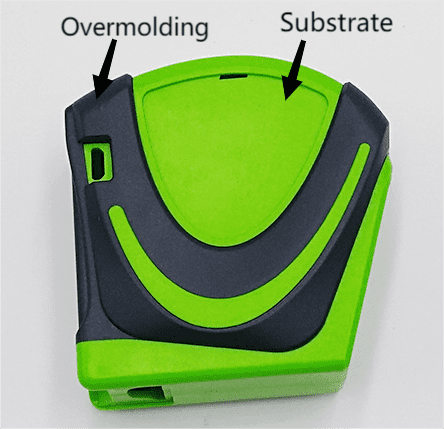
Формы для многокомпонентного литья объединяют несколько материалов путем последовательного формования одного материала поверх или вокруг другой подложки. Они работают за счет впрыска второго материала — обычно мягкого TPE или TPU — поверх ранее отформованной жесткой подложки в двух- или многокомпонентном процессе, создавая единую деталь с комбинированными свойствами. Типичные применения: мягкие накладки на электроинструменте, многоцветные корпуса и герметичные электронные оболочки, где жесткий сердечник соединяется с гибкой наружной частью.
Два подхода к переформованию:
Двухкомпонентное литьё: поворотная пресс-форма с двумя отдельными позициями литья. При первом впрыске формируется подложка; затем пресс-форма поворачивается на 180°, и при втором впрыске материал второго слоя формуется поверх подложки. Обеспечивает наивысшее качество, но требует специализированных термопластавтомата и пресс-формы.
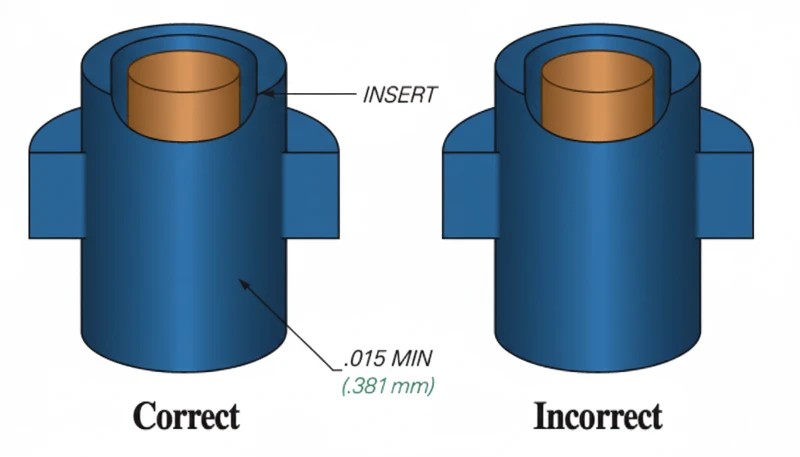
Литьё со вставками: предварительно отформованную основу (или металлическую вставку) вручную либо роботом помещают в однокомпонентную пресс-форму, после чего вокруг неё впрыскивают материал покрытия. Стоимость оснастки ниже, но трудозатраты и время цикла выше.
«Двухкомпонентное литьё поверх основы обычно обеспечивает более высокое качество и прочное соединение, чем литьё поверх вставки, но требует больших вложений в оснастку и оборудование.»True
При двухкомпонентном литье материалы соединяются в расплавленном состоянии, образуя связь на молекулярном уровне, более прочную, чем одно лишь механическое зацепление. Процесс исключает ручные операции, снижая загрязнение и нестабильность времени цикла. Однако двухкомпонентные формы стоят в 2-3x дороже форм для литья со вставками и требуют ротационной машины с синхронизированными узлами впрыска. Литьё со вставками экономичнее при меньших объёмах и когда совместимость материалов допускает более простую стратегию соединения.
«Любые два пластиковых материала можно отливать друг на друга без специальных условий».False
Совместимость материалов критически важна для успешного формования поверх основы. Материалы основы и внешнего слоя должны соединяться химически или механически. Материалы со сходной химической структурой, например два полипропилена или две марки ABS, соединяются хорошо. Для разнородных материалов нужны специальные связующие слои, обработка поверхности или элементы механического сцепления. Важна и разница температур: если температура расплава внешнего материала слишком высока, он может повторно расплавить или деформировать основу.
Какие конструктивные факторы влияют на выбор типа пресс-формы?
Выбор типа пресс-формы определяется годовым объёмом, геометрией детали, допусками, совместимостью материалов, бюджетом на оснастку и ограничениями оборудования. Несколько конструктивных и производственных факторов определяют, какой тип пресс-формы обеспечит наилучшую экономичность и качество. Анализ этих факторов до инвестиций в оснастку предотвращает дорогостоящие ошибки.
| Фактор | В пользу одногнёздной пресс-формы | В пользу многогнёздной формы | Преимущество пакетной/семейной пресс-формы |
|---|---|---|---|
| Годовой объем | < 50 000 деталей | > 100 000 деталей | > 200 000 деталей |
| Стабильность детали | Конструкция развивается | Конструкция зафиксирована | Конструкция зафиксирована |
| Бюджет на оснастку | Ниже ($3k-$15k) | Средне-высокий ($20k-$200k) | Высокая ($50k-$500k) |
| Размер детали | Крупные (>150 мм) | Малый–средний | Малые (<50mm) |
| Допуск | Жесткий (±0.05mm) | Умеренная (±0.1mm) | Умеренный |
| Производительность машины | Подойдут машины меньшего размера | Требуется больший тоннаж | Требуется больший просвет |
Дополнительные факторы, которые мы оцениваем в ZetarMold:
Выбор материала: некоторые материалы (наполненные полиамиды, стеклонаполненный PPS) обладают абразивными свойствами и ускоряют износ пресс-формы — многогнездовая оснастка может требовать более частого обслуживания.
Требования к охлаждению: Детали с толстыми сечениями или сложной геометрией могут требовать более длительного времени охлаждения, что снижает преимущество многогнёздного производства.
Требования к качеству: Медицинские и аэрокосмические применения часто требуют одногнездных пресс-форм для прослеживаемости и индивидуальной валидации каждого гнезда.
Масштабируемость в будущем: Если объем может резко возрасти, проектирование многогнездной формы с самого начала (даже если изначально используется меньше гнезд) может быть экономически эффективным.
Как обслуживать разные типы пресс-форм для длительного срока службы?
Длительный срок службы достигается, когда различные типы пресс-форм очищаются, смазываются, проверяются и ремонтируются по графику, соответствующему риску износа. Требования к обслуживанию пресс-форм различаются в зависимости от типа, но все формы выигрывают от регулярного ухода. Хорошо обслуживаемая форма может произвести миллионы качественных деталей; заброшенная форма выходит из строя преждевременно и производит брак.
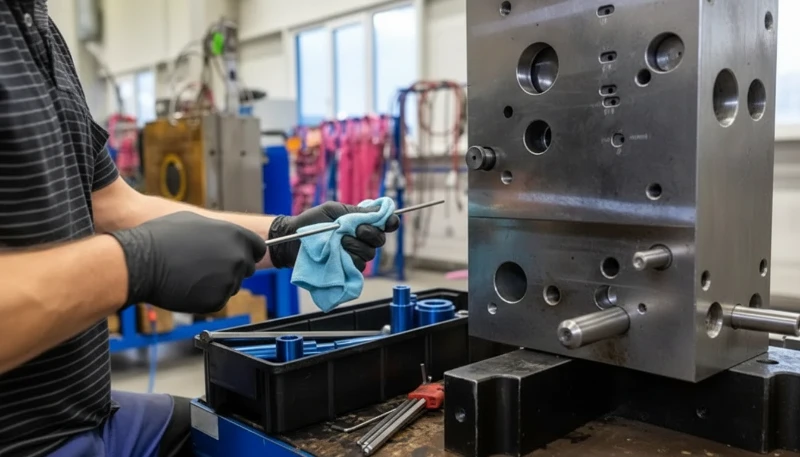
График обслуживания по типам пресс-форм:
Одногнездная: Каждые 25 000–50 000 циклов – очищайте гнезда, проверяйте толкатели, осматривайте каналы охлаждения на предмет утечек. Проще форма = быстрее осмотр.
Многогнездная: Каждые 10 000–25 000 циклов – баланс гнезд со временем меняется; проверяйте размеры литников, износ разводящих каналов и картину заполнения каждого гнезда. Больше гнезд = больше точек контроля.
Семейная форма: Каждые 15 000–30 000 циклов – уделяйте особое внимание балансу гнезд, так как детали различаются по объему. Следите за износом больших и меньших гнезд.
Штабельная форма: Каждые 5 000–15 000 циклов – более сложная, с большим количеством движущихся частей. Проверяйте поворотный механизм, центровочные штифты и синхронизацию по уровню. Штабельные формы выходят из строя катастрофически при возникновении проблем с центровкой.
Многокомпонентное литье: Каждые 10 000–20 000 циклов – проверяйте зоны соединения на расслоение, проверяйте повреждение подложки во время литья вторым компонентом, проверяйте изоляцию материалов.
Универсальные методы технического обслуживания:
Профилактическая очистка: Удаляйте накопление материала из вентиляционных отверстий, сердечников и полостей до того, как это вызовет дефекты.
Смазка: Поддерживайте надлежащую смазку слайдов, подъемников и толкателей высокотемпературной смазкой для пресс-форм.
Мониторинг температуры: Проверяйте поток в каналах охлаждения и равномерность температуры по всем гнездам.
Документирование: Отслеживайте интервалы обслуживания, внесенные изменения и производственные показатели для выявления тенденций.
ЧАСТО ЗАДАВАЕМЫЕ ВОПРОСЫ
Какой тип пресс-формы наиболее распространён?
Одногнёздные пресс-формы наиболее распространены в целом, особенно при разработке прототипов и малосерийном производстве. Для крупносерийной коммерческой продукции чаще всего используются многогнёздные конфигурации на 4 и 8 полостей. В ZetarMold примерно 60% изготавливаемых нами пресс-форм одногнёздные, 30% — многогнёздные (4-8 полостей), а 10% относятся к специализированным типам (семейные, этажные или для литья с закладными элементами).
Сколько стоит литьевая пресс-форма?
Стоимость пресс-формы сильно зависит от типа, размера, сложности и требований к точности. Одногнёздные формы обычно стоят $3,000-$15,000 для простых деталей и $15,000-$50,000 для сложных деталей с жёсткими допусками. Многогнёздные формы стоят от $20,000-$200,000+ в зависимости от количества гнёзд и сложности. Стоимость этажных форм и сложных форм для многокомпонентного литья может превышать $500,000 для крупных и сложных инструментов.
Можно ли переделать одногнездную пресс-форму в многогнездную?
Как правило, нет – конвертация требует проектирования и изготовления совершенно новой основы формы и набора гнезд. Однако некоторые формы спроектированы со сменными блоками гнезд, что позволяет использовать одну основу формы для разных гнезд схожего размера. Это более распространено в семейных формах, чем в истинной конвертации многогнездной формы в одногнездную.
Каков срок службы литьевой пресс-формы?
Срок службы пресс-формы зависит от марки стали, перерабатываемого материала и обслуживания. Алюминиевые пресс-формы выдерживают 10,000-50,000 циклов (подходят для прототипов). Пресс-формы из стали P20 выдерживают 100,000-500,000 циклов (подходят для малых и средних объёмов). Пресс-формы из закалённой стали H13 выдерживают 500,000-2,000,000+ циклов (идеальны для крупносерийного производства). Правильное обслуживание может увеличить эти показатели на 50-100%.
Как выбрать между двухкомпонентным литьём и формованием поверх вставки?
Двухкомпонентное литьё с наложением в два впрыска лучше подходит для крупносерийного производства (>200,000 деталей в год), где критичны стабильность качества и прочность сцепления. Литьё с заформовыванием вставок лучше подходит для меньших объёмов (10,000-200,000 деталей), когда стоимость оснастки имеет решающее значение или используются металлические вставки. Точка ценового паритета зависит от условий, но обычно находится в диапазоне 200,000-300,000 деталей в зависимости от сложности детали.
Что такое баланс полостей и почему он важен?
Баланс полостей — это проектирование и настройка литниковой системы пресс-формы для одновременной подачи во все полости одинакового объема расплава при одинаковых температуре и давлении. Плохой баланс полостей вызывает различия в массе, размерах и внешнем качестве деталей между полостями. Многоместные пресс-формы требуют тщательного проектирования литниковой системы; для достижения баланса до механической обработки часто применяют программы моделирования, такие как Moldflow.
Сколько гнёзд может иметь пресс-форма?
Теоретически количество не ограничено, но существуют практические пределы. Для небольших деталей, таких как крышки бутылок, часто используют пресс-формы с 64–128 гнездами. Для деталей среднего размера обычно применяют 4–16 гнезд. Для крупных деталей количество может быть ограничено 1–2 гнездами из-за усилия смыкания машины и объема впрыска. Число гнезд должно обеспечивать баланс между производственными потребностями, сложностью пресс-формы, требованиями к обслуживанию и трудностями балансировки гнезд.
Резюме
Типы литьевых форм – одногнездные, многогнездные, семейные, штабельные и для литья с наложением – каждый служит конкретным производственным потребностям. Одногнездные формы предлагают гибкость, точность и более низкую стоимость оснастки для прототипов и мелкосерийного производства. Многогнездные формы обеспечивают значительно более низкую себестоимость детали при крупносерийном производстве, если спроектированы с правильным балансом гнезд. Семейные формы эффективно производят связанные детали в одном инструменте, а штабельные формы удваивают производительность без увеличения занимаемой машиной площади. Литье с наложением позволяет создавать детали из нескольких материалов с интегрированными связями посредством процессов двухкомпонентного литья или литья с вставками.
Ключ к успешному выбору типа пресс-формы — согласовать объём производства, сложность детали, требования к качеству и бюджет с подходящим типом оснастки. В ZetarMold мы видели, как это основополагающее решение приводило проекты как к успеху, так и к провалу. Анализ этих факторов на раннем этапе и консультации с опытными инженерами по пресс-формам гарантируют, что оснастка будет обеспечивать качественные детали и выгодную экономику на протяжении всего жизненного цикла продукта. Полное руководство по литью под давлением содержит исчерпывающий обзор.
Нужно ценовое предложение для вашего проекта литья под давлением?Получите конкурентную цену, рекомендации DFM и график производства от инженерной команды ZetarMold.
Запросить бесплатное предложение →
Литьё под давлением: производственный процесс, при котором расплавленный термопластичный материал под высоким давлением впрыскивают в закрытую полость пресс-формы, охлаждают до затвердевания и получения требуемой формы, а затем извлекают как готовую деталь. ↩
Литниковая система: сеть каналов, по которым расплавленный пластик поступает из сопла машины в каждую полость пресс-формы; она проектируется так, чтобы все полости заполнялись одновременно и с равномерным потоком. ↩
Прецизионное литьё под давлением: производственный процесс, обеспечивающий жёсткие допуски размеров — обычно ±0.05mm или меньше — благодаря оптимизированной конструкции пресс-формы, контролируемым параметрам процесса и высококачественным материалам оснастки. ↩