Бразильские производители сталкиваются с значительными трудностями при локальном поиске услуг литья под давлением. Разрозненная структура поставщиков страны не имеет стандартизированных систем качества, лишь 15% производителей имеют сертификацию IATF 16949, необходимую для автомобильных применений. Импортные тарифы, достигающие 35% на инструменты, делают партнерства с Китаем дорогими, а внутренние возможности изготовления инструментов остаются ограниченными для сложных геометрий. Время выполнения заказа растягивается до 12-16 недель из-за ограниченных возможностей изготовления форм, а соответствие регуляторным требованиям ANVISA для медицинских устройств требует специализированных знаний, которые большинство местных поставщиков не могут предоставить.
- Рынок литья под давлением в Бразилии, превышающий $8+ миллиардов, составляет 40% от общей производственной мощности Латинской Америки
- Регион ABC Сан-Паулу концентрирует 60% поставщиков автомобильного литья и задаёт отраслевые стандарты
- Регистрация ANVISA обязательна для медицинских пластиковых компонентов, что ограничивает выбор квалифицированных поставщиков
- Торговые соглашения Mercosur предоставляют тарифные преимущества для региональных стратегий распределения
- Партнёрство с китайскими изготовителями оснастки остаётся экономичным, несмотря на импортные пошлины 20-35% на формы
Как выглядит рынок литья под давлением в Бразилии?
Рынок литья под давлением в Бразилии представляет собой крупнейший производственный центр Латинской Америки, оцениваемый более чем в $8 миллиардов ежегодно с устойчивым ростом, обусловленным автомобильной, упаковочной и медицинской отраслями. В индустрии работает около 180 000 сотрудников на более чем 2 800 предприятиях, с концентрацией в регионе ABC Сан-Паулу, составляющей 60% производственных мощностей для автомобильных стандартов.
| Метрика | Значение |
|---|---|
| Объем рынка | Более $8 миллиардов |
| Доля Латинской Америки | 40% |
| Шпоночная ступица | São Paulo ABC |
| Основной импорт | Китай |
| Основные отрасли | Автомобилестроение/упаковка/медицина |
Автомобильный сектор доминирует в потребности на литье под давлением в Бразилии, используя 45% от общей производственной мощности через партнерства с Volkswagen, General Motors и Fiat Stellantis. Производство медицинских устройств представляет самый быстрорастущий сегмент, расширяясь на 12% ежегодно, поскольку местные компании применяют стратегии импортозамещения. Упаковочные применения составляют 30% объема, обусловленные требованиями потребительских товаров и пищевой обработки на внутреннем рынке Бразилии с 215 миллионами потребителей.
Какие тенденции формируют индустрию литья под давлением в Бразилии?
Интеграция торговли Mercosur создаёт значительные возможности для бразильских компаний литья под давлением, устраняя тарифы на готовые пластиковые продукты, отправляемые на рынки Аргентины, Уругвая и Парагвая. Это региональное преимущество позиционирует Бразилию как производственный центр Латинской Америки, с автомобильными поставщиками, всё чаще концентрирующими производство в Сан-Паулу для обслуживания более широкого рынка Южного Конуса через преференциальный торговый статус.
Тенденция ближнего производства усиливается, поскольку североамериканские компании диверсифицируют цепи поставок от Азии, и Бразилия привлекает производство медицинских устройств и автомобильных компонентов благодаря устоявшейся производственной инфраструктуре и квалифицированной рабочей силе. Стратегическое расположение страны обеспечивает эффективную доставку на рынки Северной Америки и Европы, а затраты на рабочую силу остаются на 40% ниже уровня США для аналогичных квалифицированных позиций.
Требования устойчивого развития меняют выбор материалов и условия переработки: бразильские производители внедряют обязательные нормы содержания вторичного сырья в упаковке. Национальная политика обращения с твердыми отходами требует к 2026 году использовать в пластиковой упаковке 30% вторичного сырья из потребительских отходов, стимулируя инвестиции в специализированное перерабатывающее оборудование и изменение цепочек поставок. В автомобильной промышленности все чаще задаются биоматериалы; полиэтилен из сахарного тростника получает признание для ненесущих компонентов.
Развитие нормативной базы ANVISA требует более высоких стандартов качества производства медицинских изделий, создавая барьеры для небольших поставщиков и одновременно давая преимущества устоявшимся участникам с соответствующими сертификатами. Новые нормы требуют полной системы прослеживаемости медицинских пластмассовых компонентов, включая документацию об источниках сырья и отслеживание партий по всей цепочке поставок. Эти требования благоприятствуют поставщикам с надежными системами менеджмента качества и вытесняют неформальных производителей с медицинского рынка.
Как выбрать поставщика литья под давлением в Бразилии?
Требования к сертификации служат основой оценки поставщиков в Бразилии: IATF 16949 обязателен для автомобильной промышленности, а регистрация ANVISA требуется для компонентов медицинских изделий. Сертификация ISO 9001 является минимальным квалификационным требованием, тогда как экологическая сертификация ISO 14001 приобретает все большее значение для международных покупателей, предъявляющих требования в области устойчивого развития. Поставщики должны подтверждать поддержание действующих сертификатов ежегодными аудитами и программами непрерывного совершенствования.
Структура владения оснасткой существенно влияет на долгосрочные затраты и гибкость; бразильские поставщики часто сохраняют право собственности на инструмент как обеспечение условий оплаты. Покупателям следует согласовать ясные условия передачи собственности и хранения инструмента для контроля цепочки поставок. Возможности доработки сильно различаются, поэтому собственная инструментальная экспертиза необходима для сложных применений с постоянными изменениями конструкции.
«Регистрация ANVISA обязательна для медицинских пластиковых деталей в Бразилии»True
Регистрация в ANVISA законодательно обязательна для любого пластикового компонента медицинских изделий, продаваемых в Бразилии, поэтому это обязательное условие квалификации поставщика.
«Все бразильские производители литья соответствуют одинаковым стандартам качества»False
Возможности обеспечения качества сильно различаются. Автомобильным требованиям соответствуют только предприятия, сертифицированные по IATF 16949; для медицинских изделий требуются предприятия, зарегистрированные в ANVISA.
Оценка финансовой стабильности требует тщательного анализа кредитоспособности и операционной непрерывности бразильских поставщиков, особенно учитывая колебания курса и влияние инфляции на структуру цен. Покупатели должны запрашивать аудированные финансовые отчеты и оценивать риск концентрации клиентов, поскольку многие бразильские производители сильно зависят от одного автомобильного OEM. При согласовании условий платежа необходимо учитывать местные банковские практики и требования к хеджированию курса для международных транзакций.
Планирование производственных мощностей включает понимание возраста оборудования, практик обслуживания и систем резервного питания, необходимых для стабильной работы в сложной инфраструктурной среде Бразилии. Поставщики с новыми машинами для литья под давлением демонстрируют лучшую размерную стабильность и сокращённые циклы, напрямую влияя на стоимость каждой детали и надежность поставок. Оценивайте отношения с поставщиками сырья, поскольку перебои в поставках полимеров часто затрагивают небольших бразильских производителей без устоявшихся партнерств.
«Регион ABC Сан-Паулу концентрирует большинство производителей литья под давлением для автомобильных стандартов»True
Регион ABC (Санту-Андре, Сан-Бернарду-ду-Кампу, Сан-Каэтану-ду-Сул) сосредотачивает 60% мощностей Бразилии по литью под давлением для автомобильной промышленности, создавая кластеры поставщиков вокруг основных производственных объектов OEM.
«Бразилия всегда дешевле Китая для литья под давлением»False
Затраты на рабочую силу в Бразилии выше, чем в Китае, и ограниченные возможности изготовления инструментов увеличивают сроки выполнения. Бразилия предлагает преимущества для региональной дистрибуции и специфических регуляторных требований, но не общие снижения затрат.
Какие 10 компаний по литью под давлением являются ведущими в Бразилии?
1. Браскем
Специализация: интегрированное нефтехимическое производство и литьё под давлением | Отрасли: автомобильная, упаковочная, строительная
Сотрудники: ~8,000 | Год основания: 2002
Контакт: www.braskem.com
2. Rehau Южная Америка
Специализация: компоненты автомобильного интерьера и технические детали | Отрасли: автомобилестроение, строительство, мебель
Сотрудники: около 1200 | Основана: 1987
Контакт: www.rehau.com/br
3. Группа Votorantim
Специализация: инженерные пластики и высокоэффективные компоненты | Отрасли: автомобилестроение, промышленное оборудование, потребительские товары
Сотрудники: ~2,500 | Основана: 1918
Контакты: www.votorantim.com.br
4. Topzio
Специализация: прецизионное литьё под давлением и услуги сборки | Отрасли: электроника, телекоммуникации, автомобильная электроника
руководство по проектированию литьевой формы
Контакт: www.topzio.com.br
5. Vooler
Специализация: компоненты медицинских изделий и производство в чистых помещениях | Отрасли: медицинские изделия, фармацевтика, лабораторное оборудование
Сотрудники: ~450 | Год основания: 2001
Контакт: www.vooler.com.br
6. Plastivida
Специализация: крупносерийное литье упаковки и потребительских изделий | Отрасли: пищевая упаковка, потребительские товары, товары для дома
Сотрудники: ~600 | Основана: 1988
Контакт: www.plastivida.org.br
7. Schulman Brazil в Бразилии
Специализация: цветные концентраты и инженерные компаунды с услугами формования | Отрасли: автомобилестроение, бытовая техника, промышленное применение
Сотрудники: ~350 | Основана: 1992
Контакты: www.schulmandobrasil.com.br
8. Plastilit
Специализация: крупносерийное многогнёздное производство и автоматизация | Отрасли: бытовая электроника, бытовая техника, автомобильные аксессуары
Сотрудники: ~280 | Год основания: 1985
Контакт: www.plastilit.com.br
9. Tecnomold Brasil
Специализация: изготовление оснастки и услуги прецизионного литья под давлением | Отрасли: автомобильные компоненты, промышленное оборудование, медицинские изделия
Сотрудники: ~220 | Основана: 1998
Контакты: www.tecnomold.com.br
10. Polimold
Специализация: оснастка на заказ и специальные малосерийные применения | Отрасли: аэрокосмическая, оборонная, специализированное промышленное оборудование
Сотрудники: ~180 | Основана: 1994
Контакт: www.polimold.com.br
Как сравниваются затраты на литье под давлением в Бразилии и Китае?
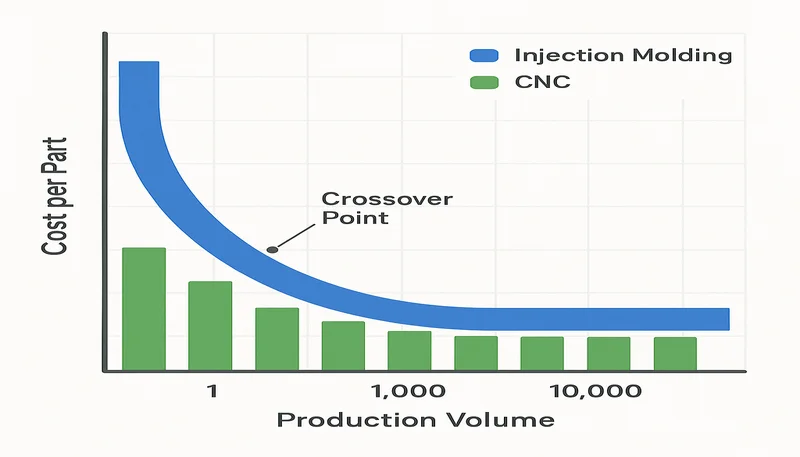
Стоимость литья под давлением внутри Бразилии обычно на 15–25% выше, чем производство аналогичных деталей в Китае, в основном из-за более высоких затрат на рабочую силу, составляющих в среднем 8–12 долларов в час, по сравнению с производственной заработной платой в Китае в размере 4–6 долларов в час. Однако импортные пошлины на инструменты в размере 20–35% на китайские формы значительно влияют на общую экономику проекта, делая бразильскую оснастку конкурентоспособной для более простых геометрий и небольших производственных серий до 100 000 штук в год.
| Фактор | Бразилия | Китай |
|---|---|---|
| Стоимость оснастки | Высокая ($20K-80K) | Низкая ($5K-30K) |
| Цена детали | От умеренного до высокого | Низкая-умеренная |
| Срок изготовления (оснастка) | 6-10 недель | 4–6 недель |
| Доставка в Латинскую Америку | Внутренний рынок | 30-45 дней |
| Налоговая нагрузка | ICMS+IPI+COFINS | Импортная пошлина ~14% |
Сложная налоговая система увеличивает полную стоимость поставки на 25–40% за счёт налогов штатов ICMS (12–18%), федерального IPI (5–15%) и импортных пошлин, тогда как местные бразильские поставщики пользуются льготами в выделенных промышленных зонах. Компании, использующие заказное литьё под давлением1 в партнёрстве с китайскими поставщиками, должны учитывать при сравнении цен расходы на валютное хеджирование и более длинные платёжные циклы. Полное руководство по литью под давлением2 подробно описывает стратегии оптимизации затрат для обоих вариантов закупки.
Стратегические закупочные решения зависят не от простого сравнения цены детали, а от пороговых объёмов, нормативных требований и географии распределения. Китай выгоден при выпуске свыше 500 000 изделий в год, сложной оснастке с передовой механической обработкой и продукции без требований ANVISA или автомобильной сертификации. Бразильские поставщики выгодны для распределения в Mercosur, медицинских компонентов под надзором ANVISA и применений с частыми изменениями конструкции. Руководство по проектированию пресс-форм3 предлагает подробные аналитические схемы для таких решений.
Когда Бразилия является правильным выбором для закупки услуг литья под давлением?
Бразилия становится оптимальным выбором для литья под давлением при ориентации на рынки Mercosur (Аргентина, Уругвай, Парагвай), где беспошлинный доступ обеспечивает преимущество в стоимости на 15-20% по сравнению с китайским импортом, облагаемым стандартными пошлинами. Региональная дистрибуция из Бразилии устраняет задержки при импорте и снижает логистические расходы на 30-40% по сравнению с поставками из Азии, а управление местными запасами становится осуществимым с учётом требований к планированию спроса и обслуживанию клиентов.
Когда Китай предлагает более выгодные условия
Краткое руководство по выбору:- Выбирайте Бразилию при продажах в Mercosur, необходимости медицинских деталей с соответствием ANVISA или выпуске менее 50K единиц для внутреннего рынка.
- Выбирайте Китай, если стоимость оснастки превышает $20K, объём производства — 100K единиц или график допускает 6–8 недель на первоначальную оснастку.
Медицинские устройства, требующие регистрации ANVISA, требуют партнерств с бразильскими производителями, поскольку импортированные литые компоненты сталкиваются с обширными требованиями к документации и задержками одобрения более 12-18 месяцев. Производство низкого и среднего объема (10 000–250 000 деталей ежегодно) выигрывает от гибких производственных возможностей Бразилии и сокращённого времени изготовления инструментов, особенно для применений, требующих итераций дизайна и тестирования рынка перед крупными производственными обязательствами.
Закупки в Китае остаются лучшим вариантом для крупносерийного производства свыше 500,000 изделий в год, сложной многогнёздной оснастки, требующей передовых возможностей механической обработки, и чувствительных к стоимости применений, где надбавки за труд и накладные расходы в Бразилии перевешивают другие преимущества. Для экспортно-ориентированного производства, нацеленного на рынки Северной Америки или Европы, обычно предпочтительны китайские поставщики благодаря развитым логистическим сетям, более низким абсолютным затратам и широким возможностям сертификации качества по множеству отраслевых стандартов.
Часто задаваемые вопросы о литье под давлением в Бразилии
Какие сертификаты требуются для литья автомобильных деталей под давлением в Бразилии?
Сертификация IATF 16949 обязательна для автомобильных поставщиков наряду с одобрениями OEM от Volkswagen, GM или Fiat Stellantis. Дополнительные требования включают ISO 14001 и документацию PPAP.
Сколько времени занимает регистрация ANVISA для медицинских деталей, изготовленных литьём под давлением?
Регистрация ANVISA занимает 8-12 месяцев для устройств класса I и 12-18 месяцев для устройств класса II, включая инспекцию предприятия, аудит качества и проверку документации.
Каковы типичные условия оплаты у бразильских поставщиков литья под давлением?
Стандартные условия предусматривают оплату нетто в течение 30-60 дней и аванс 30-50% за оснастку. Международные покупатели часто используют аккредитивы; внутренним заказчикам могут предоставляться условия оплаты в течение 90-120 дней.
Какие штаты Бразилии предлагают лучшую инфраструктуру для литья под давлением?
Сан-Паулу лидирует: на регион ABC приходится 60% мощностей автомобильного класса. Минас-Жерайс занимается общепромышленным производством, Риу-Гранди-ду-Сул обслуживает сельское хозяйство, а Санта-Катарина специализируется на прецизионном литье для электроники.
Как надёжность электроснабжения в Бразилии влияет на литьё под давлением?
Перебои электроснабжения происходят 2-3 раза в месяц, поэтому генераторы необходимы. Проверяйте планы обеспечения бесперебойного питания при аудитах поставщиков.
Какие проблемы существуют с закупкой сырья на рынке литья под давлением в Бразилии?
Инженерные смолы приходится импортировать из Азии или Европы со сроком поставки 6-8 недель. Массовые смолы подвержены колебаниям цен на нефть, а небольшие поставщики часто не справляются с минимальными объёмами заказа специальных материалов.
Почему ZetarMold — подходящий партнёр для бразильских покупателей?
Производственный факт: деятельность ZetarMold в Бразилии. В 2025 году мы отгрузили бразильским заказчикам более 800,000 деталей. В нашей латиноамериканской команде работают португалоговорящие менеджеры проектов, а средний срок от DFM до образцов T1 составляет 18 дней.
Шанхайское предприятие ZetarMold предлагает бразильским покупателям конкурентную стоимость оснастки, португалоязычных инженеров и сертификаты ISO 9001 / IATF 16949, поддерживающие местные регуляторные требования. Запросите расчёт заказного литья под давлением и получите предложение в течение 24 часов.
Заказное литьё под давлением охватывает адаптированные производственные услуги, включая проектирование оснастки, выбор материала и оптимизацию производства под требования конкретного применения. ↩
Полное руководство по литью под давлением — комплексная документация по параметрам процесса, свойствам материалов, процедурам контроля качества и методам устранения неполадок для успешного производства деталей. ↩
Руководство по проектированию пресс-форм содержит подробные требования к геометрии оснастки, системам охлаждения, расположению впусков и механизмам выталкивания, оптимизированным под геометрию детали и производственные требования. ↩ Полный обзор приведён в нашем руководстве по выбору поставщика.