 Przejdź do treści

Sending a tooling payment to an overseas dostawca form wtryskowych is the moment your project transitions from evaluation to commitment. Get it right, and you have a reliable manufacturing partner for years. Get it wrong, and you may lose $15,000–$50,000 in tooling costs before a single part ships. This checklist walks you through every category a buyer should verify before wiring that deposit—from company legitimacy and technical depth to contract terms and payment protection. We have built it from two decades of formowanie wtryskowe experience, including the mistakes we have seen overseas buyers make firsthand.
- Verify supplier legal status, business license, and physical factory address before any payment discussion
- Confirm the supplier has machines in your required tonnage range and experience with your material
- ISO 9001 certification is the minimum quality threshold—do not accept verbal claims
- Tooling ownership, IP rights, and exit terms must be in writing before the deposit
- Never pay 100% upfront; use milestone payments tied to T0 sampling approval
Why Does Pre-Payment Due Diligence Matter?
The tooling payment is the single largest financial commitment in any custom forma wtryskowa project. A single-cavity production mold can run $8,000–$25,000, and multi-cavity or family molds easily exceed $50,000. If the supplier turns out to be incompetent, unresponsive, or worse—nonexistent after payment—you are not just losing money. You are losing 6–12 weeks of product launch timeline. At ZetarMold, our engineers have seen roughly 30% of companies that approach us for rescue projects had a previous tooling failure with another supplier. The common thread was not that the previous supplier was fraudulent—most were legitimate factories. The problem was that the buyer never verified whether the supplier was the right fit for their specific project requirements before paying.
Due diligence is not about distrust. It is about making sure both sides understand the project scope, technical requirements, and commercial terms well enough to avoid costly disputes later. A supplier that resists reasonable verification questions is a supplier that will resist reasonable quality complaints.
What Should You Verify on the Supplier’s Company Profile?
Company verification is step one, yet many buyers skip it because the supplier’s website looks professional. A polished Alibaba storefront or a modern website tells you nothing about whether the company actually owns its factory or is a trading company subcontracting to the lowest bidder. Start with the business license. In China, every legitimate manufacturer has a Unified Social Credit Code registered with the local Administration for Market Regulation. Ask for a copy and verify the company name, registered address, legal representative, and business scope. The business scope must include manufacturing or mold making—trading companies often have a scope limited to buying and selling.
Next, verify the physical address. Not the office address on the website—the actual factory address. Ask for a Google Maps pin or coordinates. If possible, arrange a video call where the supplier walks you through the production floor in real time. We have seen cases where a supposed factory tour used footage from a different facility entirely. Check how long the company has been in operation under the same ownership. Injection molding requires accumulated process knowledge—companies that have changed ownership multiple times or have been operating for less than five years may lack the depth needed for complex projects. Look for a supplier with at least 10 years of continuous operation.
How Do You Evaluate Technical and Production Capabilities?
Ask whether mold design and manufacturing are in-house. When mold design and manufacturing are in-house, you get one accountable team rather than disconnected suppliers and vendors. Ask who runs CAD and CAE in-house, whether they use software like SOLIDWORKS and MOLDFLOW, and how often engineering changes are released during tooling. Ask how they select steel for your mold. P20 steel is standard for moderate volume molds, while H13 or S136 is common for very high volume or demanding parts.
Review toolmaker references before wiring money. Ask for 3D print previews, process plans, and previous project records for similar molds. A supplier that can show real mold flow analysis, cooling layout, and design change history is usually the one that has controlled engineering capabilities. Avoid suppliers who claim they can do everything in a day and still guarantee first-pass success.
What Quality Management Systems Must Be Verified?
Quality management is not a certificate on a wall; it is a daily operating practice. At minimum, a reputable supplier should hold ISO 90011 and maintain clear inspection procedures. If your project serves medical, automotive, or regulated markets, ask whether ISO 134852 lub IATF 169493 requirements apply, and request sample records that prove the system is used during production rather than only during sales discussions.
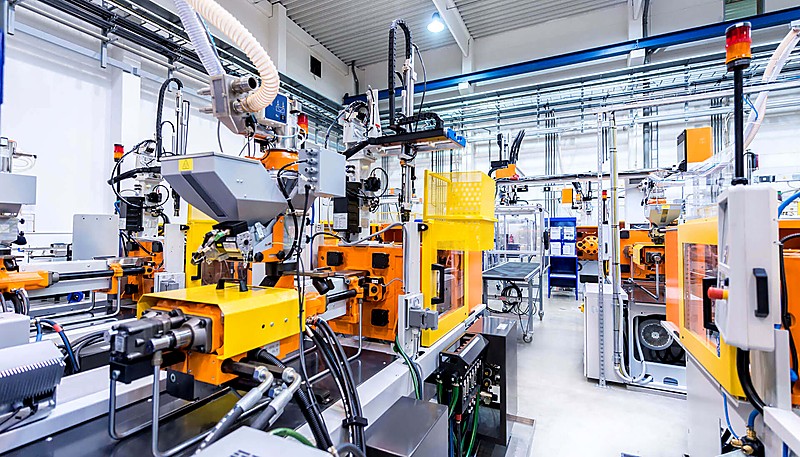
In our Shanghai factory, we run 47 injection molding machines from 90T to 1850T, with 8 senior engineers and 10+ QC specialists on the production floor. We support over 400+ plastic materials and use in-house mold manufacturing to keep tool design-to-production handoff controlled.
Before accepting any certificate as evidence, ask the supplier to connect the certificate to daily records: incoming inspection logs, in-process dimension checks, first article approval, nonconformance reports, corrective action records, and final inspection files. A serious supplier should be able to show how an order moves from material receipt to sample approval and mass production release.
The strongest evidence is not the certificate number itself; it is the repeatable trail of inspection records, responsible owners, timestamps, and signed acceptance criteria. For overseas buyers, this matters because tooling payments are often made before shipment inspection is possible. This is also where factory visits, video audits, and sample inspection reports should match each other instead of telling different stories.
If the supplier can explain who checks the mold trial, which dimensions are measured, how defects are escalated, and when corrective actions are closed, the quality system is working as an operating method rather than sales decoration.
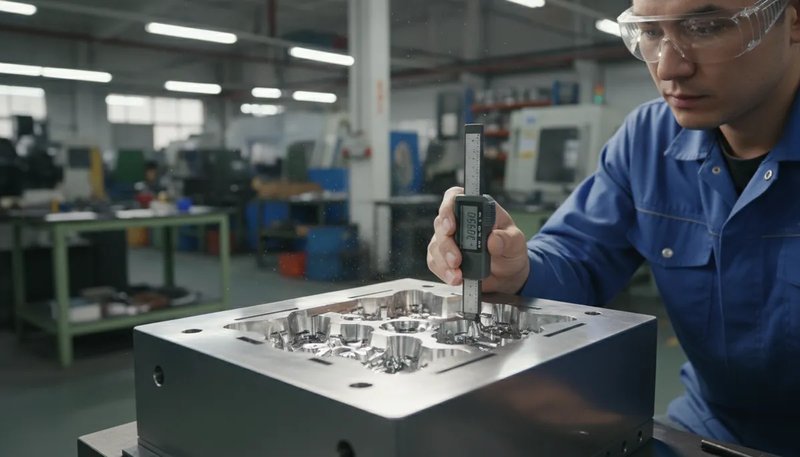
Before payment, ask for one anonymized inspection package from a similar export project. It should show measured dimensions, tolerance limits, inspection tools, approval status, signed disposition, and the person responsible for release.
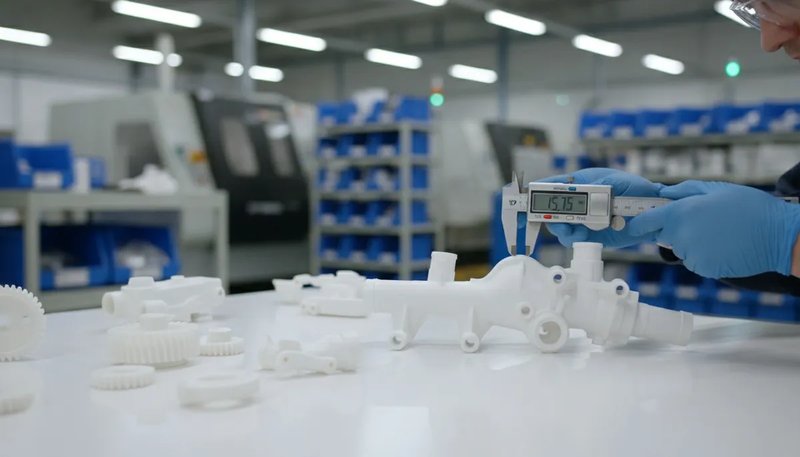
Keep these inspection records attached to the commercial milestone file, not only in the quality folder. That prevents a passed sample from being discussed separately from payment responsibility.
After the sample inspection step, confirm that the same discipline continues into tooling agreement control. Inspection evidence should feed directly into acceptance criteria, milestone payment conditions, corrective action timing, sample approval records, and payment hold points, so quality findings cannot be separated from commercial responsibility.
Beyond certificates, ask about incoming material inspection. Does the supplier test material properties on arrival, or do they trust the supplier’s datasheet? Material lot tracking is critical for defect root-cause analysis. If the supplier cannot tell you which resin lot was used in a production run, they cannot isolate quality problems. Ask what inspection frequency they use for critical dimensions, and how they define rejection criteria for first article and ongoing production.
How Do You Assess Communication and Project Management?
Communication quality predicts delivery quality. Before payment, confirm whether there is a dedicated English-speaking project manager and whether they use structured reporting. Ask who owns engineering approvals, who owns communication, and who handles commercial questions. A supplier that cannot introduce a clear single-point contact is likely to create delays when things become difficult.
Ask about reporting cadence. Request a sample weekly progress template and weekly engineering update. Are photos attached? Are risk items written down with owners and deadlines? What happens when a steel issue appears? If escalation only happens by WhatsApp ping at the last minute, the supplier has not built a stable project workflow for international buyers.
What Should the Tooling Agreement Include?
A tooling agreement is the written control document for ownership, scope, acceptance criteria, transfer rights, and failed-sample handling. Before paying for tooling, require the agreement to name the legal tool owner, identify the mold number, list included engineering changes, and describe how the mold can be moved if the supplier relationship ends.
Protective payment terms tie each payment to a visible technical milestone, not to vague calendar promises. A practical structure is deposit after PO confirmation, another payment after tooling design approval, another after first acceptable samples, and final balance after inspection records are reviewed. For high-value tools, ask the supplier to document what evidence is required before each payment is released.
What Payment Terms Protect Overseas Buyers?
Payment terms protect overseas buyers when each transfer is tied to a visible technical milestone and written acceptance evidence. A common starting structure is 30% deposit with PO, 30% at tooling design release, 30% at first sample, and 10% after acceptance. This keeps leverage available until the supplier proves real progress with documents, photos, trial records, and inspection results.
Use bank wire transfer for cross-border payments and verify the beneficiary matches the licensed legal entity. Consider using a letter of credit for larger projects, especially when tool complexity is high.
“Milestone-based payments give buyers leverage at every technical checkpoint, reducing total risk exposure.”Prawda
When payments are tied to verifiable milestones like T0 sampling and first article inspection, the supplier must demonstrate progress before receiving funds. This structure naturally enforces accountability and surfaces problems early.
“A 30% deposit means the supplier is automatically contractually guaranteed to deliver the tool on schedule.”Fałsz
A deposit is a prepayment and does not automatically eliminate delivery and performance risk. Performance issues are resolved through contract and project governance, not deposit amount alone.
After reviewing payment terms, ask the supplier to show exactly what evidence will be delivered at each milestone. Useful evidence includes mold design screenshots, steel purchase records, machining photos, T0 trial reports, dimensional inspection results, and short videos of the mold running on the assigned machine. This turns payment approval from a trust-based decision into an evidence-based decision and reduces the chance of paying ahead of real progress. If the supplier cannot define the evidence package, slow the project down before sending funds.
“Payment to a personal account is a strong warning sign for tooling projects.”Prawda
Nazwy beneficjentów powinny odpowiadać podmiotowi prawnemu w umowie i dokumentach rejestracyjnych. Konta osobiste mogą powodować niejasności prawne i podatkowe oraz opóźniać egzekucję w przypadku problemów.
„Bardzo niska wycena narzędzia zawsze jest dobrym znakiem dla ekonomiki końcowego projektu.”Fałsz
Nienormalnie niska cena często oznacza ukryte kompromisy, takie jak niewystarczająca analiza narzędzi, wolniejsze cykle poprawek lub późniejsze problemy z jakością, które zwiększają całkowity koszt.
What Red Flags Should Stop Payment?
Czerwone flagi to zachowania dostawcy, które wskazują na ryzyko prawne, fabryczne, techniczne lub płatnicze przed wysłaniem pieniędzy. Zatrzymaj płatność, gdy dostawca nie może udowodnić tożsamości prawnej, kontroli fabryki, zdolności technicznych i odpowiedzialności za kamienie milowe na piśmie. Czerwone flagi obejmują żądania płatności na konta osobiste, odmowę udostępnienia dowodów fabrycznych, niejasne odpowiedzi dotyczące narzędzi, presję na zapłatę przed przeglądem DFM oraz niespójne nazwy firm w umowach, fakturach, danych bankowych i certyfikatach.
Dostawca, który nie może przedstawić jasnych dokumentów przed wpłatą, jest sygnałem, aby zwolnić, a nie przyspieszyć. Sprawdź przewodnik sourcingowy i wykorzystaj każdą czerwoną flagę jako praktyczny punkt kontrolny dla etapowania projektu.
How Do You Verify Material Capabilities and Processing Knowledge?
Ekspertyza materiałowa to obszar, w którym dostawcy średniego szczebla ujawniają swoje ograniczenia. Zadawaj pytania dotyczące konkretnych materiałów: parametry suszenia dla nylonu, kontrola wilgotności dla PC i PEEK oraz okna temperaturowe dla TPU. Jeśli dostawca udziela ogólnych odpowiedzi, przetestuj zapisy komunikacji próbek przed wpłatą.
Proces weryfikacji materiału również ujawnia dyscyplinę jakościową. Rzetelny dostawca prowadzi rejestry partii materiałów i może prześledzić każdą partię wyprasek z powrotem do danych surowca. Zapytaj, czy mierzy się wilgotność przychodzącego materiału oraz czy odchylenia procesowe są dokumentowane na każdej zmianie.
Sprawdź worki i pojemniki z materiałami po przybyciu pod kątem czytelności etykiet, zanieczyszczenia i uszkodzeń. Nieprawidłowe przechowywanie przed przetworzeniem może zwiększyć ryzyko odpadów i jakości przed rozpoczęciem formowania.
Zażądaj certyfikatów materiałowych (COA) i dokumentów śledzenia dostawcy. Bez COA i śledzenia na poziomie partii trudno jest wyizolować wady i szybko egzekwować działania naprawcze.
W przypadku projektów wrażliwych na żywicę poproś dostawcę o wyjaśnienie czasu suszenia, temperatury suszenia, limitów regranulatu, kontroli koncentratu barwiącego oraz tego, jak izolują partie podczas produkcji próbnej. Rzetelny dostawca powinien móc powiązać każdą odpowiedź z dokumentem warsztatowym, a nie tylko z ustną obietnicą. Gdy odpowiedź jest niejasna, przed wpłatą zażądaj krótkiego pisemnego opisu procesu.
Zapytaj dostawców, jak radzą sobie z wydajnością podczas szczytowego popytu. Dobry dostawca ma jasne zasady priorytetów i ścieżki eskalacji, aby twój projekt nie był opóźniany przez oportunistyczne zmiany harmonogramu.
Stwórz jedną praktyczną zasadę: jeśli jakakolwiek kluczowa odpowiedź nie jest dostępna na piśmie przed wpłatą, wstrzymaj się i zażądaj rozmowy w celu uzupełnienia luk przed kontynuowaniem.
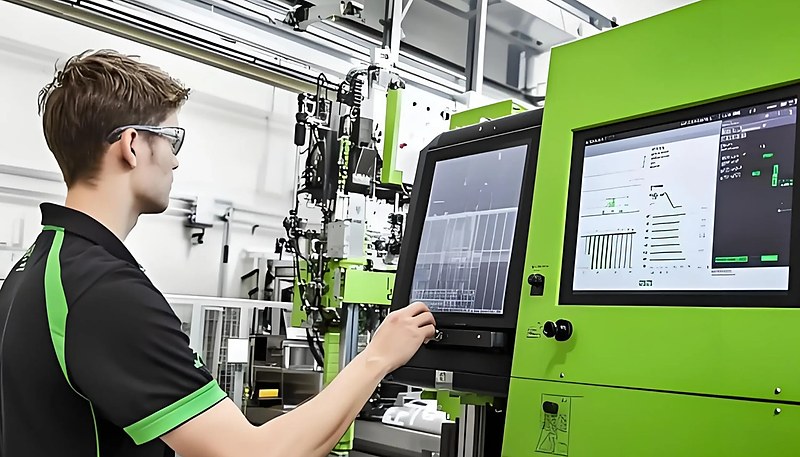
Przed potwierdzeniem zdolności produkcyjnych poproś o krótkie wyjaśnienie, w jaki sposób dostawca rozdziela pracę nad próbnymi próbkami, produkcją pilotażową i produkcją masową. Najlepsi dostawcy potrafią przedstawić planowanie mocy przerobowych maszyn, okna konserwacji form, zakres pokrycia inspektorów jakości oraz zasady eskalacji w przypadku pilnych zmian konstrukcyjnych podczas próbkowania. Ten dowód zdolności sprawia, że obietnice harmonogramowania są mierzalne.
Zażądaj szczegółowej wyceny narzędzia i przejrzyj zakres szczegółów: wnęki, chłodzenie, oczekiwane zmiany i harmonogram próbek. Przejrzyste wyceny zmniejszają rozbieżności i upraszczają zarządzanie projektem.
Weryfikacja zdolności powinna obejmować zarówno dostępność sprzętu, jak i dostępność inżynieryjną. Dostawca może mieć wystarczającą liczbę maszyn, ale niewystarczającą liczbę inżynierów projektowych, zdolności konserwacji form lub inspektorów jakości w szczytowych miesiącach. Przed płatnością zapytaj, kto odpowiada za informacje zwrotne DFM, kto zatwierdza cięcie stali, kto uczestniczy w przeglądach próbek i kto zatwierdza działania naprawcze po próbnych wtryskach.
Często zadawane pytania
Frequently Asked Questions?
Jakie są najczęstsze przyczyny opóźnień w projektach narzędzi do wtrysku tworzyw sztucznych?
Najczęstszymi przyczynami są zmiany w projekcie, opóźnienia w komunikacji i niezgodności w testowaniu. Większość opóźnień można odzyskać, jeśli zostaną wcześnie ujawnione z jasnymi właścicielami i podpisanymi kamieniami milowymi.
Partia wtryskowych części plastikowych gotowa do kontroli jakości i wysyłki
W przypadku większości globalnych scenariuszy dostaw, ISO 9001 i ISO 13485 są podstawowymi oczekiwaniami, a ISO 14001 i ISO 45001 stanowią dodatkowe wskaźniki procesów dla dojrzałych dostawców.
Czy jestem właścicielem formy wtryskowej po opłaceniu narzędzia?
Własność powinna być wyraźnie zapisana w umowie. Kupujący powinni wymagać sformułowań potwierdzających przeniesienie własności i harmonogramy przekazania po spełnieniu kamieni milowych akceptacji projektu i płatności.
Jaka jest różnica między firmą handlową a rzeczywistą fabryką wtrysku tworzyw sztucznych?
Firma handlowa sprzedaje i pośredniczy w projektach dla fabryk, ale zwykle nie posiada pełnej ciągłości od projektu narzędzia do produkcji. Prawdziwa fabryka posiada przepływ procesu i jest bardziej przejrzysta w zakresie możliwości i zasobów.
Czy mogę negocjować warunki płatności po początkowej wycenie?
Tak, ale zrób to przed finalizacją wpłat. Najpierw wynegocjuj procenty kamieni milowych i testy akceptacyjne, a następnie zwiąż zmiany pisemnym aneksem.
Dlaczego przewodnik sourcingowy jest pomocny przed wpłatą za narzędzia?
Użyj tego sourcing guide w celu zweryfikowania ryzyk prawnych, technicznych i handlowych przed transferem środków. Przewodnik pomaga zespołom korzystającym z list kontrolnych zadawać właściwe pytania we właściwej kolejności.
Nie potrzebujemy wszystkich twoich części pierwszego dnia. Najpierw zadawaj uporządkowane pytania, a przejdź do wpłaty dopiero po tym, jak dostawca wykazał się możliwościami do śledzenia.
-
ISO 9001: ISO 9001 odnosi się do normy z 2015 r. Systemy zarządzania jakością — Wymagania ↩
-
ISO 13485: ISO 13485 odnosi się do normy z 2016 r. Wyroby medyczne — Systemy zarządzania jakością ↩
-
IATF 16949: IATF 16949 odnosi się do Systemu Zarządzania Jakością z 2016 roku dla Produkcji Motoryzacyjnej ↩



 EN
EN  ES
ES  FR
FR  DE
DE  PT
PT  AR
AR  RU
RU  JA
JA  KO
KO  IT
IT  NL
NL  TR
TR  PL
PL 