- Geschreven clausule over eigendom van gereedschap, opslagvoorwaarde en exportvoorwaarden.
- Een offerte met opmerkingen uit de engineeringbeoordeling, een caviteitsvoorstel, staalkwaliteit, geschatte cyclustijd en nabewerkingen is doorgaans betrouwbaarder dan een lage prijs van één regel.
- Gebruik een auditformulier met tien vragen en sluit elke leverancier uit die corrigerende maatregelen, de steekproefprocedure of het eigendom van het gereedschap niet schriftelijk kan toelichten.
- Vergelijk bij een eerste aankoop in China leveranciers eerst op communicatiesnelheid, technische diepgang en transparantie van proefproducties voordat u alleen de stukprijs vergelijkt.
Wat maakt een Chinese leverancier van spuitgietwerk betrouwbaar?
Een betrouwbare Chinese leverancier van spuitgietwerk toont doorgaans ten minste 5 verifieerbare signalen: stabiele kwaliteitsregistraties, een duidelijke gereedschapsomvang, traceerbare materialen, responsieve engineering en transparante rapportage over proefproducties. Als u maandag een tekening stuurt en dinsdag alleen een stuksprijs terugkrijgt, is dat niet voldoende. Bij een eerste bestelling wilt u zien of het team wanddikte, aanspuitlocatie, tolerantieopbouw, cosmetische risico’s en verpakking begrijpt voordat het staal wordt bewerkt. Een leverancier die vroegtijdig gedetailleerde vragen stelt, bespaart u later meestal geld.
De praktische test is eenvoudig: kan de fabriek zonder vage bewoordingen uitleggen hoe uw onderdeel van de beoordeling van het spuitgietmatrijsontwerp naar bemonstering, inspectie en massaproductie gaat? Betrouwbare leveranciers spreken in cijfers. Ze noemen het bereik van de machinesluitkracht, de gebruikelijke doorlooptijd van de matrijs, de logica achter het aantal holten, maatcontrolepunten, droogcondities voor de hars en wat er gebeurt als de eerste proef buiten tolerantie valt. Ook laten ze de mensen achter de belofte zien: projectingenieur, gereedschapsingenieur, kwaliteitsverantwoordelijke en programmacoördinator.
"Certificeringen zoals ISO 9001 en ISO 13485 zijn betrouwbare indicatoren van het kwaliteitssysteem van een leverancier."True
Het zijn nuttige indicatoren omdat gecertificeerde fabrieken beheersprocedures, inspectiegegevens, corrigerende maatregelen en interne-auditroutines moeten documenteren. Op zichzelf zijn ze niet voldoende, maar in combinatie met documentverificatie en procesbewijs vormen ze een sterk eerste filter.
"De laagste offerte van een Chinese leverancier biedt altijd de beste waarde."False
De laagste offerte verbergt vaak ontbrekende werkzaamheden, zoals een matrijsstroomanalyse, staalspecificatie, opspankosten, verpakking, textuur, inkoop van inzetstukken of inspectie na het vormen. Een goedkoper gereedschap kan na nabewerking, uitval en vertragingen bij de verzending de duurste optie blijken.
Een ander signaal is of de leverancier het volledige spuitgietproces begrijpt in plaats van alleen gereedschap en onderdelen afzonderlijk te offreren. Wanneer een leverancier in gewone taal uitleg geeft over het bevriezen van de aanspuiting, uitwerpspanning, lossingshoek, harskrimp en koelbalans, weet u dat engineering betrokken is. Wanneer elk antwoord via de verkoop loopt, moet u vertragen. Voor inkopers die voor het eerst in China sourcen, is technische diepgang doorgaans belangrijker dan een prijsverschil van 6%.
Certificeringen en kwaliteitssystemen verifiëren
U kunt het kwaliteitssysteem van een leverancier in 4 stappen verifiëren: controleer certificaatnummers, vergelijk de juridische bedrijfsnaam, vraag recente inspectieregistraties op en bevestig hoe niet-conforme onderdelen worden geblokkeerd. Begin bij het certificaat zelf. De geregistreerde bedrijfsnaam op ISO-documenten moet overeenkomen met de bedrijfsnaam op de offerte, pro-formafactuur en bankdocumenten. Als de offerte één entiteit vermeldt en het certificaat een andere, vraag dan waarom. Vraag vervolgens naar de certificerende instelling, de scope en de vervaldatum. Een serieuze fabriek beantwoordt dit in één e-mail, niet in vijf.
| Stap | Wat moet worden bevestigd |
|---|---|
| 1 | De juridische entiteit komt overeen met de offerte- en betalingsdocumenten. |
| 2 | Er is één werkelijk registratieformulier voor ingangs- of procesinspectie beschikbaar. |
| 3 | Traceerbaarheid bestaat per harspartij, ploeg, matrijs of machine. |
Vraag vervolgens om procesbewijs. Ik adviseer inkopers doorgaans één registratie van binnenkomend materiaal, één inspectieformulier uit het proces, één uitgaand rapport en één corrigerend-maatregelenrapport op te vragen, waarbij gevoelige velden zo nodig zijn afgeschermd. Zo ziet u of het kwaliteitssysteem leeft of alleen ingelijst aan de muur hangt. Heeft uw onderdeel zichtvlakken, vraag dan hoe de uiterlijke normen worden goedgekeurd. Heeft het nauwe maattoleranties, vraag dan welke meetmiddelen of CMM-methode worden gebruikt en wie het rapport ondertekent. Is uw product veiligheidskritisch, vraag dan of de traceerbaarheid van partijen wordt bijgehouden per ploeg, machine, matrijs en harspartij.
Controleer ten slotte hoe engineering en kwaliteit met elkaar verbonden zijn. Goede leveranciers beoordelen het ontwerp vóór de start van de matrijsbouw op maakbaarheid en gebruiken vervolgens proefgegevens om het controleplan bij te werken. Vraag of ze matrijsstroomanalyses uitvoeren voor complexe onderdelen, hoe ze gouden monsters goedkeuren en hoe ze bepalen of een probleem een staalcorrectie, procesaanpassing of herontwerp van het onderdeel vereist. Als het team die beslisboom niet kan uitleggen, mag het certificaat alleen u niet overtuigen.
Wat te vragen tijdens een fabrieksbeoordeling (10 vragen)
Een bruikbare fabrieksevaluatie kan worden uitgevoerd aan de hand van 10 directe vragen, waarbij elke vraag een document, foto of procesantwoord moet opleveren. Vraag niet: “Hebt u ervaring?” Vraag om cijfers, namen en recente voorbeelden. Voor nieuwe inkopers houdt dit de audit objectief en maakt het vergelijken van leveranciers eenvoudiger.
| Vraag | Waarop u moet letten |
|---|---|
| Hoeveel spuitgietmachines gebruikt u en welk tonnagebereik dekt mijn onderdeel? | Een nauwkeurige machinelijst, geen vage omschrijving als “veel machines”. Stem de onderdeelgrootte af op de sluitkracht en het injectievolume. |
| Wie voert de DFM-beoordeling uit voordat de matrijs wordt vrijgegeven? | Toegewezen engineer, tekening met markeringen en opmerkingen over lossing, aanspuitpunt, ondersnijdingen en risico op inval. |
| Welke staal- en matrijsbasisnorm gebruikt u? | Specifieke staalsoorten, geschatte matrijslevensduur, keuze voor een hotrunner of coldrunner en onderhoudsplan. |
| Hoe beheerst u het drogen van hars en de traceerbaarheid van partijen? | Droogblad, trechterregelingen, harslabelsysteem en lottracering per batch of dienst. |
| Hoe verloopt uw goedkeuringsproces voor het eerste monster? | T0- of T1-plan, maatrapport, cosmetische beoordeling en goedkeuringsvolgorde. |
| Welke inspectieapparatuur wordt gebruikt voor kritische afmetingen? | Alleen schuifmaten volstaan niet voor onderdelen met nauwe toleranties; let op een CMM, hoogtemeter, penkaliber of optisch meetsysteem. |
| Hoe gaat u om met afwijkende onderdelen? | Beheersing, hoofdoorzaak, corrigerende maatregel en duidelijke verantwoordelijken. |
| Kunt u lage en oplopende volumes ondersteunen vóór de volledige vrijgave? | Duidelijk plan voor spuitgieten in kleine volumes, proefseries en verpakkingsstabiliteit vóór opschaling. |
| Wie is na betaling eigenaar van de matrijs, inzetstukken en reservecomponenten? | Schriftelijke clausule over eigendom van het gereedschap, opslagcondities en exportvoorwaarden. |
| Overzicht machinecapaciteit | Een wekelijks ritme, foto's, een actielijst en één verantwoordelijke projectmanager. |
Wanneer u antwoorden vergelijkt, moet u niet elke vraag even zwaar wegen. Bij een eenvoudige consumentenbehuizing vormen uiterlijk en passing mogelijk het grootste risico. Bij een industriële connector zijn de tolerantiecapaciteit en materiaalbeheersing mogelijk belangrijker. Weeg de vragen op basis van uw werkelijke faalwijze. Een leverancier die uitstekend is in standaard verpakkingsdoppen is mogelijk niet geschikt voor onderdelen van glasvezelgevulde technische hars met inzetstukken en assemblagekenmerken met schroefdraad.
Controleer ook of de leverancier over procesvensters spreekt of alleen over ideale instellingen. Echte fabrieken weten dat vuldruk, matrijstemperatuur, koeltijd en aanspuitrestant elkaar beïnvloeden. Ze vertellen wat kan afwijken en hoe ze het proces binnen de grenzen houden. Dat is vooral belangrijk wanneer uw project begint met een globale briefing en een onvolledig RFQ1-pakket, omdat de leverancier technische hiaten moet dichten en niet alleen het voor de hand liggende moet beprijzen.
Spuitgietoffertes lezen en vergelijken
Met een goede spuitgietofferte kunt u minstens acht commerciële en technische punten regel voor regel vergelijken: gereedschapsprijs, aantal holten, staalsoort, veronderstelde hars, cyclustijd, aantal monsters, secundaire bewerkingen en verpakking. Als de ene leverancier twee pagina’s stuurt en de andere één zin, vergelijkt u geen leveranciers maar informatiekwaliteit. De offerte moet aangeven of de leverancier uw model heeft bestudeerd, welke aannames zijn gemaakt en welke kostenposten nog openstaan.
Begin met de gereedschapsomvang. Controleer of de matrijsprijs de matrijsbasis, inzetstukken, hotrunnercomponenten, textuur, polijstniveau, reserveonderdelen, proefshots, opspanmiddelen, kosten van meetmiddelen en exportverpakking omvat. Controleer vervolgens de aannames voor de onderdeelprijs: jaarvolume, harsfamilie, beleid voor herverwerkt materiaal, runnertype, beoogde cyclustijd en of inspectiearbeid is inbegrepen. Als uw leverancier feedback geeft over de locatie van de aanspuiting, de deellijn, wanddikte of ribverhouding, betekent dit doorgaans dat het team de maakbaarheid al heeft beoordeeld en u na de aanbetaling minder snel voor verrassingen komt te staan.
"DFM-feedback in een offerte is een teken dat de leverancier uw onderdeelontwerp heeft beoordeeld."True
Het is een van de duidelijkste tekenen dat de offerte op een technische beoordeling is gebaseerd en niet op een zuivere verkoopraming. De opmerkingen kunnen kort zijn, maar tonen dat de leverancier vóór de prijsbepaling de vormbaarheid, tolerantiegevoeligheid en waarschijnlijke proefproblemen heeft beoordeeld.
"Bepalingen over matrijseigendom en IE-bescherming zijn standaard in alle Chinese leverancierscontracten."False
Deze voorwaarden zijn niet automatisch geregeld. Veel leveranciers leggen alleen prijs en levering vast, tenzij de koper vraagt om eigendomsvoorwaarden, vertrouwelijkheid van tekeningen, voorwaarden voor gereedschapsoverdracht en beperkingen op dubbele productie. Deze clausules moeten duidelijk zijn opgeschreven voordat er geld wordt overgemaakt.
Let op wat ontbreekt. Een lage onderdeelprijs is vaak gebaseerd op een optimistische cyclustijd, genegeerde uitval of een harskwaliteit die niet werkelijk voor uw toepassing is goedgekeurd. Vraag of de offerte uitgaat van ongekleurde hars of kleurmasterbatch, handmatig bijsnijden of automatisering, 100% visuele inspectie of steekproeven, en het aantal stuks per doos. Vraag bij technische onderdelen ook hoeveel onderdelen tijdens de FAI worden gemeten en welke gegevens bij elke zending T1-monsters worden geleverd. Als de leverancier hierover vaag blijft, kunt u na de start van de gereedschapsproductie wrijving verwachten.
Ik adviseer inkopers ook om het reactiegedrag te vergelijken. De beste offerte is niet altijd de snelste, maar de beste leveranciers stellen binnen 24 tot 48 uur slimme vragen. Ze toetsen ontbrekende aannames over krimp, stellen wijzigingen aan de lossingshoek voor en signaleren waar een zijschuif de gereedschapskosten zal verhogen. Dat is het type leverancier dat uw budget kan beschermen voordat het staal wordt verspaand. De offerte is niet alleen een prijslijst; het is een vroege technische audit.
Waarschuwingssignalen die een leverancier moeten diskwalificeren
Vijf waarschuwingssignalen moeten een leverancier doorgaans onmiddellijk diskwalificeren: vervalste documentatie, inconsistente technische antwoorden, verborgen uitbesteding, onduidelijk eigendom van de matrijs en gebrekkige transparantie over proefruns. U hoeft niet op een ramp te wachten als deze signalen al tijdens de offertefase zichtbaar worden.
| Signaal | Waarom dit belangrijk is |
|---|---|
| De entiteit op het certificaat komt niet overeen met de entiteit op de offerte of betaling | Mogelijk koopt u van een andere rechtspersoon dan degene die aanspraak maakt op het kwaliteitssysteem. |
| Geen schriftelijke clausule over matrijseigendom | Overdracht van de matrijs kan later duur worden of worden geblokkeerd. |
| Technische vragen worden uitsluitend met verkooptaal beantwoord | Het technische risico wordt niet door de juiste mensen beoordeeld. |
| Monsterrapporten komen niet overeen met geleverde onderdelen | De gegevensintegriteit is al vóór de productievrijgave verbroken. |
| Toegang tot de fabriek of rechtstreeks technisch contact is geblokkeerd | U kunt niet verifiëren waar of hoe uw onderdelen werkelijk worden gemaakt. |
Sluit eerst elke leverancier uit bij wie de naam op het certificaat, de entiteit op de offerte en de betalingsentiteit niet overeenkomen en dit niet duidelijk kan worden verklaard.
Auditnotitie: als de rechtspersoon verschilt tussen offerte, certificaat en betaalrekening, pauzeer dan het sourcingproces totdat de leverancier de structuur schriftelijk heeft uitgelegd.
Ten tweede: sluit leveranciers uit die technische vragen beantwoorden met algemene marketingtaal. Als u naar krimp of de aanspuitpositie vraagt en als antwoord ‘we hebben veel ervaring’ krijgt, is dat geen technisch antwoord. Ten derde: wees voorzichtig met verborgen uitbesteding. Veel handelsbedrijven zijn nuttig, maar als zij zich als fabriek presenteren en geen rechtstreekse technische communicatie kunnen organiseren, neemt uw risico snel toe.
Ten vierde: sluit elke leverancier uit die weigert het eigendom van de matrijs, de opslag van gereedschap, het beheer van reserve-inzetstukken en de overdrachtsvoorwaarden schriftelijk vast te leggen. Dit wordt later pijnlijk wanneer u de productie wilt verplaatsen of gereedschap wilt dupliceren. Ten vijfde: haak af als monsterrapporten niet overeenkomen met de geleverde onderdelen of als de leverancier geen duidelijke foto’s van matrijsproeven wil delen. Een serieuze partner heeft niets te verbergen over onvolledige vulling, bramen, kromtrekken of inval tijdens vroege proeven. Vroege eerlijkheid is goedkoper dan late excuses.
Andere praktische waarschuwingssignalen zijn reactietijden van meer dan 72 uur tijdens het offertetraject, weigering om leveranciers van hars te bespreken, het ontbreken van een sjabloon voor corrigerende maatregelen en agressieve druk om vóór goedkeuring van het monster volledig te betalen. Bij exportprogramma’s let ik ook op verpakkingsdetails. Als een leverancier geen bescherming van onderdelen, kartonetikettering en waar nodig vochtbeheersing kan definiëren, denkt deze mogelijk nog als een lokale binnenlandse werkplaats in plaats van als een betrouwbare exportpartner.
Inzicht uit de fabriek: hoe ZetarMold criteria voor de selectie van leveranciers toepast
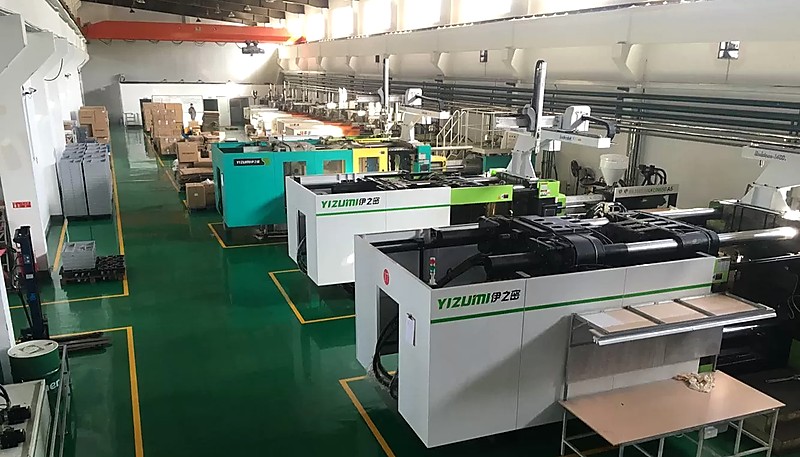
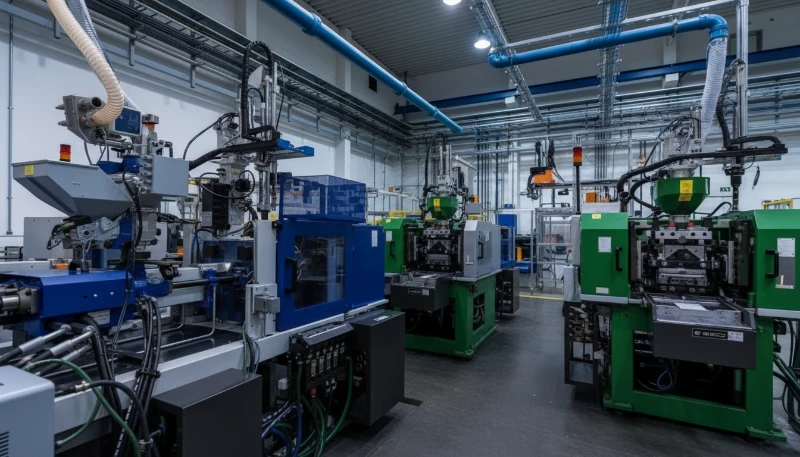
Sinds 2005 gebruikt onze fabriek in Shanghai 47 spuitgietmachines van 90T tot 1850T met 120+ medewerkers in gereedschapsbouw, projectengineering, spuitgieten en kwaliteit. In ons eigen offerteproces geven we de gereedschapsomvang pas vrij nadat een engineer de onderdeelgeometrie, harsaannames, proefrisico's en inspectiecontrolepunten heeft beoordeeld.
Bij ZetarMold is ons antwoord gebaseerd op 47 machines van 90T tot 1850T, een vestiging in Shanghai die in 2005 is opgericht en een team van meer dan 120 mensen dat van DFM2 tot en met de productievrijgave werkt. Dat is belangrijk omdat inkopers geen abstracte beloften nodig hebben; ze hebben bewijs nodig dat een leverancier machinecapaciteit, gereedschapscomplexiteit, projectcommunicatie en inspectiediscipline kan afstemmen op het onderdeel dat ze inkopen.
| Onderdeel | Gegevens |
|---|---|
| Opgericht | 2005 |
| Locatie | Sjanghai |
| Machines | 47 |
| Bereik van de sluitkracht | 90T–1850T |
| Teamgrootte | Meer dan 120 medewerkers |
Onze aanpak is om risico’s vroeg zichtbaar te maken. Vóór de vrijgave van het gereedschap beoordeelt het engineeringteam de harskeuze, onderdeelgeometrie, waarschijnlijke aanspuitopties, uitwerpbalans, cosmetische verwachtingen en tolerantiepunten die later correctierondes kunnen veroorzaken. Als een onderdeel waarschijnlijk lucht insluit, kromtrekt of inval vertoont, melden we dat voordat we de definitieve scope offreren. Als de koper een gefaseerde opschaling nodig heeft, plannen we pilotvolumes en een bemonsteringslogica in plaats van te doen alsof elke opdracht direct op het volledige jaarvolume begint. Dat is het verschil tussen een leverancier die een PO wil en een fabriek die een stabiel programma wil.
We vinden ook dat nieuwe inkopers in China meer behoefte hebben aan voorspelbare communicatie dan aan gepolijste verkooptaal. Dat betekent duidelijke aannames in offertes, gedocumenteerde proefresultaten, maatrapporten gekoppeld aan de tekening en benoemde verantwoordelijkheid wanneer iets het doel mist. Het proces is eenvoudig: het onderdeel begrijpen, de gereedschapsstrategie afstemmen, proeven eerlijk uitvoeren, correcties snel afsluiten en productie pas vrijgeven wanneer de gegevens dit ondersteunen.
Veelgestelde vragen over het kiezen van een Chinese leverancier voor spuitgieten
Hoeveel leveranciers moet ik vergelijken voordat ik er een kies in China?
china spuitgieten leverancier
Moet ik een fabriek of een handelsbedrijf kiezen?
Kies de structuur die u de beste technische controle en de duidelijkste commerciële verantwoordelijkheid biedt. Een capabele fabriek geeft doorgaans sneller technische feedback, beter inzicht in proefruns en directere toegang tot gereedschaps- en spuitgietteams. Een goed handelsbedrijf kan nog steeds werken als het waarde toevoegt met projectmanagement en u met de echte fabrieksingenieurs laat spreken. Het werkelijke risico ontstaat wanneer de tussenlaag verbergt waar de matrijs wordt gebouwd, wie de productie uitvoert of wie verantwoordelijk is voor kwaliteitsproblemen en het herstellen van de planning.
Welke documenten moet ik in mijn RFQ-pakket opsturen?
Stuur minimaal een 3D-model, indien beschikbaar een 2D-tekening, een schatting van het jaarvolume, de voorkeur voor een hars, de afwerkingsnorm, montage-instructies, kritieke afmetingen en de verzendbestemming. Als cosmetische zones, beperkingen voor aanspuitingen, verpakkingsregels of testeisen al bekend zijn, vermeld die dan vanaf het begin. Een beter RFQ-pakket vermindert giswerk en verkort de verduidelijkingscyclus. Het helpt de leverancier ook te beoordelen of uw onderdeel een matrijsstroomanalyse, zijacties, inzetstukken, speciale inspectiemeters of gefaseerde bemonstering vóór volledige vrijgave vereist. Dat verbetert de kwaliteit van de eerste offerte aanzienlijk.
Hoe kan ik mijn mal- en ontwerp IP beschermen bij een Chinese leverancier?
Gebruik een schriftelijk contract waarin het eigendom van het gereedschap, vertrouwelijkheid, beperkingen voor duplicaatgereedschap, tekeningbeheer, de goedgekeurde productielocatie en vrijgavevoorwaarden bij overdracht van de matrijs zijn vastgelegd. Ga er niet van uit dat deze bepalingen impliciet gelden. Als inzetstukken, elektroden of reserveonderdelen door externe leveranciers worden gemaakt, leg dan ook daarvan het eigendom vast. U moet bovendien bepalen wie toegang heeft tot uw CAD-gegevens en of de fabriek serviceonderdelen voor andere partijen mag produceren. Duidelijke documentatie vóór de aanbetaling is goedkoper dan discussiëren nadat het gereedschap is voltooid.
Wat is een normale levertijd voor gereedschap en eerste monsters?
Voor veel kunststof onderdelen van gemiddelde complexiteit is 4 tot 8 weken voor het gereedschap en de eerste T1-monsters3 een realistische uitgangswaarde, maar het werkelijke antwoord hangt af van de onderdeelgrootte, staalkeuze, complexiteit van het hotrunner-systeem, zijbewegingen, textuur en validatiewerk. Als een leverancier een ongewoon korte doorlooptijd belooft, vraag dan precies wat is uitgesloten. Soms worden textuur, opspanmiddelen, maatrapporten of correcties na de tweede shot buiten de geoffreerde planning geplaatst, zodat de belofte sneller lijkt dan het werkelijke ontwikkelschema. Vraag altijd om een planning per week.
Wat is belangrijker: prijs, communicatie of kwaliteitssysteem?
Bij eerste inkoop in het buitenland beschermen communicatie en het kwaliteitssysteem u doorgaans meer dan een klein prijsvoordeel. Een leverancier met gedisciplineerde rapportage, snelle technische verduidelijking en traceerbare kwaliteitscontrole kan dure fouten voorkomen voordat ze optreden. Prijs blijft belangrijk, maar pas nadat de technische scope is afgestemd. Als twee leveranciers binnen 5% tot 8% van elkaar liggen voor de totale programmakosten, zou ik doorgaans degene kiezen met duidelijkere DFM-feedback, betere discipline bij bemonstering en snellere respons tijdens de offertefase. Dat patroon is meestal veiliger voor een nieuwe koper.
RFQ: RFQ is een formeel document dat naar leveranciers wordt gestuurd en waarin voor de offerte de onderdeelhoeveelheid, hars, tolerantie, afwerking, gereedschapsomvang en commerciële voorwaarden worden vastgelegd. ↩
DFM: DFM is een engineeringproces om het onderdeelontwerp vóór de gereedschapsproductie te optimaliseren, zodat de leverancier vormrisico's, uitval en vermijdbare nabewerking van het gereedschap kan beperken. ↩
T1-monster: Een T1-monster is de eerste reeks kunststof onderdelen die tijdens de eerste matrijsproef wordt gevormd en vormt een praktisch controlepunt voor het plannen van gereedschapscorrecties. ↩