Wanneer een spuitgietleverancier defecte onderdelen verzendt of een leveringstermijn mist, begint de tijd te dringen. Elke dag vertraging kost geld en elk defect onderdeel dat uw assemblagelijn bereikt, vormt een risico. Na ruim 20 jaar onze eigen spuitgietactiviteiten in Shanghai te hebben geleid, hebben we aan beide kanten van deze vergelijking gestaan — als leverancier die verantwoordelijkheid voor fouten moet nemen en als fabrikant die leveranciers eerder in de keten ter verantwoording moet roepen. Dit artikel beschrijft een praktisch, in de praktijk beproefd escalatiekader: wat u eerst moet doen, hoe u het probleem documenteert, wanneer u escaleert en wanneer u de samenwerking beëindigt.
- Documenteer elk defect binnen 24 uur met foto's, metingen en tijdstempels.
- Begin met een verzoek om corrigerende maatregelen op niveau 1 voordat u escaleert naar heronderhandeling over het contract.
- Escalatie moet een structuur met 3 niveaus volgen: leverancier, management, juridische stappen of vervanging.
- Houd altijd een gekwalificeerde reserveleverancier achter de hand om het risico van één enkele bron te verkleinen.
- Gebruik PPAP- en FAI-processen om terugkerende kwaliteitsproblemen te voorkomen.
Waarom ontstaan er problemen met spuitgietleveranciers?
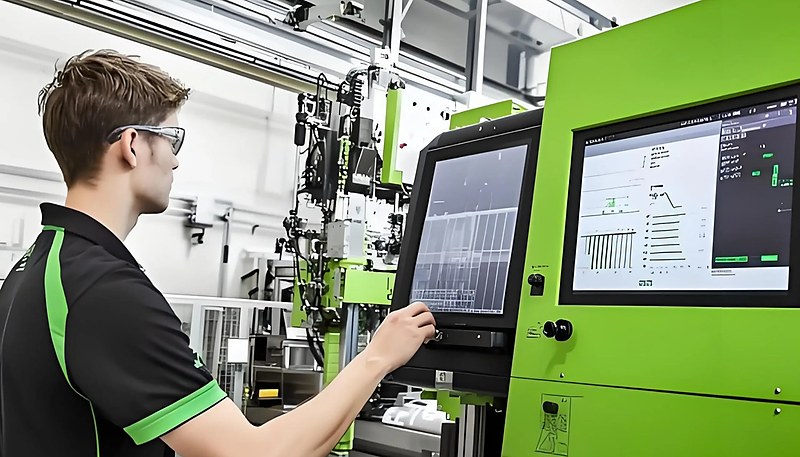
Problemen bij leveranciers hebben vier hoofdoorzaken: materialen, gereedschap, procesdrift en communicatie. Uit onze ervaring met het runnen van een fabriek in Shanghai met 47 persen blijkt dat deze zelden afzonderlijk optreden. Materiaalinconsistentie uit zich in kleurvariatie, verontreiniging of verkeerde harssoorten — vaak doordat de leverancier zonder kennisgeving van onderleverancier is gewisseld. Slijtage van gereedschap treedt op wanneer een matrijs langer draait dan de onderhoudscyclus; slijtage van holten, gecorrodeerde ontluchtingen en verbogen uitwerppennen leiden tot onderdelen die ongemerkt buiten de specificaties vallen.
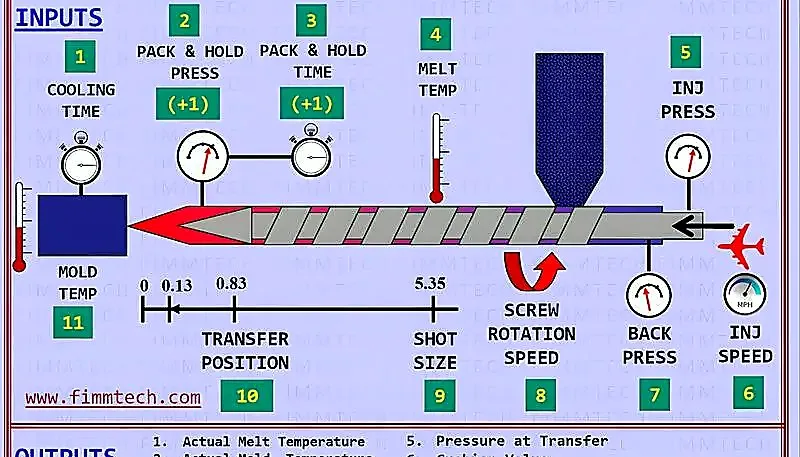
Procesdrift is even gevaarlijk. Een leverancier optimaliseert de cyclustijd of nadruk om de doorvoer te verhogen, waarna maattoleranties geleidelijk verschuiven totdat uw assemblagelijn onderdelen begint af te keuren.
Gebrekkige communicatie maakt al het bovenstaande mogelijk — wanneer uw leverancier problemen niet vroeg meldt, stapelen kleine problemen zich op tot grote fouten die pas aan het licht komen nadat de goederen bij uw laadperron zijn aangekomen. Elke hoofdoorzaak vereist een andere corrigerende aanpak, dus een nauwkeurige oorzaakanalyse is essentieel voordat u een escalatiepad kiest.
Deze oplopende kostencurve verklaart waarom vroege detectie en transparante communicatie zo belangrijk zijn.
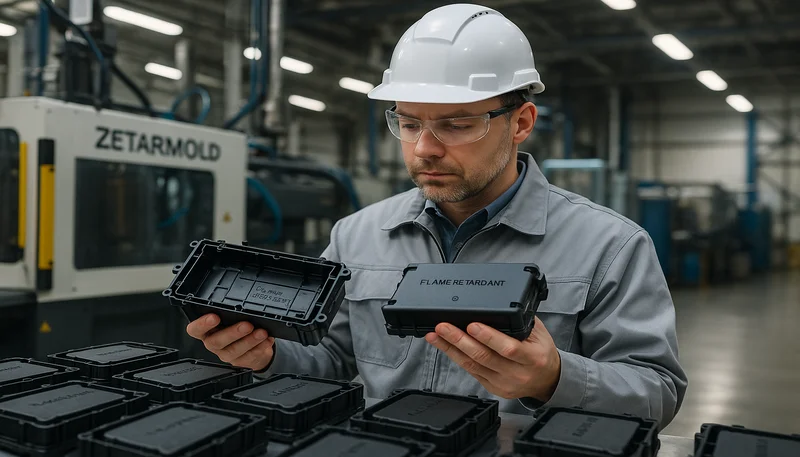
Bij ZetarMold hanteren we een kwaliteitsworkflow in zes stappen — IQC1, monstercontrole, inspectie tijdens het proces, verpakkingsinspectie, FQC en OQC — omdat het altijd goedkoper is om problemen vroeg dan laat te ontdekken. Onze 10+ QC-specialisten weten dat een defect dat een klant bereikt een systeemfout is, niet alleen een slecht onderdeel.
Wat is de eerste stap wanneer u een kwaliteitsprobleem constateert?
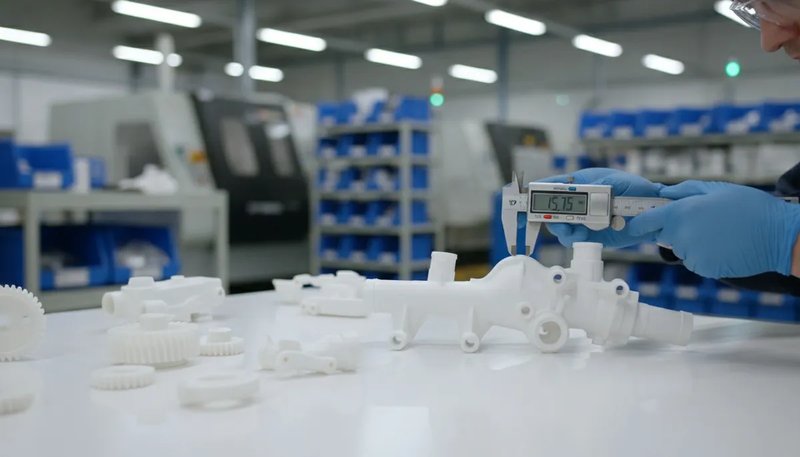
De eerste stap is beheersing — plaats de betreffende partij onmiddellijk in quarantaine. Label deze, houd deze fysiek apart en blokkeer de voorraad zodat niemand verdachte onderdelen verzendt. Documenteer het probleem vervolgens binnen 24 uur met forensische precisie: macrofoto's van elk type defect, metingen ten opzichte van de tekening met het daadwerkelijk gebruikte meetinstrument, het partijnummer, de datumcode en het exacte punt in uw proces waar u het defect hebt ontdekt.
Dit bewijspakket vormt de basis voor elk volgend gesprek. Zonder dit pakket kan uw leverancier stellen dat het probleem na levering, tijdens uw verwerking of in uw assemblageproces is ontstaan. Onze gids voor leveranciersselectie beschrijft hoe u leveranciers vooraf beoordeelt, maar zelfs de beste leveranciers maken af en toe een fout, en uw beheersingsprotocol bepaalt of een incident beheersbaar blijft of uitgroeit tot een volledige crisis.
Hoe structureert u een escalatieproces met 3 niveaus?
Een escalatie met 3 niveaus is het standaardkader in de sector voor het oplossen van kwaliteitsproblemen bij leveranciers. Niveau 1 duurt 5 dagen op leveranciersniveau, niveau 2 duurt 15 dagen op managementniveau en niveau 3 duurt 30 dagen op strategisch niveau. Niveau 1 — Corrigerende maatregel door de leverancier (dagen 1–5). Uw kwaliteitsingenieur stuurt een formele SCAR2 met het bewijspakket. De leverancier moet de ontvangst binnen 24 uur bevestigen en binnen 5 werkdagen een oorzaakanalyse indienen.
Niveau 2 — Escalatie naar het management (dagen 6–15). Als niveau 1 mislukt — de leverancier negeert de SCAR, de hoofdoorzaak is vaag of de oplossing houdt geen stand — escaleert u naar het inkoopmanagement aan beide zijden. Vraag om een persoonlijk overleg, beoordeel het volledige kwaliteitsmanagementsysteem van de leverancier en stel harde deadlines met contractuele gevolgen. Begin parallel met het kwalificeren van een alternatieve leverancier.
Niveau 3 — Strategische beslissing (dagen 16–30). Als de leverancier het probleem nog steeds niet kan oplossen, gaat u over tot contracthandhaving, terugvordering van schade en de overstap naar een andere leverancier. De kosten van overstappen — nieuw gereedschap, validatie, inspectie van het eerste product — zijn reëel, maar bij een falende leverancier blijven kost meer. Elk bedrijf dat afhankelijk is van spuitgietmatrijzen moet op deze fase voorbereid zijn.
Welke documenten en bewijzen hebt u nodig voor escalatie?
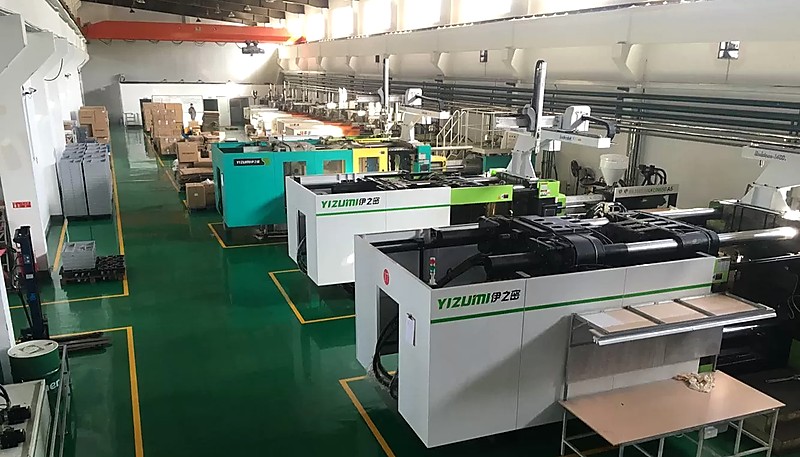
De essentiële documenten zijn een samenvattend defectrapport, de inkooporder, inspectieregistraties, het procesblad, de SCAR-historie en verwijzingen naar boetebepalingen. Elk document is cruciaal om een waterdichte zaak op te bouwen die uw leverancier niet kan afwijzen. Het defectrapport moet foto's en metingen bevatten die aan de aanduidingen op de tekening zijn gekoppeld, terwijl de inkooporder en pakbon de traceerbaarheid van de partij aantonen.
Schakel bij geschillen met een hoge waarde een extern inspectiebureau in om een onafhankelijk rapport op te stellen — dit neemt de woord-tegen-woorddynamiek volledig weg. In onze fabriek in Shanghai bewaren we digitale gegevens van elke spuitgietrun , waaronder drukcurven van de holten en cyclusgegevens, omdat transparantie beide partijen beschermt. Verplicht uw leverancier een gedeeld kwaliteitsmanagementplatform te gebruiken waarop beide teams inspectiegegevens in realtime uploaden.
De kwaliteit van uw documentatie bepaalt rechtstreeks de snelheid en uitkomst van uw escalatie. Leveranciers reageren anders op een vage klacht per e-mail dan op een gestructureerde SCAR met fotografisch bewijs, meetgegevens en specifieke verwijzingen naar contractuele vereisten. Investeer vooraf de tijd om een grondig bewijspakket samen te stellen — dit levert tijdens het hele escalatieproces een snellere oplossing en een sterkere onderhandelingspositie op.
Veel bedrijven onderschatten hoe belangrijk het is om voor elke leverancier een volledige SCAR-historie bij te houden. Met dit historische dossier kunt u patronen herkennen — of hetzelfde type defect terugkeert, of corrigerende maatregelen op termijn standhouden en of de kwaliteitsontwikkeling van de leverancier verbetert of verslechtert. Gebruik deze gegevens om op bewijs gebaseerde beslissingen te nemen over wanneer u escaleert en wanneer u overstapt.
In veel gevallen brengt het escalatieproces zwakke punten in uw eigen specificatie- en communicatiepraktijken aan het licht. Misschien vermeldde uw tekening een kritieke tolerantie niet duidelijk genoeg of ontbrak in uw inkooporder een gedefinieerde AQL voor het betreffende type defect. Gebruik elke escalatie als leermoment om uw processen voor leveranciersbeheer aan te scherpen en soortgelijke fouten in toekomstige productieruns te voorkomen.
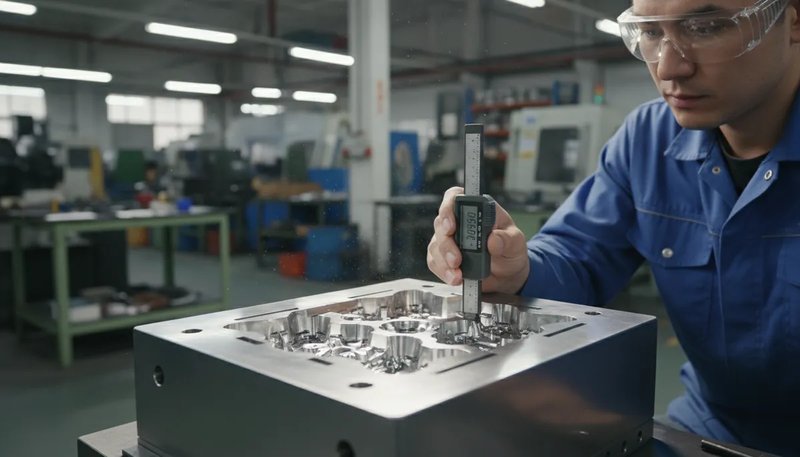
Met 47 spuitgietmachines van 90T tot 1850T en 30+ Engelssprekende projectmanagers begrijpen we dat documentatie en transparante communicatie niet onderhandelbaar zijn voor internationale toeleveringsketens. Onze projectmanagers zijn opgeleid om mogelijke problemen proactief te signaleren voordat ze een escalatie rechtvaardigen.
Wanneer moet u overstappen op een nieuwe spuitgietleverancier?
Stap over naar een andere leverancier wanneer drie voorwaarden samenkomen: een onopgelost probleem na escalatie, een terugkerend patroon en kosten die hoger zijn dan de overstapkosten. Overstapkosten omvatten de fabricage of overdracht van nieuw gereedschap, inspectie van het eerste product, PPAP3 -hervalidatie en de doorlooptijd totdat de nieuwe leverancier de volledige productiesnelheid bereikt. Een globale vuistregel: als het defectpercentage structureel hoger is dan 3% of als in een kwartaal meer dan 15% van de bestellingen te laat wordt geleverd, begint u met het kwalificeren van alternatieven.
Voor internationale toeleveringsketens die meerdere tijdzones beslaan, is een snelle uitwisseling van bewijsmateriaal cruciaal. Verplicht uw leverancier een gedeeld digitaal kwaliteitsplatform te gebruiken waarop beide teams inspectiegegevens, foto's en meetbestanden in realtime uploaden. Standaardiseer uw defectcoderingssysteem in beide organisaties, zodat defectcategorieën in elke taal en op elke locatie hetzelfde betekenen. Deze gedeelde woordenschat neemt de dubbelzinnigheid weg die oplossingen vaak vertraagt en stelt beide partijen in staat zich op corrigerende maatregelen te richten in plaats van over terminologie te discussiëren.
Wacht niet op een crisis. Zorg voor een gekwalificeerde reserveleverancier voor elk kritisch onderdeel — dual sourcing is een verzekering, geen verspilling. Een leverancier die weet dat u alternatieven hebt, zal uw kwaliteitseisen serieuzer nemen. Voer bij de beoordeling van een mogelijke vervanger een proefproductie van uw meest veeleisende onderdeel uit en vergelijk de maatgegevens naast elkaar met de output van uw huidige leverancier. Het volledige kwalificatieproces duurt doorgaans 4 tot 8 weken voor eenvoudige onderdelen.
De financiële modellering van een leveranciersoverstap moet rekening houden met zowel directe kosten (gereedschap, validatie en kwalificatie) als indirecte kosten (efficiëntieverlies door de leercurve, aanvankelijk hogere uitvalpercentages en de managementtijd die nodig is om toezicht op de overstap te houden). In de meeste gevallen zijn de totale overstapkosten ongeveer gelijk aan drie tot zes maanden van de jaarlijkse uitgaven aan die leverancier.
Bij internationale toeleveringsketens kunnen tijdzoneverschillen en taalbarrières de uitwisseling van bewijsmateriaal vertragen. Standaardiseer uw defectcoderingssysteem, zodat een defect door ‘braamvorming’ voor uw team hetzelfde betekent als voor het team van de leverancier. Deze gedeelde woordenschat vermindert miscommunicatie en versnelt de oorzaakanalyse.
Hoe kunt u escalatiescenario's voorkomen?
Preventie is altijd goedkoper dan escalatie. Begin vóór de eerste bestelling met een leveranciersaudit op locatie — loop over de productievloer, controleer onderhoudslogboeken, beoordeel kalibratieregistraties en praat met operators. Vereis PPAP-documentatie voordat de productie begint. Sta voor kritieke onderdelen op FAI-rapporten voor elk nieuw gereedschap. Neem kwaliteitseisen rechtstreeks op in inkooporders: AQL-niveaus, meetmethoden, verpakkingsnormen en rapportageverplichtingen.
Een leverancier die weet dat u elke zending controleert, zal kwaliteit verankeren. Houd driemaandelijkse bedrijfsbeoordelingen over percentages tijdige levering, defecttrends, capaciteitsbenutting en komende wijzigingen in materialen of gereedschap. Proactieve communicatie vangt 80% van de problemen op voordat ze uw laadperron bereiken. Bouw naast het formele kwalificatieproces een vast contactritme op met uw belangrijkste leveranciers — maandelijkse kwaliteitsdashboards en jaarlijkse bijeenkomsten voor strategische afstemming creëren een feedbacklus die problemen vroeg zichtbaar maakt.
ZetarMold heeft een eigen matrijzenfabriek die 100+ matrijzensets per maand produceert en is gecertificeerd volgens ISO 9001, ISO 13485, ISO 14001 en ISO 45001. Met ervaring met 400+ kunststofmaterialen onderhouden we procesdocumentatie die oorzaakanalyse eenvoudig maakt — omdat we deze escalatiescenario's van beide kanten hebben meegemaakt.
“U moet de volledige getroffen partij binnen 24 uur na het constateren van een kwaliteitsprobleem in quarantaine plaatsen.”Juist
Juist. Onmiddellijke beheersing voorkomt dat defecte onderdelen in uw productie terechtkomen of klanten bereiken. Label de voorraad, houd deze apart en blokkeer deze direct in uw systeem.
“De eerste reactie op een kwaliteitsprobleem bij een leverancier moet zijn dat u onmiddellijk naar een nieuwe leverancier overstapt.”Onjuist
Onjuist. Overstappen zonder gestructureerde escalatie verspilt tijd en geld. Begin met een formele SCAR op niveau 1, escaleer via het management op niveau 2 en ga alleen op niveau 3 over naar een andere leverancier als het probleem onopgelost blijft.
In de praktijk verloopt het escalatieproces niet altijd lineair. Soms toont een reactie op niveau 1 aan dat de hoofdoorzaak complexer is dan aanvankelijk gedacht — een ontwerpfout in de matrijs in plaats van een eenvoudige procesinstelling, of de vervanging van een materiaalsoort die het eigen inkoopteam van de leverancier heeft goedgekeurd zonder de kwaliteitsafdeling te informeren. In deze gevallen moet u mogelijk teruggaan en de reikwijdte van de corrigerende maatregel opnieuw definiëren voordat u naar niveau 2 escaleert. Het kernprincipe is dat escalatie altijd door bewijs en gegevens moet worden gestuurd, niet door emotie of frustratie.
“Een structureel defectpercentage van meer dan 3% is een geldige aanleiding om alternatieve leveranciers te gaan kwalificeren.”Juist
Juist. Bij spuitgieten in grote volumes staat 3% voor duizenden defecte onderdelen per productierun. Structurele percentages boven deze drempel wijzen op een systemisch procesprobleem.
“Mondelinge communicatie volstaat om een kwaliteitsprobleem bij een leverancier te documenteren.”Onjuist
Onjuist. Elke escalatie vereist schriftelijke documentatie — foto's, metingen, partijnummers en gedateerde correspondentie. Zonder schriftelijk dossier kan uw leverancier uw claims betwisten en verliest u onderhandelingsmacht bij contracthandhaving.
Veelgestelde vragen
Veelgestelde vragen
Hoe snel moet ik mijn leverancier informeren nadat ik een defect heb gevonden?
U moet uw leverancier binnen 24 uur na het constateren van het defect informeren. Een vroege melding bewaart bewijs, toont de ernst aan en zet de termijn voor corrigerende maatregelen in gang. Stuur de eerste bevindingen van uw kwaliteitsingenieur mee met foto's, metingen en gegevens voor partijtraceerbaarheid — dit geeft de leverancier een voorsprong bij de oorzaakanalyse en voorkomt dat deze een te late melding kan aanvoeren. Uit onze ervaring blijkt dat leveranciers die snel worden geïnformeerd veel coöperatiever zijn dan leveranciers die pas weken later een klacht ontvangen, wanneer het bewijs is verslechterd en herinneringen zijn vervaagd.
Wat is een SCAR en wanneer moet ik er een uitgeven?
Een SCAR (Supplier Corrective Action Request) is een formeel document dat u naar een leverancier stuurt wanneer tijdens inkomende inspectie, controles tijdens het proces of audits na levering een afwijking wordt vastgesteld. Geef een SCAR uit op niveau 1 van uw escalatieproces zodra u het defect hebt gedocumenteerd met foto's, metingen en gegevens voor partijtraceerbaarheid. De leverancier moet de SCAR binnen 24 uur bevestigen en binnen 5 werkdagen een oorzaakanalyse met een plan voor corrigerende maatregelen indienen. Gebruik een SCAR voor elk defect dat de maatnauwkeurigheid, materiaalspecificatie of leveringsverplichtingen beïnvloedt — niet alleen voor afzonderlijke cosmetische problemen.
Kan ik financiële compensatie eisen voor defecte spuitgegoten onderdelen?
Ja, de meeste leveringscontracten bevatten boetebepalingen voor niet-conforme leveringen. Controleer de voorwaarden van uw inkooporder op drempels voor defectpercentages en bijbehorende tegoeden of terugboekingen. Bij aanzienlijke verliezen kunt u de kosten van defecte onderdelen, productiestilstand door het tekort en eventuele gevolgschade claimen die uw contract uitdrukkelijk dekt. Een inspectierapport van een externe partij versterkt uw claim. Documenteer de financiële gevolgen altijd met werkelijke cijfers en raadpleeg uw juridische team voordat u claims indient, omdat rechtsmiddelen afhangen van het toepasselijke recht in uw leveringsovereenkomst.
Hoe kwalificeer ik een reserveleverancier voor spuitgieten?
Begin met een audit van de fabriek en het kwaliteitsmanagementsysteem van de reserveleverancier — loop over de productievloer, beoordeel kalibratieregistraties en controleer onderhoudslogboeken. Voer een proefproductie van uw meest kritieke onderdeel uit en vergelijk de maatgegevens met de onderdelen van uw huidige leverancier met dezelfde meetapparatuur. Controleer of de reserveleverancier consequent aan uw eisen voor volume, materiaal en doorlooptijd kan voldoen. Voltooi de PPAP-documentatie voor de proef. Het volledige kwalificatieproces duurt doorgaans 4 tot 8 weken voor eenvoudige onderdelen en langer voor complexe matrijzen met meerdere holten.
Welke rol speelt PPAP bij het voorkomen van kwaliteitsproblemen bij leveranciers?
PPAP (Production Part Approval Process) legt een gedocumenteerde uitgangswaarde voor de onderdeelkwaliteit vast voordat de volledige productie begint. Het verplicht de leverancier om met processtroomdiagrammen, beheersplannen, meetsysteemanalyses en initiële procescapaciteitsonderzoeken met echte gegevens aan te tonen dat het proces consequent onderdelen produceert die aan alle technische eisen voldoen. Een leverancier die PPAP niet kan voltooien, kan geen consistente kwaliteit garanderen. PPAP vóór de eerste productierun verplicht stellen is een van de doeltreffendste preventieve maatregelen in elke toeleveringsrelatie voor spuitgieten.
Moet ik de fabriek van mijn spuitgietleverancier persoonlijk bezoeken?
Absoluut, vooral voordat u uw eerste bestelling plaatst en daarna met regelmatige tussenpozen. Een bezoek op locatie onthult wat audits en certificeringen niet kunnen aantonen: de werkelijke normen voor orde en netheid, het vaardigheidsniveau van operators, de onderhoudsdiscipline en de echte staat van matrijzen en machines. Tijdens een fabrieksrondgang van twee uur leert u meer dan uit honderd e-mails. Let goed op de opslag van gereedschap, kalibratiestickers op meetinstrumenten en de netheid van de vloer — deze visuele aanwijzingen vertellen u veel meer over de kwaliteitscultuur dan welk ISO-certificaat aan de muur ook. Regelmatige bezoeken versterken ook de werkrelatie, waardoor eerlijke gesprekken over kwaliteitsproblemen wanneer die ontstaan gemakkelijker worden dan vijandige geschillen achteraf.
Omgaan met kwaliteitsproblemen bij leveranciers is stressvol en duur. Het beste escalatieproces is het proces dat u nooit hoeft te gebruiken — omdat uw leverancier problemen ontdekt voordat ze de fabriek verlaten. Bij ZetarMold zijn ons ISO-gecertificeerde kwaliteitsmanagementsysteem, ons eigen gereedschap en 30+ Engelssprekende projectmanagers erop gericht escalaties zeldzaam te maken. Neem vandaag nog contact met ons op om uw eisen voor spuitgieten te bespreken.
-
IQC: IQC staat voor inkomende kwaliteitscontrole — het inspectieproces dat op grondstoffen of ontvangen onderdelen wordt uitgevoerd voordat ze het productie- of assemblageproces ingaan. ↩
-
SCAR: SCAR staat voor Supplier Corrective Action Request — een formeel document dat naar een leverancier wordt gestuurd met het verzoek een afwijking te onderzoeken en op te lossen, inclusief een oorzaakanalyse en een plan voor corrigerende maatregelen. ↩
-
PPAP: PPAP staat voor Production Part Approval Process — een standaardprocedure in de sector die verifieert dat het productieproces van een leverancier consequent onderdelen produceert die aan de technische eisen van de klant voldoen. ↩