 콘텐츠로 건너뛰기

PETG1 (폴리에틸렌 테레프탈레이트 글리콜)은 다른 열가소성 소재가 따라올 수 없는 이상적인 지점에 있습니다: 폴리카보네이트에 근접하는 광학적 선명도, ABS에 필적하는 내충격성, 그리고 둘 다를 능가하는 내화학성 — 모두 더 낮은 가공 온도와 비용으로 가능합니다. 투명한 의료 기기 하우징, 소비자 전자 디스플레이 창, 식품 접촉 용기를 손에 들고 본 적이 있다면, 그것이 PETG로 성형되었을 가능성이 높습니다. 본 가이드에서는 건조 및 용융 온도부터 게이트 설계와 결함 해결에 이르기까지, 사출 성형 현장에서 PETG를 성공적으로 운영하는 데 필요한 모든 것을 살펴봅니다.
- PETG는 유리 전이 온도가 약 88°C인 비정질 공중합체로, 성형이 쉽고 강인하며 결정처럼 투명합니다.
- PETG를 65–75 °C에서 4–6시간 건조하세요; 0.02 % 이상의 수분은 스플레이와 취성을 유발합니다.
- 용융 온도 범위: 220–260°C. 몰드 온도: 선명도를 위해 15–40°C, 잔류 응력 완화를 위해 최대 65°C.
- 벽 두께는 1.0–3.0 mm 사이를 유지해야 하며, 균일한 두께는 싱크 마크와 내부 응력을 방지합니다.
- PETG는 FDA 식품 접촉 기준을 준수하며, 내화학성이 우수하고 완전히 재활용 가능합니다 — 의료 및 소비자 제품 응용에 이상적입니다.
PETG란 무엇이며 사출 성형에서 왜 중요한가요?
PETG는 폴리에틸렌 테레프탈레이트(PET)의 글리콜 변성 버전입니다. 글리콜 공단량체는 결정화를 방해하는데, 이는 이 소재가 몰드 내에서 어떻게 거동하는지 거의 모든 것을 이해하는 열쇠입니다. 결정화되어 불투명해지려는 PET와 달리, PETG는 비정질 상태를 유지합니다 — 투명하고, 치수 안정성이 우수하며, 가공 중 관대합니다. 유리 전이 온도는 약 88°C(190°F)입니다. 이는 폴리카보네이트(약 147°C)보다 훨씬 낮지만 폴리스티렌과 같은 범용 투명 플라스틱보다는 높습니다.
실제로 PETG는 높은 건조 민감성이나 뒤틀림 경향 없이 PC에 가까운 광학적 선명도를 제공합니다. 또한 더 낮은 사출 성형 사이클 시간을 제공합니다. 왜냐하면 더 낮은 용융 온도에서 냉각되며, 몰드가 그만큼 뜨거울 필요가 없기 때문입니다. 투명하고 강인하며 내화학성이 우수한 부품이 필요하고, 성형 윈도우를 넓게 유지하려는 제조업체에게 PETG는 종종 첫 번째 선택입니다.
이 소재는 지속 가능성 측면에서도 매력적입니다. PETG는 재활용 가능하며(대부분의 PET 스트림에서 SPI 수지 코드 1), 많은 등급이 FDA 식품 직접 접촉 기준을 준수합니다. 일회용 및 의료 포장에 대한 규제 압력이 강화됨에 따라, PC 비용 없이 식품 접촉 및 의료 등급 기준을 충족하는 투명 열가소성 소재를 보유하는 것은 실질적인 장점입니다.
PETG의 주요 재료 특성은 무엇인가요?
PETG의 주요 재료 특성에는 ~88 °C의 유리 전이 온도, 50–55 MPa의 인장 강도, 85–92 %의 광 투과율이 포함됩니다. 배럴 컨트롤러에 단일 온도를 설정하기 전에 PETG 거동을 결정하는 수치를 이해해야 합니다. 생산 현장에서 가장 중요한 특성 요약입니다.
| 속성 | Value | 참고 |
|---|---|---|
| 밀도 | 1.27 g/cm3 | 보통; 많은 엔지니어링 플라스틱보다 가벼움 |
| 유리 전이 온도 (Tg) | ~88 °C (190 °F) | 비정질; 명확한 녹는점 없음 |
| 용융 온도 범위 | 220–260 °C | 열화 방지를 위해 280 °C를 초과하지 않도록 주의 |
| 금형 온도 범위 | 15–65 °C | 낮을수록 더 투명함; 높을수록 응력 감소 |
| 인장 강도 | 50–55 MPa | ABS와 유사하며, PC보다 낮음 |
| 휴식 시 신장 | 100–150 % | 높은 연성 — 취성 파괴에 저항함 |
| 굴곡 탄성 계수 | ~2,100 MPa | 구조 부품에 충분히 강함 |
| 아이조드 노치 충격 | ~800 J/m | 아크릴보다 훨씬 우수함; PC에 가까움 |
| 빛 투과 | 85–92 % | 광학적 선명도에 가까움 |
| Moisture Absorption | 0.2–0.3 % | 낮지만 여전히 건조가 필요함 |
높은 연신율과 우수한 PETG 인장 강도2 (50–55 MPa)는 PETG를 다른 투명 플라스틱과 차별화하는 요소입니다. 아크릴(PMMA)은 더 많은 빛을 투과할 수 있지만, 충격 시 균열이 생깁니다. 폴리카보네이트는 더 강인하지만 비용이 훨씬 더 많이 들고 수분 및 화학적 공격에 훨씬 더 민감합니다. PETG는 중간에 위치하며, 우리의 경험상 실제 응용 분야 대부분은 바로 이 중간 지대에 해당합니다.
사출 성형을 위해 PETG를 어떻게 준비하나요?
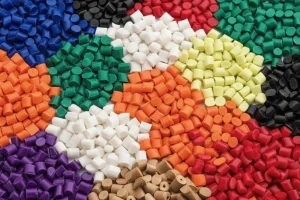
PETG는 흡습성입니다 — 나일론이나 폴리카보네이트만큼 강력하지는 않지만, 건조기를 생략하면 손실을 입을 만큼 충분합니다. 목표 수분 함량은 중량 기준 0.02% 미만입니다. 우리 작업장에서는 제습 호퍼 건조기에서 PETG를 65–75 °C에서 4–6시간 동안 건조하며, 운전 중 내내 호퍼를 해당 온도로 유지합니다. PETG 건조 온도3 매우 중요합니다 — 너무 뜨거우면 펠릿이 서로 달라붙고, 너무 차갑으면 목표 수분 수준에 도달하지 못합니다.
“건조되지 않은 PETG 수지는 고분자 골격의 가수분해로 인해 스플레이 마크와 충격 강도 저하를 일으킵니다.”True
사실입니다. 용융물 내의 수분은 증기 기포를 발생시켜 표면에 은색 줄무늬를 만듭니다. 가수분해는 또한 고분자 사슬 내 에스테르 결합을 끊어 인성과 연신율을 영구적으로 저하시킵니다.
“PETG는 수분 흡수율이 매우 낮기 때문에 사출 성형 전 건조가 필요하지 않습니다.”False
거짓입니다. PETG가 나일론보다 수분을 덜 흡수하지만, 0.02 % 이상의 수분은 스플레이 마크, 기포 및 충격 강도 저하를 유발합니다. 성형 전 항상 PETG를 65–75 °C에서 4–6시간 건조하세요.
건조 과정을 건너뛰거나 축소할 때 발생하는 현상은 다음과 같습니다: 용융물 내에서 증기가 팽창하여 생기는 스플레이 마크(부품 표면의 은색 줄무늬); 고분자 골격의 에스테르 결합을 가수분해가 끊어 충격 강도 저하; 두꺼운 부분의 기포와 공극; 이음점의 취성 용접선; 그리고 치수 변동과 함께 샷 간 무게 불일치.
간편한 현장 검사 방법: 노즐에서 퍼징 시 터지는 소리가 나거나 거품이 보이면 PETG 재료가 습한 것입니다. 작업을 중지하고 건조된 재료로 다시 로딩한 후 배럴을 철저히 퍼징하세요. 건조에 투자하는 비용은 불량품 처리 비용보다 항상 저렴합니다. 착색제와 첨가제 농축물(마스터배치)도 건조되어야 합니다 — PETG는 가공 온도에서 색상 펠릿 내 잔류 수분이 동일한 결함을 발생시키기 때문입니다.
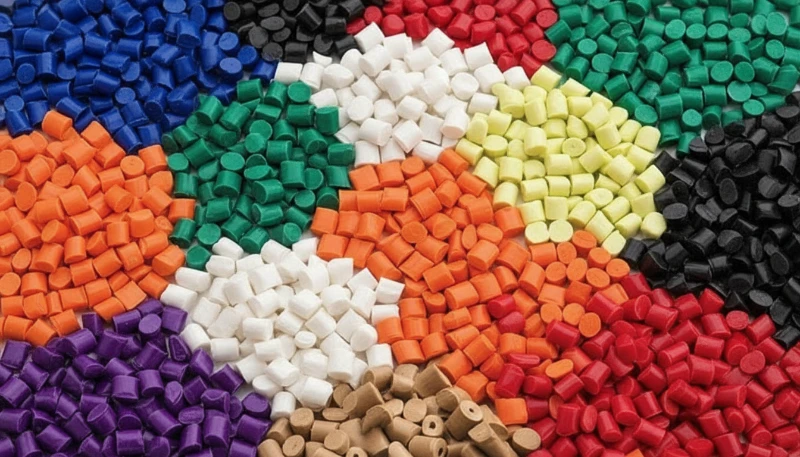
PETG 사출 성형의 최적 매개변수는 무엇인가요?
PETG는 성형하기에 관대한 재료 중 하나로, 이는 그 인기의 한 이유입니다. 하지만 '관대하다'는 것이 기본 원칙을 무시해도 된다는 의미는 아닙니다. 여기 부품 형상에 관계없이 신뢰성 있게 작동하는 범위와 함께, 저희가 모든 PETG 작업에서 조정하는 매개변수들이 있습니다.
| 매개변수 | 권장 범위 | 팁 |
|---|---|---|
| 배럴 후부 영역 | 210–230 °C | 조기 용융을 방지하려면 낮게 유지 |
| 배럴 중간 구역 | 230–250 °C | 주 용융 영역 |
| 배럴 전면 영역 / 노즐 | 240–260 °C | 280 °C를 초과하지 마십시오 |
| 금형 온도 | 15–40 °C (투명도) / 40–65 °C (응력 완화) | 더 낮은 온도 = 더 투명한 표면 |
| 사출 속도 | 중간~고속 | 얇은 벽에서 헤지테이션 마크 피하기 |
| 유지 압력 | 사출 압력 40–70 % | 게이트가 동결될 때까지 보압 |
| 보유 시간 | 3–8초 (벽 두께에 따라 다름) | 게이트 실링이 중요합니다 |
| 냉각 시간 | 15–40초 (벽 두께에 따라 다름) | 균일한 벽 = 짧은 사이클 시간 |
| 배압 | 5–10 bar | 낮음에서 중간; 과도한 전단은 PETG를 분해시킵니다 |
| 나사 속도 | 40–80 RPM | 속도가 낮을수록 전단 가열이 감소합니다 |
실용적인 팁 하나: PETG는 상대적으로 넓은 가공 윈도우를 가지고 있지만, 그 윈도우의 양극단은 서로 다른 결과를 만듭니다. 저온 영역(220–230 °C)에서는 투명도가 향상되고 황변 위험이 줄어들지만, 박벽 부분 충전에 어려움을 겪을 수 있습니다. 고온 영역(250–260 °C)에서는 유동성이 극적으로 개선되지만, 장시간 체류는 열분해를 일으켜 재료가 황변하기 시작하고 충격 강도를 잃습니다. 대부분의 부품에는 240–250 °C가 최적의 지점입니다.
PETG의 경우 사출 속도는 많은 성형업자가 생각하는 것보다 더 중요합니다. PETG는 비정질이기 때문에 날카로운 용융점이 없으며, 일정 범위에 걸쳐 점차적으로 연화됩니다. 빠른 사출은 선단이 얼기 시작하기 전에 재료가 캐비티를 통해 균일하게 흐르도록 돕습니다. 얇은 벽 부품(1.5mm 미만)에서는 일반적으로 최대 사출 속도의 70–90%로 운전합니다. 두꺼운 부품에서는 제팅과 공기 트랩을 피하기 위해 40–60%로 속도를 늦춥니다.
홀딩 압력과 시간은 대부분의 PETG 성형 문제가 발생하는 부분입니다. PETG는 탈형 온도에서 '부드러운' 재료로, 게이트가 동결되기 전에 홀딩 압력을 해제하면 뒤틀림, 함몰, 치수 변화가 발생합니다. 게이트 동결 연구(홀딩 시간을 점차 늘려가며 부품 무게가 안정될 때까지 무게를 측정)는 금형당 한 번 수행할 가치가 있습니다. 저희 공장에서는 벽 두께 3mm 미만의 대부분 PETG 부품에 대해 4–6초의 홀딩 시간이 적절하다는 것을 확인했습니다.
“최적의 보압 시간을 결정하기 위해 모든 새로운 PETG 금형에 대해 게이트 동결 연구를 실행하는 것이 권장됩니다.”True
사실입니다. 게이트 동결 시간은 벽 두께, 게이트 크기 및 금형 온도에 따라 다릅니다. 점진적으로 보압 시간을 늘려가며 부품 무게가 안정화될 때까지 무게를 측정하면 일관된 부품 품질에 필요한 최소 보압 시간을 알 수 있습니다.
“PETG는 항상 가능한 가장 높은 용융 온도에서 성형되어 캐비티 완전 충전을 보장해야 합니다.”False
거짓입니다. 더 높은 용융 온도는 유동성을 개선시키지만, 280 °C를 초과하면 열분해, 황변 및 충격 강도 손실을 초래합니다. 권장 범위는 220–260 °C이며, 대부분의 적용 사례에 최적의 온도는 240–250 °C입니다.
PETG 부품을 위한 금형은 어떻게 설계해야 하나요?
PETG 금형 설계는 균일한 1-3 mm 벽 두께, 2-3도 드래프트 각도, 깨끗한 이형과 광학적 선명도를 위한 저전단 게이트 유형에 의해 주도됩니다.
벽 두께와 수축
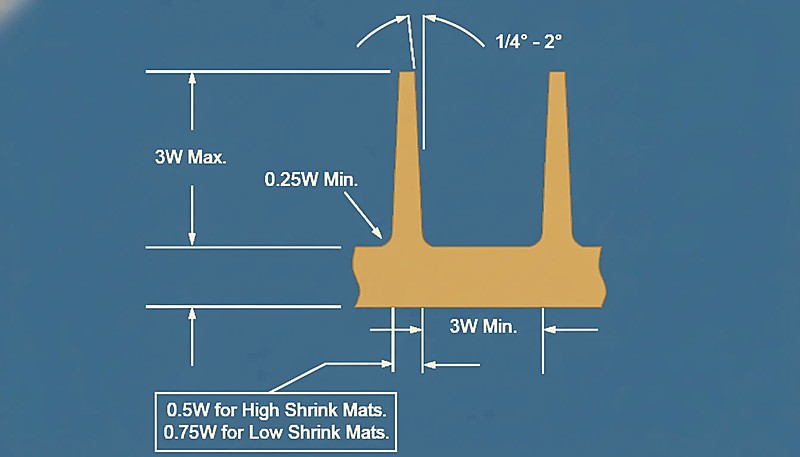
목표 벽 두께는 1.0–3.0 mm로 가능한 한 균일하게 유지하세요. PETG는 결정화되지 않아 나일론과 같은 반결정성 재료보다 수축이 적지만 여전히 수축합니다(0.3–0.7 %). 두께가 고르지 않으면 수축 차이가 발생하여 싱크 마크와 뒤틀림으로 나타납니다. 구조적 이유로 두꺼운 부분이 필요하다면, 단단한 덩어리 대신 리브로 코어를 제거하는 것이 항상 더 좋습니다.
게이트 설계 및 배치
투명 PETG 부품의 경우, 게이트 위치와 유형이 광학적 품질에 직접적인 영향을 미칩니다. 에지 게이트와 팬 게이트는 가장 일반적인 선택입니다. 왜냐하면 넓고 낮은 전단 진입점을 제공하여 제팅과 유동 흔적을 최소화하기 때문입니다. 서브머린(터널) 게이트는 소형 부품에 적합하지만, 투명 부품에서 보이는 잔여물을 남길 수 있습니다. 몇 그램 이상의 부품에는 핀포인트 게이트를 피하십시오 — 작은 오리피스를 통한 높은 전단은 PETG를 분해시키고 게이트 근처에 흐림을 생성합니다.
흐름 전면이 캐비티를 통해 균일하게 이동하도록 게이트를 배치하세요. 흐름 경로가 고르지 않으면 투명 재료에서 용접선과 흐름 마크가 보입니다. 광학적 품질이 중요한 PETG 부품의 경우, 금형 제작 전 Moldflow 시뮬레이션은 가치 있는 투자입니다.
드래프트 각도와 표면 마무리
표준 드래프트는 측면당 1–2°이지만, PETG는 이젝션 온도에서 재료가 상대적으로 부드러우므로 깊은 드로우 시 약간 더 큰 드래프트(2–3°)가 유리합니다. 드래프트가 불충분하면 투명 부품에서 즉시 드래그 마크가 보입니다. 최적의 광학적 선명도를 위해 코어와 캐비티 표면을 미러 마감(SPI A-2 이상)으로 연마하세요 — PETG는 금형 표면 질감을 충실히 복제합니다.
배기
PETG는 성형 중에 (PVC나 아세탈과 달리) 공격적인 가스를 방출하지 않지만, 적절한 배기는 여전히 필수적입니다. 갇힌 공기는 번(버닝)과 단사(쇼트샷)를 유발합니다. 0.01–0.02 mm의 표준 배기 깊이면 충분합니다. 복잡한 형상의 부품의 경우, 유동 경로 끝단과 막힌 포켓 부분에 배기를 추가하세요.
PETG 사출 성형의 일반적인 결함과 해결책은 무엇인가요?
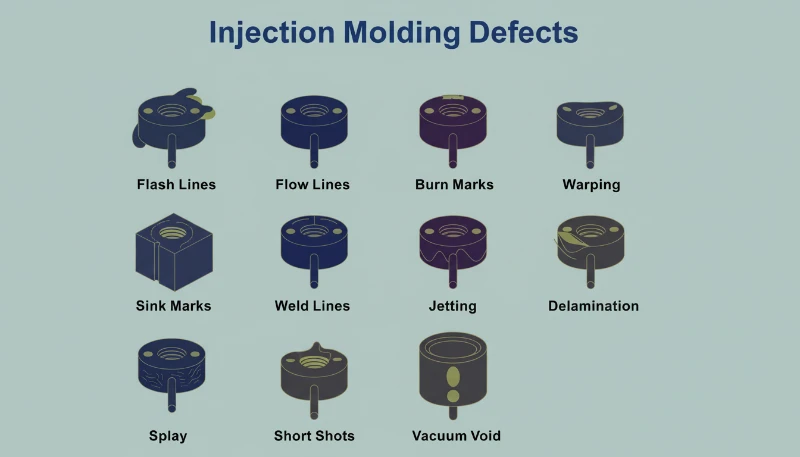
PETG의 일반적인 결함에는 스프레이 마크, 흐림, 싱크 마크, 뒤틀림이 포함됩니다. 대부분은 적절한 건조, 게이트 설계 및 보압으로 예방 가능합니다. 좋은 매개변수를 설정하더라도 PETG는 고유한 특성을 가지고 있습니다. 다음은 생산 현장에서 가장 자주 접하는 결함과 실제 효과가 있는 해결 방법입니다.
스플레이 자국 (실버 줄무늬)
원인: 수지 내 수분. 이는 PETG의 가장 큰 문제입니다. 소량의 수분조차도 증기 기포를 생성하여 흐름 전면에서 터지며, 부품 표면에 은색 줄무늬를 남깁니다. 해결책은 간단합니다: 건조기 온도와 시간을 확인하십시오. 건조 공기의 이슬점이 -20 °C 미만인지 확인하십시오. 재생 원료를 사용하는 경우 별도로 예비 건조하십시오 — 재생 원료는 표면적이 더 넓어 순수 펠릿보다 수분을 더 빨리 흡수합니다.
흐림 또는 탁함
원인: 작은 게이트를 통한 과도한 사출 속도로 인한 전단 응력, 오염, 또는 완전한 균질화를 위한 용융 온도가 너무 낮음. 해결책: 게이트를 약간 열고, 사출 속도를 줄이며, 배럴 온도 프로파일을 적절히 설정하십시오. 또한 호퍼 내 오염을 확인하십시오 — 다른 수지(특히 결정성 물질)의 미량이라도 PETG에 흐림 현상을 유발할 수 있습니다.
싱크 마크
원인: 보압 또는 보압 시간 부족, 또는 벽 두께 변동이 과도함. PETG는 비정질 구조로 수축률이 상대적으로 낮지만 두꺼운 단면은 적절하게 압축되지 않으면 여전히 함몰이 발생합니다. 해결책: 게이트가 동결될 때까지 보압을 높이고 보압 시간을 연장하십시오. 두꺼운 단면은 코어링 리브로 재설계하십시오. 적절하게 압축된 사출 금형 캐비티는 최소한의 싱크 마크로 부품을 생산해야 합니다.
“PETG의 비정질 구조는 나일론이나 POM 같은 반결정성 플라스틱에 비해 수축률이 더 낮고 균일함을 의미합니다.”True
사실입니다. PETG와 같은 비정질 재료는 등방성 수축(0.3–0.7%)을 보이는 반면, 반결정성 재료는 1–2.5%의 수축과 함께 상당한 방향적 변이를 보일 수 있습니다. 이로 인해 PETG는 정밀한 공차로 성형하기가 더 쉽습니다.
“PETG 부품의 싱크 마크는 단순히 금형 온도를 낮추면 제거할 수 있습니다.”False
거짓. 금형 온도는 표면 마감에 영향을 미치지만, 함몰 자국은 주로 보압 부족 또는 냉각 중 불균일하게 수축하는 두꺼운 벽 단면에 의해 발생합니다. 해결책은 보압 증가, 보압 시간 연장, 그리고 두꺼운 단면을 코어링으로 재설계하는 것을 포함합니다.
휨 및 제팅
휨은 불균일한 냉각 또는 두께가 다른 부분 간의 차등 수축으로 인해 발생합니다. PETG의 낮은 수축률이 도움이 되지만, 비대칭 벽 두께 또는 불균일한 금형 냉각은 여전히 휨을 유발합니다. 균일한 냉각 채널 배치를 확보하고, 양쪽 금형 반쪽에 금형 온도 컨트롤러를 사용하며, 불가피한 두께 변이가 있는 부품의 경우 약간 더 높은 금형 온도(50–65 °C)로 운전하는 것을 고려하십시오.
제팅은 용융 흐름이 제한적인 게이트를 통해 너무 빠르게 캐비티로 들어가 벽면 접촉 없이 이동할 때 발생합니다. 이는 캐비티를 가로질러 뱀처럼 움직이며 벌레 모양의 표면 마크를 만듭니다. 해결 방법: 초기 충전 단계에서 사출 속도를 줄이고, 팬 게이트 또는 탭 게이트로 전환하여 유입 흐름을 분산시키며, 용융물이 유입 즉시 벽면이나 코어 핀에 충돌하도록 게이트 위치를 조정합니다.
어떤 산업과 응용 분야에서 PETG 사출 성형을 사용하나요?
PETG는 주로 투명도와 강인성이 중요한 의료 기기, 식품 포장, 소비자 가전 및 산업용 보호 장치에 사용됩니다. 투명도, 강인성, 내화학성 및 규제 적합성을 결합한 특성으로 인해 여러 까다로운 산업 분야에서 선호되는 소재입니다.
의료 및 헬스케어
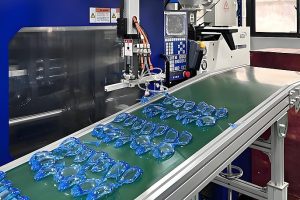
PETG는 의료 기기 하우징, 유체 처리 부품, 진단 장비 커버 및 블리스터 포장에 널리 사용됩니다. 투명성으로 유체 수준과 기기 상태를 육안으로 확인할 수 있으며, 내충격성은 아크릴이 깨질 수 있는 낙하 및 충격을 견딜 수 있습니다. 많은 PETG 등급이 의료 기기 적용을 위한 USP Class VI 및 ISO 10993 생체 적합성 요구 사항을 충족합니다. 의료 고객을 위한 PETG 가공 경험상, 광학적 투명성과 멸균 호환성(에틸렌 옥사이드 및 감마 멸균과 호환)의 조합은 투명 의료 장비 외관의 기본 선택이 되게 합니다.
식품 및 음료 포장
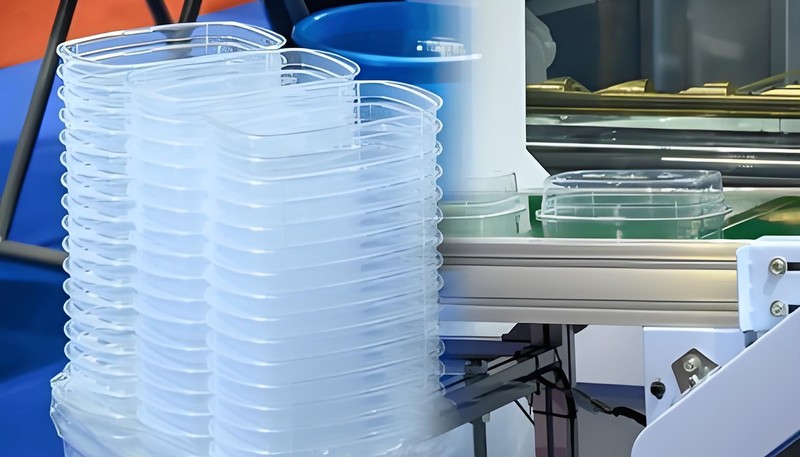
FDA 적합 PETG 등급은 투명 식품 용기, 음료 병, 델리 트레이, 화장품 포장에 사용됩니다. 이 재료의 내화학성은 스트레스 크래킹 없이 오일과 산을 처리하며, 그 선명도는 진열 매력을 높입니다. PET와 달리 PETG는 결정화 없이 열성형 및 사출 성형이 가능하여 포장 제조업체의 가공을 단순화합니다.
소비자 가전 및 산업용
디스플레이 창, LED 조명 확산판, 보호 커버, 웨어러블 및 가제트용 투명 하우징 모두 PETG를 사용합니다. 이는 더 낮은 비용으로 PC의 광학적 선명도를 제공하며, 적절히 안정화된 경우 UV 노출에서도 빠르게 황변하지 않습니다. 산업용 응용 분야에는 소매 진열 장치, 간판, 가드, 충격 저항성으로 인해 혼잡한 환경에서 아크릴보다 PETG가 선호되는 머신 비전 창 등이 포함됩니다.
PETG 대 다른 투명 플라스틱 — 어떻게 비교되나요?
PETG, 폴리카보네이트, 아크릴(PMMA), 투명 ABS 중 선택은 투명도, 강인성, 비용, 가공 요구 사항의 균형을 맞추는 문제입니다. 다음은 이들 소재의 직접적인 비교입니다.
| 속성 | PETG | 폴리카보네이트(PC) | 아크릴(PMMA) | 투명 ABS |
|---|---|---|---|---|
| 빛 투과 | 85–92 % | 88–91% | 92 % | 75–85% |
| Impact Strength (Izod) | ~800 J/m | ~850 J/m | ~20 J/m | ~300 J/m |
| Tg | ~88 °C | ~147 °C | ~105 °C | ~105 °C |
| 가공 온도 | 220–260 °C | 280–320 °C | 200–250 °C | 220–260 °C |
| 습기 민감성 | 보통 | 높음 | 낮음 | 보통 |
| 내화학성 | Good | 불량(균열 발생) | Poor | 보통 |
| Cost (relative) | $$ | $$$ | $ | $$ |
| FDA 적합성 | 예(다양한 등급 존재) | 일부 등급 | 일부 등급 | 아니요 |
결론적으로, 부품이 투명하고 강인하며 내화학성이 필요하고 폴리카보네이트의 극한 내열성까지는 필요하지 않다면, PETG가 일반적으로 최선의 선택입니다. 가공이 쉽고 PC보다 비용이 적게 들며 더 나은 내화학성을 제공합니다. 대신 내열성이 낮다는 단점이 있습니다. 부품이 70 °C 이상의 지속적인 온도에 노출될 경우 PC를 고려해야 합니다.
ZetarMold는 생산에서 PETG를 어떻게 처리하나요?
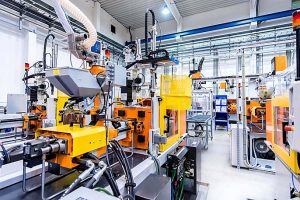
저희 상하이 시설에서는 PETG가 처리량 기준 상위 5대 소재 중 하나입니다. 90톤에서 1850톤에 이르는 47대의 사출 성형기를 보유하여, 소형 의료 기기 하우징부터 대형 산업용 디스플레이 커버에 이르는 PETG 부품을 다루고 있습니다. 지난 20년 이상 수천 번의 PETG 성형 사이클을 운영하며 얻은 노하우를 공유합니다.
| Capability | Specification |
|---|---|
| 사출 성형기 | 45대의 사출 성형기, 90톤~1850톤 |
| 소재 범위 | 주요 PETG 등급을 포함한 400종 이상의 소재 가공 |
| 엔지니어링 팀 | 각자 10년 이상의 경력을 가진 8명의 시니어 엔지니어 |
| Production Staff | 120+ production workers |
| Monthly Mold Output | 100+ sets of injection molds per month |
| Quality System | ISO 9001 / 13485 / 14001 / 45001 certified |
| International Team | 30+ fluent English speakers for global communication |
Dryer discipline is non-negotiable. We run dehumidifying hopper dryers at 70 °C for a minimum of 4 hours before every PETG job. Our material handlers know that skipping drying on PETG means scrapping the first 20 shots minimum. Gate design matters more than people think — on transparent PETG parts, we almost always specify fan gates or edge gates with a width of 60–80 % of the wall thickness to minimize shear and produce a clean flow front.
Mold temperature control wins quality. We use water-circulating mold temperature controllers set to 25–30 °C for most PETG parts. This gives the best combination of surface clarity and cycle time. For parts with heavy wall thickness variation, we bump to 50 °C. For medical and optical applications, we sometimes anneal PETG parts at 65–70 °C for 30–60 minutes to relieve residual internal stress, improving dimensional stability and reducing the risk of stress cracking in chemical environments.
If you are developing a new PETG application and need help with material selection, mold design, or process optimization, reach out — we are happy to share what we have learned. Our team responds within 24 hours and can provide comprehensive sourcing support from initial DFM review through production launch.
PETG 사출 성형에 관한 자주 묻는 질문
자주 묻는 질문
What temperature do you injection mold PETG at?
PETG is typically injection molded with a melt temperature of 220–260 °C and a mold temperature of 15–40 °C for clarity-critical parts, or up to 65 °C for parts requiring additional stress relief during cooling. The barrel should be profiled from 210 °C at the rear to 250 °C at the nozzle for optimal material homogenization and consistent melt quality. Exceeding 280 °C risks thermal degradation, yellowing, and loss of impact properties, so stay within the recommended window and monitor melt color closely throughout your production runs.
Does PETG need to be dried before injection molding?
Yes, absolutely. PETG should be dried at 65–75 °C for 4–6 hours to reduce moisture below 0.02 % by weight before any molding begins. Even though PETG is less hygroscopic than nylon or polycarbonate, residual moisture causes splay marks on the part surface, significantly reduced impact strength, bubbles trapped in thick sections, and dimensional inconsistency from shot to shot. Use a dehumidifying hopper dryer with a dew point below -20 °C, and keep the hopper at temperature throughout the entire production run to prevent reabsorption of ambient moisture.
Can PETG be used for food-contact applications?
Many PETG grades comply with FDA 21 CFR §177.1630 for direct food-contact use, making them suitable for food containers, beverage bottles, deli trays, and kitchenware applications. Always verify the specific grade’s compliance certificate with your material supplier before committing to a food-contact application, as not all PETG formulations are manufactured to food-grade standards. Additionally, some PETG grades also meet European Union food contact regulations under EU Regulation 10/2011 for broader international market access and regulatory compliance across multiple global regions.
What causes haze in molded PETG parts?
Haze in PETG molded parts is typically caused by excessive shear from too-fast injection through a small gate opening, insufficient melt temperature for complete material homogenization, or contamination from a different resin introduced through the hopper or barrel. To fix haze issues, increase the gate size to reduce shear stress on the melt, verify that barrel temperatures are properly profiled at 240–250 °C at the nozzle, reduce injection speed during the initial fill stage, and thoroughly clean the hopper and feeding system to eliminate any cross-contamination from previous production runs.
How does PETG compare to polycarbonate for transparent parts?
PETG offers similar optical clarity to polycarbonate at a significantly lower material cost and with much easier processing characteristics overall. PETG melts at 220–260 °C versus PC’s 280–320 °C, requires less aggressive drying procedures, and resists many chemicals that cause stress cracking in polycarbonate. However, polycarbonate wins on heat resistance with a Tg of 147 °C compared to PETG’s 88 °C, and PC has slightly higher absolute impact strength. For most applications operating below 70 °C service temperature, PETG provides the better overall value proposition for transparent injection molded parts.
What is the typical shrinkage rate for PETG injection molding?
PETG exhibits shrinkage of 0.3–0.7 %, which is typical for amorphous thermoplastics and significantly lower than semi-crystalline materials like nylon at 1.0–2.0 % or acetal at 1.8–2.5 %. This low, isotropic shrinkage rate makes PETG relatively straightforward to mold to tight dimensional tolerances without requiring complex shrinkage compensation in the tool design. Maintaining uniform wall thickness throughout the part geometry and applying proper holding pressure until gate freeze both help minimize differential shrinkage and prevent warpage in the finished molded components.
Can you overmold PETG with TPE or TPU materials?
Yes, PETG is commonly used as a rigid substrate for TPE or TPU overmolding in consumer electronics, power tools, and medical device applications where a soft-touch surface is needed over a clear or rigid base component. The chemical compatibility between PETG and many TPE or TPU grades is good, producing adequate bond strength at the material interface. For best results, design mechanical interlocks into the tool geometry, ensure proper surface preparation of the PETG substrate, and optimize the overmold temperature to achieve chemical bonding without deforming or distorting the rigid base part during the second injection shot.
What gate types work best for PETG injection molding?
Edge gates and fan gates are the best choices for PETG, especially for transparent parts where optical quality matters. These gate types provide a wide, low-shear entry that minimizes flow marks, jetting, and gate blush. Submarine gates work for small parts but may leave visible vestige on clear surfaces. Avoid pinpoint gates for larger parts because the high shear through a small orifice degrades PETG and creates haze near the gate. Gate width should be 60–80 % of the nominal wall thickness for optimal fill.
PETG 사출 성형을 시작하는 방법은?
PETG injection molding combines optical clarity, impact toughness, and processing ease in one versatile clear thermoplastic. Whether you are molding medical device housings, food-contact containers, consumer electronics displays, or protective packaging, PETG offers a balance that few other transparent resins can match.
The key to success is straightforward: dry the material properly at 65–75 °C for 4–6 hours, design your mold with adequate gates and uniform wall thickness, run within the 220–260 °C melt window, and hold until the gate freezes. Do those four things consistently, and PETG will reward you with clear, tough, dimensionally stable parts cycle after cycle.
At ZetarMold, we have been running PETG and 400+ other materials for over 20 years at our Shanghai facility. With 45 machines from 90T to 1850T and a team of 8 senior engineers, we can help you take your PETG project from concept to production. Get a free quote today and let our engineering team optimize your part design and molding process.
-
PETG: PETG refers to polyethylene Terephthalate Glycol — a thermoplastic polyester copolymer known for clarity, toughness, and chemical resistance. Glass transition temperature of approximately 88 °C (190 °F). ↩
-
PETG 인장 강도: PETG tensile strength refers to the nominal range of 50–55 MPa for standard PETG grades, with elongation at break of 100–150 % per Eastman Chemical datasheets. ↩
-
PETG 건조 온도: Drying temperature for PETG refers to the recommended 65–75 °C for 4–6 hours to reduce moisture below 0.04 % per Autodesk Moldflow material guidelines. ↩



 EN
EN  ES
ES  FR
FR  DE
DE  PT
PT  AR
AR  RU
RU  JA
JA  KO
KO  IT
IT  NL
NL  TR
TR  PL
PL 