

Sending a tooling payment to an overseas 사출 성형 공급업체 is the moment your project transitions from evaluation to commitment. Get it right, and you have a reliable manufacturing partner for years. Get it wrong, and you may lose $15,000–$50,000 in tooling costs before a single part ships. This checklist walks you through every category a buyer should verify before wiring that deposit—from company legitimacy and technical depth to contract terms and payment protection. We have built it from two decades of 사출 성형 experience, including the mistakes we have seen overseas buyers make firsthand.
- Verify supplier legal status, business license, and physical factory address before any payment discussion
- Confirm the supplier has machines in your required tonnage range and experience with your material
- ISO 9001 certification is the minimum quality threshold—do not accept verbal claims
- Tooling ownership, IP rights, and exit terms must be in writing before the deposit
- Never pay 100% upfront; use milestone payments tied to T0 sampling approval
Why Does Pre-Payment Due Diligence Matter?
The tooling payment is the single largest financial commitment in any custom 사출 금형 project. A single-cavity production mold can run $8,000–$25,000, and multi-cavity or family molds easily exceed $50,000. If the supplier turns out to be incompetent, unresponsive, or worse—nonexistent after payment—you are not just losing money. You are losing 6–12 weeks of product launch timeline. At ZetarMold, our engineers have seen roughly 30% of companies that approach us for rescue projects had a previous tooling failure with another supplier. The common thread was not that the previous supplier was fraudulent—most were legitimate factories. The problem was that the buyer never verified whether the supplier was the right fit for their specific project requirements before paying.
Due diligence is not about distrust. It is about making sure both sides understand the project scope, technical requirements, and commercial terms well enough to avoid costly disputes later. A supplier that resists reasonable verification questions is a supplier that will resist reasonable quality complaints.
What Should You Verify on the Supplier’s Company Profile?
Company verification is step one, yet many buyers skip it because the supplier’s website looks professional. A polished Alibaba storefront or a modern website tells you nothing about whether the company actually owns its factory or is a trading company subcontracting to the lowest bidder. Start with the business license. In China, every legitimate manufacturer has a Unified Social Credit Code registered with the local Administration for Market Regulation. Ask for a copy and verify the company name, registered address, legal representative, and business scope. The business scope must include manufacturing or mold making—trading companies often have a scope limited to buying and selling.
Next, verify the physical address. Not the office address on the website—the actual factory address. Ask for a Google Maps pin or coordinates. If possible, arrange a video call where the supplier walks you through the production floor in real time. We have seen cases where a supposed factory tour used footage from a different facility entirely. Check how long the company has been in operation under the same ownership. Injection molding requires accumulated process knowledge—companies that have changed ownership multiple times or have been operating for less than five years may lack the depth needed for complex projects. Look for a supplier with at least 10 years of continuous operation.
How Do You Evaluate Technical and Production Capabilities?
Ask whether mold design and manufacturing are in-house. When mold design and manufacturing are in-house, you get one accountable team rather than disconnected suppliers and vendors. Ask who runs CAD and CAE in-house, whether they use software like SOLIDWORKS and MOLDFLOW, and how often engineering changes are released during tooling. Ask how they select steel for your mold. P20 steel is standard for moderate volume molds, while H13 or S136 is common for very high volume or demanding parts.
Review toolmaker references before wiring money. Ask for 3D print previews, process plans, and previous project records for similar molds. A supplier that can show real mold flow analysis, cooling layout, and design change history is usually the one that has controlled engineering capabilities. Avoid suppliers who claim they can do everything in a day and still guarantee first-pass success.

What Quality Management Systems Must Be Verified?
Quality management is not a certificate on a wall; it is a daily operating practice. At minimum, a reputable supplier should hold ISO 90011 and maintain clear inspection procedures. If your project serves medical, automotive, or regulated markets, ask whether ISO 134852 또는 IATF 169493 requirements apply, and request sample records that prove the system is used during production rather than only during sales discussions.
In our Shanghai factory, we run 47 injection molding machines from 90T to 1850T, with 8 senior engineers and 10+ QC specialists on the production floor. We support over 400+ plastic materials and use in-house mold manufacturing to keep tool design-to-production handoff controlled.
Before accepting any certificate as evidence, ask the supplier to connect the certificate to daily records: incoming inspection logs, in-process dimension checks, first article approval, nonconformance reports, corrective action records, and final inspection files. A serious supplier should be able to show how an order moves from material receipt to sample approval and mass production release.
The strongest evidence is not the certificate number itself; it is the repeatable trail of inspection records, responsible owners, timestamps, and signed acceptance criteria. For overseas buyers, this matters because tooling payments are often made before shipment inspection is possible. This is also where factory visits, video audits, and sample inspection reports should match each other instead of telling different stories.
If the supplier can explain who checks the mold trial, which dimensions are measured, how defects are escalated, and when corrective actions are closed, the quality system is working as an operating method rather than sales decoration.
Before payment, ask for one anonymized inspection package from a similar export project. It should show measured dimensions, tolerance limits, inspection tools, approval status, signed disposition, and the person responsible for release.
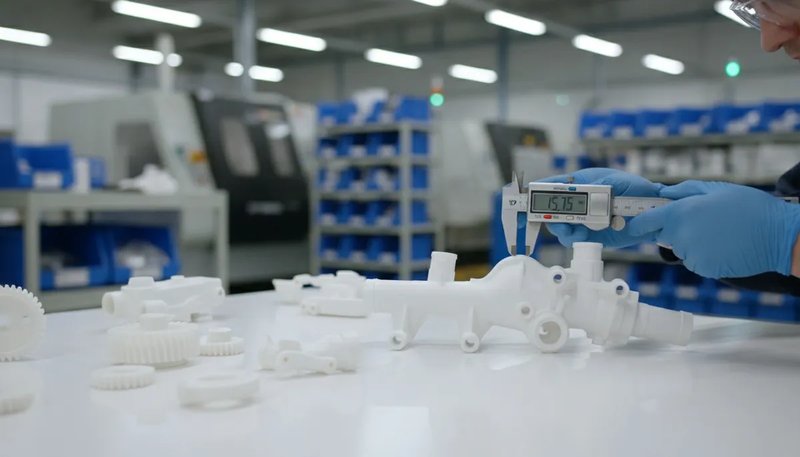
Keep these inspection records attached to the commercial milestone file, not only in the quality folder. That prevents a passed sample from being discussed separately from payment responsibility.
After the sample inspection step, confirm that the same discipline continues into tooling agreement control. Inspection evidence should feed directly into acceptance criteria, milestone payment conditions, corrective action timing, sample approval records, and payment hold points, so quality findings cannot be separated from commercial responsibility.
Beyond certificates, ask about incoming material inspection. Does the supplier test material properties on arrival, or do they trust the supplier’s datasheet? Material lot tracking is critical for defect root-cause analysis. If the supplier cannot tell you which resin lot was used in a production run, they cannot isolate quality problems. Ask what inspection frequency they use for critical dimensions, and how they define rejection criteria for first article and ongoing production.
How Do You Assess Communication and Project Management?
Communication quality predicts delivery quality. Before payment, confirm whether there is a dedicated English-speaking project manager and whether they use structured reporting. Ask who owns engineering approvals, who owns communication, and who handles commercial questions. A supplier that cannot introduce a clear single-point contact is likely to create delays when things become difficult.
Ask about reporting cadence. Request a sample weekly progress template and weekly engineering update. Are photos attached? Are risk items written down with owners and deadlines? What happens when a steel issue appears? If escalation only happens by WhatsApp ping at the last minute, the supplier has not built a stable project workflow for international buyers.
What Should the Tooling Agreement Include?
A tooling agreement is the written control document for ownership, scope, acceptance criteria, transfer rights, and failed-sample handling. Before paying for tooling, require the agreement to name the legal tool owner, identify the mold number, list included engineering changes, and describe how the mold can be moved if the supplier relationship ends.
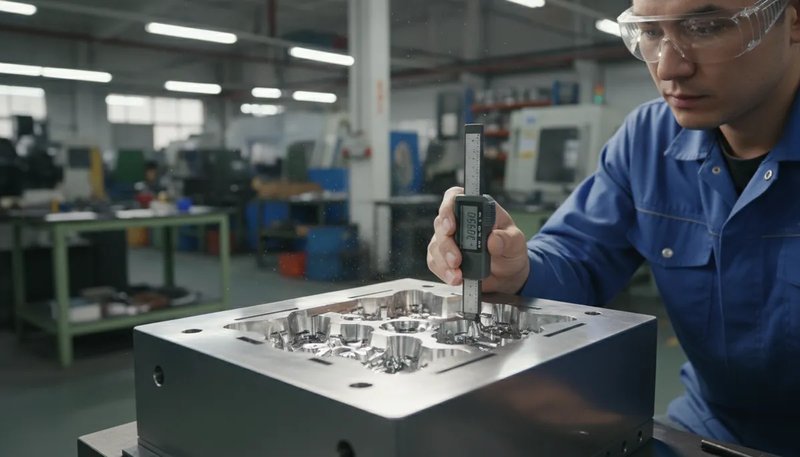
Protective payment terms tie each payment to a visible technical milestone, not to vague calendar promises. A practical structure is deposit after PO confirmation, another payment after tooling design approval, another after first acceptable samples, and final balance after inspection records are reviewed. For high-value tools, ask the supplier to document what evidence is required before each payment is released.
What Payment Terms Protect Overseas Buyers?
Payment terms protect overseas buyers when each transfer is tied to a visible technical milestone and written acceptance evidence. A common starting structure is 30% deposit with PO, 30% at tooling design release, 30% at first sample, and 10% after acceptance. This keeps leverage available until the supplier proves real progress with documents, photos, trial records, and inspection results.
Use bank wire transfer for cross-border payments and verify the beneficiary matches the licensed legal entity. Consider using a letter of credit for larger projects, especially when tool complexity is high.
“Milestone-based payments give buyers leverage at every technical checkpoint, reducing total risk exposure.”True
When payments are tied to verifiable milestones like T0 sampling and first article inspection, the supplier must demonstrate progress before receiving funds. This structure naturally enforces accountability and surfaces problems early.
“A 30% deposit means the supplier is automatically contractually guaranteed to deliver the tool on schedule.”False
A deposit is a prepayment and does not automatically eliminate delivery and performance risk. Performance issues are resolved through contract and project governance, not deposit amount alone.
After reviewing payment terms, ask the supplier to show exactly what evidence will be delivered at each milestone. Useful evidence includes mold design screenshots, steel purchase records, machining photos, T0 trial reports, dimensional inspection results, and short videos of the mold running on the assigned machine. This turns payment approval from a trust-based decision into an evidence-based decision and reduces the chance of paying ahead of real progress. If the supplier cannot define the evidence package, slow the project down before sending funds.
“Payment to a personal account is a strong warning sign for tooling projects.”True
Beneficiary names should match the legal entity in the contract and registration documents. Personal accounts can create legal and tax ambiguity and delay enforcement when issues occur.
“A very low tooling quote is always a good sign for final project economics.”False
Abnormally low pricing often means hidden tradeoffs such as insufficient tooling analysis, slower revision cycles, or quality issues later that increase total cost.
What Red Flags Should Stop Payment?
Red flags are supplier behaviors that show legal, factory, technical, or payment risk before money is sent. Stop payment when the supplier cannot prove legal identity, factory control, technical capability, and milestone accountability in writing. Red flags include payment requests to personal accounts, refusal to share factory evidence, vague tooling answers, pressure to pay before DFM review, and inconsistent company names across contracts, invoices, bank details, and certificates.
A supplier that cannot provide clear records before deposit is a sign to slow down, not speed up. Check the sourcing guide and use each red flag as a practical checkpoint for project gating.
How Do You Verify Material Capabilities and Processing Knowledge?
Material expertise is where mid-tier suppliers reveal their limits. Ask material-specific questions: drying parameters for nylon, moisture control for PC and PEEK, and temperature windows for TPU. If the supplier gives generic answers, test sample communication records before deposit.
The material verification process also reveals quality discipline. A reliable supplier maintains material lot logs and can trace each molded lot back to raw material data. Ask whether incoming moisture content is measured and whether processing deviations are documented for each shift.
Inspect material bags and containers on arrival for labeling clarity, contamination, and damage. Improper storage before processing can raise scrap and quality risk before molding begins.
Request material certificates (COA) and supplier traceability documents. Without COA and lot-level traceability, it is difficult to isolate defects and enforce corrective actions quickly.
For resin-sensitive projects, ask the supplier to explain drying time, drying temperature, regrind limits, color masterbatch control, and how they isolate lots during trial production. A reliable supplier should be able to connect each answer to a shop-floor document, not just a verbal promise. When the answer is vague, request a short written process sheet before deposit.
Ask suppliers how they handle capacity during peak demand. A good supplier has clear priority rules and escalation paths so your project is not delayed by opportunistic rescheduling.
Build one practical rule: if any critical answer is missing in writing before deposit, pause and request a gap-repair call before moving forward.
Before confirming production capacity, ask for a short explanation of how the supplier separates trial sampling, pilot production, and mass production work. The best suppliers can show machine tonnage planning, mold maintenance windows, quality inspector coverage, and escalation rules when urgent engineering changes appear during sampling. This capacity proof keeps scheduling promises measurable.
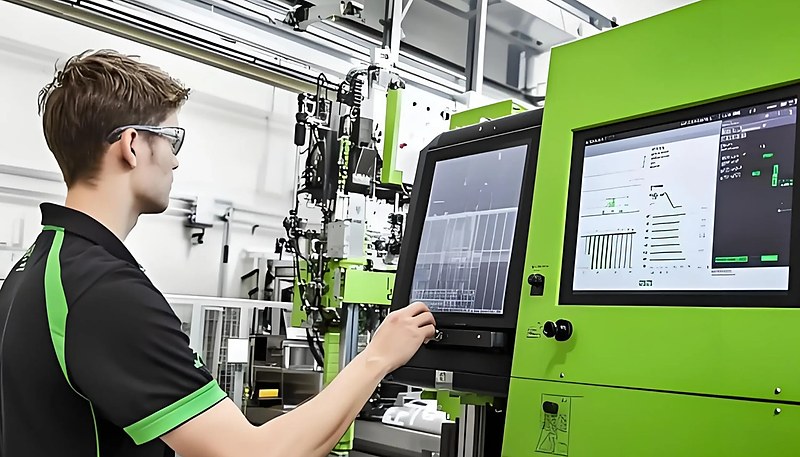
Request a detailed tooling quote and review scope details: cavities, cooling, expected changes, and sample schedule. Transparent quotes reduce misalignment and make project governance simpler.
Capacity verification should include both equipment availability and engineering availability. A supplier may have enough machines but not enough project engineers, mold maintenance capacity, or quality inspectors during peak months. Before payment, ask who owns DFM feedback, who approves steel cutting, who joins sample review calls, and who signs off corrective actions after trial shots.
자주 묻는 질문
Frequently Asked Questions?
What are the most common causes of delays in injection molding tooling projects?
The most common causes are design changes, communication delays, and testing misalignment. Most delays are recoverable if they are surfaced early with clear owners and signed milestones.
What certifications should an injection molding supplier have?
For most global supply scenarios, ISO 9001 and ISO 13485 are baseline expectations, with ISO 14001 and ISO 45001 as additional process indicators for mature suppliers.
Do I own the injection mold after paying for tooling?
Ownership should be written explicitly in the contract. Buyers should require wording that confirms ownership transfer and release timelines after project acceptance and payment milestones are met.
What is the difference between a trading company and a real injection molding factory?
A trading company sells and brokers projects to factories but usually does not own full tool design-to-production continuity. A real factory owns the process flow and is more transparent on capability and resourcing.
Can I negotiate payment terms after the initial quote?
Yes, but do it in advance of finalizing deposits. Negotiate milestone percentages and acceptance tests first, then bind changes by written addendum.
Why is sourcing guide helpful before depositing tooling?
Use this sourcing guide to verify legal, technical, and commercial risks before transfer of funds. The guide helps checklists teams to ask the right questions in the right order.
We do not need all your parts on day one. Ask structured questions first, and move to deposit only after the supplier demonstrates traceable capability.



 EN
EN  ES
ES  FR
FR  DE
DE  PT
PT  AR
AR  RU
RU  JA
JA  KO
KO  IT
IT  NL
NL  TR
TR  PL
PL 