

Getting three quotes for an 사출 성형 project and picking the cheapest one is the fastest way to lose money. We have seen buyers burn through tooling1 budgets twice because they chose based on unit price2 alone. This guide breaks down every line item you should compare, the questions that separate real manufacturers from trading companies, and the red flags that almost always lead to delays, rework, or walk-away costs.
- Always compare total landed cost, not just unit price.
- Tooling price differences often reflect steel grade, cavitation, and expected tool life.
- Ask for a detailed cost breakdown; quotes that lump everything into one line item hide risks.
- Verify the supplier is a real factory, not a trading company adding margins.
- Request sample parts and dimensional reports before committing to production.
What Should You Look for in an Injection Molding Quote?
A legitimate 사출 금형 quote is a detailed breakdown of five cost categories: tooling, material, processing, secondary operations, and logistics. A single lump-sum number is useless for meaningful comparison. Here is what each category should include and how to evaluate them across multiple quotes.
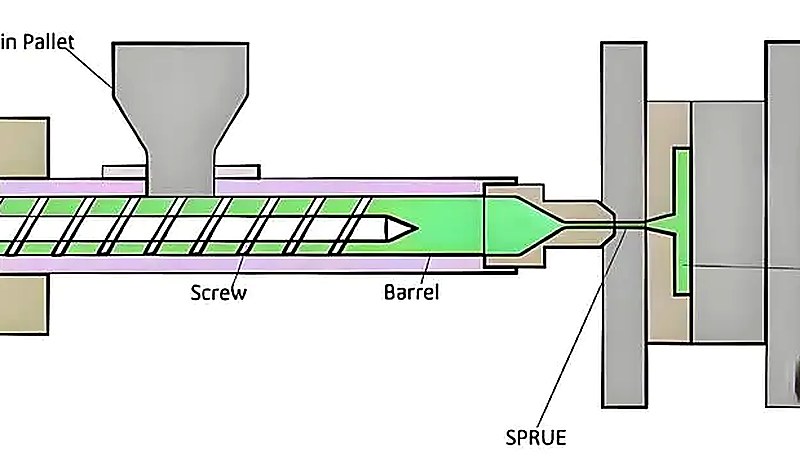
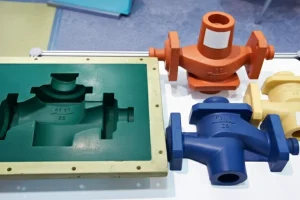
Tooling cost should specify the mold base type, steel grade3 (P20, H13, S136), number of cavities, expected tool life in shots, and whether mold maintenance is included. A tool built with P20 steel for 500,000 shots will cost significantly less than one built with H13 hardened steel for 2 million shots. Both may be correct choices depending on your production volume, but you need to know which you are paying for.
material cost4 should list the specific resin grade, not just “ABS” or “PP.” Different grades from the same polymer family can vary by 30 percent or more in price. The quote should also state whether material cost is based on net part weight or shot weight, because runner and sprue material adds up quickly in multi-cavity molds.
Processing cost covers machine time, operator labor, and overhead. This is where trading companies and factories diverge the most. A factory running its own machines can show you the actual cycle time; a trading company is estimating based on what their subcontractor told them. Ask for cycle time data and machine tonnage to sanity-check the processing fee.
How Do Material Costs Affect Your Quote Comparison?
Material cost is typically 40 to 70 percent of your unit price, so even small differences in resin grade or pricing method create large cost swings. Ensure every supplier quotes the same material grade and the same measurement basis so your comparison is valid.
Start by locking the material specification. If your part requires UV-stabilized ABS with a specific melt flow index, put that exact grade on the RFQ. Suppliers who quote generic ABS will come in lower but deliver a part that yellows or cracks outdoors. We have seen projects where the cheapest quote used regrind material mixed with virgin resin, cutting material cost by 20 percent but reducing impact strength below the application requirement.
Next, check whether the material cost is quoted per net part weight or per shot weight. In a four-cavity mold, the runner system might add 15 to 30 percent to the shot weight. A supplier quoting by net weight is being transparent; one quoting by shot weight may be padding the material line. Also confirm who absorbs scrap: some factories include a 2 to 5 percent scrap allowance in the material cost, others charge it separately as a processing surcharge.
| Cost Factor | Transparent Quote | Opaque Quote |
|---|---|---|
| Resin grade specified | Yes (exact grade) | “ABS” or “PP” only |
| Weight basis | Net part weight | Shot weight |
| Scrap allowance | Stated explicitly | Buried in unit price |
| Regrind policy | Virgin only | Not disclosed |
| Price validity | 30 to 90 days | Not stated |
Why Does Tooling Price Vary So Much Between Suppliers?
Tooling quotes for the same part can vary by 200 percent or more, and the cheapest option is rarely the best value. The price gap comes from four variables: steel grade, number of cavities, mold complexity, and the tool shop making the mold.
Steel grade determines how long the mold lasts. A P20 pre-hardened steel mold might cost $8,000 to $15,000 and last 300,000 to 500,000 shots. An H13 hardened steel mold for the same part could cost $20,000 to $35,000 but deliver 1 million to 3 million shots. If you are producing 100,000 parts per year, the cheaper mold needs replacing in three to five years. The more expensive mold could last a decade. Ask the supplier to specify steel grades for core, cavity, and any sliding features, and to state the expected tool life in shots.
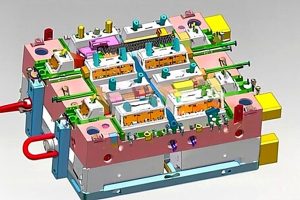
Cavitation affects both tooling cost and unit price. A single-cavity mold is cheapest to build but has the highest per-part processing cost. A four-cavity mold costs more to tool but cuts cycle time per part by roughly 75 percent. At volumes above 50,000 units, multi-cavity tooling almost always delivers a lower total cost. Make sure every quote states the exact cavity count, not a vague “multi-cavity.”

Hidden costs add 15% to 40% to your total spend, and the worst ones never appear on the initial quote. During supplier sourcing reviews, we regularly uncover mold modifications, secondary operations, and quality documentation billed as extras never mentioned in the initial quotation.
Mold modifications are the single biggest hidden cost. If the T1 sample does not meet your dimensional spec, the supplier may charge for every iteration of mold adjustment. Some quotes include one round of modifications; others charge per change regardless of cause. Clarify this upfront. In our factory, we budget for two rounds of mold modifications in the initial tooling price because we know from experience that most parts need minor adjustments after first sampling.
Secondary operations like painting, printing, assembly, and packaging are frequently quoted separately or omitted entirely. If your part needs silk screening or ultrasonic welding, make sure the quote includes it. A supplier with in-house secondary operations will almost always be cheaper than one who outsources these steps, because there is no mark-up from a subcontractor and no logistics cost between facilities.
Quality control costs also hide in the details. Some quotes include dimensional inspection reports and material certificates; others treat them as optional add-ons. If you need PPAP documentation, First Article Inspection reports, or ongoing SPC data, confirm these are included or get a separate line-item price. Our quality team of 10+ QC specialists generates these reports as standard practice, but many smaller workshops charge extra.
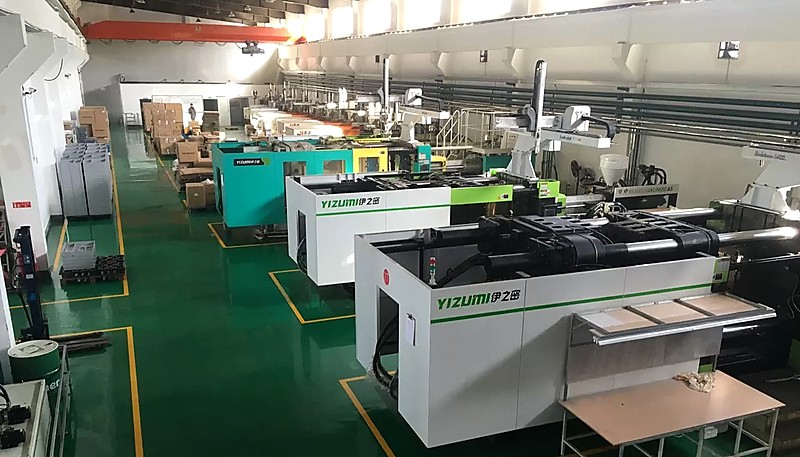
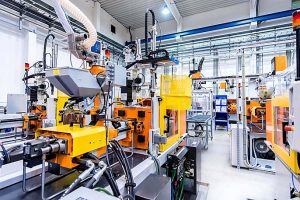
In our Shanghai factory, we run 47 injection molding machines with 90T to 1850T clamping force. With 20+ years of experience and a dedicated team of 10+ QC specialists, we provide detailed dimensional reports and material certifications as part of every production run, not as an add-on.
How Can You Verify a Supplier’s Real Production Capability?
The most reliable verification is physical evidence: machine lists, sample parts, factory photos, and measurable delivery data. A competitive price from a supplier who cannot provide these basics is a liability, not a bargain. Here is the verification checklist we use to separate real manufacturers from trading companies.
Ask for photos of their actual production floor, not stock images or renders. Request the machine list with tonnage ranges, and match it against your part requirements. If your part needs a 500-ton press and the supplier only has machines up to 300 tons, the quote is based on subcontracting, which adds cost, reduces control, and introduces communication delays. Our factory in Shanghai maintains machines from 90T to 1850T specifically to cover a wide range of part sizes and materials without subcontracting.
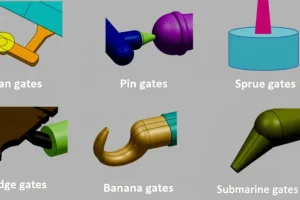
Request a sample part from a previous project similar to yours. Not a perfect cosmetic sample, but an actual production part with gate marks, ejector pin marks, and the surface finish you would expect in volume production. If the supplier cannot provide this, they may not have relevant experience with your part geometry or material.
“A detailed quote breakdown with separate line items for tooling, material, and processing is more trustworthy than a single lump-sum price.”True
When a supplier itemizes costs, you can compare each category apples-to-apples. Lump-sum quotes often hide inflated margins in one category to offset a teaser price in another.
“The cheapest quote is always the best choice if all suppliers are quoting the same material.”False
Even with identical materials, tooling quality, cavitation, machine condition, and quality control processes create massive differences in long-term cost. A cheap mold that needs replacement after 100,000 shots costs more than a well-built mold lasting 500,000 shots.
What Questions Should You Ask Before Accepting a Quote?
Before you sign a purchase order, run through this checklist with every supplier. The answers will reveal more about their capability and reliability than any quote document can.
1. Can I visit your factory or arrange a video tour? A legitimate manufacturer welcomes visits. A trading company will deflect with excuses about confidentiality or distance. In our experience, buyers who visit the factory before placing the first order are the ones who avoid costly surprises later.
2. What steel grade will you use for the mold core and cavity? This single question filters out suppliers who build cheap disposable molds. If the answer is vague, the mold is probably P20 at best, regardless of what they promise about tool life.
3. How many mold modifications are included in the tooling price? The honest answer is usually two to three rounds. If the supplier says unlimited, read the fine print. If they say none, budget an extra 10 to 20 percent for adjustments after T1 sampling.
4. What is your on-time delivery rate for the past 12 months? Most suppliers will claim 95 percent or higher. Ask for the data. If they cannot produce delivery records, the claim is meaningless. Our project management team of 30+ English-speaking managers tracks delivery metrics weekly, and we share that data with clients transparently.
“Requesting sample parts from a previous project similar to yours is one of the best ways to verify supplier capability.”True
Production samples show actual surface finish, gate marks, and dimensional consistency. A supplier who cannot provide relevant samples likely lacks direct experience with your part type.
“A supplier with ISO 9001 certification is guaranteed to deliver consistent quality on every production run.”False
ISO certification means a documented quality management system exists, but it does not guarantee execution. You still need to verify process controls, inspection frequency, and actual Cpk data for your specific part.
How Do Lead Times and Payment Terms Impact Total Cost?
Lead time and payment terms are cost factors as impactful as unit price and deserve equal negotiation attention. A supplier with moderately higher pricing but fast tooling delivery and milestone-based payments almost always delivers better total value.
Tooling lead time ranges from 25 to 75 days depending on part complexity and mold construction. If a supplier quotes 20 days for a complex multi-slide mold, be skeptical. Fast tooling either means they are cutting corners on steel hardness and surface finish, or they already have idle capacity because other clients walked away. Neither scenario inspires confidence. In our factory, standard tooling lead time is 35 to 50 days, and we build molds in-house with 100+ mold sets delivered per month, so we control the schedule directly.
Payment terms matter because they affect your cash flow and your leverage. Typical terms range from 30 percent upfront with 70 percent on delivery, to 50-30-20 milestone schedules tied to mold approval, T1 sampling, and production completion. Avoid suppliers who demand 100 percent upfront; you lose all leverage if the parts arrive out of spec. Also watch for suppliers who quote in a currency different from your contract; exchange rate movements can add 5 to 10 percent to your real cost over a six-month production ramp.
| 요인 | Factory Direct | Trading Company |
|---|---|---|
| Tooling lead time | 35 to 50 days (in-house) | 45 to 75 days (subcontracted) |
| Sample lead time | 7 to 14 days | 15 to 30 days |
| Communication | Direct with engineers | Through sales rep |
| Payment leverage | Milestone-based | Often demands full upfront |
| Quality recourse | Fix at source | Blame chain between parties |
What Is a Fair Price for Injection Molding Services?
There is no universal fair price for injection molding because every project has unique variables. However, you can benchmark your quotes against industry ranges to spot outliers. Understanding these ranges helps you avoid both overpriced suppliers and suspiciously cheap ones that cut corners.
For tooling, a single-cavity mold for a simple part typically costs $5,000 to $15,000. A multi-cavity production mold with side actions and complex geometry ranges from $20,000 to $80,000. High-cavitation molds for packaging or consumer electronics can exceed $150,000. If your quote is less than half the median for your part complexity, the supplier is likely using inferior steel, skipping surface treatments, or planning to subcontract.
For unit pricing, processing cost typically ranges from $0.10 to $0.50 per shot depending on machine size and cycle time, while material cost varies from $1.50 per kilogram for commodity resins like PP to over $15 per kilogram for engineering grades like PEEK. Your unit price quote should be derivable from these two components plus a reasonable overhead margin. If you cannot reverse-engineer the unit price from the material and processing rates, something is being hidden.
가장 좋은 방법은 세 개에서 다섯 개의 견적을 받아 가장 낮은 것과 가장 높은 이상치를 제외하고 나머지 공급업체와 협상하는 것입니다. 협상은 첫 번째 생산 가격뿐만 아니라 예상 생산량에 대한 총 소유 비용에 초점을 맞추세요. 더 나은 금형, 더 강력한 공정 관리 및 자체 내 품질 시스템에 투자하는 공급업체는 생산 수명주기 전반에 걸쳐 비용을 절감해 줄 것입니다.

Frequently Asked Questions About Injection Molding Quotes
자주 묻는 질문
사출 성형 프로젝트를 위해 몇 개의 견적을 받아야 하나요?
적격 공급업체로부터 최소 세 개의 견적을 받아야 하지만, 가격과 역량 모두에서 진정한 이상치를 식별하기 위해서는 다섯 개가 이상적입니다. 가장 저렴한 견적이 다른 견적과 동일한 사양과 일치하는지 확인할 수 없는 한 항상 가장 저렴한 견적은 버리세요. 비정상적으로 낮은 가격은 거의 항상 공구 강철의 타협, 숨겨진 재작업 비용 또는 품질 관리에서 줄이기를 계획하는 공급업체를 의미합니다. 철저한 비교를 위해서는 각 라인 항목이 무엇을 포함하고 견적 범위에서 무엇을 생략하는지 이해하는 것이 필요합니다.
사출 성형 공구 비용은 왜 그렇게 많이 차이가 나나요?
아니요, 단가만으로는 오해의 소지가 있고 잠재적으로 비용이 많이 들 수 있습니다. 예상 생산 런에 대한 공구 비용 상각, 재료 품질 검증, 2차 작업, 배송 물류, 품질 문서 요구사항 및 재작업 또는 납품 지연 위험을 포함한 총 소유 비용을 비교해야 합니다. 단가가 10% 더 높지만 더 나은 금형, 전담 QC 직원이 있는 자체 내 품질 관리 및 신뢰할 수 있는 정시 납품을 제공하는 공급업체는 5만 개 이상의 전체 생산 런에 걸쳐 거의 항상 더 적은 비용이 듭니다.
가장 낮은 단가를 제시하는 공급업체를 선택해야 할까요?
T1 샘플링은 새로 제작된 금형으로부터의 첫 번째 생산 시험으로, 측정, 검사 및 엔지니어링 사양에 대해 테스트할 수 있는 첫 번째 물리적 부품을 생산합니다. T1 결과는 대량 생산을 시작하기 전에 금형 수정이 필요한지 여부를 결정합니다. 다른 공급업체의 견적을 비교할 때, T1 샘플링 비용과 금형 수정 라운드가 공구 가격에 포함되어 있는지 확인하세요. 왜냐하면 이러한 조정은 별도로 청구될 경우 초기 투자에 10%에서 25%를 추가할 수 있기 때문입니다. 견적에 무엇이라고 쓰여 있든 관계없이 최소 두 라운드의 금형 수정에 대한 예산을 항상 책정하세요.
T1 샘플링이란 무엇이며 견적에 왜 중요한가요?
생산 현장의 라이브 비디오 투어를 요청하고, 톤수 사양이 포함된 완전한 기계 목록을 요청하며, 사내 금형 제조 능력이 있는지 확인하세요. 무역 회사는 일반적으로 특정 기계를 보여주거나 상세한 공정 데이터를 제공할 수 없습니다. 왜냐하면 그들은 제조 장비를 소유하지 않기 때문입니다. 진정한 공장은 실제 현장 사진, 톤수 범위가 문서화된 기계 재고 목록, 그리고 제3자에게 의존하지 않고 부품 설계, 재료 선택, 공정 매개변수에 대해 기술적으로 상세히 논의할 수 있는 엔지니어링 직원을 보유하고 있을 것입니다.
공급업체가 공장인지 무역 회사인지 어떻게 알 수 있을까요?
생산 현장의 라이브 영상 투어를 요청하고, 톤수 사양이 포함된 완전한 기계 목록을 요구하며, 알려지지 않은 제3자에게 하청을 주는 대신 자체 내 금형 제조 능력을 보유하고 있는지 확인하세요. 무역 회사는 일반적으로 특정 기계를 보여주거나 상세한 공정 데이터를 제공할 수 없습니다. 왜냐하면 그들은 제조 장비를 소유하지 않기 때문입니다. 진정한 공장은 실제 현장 사진, 90T에서 1850T까지의 톤수 범위가 문서화된 기계 재고, 그리고 이름 없는 하청업체에게 답변을 미루지 않고 당신의 부품 설계, 재료 선택 및 공정 매개변수에 대해 기술적으로 상세히 논의할 수 있는 엔지니어링 직원을 보유하고 있을 것입니다.
사출 성형의 표준 결제 조건은 무엇인가요?
표준 결제 조건은 30% 선불 지불하고 70%는 납품 시 지불하는 30-70 구조에서, 금형 완성, T1 샘플 승인 및 최종 생산 납품에 연동된 50-30-20 마일스톤 일정까지 다양합니다. 첫 주문의 경우, 주문 시 30~50%를 지불하고 나머지 잔액은 T1 샘플 승인 또는 생산 완료 후 지불할 것으로 예상하세요. 작업 시작 전에 전액 선불을 요구하는 공급업체는 피하세요. 이는 생산 과정 중 품질 문제, 치수 문제 또는 납품 지연이 발생하고 수정 또는 환불을 협상해야 할 때 당신의 지렛대를 없애기 때문입니다.
정직하고 상세한 사출 성형 견적을 받을 준비가 되셨나요? 견적 비교는 추측 게임일 필요가 없습니다. ZetarMold에서는 20년 이상의 사출 성형 경험, 90T에서 1850T까지의 47대 기계, 자체 내 금형 제조, 그리고 각 라인 항목을 설명해 줄 30명 이상의 영어를 구사하는 프로젝트 관리자 팀이 지원하는 투명하고 세부 항목별 견적을 제공합니다. 48시간 내에 숨겨진 비용이나 놀라움 없이 무료로 상세 견적을 받으세요. 지금 무료 견적 받기


 EN
EN  ES
ES  FR
FR  DE
DE  PT
PT  AR
AR  RU
RU  JA
JA  KO
KO  IT
IT  NL
NL  TR
TR  PL
PL 