生産ラインは順調に稼働しています。しかし、60,000ショット目で、顧客がフラッシュ付きの部品写真をメールで送ります——深夜2時に組立治具を詰まらせるような種類のものです。過去3ヶ月を振り返ると、誰も50,000ショット後にその金型内部を確認していなかったことに気づきます。
金型検査は、射出成形金型を体系的に検査し、スクラップが発生したり生産ラインが停止する前に、摩耗、汚染、寸法のずれ、損傷を検出することです。適切に行われれば、それは工具管理において最も高いROI(投資収益率)を持つ活動です。不適切に行われる、または省略される場合、$200の清掃訪問が$20,000の緊急修理に変わります。
- 金型検査は、摩耗や汚染が不良品や予期せぬダウンタイムを引き起こす前に発見します。
- ショット数によってトリガーされる構造化された検査スケジュールは、間隔ベースの計画よりも信頼性が高いです。
- パーティングライン、ベント、エジェクタピンは、すべての生産金型において最も摩耗が激しい3つの領域です。
- 5万ショットごとの予防検査は、予期せぬ生産停止のわずかな一部の費用です。
- 視覚検査、寸法測定、機能テストを組み合わせると、金型の健康状態を最も完全に把握できます。
金型検査とは何ですか?
金型検査とは、射出成形金型の各機能領域(キャビティ表面、パーティングライン1、ベント、ランナー、エジェクター機構、冷却水路、型締め部品)を体系的に評価し、摩耗の測定、汚染の検出、元の仕様に対する寸法精度の確認を行うことです。
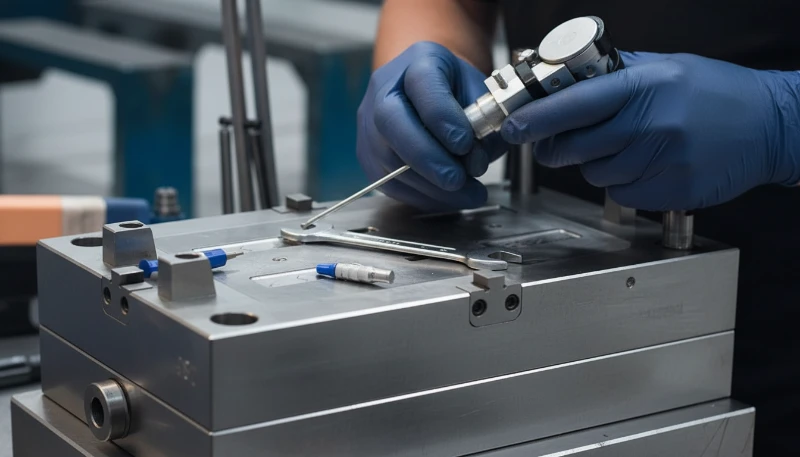
それは単なる視覚確認ではありません。適切な検査は定義されたチェックリスト、校正済み測定工具(ダイヤルインジケーター、エアゲージ、冷却チャネル用ボアスコープ)、および金型が最初に認定された時の基準と比較される記録結果を使用します。出力は合格/不合格の判定ではありません — 優先順位付けされたアクションリストです:今すぐ清掃、これらを監視、次回稼働前に交換。
検査とメンテナンスの区別は重要です。検査は診断的なものであり、金型の現在の状態を確認します。メンテナンスは修正的なものであり、検査で明らかになった問題に対処します。検査を省略して予定された清掃に直行することは、エンジンの警告灯を確認せずに固定された日付で車のオイルを交換するようなものです——正常な金型を清掃しながら、同時に割れたエジェクタピンを無視しているかもしれません。
なぜ金型検査はほとんどのチームが考える以上に重要なのか
パーティングラインの摩耗が0.05mmを超えると、フラッシュは3,000ショット以内で発生し——その後加速します。品質検査員が最終検査でフラッシュを捕捉する頃には、通常金型は5,000–10,000ショットの不良品を生産しています。これは欠陥問題ではなく、検査ギャップの問題です。
検査の真の費用論は3つのカテゴリーに帰結します。第一に、不良品と再加工:16キャビティ金型で2%のフラッシュを発生し、1,000ショット/時間で生産する場合、320部品/時間を浪費します。$0.50/部品の場合、不良品で$160/時間 — 24時間シフトで$3,840になります。第二に、緊急修理:予期せぬ金型引き抜きは、通常標準工場レートの2〜3倍の急加工を必要とし、ライン停止費用も加わります。第三に、金型寿命の減少:冷却チャネル内に残った汚染は金型温度を上げ、鋼材疲労を加速し、金型寿命を30〜40%削減できます。
一方、検査には時間と技術者の費用がかかります。中型生産金型の場合、5万ショットでの徹底的な検査には4〜8時間と部品費用がかかります。計算は単純です:一回の生産停止を防ぐだけで、年間の定期検査を正当化します。
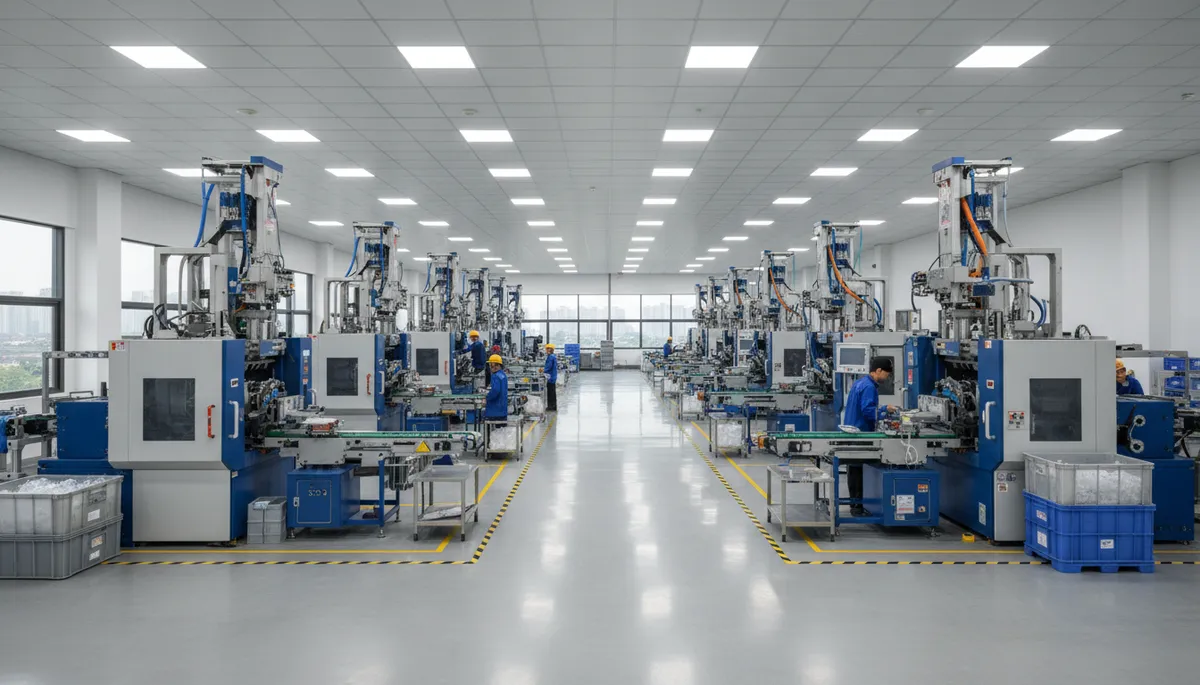
ZetarMoldでは、生産金型に対して5万ショットごとに必須の金型検査を実施しています。定期検査をスキップした金型はフラッシュ発生が3倍速くなります — 5万ショットでの予防的清掃は、顧客の組立ラインを停止させる予期せぬ生産停止の1%未満の費用です。
すべての金型検査がカバーすべき6つの領域
6つのゾーンがすべての金型故障の90%以上を占めます;徹底的な検査はすべてを体系的にカバーします。
ゾーン1 — パーティングラインと金型表面:パーティングラインはすべての金型の主要な摩耗点です。表面損傷、金属変形、フラッシュを許容するギャップを確認します。全周にフェラーゲージを使用します;精密金型で0.03mm以上の読み取りは警告です。金型表面のピット、錆、プラスチック劣化による堆積物を検査します。
領域2 — キャビティおよびコア表面: キャビティ表面を明るい光と拡大鏡で検査します。傷、ゲート付近の侵食、劣化材料の堆積、部品に伝達される表面仕上げの変化を確認します。元の仕上げ記録がある場合は表面粗さを比較します。光学部品やクラスA部品の場合、キャビティ上の目視可能な痕跡は不合格を生む欠陥です。
ゾーン3 — ベント:ベントは、プラスチックからの揮発性物質がベントランドに堆積するため、毎ショットサイクルで詰まります。詰まったベントはキャビティ圧力を上げ、最後の充填点でプラスチックを焼き、時間をかけて鋼を割ることがあります。ベントの深度とランド幅は仕様に対して測定されるべきです——典型的なベント深度は、非晶質樹脂では0.015–0.025mm、半結晶性樹脂では0.025–0.038mmです。
| ゾーン | 主要確認項目 | 工具 | 行動閾値 |
|---|---|---|---|
| パーティングライン | ギャップ/平坦度 | 厚さゲージ | > 0.03mm → 要確認 |
| キャビティ / コア | 表面状態 | 10倍ルーペ、LEDライト | ピットまたは傷 → 記録 |
| 排気 | ベント深さと清浄度 | 深度マイクロメーター | 閉塞または規格外 → 清掃 |
| エジェクターシステム | ピンの直径、固着 | ピンゲージ、手動ストローク | 締まり過ぎまたは寸法不足 → 交換 |
| 冷却チャンネル | スケール、流量 | ボアスコープ、流量計 | 15%流量低下 → スケール除去 |
| ラナー/ゲート | 侵食測定 | 深度マイクロメーター | > 0.1mmのエロージョン → 入れ子を交換 |
ゾーン4 — エジェクタシステム:すべてのエジェクタピンについて、バリ、曲がり、かじりを確認します。ピンが1本固着するだけで、製品の割れ、表面傷、または型締圧力下で金型が開いたままになる事態を招く可能性があります。リターンスプリングの疲労を確認し、エジェクタプレートが全ストロークにわたって円滑に動くことを確かめます。金型のショット数が500,000回を超えている場合は、エジェクタピン穴の真円度を測定する必要があります。
ゾーン5 — 冷却システム:冷却回路の点検は、最も見落とされやすい一方、影響が最も大きい領域です。わずか0.25mmのスケール付着でも、熱伝達効率は40%低下します。ボアスコープで回路内壁を確認し、入口と出口の水温差を測定してください(目標:金型全体で3°C以内)。流量は基準値と比較し、15%の低下があれば部分的な閉塞を示します。
ゾーン6 — ランナーとゲート:ランナーとゲートの形状に侵食がないか検査します。特にガラス繊維充填樹脂や研磨性樹脂を流すゲートは重点的に確認します。ゲートの侵食は有効ゲート寸法を広げ、材料のせん断を増やし、流動特性の変化に伴ってウェルドライン2不良を生じさせることがあります。図面に照らしてゲートの幅と深さを測定し、侵食が0.1 mmを超えたら入れ子を交換します。
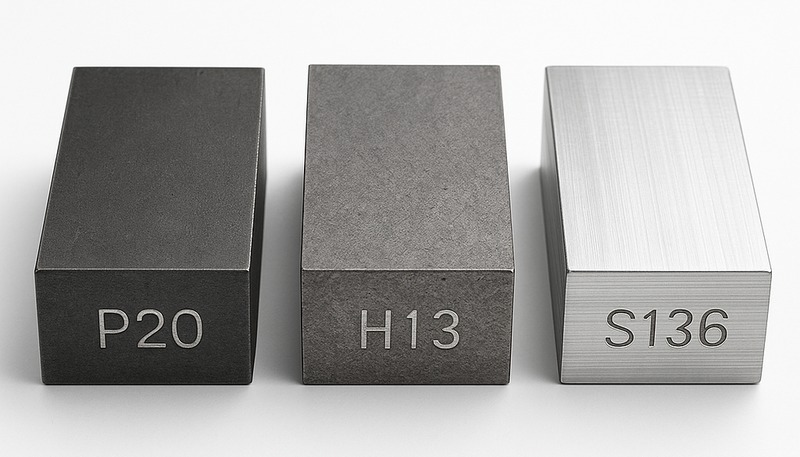
6つのゾーンすべての確認後、検査記録には、ゾーンの状態(良好/要監視/要対応)、基準値に対する測定値、異常箇所の写真、および緊急度を付した推奨措置(次回稼働前/10,000ショット以内/次回定期PM時)を記載する必要があります。
実務上の注意点として、金型にT1認定時の測定値を記録した基準データがない場合、最初の検査結果が基準になります。いつまでも得られないかもしれない理想的な初期状態を待つより、今から始める方が適切です。
実際に機能する検査スケジュールの構築方法
効果的な点検スケジュールは暦日ではなくショット数を基準に設定します。24時間365日稼働する金型は、週2交代勤務で稼働する金型よりはるかに早い時期に点検が必要になるためです。
「ショット数は、経過暦日よりも信頼性の高い検査実施基準です。」True
金型の摩耗は、経過日数ではなく稼働サイクル数に正比例します。1日3交代で稼働する金型は約3週間で50,000ショットに達しますが、1日1交代なら9週間かかります。暦日基準の保全計画では、高稼働金型の点検が不足するか、休止中の金型に不要な時間を費やすことになります。
“材料やキャビティ数にかかわらず、すべての金型に同一の検査間隔を適用すべきである。”False
32個取り金型でガラス繊維強化ナイロンを成形する場合、4個取り金型で非強化ABSを成形する場合よりも、単位時間当たりの摩耗がはるかに大きくなります。検査頻度は、材料の摩耗性、キャビティ数、部品の重要度に応じて設定する必要があります。一律のスケジュールでは、高摩耗金型の保護が不十分になるか、低リスク金型に資源を浪費することになります。
射出成形金型の実用的な段階別保守スケジュールは次のとおりです。10,000ショット時:簡易目視点検—パーティングラインのバリ、製品外観、異音やサイクルのばらつきを確認します。50,000ショット時:6つの全領域を対象とした総合点検、ベント清掃、エジェクターピンの潤滑、冷却水路の流量試験を実施します。200,000ショット時:キャビティとコアの寸法監査、ゲート摩耗測定、エジェクターピン径の確認、高摩耗部の鋼材硬度の抜き取り検査を実施します。500,000ショット以上:全寸法検査、冷却水路のスケール除去、鋼材内部の亀裂を検出するガイド波超音波検査を実施します。
これらの保守間隔は材料に応じて短縮または延長します。30%ガラス繊維強化ナイロンを成形する場合は、間隔を半分にしてください。標準的な非充填PPの場合は、30~50%延長します。腐食性材料(PVC、ハロゲン含有難燃グレード)の場合は、冷却水のpH試験を毎月、腐食抑制剤によるフラッシングを年1回追加してください。
| 素材 | 摩耗性 | 推奨点検間隔 | 優先領域 |
|---|---|---|---|
| 非充填PP / PE | 低い | 75,000ショットごと | ベント、冷却 |
| ABS / HIPS | 低~中 | 50,000ショットごと | パーティングライン、ベント |
| PA6 / PA66 非充填材 | ミディアム | 50,000ショットごと | ゲート、冷却 |
| PA66-GF30 | 高い | 25,000ショットごと | ゲート、キャビティ、エジェクタ |
| POM(アセタール) | ミディアム | 40,000ショットごと | ベント、キャビティ表面 |
| PVC/ハロゲン系FR | 腐食性 | 30,000ショットごと+pH試験 | 冷却、パーティングライン |
すべての検査を、金型と保管する紙台帳またはERP/MESの電子記録へ残します。金型ID、検査時ショット数、検査者、区域別状態、摩耗部写真、処置、次回検査条件を含めます。完全な記録のない金型はリスクです。故障時に保守不良か設計限界かを判断するデータがありません。
検査で発見される一般的な金型欠陥とその根本原因
検査により、金型関連の生産不良の80%以上を占める5つの不良分類を検出できます。
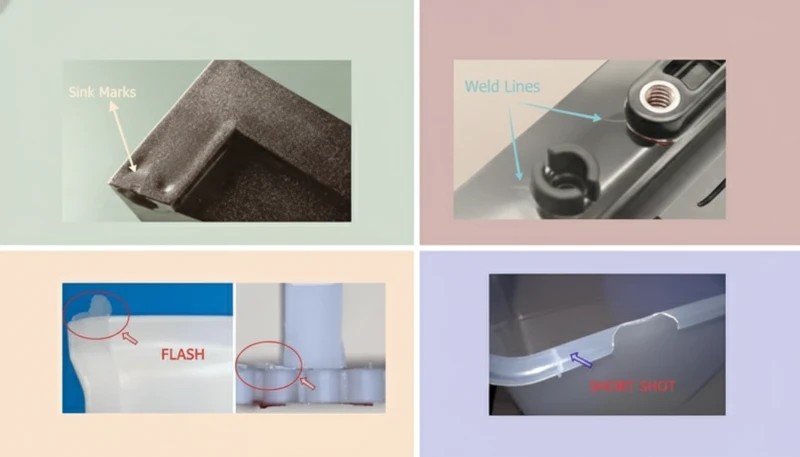
バリは、最も一般的で最も目につきやすい金型不良です。パーティングライン、ベント部、またはエジェクタピン周辺に薄い樹脂のひれとして現れます。根本原因:パーティングライン面の摩耗・損傷、材料粘度に対する型締力不足、または誤った深さまで清掃されて樹脂が侵入するようになったベント。検査での発見ポイント:パーティングラインの平面度確認とシックネスゲージによる試験。
ショートショット、すなわち充填不足の成形品は、工程パラメータだけでなく、ベントの詰まりが原因となることがよくあります。ガスがキャビティから十分な速さで排出されないと、背圧領域が生じてフローフロントが停止します。検査時の確認項目:ベント深さと状態の測定。
冷却回路にスケールが蓄積すると、ヒケやウェルドライン不良が徐々に発生することがあります。0.5mmのスケール層によってキャビティ表面温度が8–12°C上昇し、フローフロントでの材料粘度が変化して、ウェルドライン強度が低下する場合があります。検査時の確認箇所:冷却回路のボアスコープ検査、および入口/出口の温度差。
エジェクターおよび表面欠陥
エジェクターピンの痕や成形品の変形は、エジェクター部品の摩耗または位置ずれを示します。ピンにかじりが生じ始めると、突出し時に成形品へ不均一な力が加わり、変形、表面痕、さらには成形品の割れを引き起こします。検査ポイント:エジェクターピンの直径確認とかじり試験(エジェクタープレートを手動で作動させる)。
表面仕上げの劣化は、光学部品やClass-A部品では曇り、引きずり痕、シボの消失として現れます。その原因には、キャビティの腐食、ゲートの摩耗によってキャビティ壁に付着した材料、鋼材表面の微細な亀裂などがあります。検査の要点:キャビティ表面を点検し、当初の表面仕上げ基準と比較します。
“ベントの詰まりは、射出条件とは別にショートショットを引き起こす、代表的な潜在原因です。”True
ベントがプラスチックの揮発成分や異物で詰まると、キャビティ内に閉じ込められたガスがフローフロントを妨げます。射出成形機は圧力上昇を検知し、作業者は充填速度を上げますが、これによってガス圧縮の問題はさらに悪化します。根本原因は工程ではなく保守にあります。点検とベント清掃で解消でき、射出圧力を上げても解消しません。
“抜き勾配3の摩耗は、簡単な目視検査でも肉眼で確認できます。”False
0.1~0.3°の抜き勾配摩耗は、継続的な突出抵抗や成形品表面の損傷を引き起こすのに十分な大きさですが、寸法測定を行わなければ検出できません。目視検査で成形品表面の傷を確認できるのは不良発生後であり、その時点ではすでに数百個から数千個の成形品に影響が及んでいます。プロフィロメータまたは輪郭ゲージを用いて抜き勾配面を予防的に測定することが、唯一信頼できる検出方法です。
製造現場での経験則を一つ挙げます。完成品で確認できる不良が数千ショットにわたって徐々に現れたのであれば、ほぼ間違いなく、金型検査によって低コストで発見・是正できる機会がありました。バリ、ショートショット、ヒケが徐々に発生するのは進行性摩耗の兆候であり、まさに検査で未然に捉えるべき劣化です。
より良い金型検査のためのツールと技術
設備の整った金型検査ステーションでは、それぞれ異なる診断目的を担う6種類の工具を使用します。
目視検査工具:明るいLED作業灯(最低5,000ルクス)、10倍・30倍の拡大鏡またはルーペ、深いキャビティ用の光ファイバーライトガイド。これらはすべての金型工場に必要な基本工具で、表面損傷、汚染、錆、明らかな摩耗を発見できます。
寸法測定:パーティングライン平面度にはダイヤルゲージ(分解能0.001mm)、エジェクターピン穴とゲート寸法にはピンゲージ、ベント深さにはデプスマイクロメーター、キャビティ全体の測定には投影機またはCMMを使用します。寸法測定により、定性的な観察を追跡可能な数値へ変換できます。
冷却システムの診断:流路壁の検査には工業用ボアスコープ(直径5–8mm、長さ1m)、水流量の測定にはクランプ式流量計、入口/出口の温度差の測定にはデジタル温度計を使用します。冷却システムの健全性は外部から目視で確認することが最も難しい領域であり、分解せずに流路壁を確認できる唯一の方法がボアスコープです。
高度な検査方法
非破壊検査(NDT):鋼材表面亀裂には浸透探傷試験(PT)、高サイクル金型の内部亀裂には超音波探傷試験(UT)、摩耗部の硬度確認には渦電流試験を用います。通常は50万ショット超の金型、または衝突、過負荷、原因不明の故障を経験した金型に実施します。
記録用ツール:摩耗箇所を撮影するためのマクロ撮影対応カメラ、測定値をスプレッドシートへ直接記録できるデータ出力付きデジタルノギス、毎回すべての区域を確実に点検するための標準化された点検票(紙またはタブレット形式)。
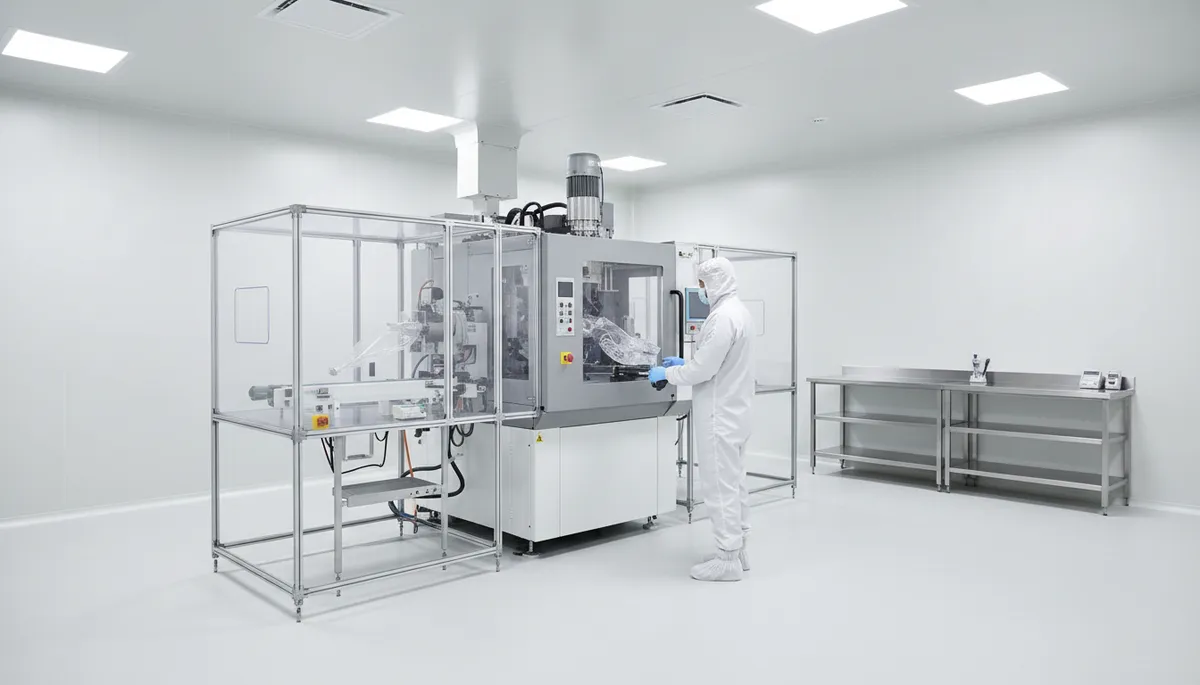
多くの工場にとって最も重要な検査ツールの改善は、高性能なボアスコープやCMMではなく、一貫した検査帳票の導入です。構造化されたチェックリストがなければ、検査品質は担当者と確保できる時間に全面的に左右されます。帳票を使えば、漏れなく確認できます。また、傾向分析を可能にする履歴も残ります。パーティングラインで測定可能な摩耗が初めて現れたのはいつか。どの程度の速度で進行しているか。その答えによって、金型をさらに50,000ショット稼働できるのか、直ちに取り外す必要があるのかが決まります。
厳しい公差を求める射出成形金型設計では、大規模な修理後にモールドフロー解析を再実行すると、生産に移る前に、修正した形状でも適切に充填できることを確認できます。
金型検査プログラムの改善方法
金型検査の改善とは、より高性能な設備を買うことではありません。劣化を可能な限り早期に捉え、データに基づく判断ができる水準で所見を記録する仕組みを構築することです。
ステップ1~3:基盤を構築する
ステップ1:現在の金型台帳の完全性を監査します。すべての量産金型を確認し、ショット数の記録、最終検査日、状態履歴を含む金型台帳があるかを調べます。ほとんどの工場では、この監査により、工具の30–50%で記録が不完全または存在しないことが判明します。これが出発点となる不足であり、その解消が最優先の改善事項です。
ステップ2:ショット数ベースの実施基準に切り替えます。現在、暦月単位で点検を予定している場合は、ショット数に基づく実施基準へ移行します。そのためには、射出成形機のショットカウンターデータをスケジューリングシステムに統合する必要があります。最新の射出成形機の多くは、EuromapまたはOPC-UAインターフェース経由でショット数データを提供します。旧式の成形機では、費用$200未満の簡単な機械式カウンターを後付けする必要がある場合があります。
ステップ3:検査チェックリストを標準化します。6つのゾーンすべてを網羅する1ページの様式を作成します。すべての検査員が同じ様式を使用し、合否だけでなく測定値を記録して署名します。毎月その様式をレビューし、保有金型全体の傾向を把握します。
ステップ4~6:継続的改善を推進する
ステップ4:生産データに基づく早期警戒指標を導入します。ショット間のサイクルタイム変動が±0.5秒を超えることは、部品に欠陥が現れる前に確認できる、金型不具合の最初期の兆候である場合が少なくありません。キャビティ圧力センサーを装備している場合、そのデータから、数千ショットを重ねる間に進行する充填不均衡を把握できます。こうした先行指標により、欠陥が発生する前に金型を取り外して点検できます。
ステップ5:異常をリアルタイムで報告するようオペレーターを教育します。成形機を操作する担当者は、金型監視の第一線にいます。異音、シフト開始後1個目の製品に見られるバリ、突き出し時の引っ掛かりは、いずれも点検を開始すべき兆候です。ただし、解消を期待して運転を続けるのではなく、直ちに上申すべきことをオペレーターが理解している場合に限ります。特定の異常に対する簡潔な「停止して連絡」手順は、エジェクタピンが固着し始めた段階で発見できれば、その一度だけで導入費用を回収できます。
ステップ6:検査結果を設計にフィードバックして改善サイクルを完結させます。同じ箇所で不具合が繰り返される場合、たとえば定期メンテナンスを実施しているにもかかわらずゲート部が30,000ショットごとに摩耗する場合、それは単なるメンテナンス上の問題ではなく、設計上の兆候です。対策として、より硬いゲートインサート材料への変更、形状変更、またはせん断応力がその箇所に集中する理由を把握するためのモールドフロー解析が必要になることがあります。検査データを設計改善に還元することが、その情報を最も高度に活用する方法です。
この6つの手順は一度限りのプロジェクトではなく、継続的に実践すべき運用規律です。これらを一貫して実行している工場では、緊急の金型取り外しが減少し、金型の平均寿命が延び、スクラップ率が低下しています。当社が3交替制で47台の射出成形機を稼働してきた経験では、適切に運用された検査プログラムと事後対応型の保全手法との差は、通常、回避可能な費用として年間の金型関連総コストの15–20%に相当します。
最後に実務上のポイントを一つ挙げます。まずは手元にある道具から始めてください。隙間ゲージ、明るい懐中電灯、ノートがあれば、優先度の高い金型の基準データを収集し始めるには十分です。最適な機器をそろえるのは、規律ある運用が定着してからで構いません。検査プログラムの初期段階で最も重要なのは、一貫して観察し、記録を残すという規律です。測定しないものは改善できず、一貫した記録付きのスケジュールに沿って検査しないものは測定できません。
着手点
小ロット射出成形や試作金型へ移行するチームでは、検査間隔を延ばせますが、同じ6ゾーンの枠組みが引き続き適用されます。目的は常に同じです。次回の生産で問題が表面化してからではなく、次回の稼働前に金型の現状を把握することです。
検査体制を強化するお客様から最もよく聞かれる質問は、「どこから始めればよいですか?」です。答えはいつも同じです。生産量が最も多く、リスクが最も高い金型から始めます。その金型の履歴記録を探し、なければ今日を起点として新たに作成します。金型を成形機から取り外し、この記事のチェックリストに従って6つのゾーンすべてを検査し、問題があるように見えるゾーンだけでなく、実施したすべての測定値を記録します。材料とキャビティ数に基づき、ショット数で次回の検査時期を設定します。より優れた工具、データ統合、作業者教育など、その他の改善はすべて、この最初の適切に文書化された検査サイクルから自然に展開されます。
金型検査に関するよくある質問
射出成形金型はどのくらいの頻度で点検すべきですか?
標準的な量産金型は、少なくとも50,000ショットごとに点検してください。ガラス繊維含有率30%以上の樹脂、多数個取り金型、PVCのような腐食性材料など、摩耗の激しい用途では25,000ショットごとの点検が必要です。非強化材料を使用する少量試作用金型では、全面点検の間隔を100,000ショットまで延長できます。点検時期は必ず暦日ではなくショット数で決めてください。週1シフトだけ稼働する金型は、24時間連続稼働する量産金型よりサイクルの累積がはるかに遅いため、暦日基準では生産量に応じて過剰点検または点検不足になります。
金型検査で最もよく見られる欠陥は何ですか?
定期的な金型検査で発見される不具合の35~40%はパーティングライン沿いのバリで、以下、ベントの詰まり(25%)、エジェクターピンの摩耗またはかじり(15%)、キャビティ表面の汚れまたは損傷(12%)、冷却水路のスケール付着(8%)と続きます。不具合の種類ごとに、対応する検査箇所と測定方法が明確に定まります。バリはパーティングラインの摩耗、ショートショットはベントの詰まり、表面痕はエジェクターの問題を示します。ヒケや寸法変動は、多くの場合、キャビティ温度を上昇させて充填挙動を変化させる冷却系のスケール付着に起因します。
型をプレスから取り外さずに型検査を行うことは可能ですか?
ショット間には、パーティングラインのバリを目視確認し、成形品表面の擦れ跡や表面仕上げの変化を調べ、ベント位置のバリを検出する部分検査を成形機上で実施できます。ただし、ベント、冷却回路、エジェクター機構、キャビティ寸法を対象とする完全な検査には、金型を成形機から降ろし、適切な照明と測定器を備えた検査台に載せる必要があります。成形機上の検査は、定期的な完全検査の合間に早期警戒監視として機能しますが、成形機外での綿密な評価に代わるものではありません。
典型的なカビ検査の費用はいくらですか?
中程度の複雑さを持つ2プレート金型の総合点検には、技術者が4–8時間を要し、清掃・潤滑用消耗品を含めた人件費は$200–$600です。キャビティの全面測定を行う場合は、通常さらに2–4時間の寸法測定時間が必要です。合計$400–$1,000という費用は、計画外の生産停止1回で発生する損失と直接比較できます。計画外停止では、生産損失、緊急修理費、顧客への違約金を合わせて通常$5,000–$50,000かかります。50,000ショット時点での定期点検は、緊急の金型取り外しを一度防ぐだけで費用を回収できます。
プロフェッショナルな金型検査にはどのようなツールが必要ですか?
基本工具には、明るいLED作業灯(最低5,000 lux)、10×の拡大鏡またはルーペ、パーティングラインの隙間測定用シクネスゲージ、平面度確認用ダイヤルゲージ、エジェクタ穴およびゲート寸法確認用ピンゲージセット、ベント深さ測定用デプスマイクロメータ、記録用デジタルカメラが含まれます。高度な検査では、冷却チャネル検査用の工業用ボアスコープ(直径5–8mm)、キャビティ寸法監査用のポータブルCMMまたは光学式比較測定器、表面亀裂検出用の浸透探傷キットを追加します。多くの工場は基本工具一式から始め、金型の複雑さと生産量の増加に応じて高度な工具を追加します。
カビ検査はカビのメンテナンスとどのように関連していますか?
点検は診断、保全は是正です。点検では、ベントの清掃、摩耗したエジェクタピンの交換、冷却回路のスケール除去など、必要な作業を特定します。保全は、その作業を実施する工程です。事前点検を行わず、一定周期だけで保全を実施すると、状態の良い金型の清掃に時間を費やす一方で、隣の金型にある部品の亀裂を見落とすおそれがあります。正しい順序は、必ず点検を先に行い、その結果に基づいて対象を絞った保全を実施することです。この方法により、保全不足と不要な保全工数の両方を防止できます。
各金型検査でどのような記録を保持すべきですか?
検査時点のショット数、日付、検査員名を記録します。キャビティ表面、パーティングライン、ベント、エジェクターシステム、冷却水路、ランナー/ゲートの6領域について、単なる合否判定ではなく、基準値と比較した実測値とともに状態評価を記録してください。摩耗箇所や異常があれば撮影します。今回の検査で実施した処置を記録し、ショット数に基づいて次回検査の実施時点を設定します。完全な金型履歴があれば、複数回の検査サイクルにわたる傾向分析が可能になります。これは、あらゆる検査プログラムから得られる最も価値の高い情報です。
簡易ルール: 標準金型は50,000ショットごと、摩耗性材料では25,000ショットごとに検査します。すべての所見を印象ではなく測定値とともに記録してください。同じゾーンで2回連続して不具合が発生した場合、単なる保守問題ではなく、設計上のシグナルとして扱います。金型のショット数記録がない場合は、今日から記録を開始してください。そのデータが、ほかのすべての基盤となります。
ZetarMoldのエンジニアリングチームから、競争力のある価格、DFMフィードバック、量産スケジュールを入手してください。
無料見積もりを依頼 → 全体像については射出成形完全ガイドをご覧ください。全体像については射出成形完全ガイドをご覧ください。