 コンテンツへスキップ

もしあなたが 射出成形金型 tooling, one question matters more than almost any other: how long will this mold actually last? The life cycle of an injection mold determines your per-part cost, your production reliability, and ultimately whether your project is profitable. In this guide, we break down every stage of a mold’s life — from design and first shots through maintenance cycles to eventual retirement — with real numbers you can use for planning.
50万サイクルではなく5万サイクルで故障する金型は、新しい金型の費用がかかるだけでなく、部品単価の金型費を二倍にし、納期を遅らせ、顧客に届く品質不良を引き起こす可能性があります。射出金型のライフサイクルを理解することで、適切な鋼材を指定し、適切なプロセスパラメータを設定し、金型が定格寿命の間ピーク性能を維持するメンテナンスを計画する知識を得ることができます。
- 金型寿命はカレンダー時間ではなくサイクル数で測定されます — 24時間365日稼働する金型は、8時間稼働の金型よりも早く摩耗します
- 鋼材グレードは、P20(30万サイクル)からH13(100万サイクル以上)まで、金型寿命を決定する最大の要因です
- 適切な定期メンテナンスにより、金型寿命を30〜50%延長できます
- 加工パラメータ(締め付け力、射出速度、金型温度)は、工具寿命に直接影響します
- ほとんどの金型は、設計、認定、生産、保守、廃棄の5つの明確なライフステージを経ます

射出成形金型のライフサイクルとは正確には何ですか?
射出金型のライフサイクルとは、設計から引退までの完全な進展をサイクル数で測定したものです。ベンダーを比較したり調達を計画している場合、当社の injection molding supplier sourcing guide covers RFQ prep, qualification, and commercial risk checks.
のライフサイクル 射出成形金型 は、初期設計から製造、認定、生産、保守、最終的な廃棄までの完全な進行過程であり、カレンダー時間ではなくサイクル数で測定されます。よく作られた生産金型は、 Steel grade1, 部品の複雑さ、および保守規律。5つの段階は次のとおりです:設計と製造、サンプリングと認定(T0/T1)、生産ライフ、保守と再調整、廃棄または再構築。
のライフサイクル 射出成形 工具とは、金型が許容可能な部品を生産できなくなるまでに確実に完了できる生産サイクルの総数を指します。これは月や年で測定されるのではなく、ショット数またはサイクル数で測定されます。
カレンダー時間よりもサイクル数が重要な理由
このように考えてみてください:3シフト運転で15秒サイクルの金型は、1日におよそ17,000サイクルを積み重ねます。一方、単一シフト工場で30秒サイクルの同じ金型は、1日でわずか960サイクルしか稼働しません。同じ金型でも、カレンダー上の寿命は全く異なります — これが業界がサイクル数で標準化している理由です。
実際には、金型寿命は非常に広範囲にわたります。単純なアルミプロトタイプ金型は1,000〜10,000個の部品を生産できます。焼入れ工具鋼(H13または1.2344)で製造された量産金型は、100万サイクルを超えることがあります。この違いは、鋼材の選択、金型設計の複雑さ、部品形状、加工管理、そしておそらく最も重要な — 金型のメンテナンスの良さに帰着します。
上海の当社工場では、保守不良のP20金型が10万サイクルで故障するのを見てきましたが、保守の行き届いたH13金型は120万サイクルを超えても強く稼働しています。保守の規律は大きな平等化要因です。
90トンから1850トンまでの47台の射出成形機と自社金型製造施設を備え、ZetarMoldは月に100セット以上の射出金型を生産しています。10年以上の経験を持つ8人のシニアエンジニアが、初日からライフサイクル計画を組み込んだ金型を設計します。
射出金型の寿命はどのように測定されますか?
射出金型の寿命は、 サイクル数 — 金型が使用不能になるまでの総開閉サイクル数。サイクル数は機械的摩耗に直接関連するため、ゴールドスタンダードです。他の2つの一般的だが精度の低い指標は、生産された総部品数(多キャビティ金型に有用)と暦時間(最も信頼性が低いが最もよく引用される)です。
1. サイクル数(ゴールドスタンダード)。 This is the total number of mold-open/mold-close cycles the tool completes. It is the most objective measure because it directly correlates to mechanical wear on components like ejector pins, guide bushings, cavity surfaces, and parting lines. When we talk about a mold rated for “500,000 cycles,” this is what we mean.
2. 生産される部品 金型が多キャビティツール(例えば8キャビティ)の場合、50万サイクルで400万個の部品が生産されます。一部の購入者は総部品数で寿命を議論することを好みますが、プロジェクト間でキャビティ数が変化する場合は誤解を招く可能性があります。
3. カレンダー時間(最も信頼性が低い) Saying a mold “lasts 5 years” tells you almost nothing. A mold that cycles every 20 seconds on a three-shift line accumulates far more wear in one year than a mold cycling every 60 seconds on a single-shift line does in three years.
重要な点:常に金型の寿命期待値をサイクル数で指定し、成型業者が稼働サイクル総数を文書化することを確認してください。現代の射出成形機はこれを自動的に追跡し、生産報告の一部となるべきです。
金型の寿命を決定する要因は何か?
金型の長寿命化は単一変数の方程式ではありません。少なくとも6つの主要な要素が相互に作用し合う(あるいは相反し合う)累積的な結果です。
金型鋼の選択
鋼材グレードは、金型寿命を決定する最大の要因です。P20(プレハードン金型鋼)は業界の主力材料 — 手頃な価格、加工性が良く、30万から50万サイクルに耐えます。それ以上が必要な場合、1.2738または718Hは50万〜80万サイクルに向かいます。高生産性ツールの場合は、適切な熱処理が施されていれば、H13または1.2344(熱間工具鋼)が100万サイクル以上を実現します。
トレードオフはコストです。H13金型鋼はP20よりも2〜3倍高価になることがあります。しかし、プロジェクトで数百万個の部品を生産する場合、より耐久性のある鋼材を使用することで、部品あたりの償却金型コストは実際には低くなります。選択する前に常に計算を実行することをお勧めします—そして、DFMレビュー中にすべての顧客に対してその計算を行います。
金型設計と構造
適切に設計された金型は、すべての部品に応力を均等に分散します。重要な設計要因には、キャビティインサートの適切な肉厚、適切な冷却チャネルの配置(これにより 熱疲労2)、鋭い内部角(応力集中点を生む)の代わりに丸みを帯びた遷移、金型閉じ時の位置ずれを防ぐ信頼性の高いガイド機構。
当社の経験では、最も早期に故障する金型は通常、設計が急がれたものです。シミュレーションと設計レビューを数日追加するだけで、金型寿命に数十万サイクルを追加できます。
処理パラメーター
金型の構築方法と同様に、その運転方法も重要です。過剰な射出圧力、不適切な締め付け力、極端な溶融温度、不十分な冷却時間はすべて摩耗を加速します。これについては以下の加工セクションで詳しく説明します。
成形される材料
ガラス充填ナイロンは未充填ポリプロピレンよりもはるかに研磨性があります。難燃グレードにはしばしば腐食性添加物が含まれます。PEEKのような高温材料には、熱疲労に耐える金型鋼が必要です。常に鋼材を材料に合わせてください — ここでコストを削減する場所ではありません。
表面処理
PVDコーティング、窒化処理、およびクロムめっきはキャビティ表面寿命を大幅に延長できます。これらの処理は表面硬度を増加させ、離型時の摩擦を減少させ、腐食性樹脂に対する化学耐性を提供します。窒化処理されたP20金型は、未処理のH13工具の耐摩耗性に近づき、費用は大幅に低減できます。
保守規律
これは多くの購入者が過小評価する要素です。定期的な予防保全 — 清掃、潤滑、摩耗面の検査、および適時のコンポーネント交換 — は金型寿命を30–50%延長できます。「時間を節約する」ために保全を省略することは、最も高価な決定です。
金型鋼材の選択は寿命にどのように影響しますか?
金型鋼材の選定は、金型寿命に最大の影響を及ぼします。P20プレハード鋼材の金型は通常100,000〜500,000サイクル持続しますが、H13ハード鋼材の金型は同じ条件下で1,000,000〜5,000,000サイクルを超えることができます — ただし初期コストは2〜3倍高くなります。下表は、プラスチック 射出成形.
| 鋼種 | 硬度(HRC) | 典型的なサイクル寿命 | 最適 | Relative Cost |
|---|---|---|---|---|
| P20 / P20HH | 28–36 | 300,000–500,000 | 汎用生産 | 基準値 (1×) |
| 1.2738 / 718H | 33–40 | 500,000–800,000 | 中規模生産、より良い研磨 | 1.2〜1.5× |
| H13 / 1.2344 | 44–52 | 1,000,000+ | High-volume, abrasive materials | 2–3× |
| S136 / 420SS | 48–54 | 800,000–1,200,000 | 腐食性樹脂、光学部品 | 2.5–3.5倍 |
| RoHS / REACH | 該当なし | 1,000–10,000 | 試作、短期生産 | 0.3–0.5× |
コスト乗数は寿命に比例しないことに注意してください。H13金型はP20より2–3倍高価ですが、2–4倍のサイクルを提供できます。500,000部品を超えるプロジェクトでは、鋼材のグレードアップはほとんど常に費用を償却します。
もう一つ:「プレハード」鋼材(P20など)は作業硬度で供給されるため、加工後の追加熱処理は不要です。完全硬化鋼材(H13など)は荒加工後に熱処理が必要で、その後最終寸法への仕上げ加工を行います。これは納期とコストを増加させますが、はるかに優れた耐摩耗性を提供します。
設計から寿命終了までの主要なステージは何か?
5つの主要ステージは、設計、認定、生産、メンテナンス、廃棄です。金型がこのライフサイクルのどこに位置するかを把握することで、予算計画、交換スケジュール立案、予期せぬ停止を回避できます。
ステージ1:設計と製造
金型の運命は設計段階でほぼ決定されます。鋼材選定、冷却レイアウト、射出戦略、ベント設計は全て、金型が最終的に提供するサイクル数を決定します。これが、鋼材を切削する前に金型流動シミュレーションに多額の投資をする理由です — シミュレーションで熱的ホットスポットを発見することは、生産中に発見するよりもはるかに低コストです。
ステージ2:サンプリングと認定(T0/T1)
初回試作(通常T0またはT1サンプルと呼ばれる)は、金型が適切な部品を製造できることを証明する段階です。サンプリング期間中、加工パラメータが確立され、金型は問題(フラッシュ、ショット不足、シンクマーク、寸法偏差)の検査を受けます。この段階は通常50–200サイクルを含みます。
ステージ3: 生産寿命
これは金型の稼働寿命 — 部品をサイクルごとに生産する長い中間期間です。この段階では、摩耗が徐々に蓄積します。エジェクターピンにスコアリングが発生し、キャビティ表面は徐々に劣化し、冷却チャネルにはスケールが堆積します。定期的なメンテナンスにより、この段階を円滑に稼働させ続けます。
ステージ4:メンテナンスと改修
適切にメンテナンスされた金型も最終的には改修が必要になります。一般的な処置には、キャビティ表面の再研磨、摩耗したエジェクターピンとブッシングの交換、損傷したパーティングラインの再切削、冷却チャネルの清掃または再ドリリングが含まれます。適切な改修により、元の金型寿命の60〜80%を回復できます。
ステージ5:廃棄または再構築
修復が経済的に意味を失った場合、金型は廃棄されます。一部のコンポーネント(金型ベース、ガイドピラー、一部のインサート)は将来の工具のために再利用可能です。廃棄と再構築の決定は、単純な計算に帰着します:次の修理費用が、残りの部品を生産するための償却価値を超える場合、新しい金型を作る時期です。
How Can Regular Maintenance Extend Mold Life?
この記事から一つメッセージをお伝えしたいとすれば、それは次のことです: メンテナンスは修理より安価定期的な予防保全は、小さな問題が金型を破壊する大惨事になることを防ぎます。
日常保全(毎シフト)
これらはオペレーターが各生産シフトの開始時または終了時に実施すべき基本事項です:全ての可動部品(エジェクターピン、ガイドピラー、スライド機構)への潤滑、樹脂残留物やフラッシュデブリを除去する金型表面の清掃、摩耗の目視確認(スコアリング、パーティングライン損傷、フラッシュ)、冷却水が適切な温度と流量で流れていることの確認。
定期メンテナンス(50,000〜100,000サイクルごと)
これらの間隔では、より徹底的な検査が必要です:すべての排気スロットとベントチャネルを清掃、摩耗したエジェクタピンとリターンピンを検査・交換、キャビティ表面の研磨必要性を検査、冷却チャネルの流量を確認(スケール蓄積は冷却効率を低下)、すべてのねじ部コンポーネントの締め付けを確認します。
大規模オーバーホール(300,000〜500,000サイクルごと)
これは金型の完全分解と検査です:全ての重要寸法を原図面と照合して測定、必要に応じたキャビティ表面の再研磨または再テクスチャリング、全ての標準摩耗部品(ピン、ブッシング、スプリング)の交換、全ての金型コンポーネントのチェックと再調整、生産用の金型再認定。
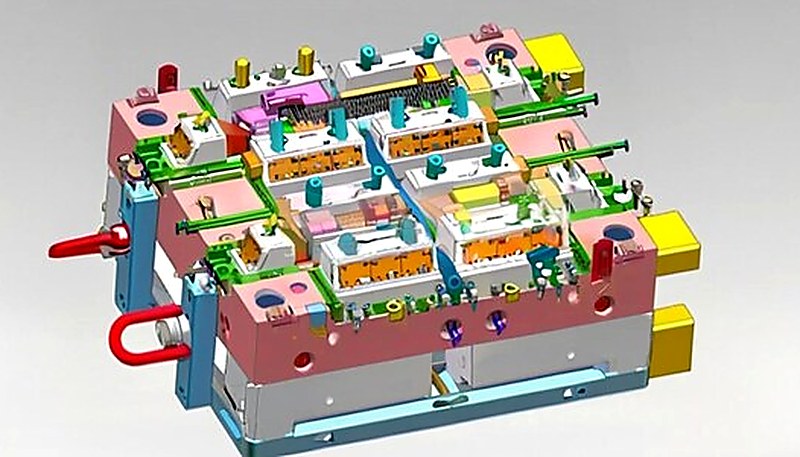
金型の寿命を考慮する場合、この保守スケジュールの確立と遵守は必須です。上海の施設では、生産に入るすべての金型に状態報告書を作成し、サイクル数に基づいて保守のマイルストーンを自動的にフラグ付けします。
What Processing Settings Protect or Destroy Your Mold?
プロセスエンジニアは気づいていないかもしれませんが、彼らが設定する全てのパラメータは金型寿命を延長または短縮しています。以下に注意すべき重要な項目を示します。
クランプ力
設定 適正なクランプ力3 は基本的です。少すぎると、射出圧力がクランプ力を上回り、フラッシュが発生し、パーティングラインを損傷する可能性があります。多すぎると、機械が金型を圧迫し、排気スロットを圧縮し、金型ベースに過剰なストレスを与えます。計算式は簡単です: クランプ力 = 投影面積 × 材料係数 × 安全係数。金型流動解析を使用して計算を検証してください。
射出速度と射出圧力
過剰な射出速度は各サイクルで油圧ショックを発生させ、徐々にキャビティとゲート領域を打撃します。過剰な保圧も同様です — それは既に充填されたキャビティ壁に対して完全な充填力を維持します。射出速度を徐々に増加させるプロファイルを使用し、部品品質に必要なだけの保圧を使用してください。
金型温度制御
金型両半の温度差は6°Cを超えないようにしてください。大きな差は不均一な熱膨張を引き起こし、金型閉鎖時の不整合とガイドコンポーネントの加速摩耗を招きます。熱疲労 — 鋼材表面の繰り返される膨張と収縮 — は金型故障の三大原因の一つです。
Ejection Settings
Over-ejection (too much stroke or too much pressure) is a silent mold killer. It stresses ejector pins, wears pin holes, and can crack cavity inserts if the part resists ejection. Set ejection stroke to the minimum needed for reliable part release, and keep ejection pressure just high enough for consistent ejection.
“A well-maintained P20 mold can match or exceed the cycle life of a neglected H13 mold.”真
Maintenance discipline often matters more than steel grade. A P20 mold that receives regular lubrication, cleaning, and component replacement at proper intervals can reliably outlast an H13 mold that is run hard and ignored. We have seen this play out repeatedly in production — the shop that maintains its tools wins, regardless of steel pedigree.
“A mold lasts 5 years regardless of how you use it.”偽
Calendar time is meaningless for measuring mold life. A mold running 24/7 on a 15-second cycle accumulates over 17,000 cycles per day, while a single-shift mold on a 60-second cycle might see only 480. The only meaningful measure is cycle count, combined with processing parameters and maintenance history.
Understanding how processing parameters affect mold longevity is critical. Every setting on the injection molding machine — from clamping force to ejection speed — has a direct impact on how many cycles your mold will survive. In our Shanghai facility, we have observed that molds running under optimized parameters consistently last 30–40% longer than identical molds running on default settings. This is why we invest time in process qualification before full production: the first 10,000 cycles often set the trajectory for the entire mold life. When evaluating a mold that has failed prematurely, our engineers almost always trace the root cause back to one of the parameters discussed above — excessive injection pressure, insufficient cooling, or aggressive ejection.
When Should You Retire or Rebuild a Mold?
Retire a mold when repair costs exceed 50–60% of a new tool; rebuild when the mold base is sound but cavity inserts need replacement. Most production molds go through 1–2 major refurbishments before reaching end-of-life. The decision comes down to a simple calculation: if the cost of the next repair exceeds the amortized value of the remaining parts it would produce, it is time for a new mold.
Signs it is time to retire a mold: cavity dimensions have drifted beyond tolerance and re-cutting would change the geometry, repeated cracking in the same area despite repairs, cooling channels are so scaled up that cycle time has increased significantly, and cumulative repair costs exceed 60% of the cost of a new mold.
Signs a rebuild is worth it: the mold base and frame are in good condition, cavity inserts can be replaced without redesigning the entire tool, and the remaining production volume justifies the rebuild cost but not a full new mold.
In practice, most production molds go through 1–2 major refurbishments before retirement. With hardened steel molds, it is common to see 3–5 years of production life across the original build plus refurbishments, delivering several million parts over the tool’s total life cycle.
“Glass-filled resins can wear mold cavities 3–5× faster than unfilled materials.”真
Glass fibers in filled compounds act as micro-abrasives with every injection cycle. Over hundreds of thousands of cycles, they progressively erode cavity surfaces, enlarge gate areas, and degrade surface finish. If you are molding abrasive compounds, budget for more frequent maintenance and consider hardened steel or PVD surface coatings.
“Once a mold starts producing good parts, the settings are locked in forever.”偽
Production conditions drift over time due to material lot variations, progressive machine wear, ambient temperature changes, and mold surface degradation. What worked at cycle 10000 may not be optimal at cycle 200000. Periodic process auditing and parameter tuning are essential to maintain both part quality and mold longevity throughout the tool life cycle.
よくある質問
よくある質問
What is the average life of an injection mold?
It depends entirely on the steel grade and maintenance level. A P20 pre-hardened mold typically delivers 300,000 to 500,000 production cycles under normal conditions. An H13 or 1.2344 hot-work tool steel mold can exceed 1,000,000 cycles with proper care and processing. Aluminum prototype molds, designed for short runs, last between 1,000 and 10,000 cycles. The key insight is that no single number defines mold life — steel selection, part complexity, resin abrasiveness, and maintenance discipline all combine to determine actual tool longevity.
How many cycles does a P20 mold last?
P20 pre-hardened steel molds typically deliver 300,000 to 500,000 production cycles in standard applications. With excellent maintenance discipline and favorable processing conditions — moderate injection pressures, proper cooling, and regular lubrication — some P20 molds have reached 600,000 or more cycles. However, if you are molding glass-filled or flame-retardant materials, expect life at the lower end of that range. For projects exceeding 500,000 total parts, consider upgrading to 1.2738 or H13 steel for better long-term economics. Always factor in your specific resin and maintenance plan when budgeting for P20 tooling.
射出成形金型はどのくらいの頻度でメンテナンスすべきですか?
Injection molds require three tiers of maintenance. Daily maintenance includes lubricating all moving parts (ejector pins, guide pillars, slide mechanisms) and cleaning mold surfaces to remove resin residue. Every 50,000 to 100,000 cycles, perform a thorough inspection: replace worn ejector pins, clean vent channels, verify cooling channel flow rates, and check all threaded components. Every 300,000 to 500,000 cycles, do a full disassembly with dimension verification, cavity re-polishing, and replacement of all standard wear components including springs and bushings. Skipping any tier increases the risk of unscheduled downtime and premature mold failure.
What causes premature injection mold failure?
The top causes of premature mold failure include incorrect steel selection for the material being molded, which leads to excessive wear or corrosion. Excessive injection pressure or clamping force causes mechanical damage to parting lines and cavity surfaces over time. Poor maintenance — specifically skipping lubrication, cleaning, and regular inspections — allows minor issues to escalate into major failures. Inadequate cooling causes thermal fatigue cracking in cavity steel. Finally, abrasive or corrosive resin compounds processed without appropriate surface treatments dramatically accelerate cavity degradation.
Can a worn injection mold be rebuilt?
Yes, a worn mold can be rebuilt if the mold base and frame remain structurally sound. Common rebuild interventions include replacing worn or damaged cavity inserts, re-cutting degraded parting lines, re-drilling or descaling cooling channels, and replacing all standard wear components like ejector pins, return pins, bushings, and springs. A well-executed rebuild can restore 60 to 80 percent of the original mold life at approximately 40 to 60 percent of the cost of building a new mold from scratch. This makes rebuilding an attractive option when you need to extend production without a full new mold investment.
What is the most durable mold steel for injection molding?
H13 and 1.2344 hot-work tool steels are considered the gold standard for high-volume injection mold production, routinely delivering over 1,000,000 cycles when properly heat-treated and maintained. For corrosive materials like PVC or flame-retardant compounds, S136 or 420 stainless mold steel offers both excellent corrosion resistance and high surface hardness. Additionally, surface treatments like PVD coating, nitriding, or chrome plating can significantly extend any steel grade’s effective service life by increasing surface hardness and reducing friction during ejection. Consult with your mold builder to select the optimal steel and treatment combination for your specific application.
How do you calculate injection mold life expectancy?
Start with the steel grade’s rated cycle count — for example, P20 is rated at 300,000 to 500,000 cycles, while H13 exceeds 1,000,000. Then apply adjustment factors based on your specific situation. Glass-filled or abrasive resins typically reduce expected life by 30 to 50 percent. A rigorous preventive maintenance schedule can add 30 to 50 percent to the rated life. Optimized processing parameters protect mold components, while aggressive settings shorten life. Your mold maker should provide a detailed life cycle estimate during the DFM review phase.
Does mold temperature affect injection mold lifespan?
Yes, mold temperature has a significant and often underestimated impact on mold lifespan. Uneven mold temperatures — specifically a difference of more than 6 degrees Celsius between the moving and fixed mold halves — cause differential thermal expansion that leads to misalignment during mold closing and accelerates wear on guiding components. Excessive mold temperatures also promote thermal fatigue cracking in cavity surfaces over thousands of cycles. Proper cooling channel design, regular descaling, and consistent temperature monitoring are essential practices for both part quality and maximizing mold longevity.
Planning Your Next Mold Build?
Planning your next mold build is easier with the right partner. With 20+ years of experience and an in-house mold manufacturing facility producing 100+ mold sets per month, ZetarMold designs every mold with its full life cycle in mind — from steel selection through maintenance planning.
Our team covers 400+ materials across 47 injection molding machines (90T–1850T), and we provide detailed DFM analysis with life cycle estimates before you commit to tooling.
Ready to discuss your project? Get competitive pricing, DFM feedback, and a detailed mold life estimate from our engineering team.
Request a Free Quote →
-
Steel grade: Steel grade refers to p20 typically yields 300,000–500,000 cycles; H13/1.2344 can exceed 1,000,000 cycles under proper conditions. ↩
-
熱疲労: thermal fatigue refers to repeated heating and cooling cycles create micro-cracks in mold steel surfaces, a leading cause of mold failure. ↩
-
適正なクランプ力: correct clamping force refers to clamping Force = Projected Area × Material Factor × Safety Factor (typically 1.5–2.0). ↩


 EN
EN  ES
ES  FR
FR  DE
DE  PT
PT  AR
AR  RU
RU  JA
JA  KO
KO  IT
IT  NL
NL  TR
TR  PL
PL 