- Le sei decisioni critiche di progettazione che ogni progettista di stampi deve risolvere sono: (1) posizione della linea di divisione che minimizza il rischio di bave e semplifica l'espulsione; (2) tipo e posizione del punto di iniezione—tipicamente laterale, sommerso o a punta calda—scelti per evitare segni visibili sulle superfici estetiche; (3) bilanciamento dei canali di colata per stampi multi-cavità in modo che tutte le cavità si riempiano simultaneamente; (4) layout di raffreddamento con canali a 10–15 mm dalle pareti della cavità per un'estrazione uniforme del calore; (5) sistema di espulsione dimensionato per rilasciare il pezzo senza deformazioni; e (6) sfiatamento, con sfiati profondi 0,02–0,05 mm ogni 25–50 mm attorno alla linea di divisione per prevenire bruciature e iniezioni incomplete.
- Il grado dell'acciaio dello stampo ne determina direttamente la durata: i prototipi in alluminio durano 5,000–50,000 cicli; l'acciaio pretemprato P20 raggiunge 500,000 cicli; l'acciaio temprato H13 supera 1,000,000 di cicli.
- Il costo dello stampo varia da $3,000 per un semplice prototipo a cavità singola a oltre $150,000 per un complesso stampo di produzione multicavità; il grado dell'acciaio, il numero di cavità e la finitura superficiale sono i tre principali fattori di costo.
- Ogni stampo per plastica richiede una corretta ventilazione (profondità 0.02–0.05 mm), angoli di sformo (1–3° per lato) e spessore uniforme delle pareti per prevenire difetti come bave, riempimenti incompleti e deformazioni.
- ZetarMold costruisce stampi per plastica in acciai P20, H13, S136 e NAK80, con campioni T1 consegnati anche in soli 15 giorni.
Cosa sono gli stampi per plastica?
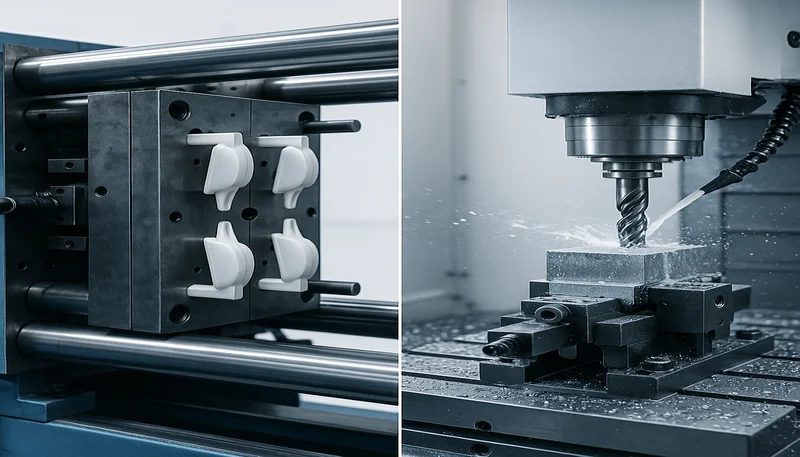
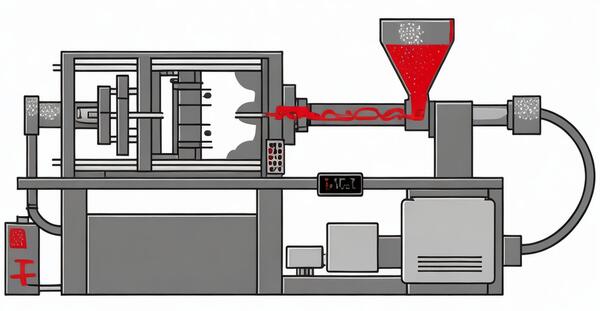
Gli stampi per plastica sono attrezzature in acciaio o alluminio lavorate con precisione che, durante il ciclo di stampaggio a iniezione, trasformano materiale termoplastico o termoindurente fuso in un pezzo finito. Ogni stampo comprende due metà, la cavità (lato A) e l’anima (lato B), che si chiudono sotto la forza di serraggio, ricevono la plastica iniettata a 150–370°C e si aprono per espellere il pezzo raffreddato in 15–120 secondi per ciclo.
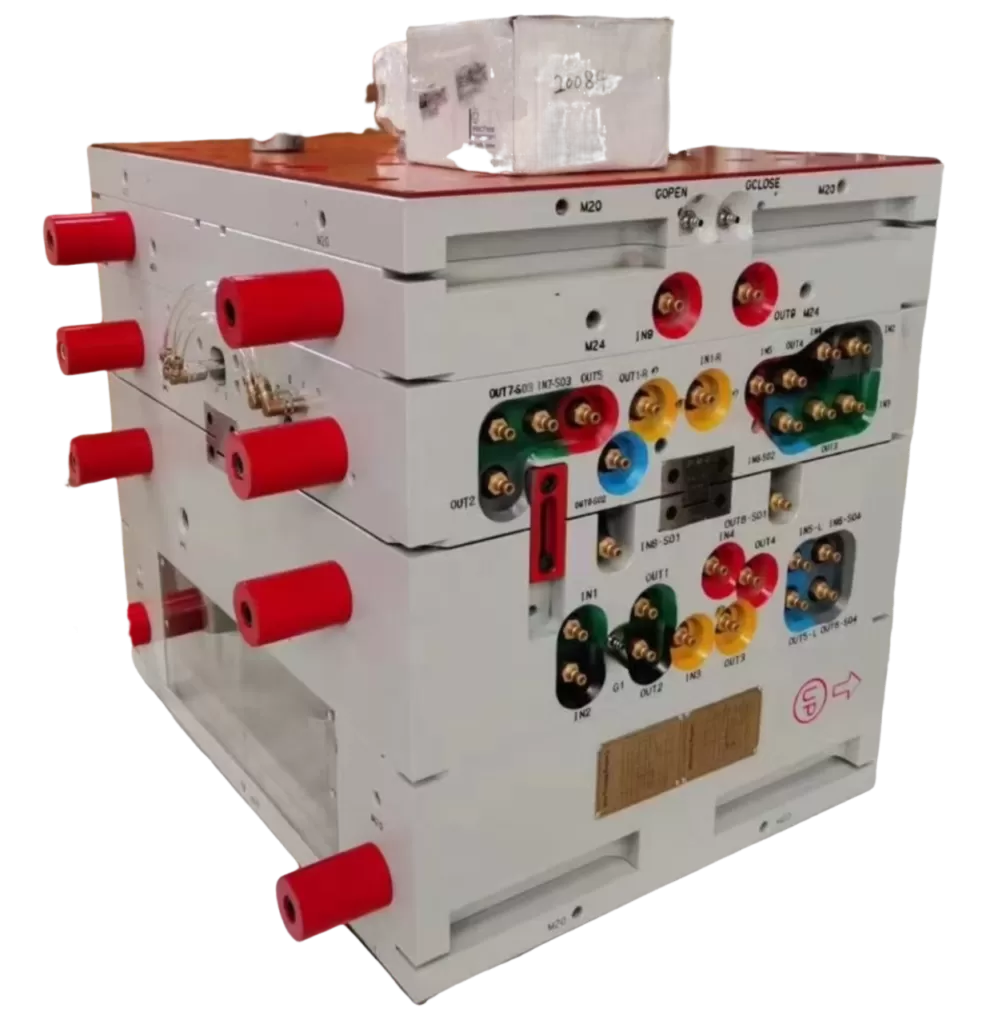
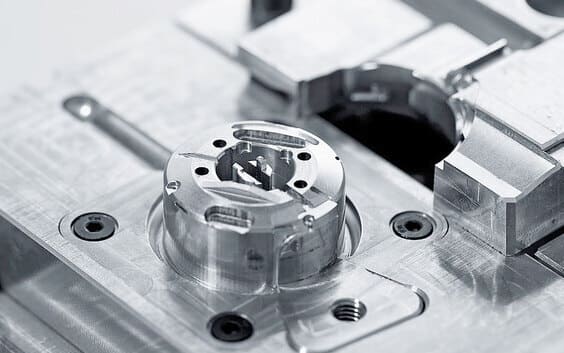
Un gruppo stampo completo comprende inserti di cavità e nucleo, il sistema di colata che convoglia la plastica dall’ugello della macchina al punto di iniezione, un circuito di raffreddamento che estrae il calore uniformemente e un sistema di espulsione, con perni, bussole o piastre estrattrici, per liberare il componente. La qualità di ogni dimensione, finitura e proprietà meccanica del componente finale dipende direttamente dalla qualità del progetto e della costruzione dello stampo.
I moderni stampi per plastica sono costruiti con tolleranze estremamente ristrette — le dimensioni delle cavità sono normalmente mantenute entro ±0,01–0,05 mm — perché ogni deviazione si replica su tutti i pezzi. Uno stampo ben progettato, operativo 24 ore su 24 in uno stabilimento ad alto volume, può produrre milioni di componenti identici senza derive dimensionali significative. Lo stampo non è un materiale di consumo, ma un investimento di capitale da progettare con lo stesso rigore del pezzo.
Quali sono i principali tipi di stampi per plastica?
Cinque configurazioni di stampo coprono la grande maggioranza delle applicazioni di stampaggio a iniezione; ciascuna è ottimizzata per specifici requisiti di volume, costo e tempo di ciclo.
| Tipo di stampo | Cavità | Il migliore per | Costo relativo |
|---|---|---|---|
| A cavità singola | 1 | Prototipi, bassi volumi (<10,000 pezzi/anno) | Minimo |
| Multicavità | 2–128 | High-volume identical parts (>100,000/year) | Medio-alto |
| Stampo famiglia | Quantità: 2–8 (pezzi diversi) | Assiemi composti da più componenti | Medio |
| Canale caldo | 1–128 | Alto volume, zero scarti, tempo ciclo rapido | Alto |
| Canale freddo | 1–32 | Cambi di materiale flessibili, costo iniziale inferiore | Basso–Medio |
Gli stampi a cavità singola riducono al minimo il costo iniziale dell’attrezzatura e sono ideali per la prototipazione o i pezzi a bassa domanda. Gli stampi multicavità, che possono utilizzare simultaneamente 8, 16, 32 o 64 cavità identiche, riducono drasticamente il costo per pezzo con volumi superiori a 100,000 unità annue. La forza di chiusura e il volume di iniezione richiesti aumentano in proporzione al numero di cavità, quindi la pressa deve essere dimensionata di conseguenza.
Gli stampi familiari producono due o più componenti diversi in un solo ciclo e sono quindi adatti a elementi di un assieme sempre utilizzati insieme, come la parte superiore e inferiore di un alloggiamento. Il compromesso è che una modifica tecnica a un solo componente rende inutilizzabile l’intero stampo. Per parti la cui progettazione non è ancora stabile, stampi separati a cavità singola offrono una flessibilità molto maggiore.
I sistemi a canale caldo eliminano la materozza fredda e gli scarti dei canali generati dagli stampi a canale freddo. Mantenendo il collettore alla temperatura del fuso, gli stampi a canale caldo riducono gli scarti di materiale del 15–30% per ciclo e in genere accorciano il tempo di ciclo del 10–20%. Il compromesso è un costo maggiore dello stampo — i componenti del collettore aggiungono $8.000–$30.000 al conto delle attrezzature — e una manutenzione più complessa. Gli stampi a canale freddo rimangono preferibili quando i cambi di materiale sono frequenti, quando il rimacinato è accettabile o quando il volume di produzione non giustifica il sovrapprezzo del canale caldo.
Con quali materiali vengono realizzati gli stampi per plastica?
Il tipo di acciaio per stampi4 è il fattore più importante per determinare quanti cicli potrà eseguire uno stampo prima di richiedere una riparazione o la sostituzione. I quattro materiali più comuni coprono una differenza di 20× sia nel costo sia nella durata utile.
| Materiale | Durezza | Cicli previsti | Applicazione ideale |
|---|---|---|---|
| Alluminio di grado 7075/6061 | 60–80 HB | 5,000–50,000 | Prototipo, stampo ponte |
| Acciaio P20 pretemprato | 28–32 HRC | 300,000–500,000 | Stampi di produzione standard |
| Acciaio per utensili H13 (temprato) | 48–52 HRC | 1,000,000+ | Grandi volumi, materiali abrasivi |
| Acciaio inossidabile S136 | 50–54 HRC | 1,000,000+ | Resine corrosive (PVC, ritardanti di fiamma) |
| NAK80 pretemprato | 37–43 HRC | 500,000–800,000 | Pezzi ottici o estetici ad alta lucidatura |
Gli stampi in alluminio vengono lavorati in 5–10 giorni, rispetto alle 3–6 settimane necessarie per l’acciaio temprato, risultando la scelta standard per la validazione pre-produzione e le serie a basso volume. Il P20 è il materiale di riferimento del settore: si lavora facilmente prima del trattamento termico, consente una buona lucidatura e offre una vita utile affidabile di 300,000–500,000 cicli a una frazione del costo dell’H13. La maggior parte degli stampi per prodotti di consumo nel mondo utilizza P20 perché la combinazione di volume e resina, generalmente PP, ABS o PE non caricati, non giustifica il passaggio a un acciaio più duro.
H13 e S136 richiedono un trattamento termico sottovuoto dopo la lavorazione e una finitura EDM più intensa, che aumentano costi e tempi. Per materiali caricati con fibra di vetro o minerali, oppure ritardanti di fiamma, che usurano aggressivamente le cavità, l’investimento si ripaga grazie alla minore frequenza di manutenzione e alla maggiore durata dello stampo. NAK80 è la scelta preferita per stampi di prodotti di consumo che richiedono superfici a specchio (Ra ≤ 0,025 μm), perché raggiunge una lucidatura di qualità ottica senza ulteriori trattamenti superficiali. Scegliere un grado d’acciaio errato per una determinata combinazione di resina e volume è uno degli errori di specifica più comuni e costosi.

Come si progetta uno stampo per plastica?
La progettazione di uno stampo per plastica inizia con una verifica DFM3 del pezzo, che controlla uniformità dello spessore delle pareti, angoli di sformo, sottosquadri e posizione del punto di iniezione prima di lavorare l’acciaio. Saltare questa fase è la causa più comune di costose revisioni dello stampo e ritardi nell’avvio della produzione. Una verifica DFM costa generalmente $200–$800 e può individuare problemi che, dopo le prime prove, richiederebbero altrimenti $5,000–$30,000 di rilavorazione dello stampo.
Le sei decisioni fondamentali che ogni progettista deve risolvere sono: (1) posizione della linea di divisione che riduca il rischio di bave e semplifichi l’espulsione; (2) tipo e posizione del punto di iniezione, generalmente laterale, a tunnel o a punta calda, scelti per evitare segni visibili sulle superfici estetiche; (3) bilanciamento dei canali negli stampi multicavità affinché tutte le cavità si riempiano insieme; (4) configurazione del raffreddamento con canali a 10–15 mm dalle pareti per estrarre uniformemente il calore; (5) sistema di espulsione dimensionato per liberare il pezzo senza deformarlo; (6) sfiato con scanalature profonde 0,02–0,05 mm ogni 25–50 mm lungo la linea di divisione per evitare bruciature e riempimenti incompleti.
Programma di manutenzione preventiva contro la muffa
"Uno spessore di parete uniforme riduce la deformazione e il tempo ciclo negli stampi per plastica."True
Le pareti più spesse di 3–4 mm creano punti caldi localizzati che aumentano il tempo di raffreddamento e causano ritiro differenziale. Mantenere uno spessore di parete uniforme (in genere 1.5–4 mm) nell'intera parte consente al circuito di raffreddamento di estrarre il calore uniformemente, riducendo al minimo la deformazione e mantenendo i tempi di ciclo al valore minimo per quella geometria.
"Qualsiasi grado di acciaio può essere utilizzato con qualsiasi materiale plastico senza influire sulla durata dello stampo."False
I materiali abrasivi, come nylon caricato con fibra di vetro, PP caricato con minerali e compound ignifughi, usurano le cavità in P20 3–5× più rapidamente delle resine non caricate. L'uso del P20 per un pezzo in PA66 caricato con fibra di vetro prodotto in oltre 200,000 cicli all'anno provoca un'usura visibile della cavità entro 18–24 mesi, rendendo necessaria una nuova testurizzazione o la sostituzione completa dell'inserto. Abbinare H13 o S136 temprato ai materiali abrasivi è essenziale per ottenere una vita utile dello stampo economicamente vantaggiosa.
La simulazione del flusso nello stampo (analisi CAE) è fortemente raccomandata prima di finalizzare il progetto. L’esecuzione di una simulazione di riempimento, mantenimento, raffreddamento e deformazione richiede 1–3 giorni e può individuare la posizione delle linee di saldatura, i rischi di intrappolamento dell’aria e requisiti eccessivi di forza di chiusura, tutti problemi molto meno costosi da correggere nel software che dopo la lavorazione dello stampo. Gli studi sugli stampi di produzione mostrano che la simulazione pre-costruzione riduce del 40–60% i cicli di revisione dopo la prima stampata e abbrevia mediamente di 2–4 settimane il tempo totale di avvio della produzione.
I sottosquadri, ossia le caratteristiche che impediscono al pezzo di essere espulso direttamente lungo la direzione di apertura dello stampo, devono essere gestiti mediante azionamenti laterali (maschi scorrevoli), sollevatori o maschi collassabili. Ogni meccanismo per la gestione dei sottosquadri aggiunge $500–$5,000 al costo dello stampo e introduce un componente mobile che richiede manutenzione. La riprogettazione del pezzo per eliminare i sottosquadri mediante un posizionamento creativo della linea di divisione o una semplificazione del progetto è sempre la prima opzione da valutare prima di ricorrere a complessi meccanismi a slitta.
Quanto costano gli stampi per materie plastiche?
Il costo di uno stampo per plastica varia da $3.000 per un semplice prototipo in alluminio a cavità singola a oltre $150.000 per un’attrezzatura di produzione complessa multicavità in acciaio temprato: una differenza di 50 volte dovuta soprattutto a tipo di acciaio, numero di cavità e complessità del pezzo.

| Tipo di stampo | Acciaio | Cavità | Costo stimato (USD) |
|---|---|---|---|
| Prototipo semplice | Alluminio | 1 | $3,000–$8,000 |
| Produzione standard | P20 | 1 | $8,000–$25,000 |
| Produzione multicavità | P20/H13 | 4–8 | $20,000–$60,000 |
| Canale caldo per alti volumi | H13 | 16–32 | $50,000–$150,000 |
| Stampo famiglia complesso | H13/S136 | Quantità: 4–8 (pezzi differenti) | $30,000–$80,000 |
Oltre all’investimento iniziale nell’attrezzatura, il costo totale di proprietà comprende la manutenzione (in genere $500–$3.000 ogni 100.000 cicli), le modifiche tecniche ($1.000–$15.000 ciascuna) e l’eventuale sostituzione a fine vita. Gli acquirenti di grandi volumi che utilizzano uno stampo 24 ore su 24, 7 giorni su 7, dovrebbero modellare l’intero costo del ciclo di vita, non soltanto il prezzo di acquisto, quando confrontano i preventivi. Uno stampo monocavità P20 da $15.000 che richiede tre riparazioni importanti in cinque anni può costare, nell’arco della sua vita utile, più di uno stampo H13 da $25.000 che funziona senza manutenzione per lo stesso periodo.
Il tempo di consegna è strettamente legato al costo. Gli stampi prototipo in alluminio forniscono campioni T1 in 10–15 giorni. Gli stampi P20 a cavità singola richiedono 3–4 settimane. Le attrezzature H13 complesse a più cavità richiedono in genere 6–10 settimane. La richiesta di tempi più rapidi aggiunge solitamente il 15–30% al costo dell’attrezzatura a causa delle lavorazioni straordinarie e delle postazioni EDM accelerate. Fornire dati CAD 3D completi e definitivi e completare la revisione DFM prima dell’ordine di acquisto è il modo più efficace per rispettare i tempi di consegna preventivati.
La posizione geografica incide notevolmente sul prezzo dello stampo. I costruttori cinesi offrono in genere preventivi inferiori del 30–60% rispetto alle officine europee o nordamericane per complessità e specifiche dell’acciaio equivalenti. Il compromesso comprende tempi di spedizione più lunghi (3–5 settimane via mare), potenziali problemi di proprietà intellettuale e una capacità limitata di effettuare regolazioni in loco durante le prove. Molti produttori globali affidano alla Cina gli stampi di produzione, mantenendo in patria prototipi e stampi critici per gestire questi rischi.
"Suddividere uno stampo famiglia in stampi monocavità separati aumenta la flessibilità per future modifiche progettuali."True
Quando due o più pezzi sono integrati in uno stampo famiglia, una modifica tecnica a un singolo pezzo richiede il fermo dell'intero stampo. Gli stampi separati a cavità singola possono essere modificati in modo indipendente, riducendo al minimo l'interruzione della produzione. Per pezzi con tempistiche diverse di congelamento del progetto, gli stampi separati sono quasi sempre la strategia a minor rischio, nonostante l'investimento iniziale più elevato.
"Un numero maggiore di cavità dello stampo riduce sempre il costo per componente."False
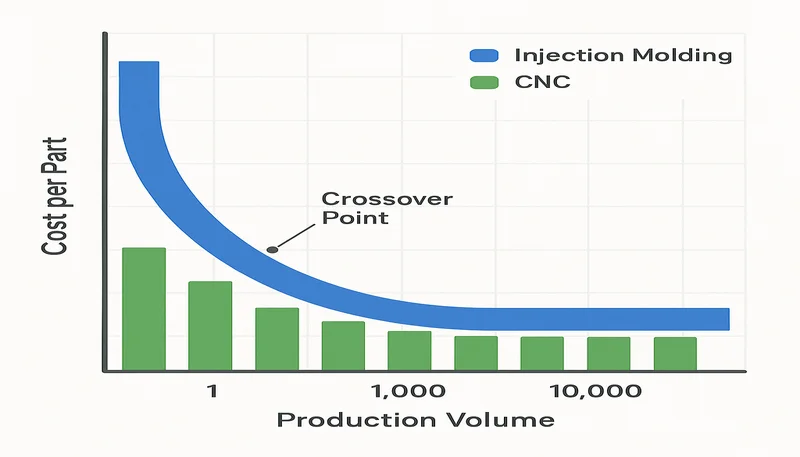
Il numero di cavità riduce il costo unitario solo se il volume compensa il maggiore investimento. Sotto 50,000 unità annue, costo e manutenzione di uno stampo a 4 cavità spesso superano l'alternativa monocavità. Il pareggio dipende da tariffa macchina, materiale e domanda annua e va calcolato prima della scelta.
Come vengono fabbricati gli stampi per plastica?
La fabbricazione di uno stampo per plastica segue una sequenza precisa: progettazione 3D e revisione DFM, approvvigionamento dell’acciaio e lavorazione della base stampo, fresatura CNC di sgrossatura della cavità e dell’anima, elettroerosione (EDM) dei dettagli fini e delle texture, rettifica e aggiustaggio, lucidatura alla finitura superficiale richiesta, assemblaggio di tutti i componenti e campionatura di prova T1.
La fresatura CNC esegue la maggior parte dell’asportazione del metallo e produce tolleranze di ±0.02–0.05 mm. L’EDM, sia a tuffo sia a filo, viene utilizzata per spigoli interni vivi, nervature di larghezza inferiore a 1 mm e superfici sagomate complesse irraggiungibili dal CNC. L’elettroerosione asporta il materiale mediante scariche elettriche controllate, raggiungendo tolleranze di ±0.005–0.01 mm senza forze di taglio che devierebbero le geometrie sottili. Negli ultimi anni, i sofisticati centri CNC a 5 assi hanno ridotto la dipendenza dall’EDM, raggiungendo direttamente con frese a testa sferica angoli della cavità prima inaccessibili.
La finitura superficiale si ottiene mediante lucidatura manuale con abrasivi progressivamente più fini (da grana 320 a 3000) oppure mediante testurizzazione EDM per superfici opache e a grana pelle. Le superfici ottiche richiedono lappatura con pasta diamantata per ottenere Ra ≤ 0.01 μm. La classificazione SPI (Society of the Plastics Industry) delle finiture superficiali fornisce un riferimento standard: da A-1 (lucidatura super brillante) a D-3 (opaco ruvido), consentendo a progettisti e stampisti di comunicare senza ambiguità i requisiti superficiali.
Il passaggio finale prima delle prove T1 è l’assemblaggio di prova: montaggio dello stampo nella pressa a iniezione, controllo della chiusura senza bave delle superfici di tenuta e verifica delle portate dei circuiti di raffreddamento. Una lista di controllo pre-prova deve confermare che tutti i circuiti di raffreddamento siano collegati e sottoposti a prova di tenuta, la corsa degli espulsori sia impostata correttamente, la temperatura dello stampo sia al valore specificato e il tonnellaggio e il volume di iniezione della macchina siano nell’intervallo previsto. Omettere uno di questi passaggi rischia di causare una stampata T1 non riuscita, con possibili danni allo stampo o al pezzo.
La valutazione T1 segue un processo strutturato. I primi pezzi vengono misurati rispetto al disegno del pezzo mediante ispezione CMM (macchina di misura a coordinate), riportando tutte le dimensioni critiche in un rapporto di ispezione del primo articolo (FAI). Le deviazioni dimensionali vengono classificate come: accettabili entro tolleranza, correggibili mediante regolazione del processo oppure tali da richiedere una modifica dello stampo. La progettazione steel-safe — lasciare deliberatamente le dimensioni della cavità sottodimensionate di 0.1–0.2 mm sulle superfici senza sformo — è una buona pratica che consente di allargare lo stampo (rimuovendo metallo) anziché saldarlo (aggiungendo metallo, operazione più difficile e meno affidabile) durante la correzione dimensionale.
A che cosa servono gli stampi per plastica?
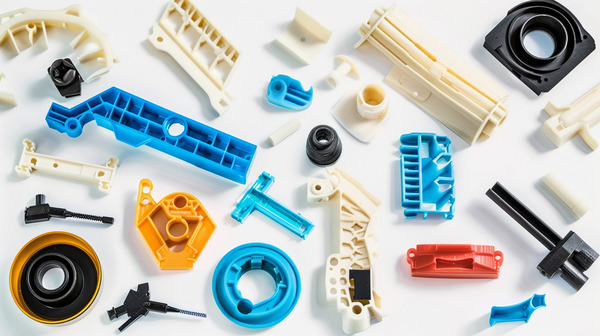
Gli stampi per materie plastiche producono praticamente ogni componente stampato a iniezione in tutti i principali settori. Le applicazioni automobilistiche, quali fasce paraurti, pannelli interni delle portiere, componenti del cruscotto e alloggiamenti dei fari, rappresentano circa il 35% del valore della produzione mondiale di stampaggio a iniezione. Gli involucri per elettronica di consumo, gli alloggiamenti per dispositivi medici e le chiusure per imballaggi costituiscono ciascuno segmenti ampi e in crescita del mercato complessivo.
Le applicazioni industriali comprendono corpi pompa, corpi valvola, componenti per trasportatori e involucri elettrici, dove precisione dimensionale e prestazioni strutturali sono critiche. Il solo imballaggio consuma oltre il 40% delle resine plastiche prodotte nel mondo; stampi ad alta velocità e parete sottile lavorano con cicli inferiori a 5 secondi per tappi, chiusure e contenitori. I requisiti di questi stampi — velocità di riempimento superiori a 300 mm/s, pressioni di iniezione fino a 2,000 bar e tolleranze delle cavità fino a ±0.01 mm — sono tra i più esigenti del settore.
L’elettronica di consumo è uno dei segmenti applicativi in più rapida crescita per gli stampi di precisione per plastica. Alloggiamenti di smartphone, cornici di laptop e involucri di dispositivi indossabili richiedono finiture SPI A-1 o A-2 sulle superfici estetiche, con residuo del punto di iniezione controllato entro 0,1 mm. Il raggiungimento di questi standard richiede cavità NAK80 o S136 altamente lucidate, punti di iniezione sottomarini o a punta calda attentamente progettati e raffreddamento bilanciato con precisione per evitare ritiro differenziale, risucchi visibili o ondulazioni.

Le applicazioni avanzate comprendono lo stampaggio multimateriale, ossia sovrastampaggio e stampaggio con inserti, in cui uno stampo per plastica è progettato per ricevere un inserto metallico preposizionato o una parte stampata in precedenza, unendo due materiali in un’unica fase produttiva. Queste tecniche eliminano le operazioni di assemblaggio secondarie e sono ampiamente utilizzate nei dispositivi medici (interfacce metallo-plastica), nell’elettronica automobilistica (alloggiamenti di connettori con terminali metallici) e nei prodotti di consumo (impugnature morbide su anime rigide). Gli stampi per sovrastampaggio richiedono superfici di chiusura precise nel punto di interfaccia tra il secondo materiale e il substrato, con tolleranze spesso mantenute a ±0.02 mm per evitare la formazione di bave nell’elastomero sovrastampato.
Gli stampi per plastiche di grado medicale richiedono il massimo livello di precisione: tolleranze della cavità di ±0,005 mm, acciaio S136 resistente alla corrosione per gestire resine medicali aggressive (PEI, PEEK, POM) e ambienti produttivi conformi alle camere bianche. Questi stampi sono inoltre soggetti ai requisiti di convalida FDA, compresa la documentazione di qualifica dell’installazione (IQ), qualifica operativa (OQ) e qualifica delle prestazioni (PQ). Un singolo progetto di stampo medicale può richiedere 300–500 pagine di documentazione di convalida, oltre allo stampo fisico e ai pezzi campione.
Le applicazioni aerospaziali spingono ancora oltre le tolleranze e i requisiti dei materiali. Gli stampi per componenti strutturali aerospaziali in plastica devono mantenere le dimensioni delle cavità entro ±0.003–0.005 mm, utilizzare materiali con tracciabilità dimostrata e produrre pezzi conformi ai requisiti del sistema qualità AS9100. Per queste applicazioni, il costo di uno stampo monocavità supera abitualmente $100,000 a causa della lavorazione di precisione, dell’onere di convalida e dei requisiti di certificazione dei materiali.
La gamma dei materiali plastici lavorati mediante stampi a iniezione va dalle resine di largo consumo, polipropilene (PP), polietilene (PE), ABS e polistirene (PS), ai polimeri tecnici ad alte prestazioni, tra cui PEEK, PEI, PPS e LCP. Ogni classe di resina impone requisiti diversi allo stampo: intervallo della temperatura del fuso, tasso di ritiro, sensibilità all’umidità e corrosività influenzano la scelta dell’acciaio, la finitura superficiale, la progettazione del raffreddamento e la finestra di processo. Uno stampo progettato per l’ABS non può essere semplicemente riutilizzato per il PEEK senza adeguare la temperatura dello stampo (il PEEK richiede 160–200 °C rispetto ai 40–80 °C dell’ABS) ed eventualmente sostituire l’acciaio se la cavità non era stata originariamente temprata.
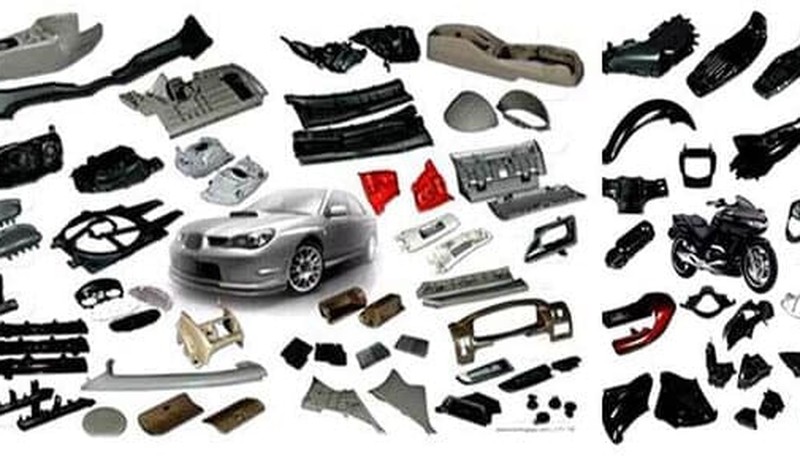
Indipendentemente dal settore, l’economia dello stampaggio della plastica è definita dal rapporto tra volume dei pezzi e costo dello stampo. Ogni cavità aggiuntiva, ogni movimento laterale, ogni ugello a canale caldo e ogni finitura superficiale superiore aumentano l’investimento nello stampo che deve essere recuperato attraverso la produzione. Comprendere questa struttura dei costi e progettare sia il pezzo sia lo stampo tenendo presente il costo totale del ciclo di vita è la competenza distintiva di un esperto ingegnere dello stampaggio a iniezione. Gli stampi economici che richiedono manutenzione frequente o sostituzione anticipata costano invariabilmente di più, nell’arco di una produzione di tre-cinque anni, rispetto a stampi ben specificati e costruiti in base alle effettive esigenze dell’applicazione.
La scelta di un fornitore di stampi qualificato richiede di valutare capacità di lavorazione (CNC a 5 assi, precisione EDM, metrologia CMM), approvvigionamento dell’acciaio (acciaio nazionale o europeo certificato rispetto a materiale spot non verificato), documentazione di processo (rapporti DFM, simulazione mold flow, controllo del primo articolo) e assistenza post-vendita (modifiche, ricambi e supporto alle prove in loco). Il prezzo da solo non indica la qualità; l’approccio più affidabile è un audit tecnico completo, unito a referenze su stampi di complessità analoga.
Per i marchi globali che acquistano stampi per plastica in Cina, la strategia più efficace di mitigazione del rischio è un documento di specifica dello stampo scritto chiaramente e comprendente: grado dell’acciaio con requisiti di certificazione del materiale, finitura superficiale richiesta (classificazione SPI), tolleranze dimensionali per categoria di elemento, criteri di accettazione per l’ispezione del primo articolo, programma delle tappe di consegna con clausole penali e dichiarazioni sulla proprietà intellettuale. Una specifica completa dello stampo riduce l’ambiguità e crea una base contrattuale che protegge sia l’acquirente sia il fornitore in caso di controversie.
Come si esegue la manutenzione degli stampi per plastica?
La manutenzione degli stampi è essenziale per sostenere la qualità ed evitare fermi imprevisti: un singolo guasto può arrestare la linea per 12–72 ore. Gli intervalli si basano sui cicli: servizio minore, con pulizia, lubrificazione e sfiati, ogni 25.000–50.000; ispezione completa ogni 100.000–250.000; revisione principale, con sostituzione inserti e lucidatura cavità, a 500.000 cicli o quando la deriva dimensionale supera la tolleranza.
Programma di manutenzione dello stampo in plastica che mostra gli intervalli di servizio preventivo a 25000, 50000 e 250000 cicli
Lo stoccaggio dello stampo richiede una pulizia accurata, il rivestimento di tutte le superfici in acciaio con un inibitore di corrosione e la conservazione in un ambiente a umidità controllata inferiore al 60% di UR. Gli stampi lasciati in condizioni umide senza rivestimento protettivo sviluppano ruggine superficiale nel giro di poche settimane, rendendo necessaria una nuova lucidatura delle cavità prima del ciclo di produzione successivo: un costo evitabile che in genere varia da $500 a $3.000 per ciascun inserto interessato. La procedura migliore consiste nel racchiudere lo stampo in un sacco di polietilene dopo il rivestimento e conservarlo in un sistema di scaffalature dedicato, dove non possa essere danneggiato da altri stampi o attrezzature.
Un registro di manutenzione dello stampo—che riporti ogni intervento, numero di cicli, problema osservato e azione correttiva adottata—è indispensabile per gestire un parco stampi di produzione. Senza registrazioni del numero di cicli, gli intervalli di manutenzione sono congetture e la causa principale dei difetti ricorrenti non può essere correlata a specifici interventi di manutenzione. Le moderne officine stampi applicano agli stampi tag RFID collegati a un database che traccia numero di cicli, cronologia della manutenzione e ubicazione, consentendo la manutenzione predittiva anziché la riparazione reattiva.
Domande frequenti sugli stampi per plastica
Quanto tempo occorre per costruire uno stampo per plastica?
Il tempo di consegna dipende dalla complessità e dal tipo di acciaio. Gli stampi prototipali in alluminio forniscono campioni T1 in 10–15 giorni. Gli stampi di produzione in P20 a cavità singola richiedono 3–4 settimane. Le attrezzature H13 complesse multicavità richiedono 6–10 settimane. L’aggiunta di sistemi a canale caldo prolunga i tempi di 1–2 settimane. Fornire dati CAD 3D completi e congelati e una revisione DFM finalizzata all’avvio del progetto elimina i ritardi più comuni. Le modifiche progettuali tardive sono la principale causa di ritardo nella consegna degli stampi: ogni ciclo di revisione dopo l’inizio della costruzione aggiunge generalmente 1–2 settimane al programma.
Qual è la quantità minima ordinabile per gli stampi per plastica?
Non esiste una quantità minima d’ordine per l’attrezzatura dello stampo: si può commissionare un singolo stampo prototipo per produrre appena 50 pezzi. La giustificazione produttiva dipende dal costo ammortizzato dello stampo per pezzo: con uno stampo da $10,000, la produzione di 10,000 pezzi attribuisce $1.00 di costo dell’attrezzatura a ogni pezzo. La maggior parte dei clienti ritiene che lo stampaggio a iniezione diventi competitivo rispetto alla stampa 3D o alla lavorazione CNC oltre circa 1,000–5,000 pezzi all’anno. Per volumi estremamente bassi, un’attrezzatura ponte in alluminio da $3,000–$8,000 fornisce pezzi di qualità produttiva mentre il progetto si stabilizza, prima di impegnarsi in un’attrezzatura di produzione completa in acciaio temprato.
Quali sono le cause dei difetti di bava negli stampi per plastica?
La bava, ossia le sottili alette di plastica che si formano lungo la linea di divisione, è causata da una forza di chiusura insufficiente, superfici di divisione usurate, pressione di iniezione eccessiva o piastre dello stampo deformate e non più parallele. Prima di applicare una correzione occorre isolare la causa principale: aumentare il tonnellaggio di chiusura non serve se il problema è una linea di divisione usurata. Le soluzioni comprendono l’aumento della forza di chiusura al minimo calcolato (area proiettata × pressione in cavità), la rilavorazione con pietra delle superfici di divisione per ripristinare la planarità della chiusura, la riduzione della velocità di iniezione o della pressione di mantenimento per abbassare la pressione massima in cavità e l’aggiunta di blocchi laterali per mantenere l’allineamento della linea di divisione durante l’iniezione.
Come scegliere tra uno stampo a canale caldo e uno a canale freddo?
Scegliere uno stampo a canale caldo quando il volume annuo supera 500,000 pezzi, il costo del materiale è elevato (resine tecniche oltre $5/kg) o il tempo di ciclo è critico. Gli stampi a canale freddo sono preferibili per colori o materiali che cambiano frequentemente, per produzioni a basso volume in cui il rimacinato dei canali è accettabile o quando i vincoli di budget rendono impraticabile il sovrapprezzo di $8,000–$30,000 del canale caldo. Per applicazioni a volume medio, un canale freddo con un sistema di canali bilanciato ben progettato offre spesso l’80% dell’efficienza al 30% del costo del canale caldo. Prima di definire le specifiche, calcolare sempre il risparmio di materiale rispetto al periodo di ammortamento dell’investimento nel canale caldo.
Quale angolo di sformo è richiesto per gli stampi per plastica?
I requisiti dell’angolo di sformo dipendono dalla resina e dalla finitura superficiale. Le resine non caricate con superfici lisce e lucidate richiedono almeno 0.5–1° per lato. Le superfici testurizzate (grana pelle, puntinatura) richiedono 1.5–3° per ogni 0.025 mm di profondità della texture: una grana pelle media profonda 0.1 mm richiede almeno 4° di sformo. Le resine caricate con fibre o rigide necessitano di almeno 2–3° per evitare segni di trascinamento durante l’espulsione. Uno sformo insufficiente è una delle cause più comuni di graffi superficiali e danni dovuti alla forza di espulsione nei primi campioni di prova. Aggiungere lo sformo in fase di progettazione non costa nulla; correggere uno sformo insufficiente dopo la costruzione dello stampo richiede la saldatura e la rilavorazione della cavità, con un costo tipico di $1,000–$5,000.
Quanti pezzi può produrre uno stampo per plastica?
La durata dello stampo dipende dal tipo di acciaio e dal materiale. Gli stampi in alluminio durano 5.000–50.000 cicli. Gli stampi in P20 raggiungono 300.000–500.000 cicli in condizioni normali. Gli stampi temprati in H13 producono in modo affidabile oltre 1.000.000 di cicli. L’impiego di resine abrasive caricate con vetro o minerali riduce la durata del 40–60%, a meno che non venga specificato fin dall’inizio un acciaio di grado superiore. Una corretta manutenzione preventiva — pulizia, lubrificazione e manutenzione degli sfiati secondo un programma basato sul numero di cicli — può prolungare la durata dello stampo del 20–30% rispetto alla stima di base. Sulla durata incidono anche la pressione di iniezione (una pressione maggiore usura più rapidamente le superfici di divisione), la temperatura dello stampo (le resine ad alta temperatura affaticano l’acciaio più velocemente) e la corrosività della resina lavorata.
Qual è la differenza tra uno stampo e una matrice nella produzione della plastica?
Nella produzione di materie plastiche, il termine ‘mold’ indica l’attrezzatura utilizzata nello stampaggio a iniezione, nel soffiaggio e nello stampaggio a compressione, dove il materiale plastico viene formato riempiendo sotto pressione una cavità chiusa. Nell’estrusione, ‘die’ indica l’orifizio aperto che conferisce ai profili continui (tubi, lastre, tubolari) la relativa sezione trasversale. Nella pressofusione, ‘die’ indica l’equivalente di uno stampo a iniezione per leghe metalliche. I due termini sono talvolta usati in modo intercambiabile nel linguaggio informale e regionale, ma mold è il termine tecnicamente corretto per gli utensili a cavità chiusa destinati alla formatura della plastica. Nel Regno Unito e in Australia, ‘mould’ è la grafia standard.
progettazione dello stampo a iniezione: indica il processo ingegneristico di creazione di cavità, anima, sistema di canali e circuiti di raffreddamento che danno al materiale plastico fuso la forma del pezzo finito. ↩
analisi del flusso nello stampo: è un metodo di simulazione che prevede come la plastica fusa riempie la cavità dello stampo, individuando prima della costruzione difetti potenziali quali linee di saldatura, sacche d'aria e risucchi. ↩
DFM: il DFM (Design for Manufacturability) è un processo di verifica progettuale che valuta geometria del pezzo, spessore delle pareti, angoli di sformo e strategia di iniezione per assicurare che il pezzo in plastica possa essere stampato in modo efficiente e senza difetti. ↩
acciaio per stampi: indica gli acciai speciali per utensili, come P20, H13, S136 e NAK80, utilizzati per lavorare anime e cavità degli stampi e scelti in funzione della durezza, lucidabilità e del volume produttivo richiesti. ↩
processo di stampaggio a iniezione della plastica: è un ciclo produttivo nel quale i granuli di plastica vengono fusi, iniettati sotto pressione in uno stampo chiuso, raffreddati ed espulsi come pezzo finito; un ciclo dura generalmente 15–120 secondi. ↩