 Vai al contenuto

- Gli stampi multi-cavità producono più parti identiche per ciclo, riducendo il costo unitario fino al 70% per produzioni ad alto volume.
- Il bilanciamento dei canali di distribuzione e i layout simmetrici delle cavità sono essenziali per garantire che ogni cavità si riempia uniformemente.
- Strategie di raffreddamento avanzate—specialmente i canali conformi—possono ridurre il tempo di ciclo fino al 30%.
- Una corretta validazione tramite analisi dei corti colpi e monitoraggio della pressione in cavità previene difetti di produzione costosi.
- Scegliere il materiale giusto per gli utensili e un rivestimento superficiale adeguato prolunga la vita dello stampo a milioni di cicli.
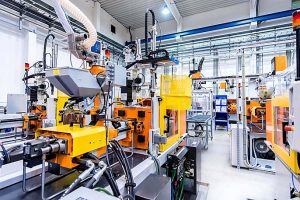
Nella moderna produzione di materie plastiche, progettazione di stampi multi-cavità è uno dei modi più efficaci per scalare la produzione senza aumentare proporzionalmente i costi. Uno stampo a più cavità contiene due o più cavità identiche, permettendo a un stampaggio a iniezione macchina per produrre diverse parti in un singolo ciclo. Questo approccio è indispensabile per le industrie che richiedono milioni di componenti identici—pensa a tappi di bottiglia, siringhe mediche, connettori elettronici e clip automobilistiche. Il vantaggio è significativo: maggiore produttività, costo per pezzo inferiore e maggiore coerenza nelle grandi produzioni.
Tuttavia, i vantaggi comportano una maggiore complessità ingegneristica. Ogni cavità aggiuntiva introduce nuove variabili—resistenza al flusso, distribuzione termica, tempistica di espulsione—che devono essere gestite con precisione. Questa guida illustra ogni aspetto critico della progettazione di stampi a iniezione multicavità, dai principi fondamentali e Bilanciamento dei Canali1 alle strategie di raffreddamento, ai metodi di validazione e all'analisi dei costi.
Cos'è uno Stampo a più Cavità e Come Funziona?
Uno stampo multicavità è uno strumento specializzato utilizzato nella produzione per stampaggio a iniezione di materie plastiche che contiene più cavità identiche all'interno di un'unica base dello stampo. Quando la macchina inietta polimero fuso nello stampo, il materiale scorre attraverso un sistema di canali e riempie simultaneamente ogni cavità, producendo diversi pezzi finiti in un unico ciclo. Il numero di cavità può variare da un minimo di due a oltre sessantaquattro, a seconda delle dimensioni del pezzo, della portata della macchina e dei requisiti produttivi.
Il principio di base è semplice: invece di stampare un pezzo per ciclo e attendere il successivo colpo, se ne stampano molti. Ciò aumenta notevolmente la produzione effettiva. Ad esempio, una macchina che utilizza uno stampo a 16 cavità con un ciclo di 22 secondi può produrre oltre 2.500 pezzi all'ora, rispetto ai circa 160 pezzi all'ora di uno stampo a cavità singola con un ciclo leggermente più breve di 18 secondi.
Esiste un'importante distinzione tra stampi a più cavità e stampi familiari. In uno stampo a più cavità, ogni cavità produce lo stesso pezzo, garantendo caratteristiche di flusso e qualità uniformi. In uno stampo familiare, cavità diverse producono pezzi diversi, il che complica il bilanciamento del flusso perché ogni cavità ha un volume e una geometria unici. Per una produzione uniforme e di alta qualità, i veri progetti a più cavità sono fortemente preferiti.
La decisione di utilizzare uno stampo multi-cavità dovrebbe essere guidata da un'analisi accurata del volume di produzione annuale, della complessità del pezzo e della capacità della pressa disponibile. Quando i volumi di produzione giustificano l'investimento aggiuntivo negli utensili, il ritorno sull'investimento viene generalmente realizzato durante il primo ciclo di produzione. Se stai confrontando fornitori o pianificando gli acquisti, il nostro injection molding sourcing guide tratta in dettaglio la preparazione della RFQ, la qualifica dei fornitori e la valutazione del rischio commerciale.
Nella nostra fabbrica di Shanghai, il nostro team gestisce 47 macchine per lo stampaggio a iniezione da 90T a 1850T, che supportano utensili multi-cavità dalle produzioni pilota a basso volume agli stampi per produzioni ad alto volume. Questo intervallo di tonnellaggio è importante perché il numero di cavità modifica la dimensione dello sparo, la richiesta di forza di serraggio e il rischio di convalida.
Perché Scegliere uno Stampo Multi-Cavità per la Produzione ad Alto Volume?
Questa sezione riguarda la scelta di uno stampo a più cavità per la produzione di grandi volumi e il suo impatto su costi, qualità, tempistiche o rischio di approvvigionamento. Il fattore principale per scegliere uno stampo a più cavità è economico: distribuire il costo fisso del tempo macchina, dell'energia e della manodopera su molti più pezzi per ciclo riduce significativamente il costo per unità. Sebbene l'investimento iniziale per lo stampo sia più alto, spesso da tre a cinque volte il costo di uno stampo a cavità singola, il risparmio per pezzo diventa sostanziale una volta che i volumi di produzione superano la soglia di pareggio, tipicamente intorno a 500.000-1.000.000 di pezzi.
Oltre al costo, gli stampi a più cavità migliorano la coerenza dimensionale. Poiché tutti i pezzi sono stampati con le stesse impostazioni della macchina, temperatura e profilo di pressione, la variazione tra i pezzi provenienti da cavità diverse è tipicamente inferiore alla variazione che si osserverebbe tra pezzi prodotti su macchine diverse o in cicli diversi. Ciò è particolarmente importante nei settori regolamentati come i dispositivi medici e l'automotive, dove tolleranze strette sono obbligatorie.
| Fattore | Stampo a cavità singola | Stampo a 8 Cavità | Stampo a 16 cavità |
|---|---|---|---|
| Costo Approssimativo dello Stampo | $8,000–$15,000 | $25.000–$45.000 | $45,000–$80,000 |
| Tempo di ciclo | 18 sec | 22 sec | 24 sec |
| Parts per Hour | ~200 | ~1,300 | ~2,400 |
| Costo per Pezzo (a 1M di unità) | $0.12 | $0.05 | $0.035 |
| Break-Even Volume | - | ~400.000 parti | ~600.000 parti |
La tabella sopra illustra un'osservazione chiave: il tempo di ciclo aumenta solo leggermente all'aumentare delle cavità, mentre la produzione scala quasi linearmente. Il risultato è una drastica riduzione del costo per pezzo che accelera il ritorno sull'investimento per qualsiasi progetto ad alto volume.
Come si Ottiene il Bilanciamento dei Canali di Distribuzione negli Stampo a più Cavità?
Il bilanciamento dei canali di distribuzione è probabilmente la sfida ingegneristica più critica nella progettazione di stampi a più cavità. Quando la plastica fusa entra nello stampo, deve raggiungere ogni cavità contemporaneamente, alla stessa pressione e con lo stesso profilo di temperatura. Se una cavità si riempie prima di un'altra, il risultato è sovracompressione, bave, mancati riempimenti o variazioni dimensionali. La stessa logica si applica design di guide e cancelli, dove piccole differenze geometriche possono trasformarsi in difetti di produzione ripetibili.
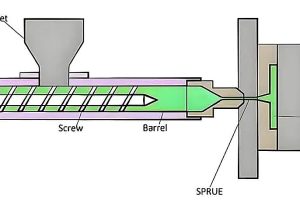
Il sistema di canali di distribuzione è la rete di condotti che trasporta il polimero fuso dall'ugello della macchina attraverso l'attacco di colata e in ogni cavità. In un sistema di distribuzione naturalmente bilanciato, ogni cavità è equidistante dall'attacco di colata, il che significa che la lunghezza del percorso di flusso e la resistenza sono identiche. Ciò si ottiene tramite layout simmetrici come configurazioni radiali (cavità disposte in cerchio attorno all'attacco di colata) o a H.
Quando il bilanciamento naturale non è praticabile, spesso a causa di vincoli dimensionali dello stampo o della geometria del pezzo, gli ingegneri utilizzano canali di distribuzione bilanciati artificialmente, regolando il diametro e la lunghezza dei singoli rami del canale per equalizzare la resistenza al flusso. Ciò richiede una simulazione precisa utilizzando software come Moldflow o simili per modellare le cadute di pressione e i modelli di riempimento prima che l'acciaio venga mai lavorato.
“Una disposizione dei canali naturalmente bilanciata garantisce che ogni cavità abbia una lunghezza del percorso di flusso identica dall'attacco di colata.”Vero
In un sistema naturalmente bilanciato, le cavità sono disposte simmetricamente, ad esempio in una configurazione a H, in modo che la distanza e la resistenza dall'attacco di colata a ciascuna cavità siano uguali, favorendo un riempimento simultaneo senza aggiustamenti artificiali.
"Aumentare il diametro del canale di distribuzione migliora sempre il bilanciamento del riempimento delle cavità in uno stampo a più cavità."Falso
Sebbene canali di distribuzione più grandi riducano la caduta di pressione, aumentano anche lo spreco di materiale e possono causare un eccessivo imballaggio nelle cavità più vicine all'attacco di colata. L'equilibrio si ottiene attraverso una dimensionamento preciso, non semplicemente ingrandendo i canali.
I sistemi a canali caldi sono fortemente raccomandati per stampi multicavità con otto o più cavità. Un canale caldo utilizza collettori riscaldati per mantenere il polimero fuso all'interno del canale, eliminando lo scarto del canale freddo che altrimenti dovrebbe essere rigranulato o scartato. I canali caldi offrono anche un controllo della temperatura più uniforme ad ogni attacco, migliorando l'uniformità di riempimento in tutte le cavità.
Quale ruolo svolge il raffreddamento nelle prestazioni degli stampi a più cavità?
Cooling accounts for approximately 70% of the total injection molding cycle time, making it the single largest factor in determining throughput. In a multi-cavity mold, the cooling challenge is amplified because every cavity must solidify at the same rate. If one cavity cools faster than another, parts will have different shrinkage, warpage, and dimensional accuracy.
Traditional drilled cooling channels follow straight paths and cannot closely follow the contours of complex part geometries. This creates hot spots—areas where heat removal is slower—leading to uneven cooling and part defects. Raffreddamento conforme2 channels, made possible by metal additive manufacturing, follow the exact shape of the cavity surface and provide uniform heat extraction across the entire mold. Studies have demonstrated that conformal cooling can reduce cycle time by 20–40% compared to conventional drilled channels.
Effective cooling design in a multi-cavity mold also requires parallel cooling circuits rather than series circuits. In a series circuit, coolant absorbs heat from the first cavity and arrives at the last cavity at a higher temperature, creating a thermal gradient. Parallel circuits deliver coolant at the same inlet temperature to every cavity, ensuring uniform cooling performance across the entire mold.
Thermal simulation software such as Moldex3D or Autodesk Moldflow allows engineers to visualize temperature distribution across the mold and optimize channel placement before manufacturing. Proper baffle and bubbler placement within each cavity ensures that even thick-wall sections receive adequate cooling. For high-cavity-count molds, investing in thorough thermal simulation during the design phase can prevent weeks of troubleshooting during production qualification.
“Parallel cooling circuits provide more uniform temperature distribution across all cavities compared to series circuits.”Vero
Parallel circuits deliver coolant at the same inlet temperature to every cavity simultaneously. In series circuits, coolant heats up progressively as it passes through successive cavities, creating thermal gradients that cause inconsistent part quality.
“Using softer mold steel like P20 is always the best choice for multi-cavity molds because it reduces initial tooling cost.”Falso
While P20 reduces upfront cost, it wears faster under high-volume production. For molds expected to run millions of cycles, harder steels like H13 or S136 provide better long-term value by maintaining cavity dimensions and surface finish over a much longer service life.
In che modo i sistemi di sfiato e di estrazione influiscono sulla qualità del pezzo?
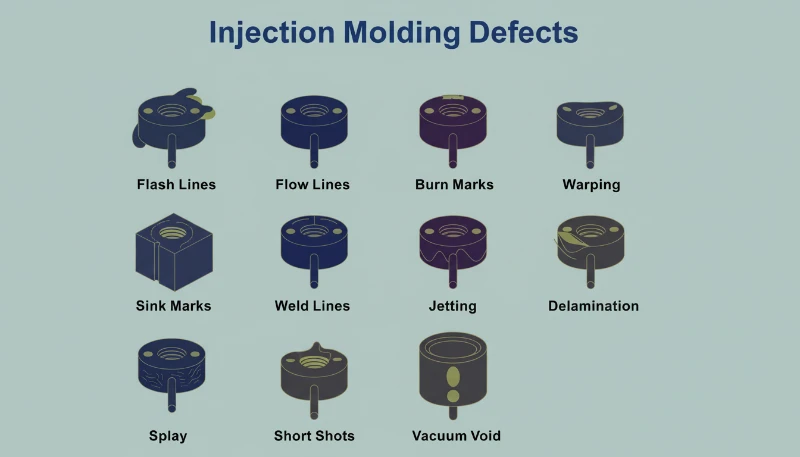
This section is about venting and ejection systems affect part quality and its impact on cost, quality, timing, or sourcing risk. When molten plastic fills a cavity, it displaces air and any moisture or gases from the polymer itself. If this trapped gas cannot escape quickly enough, it compresses, heats up, and causes diesel burns—small charred spots on the part surface known as burn marks. In multi-cavity molds, venting must be carefully engineered at every cavity because the rapid filling of multiple cavities simultaneously generates a large volume of displaced gas in a very short time. Poor venting is one of the recurring causes behind difetti di stampaggio a iniezione in high-cavity tools.
Vents are thin channels, typically 0.01–0.02 mm deep, ground into the parting line or insert surfaces of each cavity. They are deep enough to allow gas to escape but shallow enough to prevent molten plastic from leaking through. In complex geometries, additional venting may be provided through porous steel inserts or vent pins placed at specific locations identified by simulation.
Ejection is equally critical. In a single-cavity mold, one central ejector pin may suffice. In a multi-cavity mold, however, each cavity requires its own set of ejector pins, and all must operate in perfect synchronization. Any timing difference can cause parts to stick, deform, or fall inconsistently. Synchronized ejection plates, stripper rings, or pneumatic ejectors are commonly used to ensure every part releases cleanly and simultaneously.
Quando Usare un Sistema a Canali Caldi vs. Canali Freddi?
The choice between hot runner and cold runner systems has a significant impact on material waste, cycle time, and part quality in multi-cavity molds. A cold runner system is the simpler and less expensive option: molten plastic flows through unheated channels and solidifies along with the parts. The solidified runner must then be separated from the parts and either reground or discarded. For low-cavity molds (two to four cavities) running commodity materials, cold runners can be cost-effective.
However, as cavity count increases, cold runner waste becomes a serious economic concern. In a 16-cavity mold, the cold runner may represent 20–40% of the total shot weight, meaning a significant portion of every cycle is wasted material. A Hot Runner System3 eliminates this waste by maintaining the polymer in a molten state within heated channels, so no solidified runner is produced.
Hot runners also offer superior gate control. Valve gates can be opened and closed sequentially, allowing engineers to fine-tune the filling sequence and reduce weld-line visibility. Thermal gates provide clean separation without gate vestige, improving part aesthetics. For engineering-grade resins that are sensitive to thermal degradation, hot runners with individually controlled zones ensure each cavity receives material at the optimal temperature.
The trade-off is cost and maintenance complexity. A hot runner system adds $5,000–$20,000 or more to the tooling cost and requires periodic maintenance of heaters, thermocouples, and manifold seals. For production runs under 100,000 parts, the material savings may not justify the additional investment. The following table summarizes the key differences:
| Caratteristica | Cold Runner | Corridore caldo |
|---|---|---|
| Initial Tooling Cost | Lower ($2,000–$5,000) | Higher ($7,000–$20,000+) |
| Materiale di scarto | High (runner solidifies) | Minimal (no solidified runner) |
| Cycle Time Impact | Neutral | Slightly faster (no runner cooling) |
| Gate Quality | May leave vestige | Clean, controlled separation |
| Manutenzione | Simple | Requires heater/thermocouple service |
| Il migliore per | Low-cavity, short runs | High-cavity, long production runs |
Quali Materiali e Rivestimenti Massimizzano la Durata dello Stampo?
The choice of mold steel directly impacts tool life, part surface finish, and maintenance frequency. For multi-cavity molds running millions of cycles, material selection is not an area to economize. The most commonly used steels in high-production molds include P20 (pre-hardened to 30–36 HRC for moderate volume), H13 (hot-work steel hardened to 44–52 HRC for high-volume, high-temperature applications), and S136 (stainless steel with excellent polishability for optical and medical parts).
Surface coatings further extend tool life by reducing friction, preventing corrosion, and improving polymer release. Diamond-Like Carbon (DLC) coatings provide exceptional hardness and low friction, reducing wear on high-contact surfaces such as cores and slides. Titanium Nitride (TiN) and Chromium Nitride (CrN) coatings offer good corrosion resistance and are widely used in molds processing glass-filled or corrosive polymers.
Regular maintenance is essential to preserve mold performance over time. Cooling channels should be flushed and descaled periodically to maintain heat transfer efficiency. Ejector pins and guide bushings should be inspected for wear and replaced before they begin to score the mold surfaces. A well-maintained multi-cavity mold can reliably produce 5–10 million parts or more over its service life.
Come Convalidare e Bilanciare uno Stampo Multi-Cavità Prima della Produzione?
Validation is the critical bridge between mold design and production readiness. Even the most carefully designed mold can exhibit unexpected behavior when it encounters real-world processing conditions. A structured validation process identifies and corrects issues before they reach full-scale manufacturing, saving time and preventing costly scrap.
The first validation step is short-shot analysis. By intentionally injecting less than the full shot volume, engineers can observe the filling pattern of each cavity. In a perfectly balanced mold, every cavity should show the same degree of partial fill. Any discrepancy indicates a flow imbalance that must be corrected through runner adjustments or gate size modifications.
Cavity pressure monitoring provides quantitative data on fill uniformity. Pressure sensors installed in each cavity record the filling profile in real time, allowing engineers to compare peak pressures, fill times, and packing behavior across cavities. This data is invaluable for fine-tuning process parameters and verifying that every cavity produces parts within specification.
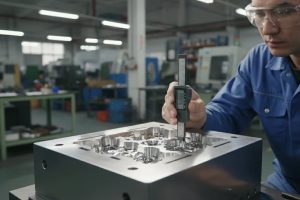
Finally, dimensional capability studies (Cp/Cpk) confirm that parts from all cavities meet the required tolerances. A minimum Cpk of 1.33 is typically required for production approval, indicating that the process is capable of producing parts well within specification limits. Parts from each cavity are measured using coordinate measuring machines (CMMs) or optical inspection systems, and the data is analyzed to identify any cavity-specific deviations that require correction.
With 20+ years of injection molding and tooling experience, our engineers validate multi-cavity molds with short-shot studies, cavity-balance checks, dimensional sampling, and process-window testing before production approval. Machines from 90T to 1850T give our team room to match the tool to the right press instead of forcing a high-cavity mold into marginal clamp capacity.
Quali Domande Pongono gli Acquirenti sulla Progettazione di Stampi Multi-Cavità?
Domande frequenti
What Is the Ideal Number of Cavities for a Multi-Cavity Mold?
There is no universal ideal cavity count. The right number depends on part size, projected annual volume, material flow behavior, available press tonnage, and the tolerance risk of the part. For many production programs, 4 to 32 cavities is the practical range. Small caps, seals, and connectors can go higher because shot size and clamp force stay manageable. Larger parts usually need fewer cavities. The safe method is to compare tooling cost, cycle time, scrap risk, and demand forecast before locking the cavity count.
How Much More Does a Multi-Cavity Mold Cost Compared to a Single-Cavity Mold?
A multi-cavity mold costs more than a single-cavity mold because the tool needs more cavities, gates, runners, cooling circuits, ejection components, and validation work. An 8-cavity mold may cost three to four times more than a single-cavity tool, while a 16-cavity mold can cost five to seven times more. That does not automatically make it expensive per part. If annual demand is high, the extra tooling cost is spread across more parts, often reducing unit cost by 50 to 70 percent.
Can a Multi-Cavity Mold Produce Different Parts Simultaneously?
Yes, one mold can make different parts at the same time, but that is usually called a family mold, not a true multi-cavity mold. Family molds are useful when several low-volume parts are consumed together in one assembly. The risk is flow imbalance because each part has different volume, wall thickness, and pressure demand. One cavity may over-pack while another short-shots. For high-volume production where dimensional consistency matters, dedicated multi-cavity molds with identical cavities are usually safer and easier to validate.
Why Is Runner Balancing So Important in Multi-Cavity Molds?
Runner balancing is critical because every cavity must fill at nearly the same time, pressure, and temperature. If cavities near the sprue fill first, they can become over-packed and flash. Cavities farther away may short-shot or show weak weld lines. The result is inconsistent dimensions and higher scrap. A balanced runner layout uses equal flow length, controlled runner diameter, and simulation data to keep resistance similar across cavities. For high-cavity molds, this work should be finished before steel cutting, not corrected during trial.
How Long Does It Take to Build a Multi-Cavity Mold?
Il tempo di consegna per uno stampo multicavità di solito varia da 6 a 16 settimane. Uno stampo semplice a 4 cavità con runner freddo può essere completato in 6-8 settimane se il pezzo è semplice e il comportamento del materiale è noto. Uno stampo a 32 cavità con runner caldi, slitte, tolleranze strette o raffreddamento conforme può richiedere 12-16 settimane. I maggiori rischi di programma sono le modifiche di progettazione tardive, le qualità di resina non confermate, l'approvazione DFM ritardata e le correzioni ripetute di T1. Una revisione anticipata della producibilità riduce questi ritardi e protegge la data di lancio.
Di quale manutenzione ha bisogno uno stampo multicavità?
Uno stampo multicavità necessita di manutenzione preventiva programmata perché piccole differenze di usura tra le cavità diventano variazioni di qualità nel tempo. La manutenzione normale include la pulizia delle superfici delle cavità, il lavaggio dei canali di raffreddamento, il controllo delle sfiatature, la lubrificazione delle slitte, l'ispezione degli spingitori e il test dei riscaldatori o delle termocoppie dei runner caldi. Molti laboratori servono gli stampi di produzione ogni 100.000-200.000 cicli, con intervalli più brevi per materiali abrasivi o corrosivi. La chiave è monitorare il conteggio dei cicli per utensile e registrare i problemi specifici della cavità, in modo che una cavità debole non danneggi silenziosamente la qualità della produzione.
Come si sceglie il partner giusto per lo stampaggio a iniezione per stampi multicavità?
Scegli un partner verificando se ha già gestito conteggi di cavità simili, materiali, tolleranze e requisiti di validazione. Chiedi esempi di stampi multicavità, gamma di tonnellaggio delle macchine, capacità di progettazione interna dello stampo e il metodo di validazione che utilizzano per il bilanciamento delle cavità. Un fornitore affidabile dovrebbe spiegare studi di corto riempimento, campionamento dimensionale per cavità, obiettivi Cpk, controlli di raffreddamento e pianificazione della manutenzione. Non giudicare solo dal prezzo dello stampo quotato. Uno stampo più economico che non può mantenere il bilanciamento tra le cavità costerà di più in scarti e tempi di fermo.
Quali strumenti di simulazione vengono utilizzati nella progettazione di stampi multicavità?
Gli strumenti di simulazione comuni per la progettazione di stampi multicavità includono Autodesk Moldflow, Moldex3D e SolidWorks Plastics. Questi programmi modellano la pressione di riempimento, il bilanciamento dei runner, la posizione delle linee di saldatura, l'efficienza del raffreddamento, il ritiro e l'imbarcamento prima che lo stampo venga tagliato. La simulazione non sostituisce la prova dello stampo, ma previene errori evidenti come runner sbilanciati, posizionamento errato degli ingressi e punti caldi attorno a sezioni spesse. Per gli stampi ad alta cavità, la simulazione dovrebbe essere rivista insieme al layout dello stampo, alla progettazione del circuito di raffreddamento e alla capacità prevista della pressa prima dell'ordine dell'acciaio.
Come Ottimizzare la Produzione con Stampi Multi-Cavità?
Progettare stampi multicavità è un investimento strategico che ripaga con una produzione maggiore, costi per pezzo inferiori e una migliore consistenza. Che tu abbia bisogno di uno stampo a 4 cavità per una produzione di medio volume o di uno stampo a 32 cavità per una produzione di alto volume, i principi ingegneristici trattati in questa guida—bilanciamento dei runner, ottimizzazione del raffreddamento, progettazione delle sfiatature e validazione approfondita—sono alla base del successo.
ZetarMold porta oltre 20 anni di esperienza nella progettazione e produzione di stampi, supportata da 47 macchine per stampaggio a iniezione da 90T a 1850T. Dal concetto alla validazione della produzione, ogni stampo a iniezione il progetto è ingegnerizzato per affidabilità, bilanciamento delle cavità ed efficienza produttiva.
Ottieni oggi un preventivo gratuito e una revisione DFM per il tuo progetto di stampo multicavità. Contatta il team di ingegneria di ZetarMold per discutere le tue esigenze e scoprire come una progettazione ottimizzata dello stampo può trasformare l'economia della tua produzione.
-
Bilanciamento dei runner: Il bilanciamento dei runner si riferisce al processo di regolazione delle dimensioni dei runner in modo che ogni cavità in uno stampo multicavità si riempia allo stesso tempo e alla stessa pressione, come definito dagli standard di simulazione del flusso. ↩
-
Conformal Cooling: Il raffreddamento conforme si riferisce a canali di raffreddamento realizzati per seguire i contorni della cavità dello stampo, tipicamente utilizzando la produzione additiva di metallo, fornendo un'estrazione del calore più uniforme rispetto ai canali forati diritti. ↩
-
Sistema a canale caldo: Il sistema a runner caldo si riferisce a un collettore a temperatura controllata che mantiene la plastica in stato fuso all'interno del runner, eliminando lo spreco di runner e migliorando la consistenza di riempimento tra le cavità. ↩



 EN
EN  ES
ES  FR
FR  DE
DE  PT
PT  AR
AR  RU
RU  JA
JA  KO
KO  IT
IT  NL
NL  TR
TR  PL
PL 