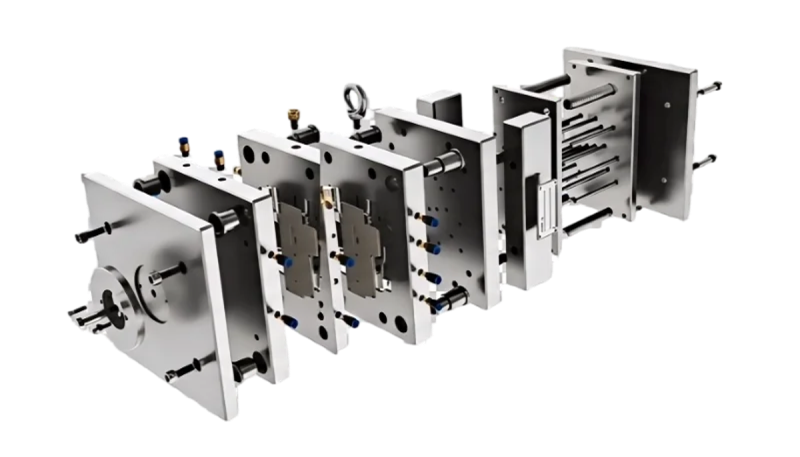
- Mold warranties typically cover 100K\u20131M shots, but the fine print on wear items excludes critical components.
- Sample part warranties are short \u2014 usually 7\u201330 days \u2014 so inspect and measure immediately upon receipt.
- Production part defect rates above 0.5\u20131% should trigger supplier remediation at the supplier\u2019s cost.
- Always define \u2018defect\u2019 and \u2018conforming part\u2019 in the contract, not in a post-delivery email.
- IP and mold ownership clauses directly affect your warranty leverage \u2014 never leave mold ownership ambiguous.
When you place an injection molding order worth tens of thousands of dollars, the warranty terms in your supplier agreement become your single most important safety net. Yet most buyers skim past the warranty clause, only to discover the gaps after a problem surfaces on the production floor.
After 20+ years of manufacturing molds and molded parts at our Shanghai factory, we have seen every warranty dispute imaginable — from mold life disagreements to part defect responsibility. This guide breaks down exactly what warranty terms you should negotiate, what red flags to watch for, and how to protect your investment whether you are buying molds, samples, or volume production parts.
What Warranty Terms Should You Expect for Injection Molds?
Injection mold warranties are fundamentally different from consumer product warranties. A mold is a custom tool, and its warranty centers on dimensional accuracy, surface finish, and operational lifespan — measured in ‘shots’ or molding cycles, not calendar months.
Most reputable suppliers offer a mold warranty of 100,000 to 500,000 shots, with precision molds reaching 1 million shots. But here is what the fine print often excludes: ejector pins, slides, lifters, hot-runner components, and any surface that contacts abrasive or glass-filled resin. These are classified as ‘wear items’ and fall outside the base warranty.
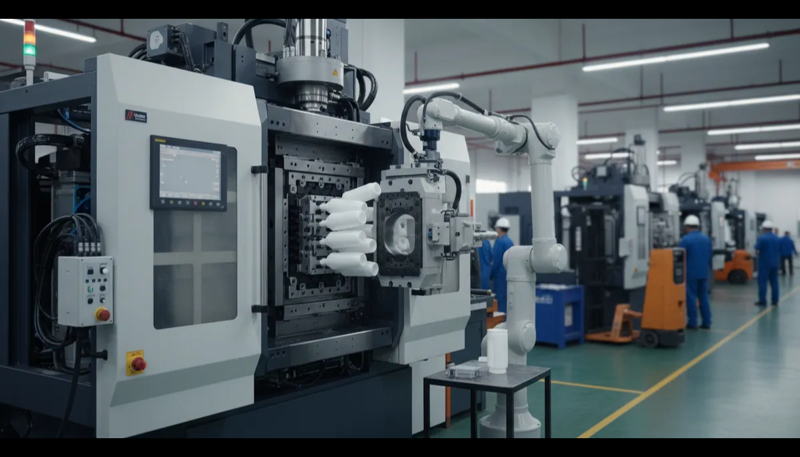
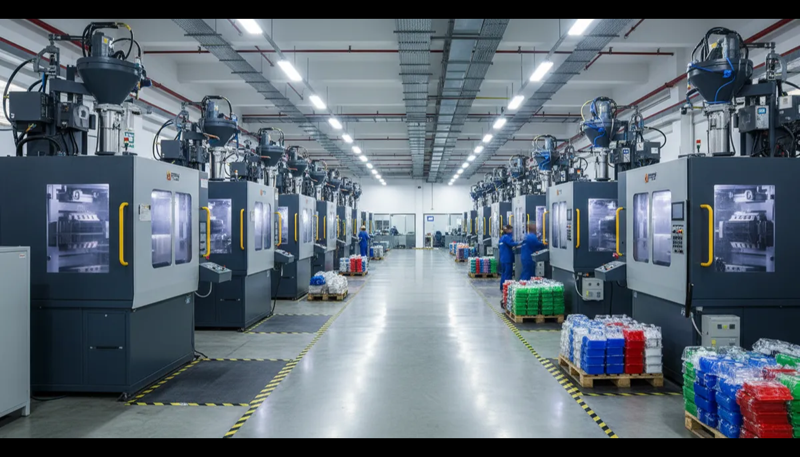
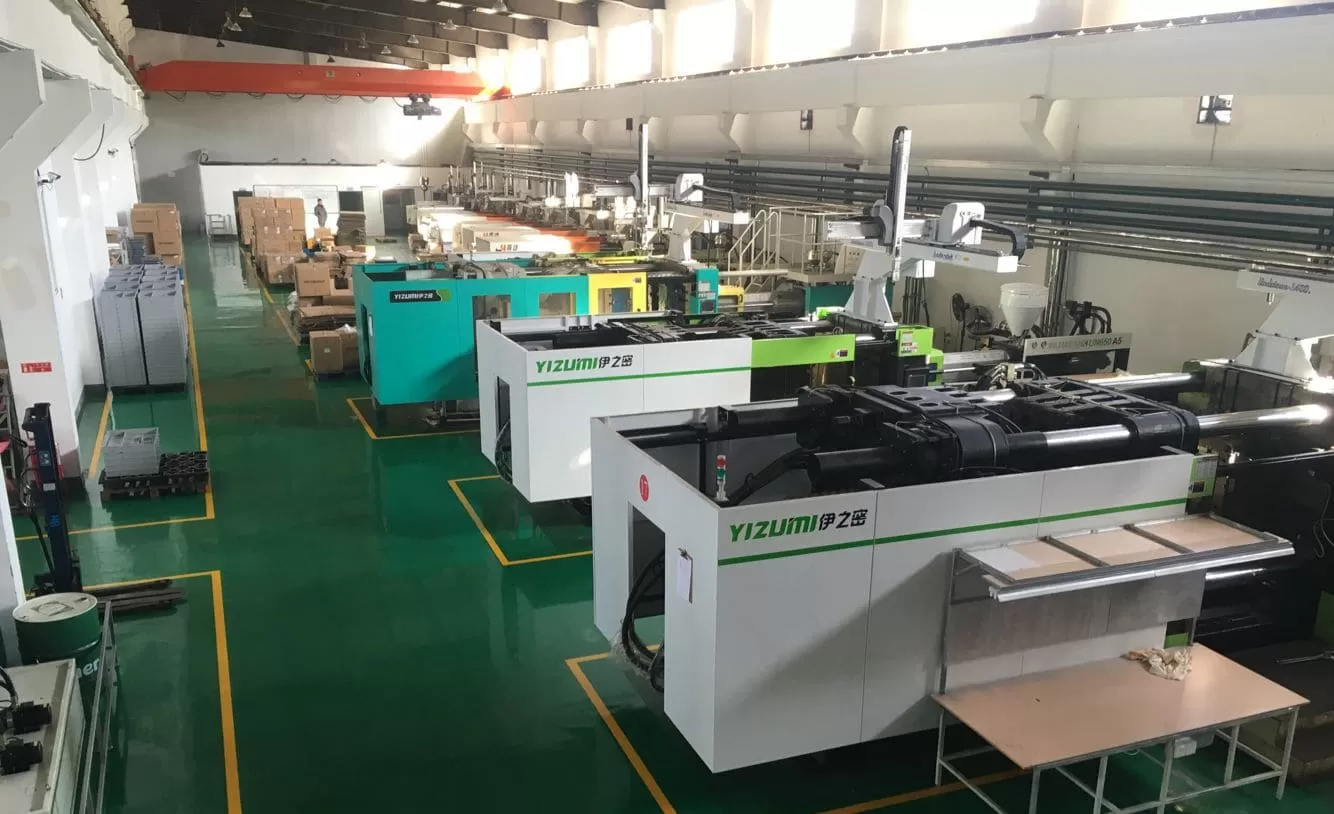
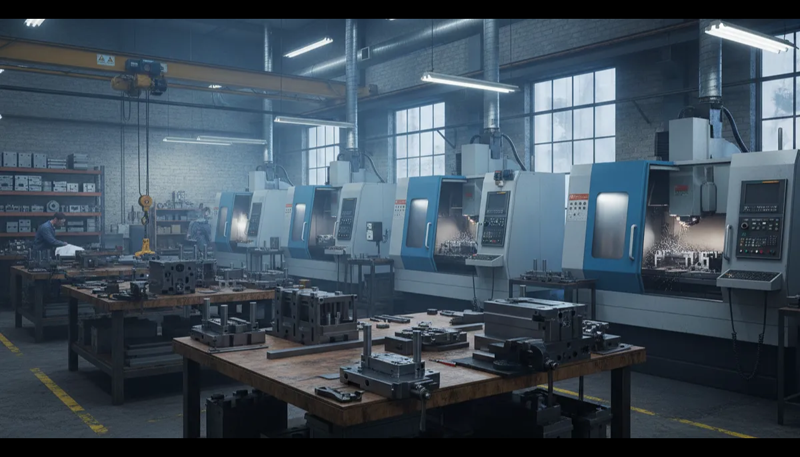
At our facility, we operate 47 injection molding machines ranging from 90T to 1850T, and our in-house mold manufacturing supports over 100 mold sets per month. This vertical integration means we can offer tighter warranty terms because we control the entire tooling process. When your supplier both builds and runs the mold, there is no finger-pointing between a tool shop and a molder when a defect appears.
"A production part defect rate above 1% should be remedied at the supplier's cost under standard warranty terms."True
True — most production warranties set the AQL1 at 0.5–1%. Defect rates above this threshold trigger supplier remediation including replacement parts or order credits.
"Mold warranties typically cover wear items like ejector pins and slides."False
False — ejector pins, slides, lifters, and hot-runner components are almost always excluded as wear items. Your base warranty covers the mold cavity and core dimensions, not consumable components.
Key warranty elements to negotiate for molds include: shot count guarantee, dimensional tolerance bands (typically ±0.05 mm for precision molds), surface finish standards (SPI2 A-1 through D-3), maintenance schedule responsibilities, and clearly defined excluded wear items. Get all of this in writing before tooling starts — not after first article inspection.
How Do Sample Warranties Differ from Production Part Warranties?
Sample and production part warranties are fundamentally different. Samples carry a short 7-to-30-day warranty focused on dimensional accuracy against your approved drawing, while production warranties span 6 to 12 months and include defect rate thresholds with supplier remediation obligations.
Production part warranties are broader and longer. A standard production warranty covers 6 to 12 months from delivery, addressing dimensional drift, material degradation, and cosmetic defects that emerge under normal use conditions. When you showcase sample parts in hand to compare with production output, the critical distinction is that production warranties should include a defect rate threshold — typically 0.5% to 1% AQL — beyond which the supplier must replace parts or credit the order at their own expense.
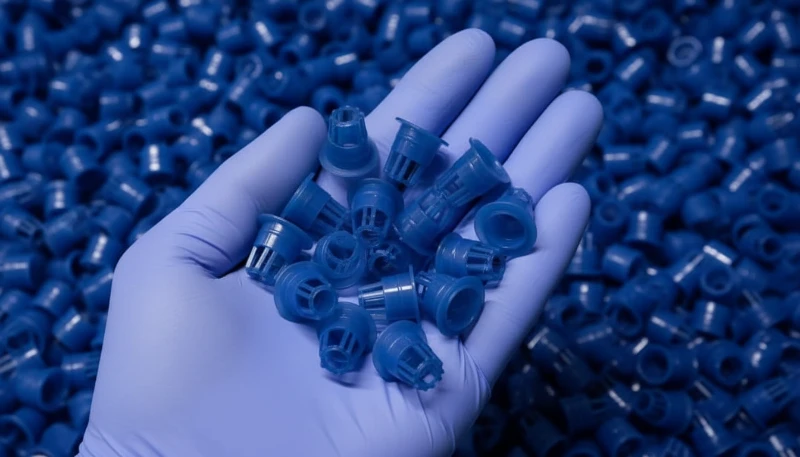
One common trap: suppliers who bundle sample and production warranties into a single vague clause. Insist on separate terms. Samples are about design validation; production is about consistency and volume quality. The acceptance criteria, measurement methods, and remedy pathways are fundamentally different.
What Should a Mold Life Guarantee Include?
A mold life guarantee is the supplier’s commitment that the tooling will produce conforming parts for a specified number of shots. But a bare number like ‘500,000 shots guaranteed’ is meaningless without supporting details.
A robust mold life guarantee should specify: the exact shot count, the part material the guarantee is valid for (POM wears a mold differently than polypropylene), the maintenance schedule (who pays for what and when), what constitutes ‘end of mold life’ (dimensional drift beyond tolerance vs. catastrophic failure), and the remedy if the mold fails prematurely — rework, replacement, or credit.
With over 400 materials processed in our factory, we have seen firsthand how material choice impacts mold longevity. Glass-filled nylon, for instance, can reduce mold life by 40% compared to unfilled polypropylene. Your warranty should account for the specific resin you plan to run, not a generic baseline.
Our experience with 400+ materials in our in-house mold manufacturing facility means we can accurately predict mold wear patterns and set realistic warranty terms based on your specific resin and part geometry.
When Can a Supplier Deny Warranty Claims?
Understanding when a supplier can legitimately deny a warranty claim is just as important as knowing what is covered. The most common valid denial grounds include: use of the mold on equipment outside specified tonnage ranges, running materials not included in the original specification, improper storage or maintenance, modifications made by a third party, and exceeding the guaranteed shot count.
The gray area that causes the most disputes is ‘improper processing parameters.’ If your team runs the mold at injection pressures, temperatures, or cycle times outside the supplier’s recommended window, they can argue that the damage was operator-induced. Protect yourself by requiring the supplier to document recommended processing parameters in the warranty agreement, and by logging your actual production parameters.
Red flags that a supplier may be setting up warranty escape routes: overly broad force majeure clauses, vague ‘improper use’ definitions, requirements that all maintenance be performed exclusively by the supplier at premium rates, and warranties that expire from delivery date rather than first use date.
How Do Warranty Terms Vary by Region and Supplier Type?
Warranty terms are determined by supplier region, company type, and contract jurisdiction. Chinese suppliers offer 100K to 500K shot warranties with negotiation room, European suppliers rely on implied warranty frameworks, and integrated manufacturers provide stronger accountability than brokers.
When evaluating suppliers up close, the supplier type matters significantly. An integrated manufacturer — one that builds molds and runs production — has more incentive to honor warranties because their reputation is on the line for both stages. A trading company or broker, on the other hand, may pass warranty claims to a sub-contractor, adding layers of communication and delay.
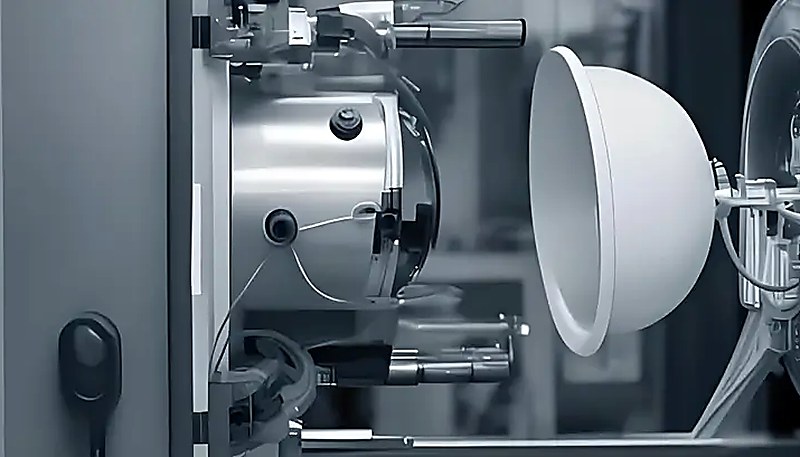
For buyers sourcing from China specifically, ensure your warranty is governed by a dispute resolution mechanism you can actually use. International arbitration clauses (SIAC3, HKIAC4) are preferable to local court jurisdiction for cross-border enforcement. Since 2013, our overseas business focus has meant structuring warranty terms with international customers in mind, including English-language contracts and arbitration-friendly terms.
Since 2013, we have focused on overseas business with 30+ English-speaking project managers ensuring warranty terms are clearly communicated and disputes are resolved quickly across time zones.
What Clauses Should You Negotiate Before Signing?
The warranty section of your supplier agreement is not a take-it-or-leave-it proposition. Here are the specific clauses worth negotiating, ranked by impact:
First, the definition of ‘defect.’ Insist on objective, measurable criteria — dimensional deviation from the approved drawing, surface finish SPI grade, and material test results — rather than subjective ‘quality acceptable’ language. Second, the response time clause. Your warranty should specify how quickly the supplier must acknowledge a claim (24–48 hours), provide an initial assessment (3–5 business days), and deliver a remedy (rework timeline or replacement shipment date).
"Documenting shot count at every production run strengthens your warranty position."True
True — shot count is the primary metric for mold life warranties. Without documented shot count logs, the supplier can argue the mold exceeded its guaranteed lifespan.
"If your contract says the supplier owns the mold, you can still move it to another supplier for warranty work."False
False — mold ownership determines who controls the tool. If the supplier owns the mold, you cannot move it without their consent. Always negotiate full ownership transfer upon final payment.
Third, the IP and mold ownership clause. This is the leverage clause. If you own the mold outright, you can move it to another supplier if warranty terms are not honored. If the supplier retains ownership, you are locked in. Always negotiate full mold ownership transfer upon final payment, with documented dimensional baseline data.
Fourth, the audit and inspection clause, which should include dimensional measurement requirements. Your warranty should grant you the right to inspect the mold at the supplier’s facility at reasonable intervals, particularly during maintenance windows. This prevents the supplier from making undocumented modifications that could affect part quality.
Why Does Documentation Matter for Warranty Enforcement?
The single strongest predictor of whether a warranty claim gets resolved in your favor is not the legal language — it is documentation. Every dimensional inspection report, every production log entry, every photograph of a defect builds your case.
Best practices for warranty documentation include: establishing a dimensional baseline with the supplier at first article inspection (FAI5), logging shot count at every production run, photographing any defect with scale reference and lighting that shows the issue, keeping all communication about part quality in written form (email, not phone calls), and requesting a mold condition report after every maintenance cycle.
With ISO 9001, ISO 13485, ISO 14001, and ISO 45001 certifications governing our operations, documentation is built into our standard workflow. Every mold we build comes with a comprehensive tooling report, and every production run generates traceable quality records that support warranty claims from either side.
Beyond individual claim documentation, establish a quality tracking system across all your production runs with the supplier. Track defect rates per batch, document any tooling modifications, and maintain a running log of dimensional measurements at regular shot count intervals. This cumulative data not only supports individual warranty claims but also helps you identify trends — such as gradual cavity wear — before they become critical defects that halt production.
Operating under ISO 9001, ISO 13485, ISO 14001, and ISO 45001, our 120+ production team generates full traceable quality records for every run — making warranty claim documentation straightforward.
For ongoing production relationships, schedule quarterly warranty review meetings with your supplier to discuss shot count status, any pending quality concerns, and upcoming maintenance windows. Proactive communication prevents most warranty disputes before they arise, and it signals to your supplier that you take quality standards seriously throughout the entire production lifecycle.
How Should You Handle Warranty Disputes?
Disputes are resolved through escalation: written claim, direct negotiation, joint inspection, then arbitration. Most claims settle at the negotiation stage with strong documentation.
Most disputes are resolved at the first level if your documentation is solid. If the supplier pushes back, escalate to their quality director or management. Request a joint inspection at the supplier’s facility. If you are working with an integrated manufacturer like ours, the advantage is that you can walk the production floor and examine the mold directly — there is no hidden subcontractor to chase.
If direct negotiation fails, your contract’s dispute resolution clause kicks in. Mediation is faster and cheaper than arbitration. Arbitration is faster and cheaper than litigation. The order of preference should be written into your agreement from day one.
Frequently Asked Questions
What is the standard warranty period for injection molds?
Most injection mold warranties cover 100,000 to 500,000 shots, though precision molds built with hardened steel can reach 1 million shots or more. The warranty typically covers dimensional accuracy, surface finish quality, and structural integrity of the mold cavity and core. However, wear items such as ejector pins, slides, lifters, and hot-runner components are almost always excluded from the base warranty coverage. Calendar-based warranties of 12 to 24 months are also common in the industry but are less precise than shot-count guarantees for high-volume production runs. Always clarify whether your warranty is measured in shots or calendar time and what specific components are included or excluded.
How many shots should a production mold be guaranteed for?
A standard production mold should be guaranteed for at least 200,000 to 500,000 shots depending on the part complexity, material, and mold steel grade. High-cavitation or multi-cavity molds used in packaging applications may warrant higher shot guarantees of 1 million or more. The key is matching the guarantee to your projected annual volume and ensuring the warranty explicitly specifies which resin the shot count is valid for. Glass-filled or abrasive materials like POM and nylon with 30 percent glass fiber can reduce mold life by 30 to 40 percent compared to unfilled polypropylene or HDPE.
Are sample parts covered under the same warranty as production parts?
No, sample parts and production parts should always have separate warranty terms because they serve entirely different purposes. Sample parts including T0 samples and prototype runs exist to validate design intent, material selection, and basic process parameters. Their warranty window is typically 7 to 30 days from delivery and covers dimensional accuracy against the approved drawing and visible cosmetic surface defects. Production warranties are longer, usually 6 to 12 months, and include defect rate thresholds such as 0.5 to 1 percent AQL, material certification requirements, and batch-to-batch consistency standards that do not apply to initial sample quantities.
What documentation do I need to file a warranty claim?
To file a strong warranty claim, you need several key documents: dimensional inspection reports from your first article inspection establishing the quality baseline, shot count logs recorded at every production run, photographs of any defects with a scale reference and proper lighting, all quality-related correspondence maintained in written form via email rather than verbal phone discussions, and mold condition reports requested after each maintenance cycle. The stronger and more complete your documentation package, the faster your claim will be resolved and the harder it becomes for a supplier to dispute a legitimate defect.
Can I negotiate mold ownership as part of the warranty terms?
Yes, mold ownership is one of the most critical terms you can negotiate and it directly impacts your warranty leverage. If you own the mold outright, you retain the right to move it to another supplier if warranty terms are not honored or if delivery timelines slip repeatedly. If the supplier retains ownership, you are locked into that relationship regardless of service quality. Always negotiate full ownership transfer upon final payment with documented dimensional baseline data and a signed mold transfer protocol specifying how and when the mold can be relocated.
What happens if my supplier denies a legitimate warranty claim?
If your supplier denies a legitimate warranty claim, start by escalating through direct negotiation with their quality director or senior management rather than your standard project manager contact. Request a formal joint inspection at the supplier facility to review the defect together. If direct negotiation fails, invoke the dispute resolution clause in your contract ideally mediation first as it is faster and less expensive, then binding arbitration through an internationally recognized body like SIAC or HKIAC. Having objective defect definitions, measurable acceptance criteria, and thorough documentation makes it significantly harder for a supplier to sustain an unjustified denial.
Do warranty terms differ between Chinese and European injection mold suppliers?
Yes, warranty terms and enforcement mechanisms differ notably between Chinese and European injection mold suppliers. Chinese suppliers typically offer 100,000 to 500,000 shot warranties on molds with significant negotiation room on terms and pricing. European suppliers may offer shorter expressed warranty periods but benefit from stronger implied warranty frameworks under EU consumer and commercial protection regulations. For international buyers, the critical factor is ensuring cross-border enforceability through international arbitration clauses in Singapore or Hong Kong, regardless of whether your supplier is based in Shenzhen, Stuttgart, or anywhere in between.
AQL: AQL refers to the maximum percentage of defective items considered acceptable during random inspection sampling of a production batch ↩
SPI: SPI refers to the Plastics Industry Association which defines surface finish standards for injection mold cavities graded from A-1 through D-3 ↩
SIAC: SIAC is an international arbitration institution based in Singapore that handles cross-border commercial dispute resolution ↩
HKIAC: HKIAC is an international arbitration institution based in Hong Kong providing neutral dispute resolution for cross-border manufacturing contracts ↩
FAI: FAI is a formal quality verification method used to confirm that a production process consistently produces parts conforming to design specifications ↩