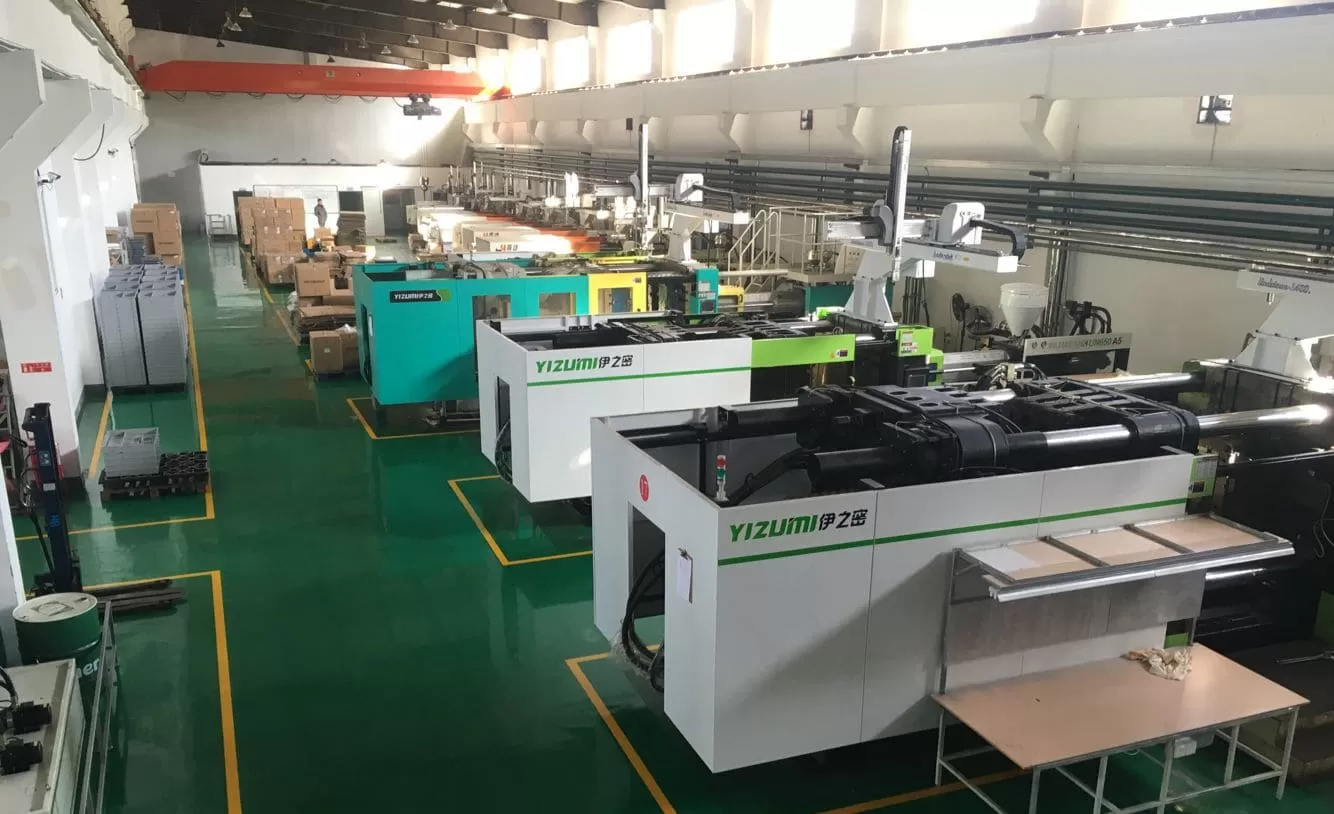
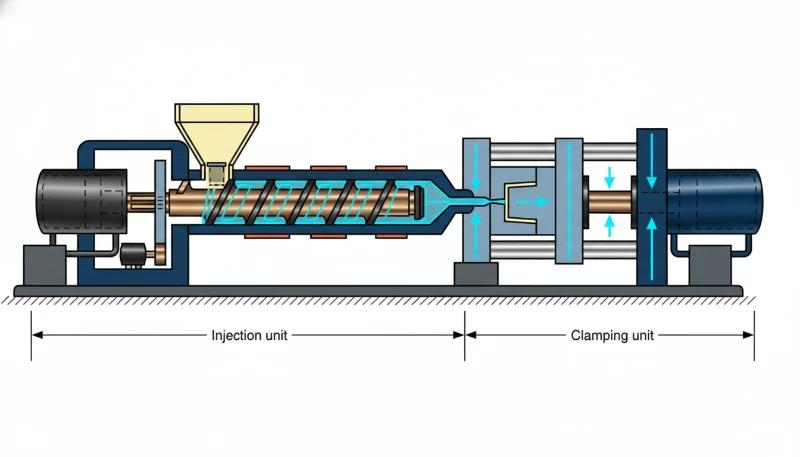
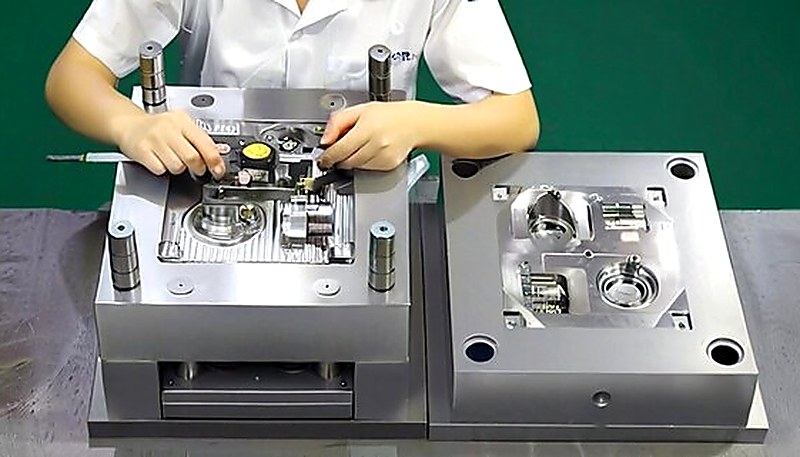
Buying injection molding parts from overseas suppliers can reduce tooling or production costs, but the quoted unit price is only one part of the landed cost. Customs delays, transit damage, and incomplete documentation can erase an apparent saving. This article covers the critical export-support questions every buyer should ask before signing a contract with an injection molding supplier.
- Confirm the required export documents before production starts
- Compare Incoterms by responsibility, risk transfer, and total landed cost
- Match quality-system and product compliance evidence to your market and application
- Verify your supplier's actual export track record, not just certifications
- Structured communication reduces costly tolerance misunderstandings
What Export Documentation Should Your Injection Molding Supplier Provide?
Your shipment will normally need a commercial invoice and packing list. Certificates of origin, safety data sheets, compliance declarations, and other records depend on the product, material, destination, and customs procedure.
The World Bank Logistics Performance Index1 treats customs efficiency and shipment reliability as core dimensions of trade logistics. Incomplete or inconsistent paperwork can delay clearance, especially when the buyer and supplier have not agreed on document responsibilities before shipment. Ask for a destination-specific document checklist during supplier evaluation, then have your customs broker confirm it before production is complete.
How Do Shipping Terms Affect Your Injection Mold Project Cost?
Shipping terms can shift substantial cost and risk in cross-border injection mold projects. Incoterms 2020 Rules2 allocate defined delivery obligations, costs, and risk transfer between seller and buyer. They do not replace the sales contract or cover every issue, so the quotation must also state the named place, transport scope, insurance, clearance, duties, taxes, and destination charges.
FOB (Free On Board) can suit buyers who want to appoint the freight forwarder and manage the main carriage for an injection mold shipment. It is not automatically the best choice: the transport mode, cargo type, destination, and buyer’s logistics capability all affect the decision.
Under FOB, cost and risk responsibilities change at the point defined by the rule; the contract should also identify the named port. DDP places more delivery obligations on the seller, but a buyer still needs to understand the quoted freight, duties, taxes, importer-of-record arrangement, and local clearance process. For smaller or urgent shipments, compare an express courier quotation with air and ocean options rather than choosing by unit freight rate alone.
Before shipment, ask the supplier to identify the named Incoterm location, the forwarder, the importer of record, the document owner, and the point where risk transfers. Those five details make competing logistics quotations easier to compare.
Why Does Packaging Compliance Matter for Exported Injection Molded Parts?
Poor packaging can turn an acceptable shipment into unusable parts or a corroded mold. Ocean routes expose cargo to handling, vibration, and changing temperature and humidity, so a plain cardboard package may not provide adequate corrosion or impact protection. Packaging is a specification to approve, not an assumption to leave with the supplier.
Packaging requirements vary by material, geometry, finish, cleanliness, traceability, transport route, and application. Parts vulnerable to scratches or deformation may need trays, separators, or custom inserts to prevent contact and uncontrolled loading. Optical, electronic, food-contact, and medical products may need additional cleanliness, electrostatic, labeling, or traceability controls derived from their actual requirements. Molds may need corrosion protection, restraints, moisture barriers, desiccant, and a suitable export crate. Ask the supplier to propose a packaging method for the specific cargo and receiving conditions, then approve it before shipment.
Packaging cost should be evaluated against the replacement value of the tool or parts, the corrosion and surface-damage risk, and the recovery time after a failed delivery. Specify the packaging method in the purchase order, require photos before the crate is closed, and agree on inspection and claim procedures. VCI materials, moisture barriers, desiccants, restraints, and shock indicators should be selected from the actual route and cargo risk rather than added as generic labels.
What Quality Certifications Should an Export-Ready Supplier Hold?
ISO 9001 provides a general quality-management framework, but it does not by itself establish product or market compliance. Depending on the application and supply-chain role, a buyer may need evidence related to ISO 13485 Medical Device Quality Management3, IATF 16949, recognized materials, food-contact rules, or another customer-specific requirement. Do not infer applicability from an industry label alone. Verify the certificate holder, standard and edition, certificate number, validity period, issuing body, and—most importantly—the certified scope. Then separately verify product registrations, test reports, and regulatory obligations for the destination market.
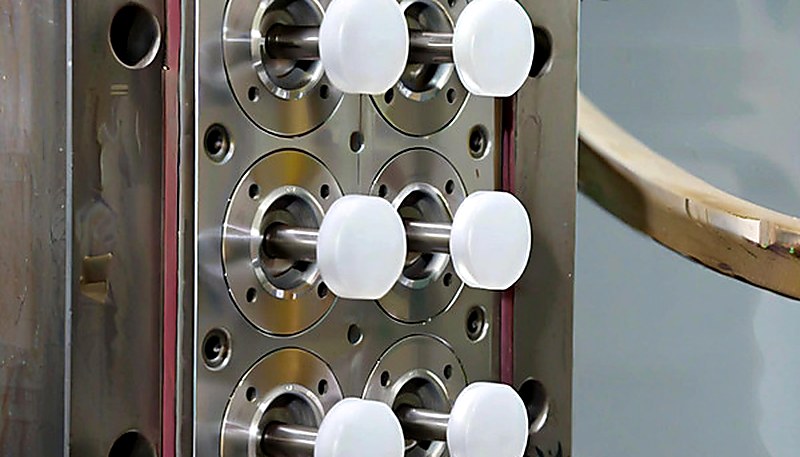
A supplier who exports regularly should be able to provide organized, current records for review. Our injection molding sourcing guide explains why supplier evaluation should verify that certifications and compliance evidence match the product requirements instead of merely collecting badge logos.
How Can Communication Barriers Impact Your Production?
Language barriers in manufacturing are not just about translation quality. Ambiguous requirements can result in the wrong material, misunderstood tolerances, or mismatched surface-finish expectations. Terms such as “mirror finish” or “high-temperature resistance” are not measurable specifications until the drawing or purchase order defines the required value, unit, test method, and acceptance condition.
The solution is structured communication. Use 3D CAD files in STEP or IGES format alongside controlled 2D drawings that define dimensions, tolerances, materials, finishes, and inspection criteria. Replace subjective terms with measurable requirements and identify which document controls if files conflict. Agree on a progress-report cadence and attach measurement data to approvals. A supplier’s project contact should be able to discuss technical details clearly and route unresolved questions to the responsible engineer before tooling or production proceeds.
When Should You Audit Your Supplier Export Capabilities?
Set the supplier-verification cadence from project and supply-chain risk. Before the first order, verify the legal entity, any required export or customs registration, the proposed production site, and redacted examples of comparable shipping records. For the first production run, define first-article and shipment-release inspections. Repeat audits may be scheduled periodically or triggered by a site, process, ownership, certification, or quality change.
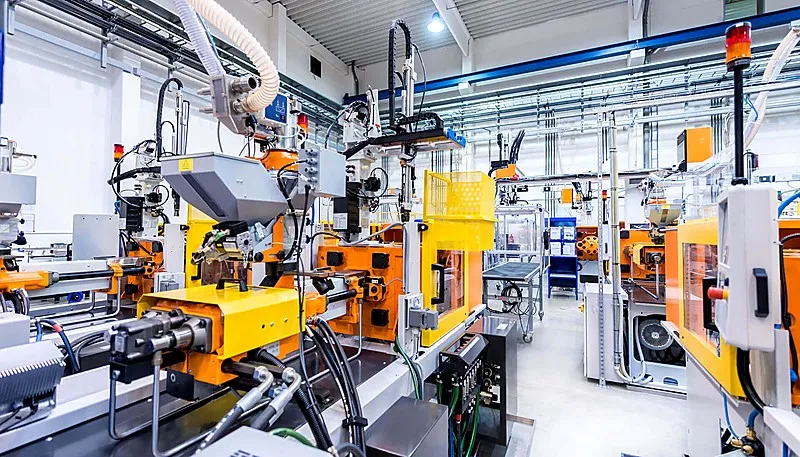
A supplier who cannot provide agreed evidence creates a verification gap. Record the missing item, assess its effect on quality or delivery risk, and close it before awarding the order. Price any third-party audit against its scope, location, inspector qualifications, and required tests rather than relying on a generic audit-cost estimate.
What After-Sales Support Does a Reliable Supplier Offer?
After-sales support is the range of services your supplier provides after delivery, including mold storage, maintenance, and reordering. These capabilities matter because the true cost of overseas manufacturing becomes clear after the first shipment arrives at your facility. A supplier who invests in robust after-sales infrastructure signals long-term partnership thinking rather than transactional selling. Evaluate these specific areas in depth: mold storage terms and conditions including duration and environmental controls, replacement part shipping speed measured in business days, engineering change accommodation fees, warranty coverage measured in production shots or calendar years, and whether repeat orders need a full quotation or just a simple purchase order email.
Strong after-sales support is visible in organized mold records, defined storage conditions, named service contacts, and written response targets for maintenance requests, replacement parts, and engineering changes. These operational details are more useful than a general promise of “lifetime support” because a buyer can verify them before placing the order and enforce them later.
Evaluating after-sales capabilities with the same rigor used for production quality makes those future costs and responsibilities visible before supplier selection.
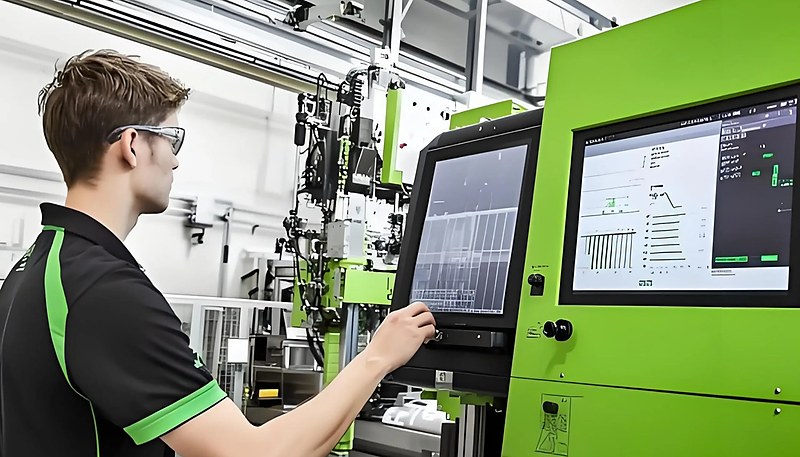
Do not assume that a supplier will store a mold indefinitely or without charge after production ends. Storage periods, fees, maintenance responsibilities, and disposition rights vary by contract. Document them before committing to a long-term manufacturing partnership.
Understanding storage terms upfront allows you to compare total cost of ownership across suppliers. The agreement should cover storage conditions, inspection frequency, preventive maintenance, ownership marking, insurance, retrieval lead time, fees, and what happens if the mold remains inactive.
Ask to see the proposed storage area and a sample maintenance record for a comparable mold. Evidence of the actual process is more useful than an unsupported storage promise.
ZetarMold's published company facts list 8 Expert Mold Engineers. For a specific project, confirm who will own mold maintenance, what work can be completed in-house, and the documented lead time for modifications or replacement components.
"FOB is automatically the best shipping term for every injection molding buyer."False
The appropriate Incoterm depends on the transport mode, named place, cargo, destination, and each party's logistics capability. Compare responsibilities, risk transfer, insurance, duties, taxes, and total landed cost before selecting a term.
"ISO 9001 certification alone guarantees that a supplier meets medical or automotive requirements."False
ISO 9001 is a general quality-management standard. Additional quality-system, product, customer, or regulatory requirements depend on the supplier's role, application, and destination market. Verify the exact certificate scope and the separate evidence required for the project.
Understanding these export fundamentals helps buyers compare total landed risk rather than chasing the lowest unit price. Ask the same questions of every prospective supplier—about documentation, shipping terms, packaging, certifications, communication, audit rights, and after-sales support—and require evidence for the answers. Unresolved gaps should be reflected in the supplier decision, contract, or inspection plan.
"Export-document requirements should be confirmed before production is complete."True
Correct. The required records depend on the product, material, destination, and customs procedure. Early confirmation gives the supplier and customs broker time to resolve missing or inconsistent information before dispatch.
"A supplier with a professional English website always has strong export capabilities."False
Website quality does not establish export capability. Verify experience through relevant shipping records, permitted references, named logistics responsibilities, and actual documentation samples rather than marketing materials.
What Are Common Questions About Injection Molding Export Support?
What documents should an injection molding supplier provide for export shipments?
An export shipment normally needs a commercial invoice and packing list. Other records—such as a certificate of origin, safety data sheet, compliance declaration, security filing data, automotive material submission, or medical-product evidence—depend on the goods, material, destination, buyer’s supply chain, and regulatory role. Confirm the checklist with the customs broker and responsible compliance specialist before production starts.
How do I verify a supplier export experience before placing an order?
Ask for redacted examples of recent shipping documents for comparable destinations, references you are permitted to contact, and evidence of any required customs registration. Request a live video walkthrough of the shipping and packaging area and ask the supplier to explain its standard process. Organized records and specific answers are stronger evidence than broad claims about years of export experience.
What is the best Incoterm for importing injection molded parts from China?
There is no single best Incoterm for every import. FOB may suit an ocean-freight buyer who wants to appoint the forwarder and manage the main carriage, while another term may better fit a different transport mode or an inexperienced importer. Compare quotations using the same named place and scope, including freight, insurance, clearance, duties, taxes, destination charges, and importer-of-record responsibilities.
Do I need to visit the factory before placing an order?
Whether an in-person visit is necessary depends on project risk and the evidence available by other means. A live video walkthrough can help verify the proposed machine, quality area, mold storage, and shipping operation. Independent on-site inspection may be appropriate when the buyer cannot verify critical evidence remotely. Agree on progress records, measurement data, approval points, and video reviews before placing the order.
How should injection molded parts be packaged for ocean freight?
Molds shipped by sea may need VCI (Vapor Corrosion Inhibitor) materials, a moisture barrier, desiccant, restraints, and a suitable export crate, depending on the tool material and route. Precision parts may need trays, separators, or custom inserts to prevent contact damage. Optical, electronic, food-contact, or medical parts need packaging derived from their cleanliness, electrostatic, traceability, and regulatory requirements. Specify the approved method in the purchase order and require packaging evidence before dispatch.
Can a small batch of molded parts be shipped by air freight?
Yes. Air freight or an express courier can be appropriate for prototypes, first-article samples, and urgent replacement components. Compare chargeable weight, dimensions, dangerous-goods restrictions, customs-clearance scope, promised transit window, and destination charges. The break-even point varies by route and shipment, so obtain current quotations instead of relying on a fixed weight or delivery-time rule.
What after-sales support should I expect from an injection molding supplier?
Expect written terms for mold maintenance and storage, replacement-part lead times, engineering changes, warranty limits, and repeat orders. Get the storage duration, environmental controls, inspection frequency, retrieval process, and any fees documented before committing. Also define response targets and escalation contacts so after-sales support can be measured rather than inferred from a general promise.
World Bank Logistics Performance Index: The World Bank Logistics Performance Index compares countries across customs, infrastructure, international shipments, logistics competence, tracking and tracing, and timeliness. ↩
Incoterms 2020 Rules: The International Chamber of Commerce publishes Incoterms 2020 rules defining selected delivery obligations, costs, and risk transfer between seller and buyer. ↩
ISO 13485 Medical Device Quality Management: ISO 13485:2016 specifies requirements for a quality management system used by organizations involved in one or more stages of the medical-device life cycle. Applicability depends on the supplier's role and applicable requirements. ↩