İçeriğe geç
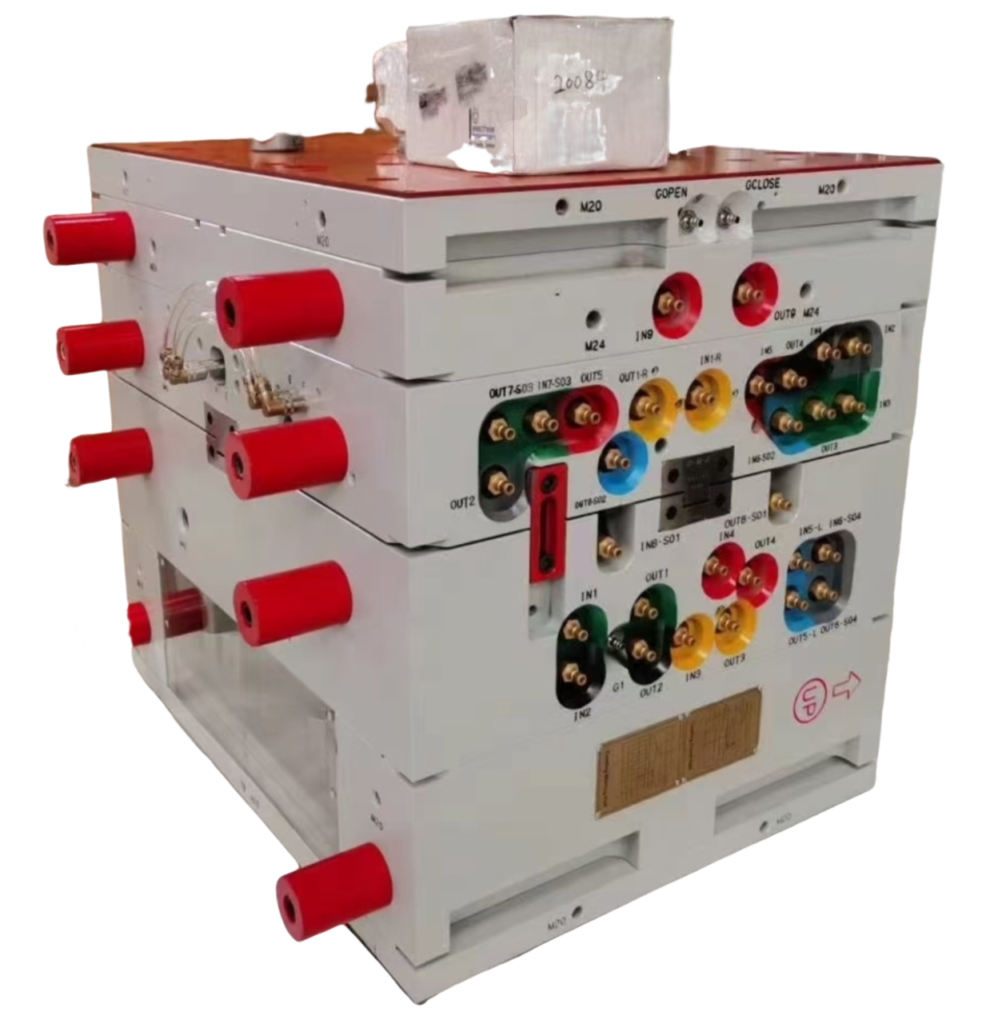
Her 10% araç ağırlığı azalması, elektrikli araç menzilini yaklaşık olarak artırabilir
– Advanced materials like glass-filled nylon and polycarbonate blends meet the unique thermal and structural demands of electric vehicles.
– From battery housings to interior trim, injection molding touches nearly every subsystem in a modern EV.
– ZetarMold’s two decades of mold-making experience translate into faster cycle times, tighter tolerances, and lower per-part costs for EV clients.
– Sustainable molding practices—recycled resins, energy-efficient machines—align with the green mission of electric mobility.
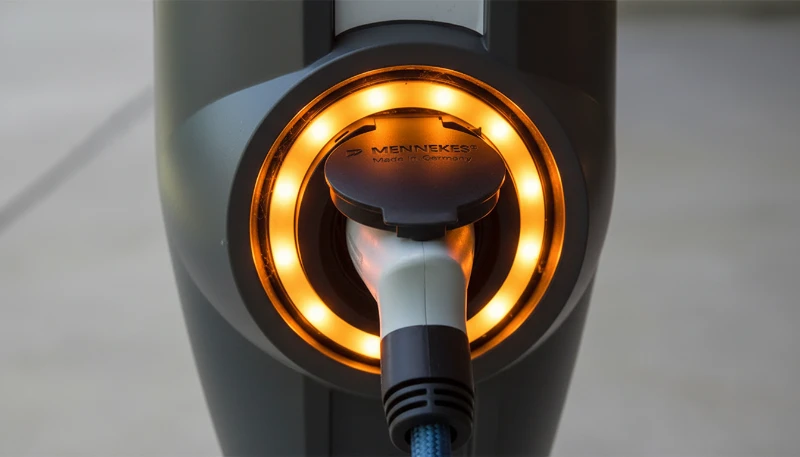
Why Is Injection Molding So Critical to the Electric Vehicle Revolution?
If you’ve been following the electric vehicle boom, you’ve probably heard a lot about batteries, motors, and charging infrastructure. But here’s what rarely makes the headlines: injection molding for electric vehicles is quietly powering the entire industry from behind the scenes.
At ZetarMold, we’ve spent over 20 years perfecting injection molding for demanding industries—and the EV sector has become one of our fastest-growing segments. I’ve personally watched our factory floor evolve from producing conventional automotive parts to crafting highly specialized EV components that need to survive extreme temperatures, vibrations, and safety requirements.
The reason is straightforward: electric vehicles demand lighter, stronger, and more precisely engineered plastic parts than traditional cars. Every gram saved extends range. Every tight tolerance protects a battery cell. And every dollar saved on tooling makes EVs more affordable for consumers. That’s where injection molding EV expertise becomes a genuine competitive advantage.
What Types of EV Components Can Injection Molding Produce?
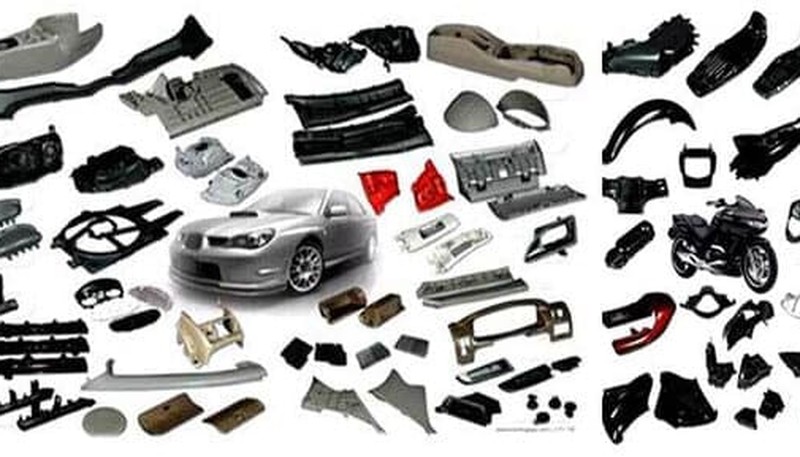
The short answer? Almost everything that isn’t metal structural framing or the battery cells themselves. Here’s a breakdown of the most common injection-molded EV components we produce at ZetarMold:
| Component Category | Typical Parts | Ortak Malzemeler | Key Requirements |
|---|---|---|---|
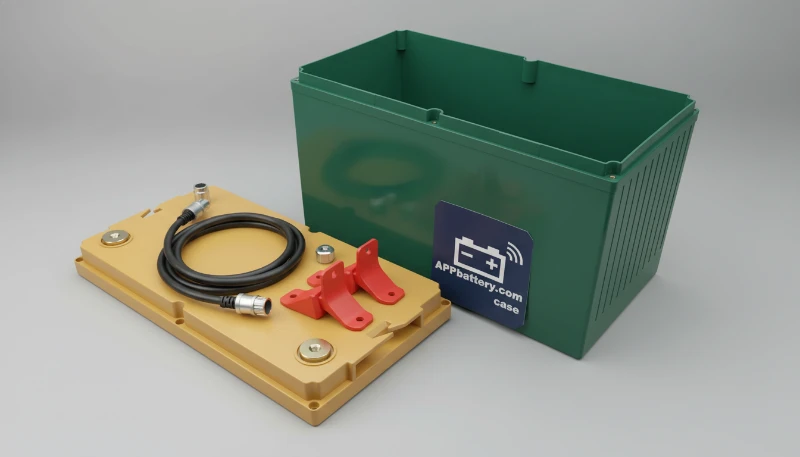
| Battery Systems | Battery housings, cell spacers, BMS (Battery Management System) enclosures | PA66-GF, PBT, PPO | Flame retardancy (UL94 V-0), dimensional stability |
| Powertrain | Motor housings, inverter covers, connector bodies | PPS, PA6-GF30, LCP | High-temp resistance (150°C+), EMI shielding |
| Interior & Exterior | Dashboard panels, door trims, charging port covers | ABS, PC/ABS, TPE | Surface finish (Class A), UV stability |
| Termal Yönetim | Coolant manifolds, HVAC housings, fan shrouds | PA66-GF, PPA, PP | Chemical resistance, warp control |
| Electrical Connectors | High-voltage connectors, sensor housings, relay boxes | PBT-GF, LCP, PA46 | CTI (Comparative Tracking Index) rating, creepage distance |
From my experience on the factory floor, battery-related parts are the most demanding. They require tight tolerance molding (often ±0.05 mm) and must pass rigorous flame-retardancy tests. We’ve invested in specialized hot-runner systems and in-mold pressure sensors specifically to meet these standards.
How Does Injection Molding Help EVs Achieve Better Range and Performance?
Weight reduction is the single biggest contribution injection molding makes to EV performance. Let me put some numbers behind it:
- Replacing a die-cast aluminum battery bracket with a glass-filled nylon version can save 40–60% of part weight.
- Every 10% reduction in vehicle weight can improve EV range by approximately "EV pil yuvaları, UL94 V-0 sertifikasyonunu karşılayan ve termal kaçak senaryolarına dayanabilen, özel alev geciktirici, yüksek sıcaklık mühendislik reçineleri (PA66-GF veya PPO gibi) gerektirir.".
- Plastic parts consolidate multiple metal components into a single molded piece, reducing assembly steps and potential failure points.
At ZetarMold, we recently helped an EV startup redesign their motor controller housing. The original aluminum version weighed 1.2 kg. Our PPS-GF40 molded replacement came in at 0.55 kg—a 54% weight saving—while meeting all thermal and structural requirements. That kind of result directly translates to more miles per charge.
Beyond weight, injection molding delivers design freedom that metal processes can’t match. We can integrate ribs, bosses, snap-fits, and cooling channels into a single part. This means fewer components, fewer fasteners, and faster assembly on the EV production line.
“Injection-molded plastic parts are always weaker than metal alternatives for EV applications.”Yanlış
Glass-fiber and carbon-fiber reinforced engineering plastics can match or exceed the structural requirements for many EV brackets, housings, and enclosures under rigorous OEM testing conditions.
“Modern engineering plastics (PPS, PA-GF, LCP) can match or exceed metal strength-to-weight ratios while adding benefits like corrosion resistance and electrical insulation.”Doğru
This principle is well-established in modern EV manufacturing, where injection molded engineering plastics consistently demonstrate performance comparable to metal alternatives in non-crash-critical applications.
What Materials Work Best for Injection Molding EV Parts?

Material selection is where injection molding EV projects succeed or fail. In our experience at ZetarMold, the right resin choice depends on three factors: operating temperature, mechanical load, and regulatory requirements.
Here are the materials we use most frequently for EV clients:
- PA66-GF30/GF50 (Glass-Filled Nylon): The workhorse for structural EV parts. Excellent strength, heat resistance up to 220°C (short-term), and good chemical resistance. We use it extensively for battery brackets and coolant manifolds.
- PPS (Polyphenylene Sulfide): Premium choice for under-hood and powertrain parts. Withstands continuous temperatures of 200°C+ and resists virtually all automotive fluids.
- PC/ABS Blends: Our go-to for interior components that need both impact resistance and a premium surface finish. Ideal for dashboard elements and charging interfaces.
- PBT-GF (Glass-Filled PBT): The standard for high-voltage electrical connectors. Offers excellent CTI1 ratings and dimensional stability critical for safe EV electrical systems.
- TPE/TPU: Used for seals, gaskets, and soft-touch surfaces. We often use overmolding to combine TPE with rigid substrates in a single production step.
One trend I’m seeing more of: clients asking about recycled and bio-based resins for non-critical EV parts. It aligns with the sustainability story of electric vehicles, and at ZetarMold, we’ve validated several recycled PA and PP grades that meet automotive specs.
What Are the Biggest Challenges of Injection Molding for Electric Vehicles?
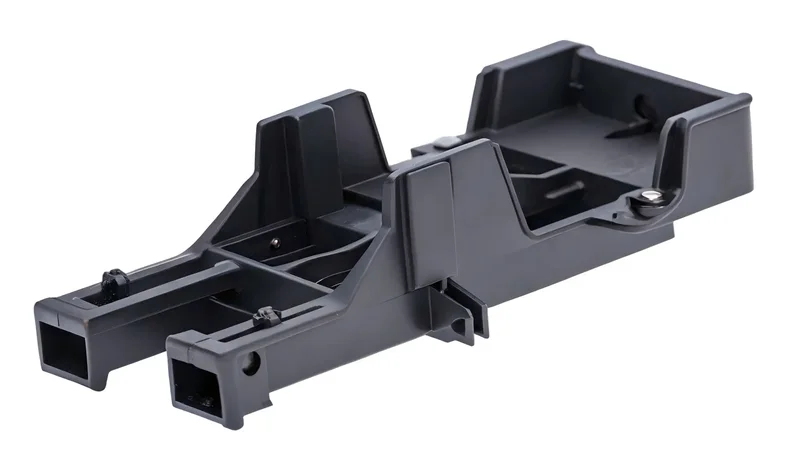
Let me be honest—injection molding for the EV industry isn’t easy. After producing hundreds of different EV part designs, here are the challenges I see most often:
1. Extreme Tolerance Requirements. Battery components often demand tolerances of ±0.03 to ±0.05 mm. This requires precision mold machining (which ZetarMold handles in-house with our CNC and EDM capabilities), optimized process parameters, and sometimes mold-flow simulation2 before cutting steel.
2. Flame Retardancy Compliance. Any plastic part near a battery pack — including BMS3 enclosures — must meet UL94 V-0 or equivalent standards. This limits material choices and sometimes affects surface finish and flow behavior during molding.
3. High-Temperature Performance. Parts near motors and inverters see sustained temperatures above 150°C. Not every engineering resin can handle this long-term without creep4 or degradation.
4. Part Consolidation Complexity. OEMs want fewer parts (to save assembly cost), which means larger, more complex molds with multiple actions, slides, and lifters. This increases mold cost and lead time.
5. Rapid Design Iteration. EV startups iterate fast. We’ve learned to use rapid tooling approaches—aluminum prototype molds, modular inserts—to keep pace without sacrificing quality.
“Standard consumer-grade plastics like general-purpose PP are suitable for EV battery housings.”Yanlış
EV battery housings face extreme thermal, mechanical, and electrical demands — general-purpose PP lacks the flame retardancy (UL94 V-0), heat resistance (150°C+), and dimensional stability required. Engineering resins like PA66-GF, PPO, or PBT-GF are necessary to meet automotive OEM and safety certification standards.
“EV battery housings require specialized flame-retardant, high-temperature engineering resins (like PA66-GF or PPO) that meet UL94 V-0 certification and can withstand thermal runaway scenarios.”Doğru
Mikro hücresel köpükleme yoluyla hafifletme:
How Does ZetarMold Approach Injection Molding for EV Clients?
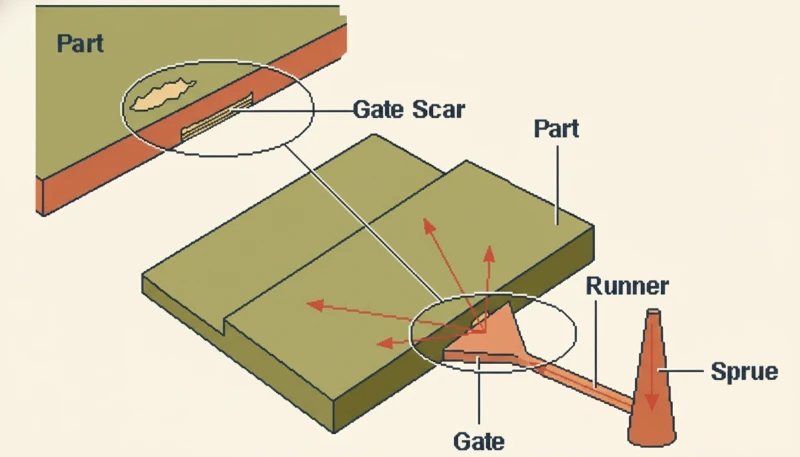
Having worked with EV companies ranging from Silicon Valley startups to established European OEMs, we’ve developed a streamlined process specifically for injection molding electric vehicle components:
Step 1 — DFM Analysis. Before any steel is cut, our engineering team reviews part designs for moldability. We check wall thickness uniformity, draft angles, gate locations, and potential warp issues. For EV parts, we also flag flame-retardancy and tolerance concerns early.
Step 2 — Mold Flow Simulation. We run Moldflow analysis to predict fill patterns, weld line locations, and shrinkage. This is especially critical for glass-filled materials common in EV parts, where fiber orientation affects strength and warpage.
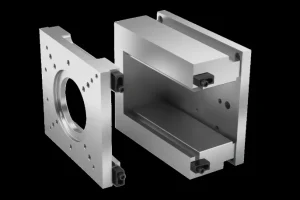
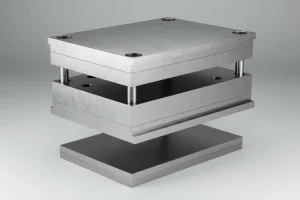
Step 3 — Precision Tooling. ZetarMold builds molds in-house using high-speed CNC, mirror EDM, and wire EDM. For EV projects, we typically use P20 or H13 steel with hardness of 48–52 HRC for long production runs.
Step 4 — Scientific Molding. We use a data-driven approach to process development: cavity pressure monitoring, DOE5-based optimization, and CPK validation. This ensures every shot is consistent—critical when you’re molding thousands of battery spacers that must be dimensionally identical.
Step 5 — Quality & Certification. We support PPAP, IATF 16949 documentation, and full material traceability. For high-voltage connector parts, we also coordinate CTI testing and UL certification with accredited labs.
How Does Injection Molding Compare to Other Manufacturing Methods for EV Parts?

EV manufacturers often ask us whether injection molding is the right choice versus alternatives like die casting, 3D printing, or compression molding. Here’s how they stack up:
| Faktör | Enjeksiyon Kalıplama | Die Casting (Aluminum) | 3D Baskı | Sıkıştırma Kalıplama |
|---|---|---|---|---|
| Unit Cost (High Volume) | ★★★★★ Very Low | ★★★ Moderate | ★ Very High | ★★★ Moderate |
| Parça Karmaşıklığı | ★★★★★ Excellent | ★★★ Good | ★★★★★ Excellent | ★★ Limited |
| Çevrim Süresi | 15–60 sec | 30–120 sec | Hours per part | 60–300 sec |
| Ağırlık | Lightest (plastics) | Heavier (metal) | Light (varies) | Orta düzeyde |
| Kalıp Maliyeti | $5K–$100K+ | $20K–$200K+ | No tooling | $10K–$80K |
| Best For EV | Housings, connectors, interior | Structural, heat sinks | Prototipleme | Large flat panels |
The sweet spot for injection molding EV applications is medium-to-high volume production of complex, lightweight parts. Once you’re past a few thousand units, the per-part economics of injection molding are essentially unbeatable.
What Trends Are Shaping the Future of Injection Molding in the EV Industry?

From what I’m seeing at ZetarMold and across the industry, several trends are accelerating:
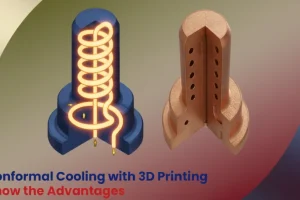
- Integrated smart molds: Sensors embedded in the mold cavity provide real-time pressure and temperature data, enabling closed-loop process control. We’ve implemented this on several high-volume EV connector projects.
- Multi-material molding: Two-shot molding and overmolding let us combine rigid and flexible materials, or conductive and insulating resins, in a single cycle. This is huge for EV electrical components.
- Lightweighting via microcellular foaming: Anahtar Çıkarımlar– Enjeksiyon kalıplama, EV üreticilerinin hafif, yüksek hassasiyetli bileşenleri seri üretimle üretmesini sağlayarak menzil ve performansı doğrudan iyileştirir.– Cam dolgulu naylon ve polikarbonat karışımları gibi gelişmiş malzemeler, elektrikli araçların benzersiz termal ve yapısal gereksinimlerini karşılar.– Batarya yuvalarından iç döşeme trimlerine kadar, enjeksiyon kalıplama neredeyse her alt sistemde yer alır…
- Sustainable materials: Recycled carbon-fiber-reinforced resins and bio-based PA grades are entering automotive qualification. We expect these to become standard for non-safety-critical EV parts within 3–5 years.
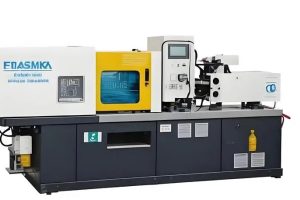
- Gigacasting competition: Tesla’s gigacasting approach has pushed injection molders to offer larger, more consolidated parts. We’re investing in larger tonnage machines (up to 1,600 tons) to meet this demand.
SSS
What is injection molding’s role in electric vehicle manufacturing?
Injection molding produces lightweight, high-precision plastic components for EVs—including battery housings, electrical connectors, interior panels, and thermal management parts. It enables mass production with consistent quality and lower per-part costs compared to metal fabrication.
Which plastics are most commonly used for injection molding EV parts?
The most common are glass-filled nylon (PA66-GF), PPS for high-temperature applications, PC/ABS blends for interior components, and PBT-GF for electrical connectors. Material choice depends on thermal, mechanical, and regulatory requirements specific to each component.
How does injection molding improve EV battery safety?
Injection-molded battery components use flame-retardant resins (UL94 V-0 rated) that can withstand thermal runaway events. Precision molding ensures tight tolerances for cell spacers and housings, maintaining proper electrical isolation and structural integrity under crash and vibration loads.
Can injection molding handle the high-volume demands of EV production?
Absolutely. Injection molding is one of the most scalable manufacturing processes available. A single mold can produce millions of parts with cycle times as short as 15–30 seconds. At ZetarMold, we regularly support EV programs requiring 500K+ parts annually per SKU.
How does ZetarMold ensure quality for EV injection molding projects?
We use scientific molding principles with cavity pressure monitoring, run DOE-based process optimization, and validate every project with CPK studies. Our quality system supports IATF 16949 documentation, PPAP submissions, and full material traceability from resin lot to finished part.
What is the typical lead time for an EV injection mold?
For production-grade steel molds, typical lead time at ZetarMold is 4–8 weeks depending on complexity. For prototype validation, we offer aluminum rapid tooling in as little as 2–3 weeks, allowing EV clients to test parts before committing to production tooling.
Özet

Injection molding is not just a supporting technology for electric vehicles—it’s a foundational manufacturing process that directly impacts EV range, safety, cost, and time-to-market. From battery housings molded in flame-retardant nylon to precision high-voltage connectors in PBT, the plastic parts inside every EV are a testament to advanced molding expertise.
At ZetarMold, we bring over 20 years of mold-making and injection molding experience to every EV project. Our in-house tooling, scientific molding approach, and deep material knowledge help EV manufacturers move from concept to mass production faster and more cost-effectively.
Whether you’re an established automaker scaling up EV production or a startup bringing your first electric vehicle to market, ZetarMold is ready to be your injection molding partner. Get in touch to discuss your next EV project.
-
CTI (Comparative Tracking Index): A measure of a material’s resistance to electrical tracking (surface arcing), critical for high-voltage EV connectors. Higher CTI values indicate better insulation performance. ↩
-
Mold Flow Simulation: Computer analysis (e.g., Autodesk Moldflow) that predicts how molten plastic fills a mold cavity, helping optimize gate location, wall thickness, and cooling to prevent defects. ↩
-
BMS (Battery Management System): The electronic system that monitors and manages a rechargeable battery pack, controlling charging, discharging, and cell balancing. ↩
-
Creep: The tendency of a plastic material to slowly deform under sustained mechanical stress, especially at elevated temperatures. A critical factor for load-bearing EV components. ↩
-
DOE (Design of Experiments): A systematic statistical method for determining the relationship between process variables (temperature, pressure, speed) and output quality, used to optimize injection molding parameters. ↩



 TR
TR  EN
EN  ES
ES  FR
FR  DE
DE  PT
PT  AR
AR  RU
RU  JA
JA  KO
KO  IT
IT  NL
NL  PL
PL