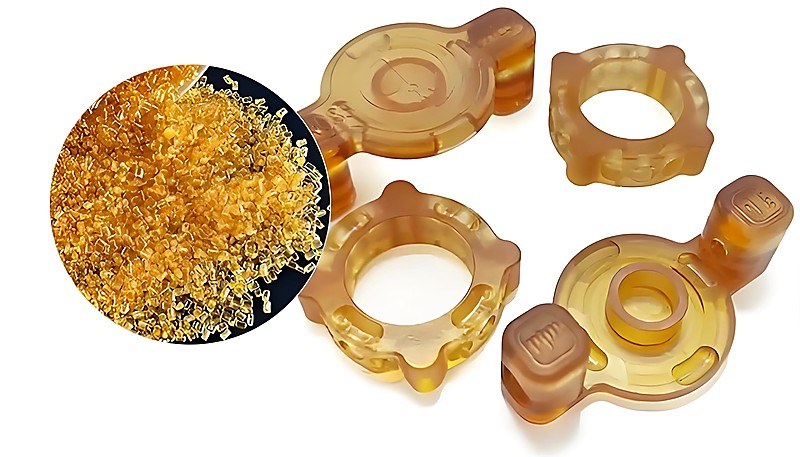
PVDF1 enjeksiyon kalıplama, yüksek performanslı polimer kimyası ile hassas imalatın kesişimindedir. Buradaysanız muhtemelen agresif kimyasallara, aşırı sıcaklıklara veya her ikisine dayanacak parçalara ihtiyacınız vardır; PP ya da PE gibi sıradan polimerler yeterli olmaz. Bu kılavuzda PVDF kalıplamada gerçekten önemli olan her şeyi ele alacağım: eriyik sıcaklıkları, kalıp tasarımındaki tuzaklar, kurutma gereklilikleri ve benim de ilk zamanlarımda yaptığım mühendislik hataları.
- PVDF 200–270°C arasında erir; kalıp sıcaklığı 50–95°C olmalıdır
- PVDF granüllerini kalıplamadan önce daima 120–150°C'de 2–4 saat ön kurutun
- Sertleştirilmiş veya Hastelloy kovanlar kullanın; floropolimerler standart çeliği aşındırır
- PVDF yaklaşık %50–60 kristaldir; kalıp sıcaklığı parça dayanımını doğrudan etkiler
- Çekme 2–3% düzeyindedir; çoğu mühendislik termoplastiğinden yüksektir
PVDF Nedir ve Enjeksiyon Kalıplamada Neden Önemlidir?
PVDF’nin ne olduğu ve enjeksiyon kalıplamada neden önemli olduğu, bu bölümde açıklanan işlev, kısıtlar ve ödünleşimlerle tanımlanır. PVDF, standart plastiklerle PTFE2[^5] gibi yüksek performanslı polimerler arasındaki boşluğu dolduran yarı kristalin bir floropolimerdir.[^1] Yaklaşık %50–60 kristal yapısı, PTFE’nin aşırı işleme sıcaklıklarını gerektirmeden etkileyici mekanik dayanım ve kimyasal direnç sağlar.
PVDF’yi enjeksiyon kalıplamada farklı kılan dengeli özellikleridir: nispeten erişilebilir sıcaklıklarda (190–280°C) işlenir, neredeyse tüm yaygın çözücü ve asitlere dayanır ve diğer polimerlerdeki UV dirençli katkıların ancak ulaşabildiği doğal UV kararlılığına sahiptir. Bu nedenle PVDF parçalar kimyasal işleme vanalarında, yarı iletken wafer taşıyıcılarında, fotovoltaik arka tabakalarda ve tıbbi hortum bağlantılarında kullanılır.[^1]
Fabrikamızda kimyasal pompa bileşenleri ve batarya muhafazası elemanları için PVDF’yi 90T–500T makinelerde işledik. Kendine özgü yönlerini anladığınızda malzeme iyi işlenir; ancak onu sıradan bir mühendislik termoplastiği sananlar hazırlıksız yakalanır. Tedarikçileri karşılaştırıyor veya satın alma planlıyorsanız enjeksiyon kalıplama tedarikçisi bulma kılavuzumuz RFQ hazırlığı, yeterlilik ve ticari risk kontrollerini kapsar.
Optimum PVDF Enjeksiyon Kalıplama Sıcaklıkları Nelerdir?
PVDF kalıplamanın başarısını sıcaklık kontrolü belirler. Her seferinde kullandığım dağılım şöyledir: Eriyik Sıcaklığı: 200–270°C. Çoğu kalite 230–250°C’de en iyi sonucu verir. 280°C’nin üzerine çıkıldığında termal bozunma riski doğar; PVDF aşındırıcı ve tehlikeli hidrojen florür gazı salmaya başlar. 190°C’nin altında ise eriyik viskozitesi boşluğun doğru dolması için fazla yüksektir. Kovan Sıcaklık Profili (arkadan memeye): Arka bölge 200–220°C; orta bölge 220–240°C; ön bölge 240–260°C; meme 240–260°C.
Kalıp Sıcaklığı: 50–95°C. Daha yüksek kalıp sıcaklıkları (80–95°C) kristalleşmeyi destekleyerek daha iyi kimyasal direnç ve mekanik dayanım sağlar. Daha düşük sıcaklıklar çevrim süresini kısaltır ancak kristallik3 düzeyini azaltıp parçayı zayıflatır.
Kimyasal işleme uygulamalarında her zaman üst sınıra yönelin. Zor yoldan öğrendiğim bir nokta şudur: PVDF’nin ısıl kararlılık aralığı göründüğünden daha dardır. 20–30°C aşımda bile kabul edilebilir parçalar alınabilen PP veya PC’nin aksine PVDF, 280°C eşiği geçildiğinde hızla bozunur. Alarmlarınızı 275°C’ye ayarlayın ve bunları ciddiye alın.
PVDF Enjeksiyon Kalıplamadan Önce Nasıl Kurutulur?
PVDF, naylon veya PC’den daha az nem emer; su emme oranı genellikle %0,04’ün altındadır, ancak yine de ön kurutma gerekir. Çünkü PVDF işleme sıcaklıklarında eser nem bile hidrolize ve yüzeyde gümüşlenme izlerine yol açabilir. Kurutma Parametreleri: sıcaklık 120–150°C; süre 2–4 saat; çiy noktası −30°C veya daha düşük; ekipman desikantlı kurutucu (sıcak hava kurutucuları gereken çiy noktasına ulaşamaz).
Mühendislerin PVDF kurutmasını, “bu bir floropolimerdir, su emmez” diyerek atladıklarını gördüm. Emilimin asgari düzeyde olduğu doğrudur. Ancak bu adımı atlamanın yol açtığı gümüş izleri, mekanik özelliklerde azalma ve ara sıra kabarcıklanma, kazandığınız 2 saate değmez. Kurutucuyu çalıştırın.
Kurutmadan sonra hazneyi kapalı tutun veya kuru durumu korumak için bir hazne kurutucusu kullanın. PVDF nemi yavaşça yeniden emer ancak nemli ortamlarda (yazın Şanghay fabrikamızda olduğu gibi) birkaç saatlik maruziyet bile çalışmanızı boşa çıkarabilir.
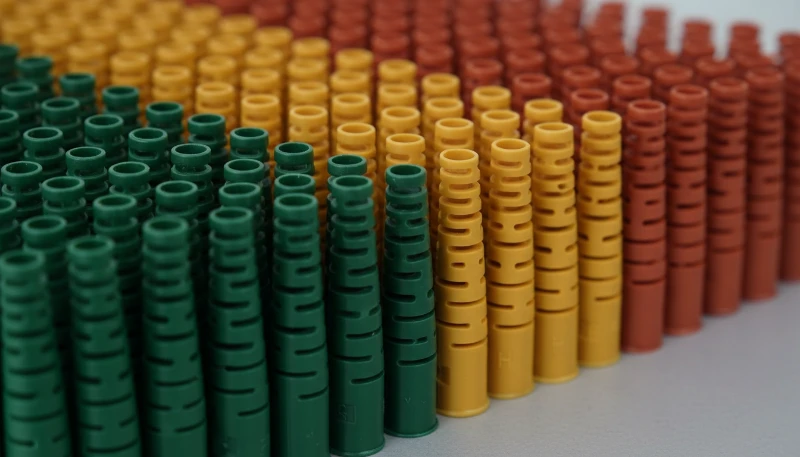
PVDF İçin Hangi Kalıp Tasarımı Hususları Geçerlidir?
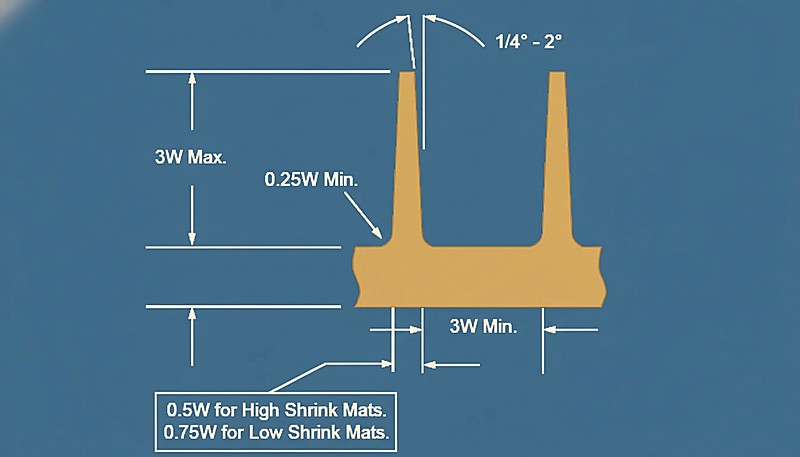
PVDF kalıp tasarımı, cidar kalınlığının %60–70’i büyüklüğünde yolluk girişleri, 1–2° çıkış açıları ve korozyona dayanıklı takım çeliği gerektirir. Standart mühendislik termoplastiklerinden üç alanda ayrılır. Yolluk Girişi Tasarımı: PVDF işleme sıcaklıklarında görece düşük eriyik viskozitesine sahiptir. Bu çoğunlukla avantajdır ancak küçük girişlerden püskürmeye yatkınlık yaratır. Geniş kesitli tırnak, yelpaze veya kenar girişleri kullanın; kalın cidarlı parçalarda nokta girişten kaçının. Püskürme olmadan düzgün dolum için başlangıçta giriş kalınlığını nominal cidar kalınlığının %60–70’i olarak alın.
Yolluk Sistemi: Soğuk yolluklar çoğu PVDF uygulamasında iyi çalışır. Tam yuvarlak veya trapez kesitler basınç düşüşünü ve malzeme israfını azalttığı için tercih edilir. Çok gözlü kalıplarda dengeli H düzeni tüm gözlerin eşit dolmasını sağlar; PVDF’nin nispeten dar işleme penceresi nedeniyle bu özellikle önemlidir.
Sıcak yolluklar kullanılabilir ancak dikkatli sıcaklık kontrolü gerektirir — PVDF’nin 280°C’nin üzerinde kalabileceği herhangi bir ölü nokta bozunmaya ve aşındırıcı yan ürünlerin oluşmasına yol açar. Çoğu üretim çalışmasında tam yuvarlak profilli (minimum 6mm çap) soğuk yolluklar, daha düşük bakım yüküyle güvenilir performans sağlar. Sıcak yolluk kullanacaksanız ayrı bölge sıcaklık kontrolüne sahip sistemleri seçin ve ölü noktalar oluşturan keskin dirsekli manifold tasarımlarından kaçının.
Çıkış Açıları ve Çekme: PVDF akış yönünde %2–3, akışa dik yönde biraz daha fazla çeker. Bu PA, PC veya POM’dan yüksektir. Her tarafta en az 1–2°, derin çekişlerde daha fazla çıkış açısı gerekir. PVDF çekmesini küçümsemek gördüğüm en yaygın ve kalıp kesildikten sonra düzeltilmesi pahalı kalıp tasarımı hatasıdır. Üretim takımına geçmeden önce gerçek çekmeyi deneme baskısıyla doğrulayın. Kalıp tasarımı ilkelerini ayrıntılı incelemek için enjeksiyon kalıbı kılavuzumuza bakın.
PVDF İçin En Uygun Enjeksiyon Hızı ve Basınç Ayarları Nelerdir?
PVDF için 70–120 MPa’da orta-yüksek enjeksiyon hızları, ince cidarlı parçalarda profilli dolum kullanın. Enjeksiyon Hızı: orta-yüksek. Düşük viskozite hızlı doluma imkân verir, ancak ince kesitlerde kayma kaynaklı bozunmaya dikkat edin. Cidar kalınlığı 1,5 mm’nin altındaysa başta hızlı, sonda yavaş profilli hız yanma veya püskürme riskini azaltır. Enjeksiyon Basıncı: geometriye göre 70–120 MPa (10.000–17.500 psi); ince cidarlı ve çok gözlü kalıplar üst sınıra yaklaşır.
Tutma Basıncı: enjeksiyon basıncının %40–60’ı; cidar kalınlığına göre 3–8 saniye uygulanır. PVDF’nin hızlı kristalleşmesi, düşük kalıp sıcaklıklarında girişin nispeten çabuk donmasına neden olur.
Geri Basınç: 0,5–1,5 MPa. Eriyik rengini ve kıvamını eşitleyecek kadar yüksek, çevrimi uzatmayacak ve aşırı kayma ısısı üretmeyecek kadar düşük olmalıdır. Vida Hızı: 40–80 rpm; aşırı hız gerekmez, aşırı ısınmayı önlemek için orta düzeyde tutun. İzlenecek temel ölçüt yastıktır: sürekli 3–5 mm hedefleyin. PVDF’nin eriyik sıkıştırılabilirliği poliolefinlerden farklıdır; kararlı yastık, vidanın doğru toparlandığını ve gözün aşırı ya da yetersiz paketlenmediğini gösterir.
Yaygın PVDF Enjeksiyon Kalıplama Kusurları Nelerdir ve Nasıl Giderilir?
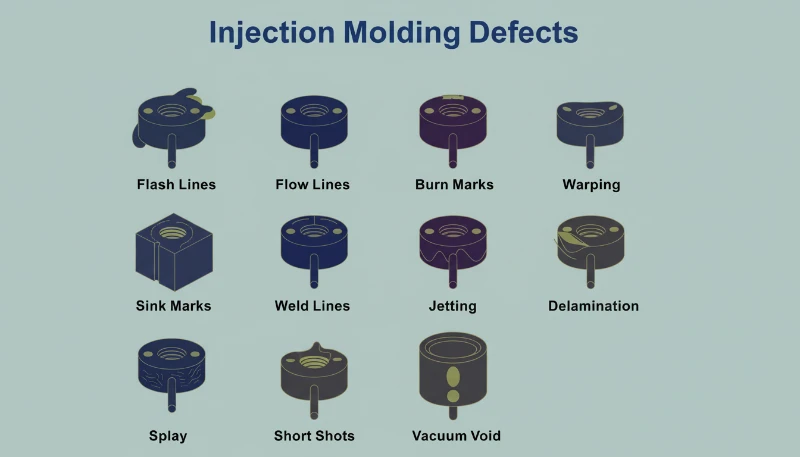
En yaygın PVDF kalıplama kusurları nemden kaynaklanan gümüş çizgiler, termal renk değişimi ve kalın kesitlerde çekme boşluklarıdır. Gümüş Çizgiler/Gümüşlenme: bir numaralı PVDF kusurudur ve hemen her zaman artık nemden doğar. Kurutucu sıcaklığı ile çiy noktasını ve hazne contasını kontrol edin; değerler doğruysa malzeme kirlenmesine bakın, çünkü az miktarda PVDF dışı granül bile nem taşıyabilir. Renk Değişimi (Sararma veya Kahverengileşme): termal bozunmadır. Özellikle meme bölgesinde kovanın 275°C üzerine çıkmadığını ve vida toparlanma süresini kontrol edin; uzun bekleme PVDF’yi hızla bozar.
Renk Değişimi (Sararma veya Kahverengileşme): Termal bozunmadır. Özellikle meme bölgesinde kovan sıcaklığının 275°C’nin üzerine sürüklenmediğini kontrol edin. Vida toparlanma süresini de doğrulayın; uzun bekleme süresi PVDF’yi hızla bozar.
Büyük bir makinede küçük atış yapıyorsanız bekleme süresini azaltmak için daha küçük kovana geçin. Çekme Boşlukları ve Çökme İzleri: PVDF’nin %2–3 çekmesi bunları kalın kesitlerde yaygınlaştırır. Tutma basıncını veya süresini artırın, eşit kristalleşme için kalıp sıcaklığını yükseltin ya da kalın kesitleri boşaltarak yeniden tasarlayın. Püskürme: düşük viskoziteli PVDF’nin küçük girişten püskürmesidir; girişi büyütün, tırnak/yelpaze giriş ekleyin veya ilk enjeksiyon hızını düşürün. Enjeksiyon kalıplama kusurları ve süreç optimizasyonu hakkında kapsamlı kılavuzumuza bakın.
"Daha yüksek kalıp sıcaklıkları (80–95°C), kimyasal direnci daha iyi ve daha dayanıklı PVDF parçalar üretir."True
PVDF yaklaşık –60 kristal yapıdadır ve daha yüksek kalıp sıcaklıkları, soğuma sırasında daha tam bir kristalleşmeyi teşvik ederek, bitmiş parçada gelişmiş kimyasal direnç, çekme mukavemeti ve boyutsal stabilite sağlar.
"PVDF, herhangi bir değişiklik yapılmadan polipropilen için kullanılan aynı standart kovan ve vida ile işlenebilir."False
PVDF işleme, zamanla standart nitrürlenmiş namluları aşındıracak eser miktarda hidrojen florür üretir. Tutarlı üretim kalitesi ve kabul edilebilir ekipman ömrü için bimetalik veya Hastelloy kaplı namlular gereklidir.
Ekipman seçimi ve malzeme taşıma, PVDF’nin standart mühendislik termoplastiklerinden önemli ölçüde ayrıldığı iki alandır. Yalnızca korozyon sorunu bile birçok atölyeyi hazırlıksız yakalar — polipropilen işleyerek yıllarca dayanan bir namlu, PVDF üretiminden sadece birkaç ay sonra çukurlaşma gösterebilir. Bu nedenle, bir üretim serisine başlamadan önce, kurutucu seçiminden namlu metalurjisine kadar PVDF işleme gereksinimlerinin tam resmini anlamak esastır. Yeniden donatılmış ekipmanın veya reddedilen parçaların maliyeti, baştan doğru kurulum maliyetini çok aşar.
"PVDF öğütülmüş malzeme, mekanik özellikleri önemli ölçüde etkilemeden besleme akışında 15–20% oranında güvenle kullanılabilir."True
–20 geri dönüşüm oranında, PVDF kabul edilebilir mekanik özellikleri ve renk tutarlılığını korur. Ancak, 'nin üzerindeki oranlar parça mukavemetini giderek azaltır ve renk bozulması riskini artırır; bozulmuş veya renk değiştirmiş malzeme asla geri dönüştürülmemelidir.
"PVDF enjeksiyon kalıplama, ABS veya polikarbonat parçalarla aynı çekme payını gerektirir."False
PVDF %2–3 oranında büzülür; bu, ABS'nin %0,4–0,7 veya PC'nin %0,5–0,7 büzülmesinden önemli ölçüde yüksektir. Kalıp tasarımı, baştan itibaren bu yüksek büzülmeyi, özellikle kimyasal işleme uygulamalarındaki dar toleranslı parçalar için hesaba katmalıdır.
PVDF Enjeksiyon Kalıplama İçin Hangi Ekipmanlara İhtiyacınız Var?
PVDF enjeksiyon kalıplama için temel ekipman, bimetalik veya Hastelloy astarlı kovanlar ile sertleştirilmiş, korozyona dayanıklı meme uçlarıdır. Kovan ve Vida Malzemesi: kritik önemdedir. Özellikle üst sıcaklıklarda PVDF işlenirken eser hidrojen florür oluşur ve standart nitrürlenmiş kovanlar zamanla çukurlaşıp aşınır. Xaloy veya eşdeğer astarlı bimetalik kovanlar kullanın; uzun üretimlerde Hastelloy[^2] vida kanatlarını değerlendirin. Kısa PVDF üretimlerinde sertleştirilmiş takım çeliği (H13 eşdeğeri) çalışabilir, ancak kovan ömrü daha kısa olur.
Şanghay fabrikamızda, 47 enjeksiyon kalıplama makinesi (90T–1850T) çalıştırıyoruz ve kendi içimizde kalıp üretim tesisimiz bulunuyor. 8 kıdemli mühendisimiz, PVDF gibi floropolimerleri işlemede derin bir deneyime sahiptir — uygun namlu malzemesi seçimi, korozyona dayanıklı takım tezgahları ve kimyasal sınıf parçalar için gereken kristalleşme kontrolü dahil.
**Kapama Kuvveti:**PVDF olağanüstü yüksek kapama kuvveti gerektirmez. Genel kural olarak iz düşüm alanının her inç karesi için 3–5 tons yeterlidir. Çoğu PVDF parçasında (kimyasal bağlantı elemanları, valf gövdeleri, akü bileşenleri) 90T–500T aralığındaki makineler işi karşılar.
PVDF Enjeksiyon Kalıplı Parçaların Başlıca Uygulamaları Nelerdir?
PVDF enjeksiyon kalıplı parçalar başlıca kimyasal işleme, yarı iletken, batarya, medikal ve petrol-gaz sektörlerinde kullanılır. Kimyasal İşleme: vana gövdeleri, pompa muhafazaları, boru bağlantıları ve filtre muhafazaları. PVDF yüksek sıcaklıklarda hidroklorik asit, sülfürik asit, klor ve çoğu organik çözücüye direnir. Bu parçalar, aşınacak metal bileşenlerin veya işlenmesi 5–10 kat pahalı paslanmaz çeliğin yerini alır.[^3]
Fotovoltaik Sektörü: arka tabaka filmleri ve bağlantı kutusu bileşenleri. PVDF’nin UV direnci ve hava koşullarına dayanımı, dış ortam maruziyet testlerinde 30 yılı aşar.
Batarya Sektörü: lityum iyon bataryalar için bağlayıcı malzemeler ve ayırıcı kaplamalar; küresel enerji dönüşümüyle PVDF’nin en hızlı büyüyen kullanım alanıdır. Medikal ve Farmasötik: hortum bağlantıları, filtre muhafazaları ve biyoproses ekipmanı; biyouyumluluk ve sterilize edilebilirlik (otoklav, gama ışını) ISO 13485 tıbbi cihaz uygulamalarını mümkün kılar. Petrol ve Gaz: uzun kullanımda H₂S ve tuzlu suya dayanması gereken astar bileşenleri, kablo yalıtımı ve kuyu içi takım parçaları.
PVDF, Enjeksiyon Kalıplamada Diğer Floropolimerlerle Nasıl Karşılaştırılır?
PVDF genellikle PTFE[^5], FEP, PFA ve ETFE ile karşılaştırılır — ancak işlenebilirlik açısından farklar önemlidir:
| Mülkiyet | PVDF | PTFE | FEP | PFA | ETFE |
|---|---|---|---|---|---|
| Enjeksiyon Kalıplama ile İşlenebilir | Evet | Hayır (sinterlenmiş) | Evet | Evet | Evet |
| Eriyik Sıcaklığı (°C) | 200–270 | 327 (eriyik) | 260–280 | 300–330 | 260–300 |
| Kimyasal Direnç | Mükemmel | Üstün | Mükemmel | Üstün | Çok İyi |
| Maliyet (göreceli) | $$ | $ | $$$ | $$$$ | $$ |
| Mekanik Dayanım | Yüksek | Düşük | Orta düzeyde | Orta düzeyde | Yüksek |
| Çekme (%) | 2–3 | N/A | 3–4 | 3–4 | 2–3 |
Temel sonuç: PTFE[^5] hiçbir şekilde enjeksiyonla kalıplanamaz; sıkıştırma kalıplama ve sinterleme gerektirir. FEP ve PFA kalıplanabilir, ancak PVDF’den 2–4x daha pahalıdır. PTFE düzeyinde kimyasal direnç gerektirmeyen çoğu uygulamada PVDF; işlenebilirlik, performans ve maliyetin en iyi birleşimini sunar. ETFE, PVDF’nin en yakın rakibidir. Benzer mekanik mukavemet ve kimyasal dirence sahiptir, benzer sıcaklıklarda işlenir ve maliyeti yaklaşık aynıdır. PVDF saflık ve piezoelektrik özelliklerde, ETFE ise düşük sıcaklık darbe direncinde üstündür.
PVDF Enjeksiyon Kalıplama İçin En İyi Uygulamalar Nelerdir?
Yüzlerce PVDF üretim çevriminden sonra sürekli en iyi sonucu veren uygulamalar şunlardır: 1. PVDF üretiminden önce ve sonra iyice temizleyin. Diğer polimerlerle çapraz kirlenme hem kozmetik kusurlara hem özellik kaybına yol açar; PVDF kırması veya floropolimerlere uygun ticari temizleme bileşiği kullanın. 2. Düşük kovan sıcaklığından başlayıp yükseltin. 210°C’den başlayın ve doğru dolum sağlanana kadar 5°C adımlarla artırın. Düşükten başlamak, aşırı ısınmış malzemeyi kurtarmaktan çok daha kolaydır.
3. Kovan bekleme süresini izleyin. PVDF işleme sıcaklıklarında 10–15 dakika sonra bozunmaya başlar. Üretime ara vermeniz gerekirse kovan sıcaklığını 180°C veya altına indirin.
4. Fabrika suyu yerine kalıp sıcaklık kontrol cihazı kullanın. Eşit kristalleşme için sıcaklık kararlılığı şarttır.[^4] ±2°C değişim bile görünüm ve mekanik özelliklerde fark yaratabilir. 5. Çekmeyi baştan tasarlayın; kalıba %2–3 çekme payı koyun. Dar toleranslarda çok gözlü üretimden önce tek gözlü prototiple gerçek çekmeyi ölçün. 6. Kırmayı dikkatle kullanın. Beslemede PVDF kırması en fazla %15–20 olmalıdır; daha yüksek oranlar mekanik özellikleri düşürüp renk değişimi riskini artırır. Bozunmuş veya renk değiştirmiş malzemeyi asla kırmayın.
Sıkça Sorulan Sorular
PVDF enjeksiyon kalıplamada eriyik sıcaklık aralığı nedir?
PVDF 200–270°C’de erir; çoğu kalite optimum olarak 230–250°C’de işlenir. 280°C’nin aşılması termal bozunma ve hidrojen florür gazı salımı riski yaratırken 190°C’nin altındaki sıcaklıklar, kalıp boşluğunun doğru dolmasını engelleyen aşırı yüksek eriyik viskozitesine yol açar. Belirli kaliteniz ve parça geometriniz için ideal noktayı bulmak üzere her zaman alt sınırdan başlayın ve 5°C’lik artışlarla ilerleyin. Kalın etli kimyasal proses parçalarında 240–250°C hedefi, uzun üretim serilerinde genellikle dolum kalitesi ile termal güvenlik marjı arasında en iyi dengeyi sağlar.
PVDF, enjeksiyon kalıplamadan önce kurutulmalı mı?
Evet, yaklaşık 0.04% ile nem emilimi çok düşük olsa da PVDF önceden kurutulmalıdır. Kurutma adımının atlanması, eser miktardaki nem 200°C üzerindeki işleme sıcaklıklarıyla karşılaştığında gümüş çizgiler ve yayılma izleri gibi yüzey kusurlarına neden olur. En iyi sonuçlar için 120–150°C sıcaklıktaki nem alıcılı kurutucuda, −30°C veya daha düşük çiy noktasıyla 2–4 saat kurutun. Kurutmadan sonra, nemli ortamlarda yeniden nem emilimini önlemek için huniyi kapalı tutun veya huni kurutucu kullanın. 2–4 saatlik kurutma süresi, reddedilen PVDF parçaların maliyetiyle karşılaştırıldığında küçük bir yatırımdır.
PVDF için ne tür silindir ve vida gerekir?
PVDF işlemek için Xaloy gibi korozyona dayanıklı astarlara sahip bimetalik silindirler önemle tavsiye edilir. Uzun üretim çalışmaları için Hastelloy vida kanatları en iyi hizmet ömrünü sağlar; çünkü PVDF, işleme sıcaklıklarında zamanla standart nitrürlenmiş çelik silindirleri aşındıran eser miktarda hidrojen florür oluşturur. Üretim sırasında floropolimer gaz çıkışına maruz kaldıklarında hızla bozundukları için eriyik yolu boyunca hiçbir yerde pirinç veya bakır alaşımlı bileşenler kullanmayın. Uygun silindir malzemelerine yapılan yatırım, daha uzun ekipman ömrü ve daha tutarlı parça kalitesi sayesinde kendini amorti eder.
PVDF enjeksiyon kalıplama sırasında ne kadar çeker?
PVDF akış yönünde %2–3, akışa dik yönde ise biraz daha fazla çeker; bu oran ABS’nin %0.4–0.7, PC’nin %0.5–0.7 veya PA’nın %0.5–1.5 değerlerinden belirgin biçimde yüksektir. Kalıp tasarımları, her yüzde minimum 1–2° uygun kalıp çıkış açısı dâhil bu yüksek çekme payını tasarım aşamasının en başından hesaba katmalıdır. Kimyasal bağlantı parçaları, valf gövdeleri veya yarı iletken bileşenler gibi dar toleranslı parçalarda pahalı çok gözlü üretim kalıbına karar vermeden önce gerçek çekmeyi daima tek gözlü prototip kalıpla doğrulayın.
PVDF enjeksiyon kalıplı parçalar tıbbi uygulamalarda kullanılabilir mi?
Evet, PVDF biyouyumludur; 134°C’ye kadar sıcaklıklarda otoklavla ve önemli bir bozulma veya özellik kaybı olmadan gama radyasyonuyla sterilize edilebilir. Tıbbi cihaz malzemelerinin biyolojik değerlendirilmesine yönelik USP Class VI ve ISO 10993 gerekliliklerini karşılar; bu nedenle tıbbi boru bağlantıları, filtre gövdeleri ve biyoproses ekipmanı bileşenleri için uygundur. Çok düşük özütlenebilir madde içeriği, malzeme saflığının kritik sağlık uygulamalarında ürün kalitesini ve hasta güvenliğini doğrudan etkilediği ilaç üretimi ve laboratuvar ortamlarında özellikle değerlidir.
Enjeksiyon kalıplamada PVDF ile PTFE arasındaki fark nedir?
En önemli fark, PTFE’nin akışkan bir duruma erimediği için hiçbir şekilde enjeksiyonla kalıplanamamasıdır. Bunun yerine PTFE, sıkıştırma kalıplama ve sinterleme gerektirir; bu da parça karmaşıklığını sınırlar ve üretim maliyetini önemli ölçüde artırır. PVDF, geleneksel enjeksiyon kalıplama makinelerinde 200–270°C sıcaklıkta işlenebilen gerçek bir termoplastiktir; karmaşık geometrilere, yüksek hacimli üretime ve tutarlı ölçü toleranslarına olanak tanır. PTFE aşırı ortamlarda biraz daha iyi kimyasal dayanım sunarken PVDF, çok daha kolay ve çok yönlü işleme kabiliyetleriyle daha düşük malzeme maliyetinde benzer performans sağlar.
Enjeksiyon kalıplama için başlıca ticari PVDF sınıfları nelerdir?
En yaygın kullanılan PVDF sınıfları iki ana üreticiden gelir. Arkema, genel amaçlı enjeksiyon kalıplama için Kynar 740’ı ve zorlu uygulamalarda daha fazla esneklik sunan Kynar Flex sınıflarını içeren Kynar serisini üretir. Solvay, daha yüksek saflık gereken kimyasal işleme ve yarı iletken uygulamalarında yaygın olan Solef 10110 ve 21510 dahil Solef serisini üretir. Sınıf seçiminiz, kullanım alanınız için gereken rijitlik, kimyasal direnç, esneklik ve saflık dengesine dayanmalıdır.
PVDF Kalıplama İçin Hangi Enjeksiyon Basıncı Gereklidir?
PVDF, parça geometrisine, cidar kalınlığına ve yolluk girişi tasarımının karmaşıklığına bağlı olarak genellikle 70–120 MPa (10,000–17,500 psi) enjeksiyon basıncı gerektirir. İnce cidarlı parçalar ve çok gözlü kalıplar bu aralığın üst ucuna yaklaşır. Tutma basıncı, tepe enjeksiyon basıncının 40–60%‘ine ayarlanmalı ve kristalleşme çekmesini telafi etmek, kalın kesitlerde boşlukları veya çökme izlerini önlemek için 3–8 saniye boyunca uygulanmalıdır. Yastık tutarlılığını 3–5mm düzeyinde izlemek, basınç ayarlarınızın doğru olduğunu teyit etmenin en iyi yoludur.
PVDF deneme yanılmayla öğrenilecek bir malzeme değildir; hem malzemenin hem hataların maliyeti çok yüksektir. ZetarMold’un Şanghay tesisinde 20 yılı aşkın süredir floropolimer işliyoruz. 47 enjeksiyon makinesi (90T–1850T), tesis içi kalıp atölyesi ve PVDF kristalleşmesinin ayrıntılarını bilen 8 kıdemli mühendisle pahalı öğrenme sürecinden kaçınmanıza yardımcı olabiliriz. PVDF projenizi görüşmeye hazır mısınız? Ücretsiz teklif alın; İngilizce konuşan proje yöneticilerimiz 24 saat içinde yanıt verir.
PVDF: PVDF (poliviniliden florür), üstün kimyasal direnci, UV kararlılığı ve piezoelektrik özellikleriyle bilinen yüksek saflıkta, yarı kristalin bir termoplastik floropolimerdir. ↩
PTFE: PTFE (politetrafloroetilen), olağanüstü kimyasal dirence sahip tamamen florlanmış bir polimerdir; ancak geleneksel enjeksiyon kalıplamayla işlenemez, sıkıştırma kalıplama ve sinterleme gerektirir. ↩
kristallik: PVDF yaklaşık %50–60 kristal yapıdadır. İşleme koşulları, özellikle kalıp sıcaklığı ve soğuma hızı, kristal faz oluşumunu ve nihai parça özelliklerini doğrudan etkiler. ↩