Enjeksiyon kalıplama üretimindeki yirmi yılım boyunca sayısız alıcının önlenebilir tedarik hataları yüzünden para kaybettiğini gördüm. Kötü tedarikçi seçimi, 50.000 dolarlık bir takım projesini altı aylık gecikmeyle 150.000 dolarlık bir felakete çevirebilir. Bu rehber kritik riskleri ve bunlardan kaçınmak için kanıtlanmış stratejileri açıklıyor.
Şirketler her yıl toplam satın alma bütçelerinin tahminen yüzde 15 ila 20’sini tedarik başarısızlıkları nedeniyle kaybediyor. Şanghay fabrikamızda Kuzey Amerika ve Avrupa’dan gelen alıcıların belirsiz teklifler, kaçırılan teslim tarihleri ve kâr marjlarını eriten kalite felaketleri gibi tekrarlayan sorunlarla uğraştığını görüyoruz. İster basit tek gözlü bir kalıp ister karmaşık 16 gözlü bir üretim takımı tedarik ediyor olun, riskler öngörülebilir kalıpları izler. Bu kalıpları anlamak, tedarik riski1 yönetimini etkili biçimde yürütmenin ve yatırımınızı korumanın ilk adımıdır.
İyi haber şu ki enjeksiyon kalıplama tedarikindeki felaketlerin çoğu tamamen önlenebilir. Yüzlerce uluslararası projedeki gerçek fabrika deneyiminden oluşturulan bu kılavuzdaki çerçeveleri izleyerek proje riskini 70 percent oranına kadar azaltabilir ve deneyimsiz alıcıların düştüğü maliyetli hatalardan kaçınabilirsiniz.
- Tedarikçi yetkinliği uyumsuzlukları, proje başarısızlıklarının 60% kadarına ve $20,000-$100,000 maliyete yol açar
- Şeffaf fiyatlandırma olmadığında gizli kalıp maliyetleri bütçeyi 40-80% artırabilir
- Numune alma sırasındaki kalite uyarı işaretleri, üretim sorunlarının 85%'ini öngörür
- Sistematik bir değerlendirme süreci riski 70% azaltır ve 3-6 ay kazandırır

Enjeksiyon Kalıplı Parça Tedarikindeki En Büyük Riskler Nelerdir?
En büyük riskler; tedarikçi yetkinliğinin gereksinimlerle uyuşmaması, gizli kalıp maliyetleri, iletişim kopuklukları ve tutarsız kalitedir. Deneyimlerime göre bu dört risk, neredeyse tüm tedarik başarısızlıklarının nedenidir.
Alıcıların, gerekli malzemelerle hiç çalışmamış tedarikçilere 80.000 dolarlık takım sözleşmeleri verdiğini gördüm. Sonuç, altı ay süren başarısız numune çalışmaları ve ilave 60.000 dolara mal olan eksiksiz enjeksiyon kalıbı yeniden yapımlarıydı.
$25,000 tutarındaki bir kalıp teklifi, tedarikçiler mühendislik değişikliklerini, doku ücretlerini ve numune alma bedellerini eklediğinde $45,000’a çıkabilir. İletişim kopuklukları pahalı yanlış anlamalara yol açar; basit bir çizim yanlış yorumu $35,000 değerinde çeliğin hurdaya çıkmasıyla sonuçlanabilir. Güçlü proses kontrolleri olmayan tedarikçiler kalite tutarsızlığı yaşar.
Bu riskler doğrudan mali kayıpların ötesinde tüm tedarik zincirinizde zincirleme etkiler oluşturur. Tek bir kalıp arızası ürün lansmanlarını aylarca geciktirerek kalıbın kendisinden çok daha yüksek maliyete yol açabilir. Fabrikamızda her proje için tasarımdan üretime kadar olası hata noktalarını izleyen ayrıntılı risk kayıtları tutuyoruz. Bu sistematik yaklaşım, riskleri müşterilerimiz için maliyetli sorunlara dönüşmeden belirleyip azaltmamıza yardımcı oldu.
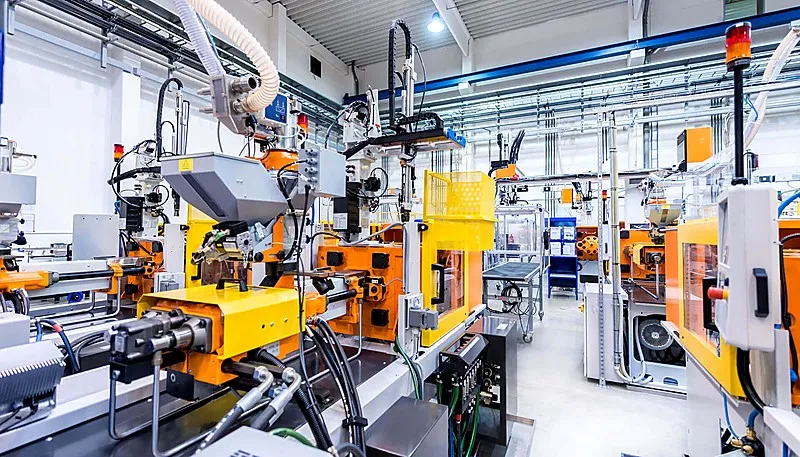
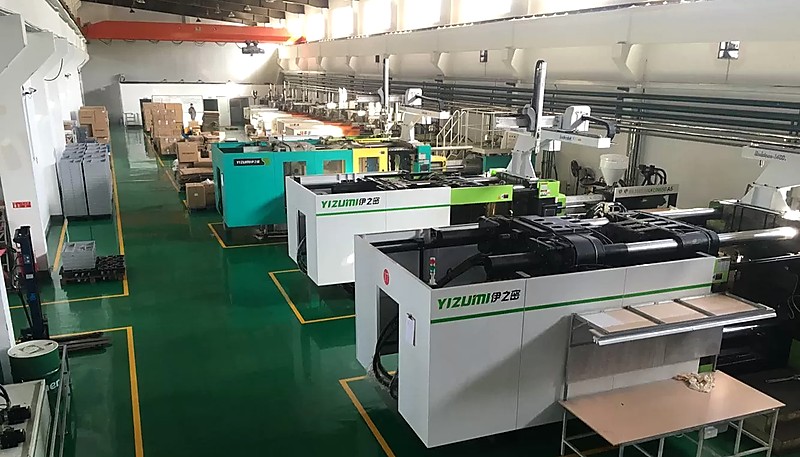
Shanghai fabrikamızda 90T ile 1850T arasında 47 enjeksiyon kalıplama makinesi işletiyoruz; bu da alıcıların karşılaştığı tedarik zorlukları konusunda bize doğrudan deneyim kazandırıyor.
Sözleşme İmzalamadan Önce Bir Enjeksiyon Kalıplama Tedarikçisini Nasıl Değerlendirirsiniz?
Tedarikçi değerlendirmesi; teknik yetkinliklerin, kalite sistemlerinin, finansal istikrarın ve üretim kapasitesinin denetlenmesini gerektiren sistematik bir süreçtir. Teknik yetkinliğin doğrulanmasıyla başlayın.
Yalnızca hangi malzemelerle çalıştıklarını sormayın; kendi reçine kalitenizden üretilmiş gerçek parçaları görmeyi talep edin. Makine kapasitesi de önemlidir. Yalnızca 150T presleri olan bir tedarikçi 800T parçanızı verimli biçimde kalıplayamaz.
Kalite sistemlerini yerinde veya görüntülü olarak denetleyin. ISO sertifikası uygulama olmadan çok az şey ifade eder. SPC grafiklerini, kalibre edilmiş ölçüm ekipmanını ve belgelenmiş prosedürleri arayın. Ben her zaman son 10 projeye ait kalite verilerini isterim.
Finansal istikrar değerlendirmesi, proje ortasındaki aksaklıkları önler. Güncel finansal tabloları isteyin ve ödeme koşullarını kontrol edin. 80% peşin ödeme talep eden tedarikçilerde çoğu zaman nakit akışı sorunu vardır. Değerlendirme sırasındaki iletişim testi, gelecekteki sorunları öngörür.
Kalıp Projeleri Neden Bütçeyi Aşar ve Takvimin Gerisinde Kalır?
Kalıp bütçesi aşımlarına eksik ilk teklifler, kapsam genişlemesi, malzeme hataları ve gerçekçi olmayan takvimler neden olur. Eksik teklifler, alıcıları gizli maliyetlere mahkûm eder.
Birçok tedarikçi yalnızca temel kalıp yapımı için teklif verir; sıcak yolluk sistemlerini ($8,000-$25,000), karmaşık dokulandırmayı ($2,000-$8,000) veya gelişmiş soğutma kanallarını ($3,000-$12,000) hariç tutar. Tasarım incelemesi sırasında kapsamın genişlemesi bütçeyi adım adım bozar.
Her küçük değişiklik $800-$3,500 tutar ve süreye 3-7 gün ekler. Beş değişiklik bütçeyi $15,000, programı ise 3 hafta aşırır. Malzeme seçimi hataları pahalı düzeltmeleri zorunlu kılar. Talaşlı işlemeden sonra P20’den H13’e geçmek $12,000-$20,000 tutar.
30+ İngilizce konuşan proje yöneticisi ve 400+ plastik malzemeye yayılan deneyimimizle alıcıların tedarik karmaşıklığını her gün yönetmesine yardımcı oluyoruz.
Numune Alma Sırasında Hangi Kalite Uyarı İşaretlerini İzlemelisiniz?
Kalite tehlike işaretleri; tutarsız boyutlar, akış izleri, çöküntü izleri, çapak ve numune alımı sırasındaki kötü yüzey kalitesidir. T1/T2 numune alımı2 sürecinde belirli kusurlar daha derin proses sorunlarına işaret eder.
Atışlar arasındaki ölçü tutarsızlığı, yetersiz proses kontrolüne işaret eder. Kritik ölçüler 10 atışlık bir numunede toleransın 20% değerinden fazla değişiyorsa tedarikçi doğru optimizasyon yapmamıştır. Red oranları üretimde 15-30% seviyesine ulaştığında bu durum felakete dönüşür.
Kozmetik yüzeylerdeki görünür akış izleri, yetersiz kalıp tasarımını gösterir. Kalıplar aşındıkça bu kusurlar üretimde kötüleşir. Akış izi sorunlarının 40% ret oranına ve hurda parçalar nedeniyle $80,000 maliyete yol açtığını gördüm.
0.05mm’den derin çöküntü izleri, et kalınlığı sorunlarını veya yetersiz sıkıştırma basıncını gösterir. Aşırı çapak, kalıp oturmasının zayıf olduğuna işaret eder. Yolluk giriş izi sorunları montaj hatalarını öngörür. Bilinçli alıcılar bu kusurlara sahip numuneleri reddeder.
"Bir tedarikçinin yalnızca ISO sertifikasına sahip olması, tutarlı parça kalitesini garanti etmez."True
ISO standartları kalite sonuçlarına değil, dokümantasyona ve proses tutarlılığına odaklanır. Fabrikamızda 20% ret oranına sahip ISO sertifikalı tedarikçileri denetledik. Kalite yalnızca sertifikalara değil, teknik yetkinliğe ve ekipman kabiliyetine bağlıdır.
"En düşük kalıp teklifi her zaman en iyi toplam sahip olma maliyetini sağlar."False
Düşük fiyat teklifleri çoğu zaman mühendislik desteğini ($3,000-$8,000), tasarım değişikliklerini (her biri $2,000-$5,000) ve birinci sınıf çelik yükseltmelerini ($5,000-$15,000) kapsamaz. Ucuz takımlar üretim sırasında sık sık düzeltme gerektirir ve onarım maliyetleri $8,000-$25,000 düzeyine ulaşır.
Kalıp Üretimini Dış Kaynağa Verirken Fikri Mülkiyetinizi Nasıl Koruyabilirsiniz?
Fikri mülkiyet (IP) koruması zorunludur ve kapsamlı NDA’lar, kontrollü bilgi paylaşımı ve stratejik tasarım değişiklikleri gerektirir. NDA’nız kalıp tasarımlarını, parça geometrilerini, malzeme spesifikasyonlarını ve üretim proseslerini kapsamalıdır.
Belirli tutarlar ($50,000-$200,000) içeren maktu tazminat maddeleri ekleyin. Kontrollü bilgi paylaşımı maruziyeti sınırlar; başlangıçta yalnızca teklif için gereken kritik ölçüleri paylaşın. Karmaşık montajları birden çok tedarikçiye bölmeyi değerlendirin.
Tedarikçi anlaşmaları kalıp mülkiyetini açıkça belirtmelidir. Kalıpların ve çizimlerin belgeli olarak imha edilmesini gerektiren kalıp imha maddeleri ekleyin. Fikrî mülkiyet ihlalleri için en az $1 million sorumluluk limitli sigorta kapsamını zorunlu tutun.
Fiziksel güvenlik denetimleri açıkları ortaya çıkarır. Tedarikçiler kalıp alanlarına kısıtlı erişimi ve kullanılmayan kalıplar için kilitli depolamayı göstermelidir. Deneyimlerimizde, müşteri parçalarını halka açık teşhir salonlarında sergileyen tedarikçiler gördük.
"Yeni bir tedarikçinin kalıp bedelinin 100% peşin ödenmesini istemesi ciddi bir uyarı işaretidir."True
Güvenilir tedarikçiler, kilometre taşlarına bağlı ödemelerle birlikte 30-50% peşinat ister. Ödemeleri şöyle yapılandırıyoruz: tasarım onayında 30%, T1 numunesinde 40% ve PPAP3 onayından sonra 30%. Bu düzen her iki tarafı da korur ve hesap verebilirlik sağlar.
"Bir tedarikçinin üretim kabiliyetini doğrulamak için tek bir fabrika ziyareti yeterlidir."False
Tek bir ziyaret yalnızca anlık bir görünüm sunar. Farklı zamanlarda, biri planlı diğeri habersiz olmak üzere en az iki ziyaret öneriyoruz. Üretim koşulları, hazırlanmış bir gösterim ile normal günlük operasyonlar arasında büyük ölçüde değişebilir.
Risksiz Bir Satın Alma Prosesi Nasıl Görünür?
Risksiz bir süreç; sistematik tedarikçi değerlendirmesi, aşamalı çalışma ve kilometre taşına dayalı ödemeler izler. Kanıtlanmış tedarik rehberim beş aşamayla riski en aza indirir.
Aşama 1: kapsamlı ön yeterlilik. Makine spesifikasyonlarını, kalite sertifikalarını ve müşteri referanslarını kapsayan kabiliyet anketleri gönderin. Aşama 2: ayrıntılı spesifikasyonlarla kontrollü teklif alma. Tüm maliyetleri kalem kalem gösteren teklifler isteyin.
Aşama 3: kapsamlı durum tespiti. Teknik yeterliliği, kalite sistemlerini ve finansal istikrarı kapsayan kapasite denetimleri yapın. Aşama 4: kilometre taşına dayalı sözleşmeler. İlk ödemeleri %30–40 ile sınırlayın ve geç teslimat için günlük 500–2.000 dolar ceza maddeleri ekleyin. Üretim onayı3 belgelerinin gerekliliklerini belirtin.
Aşama 5: fotoğraflar ve boyutsal veriler içeren haftalık ilerleme raporlarıyla aktif izleme. 50% ve 80% kilometre taşlarında ara denetimler planlayın. Gerektiğinde acil aktarım için yedek tedarikçi ilişkilerini koruyun.

Mevcut Tedarikçiyle Sorunları Gidermek Yerine Ne Zaman Tedarikçi Değiştirmelisiniz?
Değişim için doğru zaman; kabiliyet eksiklikleri, tekrarlayan hatalar veya finansal istikrarsızlık iyileştirmeyi imkânsız hâle getirdiği zamandır. Temel kabiliyet eksiklikleri aşılamaz sorunlara işaret eder.
Bir tedarikçi uygulamanız için gerekli ekipmana sahip değilse hiçbir yönlendirme bu açığı kapatamaz. Düzeltici faaliyet planlarına rağmen yinelenen kalite hataları sistemik sorunlara işaret eder. Art arda üç numune alma başarısızlığı veya 10% değerini aşan ret oranları köklü sorunlar olduğunu gösterir.
Fabrikamızda finansal istikrarsızlığın teknik kabiliyetten bağımsız olarak risk yarattığını öğrendik. Acil avans isteyen veya nakit akışı sıkıntısı gösteren tedarikçiler büyük olasılıkla projenizi tamamlayamaz. Alıcılar çoğu zaman sonuçta başarısız olan iyileştirme çalışmalarına $20,000-$40,000 yatırır.
Akıllı bir geçiş önceden hazırlık gerektirir. Yedek tedarikçi ilişkilerini sürdürün ve alternatif tedarikçilerin yeterliliğini önceden doğrulayın. Bu hazırlık, geçiş süresini 12-16 haftadan 6-8 haftaya indirir.
Tedarikçi değiştirme kararı duygulara değil, verilere dayanmalıdır. Zamanında teslimat oranı, ilk geçiş verimi ve kalite sorunlarına yanıt süresi dâhil temel performans göstergelerini izleyin. Belgelenmiş iyileştirme planlarına rağmen bu ölçütler art arda üç değerlendirme dönemi boyunca düşüş gösteriyorsa veriler tedarikçi değişikliğini açıkça destekler. Denenen tüm düzeltici faaliyetlerin ayrıntılı kayıtlarını tutun; bu belgeler sizi hukuken korur ve sonraki tedarikçinin aynı sorunlardan kaçınmasına yardımcı olur.
Sıkça Sorulan Sorular
Çin’den enjeksiyon kalıplı parça tedarik etmenin en büyük riski nedir?
İletişim kopukluğu en büyük risktir ve şartnamelerin yanlış anlaşılması sonucunda $15,000-$50,000 tutarında yeniden işleme maliyetine yol açar. Yetersiz İngilizce ve saat dilimi güçlükleri teknik gereksinimlerin yanlış yorumlanmasına neden olur. Tedarikçiler açıklayıcı sorular sormaktan çekindiğinde bu sorunlar büyür ve pahalı takım düzeltmeleri gerekir. Çin’den başarılı tedarik, İngilizce konuşan özel proje yöneticilerine ve kanıtlanmış iletişim protokollerine sahip tedarikçiler gerektirir. Takım imalatına geçmeden önce ayrıntılı çizimler ve yazılı teyitlerle karşılıklı anlayışı daima doğrulayın. Tedarikçi değerlendirmesi ve risk yönetimine yönelik bu sistematik yaklaşım, yatırımınızı korur ve başarılı proje sonuçları sağlar.
Bir enjeksiyon kalıplama tedarikçisinin gerçek kabiliyetlerini nasıl doğrularım?
Yalnızca yetkinlik iddialarıyla yetinmeyin; gerekli malzeme ve toleranslarınızla benzer uygulamalarda üretilmiş gerçek parçalar isteyin. Belirli ekipmanları ve kalite kontrol sistemlerini gösteren çevrim içi veya yerinde tesis turları yapın. Benzer karmaşıklık ve hacimdeki projeler için yakın tarihli müşteri referanslarını kontrol edin. SPC grafikleri, ölçüm sistemi analizi ve proses kontrol prosedürleri dâhil kalite belgelerini inceleyin. Uygulamanızdaki zorluklara ilişkin teknik görüşmelerle mühendislik desteklerini değerlendirin. İlgili deneyimini fiziksel kanıtlarla gösteremeyen tedarikçi, projeniz için gerekli yetkinliğe sahip değildir. Bu sistematik tedarikçi değerlendirme yaklaşımı proje yatırımınızı korur ve üretimin devreye alınması sırasında maliyetli sürprizleri azaltır.
Enjeksiyon kalıplama tedarikçi sözleşmesinde neler bulunmalıdır?
Ayrıntılı teknik özellikler, kabul kriterleri, kilometre taşına bağlı ödeme koşulları ve gecikme ya da kalite hatalarına ilişkin ceza maddeleri ekleyin. Takım mülkiyetini, fikrî mülkiyet koruma gereksinimlerini ve takım bakım sorumluluklarını belirtin. PPAP belgeleri, boyutsal raporlar ve malzeme sertifikaları dâhil her proje aşaması için teslimatları açıkça tanımlayın. Mücbir sebep hükümlerini, uyuşmazlık çözüm prosedürlerini ve sözleşme fesih koşullarını ekleyin. Ödeme koşulları, takım maliyetinin 60-70% bölümünü peşin ödemeye değil başarılı numune üretimine ve üretim onayına bağlamalıdır. Tedarikçi değerlendirme ve risk yönetimine yönelik bu sistematik yaklaşım yatırımınızı korur ve başarılı proje sonuçları sağlar.
Yeni bir enjeksiyon kalıbı için takım üretimi genellikle ne kadar sürer?
Basit tek gözlü kalıplar 6-8 hafta gerektirirken karmaşık çok gözlü takımların tasarım onayından ilk numunelere kadar 10-14 haftaya ihtiyacı vardır. Zaman planını parça karmaşıklığı, göz sayısı, takım çeliği seçimi ve tekstür gereksinimleri etkiler. Sıcak yolluk sistemleri 2-3 hafta, karmaşık yan hareketler ise 3-4 hafta ekler. Çinli tedarikçiler çoğu zaman gerçekte karşılanmayan iddialı süreler verir. Tedarikçi tahminlerine her zaman 20-30% ek süre koyun ve ilerlemeyi izlemek için kilometre taşı kontrol noktaları belirleyin. Tedarikçi değerlendirmesi ve risk yönetimine yönelik bu sistematik yaklaşım yatırımınızı korur ve başarılı proje sonuçları sağlar.
Bir tedarikçi üretim öncesinde hangi kalite belgelerini sunmalıdır?
Tedarikçiler; boyutsal muayene raporları, malzeme sertifikaları, proses yeterlilik çalışmaları ve görünüm onay raporlarını içeren eksiksiz PPAP dokümantasyonu sağlamalıdır. İlk ürün muayene verilerini, ölçüm sistemi analizini ve istatistiksel proses kontrolü uygulama kanıtlarını isteyin. Sıcaklıklar, basınçlar ve çevrim süreleri ile kabul edilebilir değişim aralıklarını içeren belgeli proses parametrelerini şart koşun. Parti numaralarını kalite sertifikalarına bağlayan malzeme izlenebilirlik dokümantasyonunu alın. Bu belgeler, tedarikçinin üretim boyunca tutarlı kaliteyi koruyabildiğini doğrular. Tedarikçi değerlendirmesi ve risk yönetimine yönelik bu sistematik yaklaşım yatırımınızı korur ve başarılı proje sonuçları sağlar.
Sorunlu bir kalıplama tedarikçisiyle çalışmayı ne zaman bırakmalıyım?
Tedarikçiler %50’nin üzerinde aşırı ön ödeme talep ediyorsa, ilgili teknik yetkinliği gösteremiyorsa veya mali istikrarsızlık belirtileri sergiliyorsa görüşmeyi derhâl sonlandırın. Art arda üç numune başarısızlığı veya %15’i aşan üretim ret oranları, tedarikçi değişikliği gerektiren temel proses sorunlarına işaret eder. Tedarikçilerin sürekli olarak teslim tarihlerini kaçırdığı ya da yanlış bilgi verdiği iletişim kopuklukları, yönetim yetersizliğinin göstergesidir. Düzeltici faaliyet maliyetleri yeni bir tedarikçiyi kalifiye etme giderlerini aşarsa geçiş ekonomik açıdan gerekçelendirilmiş olur. Tedarikçi değerlendirmesi ve risk yönetimine yönelik bu sistematik yaklaşım, yatırımınızı korur ve projelerin başarıyla sonuçlanmasını sağlar.
ZetarMold’un 20 yılı aşkın enjeksiyon kalıplama uzmanlığı, 47 hassas makinesi (90T–1850T) ve kapsamlı kalite sertifikaları (ISO 9001/13485/14001/45001), projelerinizin pahalı tedarik risklerinden kaçınmasını sağlar. Şanghay tesisimiz şeffaf iletişimle güvenilir parçalar teslim eder. Bugün Ücretsiz Teklif Alın ve doğru uygulanan risk yönetimli tedariği deneyimleyin.
tedarik riski: Tedarik riski, özellikle uluslararası sınırlar ötesinde bir alıcının haricî tedarikçiden üretilmiş mal alırken karşılaştığı finansal kayıp, kalite başarısızlığı veya teslimat gecikmesi olasılığıdır. ↩
T1/T2 numune alımı: T1/T2 numune alımı, seri üretimden önce boyutsal doğruluğu, yüzey kalitesini ve proses kararlılığını doğrulamak için yeni bir enjeksiyon kalıbından alınan ilk ve ikinci deneme baskılarını ifade eder. ↩
PPAP: PPAP (Üretim Parçası Onay Süreci), tedarikçinin müşteri gerekliliklerini anladığını ve bu şartnameleri sürekli karşılayan parçalar üretebildiğini doğrulamak için imalatta kullanılan standartlaştırılmış bir çerçevedir. ↩