injection molding製造に20年携わり、回避できたはずの調達ミスで多くの買い手が損失を出すのを見てきました。不適切な企業選定により5万ドルの金型案件が6か月遅延し15万ドルの損害になることもあります。本ガイドは重要リスクと実証済みの回避策を示します。
企業は毎年、調達失敗により総購買予算の推定15~20%を失っています。上海工場では、北米・欧州の買い手が曖昧な見積り、納期遅延、利益を損なう品質事故に繰り返し悩むのを見ます。単純な1個取り金型でも複雑な16個取りでも、リスクは予測可能な型を取ります。これを理解することがsourcing risk1 management1を有効に行い投資を守る第一歩です。
幸い、射出成形品の調達で起こる失敗の大半は完全に予防できます。数百件の国際プロジェクトにおける実際の工場経験を基に本ガイドで示した枠組みに従えば、プロジェクトリスクを最大70%低減し、経験の浅い買い手が陥る高額な失敗を回避できます。
- サプライヤーの能力不一致はプロジェクト失敗の60%を占め、$20,000-$100,000の損失を招きます
- 価格が透明でなければ、見えない金型費用によって予算が40-80%増加する可能性があります
- サンプリング時の品質上の危険信号から、量産問題の85%を予測できます
- 体系的な評価プロセスにより、リスクを70%低減し、3~6か月短縮

射出成形部品を調達する際の最大のリスクは何ですか?
最大のリスクは、サプライヤー能力との不一致、隠れた金型費、意思疎通の破綻、品質のばらつきです。私の経験では、調達失敗のほぼすべてがこの4点に起因します。
必要材料の経験がない企業に8万ドルの金型契約を発注し、6か月の試作失敗後、さらに6万ドルでinjection moldを全面再製作した買い手を見たことがあります。
金型の見積額が$25,000でも、サプライヤーが設計変更費、シボ加工費、サンプリング費を追加すると、$45,000まで膨らむことがあります。意思疎通の不備は高額な認識違いを招きます。単純な図面の読み違いだけで、$35,000相当の金型鋼を廃棄する事態にもなります。堅牢な工程管理を持たないサプライヤーでは、品質のばらつきが常態化します。
これらのリスクは、直接的な金銭損失にとどまらず、サプライチェーン全体に連鎖的な影響を及ぼします。金型が一度故障するだけで製品発売が数か月遅れ、金型自体の費用をはるかに上回る損失につながることがあります。当社工場では、設計から生産までの潜在的な故障箇所を追跡する詳細なリスク登録簿を、すべてのプロジェクトで維持しています。この体系的なアプローチにより、顧客にとって高額な問題になる前にリスクを特定し、軽減してきました。
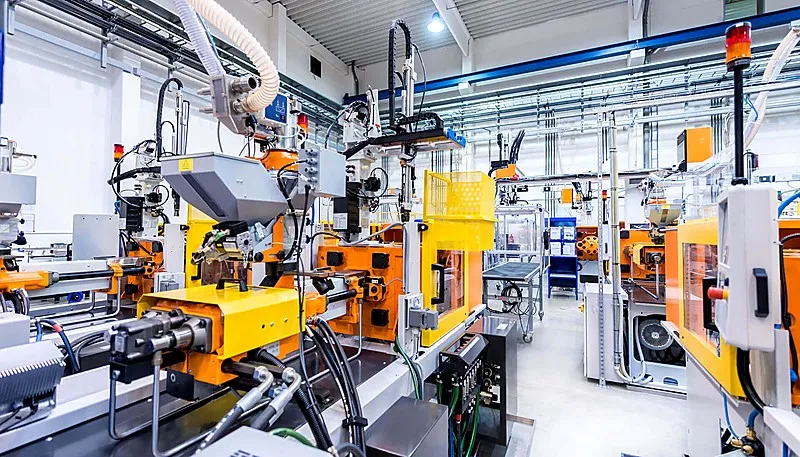
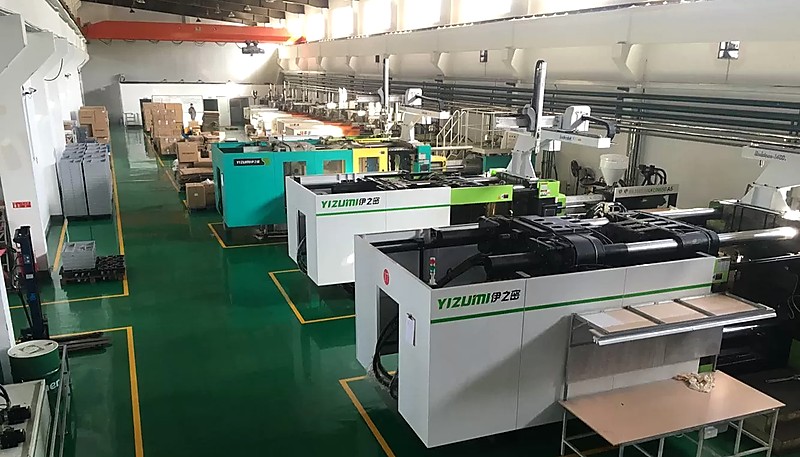
上海工場では90Tから1850Tまで47台の射出成形機を稼働しており、買い手が直面する調達上の課題を実務で把握しています。
契約締結前に射出成形サプライヤーをどのように評価すべきか?
サプライヤー評価は、技術力、品質システム、財務の安定性、生産能力を監査する体系的なプロセスです。まず技術力の検証から始めます。
対応材料を尋ねるだけでなく、指定した樹脂グレードで実際に成形した部品の提示を求めてください。機械能力も重要です。150Tの成形機しかないサプライヤーでは、800Tを要する部品を効率的に成形できません。
品質システムは現地またはビデオで監査してください。ISO認証も、実際に運用されていなければ意味がありません。SPC管理図、校正済み測定機器、文書化された手順を確認します。私は必ず、直近10件のプロジェクトの品質データを要求しています。
財務安定性を評価することで、プロジェクト途中の重大な問題を防げます。直近の財務諸表を要求し、支払条件を確認してください。前払いで80%を要求するサプライヤーは、資金繰りに問題を抱えている場合が少なくありません。評価時のコミュニケーション試験は、将来の問題を予測する指標になります。
なぜ金型プロジェクトは予算超過や納期遅延に陥るのか?
金型費用の超過は、初期見積りの不備、スコープクリープ、材料の誤り、非現実的なスケジュールによって発生します。不完全な見積りは、隠れたコストで買い手を拘束します。
多くのサプライヤーは基本的な金型構造だけを見積もり、ホットランナーシステム($8,000-$25,000)、複雑なシボ加工($2,000-$8,000)、高度な冷却流路($3,000-$12,000)を除外しています。設計レビュー中にスコープが徐々に拡大すると、予算は段階的に崩壊します。
軽微な変更でも、1件当たり$800-$3,500の費用がかかり、納期が3-7日延びます。5件の変更が重なると、予算は$15,000、スケジュールは3週間超過します。材料選定の誤りは高額な修正を招きます。機械加工後にP20からH13へ変更すると、$12,000-$20,000の費用が発生します。
英語対応のプロジェクトマネージャー30+名と400+種類のプラスチック材料に関する経験を生かし、日々バイヤーの複雑な調達を支援しています。
サンプル評価時に注意すべき品質上の危険信号とは?
品質上の危険信号は、試作時の寸法ばらつき、フローマーク、ヒケ、バリ、粗い表面仕上げです。T1/T2 sampling2 process2では、特定の欠陥がより深い工程問題を示します。
ショット間の寸法ばらつきは、工程管理が不十分であることを示します。10ショットのサンプルで重要寸法が公差の20%を超えて変動する場合、サプライヤーには適切な工程最適化能力がありません。量産時に不良率が15-30%に達すると、重大な問題になります。
意匠面に見えるフローラインは金型設計不足の表れです。金型の摩耗とともに量産中に悪化します。フローライン問題で不良率が40%に達し、8万ドル分の部品を廃棄した事例もあります。
0.05mmを超える深さのヒケは、肉厚の問題または保圧不足を示します。過度のバリは金型の合わせ不良を示唆します。ゲート残りの問題は、組立不良につながる兆候です。適切な知識を持つバイヤーは、こうした欠陥のあるサンプルを不合格にします。
「サプライヤーがISO認証を取得しているだけでは、部品品質の一貫性は保証されません。」True
ISO規格が重視するのは文書化と工程の一貫性であり、品質結果ではありません。当社工場では、不良率が20%に達するISO認証済みサプライヤーを監査したことがあります。品質は認証だけでなく、技術力と設備能力に左右されます。
「金型の最低見積価格が、常に総保有コストを最小化する。」False
低価格の見積もりには、エンジニアリング支援($3,000-$8,000)、設計変更(1回当たり$2,000-$5,000)、高級鋼へのアップグレード($5,000-$15,000)が含まれていないことがよくあります。安価な金型は量産中に修正が必要になる場合が多く、修理費は$8,000-$25,000に上ります。
金型製造を外注する際に知的財産を保護するには?
知的財産の保護は不可欠であり、包括的な秘密保持契約(NDA)、管理された情報共有、戦略的な設計変更が必要です。NDAでは、金型設計、部品形状、材料仕様、製造工程を対象とすべきです。
具体額(50,000~200,000米ドル)を定めた予定損害賠償条項を盛り込みます。情報共有を制限して露出を抑え、見積り当初は必要な重要寸法だけを開示してください。複雑な組立品を複数サプライヤーへ分割することも検討します。
サプライヤー契約では、金型の所有権を明確に規定する必要があります。金型および図面を廃棄した記録の提出を義務付ける、金型廃棄条項を盛り込んでください。また、知的財産権侵害に対して、最低100万ドルの賠償責任限度額を備えた保険への加入を義務付けてください。
物理セキュリティ監査では、不備が明らかになります。サプライヤーは、金型エリアへの立ち入り制限と、使用していない金型の施錠保管を実証すべきです。当社の経験では、顧客部品を一般公開のショールームに展示しているサプライヤーも確認されています。
"新規サプライヤーが金型代金の100%前払いを要求するのは、重大な危険信号です。"True
信頼できるサプライヤーは、30~50%の前払いとマイルストーン払いを求めます。当社では、設計承認時30%、T1試作時40%、PPAP3承認後30%としています。これにより双方を保護し、責任を明確にできます。
「サプライヤーの生産能力は、工場を一度訪問するだけで十分に確認できる。」False
1回の訪問では一瞬のスナップショットしか捉えられません。少なくとも異なる時期に2回、1回は予定された訪問、もう1回は抜き打ち訪問を行うことを推奨します。準備されたデモンストレーションと通常の日常業務では、生産条件が劇的に異なります。
リスクフリーな調達プロセスとはどのようなものか?
リスクを抑えた工程は、体系的な企業評価、段階的な取引、マイルストーン払いに従います。実証済みのsourcing guideは5段階でリスクを最小化します。
フェーズ1:包括的な事前認定。機械仕様、品質認証、顧客参照をカバーする能力質問票を発行します。フェーズ2:詳細な仕様に基づく管理された入札。すべてのコストを内訳した見積もりを要求します。
フェーズ3:徹底的なデューデリジェンス。技術力、品質システム、財務安定性を監査します。フェーズ4:マイルストーン契約。初回支払いを30~40%に抑え、納期遅延には1日500~2,000ドルの違約金条項を設けます。production approval3文書の要件も指定します。
フェーズ5:写真と寸法データを含む週次進捗報告による積極的な監視。50%および80%のマイルストーンで中間検査をスケジュールします。必要に応じて緊急移管のためのバックアップサプライヤー関係を維持します。

現在のサプライヤーを修正する代わりに、いつ切り替えるべきか?
切り替えの適切な時期は、能力ギャップ、繰り返される失敗、または財務的不安定により改善が不可能になった時です。根本的な能力ギャップは克服できない問題を示しています。
サプライヤーがお客様のアプリケーションに必要な基本設備を欠いている場合、どんな指導もギャップを埋めることはできません。是正措置計画にもかかわらず繰り返される品質不良は、システム的な問題を示しています。3回連続のサンプリング失敗または10%を超える不良率は、根深い問題を示しています。
当社の工場では、財務的不安定は技術的能力に関わらずリスクを生み出すことを学びました。緊急の前払いを要求したり、キャッシュフローの問題を示すサプライヤーは、プロジェクトを完了できない可能性が高いです。バイヤーはしばしば20,000~40,000ドルを改善努力に投資しますが、最終的には失敗します。
スマート切り替えには事前準備が必要です。バックアップサプライヤーとの関係を維持し、代替ベンダーを事前に認定しておきます。この準備により、切り替え期間を12~16週間から6~8週間に短縮できます。
サプライヤーの切り替えは、感情ではなくデータに基づいて決定すべきです。納期遵守率、初回合格率、品質問題への対応時間などの主要業績評価指標を追跡します。これらの指標が、文書化された改善計画にもかかわらず3回連続した評価期間で下降傾向を示す場合、データは明らかにサプライヤー変更を支持します。試みたすべての是正措置の詳細な記録を維持してください。この文書化は法的にあなたを保護し、次のサプライヤーが同じ問題を回避するのに役立ちます。
よくある質問
中国から射出成形部品を調達する際の最大のリスクは何ですか?
コミュニケーションの崩壊は最大のリスクであり、仕様の誤解を招き、15,000〜50,000ドルの手直しコストが発生します。英語力の不足とタイムゾーンの課題は、技術要件の誤解を生み出します。これらの問題は、サプライヤーが明確化の質問を躊躇するときに悪化し、高価な金型修正につながります。中国での成功した調達には、専任の英語を話すプロジェクトマネージャーと実証済みのコミュニケーションプロトコルを持つサプライヤーが必要です。金型構築に進む前に、詳細な図面と書面による確認を通じて理解を常に検証してください。この体系的なサプライヤー評価とリスク管理アプローチは、投資を保護し、プロジェクトの成功を確実にします。
射出成形サプライヤーの実際の能力をどのように確認すればよいですか?
能力主張だけでなく、要求される材料と公差を使用した類似アプリケーションの実際の部品を要求してください。特定の設備と品質管理システムを示す仮想または現地施設ツアーを実施します。同等の複雑さと数量のプロジェクトに関する最近の顧客参照を確認します。SPCチャート、測定システム分析、プロセス制御手順を含む品質文書をレビューします。アプリケーションの課題に関する技術的議論を通じて、エンジニアリングサポートを評価します。物理的証拠を通じて関連する経験を示せないサプライヤーは、あなたのプロジェクトに対応する能力を欠いています。この体系的なサプライヤー評価アプローチは、プロジェクト投資を保護し、生産立ち上げ時のコストのかかるサプライズを減らします。
射出成形のサプライヤー契約には何を含めるべきですか?
詳細な仕様、受入基準、マイルストーンに基づく支払条件、遅延や品質不良に対するペナルティ条項を含めます。金型の所有権、IP保護要件、金型メンテナンス責任を明記します。各プロジェクトフェーズの明確な成果物(PPAP文書、寸法報告書、材料証明書など)を定義します。不可抗力条項、紛争解決手順、契約解除条件を含めます。支払条件は、金型費用の60~70%を前払いではなく、成功したサンプリングと生産承認に紐づけるべきです。この体系的なサプライヤー評価とリスク管理アプローチは、投資を保護し、プロジェクトの成功を確実にします。
新しい射出成形金型の製作には通常どのくらい時間がかかりますか?
単純な単一キャビティ金型は設計承認から最初のサンプルまで6~8週間を要し、複雑な多キャビティ金型は10~14週間かかります。タイムラインに影響する要因には、部品の複雑さ、キャビティ数、金型鋼材の選択、テクスチャリング要件があります。ホットランナーシステムは2~3週間追加し、複雑なサイドアクションはタイムラインを3~4週間延長します。中国のサプライヤーはしばしば現実的でない短納期を提示します。サプライヤーの見積もりには常に20~30%のバッファ時間を加え、進捗監視のためのマイルストーンチェックポイントを設定してください。この体系的なサプライヤー評価とリスク管理アプローチは、投資を保護し、プロジェクトの成功を確実にします。
生産前にサプライヤーが提供すべき品質文書は何ですか?
サプライヤーは、寸法検査報告書、材料証明書、工程能力調査、外観承認報告書を含む完全なPPAP文書を提供する必要があります。初品検査データ、測定システム分析、統計的工程管理実施の証拠を要求します。温度、圧力、サイクルタイムなどの文書化された工程パラメータと許容変動範囲を要求します。ロット番号を品質証明書にリンクする材料トレーサビリティ文書を入手します。これらの文書は、サプライヤーが生産全体を通じて一貫した品質を維持できることを検証します。この体系的なサプライヤー評価とリスク管理アプローチは、投資を保護し、プロジェクトの成功を確実にします。
問題のある成形サプライヤーからはいつ撤退すべきですか?
サプライヤーが50%を超える過度の前払いを要求する場合、関連する技術能力を実証できない場合、または財務不安の兆候を示す場合は、直ちに撤退してください。3回連続したサンプリング不合格または15%を超える生産不良率は、サプライヤー変更が必要な根本的な工程問題を示しています。サプライヤーが一貫して期限を守れない、または不正確な情報を提供するコミュニケーションの崩壊は、管理能力の欠如を示します。是正措置のコストが新規サプライヤー認定費用を超える場合、切り替えは経済的に正当化されます。この体系的なサプライヤー評価とリスク管理アプローチは、投資を保護し、プロジェクトの成功を確実にします。
ZetarMoldは20年以上の射出成形経験、47台の精密機(90T~1850T)、ISO 9001/13485/14001/45001認証により、高額な調達リスクを回避します。上海工場は透明な意思疎通で信頼できる部品を納入します。今すぐGet a Free Quoteで、リスク管理された調達をご体験ください。