

Mükemmel parçayı tasarladınız, kalıp ayarlarınız tamamlandı ve ilk numune incelemesi başarıyla geçti. Ardından sevkiyat müşterinizin limanına ulaşıyor — ve parçaların 'i çizilmiş, eğilmiş veya çatlamış. Tanıdık geliyor mu? Tecrübelerimize göre, paketleme tüm enjeksiyon kalıplama tedarik zinciri. Bu rehber, Şanghay fabrikamızdan binlerce sevkiyatta işe yarayan (ve başarısız olan) gözlemlerimize dayanarak, nakliye hasarını gerçekten önleyen ambalaj gereksinimlerini detaylandırır.
Her yıl, üreticiler uygun paketleme ile önlenebilecek nakliye hasarlarından milyonlarca kayıp yaşıyor. Özellikle enjeksiyonla kalıplanmış bileşenler için riskler yüksek çünkü bu parçalar genellikle dar toleranslara, hassas yüzey işlemlerine ve yük altında kolayca deforme olabilen geometrik özelliklere sahiptir. İster elektronik muhafazalar, ister tıbbi cihaz bileşenleri veya otomotiv dekor parçaları sevk ediyor olun, paketleme stratejisi parçaların kendisi kadar özenle tasarlanmalıdır. Bu makale, güvenilir tedarikçileri parçalarınızı nakliye sırasında hasara açık bırakanlardan ayıran özel paketleme gereksinimlerini, malzemeleri, test standartlarını ve doğrulama süreçlerini kapsar.
- Çizikler, çatlaklar ve kirlenme, plastik parçalarda nakliye hasarı taleplerinin 'inden fazlasını oluşturuyor
- Uygun paketleme parça tasarımında başlar — keskin kenarlar ve ince duvarlar ekstra koruma gerektirir
- Elektronik ve tıbbi bileşenler için ESD-güvenli ve nem bariyerli malzemeler tartışılmazdır
- ISTA 3A ve ASTM D4169 [astm-d4169], her tedarikçinin referans alması gereken iki test standardıdır
- Özel paketleme başlangıçta daha maliyetlidir ancak genel çözümlere kıyasla hata oranlarını - oranında azaltır
Enjeksiyon Kalıplı Parçalarda En Yaygın Nakliye Hasarı Türleri Nelerdir?
Yüzey çizikleri, çatlaklar, eğrilme ve partikül kirliliği, sevk edilen enjeksiyon kalıplı parçalarda gördüğümüz dört baskın arıza modudur. Yüzey hasarı listenin başında gelir — bir torba veya tepsi içinde parçaların birbirine sürtünmesi reddedilen sevkiyatların bir numaralı nedenidir. Çatlaklar tipik olarak gerilim yoğunlaşma noktalarından kaynaklanır: keskin iç köşeler, ince duvar geçişleri veya tamamen temizlenmemiş geçit artıkları. Nakliye sırasında eğrilme daha nadirdir ancak daha pahalıdır, genellikle nakliye konteynerlerindeki düzensiz sıcaklık maruziyetinden kaynaklanır. Kirlilik — toz, metal talaşları veya kimyasal kalıntı — sessiz bir katildir, özellikle mikroskobik parçacıkların bile redde yol açtığı tıbbi ve optik parçalar için.
ISTA'ya göre [ista-3a1] verilerine göre, tüm paket hasarının yaklaşık 70%'si son kilometre elleçlemesi sırasında gerçekleşir — kaba forklift hareketleri, konveyör bant transferleri ve bel yüksekliğindeki düşüşler. Bu, ambalajınızın sadece bir konteyner içindeki nazik istiflemeye değil, aynı zamanda kaba elleçlemeye de dayanması gerektiği anlamına gelir.
Yüzey çizikleri — toplu paketlemede parçaların birbirine teması nedeniyle oluşur. Estetik kapaklar, lens çerçeveleri ve parlak yüzeyli muhafazalar en riskli olanlardır. Genellikle düzeltilebilir ancak yüksek miktarlarda maliyetlidir.
Çatlaklar ve kırıklar — darbe şoku veya ince duvarlardaki gerilmeden kaynaklanır. Tırnaklı klipsler, bayonet konnektörler ve ince nervürler genellikle mağdurdur. Sonuç: hurda kaybı.
Çarpılma ve deformasyon — sıcaklık döngüsü veya düzensiz istifleme basıncından kaynaklanır. Büyük düz paneller ve uzun ince profiller en çok zarar görür. Bu bir 100% hurda olayıdır.
Partikül kirliliği — açık ambalaj veya kirli nakliye ortamlarından kaynaklanır. Tıbbi bileşenler, optik lensler ve gıda ile temas eden parçalar etkilenir. Karantina ve pahalı yeniden temizlemeye yol açar.
ESD hasarı — elleçleme sırasında statik boşalmadan kaynaklanır.
Elektronik kasalar ve sensör taşıyıcıları risk altındadır, gizli saha arızaları en kötü sonuçtur.
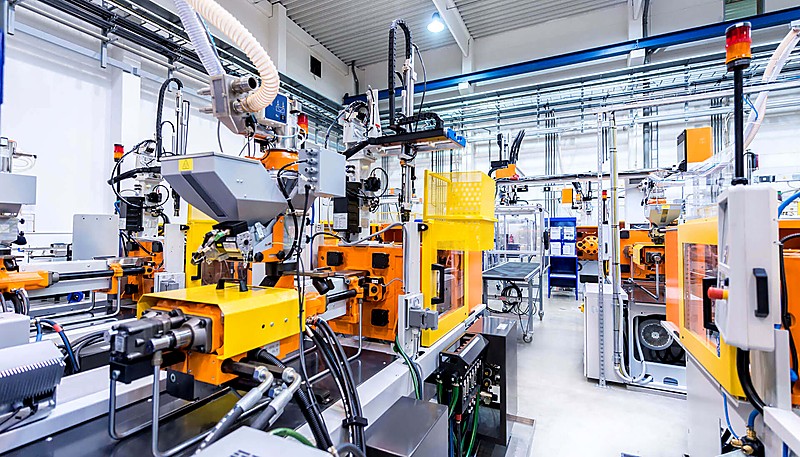
Şanghay fabrikamızda 90T ila 1850T arasında değişen 47 enjeksiyon kalıplama makinesi çalıştırıyoruz ve parçaları küçük hassas bileşenlerden büyük otomotiv panellerine kadar küresel olarak gönderiyoruz. Yıllar içinde, ambalaj kararlarının parça geometrisi ve varış noktasıyla eşleşmesi gerektiğini öğrendik. Havayoluyla Almanya'ya giden 500g'lık bir elektronik kasa, denizyoluyla ABD'ye giden 2kg'lık bir otomotiv dış aksesuar parçasından tamamen farklı koruma gerektirir.
Enjeksiyonla Kalıplanmış Parçalar Güvenli Nakliye İçin Nasıl Paketlenmeli?
Enjeksiyon kalıplı parçalar dır en iyi şekilde üç katmanda sevk edilir: bireysel sarma, iç tepsiler ve çift duvarlı dış kutu. Katman 1 — Bireysel koruma. Her parça kendi koruyucusunu alır. Küçük, yüksek değerli parçalar için bu, tek tek polibaglar demektir (tercihen korozyona duyarlı malzemeler için VCI veya nem alıcılı). Daha büyük parçalar için, kenarı bantla sabitlenmiş tek bir PE köpük veya kabarcıklı ambalaj sargısı. Amaç, parçalar arasında sıfır temas sağlamaktır.
Katman 2 — İç ambalaj. Parçalar, her bir parçayı sabit bir konumda tutan tepsiler, yumurta kartonu ara parçaları veya özel kalıplanmış selüloz hamuru tepsilerde düzenlenir. Tepsi malzemesi önemlidir: genleştirilmiş polietilen (EPE) köpük tepsiler şok emilimi için mükemmeldir, oluklu selüloz hamuru tepsiler ise daha ucuz ve çevre dostudur ancak daha az yastıklama sağlar. Sınıf A yüzeylere sahip parçalar için PET levha ayırıcılar öneriyoruz — aşındırıcı değildir, inceleme için şeffaftır ve yeniden kullanılabilir. Katman 3 — Dış kutu. Çoğu parça için asgari Kenar Ezilme Testi (ECT) değeri 32 lb/in olan çift duvarlı oluklu mukavva kutular temeldir enjeksiyon kalıbı bileşen sevkiyatları. Ağır veya yüksek yoğunluklu parçalar üç duvarlı kutular veya hatta ahşap kasalar gerektirebilir.
Dış kutunun iç ölçüleri, iç ambalaj yerleştirildikten sonra herhangi bir yanda 25mm'den fazla boşluk bırakmamalıdır — fazla boşluk hareket etmeye yol açar ve bu da hasara neden olur.
“Her bir parça için ayrı polietilen torba ambalajlama, yüzey çiziklerini önlemenin en etkili yollarından biridir”Doğru
Doğru. Tek tek poşetler parça-parça temasını ortadan kaldırır ki bu yüzey hasarının başlıca nedenidir. Poşet başına maliyet, hasarlı parçaların yeniden işlenme veya hurda maliyetiyle kıyaslandığında çok düşüktür.
"Standart tek katlı oluklu mukavva kutular, çoğu enjeksiyonla kalıplanmış parça için yeterli koruma sağlar"Yanlış
Yanlış. Tek duvarlı kutular, deniz nakliyesi sırasında istifleme yükleri ve titreşim altında rutin olarak arızalanır. ECT 32+ dereceli çift duvarlı kartonlar, tüm sevkiyatlar için belirlediğimiz asgari temeldir.
Hassas Plastik Bileşenler İçin Hangi Ambalaj Malzemeleri En İyi Sonucu Verir?
PE köpük, hassas plastik bileşenler için en iyi çok yönlü ambalaj malzemesidir. Hassas elektronik ve tıbbi parçalar için ESD-güvenli ve nem bariyerli malzemeler ekleyin. Malzeme seçimi sadece yastıklama ile ilgili değildir — kimyasal uyumluluk, statik kontrol ve nakliye sırasındaki çevresel koşullarla da ilgilidir.
Daha ağır herhangi bir şey için, baloncuklar yük altında kalıcı olarak sıkışır ve ilk darbeden sonra korumayı kaybedersiniz. Büyük hücreli köpük ambalajı sadece boşluk doldurucu olarak kullanın, birincil yastıklama olarak değil. Corrugated pulp trays are gaining popularity because they are recyclable and can be molded to fit specific part geometries. The downside: they provide almost no shock absorption. We use them for sturdy parts where positioning matters more than cushioning — think threaded inserts or heavy wall brackets.
Anti-static and ESD materials deserve their own conversation, which we cover in the next section. But the short version: if your parts are going anywhere near electronics assembly, you need ESD-safe packaging from the individual bag all the way to the outer carton.
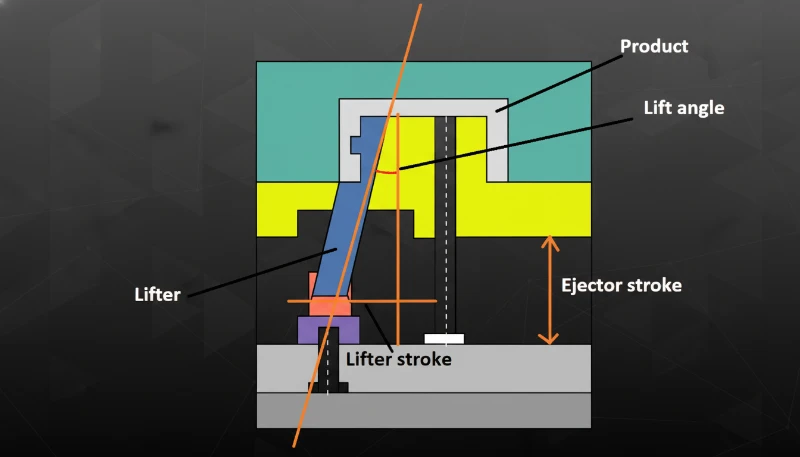
Even parts with complex mold lifter mechanisms or long ejector stroke features need trays that hold them securely. A part with a delicate lifter undercut can be damaged if the tray applies pressure at the wrong angle during the packaging process.
Parça Paketlemede Nem ve Statik Kontrol Neden Önemlidir?
Two environmental enemies destroy more shipped parts than physical impact: moisture and electrostatic discharge. Both are invisible until the damage is done, and both are preventable with the right packaging strategy. Moisture damage takes several forms. Hygroscopic materials like nylon (PA6, PA66) and polycarbonate absorb atmospheric moisture, which causes dimensional change — a part that was within spec at the factory can measure out of tolerance after a two-week ocean voyage through humid climates.
The fix is simple: desiccant packets (silica gel or molecular sieve) inside sealed moisture-barrier bags (MBBs). Military-grade packaging uses MIL-DTL-81705 rated barrier materials, but for most commercial applications, a PE-lined bag with 2-3 silica gel packets per cubic foot of void space is sufficient.
For maximum protection, vacuum-seal the bag after inserting the desiccant. Static discharge is the hidden killer for electronic-related components. When a PE bag rubs against a plastic part during transit, static charges build up to thousands of volts. If that part is an ESD-sensitive housing, sensor carrier, or connector body, the discharge can damage embedded circuitry or create latent defects that fail in the field. The solution is a layered ESD packaging system: pink poly bags (low-charging) or metallized shield bags for individual parts, pink foam or conductive trays for inner packaging, and ESD-safe outer cartons with grounding labels.
With over 20 years of injection molding experience and 8 senior engineers on staff, we have shipped parts to customers in over 50 countries. We have seen moisture damage destroy an entire container of nylon gears headed for Germany because the supplier skipped desiccant packs. That small decision cost a fortune in scrap and emergency air freight for a replacement shipment.
“ESD-safe packaging should cover every layer from individual bag to outer carton”Doğru
True. A single ESD-safe layer does not provide adequate protection. Static can build up on any non-ESD surface and discharge through the protected layer. The full chain — bag, tray, and outer box — must be ESD-rated.
“Silica gel packets alone are sufficient to protect nylon parts from moisture damage during ocean freight”Yanlış
False. Silica gel works only inside a sealed moisture-barrier bag. In a standard carton, the desiccant saturates within hours and provides no further protection. You need a sealed PE-lined or metallized barrier bag plus desiccant.
Enjeksiyon Kalıplı Parça Ambalajlamasını Hangi Endüstri Standartları Yönetir?
ISTA 3A, ASTM D4169, and JEDEC J-STD-033 are the three primary standards governing injection molded part packaging validation. Each addresses a different risk profile, from parcel shipping hazards to medical device requirements to moisture sensitivity. Many suppliers use color-coded storage boxes to organize parts by batch and specification during the validation process, making it easier to trace packaging performance back to specific tray configurations.
ASTM D4169 [astm-d41692] is the medical device and pharmaceutical industry standard (often required by FDA). It defines performance testing of shipping containers through simulated hazard sequences. DC-13 is the most common test plan for small parcel shipments. ASTM D4169 [astm-d4169] is stricter than ISTA 3A and includes additional conditioning steps like temperature cycling and altitude simulation for air freight.
JEDEC J-STD-033 governs moisture-sensitive component handling. If you ship parts made from hygroscopic resins (nylon, polycarbonate, PBT), this standard defines the moisture barrier bag specifications, desiccant quantity calculations, and humidity indicator card requirements. It also specifies the floor life — how long a part can sit outside its barrier bag before it needs to be re-baked to remove absorbed moisture.
Tedarikçiler Sevkiyattan Önce Ambalaj Etkinliğini Nasıl Doğrulayabilir?
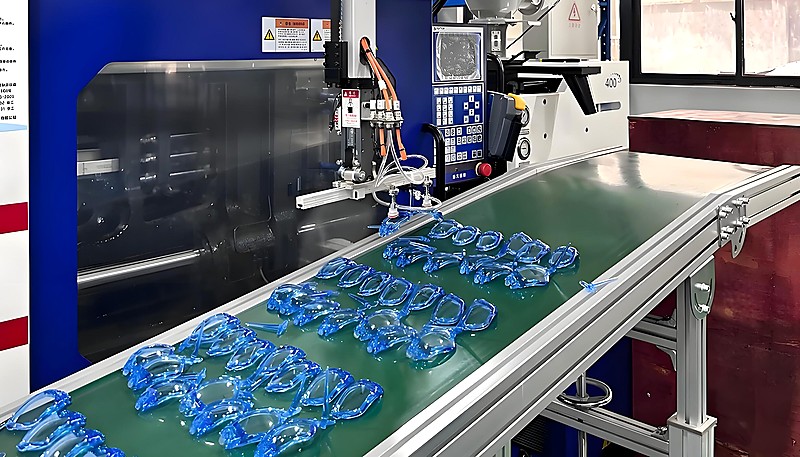
Packaging validation is a repeatable test protocol that suppliers run with actual production parts using ISTA 3A or ASTM D4169 standards. The key is testing with real parts, not dummy weights or empty boxes, because actual part geometry affects how loads distribute inside the package during drops and vibration. Package real production parts using the exact materials and configuration you plan to ship, then run the full test protocol and inspect every part afterward using the same criteria your customer will use for incoming quality inspection.
After testing, inspect every part using the same criteria your customer will use — not a visual once-over. For medical parts, this means dimensional measurement against the drawing specification. For aesthetic parts, it means checking for scratches under proper lighting at the correct viewing angle. Document results in a test report with photos of the packaging before and after testing. This report becomes your evidence base if the customer audits your packaging process. Step 3: Document and lock the packaging specification. Once you find a configuration that passes testing, document every detail: bag type, desiccant quantity, tray orientation, box dimensions, tape type, and label placement. Create a packaging work instruction with photos.
This becomes the locked standard under ISO 9001 [iso-90013] quality management — no changes without formal re-validation and documented approval. If your customer sends a packaging change request, always run a quick validation test before implementing it on the production line. We have seen cases where a well-meaning change from PE foam to corrugated inserts doubled the damage rate because the new material did not absorb vibration as effectively during simulated drop testing. Every modification, no matter how minor it seems, needs to go through the same validation protocol as the original specification. This discipline is what separates suppliers with consistently low damage rates from those who experience periodic quality spikes.
Standart Çözümler Yerine Özel Ambalajı Ne Zaman Seçmelisiniz?
Custom packaging is not always necessary, but when the situation calls for it, the ROI is undeniable. The decision comes down to part value, part fragility, and annual volume. Here is how to decide. Go custom when: your part has fragile features (thin ribs under 1mm, snap-fit clips, threaded metal inserts that protrude), when surface finish is Class A (automotive exterior, consumer electronics visible surfaces), or when your annual volume exceeds 10,000 units and the per-part packaging cost matters. Custom thermoformed trays molded to the exact part geometry are the single most effective packaging investment for medium-to-high volume production.
They lock each part in place, prevent any movement during transit, and can be designed to stack efficiently in standard carton sizes.
Stick with standard when: your parts are robust (wall thickness over 3mm, no fragile features), volumes are low (under 1,000 units per shipment), or the surface finish is functional rather than cosmetic. Standard PE foam sheets, bubble wrap, and double-wall cartons are perfectly adequate for these scenarios. The key is being honest with yourself about your parts vulnerability — optimism is not a packaging strategy. The cost trade-off looks like this: a custom thermoformed tray might cost $0.30 to $1.00 per unit at 5,000-piece volume, versus $0.08 to $0.15 for generic foam-and-bag packaging.
But if generic packaging gives you a 5% damage rate on a $20 part, your effective cost per good part is $21.00 — already more expensive than custom packaging at 0.5% damage rate. For parts over $5 unit value, custom packaging almost always pays for itself within the first year. For sourcing guidance on finding the right enjeksiyon kalıplama tedarikçisi with proper packaging capabilities, see our comprehensive sourcing guide.
Paketleme Gereksinimleri Parça Geometrisi ve Malzemeye Göre Nasıl Değişir?
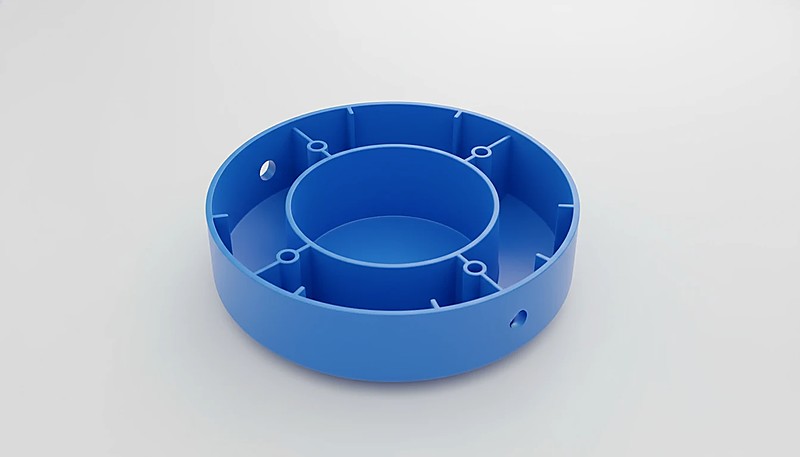
Part geometry and material dır the two biggest factors driving packaging requirements. Thin walls demand rigid support, soft materials need breathing room, and brittle composites require targeted shock absorption.
Thin-wall parts (wall thickness under 1.5mm) are fragile under compressive loads and should never be stacked without rigid support. Use individual cavities in a molded tray with a rigid top cover that prevents vertical compression. Do not rely on the part itself to support stacking weight — it will crack. Large flat panels (over 300mm on any side) are susceptible to warpage from uneven pressure and temperature gradients. Ship these in single-layer trays with foam padding on both faces, oriented flat inside the carton. Never stack large panels vertically — the bending stress from vibration during transit causes permanent deformation.
Soft materials (TPE, TPU, LDPE) resist impact well but deform under sustained pressure. Do not pack them tightly — leave space so parts are not compressed against each other or tray walls. Individual bags with talc prevent tacky surfaces from adhering. For parts that require tight tolerance — whether from precision injection molding or secondary CNC machining operations — the packaging must prevent even minor deformation that could push dimensions out of spec.
Having worked with over 400 different plastic materials and producing 100+ mold sets per month, we know firsthand that packaging requirements vary dramatically by material. A soft TPU overmold grip needs completely different handling than a rigid glass-filled nylon gear — and getting this wrong at the packaging stage can undo weeks of careful molding work.
Enjeksiyon Kalıplama Ambalaj Gereksinimleri Hakkında En Yaygın Sorular Nelerdir?
Sıkça Sorulan Sorular
What is the ISTA 3A test and does my packaging need it?
ISTA 3A is a standardized testing protocol developed by the International Safe Transit Association that simulates real-world shipping hazards for packages weighing under 70 kg shipped through parcel delivery networks. The test protocol includes a 76 cm free-fall drop on every face edge and corner, random vibration testing at 0.73 grms for 60 minutes, and static compression equivalent to warehouse stacking loads. If you ship injection molded parts via courier or postal services, passing ISTA 3A gives you confidence that the packaging will survive actual transit conditions. We recommend ISTA 3A certification for any part with a unit value above three dollars or where cosmetic damage is a reject criterion.
How many desiccant packets should I use in a moisture-barrier bag?
The standard calculation follows JEDEC J-STD-033 guidelines. As a practical rule of thumb, use one unit of silica gel per cubic foot of bag volume for shipments under seven days transit time, and two units per cubic foot for longer journeys such as ocean freight. Always include a cobalt-free humidity indicator card inside the barrier bag so the receiving quality inspector can verify at a glance whether the parts were exposed to excessive moisture during transit. For especially sensitive materials like nylon or polycarbonate, consider adding a secondary moisture indicator label on the outside of the carton as well.
Can I reuse packaging trays from a previous shipment?
Reusable trays are acceptable if they are made from durable materials like PET or rigid PVC and pass a visual inspection for cracks, deformation, or contamination before each use. EPE foam trays and corrugated pulp trays should generally not be reused because they compress under load and lose their cushioning properties after the first shipment cycle. If you switch from single-use to reusable trays, always re-run a simplified ISTA drop test to confirm the reused tray still provides adequate part protection. Document the maximum number of reuse cycles allowed in your packaging work instruction.
What packaging does my supplier need for medical injection molded parts?
Medical parts require packaging that meets ASTM D4169 performance testing standards plus ISO 11607 requirements for sterile barrier systems if terminal sterilization is required. Cleanroom-compatible packaging materials such as Tyvek pouches, medical-grade polyethylene bags, and validated peel-open headers are standard in the industry. Traceability labels with lot numbers, manufacturing dates, and sterilization batch codes must be affixed to every layer of packaging. Additionally, the packaging process itself should be performed in a controlled environment matching the part cleanliness requirements, and all packaging materials need certificate of conformance documentation.
How do I calculate the ROI of custom versus standard packaging?
Start by calculating your current annual loss from shipping damage: multiply your damage rate percentage by the unit part value times annual volume plus any associated freight costs for returns and replacements. Then compare that total against the annual cost premium of switching to custom thermoformed trays. In our experience, custom trays typically pay for themselves when unit part value exceeds five dollars and annual volume is above ten thousand pieces, because they reduce damage rates from roughly five percent to under half a percent. The breakeven point comes faster for parts with expensive surface finishes.
What is the difference between anti-static and ESD-safe packaging?
Anti-static materials are designed to resist generating static charge during normal handling — they simply do not build up a charge easily. ESD-safe packaging goes further by providing a controlled dissipation path that allows any accumulated charge to bleed off safely to ground, preventing a sudden discharge event through the part itself. For injection molded electronic housings, sensor carriers, and connector bodies, the correct specification is ESD-safe packaging with surface resistivity between ten to the fifth and ten to the eleventh ohms per square. Anti-static alone is insufficient for parts that will be assembled into electronic systems.
Doğrulanmış Paketlemeli Enjeksiyon Kalıplı Parçalar İçin Neden ZetarMold'u Seçmelisiniz?
Packaging is not an afterthought — it is the last manufacturing step that determines whether your parts arrive in spec or in the scrap bin. At ZetarMold, our 30+ English-speaking project managers coordinate packaging specifications with every customer before the first production run. We operate under ISO 9001 [iso-9001] and ISO 13485 quality management systems, which means every packaging decision is documented, validated, and repeatable.
Whether you need ISTA 3A-tested parcel packaging, cleanroom-compatible medical packaging, or custom thermoformed trays for delicate components, we have the experience and the systems to deliver parts that arrive ready for assembly. Get a free quote for your next injection molding project — and tell us about your packaging requirements.
We will include a validated packaging specification in your quotation at no extra cost.
-
ista-3a: ISTA 3A is a test protocol from the International Safe Transit Association for packaged products weighing under 70 kg shipped via parcel delivery. ↩
-
astm-d4169: ASTM D4169 refers to a standard practice for performance testing of shipping containers and systems, widely used in medical device packaging validation. ↩
-
iso-9001: ISO 9001 refers to an international standard that specifies requirements for a quality management system, including documented packaging and handling procedures. ↩




 EN
EN  ES
ES  FR
FR  DE
DE  PT
PT  AR
AR  RU
RU  JA
JA  KO
KO  IT
IT  NL
NL  TR
TR  PL
PL 