U hebt een sterk productontwerp, een gevalideerde markt en zekere financiering. U kiest een spuitgietleverancier, stuurt de CAD-bestanden en verwacht binnen 6 weken productieonderdelen. Drie maanden later bespreekt u nog steeds toleranties, is de matrijs tweemaal aangepast en is uw introductiedatum voorbij het feestdagenseizoen geschoven. Als dit herkenbaar klinkt, bent u niet de enige — het gebeurt bij productteams van elke omvang, van start-ups tot Fortune 500-fabrikanten.
Na meer dan 20 jaar spuitgietprojecten in onze fabriek in Shanghai te hebben uitgevoerd, hebben we elke denkbare manier gezien waarop een project bij de start kan ontsporen. Van het specificeren van de verkeerde sluiteenheid tot het verkeerd begrijpen van belangrijke procesparameters: de meeste vertragingen zijn te voorkomen — ze ontstaan door fouten in de eerste twee weken van de samenwerking. Deze gids behandelt de zeven meest voorkomende fouten bij de projectstart met een leverancier en biedt op basis van echte ervaring met duizenden matrijsbouw- en productiestarts een praktisch kader om ze te vermijden.
- Onvolledige onderdeelspecificaties zijn de belangrijkste oorzaak van nabewerking aan eerste artikelen
- Het overslaan van een DFM-beoordeling verlengt uw planning met 3–8 weken
- Een matrijsvultanalyse detecteert 80% van de vulproblemen voordat het staal wordt verspaand
- Onduidelijke kwaliteitsnormen veroorzaken geschillen die de vrijgave weken vertragen
- Slechte communicatie zorgt dat problemen pas zichtbaar worden wanneer goedkoop herstel niet meer mogelijk is
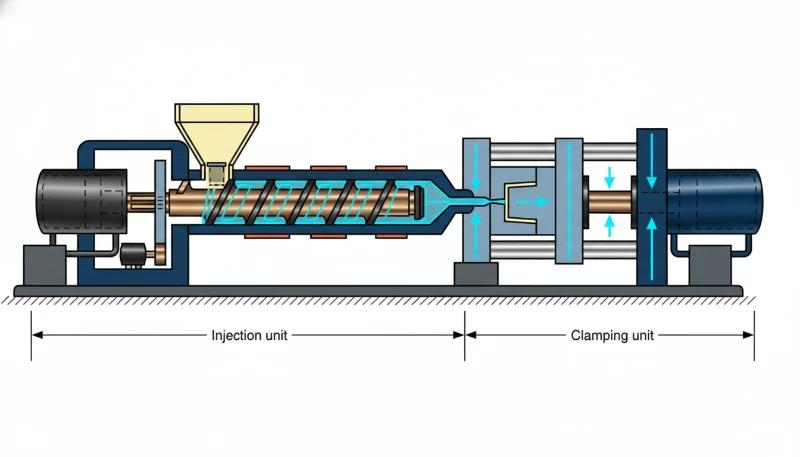
Waarom veroorzaken onvolledige productspecificaties duur herwerk?
Onvolledige specificaties zijn de belangrijkste oorzaak van nabewerking aan eerste proefdelen. Als u een 3D CAD-bestand verstuurt zonder toleranties, eisen aan de oppervlakteafwerking, kritische afmetingen en montage-interfaces te definiëren, moet de leverancier aannames doen — en aannames in precisieproductie kosten altijd geld. Een volledig specificatiepakket moet CTQ-afmetingen met concrete toleranties bevatten, niet alleen “standaardtoleranties” volgens ISO 27681), oppervlakteafwerking met SPI-oppervlakteafwerking2 categorieën, materiaalkwaliteit met verwijzing naar het gegevensblad, kleurspecificatie met Pantone- of RAL-nummer, assemblagetekeningen en omstandigheden van de gebruiksomgeving. Een klant stuurde ooit één STEP-bestand zonder annotaties.
De leverancier maakte een offerte op basis van aannames, bouwde de matrijs en produceerde de eerste artikelen — om pas daarna te ontdekken dat voor een referentieboring ±0.02mm vereist was. Het opnieuw verspanen kostte drie weken en $8,000.
In onze fabriek in Shanghai heeft 20+ jaar ervaring geleerd dat de bespreking van de specificaties de belangrijkste vergadering van elk project is. Onze projectmanagers houden deze altijd voordat het matrijsontwerp begint.
Hoe voegen lossingshoeken en fouten in DFM-beoordelingen weken toe aan uw planning?
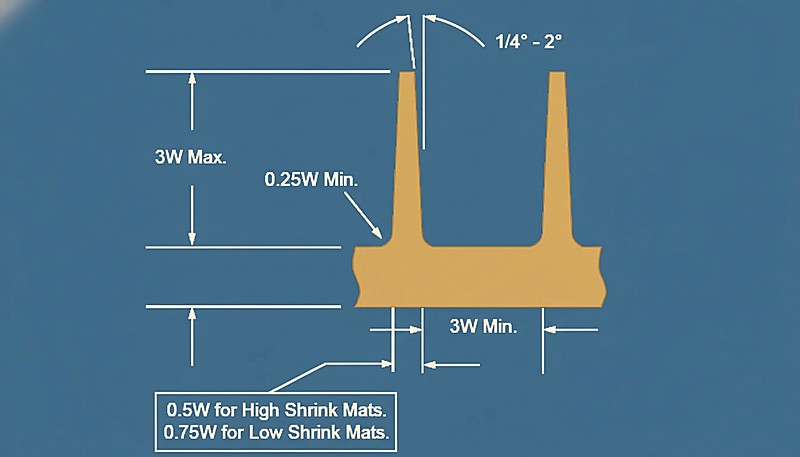
Een DFM-beoordeling overslaan is de snelste manier om 3–8 weken aan uw project toe te voegen. Een DFM-beoordeling overbrugt de kloof tussen “uw ontwerp ziet er goed uit in CAD” en “uw ontwerp kan betrouwbaar worden gespuitgoten.” Zonder deze beoordeling komen problemen tijdens de eerste-stukinspectie aan het licht — nadat de matrijs al is gebouwd. Veelvoorkomende DFM-problemen zijn onvoldoende lossingshoeken die kleven en oppervlaktebeschadiging veroorzaken, niet-uniforme wanddiktes die inval en interne holtes veroorzaken, onnodige ondersnijdingen die $3,000–$10,000 aan zijschuifgereedschap toevoegen, en scherpe hoeken die spanningsconcentraties veroorzaken. Een goede beoordeling onderzoekt voor elke maat en elk kenmerk van het onderdeel de wanddikte, geschiktheid van lossingshoeken, alternatieven voor ondersnijdingen, plaatsing van aanspuitpunten, posities van laslijnen en uitwerpstrategie.
Een DFM-beoordeling duurt 2–3 dagen. Nabewerking van een matrijs duurt 2–6 weken en kost duizenden. In onze fabriek beoordelen onze 8 senior engineers elk ontwerp en documenteren ze elke aanbevolen wijziging voordat het matrijsstaal wordt bewerkt. Dit proces heeft klanten gedurende drie jaar gemiddeld 4.2 weken per project bespaard.
Wanneer moet u een moldflowanalyse uitvoeren voordat staal wordt verspaand?
U moet voor elke nieuwe matrijs een matrijsvloei-analyse uitvoeren — daarmee wordt 80% van de vulproblemen ontdekt voordat staal wordt verspaand. Hulpmiddelen zoals Moldflow3 of Moldex3D simuleren het vullen van de holte, vorming van vloeilijnen, luchtinsluitingen en krimp en kromtrekken na uitwerpen. Moldflow is vooral belangrijk voor meervoudige matrijzen (stroombalans tussen holtes), dunwandige onderdelen (stolrisico onder 1mm), hoogwaardige materialen zoals PEEK en LCP (smalle procesvensters) en onderdelen met nauwe toleranties (krimpvoorspelling voor staalcompensatie). De investering is $500–$2,000 tegenover $3,000–$15,000 plus 3–6 weken voor nabewerking. Ons engineeringteam voert voor elk nieuw gereedschap een moldflow-analyse uit en deelt de resultaten voordat staal wordt verspaand.
Wat zijn de veelvoorkomende defecten wanneer de materiaalkeuze verkeerd is?
Fouten in de materiaalkeuze worden niet altijd direct zichtbaar. Een onderdeel kan de eerste-stukinspectie doorstaan en vervolgens na 500 uur uv-blootstelling defecten ontwikkelen, bij hogere temperaturen inval vertonen of bij -20°C barsten. Deze veelvoorkomende defecten — blaasvorming, inval, braamvorming, brandplekken en visuele aantasting van het oppervlak — ontstaan pas nadat de matrijs gereed is en soms zelfs pas na productieruns. De meest voorkomende fouten zijn: kiezen op merknaam in plaats van prestatie-eisen; langetermijnveranderingen negeren (polycarbonaat vergeelt onder uv, nylon neemt vocht op en verandert 0.5–2% van afmeting); onnodig glasgevulde kwaliteiten specificeren wanneer een lager vulpercentage volstaat; en vervangende materialen niet toetsen aan de volledige specificatie, inclusief slagvastheids- en defectgrenzen.
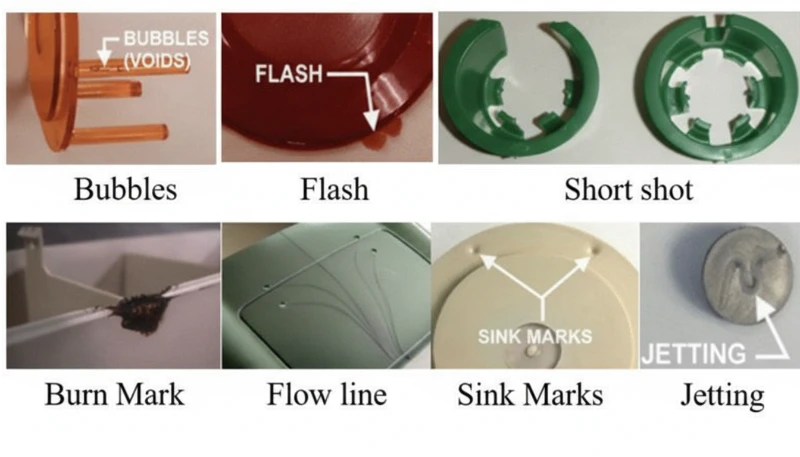
Onze materialendatabase omvat 400+ kunststoffen. Het kernprincipe: specificeer wat het onderdeel moet doen, niet welk materiaal moet worden gebruikt. Laat de toepassingseisen de keuze bepalen en valideer tegen de volledige bedrijfsomgeving om defecten in het veld te voorkomen.
Dankzij ervaring met 400+ kunststofmaterialen kunnen onze engineers beoordelen of uw materiaalkeuze in de praktijk werkelijk voldoet. En met 30+ medewerkers die vloeiend Engels spreken, verlopen die gesprekken zonder vertaalproblemen.
De kosten van materiaalgerelateerde uitval in de praktijk zijn vrijwel altijd vele ordes groter dan de kosten van voorafgaande materiaalvalidatie. Een onderdeel dat na zes maanden gebruik scheurt, leidt tot garantieclaims, mogelijke productterugroepingen en verlies van klantvertrouwen. Onze aanpak is om de materiaalprestaties vóór de matrijsbouw te valideren aan de hand van de werkelijke gebruiksomgeving—waaronder extreme temperaturen, blootstelling aan chemicaliën, UV-straling en mechanische belasting. Dit validatieproces duurt 3–5 dagen en heeft gedurende onze twintig jaar productie-ervaring talloze praktijkdefecten voorkomen. We hebben dit patroon bij honderden projecten zien terugkeren en de les is steeds dezelfde: valideer materialen grondig voordat u investeert in productiematrijzen.
Waarom leiden onduidelijke kwaliteitsnormen tot geschillen met leveranciers?
Onduidelijke kwaliteitsnormen zijn de hoofdoorzaak van de meeste geschillen met leveranciers. Wanneer beide partijen dezelfde onderdelen volgens verschillende criteria inspecteren en geen van beide de regels vooraf heeft vastgelegd, is een conflict onvermijdelijk. Een volledige kwaliteitsovereenkomst moet het volgende specificeren: de norm voor visuele inspectie (vergroting, verlichting, afstand, referentienorm), het plan voor maatinspectie (welke afmetingen, welk instrument, welke frequentie), AQL-niveaus (0.65 kritiek, 1.0 belangrijk, 2.5 gering), functionele tests met goed-/afkeurcriteria en GR&R-meetsysteemanalyses voor kritieke afmetingen. Een klant keurde ooit eerste proefstukken bij 10× vergroting af wegens “oppervlaktedefecten”, terwijl de leverancier ze bij 1× had goedgekeurd. Geen van beide partijen had de inspectienorm gedefinieerd. Resultaat: twee weken discussie en een beschadigde relatie.
Onze 10+ QC-specialisten werken volgens ISO 9001 en ISO 13485 en delen inspectierapporten in realtime.
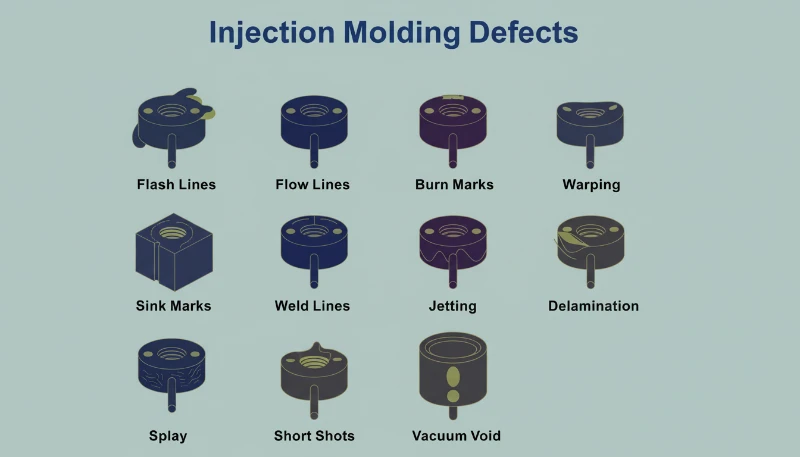
Hoe kunnen communicatiekloven een volledige productierun doen ontsporen?
Communicatiestoringen zijn stille projectkillers die meer projecten ontsporen dan welk technisch probleem ook. De gevaarlijkste tekortkomingen: aannemen dat de leverancier de eisen heeft begrepen (stilte betekent onbegrip, geen instemming), onregelmatige statusupdates (mijlpalen zijn nodig, geen wekelijkse berichten met “in uitvoering”), afhankelijkheid van één persoon (één persoon per partij) en het ontbreken van een escalatiepad. Samenwerking met buitenlandse leveranciers brengt extra taal- en cultuurbarrières met zich mee. Onze 30+ medewerkers die vloeiend Engels spreken overbruggen deze kloof en we gebruiken tweetalige werkinstructies. We wijzen een vaste projectmanager met een vervanger toe, hanteren een responstermijn van 24 uur, verstrekken wekelijkse mijlpaalupdates met foto’s en bieden een realtime dashboard.
Wat moet een robuust leverancierskwalificatieproces omvatten?
Een robuust kwalificatieproces voor leveranciers is essentieel, omdat kiezen op prijs alleen de duurste beslissing is die u kunt nemen. De juiste leverancier ontdekt ontwerpproblemen voordat ze matrijsproblemen worden, voorkomt defecten met robuuste kwaliteitssystemen en zorgt dat uw planning niet afhankelijk is van de spoedorder van iemand anders. Dit zijn de vijf kritieke gebieden die elk kwalificatieproces moet beoordelen: Het overslaan van deze beoordeling leidt tijdens de productie tot kostbare verrassingen die in een gestructureerd kwalificatieproces van slechts enkele weken hadden kunnen worden vastgesteld en beperkt. Elke extra week die aan kwalificatie wordt besteed, bespaart later maanden aan mogelijke productieproblemen.
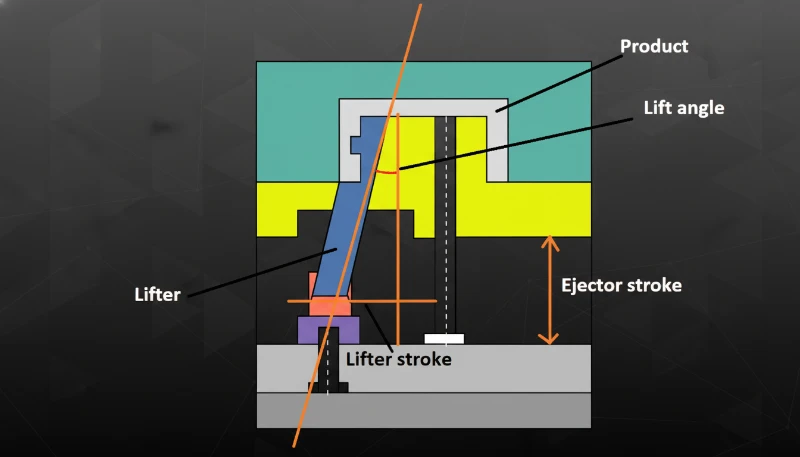
Het kiezen van een spuitgieten leverancier uitsluitend op prijs kiezen is de duurste beslissing die u kunt nemen. Een gedegen kwalificatie beoordeelt vijf gebieden: technische capaciteit (juiste machinetonnage, materiaalervaring, spuitgietvorm complexiteit, waaronder lifters, uitwerpers en zijdelingse bewegingen), volwassenheid van het kwaliteitssysteem (meer dan ISO 9001 — interne afkeurpercentages en corrigerende processen), technische diepgang (DFM, matrijsstroom, tolerantieanalyses), capaciteit en schaalbaarheid (bezettingsgraad en uitbreidingsplannen) en staat van dienst (20+ jaar met referenties voor vergelijkbare projecten). Het kwalificatieproces duurt 2–4 weken en voorkomt later maandenlange problemen.
"Een volledig specificatiepakket moet CTQ-afmetingen met specifieke toleranties bevatten, niet alleen een 3D CAD-bestand."True
Als alleen een STEP-bestand zonder vastgelegde toleranties wordt verzonden, moet de leverancier aannames doen die vaak leiden tot afwijzing van het eerste product en nabewerking van de matrijs. Vier uur specificatiewerk vooraf bespaart later weken.
"Een matrijsstroomanalyse is alleen nodig voor complexe meervoudige matrijzen met nauwe toleranties."False
Een matrijsstroomsimulatie ontdekt ook problemen in eenvoudige onderdelen—poortplaatsing, de positie van lasnaden en krimppatronen beïnvloeden elk spuitgegoten onderdeel. Met $500–$2,000 per analyse tegenover $3,000–$15,000 per nabewerking is een analyse voor elke nieuwe matrijs economisch verantwoord.
Inzicht in het verschil tussen noodzakelijke en optionele analysestappen is cruciaal voor de projectplanning. De kosten-batenanalyse pleit consequent voor vroege simulatie en validatie, wanneer wijzigingen goedkoop zijn, in plaats van problemen te ontdekken nadat het staal is verspaand en de matrijs in productie is. Elke week vertraging bij de introductie kost geld — door gemiste marktvensters, langer benodigde teamcapaciteit en opportuniteitskosten die gedurende de productlevenscyclus oplopen. Dit principe geldt universeel voor elk aspect van projectbeheer bij spuitgieten.
"Visuele inspectienormen met een vastgelegde vergroting en verlichting voorkomen de meeste kwaliteitsgeschillen."True
De meeste geschillen ontstaan omdat de koper inspecteert bij 10× vergroting, terwijl de leverancier 1× gebruikt. Het vaststellen van vergroting, verlichting en referentienormen voorafgaand aan de productie elimineert deze categorie van onenigheid volledig.
"Als de eerste productmonsters de maatinspectie doorstaan, was de materiaalkeuze correct."False
Eerste artikel inspectie valideert dimensies bij kamertemperatuur direct na gieten. Het onthult geen UV degradatie, vochtabsorptie, creep, of thermische cycling failures die ontstaan na honderden uren in gebruik.
Veelgestelde vragen
Hoe lang moet het leverancier kwalificatie proces duren?
Een grondige leveranciersqualificatie duurt 2–4 weken en omvat vijf kritieke gebieds: technische capaciteit inclusief machinerange en materiaalervaring, kwaliteitssysteem maturity boven basis ISO 9001 certificatie, engineering depth in DFM en mold flow analyse, productiecapaciteit en scalability voor toekomstige groei, en financiële stabiliteit met referenties voor vergelijkbare projecten. Deze stap overslaan om een paar weken te besparen leidt meestal tot kostbare vertragingen later. Voer een facility visit in waar mogelijk, vraag referenties voor projecten van vergelijkbare complexiteit, en overweeg een trial mold build voorafgaand aan een volledig productieprogramma.
Wat is de meest kostbare project lancering fout om te repareren na productie?
Materiaalselectie fouten zijn de meest kostbare post-productie fixes omdat ze vaak volledige requalificatie vereisen met mogelijk een volledig nieuwe mal als de shrink karakteristieken verschillen tussen de originele en vervangende kunststof. Je moet ook alle bestaande inventory scrapen die niet meer voldoen aan field performance vereisten. Een incorrect materiaal dat eerste artikel inspectie passeert maar faalt na maanden van real-world service kan product recalls, warranty claims, en reputational damage triggeren die de originele tooling investment ver overschrijdt, waardoor upfront validation essentieel is.
Moet ik matrijsstromingsanalyse doen voor een simpele tweeplaatsmatrijs?
Ja, zelfs simpele tweeplaatsmatrijzen profiteren sterk van matrijsstromingsanalyse. De simulatie optimaliseert gateplaatsing om zichtbaarheid van laslijnen op cosmetische oppervlakken te minimaliseren, voorspelt luchtinsluitingslocaties zodat ontluchting correct kan worden gepositioneerd, en zorgt voor een gebalanceerde vulling over de holte voor consistente kwaliteit van stuk tot stuk over alle holtes. Bij €500–€2.000 per analyse versus €3.000–€15.000 per matrijzenmodificatie, is matrijsstromingsanalyse op elke nieuwe tool simpelweg goede technische economie die zichzelf vele keer terugbetaalt tijdens de levenscyclus van het project voor elke matrijzenconfiguratie.
Welke tolerantie moet ik specificeren voor spuitgietonderdelen?
Algemene commerciële toleranties volgen ISO 2768-C met ongeveer ±0.1mm voor dimensies onder 10mm en proportioneel groter voor grotere dimensies over de onderdeel geometrie. Voor kritische kwaliteitsdimensies, specificeer de strakste tolerantie die uw functie echt vereist in plaats van automatisch de strakste optie te kiezen — strakkere toleranties verhogen zowel initiële toolingkosten als voortdurende procescontrolevereisten significant. Maak altijd duidelijk het verschil tussen kritische dimensies die direct invloed hebben op pasvorm, functie, of uiterlijk en referentiedimensies die alleen informatief zijn, om onnodige kosteninflatie te voorkomen.
Hoe voorkom ik communicatieproblemen met een buitenlandse spuitgietleverancier?
Stel een gestructureerd communicatieplan op met mijlpaalgebaseerde updates bij elke productiestap, gegarandeerde 24-uurs reactieverplichtingen voor technische vragen, minimaal twee aangewezen contactpersonen aan elke kant om single-point-of-failure vertragingen te voorkomen, en een gedeeld projectdashboard toegankelijk voor alle stakeholders. Gebruik tweetalige werkinstructies bij het werken met buitenlandse leveranciers, en eis wekelijks foto- en video-updates bij elke productiestap zodat je visueel de voortgang kunt verifiëren in plaats van alleen afhankelijk te zijn van geschreven statusrapporten die mogelijke productieproblemen kunnen missen.
Wat moet in een DFM review rapport staan?
Een complete DFM review moet systematisch wall thickness analyse en uniformity over het gehele onderdeel dekken, draft angle verificatie voor alle vertical surfaces, undercut identificatie met suggested design alternatives die mold complexity reduceren, gate placement recommendations gebaseerd op fill simulation, weld line position prediction voor cosmetic surfaces, ejector strategy inclusief pin locations en stroke requirements, en surface finish feasibility voor elke visible surface. Elk recommendation moet de technische reden en de specifieke manufacturing consequence van niet adresseren van het geïdentificeerde issue bevatten.
Kan ik een algemene ABS kwaliteit gebruiken zonder specifieke materiaalvereisten?
Je kunt beginnen met een algemeen purpose ABS grade, maar dit doen zonder minimum performance vereisten te definiëren is riskant. Zelfs basis applicaties moeten minimum thresholds specificeren voor impact strength gemeten door Izod notched testing, heat deflection temperature onder load, en dimensional stability over de verwachte operationele temperatuurrange van de applicatie. Een algemeen purpose grade kan adequaat presteren bij kamertemperatuur maar falen onder de thermische cycling, UV exposure, of chemical contact condities die je onderdeel ervaart tijdens actual end-use service over zijn verwachte product lifetime.
Welke kwaliteitsdocumentatie moet ik aanvragen van mijn leverancier?
Vraag minimaal eerste artikel inspectierapporten aan met volledige dimensiedata voor alle kritieke dimensies van het onderdeel, dimensie-capability studies met Cpk-waarden voor kritieke dimensies, materiaal certificaten van analyse van de kunststofleverancier, procesparameterregistraties opgenomen van de gietmachine tijdens productie, en zowel inkomende grondstof- als uitgaande eindproduct inspectiedataoverzichten. Voor medische of automotive applicaties, vereis ook formele procesvalidatie documentatie inclusief Installatie Qualification, Operationele Qualification en Performance Qualification protocollen met gedocumenteerde acceptatiecriteria.
Succesvolle projectlanceringen bewijzen dat het kiezen van de juiste spuitgietpartner niet alleen om prijs draait—het gaat om een gestructureerd proces, ervaren technische ondersteuning en een complete leveranciersevaluatie en sourcing handleiding waarmee u risico’s vroegtijdig kunt vaststellen. Bij ZetarMold biedt ons team van 8 senior engineers en 30+ Engelstalige professionals precies zo’n transparant partnerschap met een proactieve risicobenadering. Neem contact met ons op om de start van uw volgende project te bespreken.
ISO 2768: ISO 2768 specificeert algemene toleranties voor lineaire en hoekmaten zonder afzonderlijke tolerantieaanduidingen. ↩
SPI-oppervlakteafwerking: SPI-oppervlakteafwerking verwijst naar normen die categorieën voor matrijsoppervlakken definiëren van A-1 (spiegelglans) tot en met D-3 (straalfinish). ↩
Moldflow: Moldflow verwijst naar simulatie met autodesk Moldflow, waarbij eindige-elementenanalyse wordt gebruikt om de kunststofstroming, nadrukfase, koeling en vervorming te voorspellen. ↩