ASA (Acrylonitrile Styrene Acrylate) spuitgieten biedt iets wat ABS niet kan: echte langdurige UV- en weerbestendigheid zonder verf of coating. Als u materiaal specificeert voor buitenbehuizingen, exterieurafwerking van auto’s of tuinapparatuur die jarenlang in de zon staat, is ASA doorgaans de juiste keuze. Deze gids behandelt de verwerkingsparameters, veelvoorkomende valkuilen en ontwerpoverwegingen waarmee u ASA-onderdelen meteen goed produceert.
- ASA vervangt het butadieen in ABS door acrylaatrubber voor inherente UV-stabiliteit
- Smelttemperatuurbereik: 240–260°C; matrijstemperatuur: 40–80°C
- Krimp is 0,4–0,7% — vergelijkbaar met ABS, maar controleer met uw specifieke kwaliteit
- Vooraf drogen op 80–85°C gedurende 2–4 uur om oppervlaktedefecten te voorkomen
- Het beste voor buitentoepassingen, auto-exterieur en tuingereedschaponderdelen
Wat is ASA en waarom kiezen voor ASA in plaats van ABS voor spuitgieten?
ASA is een terpolymeer van acrylonitril, styreen en acrylaatrubber, ontwikkeld als directe uv-bestendige vervanger van ABS. Het belangrijkste structurele verschil: ABS gebruikt polybutadieen als rubberfase; de dubbele bindingen daarin worden door uv-straling afgebroken. ASA gebruikt acrylaatrubber, een verzadigd polymeer dat niet door zonlicht degradeert. Volgens de verweringstest ISO 4892-2 behoudt ASA na 1000 uur uv-blootstelling ruim 90% van zijn treksterkte, terwijl ABS al na 200–400 uur begint te degraderen. Zo behoudt het materiaal na jarenlange buitenblootstelling zijn kleur, oppervlakteglans en mechanische eigenschappen.
Het nadeel? ASA kost doorgaans 15–30% meer per kilogram dan ABS. Bij kamertemperatuur is de slagvastheid ook iets lager dan die van slagvaste ABS-kwaliteiten. Maar voor een onderdeel dat buiten wordt gebruikt, is ASA vrijwel altijd goedkoper dan lakken, coaten of defecte ABS-onderdelen vervangen. Bij spuitgietproeven voor buitentoepassingen in onze fabriek adviseren we standaard ASA, tenzij een strikt kostenplafond ABS plus lak noodzakelijk maakt.
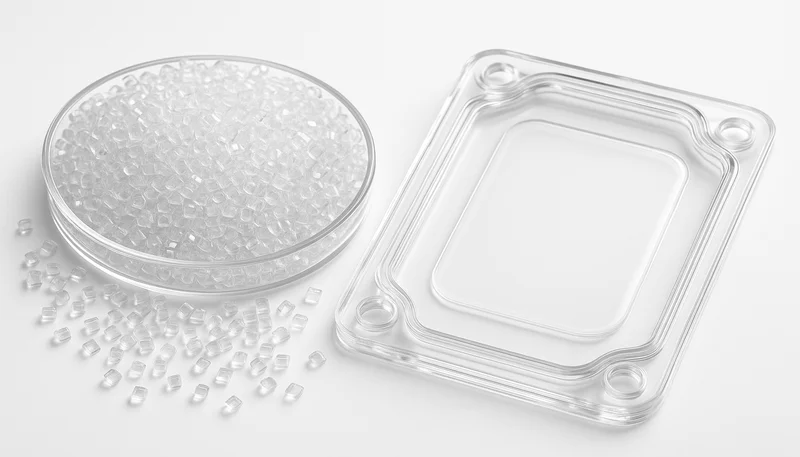
"ASA behoudt buiten jarenlang zijn kleur en mechanische eigenschappen zonder coating of lak."True
De acrylaatrubberfase in ASA is een verzadigd polymeer dat bestand is tegen UV-afbraak, in tegenstelling tot het polybutadieen in ABS dat UV-gevoelige dubbele bindingen bevat.
"UV-gestabiliseerd ABS presteert bij langdurige blootstelling buitenshuis even goed als ASA."False
Uv-gestabiliseerd ABS gebruikt additieven die gedurende 1–2 jaar naar buiten migreren, waarna de degradatie versnelt. De uv-bestendigheid van ASA is structureel — ingebouwd in de polymeerketen — en neemt na verloop van tijd niet af.
Wat zijn de belangrijkste ASA-spuitgietparameters?
De belangrijkste ASA-spuitgietparameters zijn de hoofdcategorieën of opties die in deze sectie worden uitgelegd. ASA verwerkt vergelijkbaar met ABS, maar de temperatuurvensters en droogvereisten verdienen uw aandacht. Op basis van de ASA-verwerkingsgids en onze eigen productiegegevens, zijn hier de kritieke parameters die u moet vaststellen voordat u ASA gaat verwerken.
| Parameterwaarde | Aanbevolen bereik | Opmerkingen |
|---|---|---|
| Smelttemperatuur | 240–260°C | Niet meer dan 270°C — risico op thermische degradatie |
| Vat Achterzone | 215–225°C | Geleidelijke verwarming voorkomt voortijdig smelten |
| Cilinder Middenzone | 230–240°C | Overgangszone voor consistente smelt |
| Vat Voorzone | 240–250°C | Smelttemperatuur dicht bij het doel |
| Temperatuur sproeier | 240–245°C | Pas de voorste zone aan om druipen of bevriezing te voorkomen |
| Schimmel Temperatuur | 40–80°C | Hogere matrijstemperaturen verbeteren de oppervlakteafwerking en verminderen laslijnen |
| Injectiedruk | 800–1400 bar | Aanpassen op basis van onderdeelgeometrie en stroomlengte |
| Houd-/Nadrukdruk | 30–60% van de injectiedruk | Compenseer voor volumetrische krimp |
| Tegendruk | 3–15 bar | Hogere tegendruk verbetert de smelthomogeniteit |
| Schroefsnelheid | 40–80 rpm | Matige snelheid om afschuifdegradatie te voorkomen |
| Droogtemperatuur | 80–85°C | 2–4 uur; vochtgehalte onder 0,1% |
| Krimp | 0.4–0.7% | Verifieer met specifieke grade datasheet 4 |
De meest voorkomende fout die ik ingenieurs met ASA zie maken, is het materiaal niet of onvoldoende drogen. ASA is hygroscopisch: het neemt vocht uit de lucht op. Wordt het nat geïnjecteerd, dan ontstaan zilverstrepen, spuitstrepen en slechtere mechanische eigenschappen. In onze matrijzenmakerij controleren we vóór elke productierun het vochtgehalte met een halogeenanalysator. Het doel is minder dan 0.1% vocht. Heeft het materiaal langer dan enkele uren in open zakken gestaan, droog het dan opnieuw.
"Het voordrogen van ASA-granulaat tot minder dan 0.1% vocht is essentieel om zilverstrepen en spuitstrepen te voorkomen."True
ASA is hygroscopisch en absorbeert vocht uit vochtige lucht. Wanneer het nat wordt geïnjecteerd, verandert het water in stoom in de cilinder, wat zichtbare oppervlaktedefecten veroorzaakt en de sterkte van het onderdeel vermindert.
"ASA hoeft niet vooraf te worden gedroogd omdat het minder hygroscopisch is dan ABS."False
ASA is eigenlijk hygroscopischer dan standaard ABS-graden en vereist strikt drogen bij 80–85°C gedurende 2–4 uur. Deze stap overslaan is de meest voorkomende oorzaak van oppervlaktedefecten bij ASA-spuitgieten.
Hoe beïnvloedt matrixtemperatuur de kwaliteit van ASA-onderdelen?
De matrijstemperatuur is de parameter met de grootste invloed op de oppervlaktekwaliteit van ASA. Bij 40–50°C zijn de cyclustijden kort, maar is het oppervlak mat en zijn laslijnen beter zichtbaar. Verhoog de matrijstemperatuur tot 60–80°C en het oppervlak wordt glanzend, laslijnen vervagen en de slagvastheid van het onderdeel neemt toe doordat de interne spanningen lager zijn.
De afweging is de cyclustijd. Van 40°C naar 70°C matrijstemperatuur gaan voegt meestal 5–15 seconden toe aan uw cyclus, afhankelijk van de wanddikte. Voor dunwandige onderdelen (onder 2 mm) merkt u het verschil nauwelijks. Voor dikwandige structurele onderdelen (4 mm+) is de koeltijdstraf reëel.
In onze ervaring met ASA voor automotive externe trim bij de ZetarMold faciliteit, mikken we op 60–70°C matrixtemperatuur als het ideale punt. Dit geeft een Klasse A oppervlakfinish die bij veel projecten nabehandeling met verf elimineert. Het glansniveau is consistent over het deel en kleurmatch met een specifieke Pantone of RAL referentie is batch-na-batch betrouwbaar.
Wat zijn veelvoorkomende ASA-spuitgietdefecten en hoe los je ze op?
ASA heeft veel van dezelfde defectmodes als ABS, maar enkele komen vaker voor of manifesteren zich anders door de acrylrubberfase.
Zilverstrepen en Spuitmarks
Dit is defect #1 bij ASA en wordt vrijwel altijd veroorzaakt door vocht. ASA neemt sneller vocht op dan ABS. Als de korrels niet tot minder dan 0.1% vocht zijn gedroogd, verandert het water in de cilinder in stoom en ontstaan zilverstrepen op het onderdeeloppervlak. Oplossing: droog minimaal 2–4 uur bij 80–85°C. Gebruik een adsorptiedroger, geen heteluchtoven.
Lassen en stromarks
De smeltviscositeit van ASA is iets hoger dan die van ABS, waardoor vloeilijnen duidelijker zichtbaar kunnen zijn, vooral rond inzetstukken of bij ontwerpen met meerdere aanspuitpunten. Oplossing: verhoog de matrijstemperatuur tot 60–80°C, verhoog de injectiesnelheid en overweeg de vloeilijn tijdens het matrijsontwerp naar een niet-cosmetisch gebied te verplaatsen.
Verkleuring en vergeling
Als uw ASA-onderdelen vergeeld of bruinachtig uit de machine komen, is de temperatuur te hoog of blijft het materiaal te lang in de cilinder. ASA begint boven 270°C af te breken. Oplossing: verlaag de smelttemperatuur, spoel de cilinder als de machine heeft stilgestaan en houd de verblijftijd onder 5 minuten.
Vervorming en krimpvariatie
ASA krimpt binnen hetzelfde praktische bereik als vermeld op de referentiepagina ASA Resin1, en krimpverschillen tussen dikke en dunne zones veroorzaken kromtrekken. Oplossing: houd de wanddikte uniform (nominaal 2–3mm), gebruik voldoende nadruk en nadruktijd en zorg voor een gelijkmatige lay-out van de koelkanalen in de matrijs.
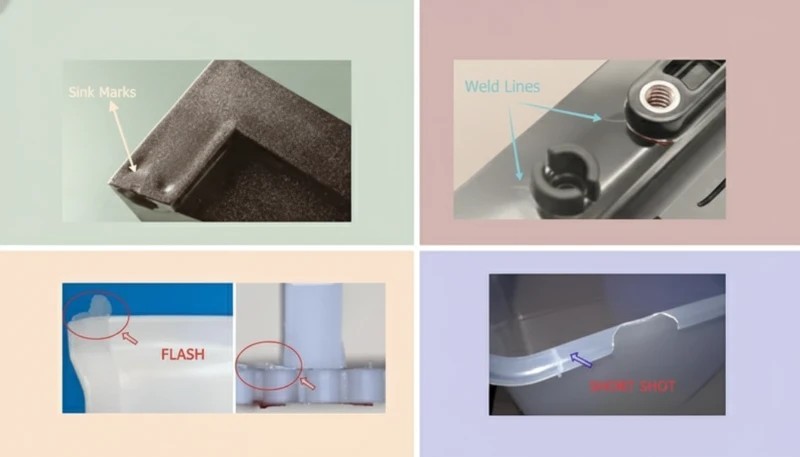
| Defect | Meest waarschijnlijke oorzaak | Eerste Oplossing | Tweede oplossing |
|---|---|---|---|
| Zilverachtige strepen / spatten | Vocht in pellets | Droog materiaal opnieuw (80–85°C, 3–4h) | Controleer de werking van de trechterdroger |
| Onvolledige vulling | Onvoldoende inspuitdruk | Verhoog de injectiesnelheid | Verhoog de smelttemperatuur met 5–10°C |
| Braamvorming | Overmatige druk of versleten gereedschap | Verminder de inspuitdruk | Inspecteer de scheidingslijn van het matrijs |
| Laslijnen (zichtbaar) | Lage matrijstemperatuur | Verhoog de matrijstemperatuur naar 65–80°C | Verhoog de injectiesnelheid |
| Als het materiaal bevriest voordat het vult, verhoog dan de injectiesnelheid (vulsnelheid). | Onvoldoende naspanning/tijd | Verhoog de naspantijd met 1–2s | Verminder variatie in wanddikte |
| Verkleuring | Smelttemperatuur te hoog | Verlaag cilindertemperaturen met 5–10°C | Spoel cilinder, verlaag verblijftijd |
| Onderdeel blijft plakken | Onvoldoende ontwerphoek | Verhoog ontwerphelling naar 1.5°+ | Breng matrijfsmeermiddel aan (tijdelijk) |
| Breekbare delen | Materiaal gedegradeerd of overgedroogd | Controleer smelttemp onder 270°C | Verlaag droogtijd (max 6h bij 85°C) |
Eén ding dat mensen bij ASA verrast: te veel drogen kan even slecht zijn als te weinig drogen. Als u ASA-korrels langer dan 6–8 uur bij 85°C droogt, begint de acrylaatrubberfase te oxideren en neemt de slagvastheid af. Stel een timer in en laat het materiaal niet ‘s nachts in de droger liggen.
Hoe verhoudt ASA zich tot andere weersbestendige materialen?
ASA is concurrerender dan andere weerbestendige materialen wanneer de onderstaande afwegingen tussen kosten, doorlooptijd en kwaliteit bij uw programma passen. ASA is niet de enige optie voor buitenonderdelen. Op basis van SABIC Luran S2 en onze eigen vergelijkende tests ziet de vergelijking van ASA met de belangrijkste alternatieven voor weerbestendige toepassingen er als volgt uit.
| Eigendom | ASA | ABS (UV-gestabiliseerd) | PC/ABS-mengsel | PP (UV-gestabiliseerd) |
|---|---|---|---|---|
| UV-bestendigheid | Uitstekend (intrinsiek) | Matig (additieven degraderen) | Goed | Matig (additieven nodig) |
| Slagsterkte (gekartelde Izod) | 10–35 kilojoule per m² 2 | Bereik: 15–40 kJ/m² | Slagvastheid: 50–60 kJ/m² | Waarde: 3–10 kJ/m² |
| Warmtevervormingstemperatuur | 85–100°C | 85–100°C | 95–115°C | 55–65°C |
| Kosten (ten opzichte van ABS) | 1.2–1.3x | 1,0x (basislijn) | 1.4–1.6x | 0.5–0.7x |
| Kleurbehoud (buiten) | Uitstekend (5+ jaar) | Slecht tot redelijk | Goed | Eerlijk |
| Oppervlakteafwerking (uit de matrijs) | Glanzend, verf-vrij | Lak vereist | Goed | Waxachtig, mat |
| Chemische weerstand | Goed (oliën, verdunde zuren) | Goed | Zeer goed | Uitstekend |
Kortom: hebt u uv-bestendigheid en een fraai oppervlak zonder lak nodig, dan is ASA vaak de kosteneffectiefste inkoopkeuze voor aan de buitenzijde gebruikte spuitgietonderdelen. Uv-gestabiliseerd ABS is goedkoper, maar de uv-additieven migreren na verloop van tijd uit het materiaal en de degradatie op lange termijn versnelt. PC/ABS-blends bieden een betere slag- en hittebestendigheid, maar zijn duurder en vereisen nog steeds uv-stabilisatoren. PP is de goedkoopste optie, maar heeft een slechtere oppervlaktekwaliteit en houdt pigmenten minder goed vast dan ASA.
"ASA kan schilderen na het spuitgieten van buitenonderdelen overbodig maken en zo 20–30% op de kosten per onderdeel besparen."True
Omdat de UV-bestendigheid van ASA in de polymeerstructuur is ingebouwd, behoudt het glanzende, direct gevormde oppervlak jarenlang kleur en glans. Daardoor vervallen kosten voor verf, apparatuur, arbeid en nabewerking.
"ASA heeft bij kamertemperatuur een hogere slagvastheid dan alle ABS-kwaliteiten."False
Standaard ASA-kwaliteiten hebben doorgaans een gekerfde Izod-slagvastheid van 10–35 kJ/m², terwijl slagvaste ABS-kwaliteiten 35–40 kJ/m² kunnen bereiken. Het voordeel van ASA is het behoud van eigenschappen buitenshuis, niet de maximale slagvastheid.
Welke ontwerprichtlijnen moet u volgen voor ASA-onderdelen?
Dit gedeelte gaat over ontwerprichtlijnen die u moet volgen voor ASA-onderdelen en de impact op kosten, kwaliteit, timing of inkooprisico. Ontwerpen voor ASA volgt standaard richtlijnen voor spuitgieten van thermoplasten met enkele materiaalspecifieke overwegingen.
Wanddikte: 1,5–4 mm nominaal. Blijf onder de 5 mm om zinkmarkeringen te voorkomen. Houd ±10% dikte-uniformiteit over het onderdeel aan.
Lossingshoek: minimaal 1–2° per zijde. ASA heeft een iets hogere wrijvingscoëfficiënt tegen gepolijst staal dan ABS, dus bezuinig niet op de lossingshoek.
Straal: minimaal 0,5 mm voor binnenhoeken. Scherpe binnenhoeken creëren spanningsconcentratoren die de slagvastheid verminderen — dit is belangrijker voor ASA omdat de acrylaatrubberfase minder vergevingsgezind is dan butadieen bij inkepingen.
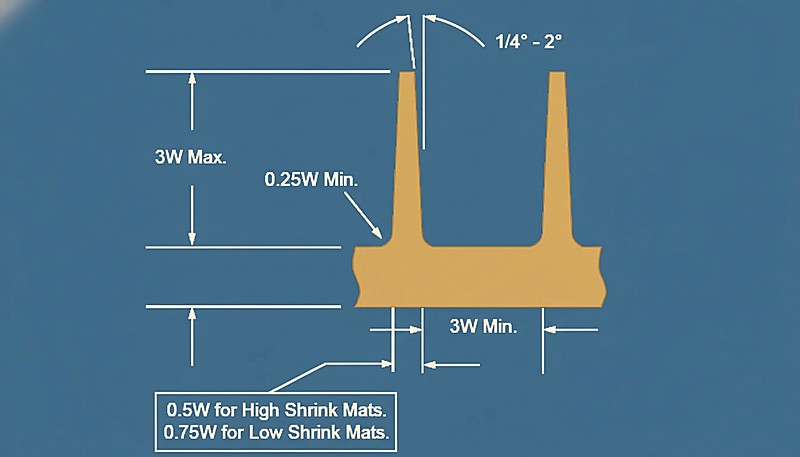
Ribs: maximaal 50–60% van de nominale wanddikte. Te grote ribs veroorzaken zinkmerken op het tegenoverliggende (cosmetische) oppervlak.
Aanspuitlocatie: de vloei-eigenschappen van ASA passen goed bij randaanspuitingen, onderzeese aanspuitingen of ventielaanspuitingen. Vermijd puntaanspuitingen bij onderdelen zwaarder dan 200g — de afschuifsnelheid is te hoog en veroorzaakt jetting.
Wat zijn de belangrijkste toepassingen van ASA-spuitgietonderdelen?
De belangrijkste toepassingen van ASA-spuitgietonderdelen zijn de hoofdgroepen of opties die in deze sectie worden uitgelegd. ASA komt voor waar een onderdeel er goed uit moet zien en buiten moet kunnen overleven. De belangrijkste toepassingscategorieën:
Automobiel exterieurtrim: grille-omlijstingen, spiegelhuisvestingen, deurgrepen, motorkapventilatieopeningen. ASA houdt stand tegen wegenzout, UV-straling en temperatuurwisselingen zonder te verkleuren. Dit is wereldwijd het grootste toepassingssegment voor ASA.
Behuizingen voor buitentoepassingen: grasmaaierhoezen, kettingzaagbehuizingen, handvatten voor tuingereedschap. De combinatie van slagvastheid en kleurbehoud is moeilijk te overtreffen voor consumentenzichtbare oppervlakken.
Elektrische behuizingen (buiten): aansluitdozen, meterkappen en antennebehuizingen. De elektrische isolatie-eigenschappen van ASA zijn vergelijkbaar met die van ABS, en de ZetarMold-gids voor spuitgieten3 vermeldt dat ASA volgens de thermische index UL 746C geschikt is voor continu gebruik tot 85°C.
Maritieme accessoires: bootfittingen, steigeruitrusting, boeihuisvestingen. ASA is beter bestand tegen zoutnevel en vochtigheid dan UV-gestabiliseerd ABS, waardoor het betrouwbaar is voor kust- en mariene omgevingen.
Recreatievoertuigen: RV-sierdelen, caravanpanelen en ATV-carrosseriepanelen. Langdurige kleurconsistentie over meerdere productiebatches is een sterk punt van ASA — belangrijk wanneer vervangingsonderdelen jaren later nog met het origineel moeten overeenkomen.
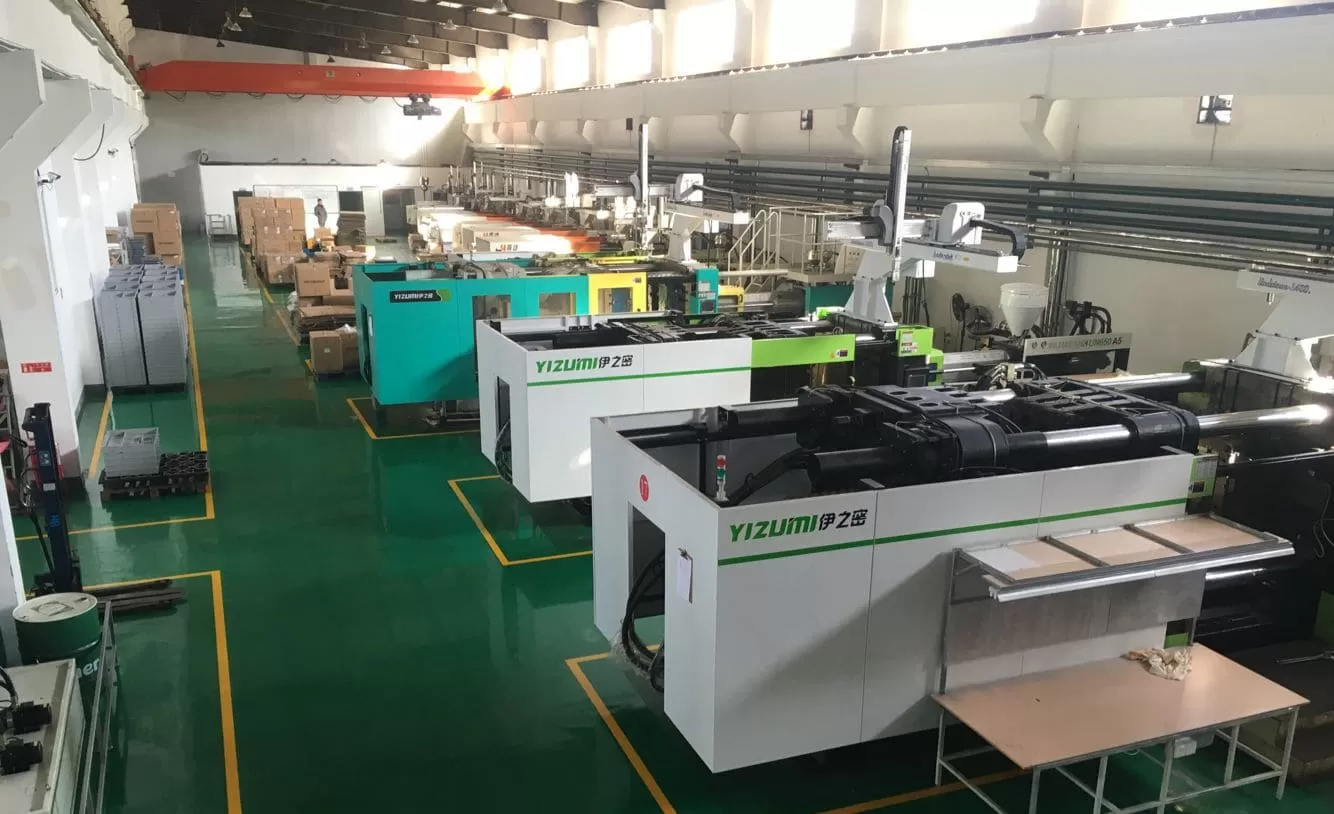
In onze vestiging in Shanghai produceren we ASA-buitenonderdelen voor auto’s en behuizingen voor buitenapparatuur op 47 spuitgietmachines (sluitkracht 90T–1850T). Zodra droog- en temperatuurprofielen vastliggen, wordt het materiaal consistent verwerkt. Onze 8 senior engineers hebben ruime ervaring met het optimaliseren van ASA-parameters voor verschillende onderdeelgeometrieën en oppervlakte-eisen.
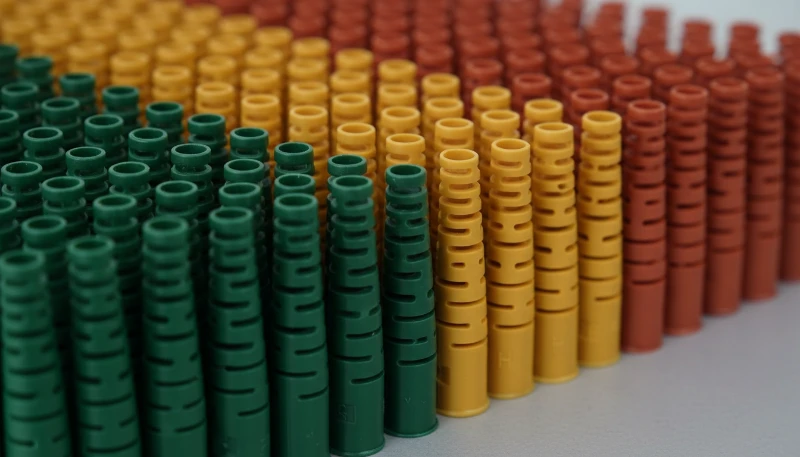
In de fabriek van ZetarMold in Shanghai verwerken we ASA op onze 47 spuitgietmachines met tonnages van 90T tot 1850T. Onze 8 senior engineers (elk met 10+ jaar ervaring) hebben ASA-parameters geoptimaliseerd voor carrosseriedelen, buitenbehuizingen en elektrische kasten. We hanteren strikte droogprotocollen — elke ASA-productierun begint met controle van een vochtgehalte onder 0.1%. Met 400+ materialen in onze procesdatabase en 30+ Engelstalige projectmanagers kunnen we de juiste ASA-kwaliteit adviseren en een consistente oppervlaktekwaliteit leveren, van het eerste product tot serieproductie.
Veelgestelde vragen over ASA-spuitgieten
Wat is de aanbevolen droogtemperatuur voor ASA vóór het spuitgieten?
Droog ASA gedurende 2 tot 4 uur bij 80 tot 85C in een droogluchtinstallatie en streef vóór het spuitgieten naar een vochtgehalte onder 0.1 procent. In de productie is het veiliger om materiaal uit een geopende zak als vochtig te beschouwen, tenzij u het dauwpunt van de trechter en het vochtgehalte kunt verifiëren. Als de hars een nacht in vochtige lucht heeft gestaan, gebruik dan de lange kant van het droogvenster en houd het toevoersysteem na het drogen gesloten. Het doel is niet alleen zilverstrepen te voorkomen. Correct drogen stabiliseert ook de glans, vermindert gassporen en verbreedt het procesvenster aanzienlijk tijdens de opstart en kleurwisseling.
Kan ASA worden overspoten met TPE of andere materialen?
Ja, ASA kan worden overspoten, maar het werkelijke antwoord hangt af van het tweede materiaal en het benodigde hechtingsmechanisme. TPE, TPU en sommige TPV-kwaliteiten zijn bruikbare kandidaten, maar u moet de hechting bevestigen met daadwerkelijke afpel- of trektests in plaats van te vertrouwen op een claim in een catalogus. De oppervlaktetemperatuur van het ASA-substraat, de positie van de aanspuitopening, de matrijstextuur en de verblijftijd vóór de tweede injectie beïnvloeden allemaal de hechtsterkte. Als het onderdeel buitenshuis wordt gebruikt, valideer dan ook de UV-veroudering en thermische cycli, want een hechting die op de eerste dag aanvaardbaar lijkt, kan na blootstelling aan weersinvloeden bezwijken.
Welke krimpwaarde moet u hanteren bij het ontwerp van een ASA-matrijs?
Begin bij het matrijsontwerp met een aanname voor lineaire krimp van 0.4 tot 0.7 procent en verfijn die daarna met proefgegevens voor uw exacte kwaliteit. Het gedrag van ASA verandert met wanddikte, glanspakket, pigmentdosering en stromingsrichting, dus één algemene waarde is slechts een uitgangspunt. Voor cosmetische exterieurdelen is het veiliger om steel-safe te bouwen en de afmetingen van het eerste schot te meten vóór de definitieve polijsting of goedkeuring van de textuur. Let bij lange, asymmetrische geometrieën ook op richtingsafhankelijke krimp, want daar ontstaan tijdens proefseries doorgaans onverwachte vervormingen.
Is ASA na het spuitgieten recyclebaar?
ASA is als thermoplast recyclebaar, maar de hergebruikstrategie is belangrijk wanneer weersbestendigheid en oppervlaktekwaliteit vereist blijven. Maalmateriaal is doorgaans in gecontroleerde percentages toegestaan, maar elke extra thermische cyclus verlaagt de taaiheid enigszins en kan de kleur veranderen. Voor constructieve of zichtdelen beperken veel teams het aandeel maalmateriaal tot ongeveer 10 tot 25 procent, afhankelijk van de kwaliteit en uiterlijke eisen. Houd aanspuitkegels en -kanalen schoon, scheid donkere en lichte kleuren en meng geen onbekende partijen maalmateriaal. Valideer bij een exterieur sierdeel opnieuw de slagvastheid en glans voordat u een gerecycled mengsel voor productie goedkeurt.
Wat is de maximale wanddikte voor het spuitgieten van ASA?
Technisch kunt u ASA spuitgieten met wanddikten boven 5 mm, maar dat is doorgaans een slechte productiebeslissing tenzij de geometrie zeer eenvoudig is en het uiterlijk niet belangrijk is. Dikke wanden vergroten het risico op inval, houden warmte vast, verlengen de cyclustijd en verhogen de kans op interne holten, vooral bij glanzende buitenproducten. Een betere technische aanpak is een nominale wanddikte van circa 2 tot 4 mm met ribben, schoren of lokale nokken waar stijfheid nodig is. Als een zware sectie onvermijdelijk is, plan dan extra koelcapaciteit, verifieer de reactie op nadruk en controleer doorsneden van de eerste artikelen in plaats van uitsluitend op simulatie te vertrouwen.
Hoe presteert ASA in koude omgevingen?
ASA presteert goed buitenshuis en is beter bestand tegen normale winterse omstandigheden dan standaard-ABS, maar is niet de beste keuze voor toepassingen met zware slagbelasting bij lage temperaturen. Onder ongeveer min 10 tot min 20C neemt de taaiheid zodanig af dat dunne clips, klikverbindingen en sterk gekerfde details bijzondere aandacht vereisen. Als het product in noordelijke klimaten wordt gebruikt, valideer dan de exacte kwaliteit met een koudeval- of slagproef in plaats van aan te nemen dat gegevens bij kamertemperatuur nog gelden. Voor veel projecten is een taaiere ASA-kwaliteit of een PC/ASA-blend de juiste oplossing, vooral wanneer zowel weersbestendigheid als een betere weerstand tegen koude schokken nodig zijn.
Moeten ASA-onderdelen voor buitengebruik worden gelakt?
De meeste ASA-onderdelen hoeven voor buitengebruik niet te worden gelakt, omdat de inherente uv-stabiliteit juist de voornaamste reden is om ASA te kiezen. Bij een juist ontwerp van kleur, glans en textuur kan het gevormde onderdeel meestal direct worden gebruikt, zonder kosten en variatie van een laklijn. Lakken blijft zinvol voor een zeer specifieke merkkleur, metaaleffect, extra chemische bestendigheid of visuele afstemming op reeds gelakte aangrenzende delen. De technische vraag is niet of ASA ongelakt standhoudt, maar of de productspecificatie een afwerking vereist die vormgeving alleen niet consistent kan leveren.
Welke injectiesnelheid werkt het best voor ASA-spuitgieten?
ASA wordt doorgaans het best verwerkt met een middelhoge tot hoge injectiesnelheid, omdat de matrijsholte gevuld moet zijn voordat het smeltfront afkoelt en laslijnen zichtbaar worden. Een gangbaar startprofiel is snel vullen gedurende het grootste deel van de vulling, gevolgd door een beheerste omschakeling naar nadruk om braamvorming of overvulling van scherpe kenmerken te voorkomen. Bij een te lage snelheid neemt de oppervlaktekwaliteit af en worden laslijnen zichtbaarder. Bij een te hoge snelheid kunnen straalvorming, verbrandingssporen of instabiel restkussengedrag ontstaan. De juiste instelling is de hoogste stabiele snelheid die een consistent gewicht, uiterlijk en ontluchtingsgedrag oplevert.
Wanneer moet u samenwerken met een ervaren ASA-spuitgietleverancier?
Dit gedeelte behandelt samenwerking met een ervaren ASA-spuitgietleverancier en de invloed daarvan op kosten, kwaliteit, planning en inkooprisico. ASA is niet moeilijk te spuitgieten, maar consistente goede resultaten — vooral voor klasse A-oppervlakken van automotive- of consumentenproducten — vereisen ervaring met het specifieke materiaalgedrag. De discipline bij drogen, temperatuurregeling en aandachtspunten voor matrijsontwerp zijn aan te leren, maar vereisen wel zorgvuldigheid.
Bij ZetarMold produceren we in onze fabriek in Shanghai al jaren ASA voor buiten- en automobieltoepassingen. Met 47 spuitgietmachines (90T–1850T), 8 senior engineers met gemiddeld meer dan 10 jaar ervaring en meer dan 400 materialen in onze verwerkingsdatabase kunnen we ASA-parameters snel afstellen en een consistente kwaliteit leveren. Onze ruim 30 Engelssprekende projectmanagers zorgen voor soepele communicatie, van DFM-beoordeling tot levering van de productie.
Als u een ASA-vormproject plant — een nieuw onderdeel of een migratie vanaf ABS — neem dan contact op voor technisch overleg. We beoordelen uw onderdeelontwerp, adviseren de juiste ASA-kwaliteit en leveren een verwerkingsplan voordat u in gereedschap investeert. Ontvang een gratis projectbeoordeling →
ASA Resin: ASA Resin verwijst naar de materiaalreferentie van Plastic Molded Concepts voor acrylonitril-styreen-acrylaat, met een samenvatting van kenmerkende eigenschappen voor buitengebruik en krimprichtlijnen binnen het bereik van 0.2–0.7% dat wordt gebruikt bij beslissingen over matrijscompensatie. ↩
SABIC Luran S: SABIC Luran S verwijst naar de gegevens over SABIC's ASA-harsfamilie, waaronder gekerfde Izod-slagwaarden van 10–35 kJ/m² afhankelijk van de kwaliteit en warmtevervormingstemperaturen van circa 85–100°C bij 0.45 MPa. ↩
ZetarMold-gids voor spuitgieten: de ZetarMold-gids voor spuitgieten verwijst naar de verwerking door ZetarMold van meer dan 400 thermoplastische materialen op 45 spuitgietmachines (90T–1850T) in de fabriek in Shanghai, waaronder ASA-kwaliteiten voor auto- en buitentoepassingen. ↩