
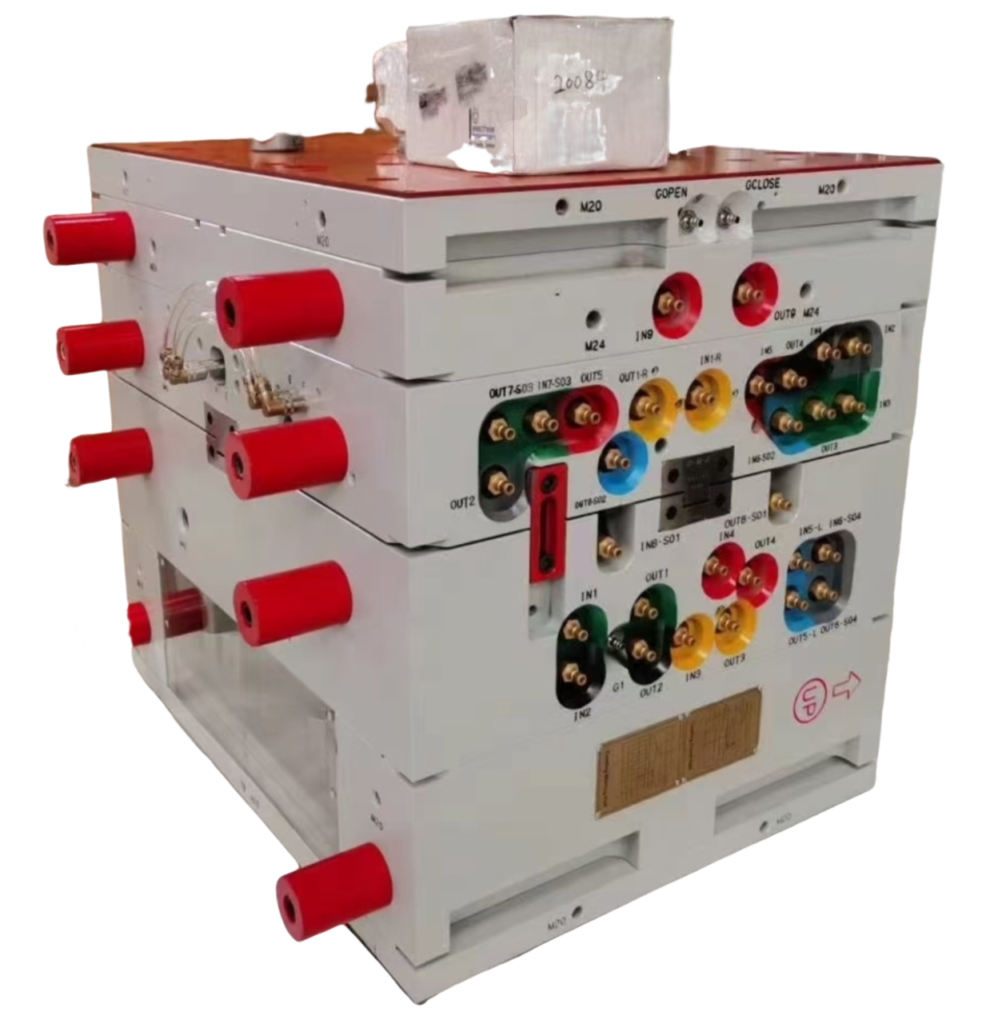
De juiste keuze maken leverancier spuitgieten is not just about price and quality — delivery management can make or break your production schedule. In our 20+ years of running an spuitgieten factory in Shanghai, we have seen countless buyers learn this lesson the hard way. This guide walks you through the exact framework we recommend for evaluating a supplier’s delivery management capability before you commit to production.
- Verify the supplier has a documented production planning system, not just verbal promises.
- Check ISO certifications (9001, 13485, 14001, 45001) as a baseline for process discipline.
- Evaluate communication transparency — weekly updates and milestone tracking are non-negotiable.
- Inspect tooling and mold maintenance capability, as mold delays are the #1 cause of late delivery.
- Demand a logistics plan with Incoterms, freight forwarder details, and buffer time built in.
Why Does Supplier Delivery Management Matter in Injection Molding?
Delivery management is the single most underestimated factor in overseas injection molding projects. Most buyers spend 80% of their evaluation effort on part quality and unit price, then act surprised when their shipment arrives three weeks late. Late delivery does not just delay your launch — it cascades into missed retail windows, contractual penalties, and inventory shortages that cost far more than any per-part savings.
Why does this happen so often? Because delivery management in spuitgietvorm production is a chain of interdependent processes: tooling design, mold fabrication, material procurement, sampling cycles, production scheduling, quality inspection, and freight logistics. A failure at any single link propagates downstream. A supplier who cannot articulate how they manage each of these links manages delivery by hope, not by system.
In our experience working with overseas buyers since 2013, the suppliers who consistently deliver on time share a common trait: they treat delivery management as a formal process with measurable KPIs, not as an afterthought. If a supplier cannot show you their production planning tools, milestone checkpoints, and escalation procedures during your initial evaluation, that is already a red flag.
The cost of poor delivery management extends beyond the immediate project. When a shipment is late, you face expedited shipping fees that can add 30-50% to your logistics costs. Your downstream production lines sit idle waiting for components. Your retail partners impose penalties for missed delivery windows. And in competitive markets, a delayed product launch can mean losing first-mover advantage entirely — a cost that no amount of per-part savings can recover.
What Are the Key Indicators of Reliable Delivery Management?
The key indicators of reliable delivery management are the main categories or options explained in this section. The most reliable indicator of good delivery management is whether a supplier can show you a documented production timeline before you sign a contract. Not a vague estimate, but a milestone table that breaks down tooling, sampling, production, inspection, and shipping with specific date targets for each phase.
On-time delivery rate (OTD1): Ask for their OTD percentage over the past 12 months. A reliable supplier tracks this metric. Anything below 90% is a warning sign; below 80% means their process is broken.
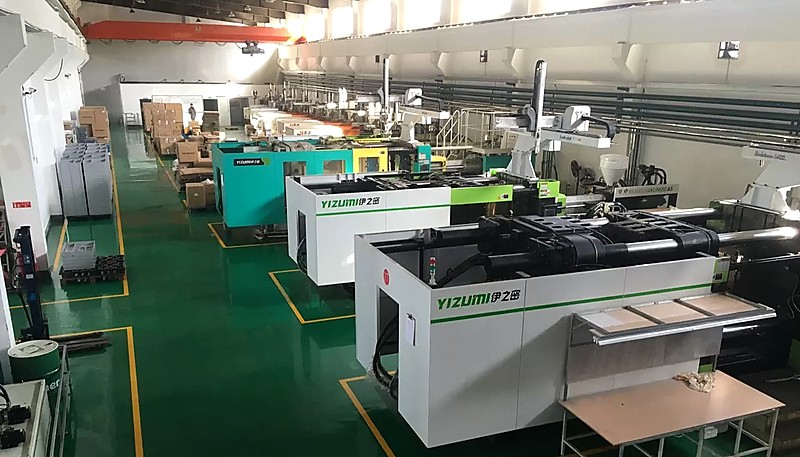
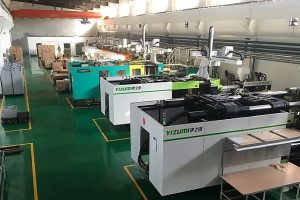
Production planning tools: Do they use ERP2 or MES systems, or manage schedules on spreadsheets? A factory with 47 injection molding machines from 90T to 1850T needs systematic planning — manual tracking does not scale.
Sample turnaround time: T1 samples should arrive within the committed window. If a supplier routinely misses sample dates, production dates will be worse. Change order response time: When you request a design change, how fast do they respond with a revised timeline? This reveals both communication quality and production flexibility.
Buffer capacity: Ask whether they have capacity reserves. A factory running at 100% utilization has zero room for surprises. Our Shanghai facility maintains planned buffer capacity to absorb urgent requests without disrupting existing orders.
One practical test: ask the supplier to walk you through their last three projects and explain any delivery deviations. A supplier who is transparent about past issues and can explain root causes and corrective actions is far more trustworthy than one who claims a perfect track record.
How Do You Assess a Supplier’s Production Planning Capability?
Production planning capability is the engine behind delivery reliability. When evaluating a supplier, look beyond their stated lead times and examine the system that generates those timelines. A supplier who gives you a delivery date without explaining how they arrived at it is essentially guessing.
Start by asking about their material procurement process. Injection molding uses over 400 different plastic materials, and lead times for specialty resins can vary from 3 days to 6 weeks. A supplier with strong planning capability will confirm material availability before committing to a production date. Ask if they maintain safety stock for commonly used materials and whether they have backup suppliers for critical resins.
A factory with in-house mold manufacturing capability has a significant planning advantage. When tooling and production are under one roof, the handoff between mold completion and production start can happen in hours instead of weeks. This is one reason we invested in our own mold manufacturing facility — it eliminates the single biggest source of delivery uncertainty in custom injection molding projects.
What Quality Systems Should You Verify Before Production?
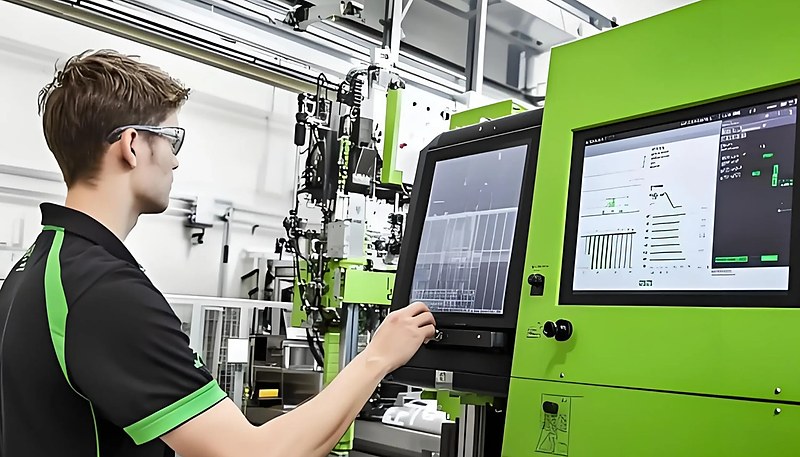
Quality management systems are not just about part quality — they are the structural foundation that makes delivery predictability possible. When a supplier operates under ISO 9001, ISO 13485, ISO 14001, and ISO 45001, it means they have documented procedures, controlled processes, and corrective action mechanisms that create the discipline keeping production on schedule.
Without a quality management system, every defect discovery becomes an unplanned disruption. A batch fails inspection, production stops, root cause analysis takes days, rework consumes machine time, and your delivery date slides. With a proper QMS, potential defects are caught earlier through in-process controls, and corrective actions follow a defined protocol that minimizes schedule impact.
Specifically, look for incoming material inspection, in-process monitoring with SPC, first article inspection (FAI3) with documented results, and adequate final inspection capacity. With 10+ QC specialists on our team, we can inspect and release shipments quickly. Ask your supplier about their QC headcount relative to production volume — understaffed QC teams become a delivery bottleneck.
How Can Communication and Transparency Predict On-Time Delivery?
In our experience, communication quality is the single best predictor of delivery performance. Not because communication itself moves parts faster, but because transparent communication reveals problems early — when they are still fixable. A supplier who tells you about a delay the day before your ship date has already failed. A supplier who flags a potential issue two weeks early gives you time to adjust.
Look for these structural communication elements: weekly milestone updates with structured progress reports, dedicated English-speaking project managers to eliminate language barriers, defined escalation paths from project manager to factory director, and shared tracking tools that let you see real-time project status. We maintain 30+ English-speaking project managers specifically for this purpose.
Ask potential suppliers to describe their standard communication cadence during a typical production run. If they cannot articulate a structured update schedule, they do not have one — and you will be left in the dark until something goes wrong.
What Role Do Mold Design and Tooling Play in Delivery Timelines?
Mold design and tooling are the most underestimated factor in delivery timelines. In custom injection molding, the mold is the longest-lead-time component — typically 4 to 12 weeks depending on complexity. If tooling goes wrong, everything downstream is delayed. This is why evaluating a supplier’s tooling capability is critical for delivery management assessment.
Ask whether mold manufacturing is in-house or outsourced. In-house tooling eliminates the coordination overhead of working with an external mold shop. When the mold builder and production team share the same facility, design-for-manufacturability feedback is immediate and mold trials happen on production-equivalent machines. Also ask about their mold trial process and whether they maintain molds after production with a preventive maintenance schedule.
A supplier who controls their own mold manufacturing can compress timelines by 30-50% compared to one who outsources tooling. When time-to-market matters — and it almost always does — in-house tooling is a significant competitive advantage. Our in-house mold shop produces 100+ mold sets per month, giving us the capacity and control to keep tooling on schedule.
“In-house mold manufacturing capability reduces delivery risk by 30-50%.”Echt
When tooling and production are co-located, the handoff takes hours instead of weeks, eliminating coordination overhead of external mold shops.
“A supplier with ISO 9001 certification will always deliver on time.”Vals
ISO certification means documented processes exist, but it does not guarantee execution quality. Always verify actual on-time delivery data, not just certificates.
How Do You Evaluate Logistics and Shipping Processes?
Logistics is where many otherwise well-managed projects fall apart. Your supplier might produce perfect parts on schedule, only to lose three weeks in shipping because nobody planned the freight route, booked container space, or prepared customs documentation. Evaluating logistics capability is just as important as evaluating production capability.
Start with the basics: does the supplier have a dedicated logistics coordinator? A factory shipping regularly to international markets should have at least one person whose primary responsibility is freight coordination. Ask about their Incoterms proposals and whether they can explain cost and risk allocation for each option. Established relationships with reliable freight forwarders mean faster booking and better rates during peak shipping seasons.
For international shipments, customs clearance delays are one of the most common causes of late delivery. Verify the supplier has experience preparing documentation for your destination country. Also ask about packaging standards — poor packaging causes transit damage requiring replacement production. Finally, ask about their contingency plan if a booked vessel is delayed or cancelled.
“Weekly progress updates from your supplier indicate mature delivery management.”Echt
Structured communication cadence shows the supplier has a systematic approach to project tracking, not just reactive responses when problems become unavoidable.
“A supplier quoting the lowest price will save you money even if delivery is late.”Vals
Late delivery cascades into missed launch windows, contractual penalties, and expedited shipping costs that typically exceed any per-part savings from the lower price.

What Red Flags Should Warn You About a Supplier’s Delivery?
The key red flags are missing production schedules, reluctance to share quality data, single-point team dependencies, and no escalation procedures.
No documented production schedule: If a supplier quotes a delivery date without providing a milestone breakdown, they are estimating, not planning. A reliable supplier gives you a timeline showing tooling start, T1 sample, T2 sample, production start, final inspection, and ship date with specific dates for each milestone.
Reluctance to share quality data: A supplier who will not show you inspection reports, process capability data, or defect tracking records either does not track these metrics or does not like what the data shows. Both are concerning. Single-point dependencies are another red flag — if your entire project depends on one person, the delivery risk is unacceptably high.
Beyond these individual red flags, look at the overall pattern of how a supplier responds to your questions. A supplier who gives thorough, specific answers to each of these areas demonstrates the kind of systematic thinking that keeps deliveries on track. A supplier who deflects, generalizes, or becomes defensive when you ask for details is telling you something important about how they handle problems during production.
Finally, check whether the supplier measures and reports their delivery performance proactively. Do they send you performance dashboards without being asked? Do they track metrics like OTD rate, average lead time variance, and defect-induced rework percentage? Suppliers who quantify their delivery performance are suppliers who care enough to improve it continuously.
Understanding these red flags is essential because replacing a supplier mid-project is far more expensive than vetting them thoroughly upfront. The cost of switching suppliers includes tooling transfer fees, re-qualification timelines, and the risk of design intellectual property exposure. Taking the time to evaluate delivery management before signing a contract is always more cost-effective than dealing with the consequences of a poor supplier choice.

At ZetarMold, delivery management is built into our factory infrastructure. Our Shanghai facility operates 47 injection molding machines from 90T to 1850T, supported by an in-house mold manufacturing shop and 120+ production workers. With 20+ years of experience serving international clients and 30+ English-speaking project managers, we provide weekly milestone updates, transparent escalation paths, and consistent on-time delivery.
Choosing a supplier with the right delivery management infrastructure is not just about avoiding delays — it is about building a long-term partnership that makes your supply chain more resilient and predictable. The evaluation framework in this guide gives you a systematic way to separate suppliers who manage delivery by process from those who manage it by hope.
Every delay in your supply chain has a ripple effect. When you evaluate a supplier, you are not just assessing their ability to produce parts — you are assessing their ability to keep your entire operation running smoothly. The factories that invest in delivery management systems, maintain communication transparency, and build contingency plans into every project are the ones that become long-term partners rather than recurring headaches.
When evaluating suppliers, remember that delivery management is not a feature you can add later — it is either built into the supplier’s operational DNA or it is not. The framework in this article helps you identify suppliers who have invested in the systems, people, and processes that make reliable delivery a consistent outcome rather than an occasional lucky break.
Your due diligence before production is an investment that pays dividends across the entire product lifecycle. The time you spend evaluating delivery management capability before signing a contract saves weeks of delays, thousands in expedited shipping costs, and the reputational damage that comes from disappointing your own customers with late deliveries.
Every production decision you make is only as reliable as the supplier who executes it. By systematically evaluating delivery management capability using the criteria in this guide, you transform supplier selection from a guessing game into a data-driven decision. The result is shorter lead times, fewer surprises, and a supply chain that supports your growth rather than constraining it.
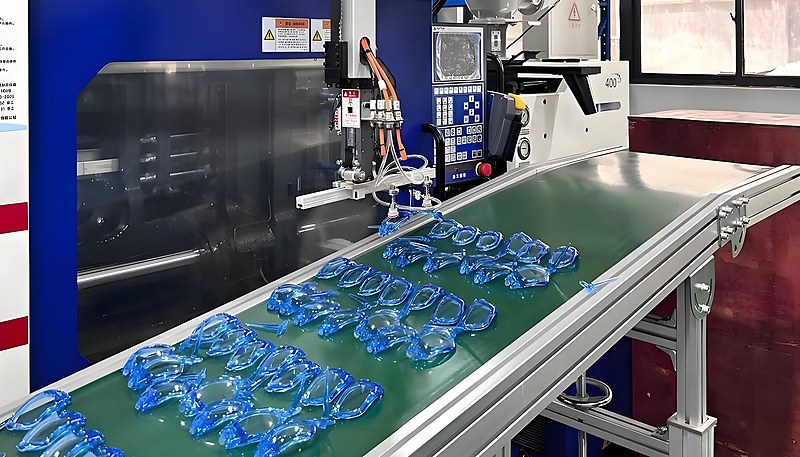
Ready to Partner with a Supplier Who Delivers on Time?
Evaluating supplier delivery management before production is not bureaucratic overhead — it is risk insurance. From production planning systems and quality certifications to communication transparency and logistics capability, each element provides insight into whether you are working with a partner or gambling with your timeline. If you are looking for an injection molding partner who takes delivery management as seriously as part quality, get a free quote and see how a systematic approach makes the difference.
FAQ: Supplier Delivery Management
Veelgestelde vragen
What is a good on-time delivery rate for an injection molding supplier?
A strong injection molding supplier should maintain an on-time delivery rate of 90% or higher. Top-tier suppliers consistently achieve 95% and above by using ERP-based production planning, in-house tooling to eliminate handoff delays, and buffer capacity for unexpected orders. Always ask for 12-month OTD data rather than verbal assurances, and request specific examples of how they handled any delivery deviations during that period. If a supplier cannot produce this data, they are either not tracking it or the numbers do not support their claims.
How long should injection mold tooling take before production?
Tooling timelines typically range from 4 to 12 weeks depending on mold complexity, number of cavities, and material requirements. Simple single-cavity molds may be ready in 4 to 6 weeks, while complex multi-cavity molds with side actions can take 10 to 12 weeks. Suppliers with in-house mold manufacturing can often compress these timelines by 30 to 50 percent compared to those who outsource tooling, because design feedback loops are faster and sampling happens on production-equivalent machines rather than separate test equipment that does not reflect real conditions.
Welke certificeringen moet een spuitgietleverancier hebben?
ISO 9001 is the minimum baseline for any supplier claiming disciplined delivery management. For medical or automotive projects, ISO 13485 or IATF 16949 add sector-specific rigor. Environmental and safety certifications like ISO 14001 and ISO 45001 indicate that the factory takes systematic management seriously across all operations, which correlates with better delivery discipline and more predictable project outcomes. However, certificates alone are not sufficient to predict on-time delivery performance, so always verify actual delivery data alongside certification status to get the complete picture of supplier reliability.
How do I verify a supplier’s delivery capability before ordering?
Request three specific items before committing to an order: a detailed milestone timeline with specific dates for each production phase, 12-month on-time delivery data with root cause analysis for any deviations, and references from clients with similar project profiles. A legitimate supplier will provide all three without hesitation. If any of these requests are met with resistance or vague responses, that response itself is valuable evaluation data that tells you something important about their delivery management maturity and overall reliability.
What are the most common causes of late delivery in injection molding?
The most common causes are mold tooling delays from design revisions and extended sampling cycles, material procurement issues including specialty resin lead times and supply chain disruptions, quality failures requiring rework or full reproduction, and logistics complications such as customs delays and container shortages during peak shipping periods. A well-managed supplier addresses each of these risk areas with documented contingency plans and early-warning communication protocols rather than waiting until problems become crises that directly impact your committed delivery date and downstream production schedule.
Should I visit the factory before placing a large injection molding order?
A factory visit is one of the most effective delivery evaluation tools available. Walking the production floor lets you verify machine count and condition, observe production planning systems in action, assess cleanliness and organization which correlates with process discipline, and meet the actual team who will manage your project. For overseas buyers unable to visit in person, request a live video tour during active production hours rather than a polished marketing video that shows an idealized version of the facility.
-
OTD: OTD is a supply chain metric measuring the percentage of orders delivered by the committed date, widely used in manufacturing performance evaluation. ↩
-
ERP: ERP is an integrated software system used to manage business processes including production scheduling, material procurement, inventory management, and order tracking. ↩
-
FAI: FAI is a formal quality control process that verifies the first production sample meets all dimensional and material specifications before full production begins. ↩




 EN
EN  ES
ES  FR
FR  DE
DE  PT
PT  AR
AR  RU
RU  JA
JA  KO
KO  IT
IT  NL
NL  TR
TR  PL
PL