 콘텐츠로 건너뛰기

소개
ABS(Acrylonitrile Butadiene Styrene)는 가장 널리 사용되는 열가소성 수지 중 하나로, 사출 성형1—그리고 그럴 만한 이유가 있습니다. ABS는 강도, 표면 마감 품질, 가공 용이성을 균형 있게 제공하며, 다른 소수 재료만이 이를 따라올 수 있습니다. 자동차 내장 트림부터 소비자 전자 제품 하우징, 의료 기기 외장부터 전동 공구 케이싱에 이르기까지, 엔지니어들이 튼튼하고 도장 가능하며 치수 안정성이 우수한 부품이 필요한 모든 곳에서 ABS가 사용됩니다.
하지만 대부분의 가이드가 알려주지 않는 것은 다음과 같습니다: ABS는 성형하기에 관대하지만, 공정을 생략하면 무자비합니다. 용융 온도를 15°C만큼 잘못 설정하면, 부품에 싱크 마크나 용접선이 생겨 아무리 많은 후처리로도 숨길 수 없게 됩니다. 벽 두께를 고르지 않게 설계하면 모든 사이클에서 뒤틀림과 싸워야 합니다. 이 가이드는 생산 규모로 ABS 부품을 성형할 때 실제로 중요한 매개변수, 설계 규칙, 그리고 현실적인 절충점을 살펴봅니다.
- ABS는 용융 온도 220–260°C, 몰드 온도 40–80°C에서 최적으로 가공됩니다
- 균일한 벽 두께(2–3 mm가 이상적)는 싱크 마크와 뒤틀림을 방지합니다
- MFI 등급은 5~35 g/10 min 범위입니다—부품 형상에 맞는 등급을 선택하세요
- 성형 전 80–85°C에서 2–4시간 건조하는 것은 절대 타협할 수 없습니다
- ABS는 도장, 도금, 텍스처 성형을 위한 우수한 표면 마무리를 제공합니다
ABS 플라스틱이란 무엇이며 사출 성형에서 그렇게 인기 있는 이유는?
ABS는 테르폴리머입니다. 즉, 세 가지 단량체가 혼합되어 각각 단독으로는 제공할 수 없는 재료 특성을 부여합니다. 아크릴로니트릴은 내화학성과 열 안정성을 제공합니다. 부타디엔은 인성과 충격 강도를 추가합니다. 스티렌은 강성, 광택 표면, 그리고 쉬운 가공성을 제공합니다. 그 결과는 명확한 녹는점은 없지만 일정 범위에 걸쳐 점진적으로 연화되는 비정질 열가소성 수지로, 사소한 가공 변동에 대해 놀라울 정도로 허용 범위가 넓습니다.
수십 개의 생산 프로그램에서 ABS를 다루어 온 우리의 경험으로 볼 때, ABS가 다른 범용 플라스틱과 차별화되는 점은 2차 공정에서의 다용도성입니다. 도장할 수 있고, 크롬으로 도금할 수 있으며, 초음파 용접, 용제 접착이 가능하고, 몰드에서 직접 텍스처를 적용할 수 있습니다. 사출 금형2. 이것이 부품이 성능만큼이나 외관도 좋아야 하는 애플리케이션에서 ABS가 지배적인 이유입니다.
이 재료는 또한 금형을 깔끔하게 채웁니다. 가공 온도에서 상대적으로 낮은 점도는 과도한 사출 압력 없이 얇은 리브, 보스 피처, 스냅-핏 클립과 같은 복잡한 형상을 채울 수 있음을 의미합니다. 이는 금형과 기계 모두의 마모를 줄여 대량 생산 프로그램에서 공구 수명을 연장하는 실질적인 장점입니다.
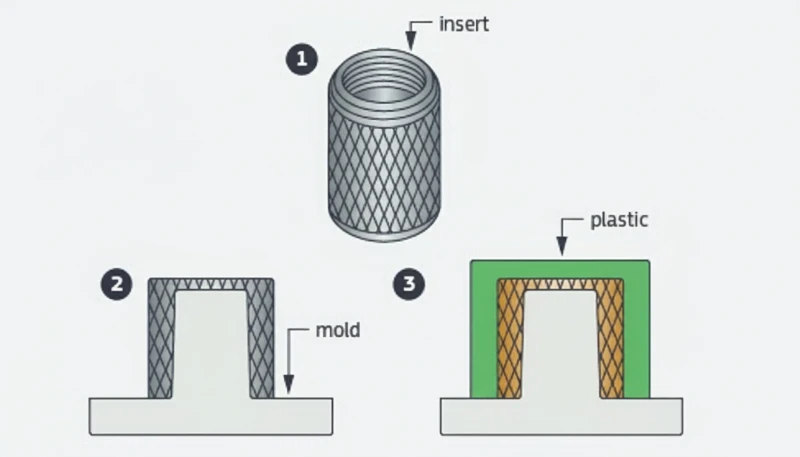
ABS의 주요 재료 특성은 무엇인가요?
ABS의 주요 물성은 이 섹션에서 설명하는 주요 범주 또는 옵션입니다. ABS 물성을 한눈에 이해하면 재료가 가공 중 및 사용 중에 어떻게 작동할지 예측하는 데 도움이 됩니다. 다음 표는 사출 성형 프로젝트에 ABS를 지정할 때 엔지니어가 필요로 하는 중요한 사양을 요약합니다.
| 속성 | Typical Range | Why It Matters |
|---|---|---|
| 인장 강도 | 29–48 MPa | 구조 부품의 하중 지지 능력을 결정 |
| 아이조드 충격(노치) | 200–400 J/m | 외관재의 낙하 시험 및 충격 저항성 |
| 열 변형 온도(HDT) | 85–100°C @ 0.45 MPa | 자동차 및 가전 부품의 최고 사용 온도 한계 |
| 용융 흐름 지수(MFI) | 5–35 g/10 min | 높은 MFI = 얇은 벽 부품의 쉬운 유동; 낮은 MFI = 더 나은 기계적 강도 |
| 유리 전이 온도 (Tg) | ~105°C | 재료가 현저히 연화되기 전의 상한선을 정의합니다 |
| 밀도 | 1.04–1.07 g/cm³ | 금속 및 일부 엔지니어링 플라스틱 대비 경량화 장점 |
| Mold Shrinkage | 0.4–0.7% | 치수 정밀도에 중요함 — 금형 강철 크기를 결정 |
| 로크웰 경도 | R100–R115 | 표면 긁힘 및 함몰 저항성 |
엔지니어들을 당황하게 만드는 한 가지 세부 사항: 유리 전이 온도3 표준 ABS의 열변형 온도는 약 105°C이지만, 연속 사용 온도는 일반적으로 60–80°C로 평가됩니다. 부품이 자동차 엔진룸 온도나 80°C 이상의 지속적인 열에 견뎌야 한다면, 표준 ABS가 아닌 ABS-PC 블렌드 또는 내열 안정화 ABS 등급을 고려해야 합니다.
ABS의 최적 사출 성형 매개변수는 어떻게 설정하나요?
ABS 매개변수를 올바르게 설정하는 것은 숫자를 외우는 것보다 온도, 압력, 시간 사이의 상호작용을 이해하는 데 더 중요합니다. 다음은 생산 현장에서 실제로 효과가 있는 내용입니다.
용융 온도
대부분의 범용 등급에 대해 240°C를 신뢰할 수 있는 시작점으로 하여 220–260°C를 목표로 하세요. 220°C 미만으로 내려가면 단샷, 약한 용접선 강도, 그리고 눈에 띄는 흐름 자국이 나타납니다. 260°C 이상으로 올리면 재료가 분해되기 시작합니다. 실버 스트릭(수분 또는 가스), 기계적 물성 저하, 그리고 잠재적 변색이 나타날 수 있습니다. 특정 등급의 용융 유량 지수(MFI)가 목표 범위를 결정하는 지침이 되어야 합니다: 고 MFI 등급(20+ g/10분)은 220–240°C에서 잘 가공되며, 저 MFI 구조 등급은 제대로 채우기 위해 240–260°C가 필요합니다.
금형 온도
몰드를 40–80°C로 운전하세요. 낮은 온도(40–50°C)는 사이클 시간을 단축시키며 단순한 형상에 적합합니다. 높은 온도(60–80°C)는 표면 마무리를 개선하고, 용접선 가시성을 줄이며, 내부 응력을 최소화합니다. 이는 도장 또는 크롬 도금될 부품에 중요합니다. 우리 시설에서는 일반적으로 가시 표면 부품의 경우 ABS 몰드를 60°C로, 사이클 시간이 외관보다 중요한 구조 부품의 경우 50°C로 운전합니다.
사출 속도 및 압력
ABS는 중간에서 빠른 사출 속도(대부분의 기계에서 40–80 mm/s)에 잘 반응합니다. 얇은 벽 부품은 조기 고형화를 방지하기 위해 더 높은 속도가 필요하며, 두꺼운 벽 부품은 공기 포집을 최소화하기 위해 더 느린 충전 속도를 사용할 수 있습니다. 사출 압력은 일반적으로 70–120 MPa 사이이며, 보압은 최대 사출 압력의 40–70%입니다. 보압 시간은 게이트가 고형화될 때까지 유지해야 합니다—일반적으로 벽 두께와 게이트 크기에 따라 2–5초입니다.
건조 요구 사항
이것은 절대 타협할 수 없습니다: 성형 전 ABS를 80–85°C에서 2–4시간 건조하여 수분 함량을 0.1% 미만으로 유지하세요. 이 단계를 건너뛰면 스플레이 마크, 충격 강도 저하, 치수 불안정성이 발생합니다. 습한 기후나 우기에는 건조 시간을 연장하거나 제습 호퍼 건조기를 사용하세요. 건조되지 않은 ABS로 만든 부품이 예상 충격 에너지의 절반에서 낙하 시험에 실패하는 것을 본 적이 있습니다 — 수분이 재료를 얼마나 저하시키는지 보여줍니다.
ABS 부품에 적용되는 금형 설계 고려 사항은 무엇인가요?

우수한 ABS 부품은 우수한 금형 설계에서 시작됩니다. 이 재료는 관대하지만, 무시하면 생산 문제를 보장하는 특정 설계 규칙이 있습니다.
벽 두께는 균일해야 하며, 이상적으로는 2.0–3.0 mm입니다. 부품 전체에 걸쳐 ±10%를 초과하는 변동은 차등 수축을 유발하여 뒤틀림과 싸움 마크를 초래합니다. 두께 전환이 불가피한 경우, 급격한 계단보다는 점진적인 테이퍼(최소 1:3 비율)를 사용하세요. 보스는 균일한 벽 두께를 유지하기 위해 코어를 제거해야 합니다. 외경은 명목 벽 두께의 2.0–2.5배여야 하며, 코어 직경은 보스 측벽에 50–60%의 벽 두께를 남겨야 합니다.
ABS 재료의 상대적으로 낮은 수축률과 우수한 탈형 특성 덕분에 대부분의 ABS 부품에는 측면당 1–2°의 드래프트 각도면 충분합니다. 깊은 드로우 또는 텍스처 표면의 경우 측면당 3°로 증가시킵니다. 텍스처 표면 자체가 효과적인 드래프트를 추가합니다—거친 텍스처(VDI 33+)는 텍스처 깊이 0.025mm당 추가 1.5°가 필요할 수 있습니다.
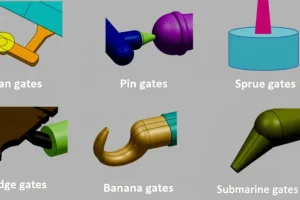
ABS의 게이트 설계는 일반적으로 외관 부품의 경우 에지 게이트 또는 서브머린 게이트를, 게이트 잔여물이 허용되는 구조 부품의 경우 직접 스프루 게이트를 선호합니다. 게이트 직경은 게이트 위치의 벽 두께의 50–80%여야 합니다. 너무 작으면 전단에 의한 변색이 발생하고, 너무 크면 과도한 게이트 동결 시간으로 사이클 시간이 늘어납니다. 러너 시스템은 균형 잡히고, 완전 원형이며, 과도한 재료 낭비 없이 충분한 압력을 전달할 수 있도록 크기가 조정되어야 합니다.
“ABS 부품은 스플레이 마크와 충격 강도 저하를 방지하기 위해 성형 전 80–85°C에서 2–4시간 건조해야 합니다.”True
ABS is moderately hygroscopic and absorbs moisture from the atmosphere. Without proper drying (targeting <0.1% moisture content), trapped water vapor creates splay marks on the part surface and hydrolytically degrades the polymer chains, significantly reducing impact resistance.
“ABS has a sharp melting point at 180°C, so you must maintain melt temperature within ±2°C of that target.”False
ABS는 비정질 열가소성 수지입니다—날카로운 용융점이 없습니다. 대신, 온도 범위에 걸쳐 점진적으로 연화되며, 이는 실제로 그 공정상 장점 중 하나입니다: POM이나 PEEK와 같은 반결정성 재료와 달리, 치명적인 결함 없이 일반적으로 ±10°C의 작은 온도 변화를 허용합니다.
일반적인 ABS 사출 성형 결함은 무엇이며 어떻게 해결하나요?
Common abs injection molding defects and how do you fix them are the main categories or options explained in this section. Even with ABS’s process-friendly nature, defects happen. Here are the ones we see most often in production, ranked by frequency, along with their root causes and fixes.
| 결함 | Root Cause | Fix |
|---|---|---|
| 금형 수명 종료: | 두꺼운 단면이 주변 얇은 벽보다 더 많이 수축 | 두꺼운 부분 코어 아웃, 벽 두께 비율을 1.5:1 미만으로 감소, 보압 및 보압 시간 증가 |
| 스플레이 / 은색 줄무늬 | 용융물 내 수분 또는 과도한 용융 온도 | 재료를 철저히 건조(80–85°C, 2–4시간), 배럴 온도를 5–10°C 낮춤 |
| 용접 라인 | 장애물(구멍, 보스, 코어) 주변에서 만나는 흐름 전선 | 용융 및 금형 온도 증가, 용접선을 비외관 부위로 이동, 오버플로우 웰 추가 |
| 뒤틀림 | 불균일한 냉각 또는 비균일한 벽 두께 | 벽 두께 균일화, 냉각 채널 레이아웃 최적화, 두꺼운 부품의 경우 사출 속도 감소 |
| Short shots | 불충분한 충전—낮은 용융 온도, 불충분한 압력, 막힌 배기 | 용융 온도를 5–10°C 높이고, 사출 압력을 높이며, 배기 간극(0.01–0.02 mm)을 확인하세요. |
| 제트기 | 게이트를 통해 퍼지지 않고 흐르는 용융물 | 사출 속도 감소, 게이트 크기 증가, 흐름 충격을 생성하도록 게이트 위치 변경 |
결함을 방지하기 위해 가장 큰 영향을 미칠 수 있는 한 가지: 강재 절단 전에 냉각 회로 레이아웃을 최적화하세요. 저희 금형 공장에서는 모든 새로운 ABS 금형에 대해 금형 흐름 시뮬레이션을 실행하여 핫스팟을 식별하고 균형 잡힌 냉각을 보장합니다. 설계 단계에서 냉각을 수정하는 것은 첫 시사출에서 불균일한 수축을 발견한 후 경화된 강철 금형을 재가공하는 것에 비해 비용이 전혀 들지 않습니다.
ABS는 다른 일반적인 사출 성형 재료와 어떻게 비교되나요?
Engineers rarely choose ABS in isolation. Here’s how it stacks up against the materials it most often competes with for similar applications.
| 속성 | ABS | 폴리카보네이트(PC) | PP | 나일론 6 (PA6) |
|---|---|---|---|---|
| 인장 강도 | 29–48 MPa | 60–70 MPa | 25–40 MPa | 50–85 MPa |
| 충격 강도 | 높음 | 매우 높음 | 낮음(노치 처리됨) | 보통(건조 상태) |
| 가공 온도 | 220–260°C | 280–320°C | 200–250°C | 240–280°C |
| 금형 온도 | 40–80°C | 80–120°C | 20–60°C | 60–90°C |
| Moisture Absorption | 낮음(0.2–0.4%) | 낮음(0.15–0.2%) | Very Low (<0.01%) | 높음(1.5–2.5%) |
| 표면 마감 | 우수 | 우수 | 낮음–보통 | Good |
| Cost (relative) | $$ | $$$ | $ | $$ |
| 최상의 대상 | 하우징, 트림, 외장 | 투명/방탄 부품 | 리빙 힌지, 용기 | 기어, 베어링, 구조용 |
ABS-PC blends deserve special mention. They combine ABS’s processability with PC’s impact resistance and heat performance. If your application needs better impact strength than standard ABS but doesn’t justify the cost of pure PC, ABS-PC (typically 50/50 or 70/30 blends) is often the sweet spot. These blends process at 240–280°C and offer HDT values of 95–110°C—significantly better than standard ABS.
For applications requiring chemical resistance that ABS can’t provide—exposure to oils, fuels, or aggressive solvents—nylon variants like PA6 or PA66 are the usual upgrade path. However, nylon’s high moisture absorption means dimensional stability suffers in humid environments, and you’re trading surface finish quality for chemical resistance.
“ABS-PC blends offer higher heat deflection temperature (95–110°C) than standard ABS (85–100°C) while maintaining better processability than pure polycarbonate.”True
폴리카보네이트의 첨가는 열 성능 상한선을 높이는 반면, ABS 성분은 순수 PC보다 가공 온도를 20–40°C 낮게 유지하여 에너지 비용을 절감하고 장비 수명을 연장합니다.
“ABS absorbs more moisture than nylon (PA6), so it requires longer and more aggressive drying before molding.”False
The opposite is true. ABS absorbs only 0.2–0.4% moisture at equilibrium, while PA6 absorbs 1.5–2.5%. Nylon requires more stringent drying (often 6+ hours at 80°C) compared to ABS’s 2–4 hours. ABS is actually one of the easier materials to dry properly.
ABS 사출 부품에 적용되는 품질 기준과 테스트는 무엇인가요?
Quality control for ABS injection molding isn’t just about measuring parts at the end of the line—it’s a layered system that starts before material hits the hopper and continues through every stage of production.
Incoming material verification includes checking the MFI against the supplier’s certificate of analysis, visual inspection of pellet color and consistency, and moisture testing with a halogen or Karl Fischer moisture analyzer. If the MFI is more than 15% outside specification, reject the lot—it indicates either degradation during transport or a grade mix-up that will cause processing problems.
공정 중 품질 검사는 치수 검사(CMM 또는 교정된 게이지 사용), 표면 결함에 대한 육안 검사(스플레이, 싱크, 용접선, 색상 균일성), 충전 균일성의 대리 지표인 무게 모니터링을 포함해야 합니다. 설정된 기준치에서 ±0.5%를 초과하는 부품 무게 변동은 조사가 필요한 공정 변동을 나타냅니다.
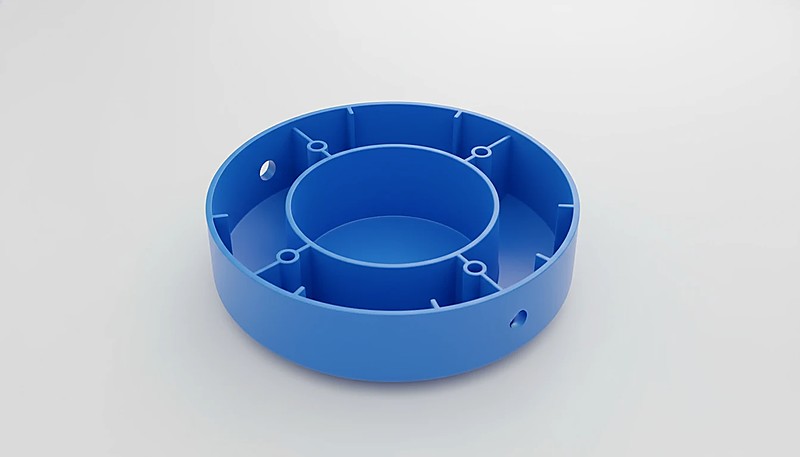
At our Shanghai facility, we run a six-step quality control workflow—IQC, in-process sample checks, process inspection, packaging and assembly inspection, FQC, and OQC—across 45 injection molding machines ranging from 90T to 1850T. With 10+ dedicated QC specialists and measurement tools including CMMs, profile projectors, and hardness testers, we catch defects before they reach the customer. It’s not glamorous work, but it’s the difference between a reliable supply chain and one that generates costly surprises.
올바른 ABS 사출 성형 파트너를 선택하는 방법은 무엇인가요?
Selecting an injection molding supplier for ABS parts comes down to three practical questions: Can they build the mold? Can they maintain consistent quality at volume? And can they communicate effectively when problems arise?
In-house mold manufacturing capability matters more than most buyers realize. When your mold needs modification—which it almost certainly will during qualification—waiting 3–4 weeks for an external mold shop to squeeze you into their schedule adds directly to your timeline. A supplier with their own mold shop can turn around modifications in days, not weeks. Look for CNC machining centers, EDM capabilities, wire cutting, and precision grinding equipment on-site.
Machine tonnage range tells you about the supplier’s capability envelope. ABS parts range from tiny electronic clips (needing 50–90T machines) to large automotive panels (requiring 800–1500T). If a supplier only has machines in one tonnage band, they’re optimized for a narrow range of parts. A broader range—like our 90T to 1850T fleet covering 45 machines—means they can handle your current parts and scale to larger or more complex geometries without you needing to find another vendor.
Material expertise is the third differentiator. A supplier who works with 400+ materials has seen the edge cases—how different ABS grades behave, what blend ratios work for specific applications, and how to troubleshoot the defects that show up in real production environments, not just in a textbook. Ask potential suppliers about their drying protocols, their typical process parameter ranges for ABS, and how they handle material lot-to-lot variation. The answers tell you whether they’re running a commodity molding operation or a precision manufacturing process.
Communication capability rounds out the evaluation. If your engineering team can’t communicate directly with the people running the machines, every issue becomes a game of telephone. We employ 30+ English-speaking project managers specifically because miscommunication in manufacturing is expensive—often more expensive than the cost of the parts themselves. When you’re evaluating suppliers, test this directly: call their engineering contact, not just sales, and see how quickly you get a technically competent response.
“In-house mold manufacturing capability can reduce mold modification turnaround from weeks to days during part qualification.”True
External mold shops typically require 3–4 weeks for modifications because your job goes into their queue. An in-house mold shop can prioritize your modifications immediately, often completing simple steel changes in 1–3 days, which directly shortens your time to production-ready parts.
“ABS injection molding requires specialized machines that cannot process any other thermoplastic materials.”False
Standard reciprocating screw injection molding machines process ABS just fine—the same machines can also run PP, PE, PS, PC, and most other thermoplastics with appropriate screw design and temperature profile adjustments. The machine requirements for ABS are actually quite mainstream.
자주 묻는 질문
ABS 사출 성형을 위해 온도를 몇 도로 설정해야 하나요?
Target a melt temperature of 220–260°C (starting at 240°C for most general-purpose grades) and mold temperature of 40–80°C. Higher mold temperatures (60–80°C) improve surface finish and reduce weld line visibility but increase cycle time. Lower mold temperatures (40–60°C) speed up cooling for structural parts. Always adjust within this range based on the specific ABS grade’s Melt Flow Index—high-MFI grades flow better at lower temperatures, while low-MFI grades need more heat to fill completely and achieve proper packing throughout the mold cavity.
ABS는 사출 성형 전에 건조해야 하나요?
Yes, absolutely. Dry ABS at 80–85°C for 2–4 hours to bring moisture content below 0.1% before processing. Even though ABS absorbs significantly less moisture than hygroscopic materials like nylon or polycarbonate, undried ABS will still produce splay marks (silver streaks) on the part surface and suffer reduced impact strength due to hydrolytic degradation of polymer chains during melting. Use a desiccant dryer and verify moisture content with a dew point meter for best results on critical parts, especially those with cosmetic surface requirements.
ABS의 일반적인 성형 수축률은 얼마인가요?
ABS shrinkage ranges from 0.4–0.7%, depending on the specific grade, wall thickness, and processing conditions. This relatively low and predictable shrinkage makes ABS one of the more dimensionally stable commodity thermoplastics available today, which is exactly why it’s favored for precision-fit enclosures, assembled components, and parts that mate with metal inserts. Always account for this shrinkage during mold design by scaling cavity dimensions accordingly and test your first articles to fine-tune compensation factors before committing to full production runs and costly tooling modifications.
ABS는 식품 접촉 또는 의료용으로 사용할 수 있습니까?
Standard ABS grades are not FDA-approved for direct food contact applications. However, specific ABS grades are available with FDA-compliant formulations designed for indirect food contact scenarios. For medical device enclosures (non-implantable housings, equipment casings), ABS is widely used due to its excellent surface finish and sterilization compatibility. Always verify the specific grade’s regulatory compliance documentation directly with the material supplier before specifying for any regulated food or medical application to avoid costly requalification delays, regulatory violations, or redesigns later in development.
ABS-PC 블렌드는 사출 성형에서 표준 ABS와 어떻게 비교되나요?
ABS-PC blends offer 20–40% higher impact strength and 10–15°C higher heat deflection temperature than standard ABS, while processing at only slightly higher temperatures (240–280°C vs 220–260°C). The tradeoff is higher material cost (typically 30–50% more) and slightly more attention to drying requirements (85–90°C for 3–4 hours). ABS-PC is the right choice when standard ABS doesn’t meet impact or thermal requirements but pure PC is over-engineered and too expensive for the application’s specific performance requirements and budget constraints, making it an ideal middle-ground material solution.
ABS 성형에 필요한 사출 압력은 얼마입니까?
Typical injection pressure for ABS ranges from 70–120 MPa (10,000–17,000 psi), with hold pressure set at 40–70% of peak injection pressure. Thin-wall parts and complex geometries require the higher end of this range to ensure complete fill. The key is maintaining adequate hold pressure until the gate freezes (usually 2–5 seconds depending on wall thickness) to prevent sink marks and ensure dimensional stability throughout the cooling phase. Insufficient hold pressure leads to voids, weak weld lines, and reduced overall part strength.
왜 내 ABS 부품에 싱크 마크가 생기고 어떻게 수정하나요?
Sink marks occur when thick sections (like bosses or rib intersections) shrink more than surrounding thinner walls during cooling. Fix them by coring out thick areas to maintain uniform wall thickness, reducing wall thickness ratios below 1.5:1, increasing hold pressure and hold time, and lowering melt temperature to reduce volumetric shrinkage. Design-stage prevention through uniform wall thickness is far more effective than trying to fix sink marks with process adjustments alone, which can lead to other defects like flash or warpage.
ABS 사출 성형 부품에 권장되는 벽 두께는 얼마입니까?
The ideal wall thickness for ABS parts is 2.0–3.0 mm, with uniformity being more important than the absolute value. Maintain wall thickness variation within ±10% across the part. Walls below 1.0 mm risk short shots and filling issues; walls above 4.0 mm cause excessive cycle times, internal voids, and sink marks. When transitions are necessary, use gradual tapers with a minimum 1:3 ratio to minimize stress concentrations and ensure smooth flow during filling while maintaining consistent cooling rates throughout the part geometry.
-
injection molding: injection molding refers to a manufacturing process where molten thermoplastic is injected into a mold cavity to produce precision parts at scale. ↩
-
injection mold: injection mold refers to a custom-engineered tool, typically made of steel or aluminum, that shapes molten plastic into a specific part geometry during the injection molding cycle. ↩
-
glass transition temperature: glass transition temperature refers to the temperature range at which an amorphous polymer transitions from a hard, glassy state to a soft, rubbery state, critical for determining processing and service temperature limits. ↩



 EN
EN  ES
ES  FR
FR  DE
DE  PT
PT  AR
AR  RU
RU  JA
JA  KO
KO  IT
IT  NL
NL  TR
TR  PL
PL 