
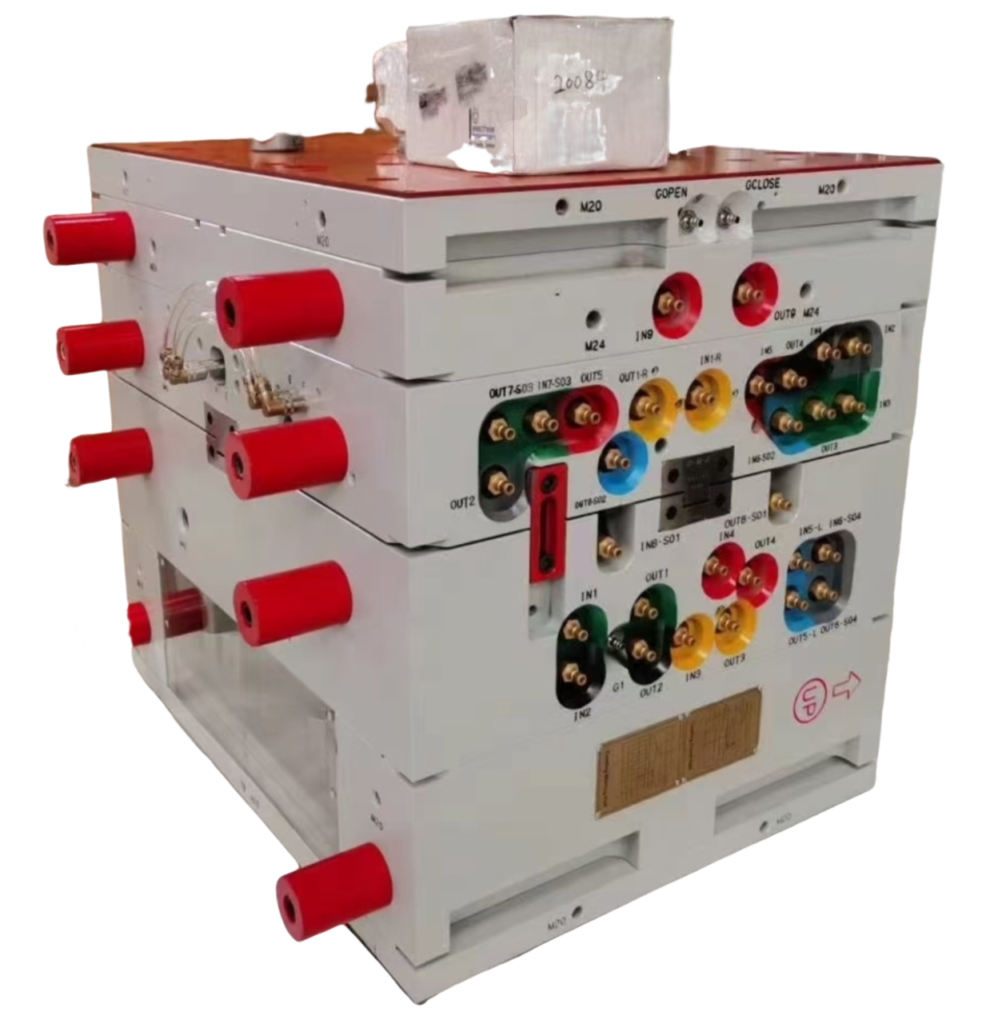
Brazilian manufacturers face significant challenges when sourcing injection molding services locally. The country’s fragmented supplier landscape lacks standardized quality systems, with only 15% of molders holding IATF 16949 certification required for automotive applications. Import tariffs reaching 35% on tooling make Chinese partnerships expensive, while domestic tooling capabilities remain limited for complex geometries. Lead times stretch 12-16 weeks due to limited mold-making capacity, and ANVISA regulatory compliance for medical devices requires specialized expertise that most local suppliers cannot provide.
- Brazil’s $8+ billion injection molding market represents 40% of Latin America’s total manufacturing capacity
- São Paulo ABC region concentrates 60% of automotive injection molding suppliers, driving industry standards
- ANVISA registration is mandatory for medical plastic components, limiting qualified supplier options
- Mercosur trade agreements provide tariff advantages for regional distribution strategies
- Chinese tooling partnerships remain cost-effective despite 20-35% import duties on molds
What Does Brazil’s Injection Molding Market Look Like?
Brazil’s injection molding market represents Latin America’s largest manufacturing hub, valued at over $8 billion annually with sustained growth driven by automotive, packaging, and medical device sectors. The industry employs approximately 180,000 workers across 2,800+ facilities, with concentration in São Paulo’s ABC region accounting for 60% of automotive-grade production capacity.
| Metric | Value |
|---|---|
| Market Size | $8+ billion |
| LatAm Share | 40% |
| Key Hub | São Paulo ABC |
| Top Import | China |
| Main Sectors | Auto/Packaging/Medical |
The automotive sector dominates Brazilian injection molding demand, consuming 45% of total production capacity through partnerships with Volkswagen, General Motors, and Fiat Stellantis. Medical device manufacturing represents the fastest-growing segment, expanding 12% annually as local companies pursue import substitution strategies. Packaging applications account for 30% of volume, driven by consumer goods and food processing requirements across Brazil’s domestic market of 215 million consumers.
What Trends Are Shaping Brazil’s Injection Molding Industry?
Mercosur trade integration drives significant opportunities for Brazilian injection molding companies, eliminating tariffs on finished plastic products shipped to Argentina, Uruguay, and Paraguay markets. This regional advantage positions Brazil as Latin America’s manufacturing hub, with automotive suppliers increasingly consolidating production in São Paulo to serve the broader Southern Cone market through preferential trade status.
Nearshoring momentum accelerates as North American companies diversify supply chains away from Asia, with Brazil attracting medical device and automotive component production due to established manufacturing infrastructure and skilled workforce. The country’s strategic location enables efficient shipping to both North American and European markets, while labor costs remain 40% below U.S. levels for comparable skilled positions.

Sustainability regulations reshape material selection and processing requirements, with Brazilian manufacturers adopting recycled content mandates for packaging applications. The National Solid Waste Policy requires 30% post-consumer recycled content in plastic packaging by 2026, driving investment in specialized processing equipment and supply chain modifications. Automotive applications increasingly specify bio-based materials, with sugarcane-derived polyethylene gaining acceptance for non-structural components.
ANVISA regulatory framework evolution demands higher quality standards for medical device manufacturing, creating barriers for smaller suppliers while benefiting established players with appropriate certifications. New regulations require full traceability systems for medical plastic components, including raw material sourcing documentation and batch tracking throughout the supply chain. These requirements favor suppliers with robust quality management systems and eliminate informal manufacturers from the medical market.
How Do You Choose an Injection Molding Supplier in Brazil?
Certification requirements form the foundation of supplier evaluation in Brazil, with IATF 16949 mandatory for automotive applications and ANVISA registration required for medical device components. ISO 9001 certification serves as minimum qualification, while ISO 14001 environmental certification becomes increasingly important for multinational buyers with sustainability mandates. Suppliers must demonstrate active certification maintenance through annual audits and continuous improvement programs.
Tooling ownership structures significantly impact long-term costs and flexibility, with Brazilian suppliers often requiring tool ownership retention as collateral for payment terms. Buyers should negotiate clear ownership transfer clauses and tool storage agreements to maintain supply chain control. Tool modification capabilities vary widely among suppliers, making in-house tooling expertise essential for complex applications requiring ongoing design changes.

Financial stability assessment requires careful evaluation of Brazilian suppliers’ creditworthiness and operational continuity, particularly given currency volatility and inflation impacts on pricing structures. Buyers should request audited financial statements and evaluate customer concentration risk, as many Brazilian molders depend heavily on single automotive OEMs. Payment term negotiations must consider local banking practices and currency hedging requirements for international transactions.
Production capacity planning involves understanding equipment age, maintenance practices, and backup power systems essential for consistent operation in Brazil’s challenging infrastructure environment. Suppliers with newer injection molding machines demonstrate better dimensional consistency and shorter cycle times, directly impacting per-part costs and delivery reliability. Evaluate raw material sourcing relationships, as resin supply disruptions frequently affect smaller Brazilian molders without established supplier partnerships.
Which Are the Top 10 Injection Molding Companies in Brazil?
1. Braskem
Specialty: Integrated petrochemical production and injection molding | Industries: Automotive, packaging, construction
Employees: ~8,000 | Founded: 2002
Contact: www.braskem.com
2. Rehau South America
Specialty: Automotive interior components and technical parts | Industries: Automotive, construction, furniture
세금 부담
Contact: www.rehau.com/br
3. Grupo Votorantim
Specialty: Engineering plastics and high-performance components | Industries: Automotive, industrial equipment, consumer goods
Employees: ~2,500 | Founded: 1918
Contact: www.votorantim.com.br
4. Topzio
Specialty: Precision injection molding and assembly services | Industries: Electronics, telecommunications, automotive electronics
Employees: ~800 | Founded: 1995
Contact: www.topzio.com.br
5. Vooler
Specialty: Medical device components and clean room manufacturing | Industries: Medical devices, pharmaceuticals, laboratory equipment
Employees: ~450 | Founded: 2001
Contact: www.vooler.com.br

6. Plastivida
Specialty: Large-scale packaging and consumer product molding | Industries: Food packaging, consumer goods, household products
Employees: ~600 | Founded: 1988
Contact: www.plastivida.org.br
7. Schulman Brazil
Specialty: Color concentrates and engineered compounds with molding services | Industries: Automotive, appliances, industrial applications
Employees: ~350 | Founded: 1992
Contact: www.schulmandobrasil.com.br
8. Plastilit
Specialty: Multi-cavity high-volume production and automation | Industries: Consumer electronics, appliances, automotive accessories
Employees: ~280 | Founded: 1985
Contact: www.plastilit.com.br
9. Tecnomold Brasil
Specialty: Tool making and precision injection molding services | Industries: Automotive components, industrial machinery, medical devices
Employees: ~220 | Founded: 1998
Contact: www.tecnomold.com.br
10. Polimold
Specialty: Custom tooling and low-volume specialty applications | Industries: Aerospace, defense, specialized industrial equipment
Employees: ~180 | Founded: 1994
Contact: www.polimold.com.br
How Does Brazil’s Injection Molding Cost Compare to China?
Brazilian domestic injection molding costs typically run 15-25% higher than Chinese production for equivalent parts, primarily due to higher labor costs averaging $8-12/hour versus China’s $4-6/hour manufacturing wages. However, tool import duties of 20-35% on Chinese-made molds significantly impact total project economics, making Brazilian tooling competitive for simpler geometries and shorter production runs under 100,000 pieces annually.
| 요인 | Brazil | China |
|---|---|---|
| 툴링 비용 | High ($20K-80K) | Low ($5K-30K) |
| Piece Price | Moderate-High | Low-Moderate |
| Lead Time (Tooling) | 6-10 weeks | 4-6 weeks |
| Shipping to LatAm | Domestic | 30-45 days |
| Tax Burden | 브라질 사출 성형: 완벽한 소싱 가이드 | Import duty ~14% |
Tax structure complexity adds 25-40% to landed costs through ICMS state taxes (12-18%), IPI federal taxes (5-15%), and import duties, while domestic Brazilian suppliers benefit from tax incentives in designated manufacturing zones. Companies utilizing 맞춤형 사출 성형1 partnerships with Chinese suppliers must factor currency hedging costs and longer payment cycles into pricing comparisons. The comprehensive injection molding complete guide2 details cost optimization strategies for both sourcing approaches.
Strategic sourcing decisions depend on volume thresholds, regulatory requirements, and distribution geography rather than simple per-piece cost comparisons. Chinese sourcing becomes advantageous for high-volume production exceeding 500,000 pieces annually, complex tooling requiring advanced machining capabilities, and products without ANVISA or automotive certification requirements. Brazilian suppliers offer advantages for Mercosur market distribution, ANVISA-regulated medical components, and applications requiring frequent design modifications. The injection mold design guide3 provides detailed analysis frameworks for these sourcing decisions.
When Is Brazil the Right Sourcing Choice for Injection Molding?
Brazil becomes the optimal injection molding choice when targeting Mercosur markets (Argentina, Uruguay, Paraguay) where tariff-free access provides 15-20% cost advantages over Chinese imports facing standard duties. Regional distribution from Brazil eliminates import delays and reduces logistics costs by 30-40% compared to Asian sourcing, while local inventory management becomes feasible for demand planning and customer service requirements.
When China Offers Better Value
Quick Decision Guide:
- Choose Brazil when selling into Mercosur, needing ANVISA-compliant medical parts, or producing under 50K units for the domestic market
- Choose China when tooling cost exceeds $20K, production volume exceeds 100K units, or lead time allows 6-8 weeks for initial tooling
Medical device applications requiring ANVISA registration mandate Brazilian manufacturing partnerships, as imported molded components face extensive documentation requirements and approval delays exceeding 12-18 months. Low to medium volume production runs (10,000-250,000 pieces annually) benefit from Brazil’s flexible manufacturing capacity and shorter tool lead times, particularly for applications requiring design iteration and market testing before volume production commitments.
Chinese sourcing remains superior for high-volume production exceeding 500,000 pieces annually, complex multi-cavity tooling requiring advanced machining capabilities, and cost-sensitive applications where Brazilian labor and overhead premiums outweigh other benefits. Export-focused production targeting North American or European markets generally favors Chinese suppliers due to established logistics networks, lower absolute costs, and comprehensive quality certification capabilities across multiple industry standards.
Frequently Asked Questions About Injection Molding in Brazil
브라질에서 자동차 사출 성형에 필요한 인증은 무엇인가요?
IATF 16949 인증은 자동차 공급업체에 필수이며, 폭스바겐, GM 또는 피아트 스텔란티스의 OEM 승인도 함께 필요합니다. 추가 요구사항으로는 ISO 14001과 PPAP 서류가 포함됩니다.
의료용 사출 성형 부품의 ANVISA 등록에는 얼마나 걸리나요?
ANVISA 등록은 시설 검사, 품질 감사 및 문서 검토를 포함하여 1등급 의료기기의 경우 8-12개월, 2등급 의료기기의 경우 12-18개월이 소요됩니다.
브라질 사출 성형 공급업체의 일반적인 결제 조건은 무엇인가요?
표준 조건은 30~60일 순지불이며, 금형 비용에 대해서는 30~50%의 선불금이 적용됩니다. 국제 구매자들은 종종 신용장을 사용하며, 국내 고객은 90~120일 조건을 이용할 수 있습니다.
어떤 브라질 주가 최고의 사출 성형 인프라를 제공합니까?
상파울루는 ABC 지역에서 60%의 자동차 등급 용량을 선도합니다. 미나스제라이스는 일반 제조업을 처리하고, 리우그란지두술은 농업을 지원하며, 산타카타리나는 정밀 전자 부품 성형에 특화되어 있습니다.
브라질 전력 공급의 신뢰성이 사출 성형 작업에 어떤 영향을 미치나요?
전력 차단은 한 달에 2~3회 발생하여 발전기가 필수적입니다. 공급업체 감사 중 전력 연속성 계획을 확인하세요.
What raw material sourcing challenges exist in Brazil’s injection molding market?
엔지니어링 수지는 아시아나 유럽에서 수입해야 하며 리드 타임이 6~8주 소요됩니다. 범용 수지는 석유 가격 변동에 영향을 받으며, 소규모 공급업체들은 특수 소재의 최소 주문 수량 문제로 종종 어려움을 겪습니다.
Why Is ZetarMold the Right Partner for Brazilian Buyers?
Factory Insight: ZetarMold Brazil Operations
In 2025, we shipped over 800,000 parts to Brazilian clients. Our Latin America team includes Portuguese-speaking project managers, and average lead time from DFM to T1 samples is 18 days.
ZetarMold’s Shanghai facility serves Brazilian buyers with competitive tooling costs, Portuguese-speaking engineers, and ISO 9001 / IATF 16949 certifications that support local regulatory requirements. get a custom injection molding quote for a quotation within 24 hours.
-
Custom injection molding encompasses tailored manufacturing services including tool design, material selection, and production optimization for specific application requirements. ↩
-
Injection molding complete guide refers to comprehensive documentation covering process parameters, material properties, quality control procedures, and troubleshooting methodologies for successful part production. ↩
-
Injection mold design guide provides detailed specifications for tool geometry, cooling systems, gate placement, and ejection mechanisms optimized for specific part geometries and production requirements. ↩ See our Supplier Sourcing Guide for a comprehensive overview.





 EN
EN  ES
ES  FR
FR  DE
DE  PT
PT  AR
AR  RU
RU  JA
JA  KO
KO  IT
IT  NL
NL  TR
TR  PL
PL