콘텐츠로 건너뛰기
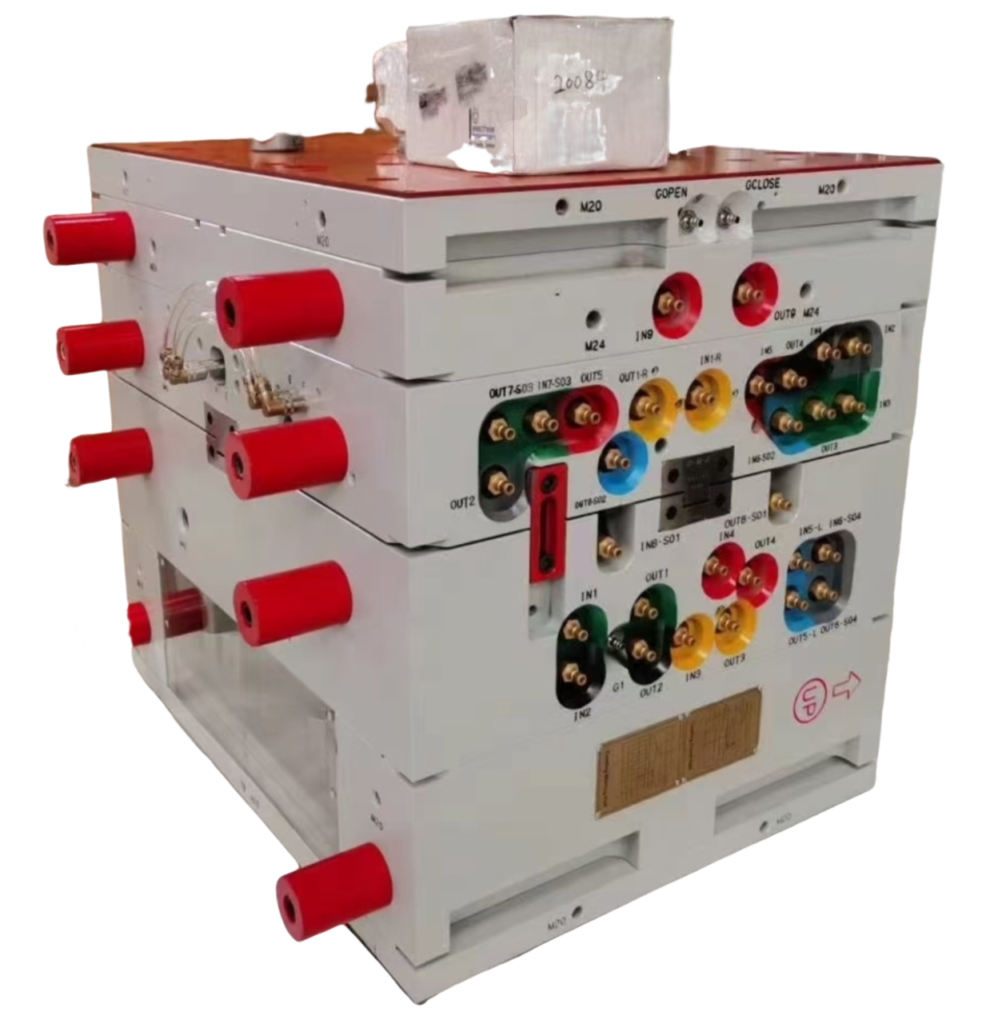
사출 성형1 는 플라스틱2 대량 생산 부품. 이 분야 내에서 두 가지 주요 접근법 — 러너 사출 성형과 러너리스 사출 성형 — 은 용융 수지가 기계 노즐에서 금형 캐비티로 이동하는 방식에서 차이가 있습니다. 이 두 방법은 금형 비용, 재료 낭비, 사이클 시간, 부품 품질에서 상당히 다릅니다. 이 글에서 저는 두 기술을 자세히 설명하고, 장단점을 비교하며, 어떤 접근법이 귀하의 생산 요구사항과 예산에 맞는지 결정하는 데 도움을 드립니다.
소싱 및 공급업체 평가에 대한 더 넓은 맥락을 위해, 이 주제를 우리의 supplier sourcing guide — 러너와 러너리스 결정이 견적 가격과 리드 타임에 미치는 영향을 다룹니다.
For readers comparing injection molding options, this article connects the 사출 금형3, 플라스틱 재료 거동, 공급업체 평가, 그리고 프로젝트가 설계에서 반복 가능한 생산으로 이동할 수 있는지를 결정하는 품질 관리 결정과 비교하세요. 이러한 트레이드오프를 일찍 이해하면 비용이 많이 드는 금형 수정과 생산 지연을 피하는 데 도움이 됩니다.
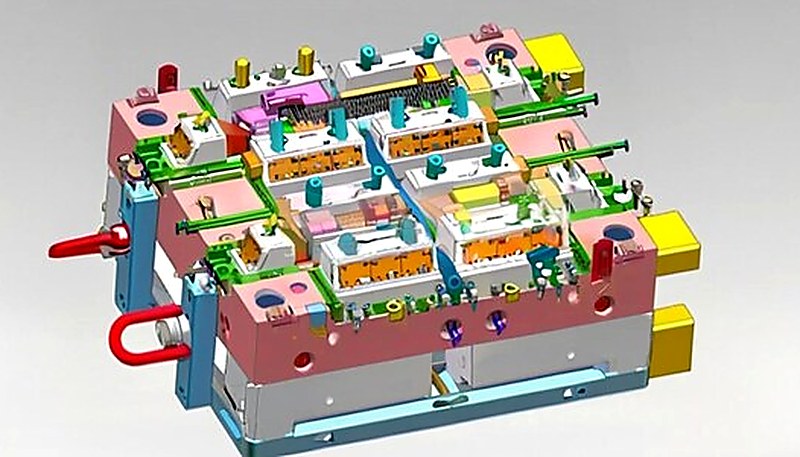
- 러너리스 사출 성형과 러너 사출 성형의 차이점은 무엇인가요? 는 금형 설계, 재료 거동, 공정 안정성 및 검사 증거를 함께 고려하여 판단해야 합니다.
- 낮은 견적만으로는 충분하지 않습니다; 구매자는 DFM 피드백, 금형 제작 리스크, 리드 타임, 검증 기록 및 공급업체 대응 규율을 확인해야 합니다.
- 강철을 절단하거나 생산을 승인하기 전에 필수 기능 요구사항과 미적 선호도를 분리하는 것이 가장 안전한 다음 단계입니다.
러너리스와 러너 사출 성형의 공정 차이는 무엇인가요?
“러너리스와 러너 성형 사이의 선택은 공정 안정성, 금형 설계, 재료 거동 및 검사 증거를 통해 평가해야 합니다.”True
A reliable production decision needs more than a definition; it needs tooling, resin, process window, and quality-control context.
“낮은 단가만으로 사출 성형 프로젝트를 판단하기에는 충분하다.”False
Tool life, scrap risk, dimensional drift, supplier response time, and validation records can outweigh a small quoted price difference.
상하이 공장에서는 90톤에서 1850톤까지 47대의 사출 성형기를 운영하고 있어, 모든 금형 결정을 단순히 견적 가격이 아닌 공정 윈도우 문제로 접근합니다.
러너리스 사출 성형
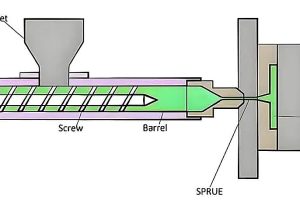
핵심 차이는 간단합니다. 러너리스 성형은 가열된 노즐을 통해 수지를 각 캐비티에 직접 공급하는 반면, 러너 성형은 매 샷마다 냉각되는 가열되지 않은 채널을 통해 수지를 이동시킵니다. 이 하나의 설계 선택이 다른 모든 것을 결정합니다.
더 넓은 관점을 위해 우리의 injection molding complete guide 프로세스 기본 원리, 재료 행동 및 생산 결정을 포함합니다.
“초기 DFM 검토는 금형 재작업과 생산 시 예상치 못한 문제를 줄여줍니다.”True
Wall thickness, ribs, gates, draft, ejection, cooling, and material selection are cheaper to adjust before steel is cut.
“성형 부품이 한 번이라도 양호해 보인다면, 그 공정은 자동으로 양산 준비가 된 것입니다.”False
Production readiness requires repeatable cycles, documented inspection, stable material conditions, and clear acceptance criteria.
Runnerless injection molding is a much simpler process than injection molding with runners. It involves feeding, melting, dispensing, filling, packing, cooling, and ejecting the mold. With this method, you can machine very complex and precise parts and still have good production rates and results.
러너리스 사출 성형의 장점
폐기물 감소: 러너리스 사출 성형에서는 러너를 사용하지 않기 때문에 재료 폐기물이 크게 줄어들어 생산 비용과 환경 영향을 모두 감소시킵니다.
더 나은 부품 품질: 러너가 없으면 용융 수지가 가열되고 온도가 제어되는 매니폴드를 통해 각 캐비티에 도달하여 흐름선, 용접선 및 콜드슬러그 결함을 줄입니다. 그 결과 표면 마감이 더 매끄럽고 기계적 특성이 더 일관됩니다.
더 빠른 사이클 시간: 채우고 냉각할 러너 채널이 없기 때문에 전체 사이클 시간이 줄어듭니다. 다중 캐비티 금형에서 러너리스 시스템은 콜드 러너 대비 사이클 시간을 15–30%까지 줄일 수 있습니다.
러너리스 사출 성형의 단점
초기 투자: 핫러너 매니폴드, 노즐 및 온도 컨트롤러는 상당한 초기 비용을 추가합니다. 소량 생산(예: 50,000 샷 미만)의 경우, 간단한 콜드러너 금형에 비해 자본 지출을 정당화하기 어려울 수 있습니다.
복잡한 디자인: 핫 러너 시스템은 전문적인 엔지니어링이 필요합니다: 매니폴드 레이아웃, 노즐 선택, 열 균형, 게이트 설계가 모두 상호작용합니다. 설계가 잘못된 핫 러너는 색상 줄무늬, 압력 강하, 또는 동결(freeze-off)을 유발하여 장점을 상쇄시킬 수 있습니다.
| 체크포인트 1 영역 | 체크포인트 1 검증 |
|---|---|
| 레진 특성 | 금형 설계가 '러너리스 사출 성형과 러너 사출 성형의 차이점은 무엇인가요?'에 어떤 영향을 미치는지 확인하세요. |
| 재료 | Check resin behavior, shrinkage, heat, and cosmetic risks. |
| 품질 | Ask for inspection evidence before production approval. |
유지 보수 요구 사항: 러너리스 성형은 콜드 러너를 분리하고 재분쇄할 필요를 없애지만, 핫 러너 시스템 자체는 정기적인 유지 보수 — 서모커플 교정, 노즐 팁 교체, 매니폴드 누수 점검 — 가 필요합니다. 고장난 히터나 막힌 밸브 게이트는 생산을 완전히 중단시킬 수 있습니다.
러너 사출 성형
기존 사출 성형과 비교했을 때 RIM의 가장 큰 장점은 플라스틱이 모두 녹아 금형에 동일한 방식으로 들어가기 때문에 부품이 제대로 보이고 잘 맞는다는 점입니다. 또한 부품을 모두 같은 색상과 모양으로 만들 수 있고 더 빠르게 제작할 수 있는 등의 다른 장점도 있습니다.
The process of runner injection molding is made up of the following steps: runner design, plastic injection molder making, melt of plastic, injection, filling, compacting, cooling, and demolding. This technology is used to manufacture products in different shapes, sizes and materials so it’s very popular.
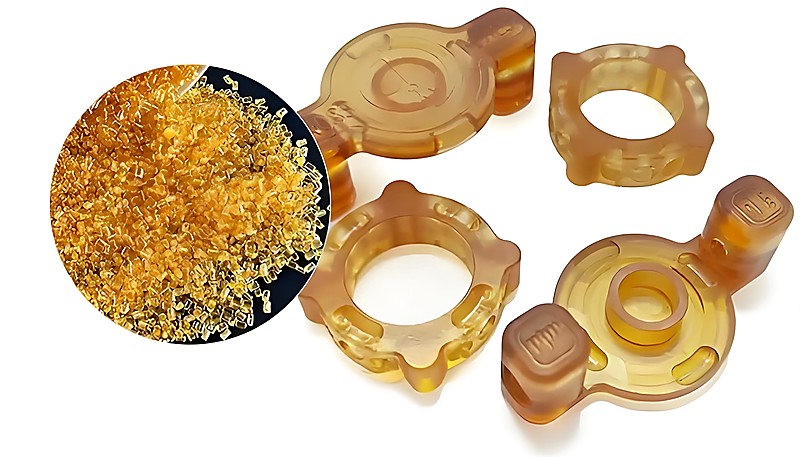
러너 사출 성형의 장점
비용 효율성: 콜드 러너 금형은 제작이 더 간단하고 저렴합니다. 단기에서 중기 생산 런에, 또는 프로젝트 예산이 제한적일 때, 러너 금형은 여전히 기능성 부품을 생산하면서도 금형 투자를 낮게 유지합니다.
유연성: 콜드러너 시스템은 열에 민감한 수지나 유리 충전 수지 등 핫러너 매니폴드에서 분해될 수 있는 더 넓은 범위의 재료를 수용합니다. 또한 가열된 채널을 퍼지할 필요가 없어 색상 변경도 더 빠르고 저렴합니다.
단순성: 콜드 러너 금형은 움직이는 부품이 적고 히터가 없으며 조정할 온도 컨트롤러가 없습니다. 이러한 단순성은 더 쉬운 설정, 더 빠른 금형 교체, 그리고 도구 수명 동안 더 낮은 유지 보수 비용으로 이어집니다.
러너 사출 성형의 단점
재료 낭비: 모든 샷마다 콜드 러너가 생성되어 분리, 재분쇄 및 재처리되거나 폐기되어야 합니다. 고가의 엔지니어링 수지의 경우, 이 스크랩은 러너 대 부품 중량 비율에 따라 재료 비용의 5~20%를 추가할 수 있습니다.
더 긴 사이클 시간: 러너 채널은 매 사이클마다 채우고, 압축하고, 냉각해야 하는 부피를 추가합니다. 긴 러너가 있는 다중 캐비티 금형에서 이 추가 냉각 시간은 핫러너 방식에 비해 사이클 시간을 상당히 늘릴 수 있습니다.
후처리 작업: 콜드 러너는 매 샷마다 수동으로 또는 로봇 분리를 통해 디게이팅되거나 트리밍되어야 합니다. 이 추가 처리 단계는 노동 비용을 증가시키고, 조심스럽게 수행되지 않으면 외관 결함을 유발할 수 있습니다.
러너리스 대 러너 성형의 다양한 적용 분야는 무엇인가요?
러너리스 사출 성형
러너리스 성형은 사이클 속도와 재료 절감이 가장 중요한 대량 생산 정밀 부품에 더 나은 선택입니다. 러너 성형은 낮은 선행 투자 또는 다중 캐비티 유연성이 우선순위일 때 선호됩니다.
러너 사출 성형
사출 성형은 다양한 크기와 모양의 제품을 만들 수 있고 생산 과정에서 플라스틱의 온도와 압력을 제어할 수 있어 고품질의 정확한 제품을 생산할 수 있기 때문에 제조에 적합합니다. 비용이 더 들지만 러너를 만들어야 하며 많은 제품을 만드는 대규모 산업 공정에 더 적합합니다.
러너리스 시스템과 러너 시스템의 금형은 어떻게 다른가요?
핵심 차이는 공급 시스템입니다. 러너리스 금형은 수지를 용융 상태로 유지하기 위해 가열된 매니폴드를 사용하는 반면, 러너 금형은 매 사이클마다 고체화되는 비가열 채널에 의존합니다. 그 선택이 모든 하류 차이를 결정합니다.
성형 주기
러너리스 사출 성형 금형: 성형 사이클을 계산할 때 게이팅 시스템의 냉각 시간을 포함하면 성형 사이클은 일반적으로 3~8초입니다. 수동으로 꺼내는 경우 기계식 제품 제거보다 1~3초 더 오래 걸릴 수 있습니다.
러너 사출 성형 금형: 게이팅 시스템에 냉각 시간이 없기 때문에 성형된 부품을 응고 후 즉시 배출할 수 있습니다. 따라서 핫 러너 금형에서 생산되는 많은 얇은 벽 부품을 5초 이내에 성형할 수 있습니다.
재료 절약
러너리스 사출 성형 금형: 사출 금형의 원자재 비용은 성형 장비에 콜드러너가 필요하기 때문에 전체 비용의 상당 부분을 차지합니다. 즉, 핫 러너 성형 공정에서 콜드 러너가 생성하는 스크랩을 보완하기 위해 금형에 핫 러너 금형보다 더 많은 재료를 사용하게 됩니다.
러너 사출 성형 금형: 순수 핫 러너 시스템에는 콜드 러너가 전혀 없으므로 스크랩이나 폐기물이 발생하지 않습니다. 이는 원자재 비용에 영향을 미치는 가장 큰 요인입니다. 실제로 전 세계 주요 핫 러너 제조업체들은 석유와 플라스틱 원자재 가격이 높았던 시기에 빠르게 성장했습니다. 핫 러너 기술을 사용하면 부품이 빠르게 녹아 추가 재료가 필요하지 않으므로 비용을 절감하고 재료 낭비를 줄일 수 있습니다.
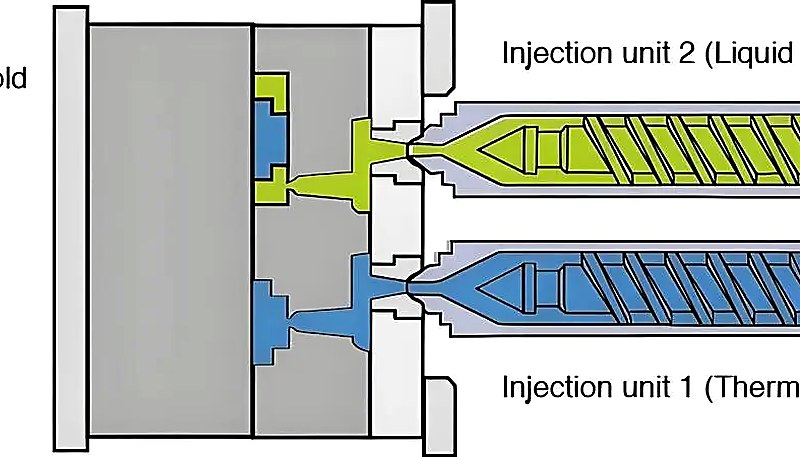
제품 품질
러너가 없는 사출 성형용 금형: 수지가 금형을 통해 흐르면서 가열되지 않으면 수지의 가열에 차이가 있어 성형된 제품에서 규격에 맞지 않는 부분이 발생하여 불량품이 많이 발생합니다. SS 인젝터로 인해 금형이 제품 금형과 크게 다르기 때문에 금형의 품질이 떨어집니다.
Molds for Injection Molding with Runner: In hot runner molds, the plastic flow in the runner system is heated and controlled. The plastic is then cut into each cavity that is being formed. With hot runner technology, the quality is more uniform and there are fewer defective products. In addition, the gate quality of the molded parts is good, the molding stress is low (after demolding), and the deformation of the parts is small.
후속 프로세스
러너리스 사출 성형 금형: 금형 프로그램을 사용하여 금형을 실행할 때는 부품을 꺼낼 수 있는 충분한 시간이 있는지 확인해야 합니다. 부품이 금형에서 나올 수 있는 충분한 시간을 갖도록 사출 속도를 늦춰야 합니다. 이렇게 하면 부품이 금형에 달라붙는 화상, 스프링 백 및 기타 문제를 방지하는 데 도움이 됩니다.
러너 사출 성형 금형: 부품이 뜨거운 러너 금형에서 나오면 부품이 완성됩니다. 또한 금형은 부품에서 스프 루와 러너를 절단합니다. 콜드 러너는 버려지는 스프 루와 러너입니다. 이것이 로봇이 부품을 만드는 방식입니다.
금형 비용
러너리스 사출 성형 금형: 기존 방식에 사용되는 금형은 일반적으로 가격이 책정되며 공정 손실을 계산하는 비용인 핫 러너 구성품 설치 비용은 포함되지 않습니다. 성형 비용은 양호한 상태입니다.
러너 사출 성형 금형: 핫 러너 부품은 상당히 비쌉니다. 또한 핫 러너 금형은 디자인으로 인해 비용이 크게 증가할 수 있습니다. 부품 수가 적고 금형 도구의 비용이 높으면 부품을 제조하는 것이 경제적으로 타당하지 않습니다.
장비 유지보수
러너리스 사출 성형 금형: 수리가 필요한 부분을 즉시 확인합니다. 누출이나 부품 손상 등 문제를 찾아 즉시 교체하세요.
러너 사출 성형 금형: 기계적으로 작동되는 첫 번째 유형과 달리, 두 번째 유형은 작동 및 유지 관리가 어렵습니다. 올바르게 사용하지 않으면 부품을 손상시킬 수 있고 사람들이 생산을 계속할 수 없어 많은 경제적 손실을 초래할 수 있습니다.
러너리스 사출 성형과 러너 사출 성형 중 어떻게 선택하나요?
올바른 선택은 생산량, 부품 복잡성 및 예산에 따라 결정됩니다. 러너리스 성형은 대량의 정밀 생산에 최적이며, 러너 성형은 소량 생산이나 예산이 제한된 프로젝트에 실용적인 선택입니다.
생산량: 생산 기간이 길고 고가의 재료와 사이클 타임이 필요한 부품의 경우 러너리스가 장기적으로는 비용이 적게 들지만 초기 비용이 더 많이 듭니다.
부품 복잡성: 복잡한 형상이나 시각적 요구 사항을 가진 부품이 있는 경우 러너리스 사출 성형의 유연성과 정밀성이 비용 차이보다 더 중요할 수 있습니다.
예산 제약: 처음에는 러너를 사용하여 부품을 만든 다음 부품이 많아지고 돈이 많아지면 러너가 없는 시스템으로 전환할 수 있습니다.
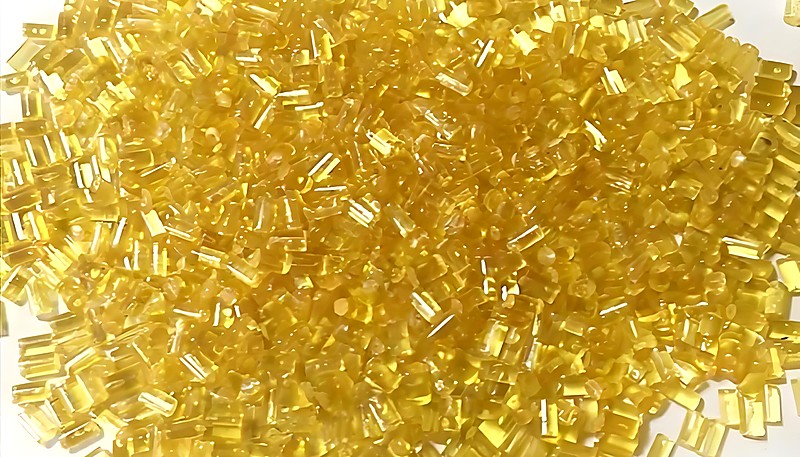
재료 선택: 다양한 종류의 플라스틱을 사용하여 러너가 있거나 러너가 없는 파트를 만들 수 있습니다. 어떤 플라스틱은 더 잘 흐르고, 어떤 플라스틱은 더 두껍고, 어떤 플라스틱은 온도에 따라 변합니다.
유지 관리 기능: 팀의 능력과 몰드 문제 해결 및 유지 관리에 사용할 수 있는 리소스를 고려해야 한다는 점을 잊지 마세요. 이를 통해 러너가 있는 몰드를 사용할지 러너가 없는 몰드를 사용할지 결정할 수 있습니다.
어느 것을 선택해야 할까요: 러너리스 또는 러너 사출 성형?
사출 성형 산업에는 러너리스 사출 성형과 러너 사출 성형이라는 두 가지 중요한 공정이 있습니다. 각각 고유한 장점과 과제가 있습니다. 새로운 재료와 가공 기술의 개발로 두 공정 모두 광범위한 응용 가능성을 가지고 있으며 앞으로 더 널리 사용되고 촉진 될 것입니다.
요약하자면, 러너 사출 성형과 러너리스 사출 성형 모두 플라스틱 부품을 만드는 좋은 방법입니다. 각각 장단점이 있습니다. 러너 사출 성형은 저렴하고 다양한 부품을 만들 수 있어 좋습니다. 러너리스 사출 성형은 부품 품질이 더 좋고 재료를 덜 낭비하여 좋습니다. 어떤 것을 선택할지는 생산하려는 부품의 수, 제작 난이도, 그리고 보유 자금에 따라 달라집니다.
이러한 부품 제작 방식의 차이점을 이해하면 어떤 방식이 가장 적합한지 결정하고 원하는 부품을 제작할 수 있습니다.
Need a Quote for Your Injection Molding Project?
Get competitive pricing, DFM feedback, and production timeline from ZetarMold’s engineering team.
Request a Free Quote → See our 사출 금형 설계 for a comprehensive overview.
| 체크포인트 2 영역 | 체크포인트 2 확인 |
|---|---|
| 레진 특성 | 금형 설계가 '러너리스 사출 성형과 러너 사출 성형의 차이점은 무엇인가요?'에 어떤 영향을 미치는지 확인하세요. |
| 재료 | Check resin behavior, shrinkage, heat, and cosmetic risks. |
| 품질 | Ask for inspection evidence before production approval. |
러너리스 사출 성형과 러너 사출 성형의 차이점은 무엇인가요?에 대해, 가장 안전한 구매자 결정은 기능적 요구 사항과 외관 예상을 분리하는 것으로 시작합니다. 치수, 레진 행동, 표면 영역, 조립 인터페이스, 연간 생산량, 패키징 및 검사 기준은 도구 또는 생산 가정이 승인되기 전에 명확히 보여야 합니다.
실용적인 공급자 검토는 도면을 몰드 구성, 프로세스 안정성 및 품질 증거와 연결해야 합니다. 게이트 위치, 냉각 배치, 배기, 이젝션, 스틸 선택 및 시험 기록은 모두 플라스틱 부품이 첫 번째 적합 샘플 이후 허용 오차 내에서 반복될 수 있는지에 영향을 미칩니다.
RFQ가 최종으로 처리되기 전에, 구매자는 비용과 리드 시간을 결정하는 가정을 물어야 합니다. 캐비티 수, 러너 설계, 재료 가용성, 측정 방법, 샘플 승인 규칙 및 변경 관리 예상은 단위 가격과 마찬가지로 전체 프로젝트 위험에 영향을 미칠 수 있습니다.
가장 강력한 증거는 구체적이고 반복 가능합니다: DFM 피드백, 성형 시험 노트, 초품 검사, 수정 조치 기록 및 샘플 검토부터 생산 출시까지의 명확한 경로입니다. 이러한 세부 사항은 구매자에게 페이지를 더 유용하게 만들고 답변 엔진에 더 신뢰할 수 있게 합니다.
자주 묻는 질문
자주 묻는 질문
러너리스와 러너 성형을 선택할 때 가장 중요한 결정은 무엇인가요?
가장 중요한 결정은 생산량이 핫 러너 시스템의 높은 초기 도구 비용을 정당화하는지 여부입니다. 엔지니어링 등급 레진으로 수백만 샷을 실행할 계획이라면, 러너리스 성형의 재료 절감 및 사이클 시간 향상은 일반적으로 첫 해 내에 투자를 회수합니다. 단기 실행 또는 프로토타입 브리지 도구에서는 콜드 러너 몰드가 자본 위험을 낮게 유지하면서도 적절한 부품 품질을 제공합니다. 두 접근법 중 하나에 확정하기 전에 연간 생산량, 레진 비용 및 품질 허용 오차에 맞는 공급 시스템을 선택하세요.
구매자는 어떻게 러너리스와 러너 사출 성형을 평가해야 하나요?
구매자는 단위 가격 외에도 도구 복잡성, 재료 낭비율 및 유지보수 부담 세 가지를 평가해야 합니다. 러너 스크랩, 재생 허용량, 사이클 시간 추정 및 핫 러너 구성품 교체 간격을 포함한 비교 비용 모델을 공급자에게 요청하세요. 더 비싼 옵션을 추천하는 대신 균형을 명확히 설명할 수 있는 공급자는 도구의 수명 동안 안정적인 생산을 제공할 가능성이 더 높습니다. 생산용 공급 시스템을 승인하기 전에 DFM 피드백, 몰드 흐름 분석 및 시험 기록을 검토하세요.
러너리스와 러너 프로젝트는 언제 공급자 검토가 필요한가요?
연간 500,000 샷 이상의 프로젝트 또는 엄격한 외관 또는 치수 허용 오차가 있는 부품은 공급 시스템이 확정되기 전에 공급자가 세부적인 몰드 흐름 분석에 참여해야 합니다. 핫 러너 시스템은 열 관리 복잡성을 도입하며, 설계가 올바르지 않으면 색상 줄무늬, 게이트 잔여물 또는 압력 불균형을 일으킬 수 있습니다. 내부 도구 능력을 갖춘 공급자는 몰드 흐름 시뮬레이션을 실행하고 특정 형상 및 레진에 대한 러너와 러너리스의 균형을 직접적으로 해결하는 DFM 피드백을 제공할 수 있습니다. 생산 도구에 확정하기 전에 시험 보고서 및 초품 데이터를 요청하세요.
러너리스 및 러너 시스템에서 몰드 설계가 중요한 이유는 무엇인가요?
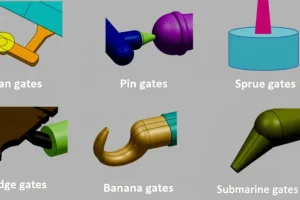
몰드 설계는 각 캐비티에서 레진이 어떻게 흐르고, 냉각되고, 채워지는지를 결정합니다. 러너리스 시스템에서는 매니폴드 배치, 노즐 유형 및 게이트 위치가 직접적으로 충전 균형, 압력 감소 및 색상 변경 효율성에 영향을 미칩니다. 콜드 러너 시스템에서는 러너 직경, 길이 및 배치가 재료 낭비, 충전 시간 및 성형 후 트리밍 요구 사항을 제어합니다. 잘못된 공급 시스템 설계는 싱크 마크, 숏 샷 또는 치수 변동을 일으킬 수 있으며, 어떤 프로세스 조정도 이를 해결할 수 없습니다. 금형을 제작하기 전에 몰드 제작자와 함께 두 옵션을 시뮬레이션하세요.
ZetarMold은 어떻게 러너리스 또는 러너 성형 프로젝트를 지원할 수 있나요?
ZetarMold은 Shanghai 공장에서 90T부터 1850T까지 47대의 사출 성형 기계를 운영하며, 내부 몰드 제작 시설은 월 100개 이상의 몰드 세트를 지원합니다. 우리 엔지니어링 팀은 SOLIDWORKS와 MOLDFLOW를 사용하여 몰드 흐름 분석 및 DFM 검토를 수행하므로 부품 형상, 레진, 생산량 및 예산에 따라 적절한 공급 시스템을 추천할 수 있습니다. 첫 샷부터 대량 출시까지 생산 인증을 지원하기 위해 세부적인 시험 보고서, 초품 검사 데이터 및 수정 조치 기록을 제공합니다.



 EN
EN  ES
ES  FR
FR  DE
DE  PT
PT  AR
AR  RU
RU  JA
JA  KO
KO  IT
IT  NL
NL  TR
TR  PL
PL