射出成形金型の費用を見積もるには、かつてはサプライヤーの見積もりを何日も待つ必要があった。当社の射出成形金型コスト計算機なら、金型費、部品単価、プロジェクト総費用を数秒で概算し、費用の内訳が一目で分かるように分解して提示する。
このツールは実際の業界価格データに基づいて構築されています:金型ベースのサイズと鋼材グレード別コスト、キログラムあたりの材料価格、プレストン数別の機械時間単価、および数量割引曲線。正式な見積書の代わりにはなりませんが、初期段階の意思決定を迅速に行うのに十分な精度を提供します。
射出成形金型コスト計算機をどのように使用するか?
この計算ツールは、30秒未満で完全なコスト内訳を作成する無料ツールです。部品寸法、材料、金型タイプ、数量を入力すると、金型製作コスト、部品単価、プロジェクト総コストを並べて確認できます。RFQの準備とベンダー比較については、当社の射出成形サプライヤー調達ガイドが資格審査と商業的リスクをカバーしています。
射出成形をより広く知りたい方は、当社のピラーガイドでプロセスの基礎、材料の挙動、量産上の意思決定を解説しています。
この計算ツールには3つの入力グループがあります。部品設計では、部品サイズ、複雑さ(アンダーカット、ねじ、サイドコア)、表面仕上げ(SPI1/VDI規格)[fn:1] [fn:2]、公差クラスを設定します。金型と生産では、金型タイプ(プロトタイプ用アルミニウム、量産用P20、または硬化H13/S136)、キャビティ数、樹脂、想定される金型寿命を選択します。生産数量では、スライダーを年間数量までドラッグします。ツールは5K、10K、50K、100K個を超えると自動的に数量割引を適用します。
「見積もりを計算」をクリックすると、完全なコスト内訳が表示されます:金型製作費、部品単価、部品あたりの材料費、推定サイクルタイム、部品あたりに償却した金型費、そしてご希望の生産量における部品あたりの実質価格。
射出成形金型のコストを左右する要因は何ですか?
部品の複雑さ、キャビティ数、表面仕上げ、金型鋼材グレードが4つのコスト要因です。単一キャビティのアルミ試作金型は1,500~5,000米ドル、複数キャビティの量産用鋼製金型は容易に50,000米ドルを超えます。
材料選択も部品あたりコストを大きく変動させます。PPやABSなどの汎用樹脂は$1.80〜$2.50/kgである一方、PEEKなどのエンジニアリンググレードは$55/kg以上になります。サイズと肉厚によって決まる部品重量がこの差を増幅します。中型部品で60グラムの場合、PEEK材料だけでショットあたり約$3.80のコストがかかり、PPの$0.14と比較されます。
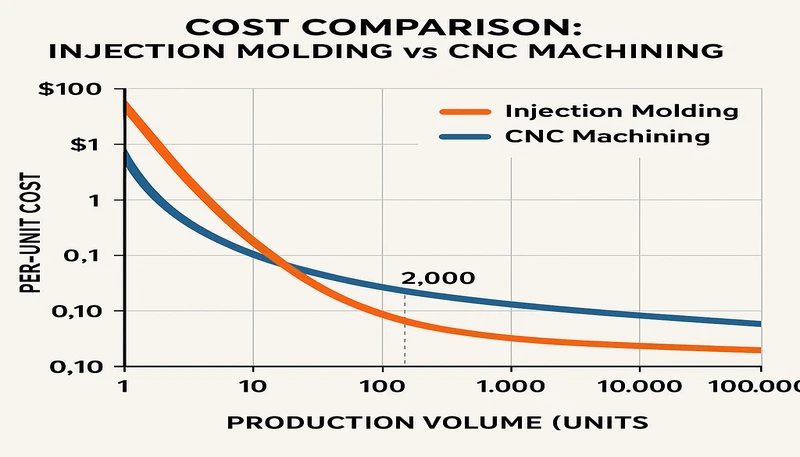
生産量は射出成形の経済性における大きな均等化要因です。20,000ドルの金型を100,000個の部品に配分すると、1個あたりわずか0.20ドルの追加で済みます。1,000個に配分すると、同じ金型は1個あたり20ドルの追加になります。Zetarでの部品生産の経験では、焼入れ鋼の金型が1個あたりのコストでアルミニウム金型より安くなる交差点は、通常5,000から10,000個の間にあります。この閾値を下回る場合、アルミニウムによる工具コストの節約が金型寿命の短さを上回ります。これを上回る場合、鋼製工具のより長い耐用年数とより厳しい公差が、明確な1個あたりのコスト優位性をもたらします。
多数キャビティのレイアウトはこの効果をさらに増幅します。4キャビティ金型は単一キャビティの2~3倍のコストがかかる場合がありますが、1サイクルで4部品を生産するため、部品単価の加工コストを約75パーセント削減します。年間10万個を超えるプログラムでは、多数キャビティの焼入れ金型による部品単価の節約により、通常は最初の生産ロット内で金型の追加投資分を回収できます。
「多数個取りの硬化鋼金型は、単一キャビティ金型と比べて部品あたりの加工コストを75パーセント削減できる。」正しい
正解です。4キャビティは1サイクルで4個の部品を生産するため、機械稼働時間当たりのコストが4個に分散されます。金型の初期費用は高くなりますが、部品単価の削減により、50,000個を超える生産量で投資を回収できます。
「材料費は、あらゆる生産量レベルにおいて射出成形で最大の単一コスト要素である。」誤り
誤りです。少量(5,000個未満)では金型費の償却が部品単価の大部分を占めます。大量生産では、汎用樹脂の場合、加工コスト(機械稼働時間と人件費)が材料費を上回るのが一般的です。
部品サイズ別の代表的なコストベンチマークは何ですか?
簡単な目安として、中程度の複雑さで1個取りの量産金型(P20鋼2、鏡面仕上げ)における一般的な金型費の範囲を以下に示します:
| 部品サイズ | 典型的な金型コスト範囲 | サイクルタイムの見積もり |
|---|---|---|
| 小型(< 50 mm) | $1,800 – $3,000 | 12–18 秒 |
| 中程度(50–150 mm) | $3,200 – $5,500 | 20〜30秒 |
| 大型(150–300 mm) | 6,000 – 10,500 | 34–44秒 |
| 特大(> 300 mm) | 12,000 – 22,000以上 | 50–66秒 |
これらの範囲は、いくつかのアンダーカット、標準的なサイドアクション、研磨されたVDI 3400表面仕上げを伴う中程度の複雑さを前提としています3 [fn:3]。マルチキャビティレイアウト、精密公差(プラスマイナス0.05 mm未満)、またはねじ形状のための巻き戻しコアを追加すると、コストは次の階層へと押し上げられます。ランナーの無駄をなくしサイクルタイムを短縮するホットランナーシステムは、1キャビティあたり3,000~8,000ドルを追加しますが、50,000個を超える生産量では速やかにその費用を回収します。内部アンダーカット用のリフター機構や逆抜き勾配形状用の分割コアは、金型メーカーがケースバイケースで見積もる追加のコスト要因です。
部品単価はどのように計算されるか?
部品単価は、材料費・加工費・間接費の合計です。中量生産の汎用樹脂の場合、一般的な内訳はおおよそ材料費30パーセント、加工費50パーセント、間接費20パーセントです。この計算機は各構成要素を分解して表示するため、費用の流れを把握し、特定のプログラムにおける最大のコスト削減レバーを特定できます。
材料費は単純な計算式に従います:キログラムあたりの樹脂価格 × 部品重量(キログラム) × ランナー、スプルー、立ち上げ時のスクラップを考慮した1.15の廃棄係数です。1kgあたり2.50ドルのABSで60グラムの部品の場合、材料費は1部品あたり約0.17ドルとなります。1kgあたり4.00ドルのガラス繊維入りナイロンに切り替えると、これが2倍の1部品あたり0.33ドルになります。1kgあたり55ドルのPEEKでは、材料だけで1ショットあたり3.80ドルに達し、同じ部品重量の汎用PPと比べて22倍の増加です。これが、材料選択が、特に重い部品において、部品単価にこれほど劇的な影響を与える理由です。
加工コストは、機械時間レート、サイクルタイム、キャビティ数によって決まります。計算式は、機械時間レートを3600で割り、サイクルタイム(秒)を掛け、キャビティ数で割ったものです。75トンのプレスを時間当たり75ドルで、単一キャビティで25秒サイクルで稼働させると、部品当たり約0.52ドルのコストになります。同じプレスで4個取り金型にアップグレードすると、加工コストは部品当たり約0.13ドルまで下がり、75パーセントの削減となります。Zetarでは、お客様がプロトタイプの単一キャビティ金型から多数個取り量産金型へ移行する際に、この種のコスト削減を日常的に実現しています。
間接費は通常、材料費と加工費の合計に対して20~30パーセントを上乗せし、QC検査、包装材料、二次的なトリミングや組立作業、物流対応をカバーします。受入検査証明書、初品検査報告書、統計的工程管理文書を必要とする医療用または自動車用部品の場合、間接費は35パーセント以上まで上昇することがあります。この計算ツールはデフォルトで25パーセントの間接費マージンを使用しており、これは標準的な商用グレードの生産をカバーします。

「アルミニウム金型は、放熱が速いため、鋼製金型と比べてサイクルタイムを15~30パーセント短縮できる。」正しい
正解です。アルミニウムの熱伝導率はP20鋼のおよそ4倍高く、より速い冷却と短いサイクルタイムを可能にします。この利点は肉厚部を持つ部品で最も顕著になります。
「硬化鋼金型(H13/S136)は、あらゆる射出成形プロジェクトにとって常に最も費用対効果の高い選択肢である。」誤り
誤りです。5,000個未満の生産量では、焼入れ鋼の高い金型費を回収することはできません。少量から中量では、アルミニウムまたはP20の金型のほうがプログラム全体のコストを低く抑えられます。
この計算ツールは25パーセントの間接費マージンを適用し、その上に数量割引を重ねます:5,000個で5パーセント、10,000個で10パーセント、50,000個で15パーセント、100,000個以上で20パーセントです。これらのしきい値は、サプライヤーが部品単価の意味のある削減を提供し始める、業界共通の価格帯を反映しています。カスタムまたはエンジニアリング樹脂の場合、材料費が部品単価全体に占める割合が大きいため、数量効果はさらに顕著になります。ほとんどの場合、割引曲線は200,000個を超えると平坦になります。これは、金型の償却よりも加工コストが支配的な要因になるためです。
プロトタイプから量産金型へアップグレードすべきタイミングとは?
年間生産数量が5,000個未満で、設計がまだ変更されている段階であれば、アルミニウム試作金型がほぼ常に正しい選択です。型費はスチール製と比べて40〜70パーセント安く、リードタイムも短く(一般的にスチールの5〜8週間に対し2〜4週間)、修正費用も抑えられます。Zetarのツールルームでは、単純な形状変更であれば、アルミニウム金型のキャビティをわずか1日で調整できます。トレードオフとして、金型寿命は一般的に100,000ショット未満であり、公差はより緩く、表面仕上げの選択肢も焼入れスチール型に比べて限られます[fn:2]。
アルミニウムは鋼よりも速く熱を放散するため、サイクルタイムを15〜30パーセント短縮でき、短期生産にとって意味のあるコスト上の利点となります。
設計が安定していて年間10,000個を超えるプログラムでは、P20工具鋼の量産用スチール金型は最初の生産ロット内で元が取れます。より優れた表面仕上げ、より厳しい公差、より長い金型寿命、多数個取りの選択肢は、いずれも部品単価を下げます。年間50,000個以上では、焼入れ鋼(H13またはS136)が費用対効果に優れます。金型寿命が500,000~100万ショット超へと延びることで、金型作り直しによるダウンタイムがなくなり、生産全体を通じて一貫した部品品質を維持できるためです。
私たちは、年間200,000個を超えて生産される部品において、単一キャビティのP20金型から2キャビティのH13金型に移行するだけで、お客様がプログラム総コストを30〜40パーセント削減した事例を見てきました。より高い工具投資は最初の生産ロット内で回収されます。
正確な射出成形金型の見積もりをどのように取得するか?
正確な見積もりは、通常、3Dモデルと部品仕様を提出してから24時間以内に返送されます。
3Dモデルと要件をご提出いただければ、24時間以内に正確で明細化された見積もりをお出しします。当社のエンジニアが部品形状を評価し、金型鋼材とキャビティレイアウトを推奨し、完全なコスト内訳をお返しするので、迅速に十分な情報に基づいた決定を下せます。
よくある質問
よくある質問
射出成形金型コスト計算機の精度はどの程度ですか?
射出成形金型のコストは、部品の寸法、複雑さ、金型グレードによって幅広く変動します。単純な部品向けの単一キャビティ試作用アルミニウム金型は、通常800~2,000ドル程度から始まります。中程度の複雑さのP20鋼製単一キャビティ量産金型は、小型部品で1,800~3,000ドル、中型部品で3,200~5,500ドル、大型部品でおよそ6,000~10,500ドル程度になることが多いです。厳しい公差での大量生産向けの超大型多数個取り焼入れ鋼金型(H13/S136)は30,000ドルを超えることがあり、複雑な構造では60,000ドル以上に達します。地理的所在地、リードタイム、検証範囲、サンプリングの有無も価格に影響します。–section 28
射出成形金型の典型的な費用はいくらですか?
射出成形金型のコストは、部品のサイズ、複雑さ、金型グレードによって大きく異なります。単純な部品の単一キャビティ試作アルミ金型は、通常約800~2,000ドルから始まります。中程度の複雑さを持つP20鋼製の単一キャビティ生産金型は、小型部品で約1,800~3,000ドル、中型部品で約3,200~5,500ドル、大型部品で約6,000~10,500ドルとなることが多いです。厳しい公差を伴う高量産用の超大型多キャビティ焼入れ鋼金型(H13/S136)は、複雑な構造の場合、30,000ドルを超え、60,000ドル以上に達することもあります。地理的な場所、リードタイム、検証範囲、サンプリングの有無も価格に影響します。
生産量が増えると、部品あたりの金型コストは下がりますか?
はい、金型の償却費は射出成形における最も重要なコスト要因の一つです。15,000ドルの生産金型を1万個の部品で償却すると、部品あたり1.50ドルが追加されます。同じ金型を10万個の部品で償却すると、部品あたりわずか0.15ドルになります。100万個の部品では、金型負担額は0.015ドルまで低下します。この関係が、高量産プログラムが高価な多キャビティ焼入れ鋼金型を正当化できる主な理由です。サイクルタイムの短縮とキャビティ数の増加による部品あたりの節約額が、初期の高い金型投資をすぐに上回るからです。
射出成形で最も安価な材料は何ですか?
一般的な射出成形樹脂の中で、ポリプロピレン(PP)は約$1.80/kg、ポリエチレン(PE)は最も低コストな汎用材料です。ABSは約$2.50/kgで広く使用され、価格競争力があります。コストが上がると、ナイロン(PA6/PA66)とPOMは$3.50–$4.00/kgの中間価格帯です。PEEK($55/kg)やLCP($18/kg)のような高性能エンジニアリング樹脂は大幅に高価であり、アプリケーションで機械的、熱的、化学的特性が必要な場合にのみ選択されます。部品ごとの材料コストは、樹脂のキログラムあたりの価格と部品重量の両方に依存し、部品重量は部品サイズと肉厚によって決まります。最終的な材料選択を行う前に、必ず具体的な形状で計算を行ってください。
射出成形コストを削減するにはどうすればよいですか?
射出成形コストを制御する主な要素は3つあります:設計最適化、生産量戦略、金型鋼材の選択です。製造性を考慮した設計(DFM)は、アンダーカットを減らし、均一な肉厚を維持し、サイドアクションの複雑さを最小限に抑えることで、直接的に金型コストを削減します。生産量を増やすと、金型投資がより多くの部品に分散され、部品あたりの金型負担額が減少します。最後に、適切な金型鋼材の選択(5万ショット未満なら試作アルミ、中量産なら生産用P20、50万ショット以上なら焼入れH13/S136)により、投資不足(金型故障)と過剰投資(不要な金型費用)の両方を回避できます。
量産にアルミニウム金型を使用できますか?
アルミニウム金型は、中低量産(通常最大5万ショット、部品の複雑さは中程度)に実用的な選択肢です。鋼製金型よりも40~70%低コストで、リードタイムも短い(鋼製の5~8週間に対し2~4週間)。また、アルミニウムは鋼よりも熱伝導性が高く、サイクルタイムを15~30%短縮できる可能性があります。ただし、厳しい公差(±0.05mm以下)、高鏡面仕上げ(SPI A-1)、研磨性またはガラス充填樹脂、または10万ショットを超える生産量の場合、焼入れ鋼製金型が長期的により信頼性が高く費用対効果の高い選択肢となります。
- SPI:SPI表面仕上げ規格は、プラスチック工業会(Society of the Plastics Industry)が策定した分類システムで、金型キャビティの表面テクスチャをA-1(鏡面研磨、ダイヤモンドバフ仕上げ)からD-3(微細ブラスト仕上げ)まで分類します。仕上げグレードが高くなるほど、段階的により多くの研磨時間を要し、
- P20鋼:P20金型鋼はプリハードン処理されたクロムモリブデン合金工具鋼(AISI P20 / DIN 1.2311)で、10万~50万ショット対応の量産射出成形金型に広く使用されています。硬度28~36 HRCで供給され、機械加工が容易で、研磨、シボ加工などの標準的な表面処理を受け入れます。
- VDI 3400表面仕上げ:VDI 3400は、ドイツ技術者協会(Verein Deutscher Ingenieure)が発行した表面テクスチャ規格で、EDM(放電加工)仕上げを平均粗さ深さで定義し、VDI 0(最も滑らか、Ra < 0.1 μm)からVDI 45(Ra ~18 μm)までの範囲があります。SPIグラ
SPI:SPI表面仕上げ規格は、プラスチック工業会(Society of the Plastics Industry)が策定した分類システムで、金型キャビティの表面テクスチャをA-1(鏡面研磨、ダイヤモンドバフ仕上げ)からD-3(微細ブラスト仕上げ)まで分類します。仕上げグレードが高くなるほど、段階的により多くの研磨時間を要し、金型の製造コストを直接的に増加させます。 ↩
P20鋼:P20金型鋼はプリハードン処理されたクロムモリブデン合金工具鋼(AISI P20 / DIN 1.2311)で、10万~50万ショット対応の量産射出成形金型に広く使用されています。硬度28~36 HRCで供給され、機械加工が容易で、研磨、シボ加工、めっきなどの標準的な表面処理を受け入れます。 ↩
VDI 3400表面仕上げ:VDI 3400は、ドイツ技術者協会(Verein Deutscher Ingenieure)が発行した表面テクスチャ規格で、EDM(放電加工)仕上げを平均粗さ深さで定義し、VDI 0(最も滑らか、Ra < 0.1 μm)からVDI 45(Ra ~18 μm)までの範囲があります。金型表面テクスチャを指定する際にSPIグレードと併用されるのが一般的です。 ↩

