 コンテンツへスキップ

設計チームがCADで新しいプラスチック筐体を完成させました。マーケティングは3週間後の展示会に物理サンプルを求めています。部品にはリビングヒンジ、スナップフィット、研磨されたA面仕上げなど、3Dプリンティングでは生産グレードの材料で再現できない特徴があります。ここでラピッドプロトタイプ射出成形が役立ちます:鋼製の生産金型を8~12週間待つことなく、実際の生産樹脂で成形された本物の部品を入手できます。
このガイドでは、アルミニウム金型、ソフト金型、および積層造形された金型を選択する際に考慮すべき利用可能な方法、現実的なタイムライン、コスト構造、および具体的なトレードオフについて説明します。目標は、生産への移行時にコストのかかる問題を引き起こすことなく、テスト対応部品を最も迅速に入手できる経路を判断できるよう支援することです。
- ラピッド射出成形は、1〜3週間で生産材料の部品を納品します
- アルミニウム金型は、部品形状に応じて100〜10,000ショットをサポートします
- ラピッドプロトタイプ金型のコストは、生産用鋼製金型より40~70%低い
- 部品の形状は量産可能な状態である必要があります。ラピッド金型は不良なDFMを許容しません。
- ブリッジ金型は、試作と本格的な生産の間のギャップを埋めます
射出成形におけるラピッドプロトタイピングとは何ですか?
射出成形におけるラピッドプロトタイピングは、生産金型の前に実際の成形部品を製造するための迅速な金型製作アプローチです。ベンダーを比較したり、調達を計画している場合は、当社の injection molding supplier sourcing guide covers RFQ prep, qualification, and commercial risk checks.
射出成形におけるラピッドプロトタイピングとは、簡略化された、または構築がより速い金型(通常はアルミ金型、軟鋼金型、または積層造形された金型)を使用して、最終量産部品の形状、材料、機械的特性に一致する機能部品を少量生産することを指します。定義上の特徴はスピードです。承認済み3D CADから成形部品まで、焼入れ鋼製の量産金型に典型的な8~12週間ではなく、5~15営業日で進みます。
他のプロトタイピング方法(CNC加工、SLA、FDM)との主な違いは、実際に部品を射出成形していることです。これは、材料の挙動、収縮率、ニットライン、ゲート跡、表面仕上げがすべて生産時に得られるものを代表していることを意味します。3DプリントされたSLAプロトタイプは部品が組み合うかどうかを示すことができますが、ラピッド射出成形プロトタイプはスナップフィットが機能するかどうかを示します。 実際のポリプロピレンにおいて 実際の肉厚で。
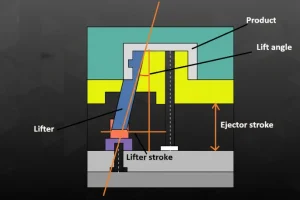
トレードオフとして、ラピッド金型には制限があります。アルミ金型は鋼製よりも摩耗が早く、キャビティ数は通常1~4個に制限され、複雑な側方動作(リフター、スライド、崩壊型コア)はコストと時間を追加し、スピードの優位性を損ないます。ラピッドプロトタイピング成形は、設計が最終形に近く、形状の検討ではなく機能の検証が必要な場合に最も効果的です。
ラピッドプロトタイプ成形にはどのような手法がありますか?
主なラピッドプロトタイプ成形方法は、アルミニウム金型、ソフトスチール金型、3Dプリント樹脂金型、シリコン金型です。各方法は、速度、コスト、ショット寿命、部品品質のトレードオフが異なるため、生産前に検証する必要に応じて適切な選択肢が変わります。
| Method | 金型製作時間 | Shot Life | Cost Range |
|---|---|---|---|
| アルミ金型 | 7–15 days | 1,000–10,000 | $1,500–$8,000 |
| ソフトスチール(P20) | 15–25 days | 10,000–100,000 | $5,000–$20,000 |
| 3Dプリント樹脂 | 1–3 days | 10–100 | 200〜1,500ドル |
| Silicone Rubber | 3–5 days | 20–50 | 300〜2,000ドル |
アルミ金型は、速度、コスト、部品品質のバランスが取れているため、ラピッド射出成形で最も一般的な選択肢です。アルミは鋼よりも加工が速く(切削速度は約3~5倍)、外観部品として十分な研磨が可能で、ガラス充填ナイロン、PC、POMを含むほとんどのエンジニアリング樹脂に対応できます。主な制限は摩耗です。数千サイクル後、特にゲート周辺でキャビティ表面に侵食が現れ始めます。
アルミニウム金型はなぜ迅速な納期を実現できるのか?
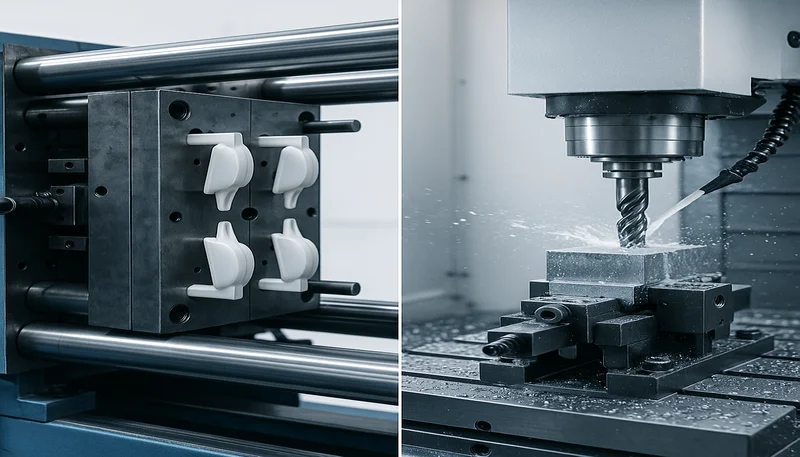
アルミニウム金型は、アルミニウムが鋼よりも機械加工が容易で、成形部品の冷却が速いため、迅速な納品を可能にします。当社の工場では、DFMがクリーンな場合、中程度の複雑さの筐体用の単一キャビティアルミニウム金型は、多くの場合、5〜7営業日で機械加工、研磨、サンプリング、検査を行うことができます。
熱伝導性の利点は生産時にも現実です。アルミニウムの熱伝導率は鋼の約4~5倍速いため、冷却サイクルが速くなり、ショット間の時間が短縮されます。500~2,000個のプロトタイプ生産では、これは顕著に高いスループットにつながります。ただし、高圧のガラス充填材料では、アルミニウムキャビティ表面が摩耗性の高い流れですぐに侵食されるため、この熱的利点は失われます。
当社の上海施設では、専用のアルミ金型ラインでラピッドプロトタイプ金型を稼働させています。側方動作のない典型的な単一キャビティ金型の加工には5~7営業日を要します。8名のシニアエンジニアによる事前のDFMレビューにより、切削開始前にほとんどの潜在的問題(スライドが必要なアンダーカット、肉厚違反、抜き勾配の問題)を捕捉します。これにより、ラピッドプロトタイピングの「迅速さ」を損なう、費用と時間を要する手直しを防ぎます。
「アルミニウム金型は、最初の数千ショットにおいて、鋼製金型と同等の寸法精度で部品を生産できます。」真
アルミニウムは厳密な公差(±0.005 mm)で機械加工され、最初の1,000~5,000ショットの間は寸法安定性を維持します。摩耗の問題は主にゲートやシャットオフなどの高摩耗領域で表面化し、キャビティ形状全体ではありません。プロトタイピングおよびブリッジ生産では、この精度は十分すぎるほどです。
「3Dプリント金型は、生産数量の射出成形に実行可能な選択肢です。」偽
3Dプリントされた樹脂金型は、通常、10~100ショットでひび割れ、反り、劣化します。非常に初期のコンセプト検証や20個未満の部品用のソフト金型として有用ですが、この材料は生産ロットに必要な繰り返しの熱サイクルや射出圧力に耐えることはできません。また、機械加工された金型のような表面仕上げや寸法精度も達成できません。
3Dプリンティングではなくラピッド射出成形を選択すべきなのはいつですか?
ラピッド射出成形は、プロトタイプ試験が量産材料、公差、強度、表面仕上げと一致する必要がある場合に最適です。初期の形状チェックには3Dプリントを、試験結果が実際の量産性能を予測する必要がある場合には成形プロトタイプを使用してください。
3Dプリント部品は、たとえ「同じ」材料であっても、射出成形部品とは根本的に異なる機械的特性を持ちます。3DプリントされたPLAの引張試験片は、射出成形されたPLAの試験片よりも破断時の伸びが30〜50%低くなります。これは、層ごとの積層が層間に異方性の弱点を作り出すためです。機能テストにおいて、この不一致により、3Dプリント結果は生産性能の予測として信頼性が低くなります。
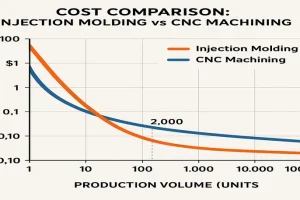
コスト面では、ラピッド射出成形は、部品のサイズと複雑さにもよりますが、約100〜300個の部品で3Dプリントと競合するようになります。単一の3Dプリント部品は30〜80ドルかかるかもしれませんが、ラピッド射出成形部品(金型償却費を含む)は200個で15〜40ドルになるかもしれません。このクロスオーバーポイントは部品形状によって変化します。3Dプリントの利点を活かす内部構造を持つ複雑な部品はクロスオーバーポイントを高く押し上げ、単純な部品は早い段階で成形が有利になります。
ラピッドプロトタイプ成形に適した材料は何ですか?
ラピッドプロトタイプ金型は、アルミニウムを急速に摩耗させる高摩耗性または高腐食性のグレードを除き、ほとんどの生産用熱可塑性プラスチックと互換性があります。実際には、ABS、PP、PC、PA6、POM、TPEがほとんどのプロトタイプ検証ランニングをカバーし、ガラス繊維強化や難燃性グレードは追加の金型レビューが必要です。
ラピッドプロトタイピングで最も一般的な材料は、ABS、PP、PC、PA6、POM、TPEであり、これらは民生用、自動車用、産業用アプリケーションの大半をカバーしています。これらの材料はアルミニウム金型での成形性が良く、機能検証のための信頼性の高いテストデータを提供します。医療機器や食品接触部品の場合は、テスト結果が直接生産認定に転送されるように、プロトタイプ金型で正確な生産用樹脂(規制グレードを含む)を使用することをお勧めします。
ラピッドプロトタイプ射出成形のコストはいくらですか?
ラピッドプロトタイプ射出成形のコストは、金型費+材料費+機械稼働時間の合計で、アルミニウム金型の場合、通常1,500~10,000ドルです。典型的な単一キャビティのアルミニウム金型で500個のABS部品を生産する場合、金型費が予算の大部分を占め、数量が増えるにつれて成形品1個あたりのコストは安くなります。
金型コストは複雑さによって異なります。サイドアクションのない単純な開閉式部品は、アルミニウムで1,500〜3,500ドルです。サイドアクションスライドを1つ追加すると、4,000〜6,000ドルの範囲になります。2つのスライドとリフターがあると、6,000〜10,000ドルに達します。ねじ込みインサート、リフター、または崩壊コアがあると、アルミニウム金型は15,000ドルを超える可能性があります。その時点で、すでに生産グレードの金型の複雑さに投資しているため、P20軟鋼金型の方が理にかなっているか評価すべきです。
「ラピッドプロトタイプ金型は、鋼製生産金型が製作されている間の初期生産用のブリッジ金型として機能することができます。」真
ブリッジ金型はまさにこれです。生産用の鋼製金型が製造されている8〜12週間の間に、市販可能な部品を生産するアルミニウムまたは軟鋼の金型です。多くの医療機器や民生用電子機器メーカーは、生産用金型を待たずに製品の販売を開始したり初期注文を履行するためにこのアプローチを使用しています。ブリッジ金型の寸法データは、生産金型の設計を検証するのにも役立ちます。
「ラピッドプロトタイプ金型は、研磨された鋼製生産金型と同一の表面仕上げを実現します。」偽
アルミ金型は良好な表面仕上げ(SPI B-2またはA-3)を達成できますが、焼入れ鋼製金型の鏡面仕上げ(SPI A-1)には及びません。また、アルミは鋼製金型で使用される標準的なフォトケミカルエッチングプロセスを用いたテクスチャ加工ができません。表面仕上げが重要な検証基準である場合は、アルミではなく軟鋼(P20)のプロトタイプ金型を指定することを検討してください。
ラピッドプロトタイピングにおける一般的な落とし穴は何ですか?
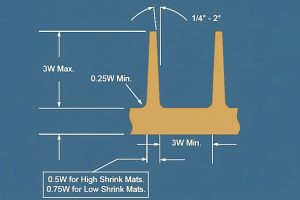
射出成形におけるラピッドプロトタイピングで最も一般的なミスは、プロトタイプ金型をDFMレビューを省略する近道として扱うことです。アルミ金型における不良設計は、鋼製金型における不良設計と同様に問題であり、より早く失敗します。抜き勾配のないアンダーカット、1mm未満の肉厚、鋭い内側Rは、金型材質に関係なく全て問題を引き起こします。当社では、すべてのラピッドプロトタイプ案件を量産用金型と同様のDFM厳格さでレビューします。なぜなら、3週間という納期に追われている状況でアルミキャビティを再切削するコストは無視できないからです。
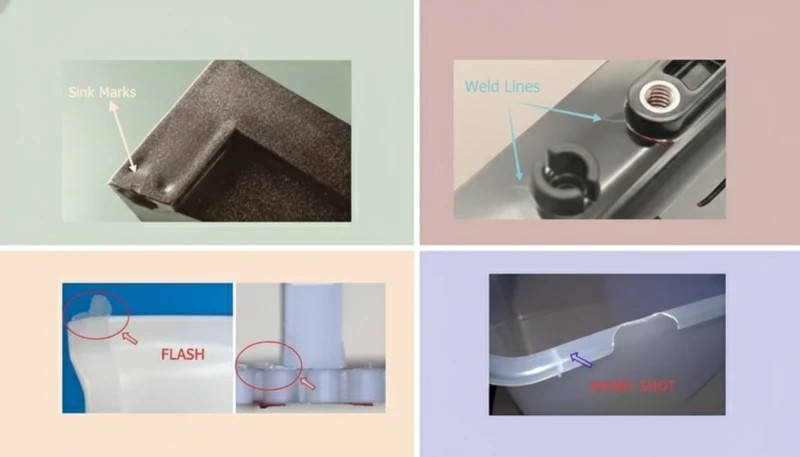
第二の落とし穴は無視することです 金型設計1 金型材料とは無関係に部品品質に影響する考慮事項。ゲート位置、ランナー設計、冷却チャネルの配置、ベンティングは、鋼製金型と同じくアルミニウム金型でも重要です。設計不良のアルミニウム金型は、設計不良の鋼製金型と同じくショートショット、ジェッティング、焼け跡を生じます ― 唯一の違いは、より早く問題が発見されることです。
第三の落とし穴は、プロトタイプと生産での材料不一致です。生産材料が特殊難燃グレードなのに、プロトタイプ金型で汎用ABSを使用すると、テスト結果が移行できません。常に目標材料または機械的特性が近い同等材料でプロトタイプ製作を行ってください。
プロトタイプから生産へのスケールアップはどのように行いますか?
プロトタイプから生産へのスケールアップはツーリング管理の問題です:設計を確定し、テスト結果を文書化し、学びを鋼製金型に移行します。当社では生産金型の鋼材加工前に、プロトタイプ成形でゲーティング、収縮、冷却、エジェクション、検査基準を検証します。
経験豊富なOEMが採用する最も賢明なアプローチは並行ツーリングです:ラピッドプロトタイプ金型と生産金型の設計を同時に開始します。プロトタイプ金型は2週間でテスト部品を納品します。テスト期間中に、得られた知見に基づいて生産金型設計を改良します。プロトタイプテスト完了時には生産金型設計が最終化され加工準備が整うため、順次アプローチに比べて2〜4週間の節約になります。
継続的な 少量射出成形2 (年間10,000個未満の)ニーズがある場合、アルミプロトタイプ金型が事実上の生産ツールとなることがよくあります。適切なメンテナンスと定期的な研磨により、よく造られたアルミ金型は未充填材料で5,000〜10,000ショットを達成でき、多くのニッチ製品や特殊製品に十分対応できます。この場合、別個の「生産スケールアップ」ステップは存在せず、ブリッジツールが is 生産用金型。
90トンから1850トンまでの45台の射出成形機を備えたZetarMoldは、上海の同一施設内でラップ試作金型と生産金型を両方稼働しています。これは、試作品と生産部品が同一施設、同一 射出成形3 プロセスパラメータ、同一QCチームから提供されることを意味し ― 試作段階と生産段階でサプライヤーを切り替えることによる変動性を排除します。
射出成形用ラピッドプロトタイピングに関するよくある質問
射出成形プロトタイプ部品の納期はどのくらいですか?
アルミ金型では、承認済みCADから通常7〜15営業日で初回試作品が完成します。3Dプリント樹脂金型では1〜3日で部品を製造できますが、10〜100ショットに制限されます。サイドアクションのない一般的な単一キャビティアルミ金型の場合、初回製品検査までに7〜10日かかります。サイドアクションスライドや複雑な形状ごとに3〜5日追加してください。
ラップ射出成形の最小注文数量は?
ほとんどのサプライヤーは、セットアップ時間と材料ロードの関係で、ラピッド射出成形の実用的な最小数量を100〜300個に設定しています。ZetarMoldでは、アルミ金型で50個からプロトタイプ製作が可能ですが、その数量では部品単価は金型償却が支配的になります。500個以上では経済性が大幅に向上します。
ラピッドプロトタイプ金型は生産に使用できますか?
アルミ金型は、材料の摩耗性と部品の複雑さに応じて1,000〜10,000個のブリッジ生産ツールとして機能します。未充填材料で年間10,000個未満の生産量の場合、アルミ金型が恒久的な生産ツールとなる可能性があります。より高い生産量や摩耗性材料の場合は、硬化鋼製ツーリングへの移行を計画してください。
ラピッド射出成形部品の精度はどの程度ですか?
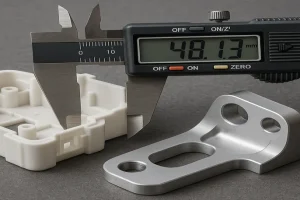
アルミ金型は±0.05〜0.10mmの公差で部品を生産し、最初の数千ショットまでは鋼製金型と同等です。主な精度上の懸念は、時間経過による高流量領域(ゲート、ランナー)の摩耗です。厳密公差機能(±0.025mm以上)の場合、アルミ金型ベース内に鋼製インサートを指定してください。
ブリッジツーリングとラピッドプロトタイピングの違いは何ですか?
ラピッドプロトタイピングは、テストと検証のための初回部品納期の速さに焦点を当てています。ブリッジツーリングは同じ高速構築アプローチを使用しますが、恒久的な鋼製金型が製作されている間に市場出荷可能な生産部品を製造することを目的としています。金型設計と構造は似ていますが、ブリッジツーリングでは部品が顧客に渡されるため、表面仕上げ、寸法一貫性、工程文書化により高い注意が必要です。
ラピッドプロトタイプ金型で生産材料を使用できますか?
はい、ラピッドプロトタイプ金型は事実上あらゆる生産用熱可塑性樹脂を成形できます。例外は高摩耗性充填材料(ガラス充填、カーボンファイバー充填)で、アルミキャビティを急速に摩耗させます。摩耗性材料の場合は、テスト用に未充填代替グレードを使用するか、軟質鋼(P20)ツーリングにアップグレードしてください(摩耗性樹脂の扱いに優れます)。
-
mold design: refers to the engineering process of creating the cavity, core, cooling channels, and ejection system for an injection mold, directly affecting part quality and production efficiency. ↩
-
low-volume injection molding: is a production approach using simplified or aluminum tooling to manufacture small batches of parts, typically 50 to 10,000 units, without the cost of full production steel molds. ↩
-
injection molding: is a manufacturing process in which molten thermoplastic resin is injected under pressure into a metal mold cavity, cooled to solidify, and ejected as a finished part. ↩


 EN
EN  ES
ES  FR
FR  DE
DE  PT
PT  AR
AR  RU
RU  JA
JA  KO
KO  IT
IT  NL
NL  TR
TR  PL
PL 