Che cosa definisce P20 e H13 nel contesto degli inserti MUD?
P20 e H13 sono acciai per inserti MUD destinati allo stampaggio a iniezione1 e alla progettazione degli stampi a iniezione. Il P20 è più rapido ed economico per produzioni di medio volume, mentre l’H13 è più tenace per produzioni abrasive o con molti cicli. Prima di consigliare un acciaio, la nostra fabbrica valuta quindi l’obiettivo di ciclo, il livello di carica della resina, l’esposizione al calore, la classe di lucidatura, la capacità del fornitore2 e il rischio di fermo.
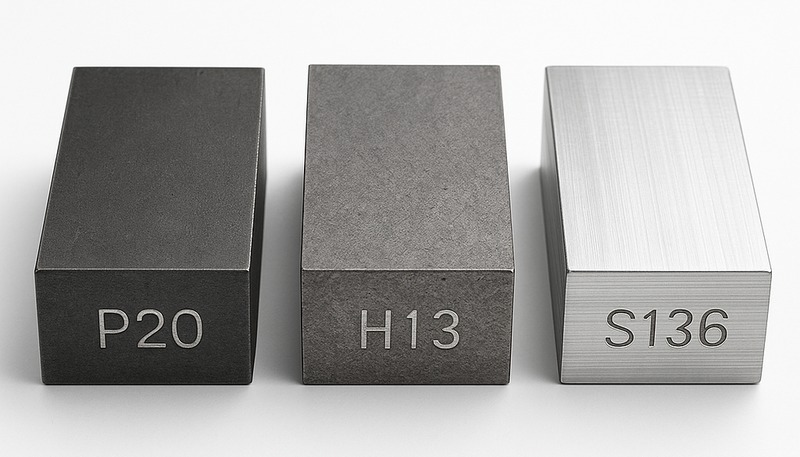
P20 e H13 sono i due acciai per utensili più usati nei telai con inserti Master Unit Die (MUD). Il P20 è un acciaio per stampi pretemprato, 28–32 HRC, ottimizzato per tempi rapidi e produzioni medie; l’H13 è un acciaio per lavorazioni a caldo, 48–52 HRC dopo il trattamento termico, studiato per volumi elevati e applicazioni abrasive e termicamente impegnative. La scelta dipende dal numero di cicli previsto, dal tipo di resina e dai requisiti di finitura superficiale.
Se stai confrontando fornitori o pianificando gli acquisti, la nostra guida all’approvvigionamento dei fornitori copre la preparazione della RFQ, la qualificazione e i controlli del rischio commerciale.
- Il P20 è pretemprato (28–36 HRC), non richiede trattamento termico ed è adatto a serie medie (50K–300K cicli) con resine di largo consumo.
- L’H13 è temprato in aria (44–52 HRC), offre prestazioni eccellenti in ambienti abrasivi/ad alta temperatura e dura 500K–1M+ cicli.
- Scegliere P20 per rapidità e costo; scegliere H13 per durabilità e finitura superficiale.
- Entrambi gli acciai richiedono una manutenzione adeguata: controllare l'usura del punto di iniezione (P20) e le cricche da fatica termica (H13).
- Per gli inserti MUD, standardizzare la libreria e abbinare l'acciaio alla resina e al numero di cicli.
Per una panoramica più ampia sulla progettazione degli stampi a iniezione, la nostra guida principale illustra la struttura degli stampi, il controllo termico e i compromessi di producibilità.
Nel campo dei materiali per stampi rapidi, la scelta si restringe spesso a due cavalli di battaglia del settore: gli acciai per utensili P20 e H13. Comprendere i loro stati metallurgici fondamentali è essenziale per selezionare i materiali degli stampi a iniezione3 e confrontare gli acciai.
Acciaio per utensili P20 (AISI P20 / DIN 1.2311): Acciaio per stampi basso-legato, normalmente fornito pretemprato a 28–32 HRC. Offre un equilibrio tra tenacità e durezza e può essere lavorato direttamente nella geometria finale dello stampo senza successivo trattamento termico. Per questo è lo standard per gli «stampi ponte» e gli stampi P20 di uso generale.
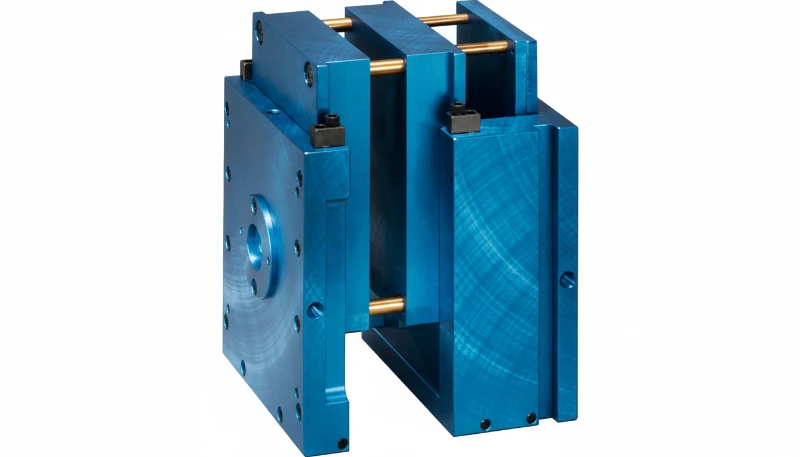
Acciaio per utensili H13 (AISI H13 / DIN 1.2344): Acciaio per lavorazioni a caldo fornito allo stato ricotto, quindi tenero, per la lavorazione. Dopo la sgrossatura della geometria deve essere sottoposto a trattamento termico, tempra e rinvenimento, per raggiungere la durezza di esercizio, normalmente 48–52 HRC, seguito da rettifica e lucidatura finali. Gli inserti MUD in H13 sono lo standard per durata e resistenza alla fatica termica.
Qual è il confronto tecnico tra P20 e H13?
Il P20 è più facile da lavorare dell’H13, mentre l’H13 è più duro e resistente all’usura. Il P20 rimane solitamente intorno a 28–32 HRC e supporta una lavorazione più rapida; l’H13 viene trattato termicamente fino a circa 44–52 HRC per una maggiore resistenza all’usura e condizioni di stampaggio più calde.
Tabella di confronto tecnico tra P20 e H13
| Proprietà | P20 (pretemprato) | H13 (temprato) |
|---|---|---|
| Durezza tipica | 28–32 HRC | 48–52 HRC |
| Lavorabilità | Buono; lavorato "così com'è". | Scarsa allo stato temprato; richiede EDM o fresatura del materiale duro. |
| Resistenza all'usura | Moderata; adatta a resine non abrasive. | Eccellente; adatto a cariche di vetro o minerali. |
| Conduttività termica | ~29 W/m·K (raffreddamento migliore). | ~24 W/m·K (leggermente inferiore). |
| Lucidabilità | Buona (SPI A-3 / B-1). | Eccellente (SPI A-2 / A-1). |
| Saldabilità | Discreta; richiede un attento preriscaldamento e post-riscaldamento. | Buona; per riparazioni estese richiede però ricottura e nuova tempra. |
| Costo relativo | Inferiore (materiale + lavorazione). | Più elevato (a causa delle fasi di trattamento termico e rettifica). |
"L'acciaio H13 è obbligatorio per ogni applicazione con nylon caricato vetro."True
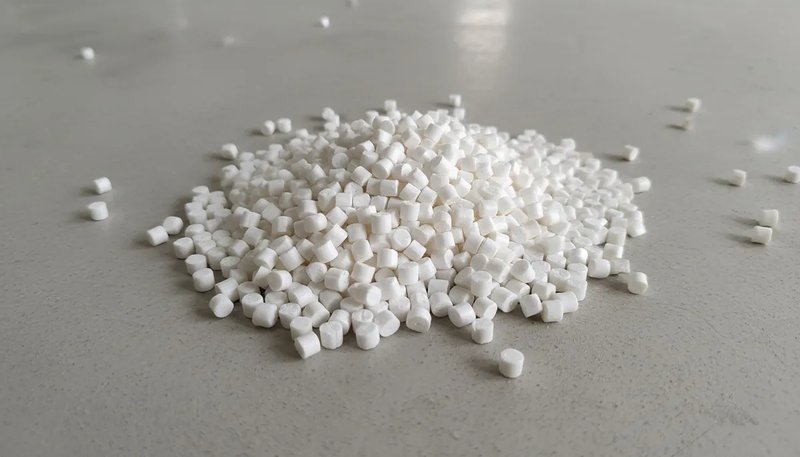
Le fibre di vetro sono altamente abrasive e consumano gli acciai teneri come il P20, rovinando il punto d'iniezione e i dettagli della cavità in poche migliaia di cicli; per resistere a questa usura è necessario l'H13 temprato.
"Gli inserti MUD in P20 sono adatti solo alla prototipazione e non possono essere utilizzati in produzione."False
Gli inserti in P20 raggiungono spesso centinaia di migliaia di cicli negli ambienti produttivi, purché la resina non sia abrasiva (ad esempio, polipropilene o ABS).
Quando scegliere il P20 per gli inserti MUD?
Il P20 è il materiale di riferimento per gli stampi rapidi perché privilegia velocità ed efficienza economica.
Vantaggi
Rapidità di commercializzazione: poiché non serve alcun trattamento termico, un’officina può lavorare un inserto P20 e montarlo in pressa in pochi giorni.
Efficienza economica: elimina la logistica e il costo del trattamento termico sottovuoto.
Riparabilità: spesso i danni minori possono essere saldati e rifiniti manualmente senza smontare completamente l’allestimento dello stampo.
Svantaggi
Minore resistenza all’usura: non adatto a materiali abrasivi con fibra di vetro superiore al 10%.
Limiti della finitura superficiale: pur potendo essere lucidato, con una finitura a specchio spinta, SPI A-1, può presentare «buccia d’arancia» o vaiolatura.
Scenari applicativi ideali
Produzioni di medio volume: da 50.000 a 300.000 cicli.
Resine di largo consumo: polipropilene (PP), polietilene (PE), ABS e polistirene (PS).
Stampi ponte: stampi necessari immediatamente mentre viene costruito uno stampo di produzione ad alto numero di cavità.
Quando scegliere l’H13 per gli inserti MUD?
L’H13 è la scelta giusta per gli inserti MUD quando volume, tolleranze, budget degli stampi o flessibilità progettuale contano più della massima produttività. Gli inserti MUD in H13 sono un investimento in durata e qualità e rendono il sistema MUD una vera piattaforma produttiva, non un semplice strumento di prototipazione.
Vantaggi
Lunga durata: con una manutenzione corretta può superare 1 milione di cicli.
Resistenza all’abrasione: l’elevato contenuto di cromo e molibdeno gli consente di resistere alle cariche abrasive.
Elevata lucidabilità: può raggiungere una finitura ottica di qualità per lenti, SPI A-1, senza vaiolatura.
Resistenza agli shock termici: resiste alle cricche termiche, o microfessurazioni, causate da rapidi cicli di riscaldamento e raffreddamento.
Svantaggi
Tempi di consegna più lunghi: richiede sgrossatura -> trattamento termico, esternalizzato per 3-5 giorni -> rettifica finale o fresatura del temprato.
Fragilità: l’acciaio temprato è più soggetto a cricche se l’inserto MUD presenta spigoli vivi o pareti sottili sottoposte a un’elevata forza di chiusura.
Scenari applicativi ideali
Produzione ad alto volume: da 500.000 a oltre 1.000.000 di cicli.
Resine tecniche: nylon caricato con fibra di vetro (PA66 GF30), PBT, PPS e policarbonato (PC).
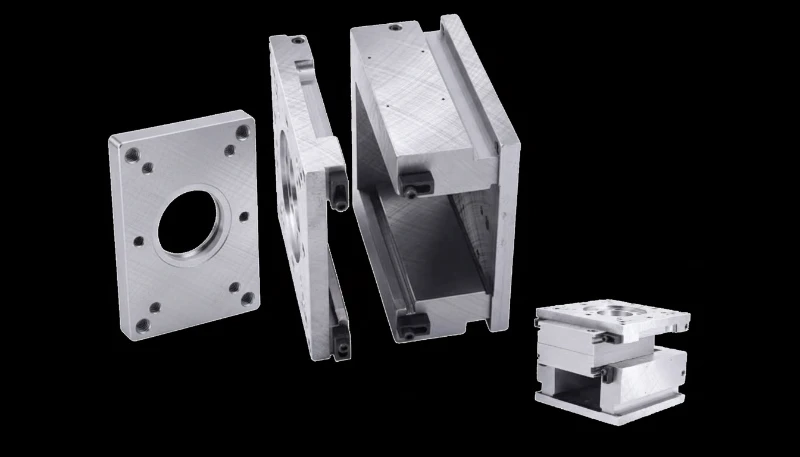
Componenti ottici: lenti o coperture estetiche che richiedono finiture a specchio. Quando la qualità superficiale è il criterio principale — come per guide luce automobilistiche, finestre di dispositivi medici o cornici di display per elettronica di consumo — l’H13 è l’unica scelta pratica. La sua microstruttura uniforme si lucida fino a SPI A-1 senza il difetto a buccia d’arancia che affligge il P20 nelle applicazioni molto lucide. Il costo aggiuntivo del trattamento termico si ripaga grazie a meno scarti e meno cicli di rilucidatura della cavità.
"Il trattamento termico degli inserti MUD in H13 ne modifica le dimensioni e richiede rettifica successiva."True
Il processo di tempra causa una lieve deformazione dimensionale; gli inserti devono essere lasciati con sovrametallo di sicurezza («steel safe») e rettificati con precisione per adattarsi al portastampo MUD dopo il trattamento termico.
"È sufficiente cromare il P20 per farlo funzionare esattamente come l'H13 pieno."False
Sebbene la cromatura aumenti la durezza superficiale, il substrato (P20) rimane morbido. In presenza di elevata pressione di iniezione o di urti, questo strato morbido può cedere, causando la fessurazione del rivestimento.
Come scegliere in base al numero di cicli e alla resina?
Il P20 è migliore sotto i 300.000 cicli, mentre l’H13 è più sicuro sopra i 500.000 cicli o con resina abrasiva. Nei nostri controlli di preventivo, un obiettivo di tolleranza di 0,02 mm, una resina caricata vetro 35.0% o una temperatura dello stampo superiore a 120,0 °C spostano solitamente la raccomandazione verso l’H13.
Matrice decisionale di selezione
| Requisito del progetto | Acciaio consigliato | Motivo |
|---|---|---|
| < 10.000 Cicli (Prototipo) | Alluminio (QC-10) o P20 | Rapidità e costo minimo. |
| 50k – 250k cicli (resina di largo consumo) | P20 | Equilibrio tra costo e durata. |
| 250k – 500k cicli (resina abrasiva) | NAK80 | Confronto tra Acciaio P20 e H13 per Inserti MUD |
| > 500k Cicli (Qualsiasi Resina) | H13 | Necessario per l'integrità a lungo termine della linea di divisione. |
| Finitura lucida / per lenti | S136 o 420 SS | Il P20 non può mantenere una lucidatura SPI A-1. |
Quali sono i consigli pratici per la gestione dei materiali MUD?
I consigli pratici per la gestione dei materiali MUD sono le principali categorie o opzioni illustrate in questa sezione. Standardizza gli inserti: se utilizzi molti inserti MUD, tieni a magazzino blocchi P20 già squadrati. Per l’H13, conserva blocchi ricotti e instaura un rapporto affidabile con un fornitore di trattamento termico sottovuoto, così da ridurre il normale ritardo di 1 settimana. Avere il materiale disponibile elimina la maggiore causa di slittamento dei programmi per gli inserti: l’attesa della consegna dell’acciaio.
Controllo dell’usura del punto d’iniezione: se per risparmiare scegli il P20 con un materiale al limite dell’abrasività, ad esempio caricato con il 10% di fibra di vetro, progetta il punto d’iniezione come un sottoinserto sostituibile. Potrai sostituire soltanto il piccolo inserto del punto d’iniezione in H13, mantenendo il resto della cavità in P20. Questo approccio ibrido offre spesso il miglior rapporto costo-prestazioni nei progetti MUD di medio volume, per i quali uno stampo interamente in H13 non è economicamente giustificato.
Corrosione dei canali di raffreddamento: P20 e H13 non sono acciai inossidabili. Se l’acqua dell’impianto è di scarsa qualità, acida o molto mineralizzata, i canali arrugginiranno e perderanno efficienza. Se la ruggine è un problema cronico, valuta la nichelatura chimica dei canali o alternative in acciaio inossidabile, come il 420SS.
Nella nostra fabbrica, confrontiamo gli inserti MUD P20 e H13 attraverso prove di stampaggio reali, non solo dati di catalogo. I nostri ingegneri utilizzano l'esperienza interna di produzione stampi, 47 presse a iniezione da 90T a 1850T e oltre 20 anni di feedback sugli utensili per convalidare le scelte dell'acciaio in base all'usura della resina, al numero di cicli, al comportamento di raffreddamento e all'accessibilità per la manutenzione.
Quando è necessario rivedere il fornitore per Quale materiale è migliore per gli inserti MUD: Acciaio P20 o H13?
Un preventivo per un inserto MUD è affidabile solo quando tolleranza, resina, finitura superficiale, volume annuale e durata dell’utensile sono chiari. I nostri ingegneri chiedono anche regole di approvazione del campione, metodo di ispezione e aspettative di controllo delle modifiche prima di confermare la raccomandazione dell’acciaio.
La RFQ deve richiedere anche le ipotesi produttive. Acciaio dello stampo, numero di cavità, tipo di canale, finitura superficiale, programma delle prove, metodo di misurazione, imballaggio e aspettative sul controllo delle modifiche influiscono tutti sul costo finale e sui tempi di consegna. Quando queste ipotesi sono esplicite, la negoziazione successiva diventa più rapida e sicura.
Una risposta tecnica solida identifica gli input mancanti invece di nascondere l’incertezza. Se il fornitore chiede informazioni sull’accumulo delle tolleranze, sui limiti del residuo del punto di iniezione, sulla certificazione della resina, sulla corrispondenza cromatica o sulle variazioni della domanda annua, in genere significa che il team di ingegneria sta valutando il progetto a livello produttivo.
Per i progetti in stile ZetarMold, il risultato migliore è un percorso produttivo chiaro: revisione DFM, conferma del progetto dello stampo, costruzione dell’attrezzatura, campionatura, ispezione, azione correttiva e rilascio in produzione. Questa sequenza conferisce all’articolo autorevolezza pratica e offre agli acquirenti una checklist utile per la conversazione successiva.
Quali evidenze di produzione occorre esaminare prima di scegliere un fornitore?
L’evidenza del fornitore è più forte quando i registri di prova, i dati CMM, la tracciabilità della resina e i risultati di finitura superficiale sono tutti concordi. Nei nostri controlli di produzione, cerchiamo rapporti dimensionali con risoluzione di 0,01 mm, registri di essiccazione della resina oltre 4,0 ore e note di prova che mostrino almeno 3,0 cicli di stampaggio stabili.
Quando un progetto riguarda componenti estetici o a tolleranza stretta, le prove devono includere anche regole di approvazione dei campioni. Campioni limite, dime di misura, standard cromatici e definizioni dei difetti riducono le controversie soggettive dopo il passaggio dello stampo dalle prove alla produzione.
Nelle decisioni di approvvigionamento, il segnale più forte è la capacità del fornitore di collegare le scelte dell’attrezzatura ai risultati produttivi. Una revisione pratica deve spiegare come raffreddamento, ventilazione, scelta dell’acciaio, accessibilità per la manutenzione e monitoraggio del processo tutelano costi, consegne e qualità dei pezzi.
Questa struttura basata innanzitutto sulle prove aiuta i lettori a prendere decisioni migliori e consente ai motori di risposta di citare la pagina con sicurezza.
Quali sono le domande più comuni sui materiali degli inserti MUD?
Le domande più comuni sui materiali degli inserti MUD sono le principali categorie o opzioni illustrate in questa sezione. D: Posso saldare gli inserti MUD in H13 se si danneggiano? R: Sì, ma è difficile. Poiché l’acciaio è temprato, la saldatura crea una zona termicamente alterata (HAZ) che può fessurarsi. Occorre preriscaldare il blocco, usare bacchette d’apporto compatibili e in genere eseguire un post-riscaldamento, cioè rinvenire l’inserto, per alleviare le tensioni.
D: L’acciaio S7 è una buona alternativa all’H13 per gli inserti MUD? R: L’S7 è un eccellente acciaio resistente agli urti. Viene spesso impiegato negli inserti MUD con perni anima delicati o elementi sporgenti che potrebbero spezzarsi. In generale, tuttavia, l’H13 resiste meglio dell’S7 alle alte temperature.
D: Il P20 si raffredda più rapidamente dell’H13? R: Sì, ma solo leggermente. Il P20 ha una conducibilità termica un po’ più elevata, circa 29 W/m·K, rispetto all’H13, circa 24 W/m·K. Nelle applicazioni di imballaggio a ciclo rapido, questa piccola differenza può contare, ma per la maggior parte dei pezzi tecnici la progettazione delle linee dell’acqua è più importante del tipo di acciaio.
D: Perché dopo la lucidatura il mio inserto P20 presenta una «buccia d’arancia»? R: Il P20 è un acciaio a lega mista. Se viene lucidato aggressivamente per ottenere un’elevata brillantezza, le zone morbide e dure della microstruttura si usurano in modo non uniforme, creando una texture ondulata a «buccia d’arancia». L’H13 è più uniforme e mantiene una lucidatura migliore.
D: Posso usare inserti MUD in alluminio per la produzione? R: Solo per bassi volumi o pezzi estetici non critici. L’alluminio, come 7075 o QC-10, è tenero ed è soggetto a danni dovuti alla movimentazione, alla pulizia e, nel tempo, alla forza di chiusura del telaio MUD.
| Area decisionale | Cosa verificare |
|---|---|
| proprietà della resina | Confermare in che modo la progettazione dello stampo influisce sulla scelta del materiale migliore per gli inserti MUD: acciaio P20 o H13?. |
| Materiale | Verificare il comportamento della resina, il ritiro, il calore e i rischi estetici. |
| Qualità | Richiedere prove dell'ispezione prima di approvare la produzione. |
Come prendere la decisione finale tra P20 e H13 per gli inserti MUD?
La scelta finale è P20 per velocità e costo, o H13 per durata, resina abrasiva e produzione ad alto volume. Se il progetto prevede più di 500.000 parti, resina caricata con vetro o temperature dello stampo sostenute vicine a 120,0 °C, l’H13 protegge solitamente il costo totale meglio del P20.
Serve un preventivo per il tuo progetto di stampaggio a iniezione?
Richiedi prezzi competitivi, feedback DFM e tempistiche di produzione al team tecnico di ZetarMold.
Richiedete un preventivo gratuito →
Cos’altro occorre sapere sulla scelta dell’acciaio per gli inserti MUD?
L’acciaio P20 può gestire la produzione ad alto volume di inserti MUD?
Il P20 è più adatto per produzioni medie tra 50.000 e 300.000 cicli. Oltre questo intervallo, l’usura ai gate, ai bordi della cavità e ai fori dei punzoni espulsori accelera in modo evidente, specialmente con resine caricato vetro o abrasive. Se il progetto supera i 300K cicli, l’H13 diventa la scelta ingegneristica più sicura. Il P20 può ancora funzionare per produzioni estese con materiali non abrasivi come PP o PE, ma si dovrebbe preventivare la rilucidatura della cavità o la sostituzione degli inserti intorno ai 200K cicli. Nella nostra esperienza, le officine che spingono il P20 oltre il suo limite di progetto spendono di più in rielaborazioni e fermi macchina di quanto abbiano risparmiato sul costo iniziale dell’utensile.
H13 è Sempre Meglio di P20 per gli Inserti MUD?
Non necessariamente. L’H13 offre una resistenza all’usura e una stabilità termica superiori, ma comporta un costo del materiale più elevato, tempi di consegna più lunghi a causa del trattamento termico e una maggiore fragilità che richiede una manipolazione attenta durante i cambi degli inserti MUD. Per produzioni brevi o medie con resine comuni come ABS o PP, il P20 è la scelta pragmatica perché si lavora più velocemente, non richiede indurimento postumo e costa il 30-40% in meno. L’H13 si giustifica solo quando la produzione richiede un alto numero di cicli, resine abrasive caricate, requisiti di superficie a specchio o temperature operative elevate superiori a 400°C.
Quanto Durano gli Inserti MUD con Acciaio P20 vs H13?
Gli inserti MUD in P20 forniscono tipicamente da 50.000 a 300.000 cicli a seconda dell’abrasività della resina e della complessità dello stampo. Gli inserti in H13 superano regolarmente i 500.000 cicli e possono raggiungere 1 milione o più con una manutenzione adeguata. Il divario si allarga significativamente con nylon caricato vetro (PA66 GF30) o PPS, dove il P20 può mostrare erosione del gate entro 100K cicli mentre l’H13 mantiene l’integrità della cavità. L’ispezione regolare delle aree del gate, dei canali di raffreddamento e dei fori dei punzoni espulsori è essenziale per entrambi gli acciai per massimizzare la vita utile ed evitare arresti di produzione non pianificati.
È possibile saldare e rielaborare un inserto MUD H13 danneggiato?
Sì, l’H13 può essere saldato e rielaborato, ma il processo richiede preriscaldamento a 350-400°C, un filo di apporto compatibile (tipicamente H13 o lega per lavoro a caldo simile) e un raffreddamento controllato post-saldatura per evitare cricche. Dopo la saldatura, l’area riparata di solito necessita di rilavorazione meccanica e lucidatura per ripristinare la precisione dimensionale e la finitura superficiale. Ciò rende la rielaborazione dell’H13 più complessa e costosa rispetto al P20, che spesso può essere riparato con una saldatura TIG più semplice a temperatura ambiente seguita da lucidatura manuale. Valutare sempre se il costo della rielaborazione giustifica la vita residua dell’inserto.
Quale Manutenzione Richiedono gli Inserti MUD in P20 e H13?
Gli inserti in P20 richiedono un’ispezione regolare dell’area del gate, la lucidatura della cavità per prevenire il degrado superficiale a buccia d’arancia e il monitoraggio dell’usura dei fori degli spintori. I canali di raffreddamento devono essere lavati periodicamente poiché il P20 non è inossidabile ed è soggetto a corrosione in sistemi idrici non trattati. Gli inserti in H13 richiedono ispezioni per le fessure da stress termico (heat checking) sulle superfici della cavità, specialmente in applicazioni ad alta temperatura. Entrambi gli acciai beneficiano di protocolli di stoccaggio standardizzati, una manipolazione corretta durante i cambi di telaio MUD e registri di manutenzione documentati che tracciano i conteggi cumulativi dei cicli per prevedere con precisione i tempi di sostituzione.
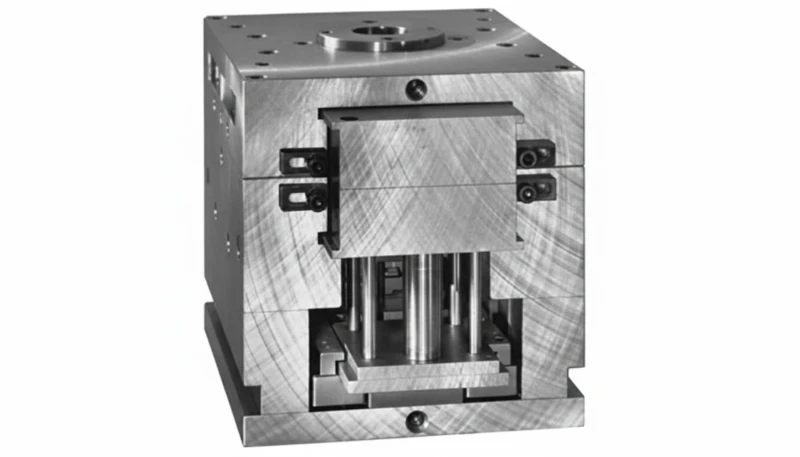
Stampaggio a iniezione: è il processo produttivo che fonde la plastica, la inietta nella cavità di uno stampo, raffredda il pezzo e ripete il ciclo per una produzione stabile in serie. ↩
Fornitore: è un partner produttivo valutato in base alla capacità di costruire stampi, al controllo del processo, alla conoscenza dei materiali, al rigore delle ispezioni, alla comunicazione e all'affidabilità. ↩
Stampo a iniezione: è lo strumento di precisione che definisce la geometria del pezzo, il comportamento termico, l'espulsione, il sistema di alimentazione, la finitura superficiale e la ripetibilità. ↩