Choosing the wrong stampaggio a iniezione supplier can cost you months of delays, thousands in wasted tooling, and endless rework cycles. After two decades of working with buyers from North America and Europe, we have seen every red flag in the book — from suspiciously low quotes to ghosted emails after deposit payment. This guide walks you through 15 specific warning signs that should make you pause before signing a tooling contract, and gives you practical verification steps to protect your project budget and timeline.
- Quotes more than 30% below market average often hide quality shortcuts
- No ISO certifications means no verifiable quality management system
- Delayed or vague responses during quoting predict worse after payment
- Factory photos and videos are the cheapest audit you will ever get
- A supplier who cannot name their steel grades should not build your mold
What Are the Most Common Injection Molding Supplier Red Flags?
The biggest red flags fall into five categories: pricing, communication, credentials, facility condition, and contract terms. The most dangerous is not the obvious scam but the supplier who seems almost right yet cuts corners you cannot see. A supplier offering injection molding at 40% below competitors is either losing money and will cut quality, or has not understood your requirements. Either way, you lose. Look for suppliers who ask detailed questions about your part geometry, material requirements, and annual volume during quoting. A supplier who quotes without asking has not done the engineering work.
For a broader look at progettazione di stampi a iniezione, our pillar guide covers tooling structure, thermal control, and manufacturability tradeoffs.
During our quoting process, our 8 senior engineers review each project to identify potential issues before a price is set, because the cheapest quote is rarely the most accurate one. Another common warning sign is a supplier who cannot provide references from customers in your industry or region. If they claim 15 years of export experience but cannot name a single Western client, something does not add up. Legitimate suppliers understand that due diligence goes both ways and welcome verification.
How Can You Tell If a Supplier Quotation Is Unrealistic?
The three warning signs are dramatically low pricing, impossibly short lead times, and missing cost breakdowns. When a supplier quotes a multi-cavity mold with complex undercuts at the same price as a simple open-and-shut tool, they have not analyzed your part. Mold steel alone accounts for 25-40% of tooling cost, so a quote that does not specify steel grade is hiding something. In our Shanghai factory, every quotation includes a detailed breakdown covering steel selection, cavity count, expected mold life, surface finish, and cycle time estimates.
If a supplier only gives you a single bottom-line number without this breakdown, they are either planning to renegotiate later or they are not engineering the tool properly. Watch for quotes that promise Classe 1011 mold life at a price that barely covers the steel. Realistically, a quality multi-cavity production mold for a complex part should take 6-10 weeks to build and may use P202 steel for general purposes or H13 for higher temperature applications. A supplier promising 3-week delivery on the same specification is either skipping critical steps or planning to deliver late.
Why Does Communication Quality Predict Supplier Reliability?
Communication during the quoting phase is the best predictor of communication during production. If a supplier takes four days to respond to your initial inquiry, expect eight days when you have an urgent production issue. We have found that response time consistency matters more than speed — a supplier who consistently replies within 24 hours is more reliable than one who sometimes replies in two hours and sometimes in a week. Language capability is another critical factor. Having 30+ English-speaking project managers on our team is not just a convenience — it means technical discussions about tolerances, surface finishes, and material selection do not get lost in translation.
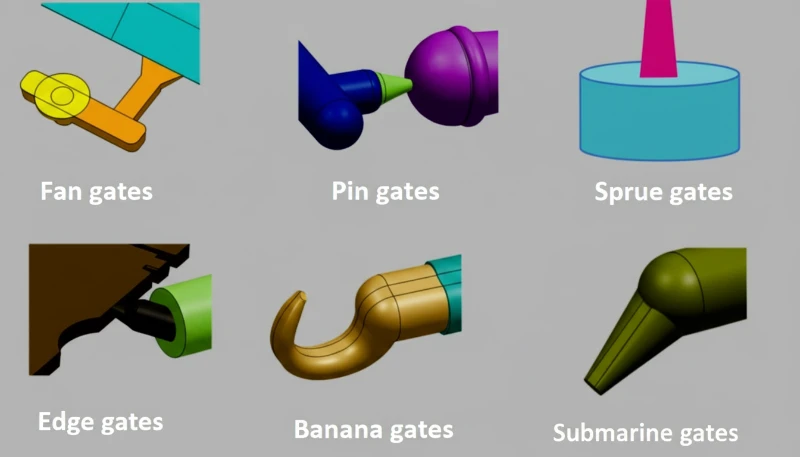
When your supplier cannot clearly explain why they recommend a specific gate type or why a wall thickness might cause sink marks, they are either not technically capable or not paying attention. Pay attention to the quality of questions a supplier asks. Good suppliers ask about your part function, assembly requirements, cosmetic standards, and regulatory needs. Bad suppliers just ask for the 3D file and payment terms. Also watch for suppliers who agree to everything without pushback. An experienced mold maker will tell you when your design has issues and suggest alternatives.
What Certifications Should You Demand from an Injection Molding Supplier?
ISO 90013 is the minimum certification to demand, along with industry-specific standards for medical or food-contact applications. ISO 9001 ensures your supplier has documented processes for incoming inspection, in-process checks, and final measurement. For medical parts, ISO 13485 is essential. For food-contact applications, FDA-compliant material traceability is required. Environmental certifications like ISO 14001 and safety standards like ISO 45001 indicate the supplier invests in sustainable operations. Be suspicious of suppliers who claim certifications but cannot provide certificate numbers or audit reports for verification.
We maintain ISO 9001, ISO 13485, ISO 14001, and ISO 45001 certifications and can provide audit reports upon request. Also check whether their certifications cover the specific facility where your parts will be made, not just a corporate headquarters miles away. A supplier with 20+ years of experience should have a well-documented quality system, not just a certificate on the wall. Ask for their incoming material inspection procedures, in-process inspection frequency, and final inspection sampling plan. If they cannot articulate these, their certifications may be paper exercises rather than embedded practices.
We maintain ISO 9001, ISO 13485, ISO 14001, and ISO 45001 certifications across our Shanghai facility — backed by 20+ years of continuous quality improvement.
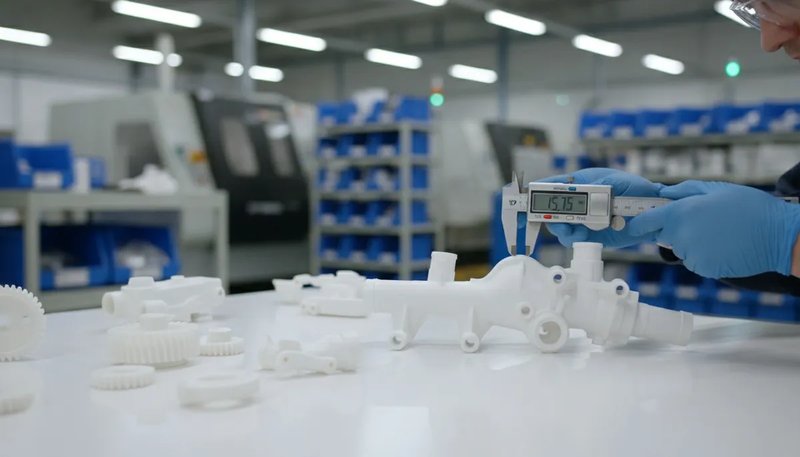
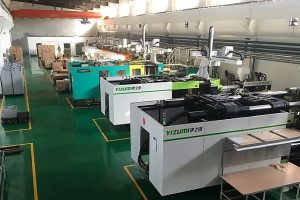
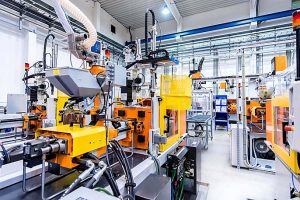
A factory audit is the single most effective tool for separating legitimate suppliers from trading companies posing as manufacturers. Key areas to examine: machine inventory and condition, quality control equipment, material storage practices, and workforce organization. Start by asking for a machine list with tonnage ratings and brands. A real injection molder with presses from 90T to 1850T can handle diverse part sizes and materials. A trading company will give vague answers about capacity. Check if they have measurement equipment and whether calibration stickers are current.
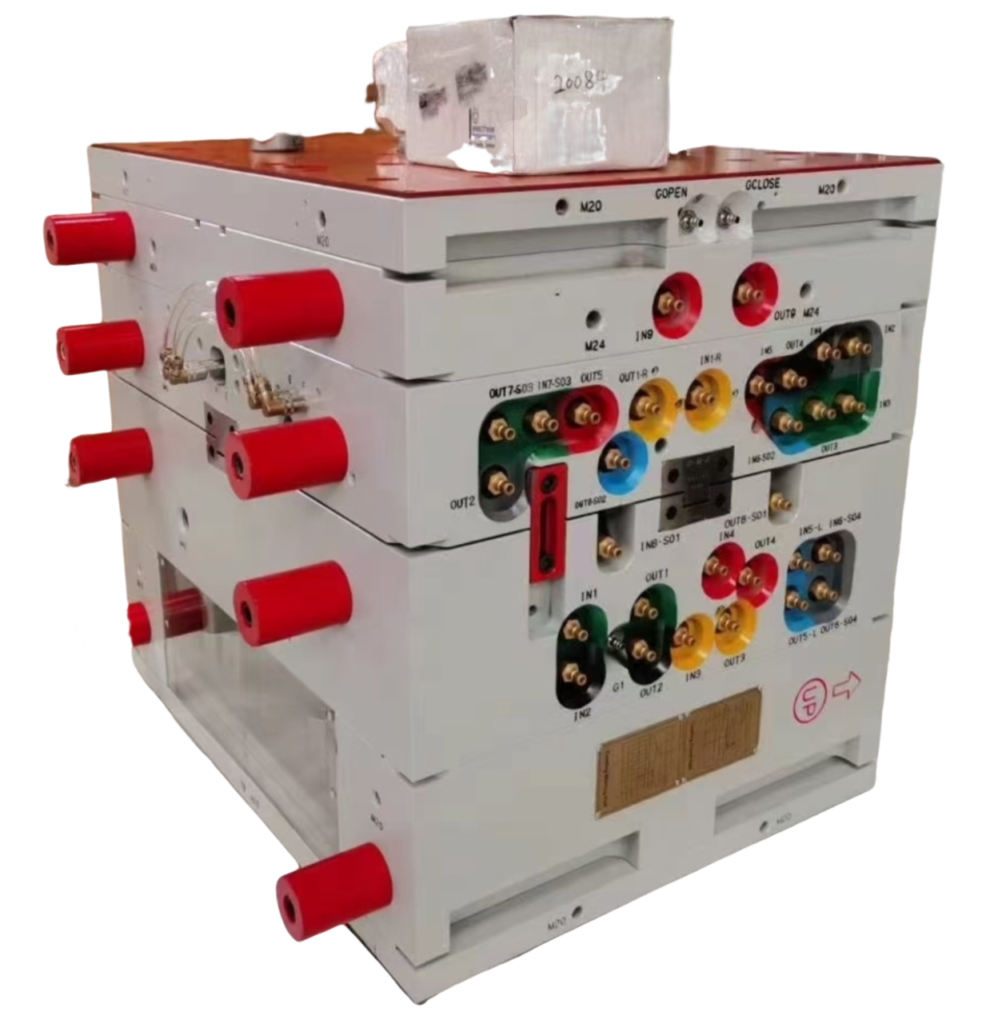
With 400+ materials in our experience base, we know that proper material handling directly affects part quality, especially for hygroscopic resins like nylon and polycarbonate. Look at the production floor organization — clean, well-lit facilities with clear work instructions posted at each station indicate a mature manufacturing operation. Ask to see their mold maintenance area. A supplier who builds molds but has no mold maintenance capability is either new or outsourcing. Our in-house mold manufacturing facility supports 100+ mold sets per month, which means we can maintain and repair tools quickly without depending on external vendors.
If a virtual audit is your only option, request a live video call where they walk you through the factory in real time — not a polished marketing video.
What Questions Should You Ask During Supplier Verification?
Asking the right questions before you commit is cheaper than learning the hard way. Here are the questions that separate reliable suppliers from risky ones, along with what to listen for in their answers. First: “Can you walk me through your mold design review process?” A good supplier will describe their DFM (Design for Manufacturing) analysis, mold flow simulation, and design review meetings. If they say “we just build to your drawing,” they are not adding engineering value. Second: “What is your standard warranty on molds and what does it cover?” A supplier confident in their work will offer at least 12 months of mold warranty covering normal wear.
Third: “Can you provide three references from customers in my region?” Then actually call them — you would be surprised how many “references” are fabricated. Fourth: “What happens if first article inspection fails?” Their answer tells you whether they view quality problems as their responsibility or yours. Fifth: “Who owns the mold tooling if we paid for it?” Get this in writing upfront. Some suppliers try to hold tooling hostage to retain business. Sixth: “What is your policy on material substitution?” If they admit to swapping materials without customer approval, run. Seventh: “Can I visit during production or arrange a third-party inspection?” Suppliers who welcome on-site inspection have nothing to hide.
Our 10+ QC specialists conduct inspections at every stage, and we encourage customers to visit or send auditors. The right supplier treats your verification questions as a sign of professionalism, not suspicion.
When Should You Walk Away from an Injection Molding Supplier?
Some red flags are dealbreakers that no amount of negotiation can fix. Walk away immediately if the supplier refuses to put verbal agreements in writing, pressures you to pay 100% upfront before any work begins, or cannot explain their pricing structure. Also walk away if you discover they are subcontracting your tool to a third factory without disclosure — this is a common practice with trading companies that means you have no direct line to the actual manufacturer. If a supplier has been in business less than three years and claims capabilities beyond what their equipment list supports, their ambition may exceed their ability to deliver.
With our integrated manufacturing and trading-service model, we handle both stampaggio a iniezione e costruzione di stampi under one roof so you always know exactly where your project stands. Another dealbreaker: a supplier who cannot provide first article inspection (FAI) reports with actual measurement data. If their quality reports only say “passed” without specific dimensions and tolerances, they are not actually measuring anything. Finally, if the contract does not clearly define delivery terms, warranty coverage, IP protection, and dispute resolution, you have no safety net when something goes wrong. The best time to identify a bad supplier is before you pay them — the second best time is right now, before you pay them more.
“ISO 9001 certification is the minimum quality standard you should require from any injection molding supplier.”Vero
ISO 9001 provides a verifiable quality management framework. Without it, you have no assurance the supplier follows documented processes for inspection, traceability, or corrective action.
“A supplier quoting 40 percent below the market average is offering you a better deal through efficiency.”Falso
Quotes dramatically below market rate almost always involve hidden compromises: lower-grade steel, reduced cavity counts, skipped design reviews, or planned post-contract price increases. The cheapest quote rarely produces the cheapest total cost.
Understanding these verification principles becomes even more important as your project complexity increases. A simple single-cavity mold for a non-critical consumer product carries less risk than a multi-cavity precision tool for an automotive or medical application. For high-stakes tooling, consider hiring an independent third-party inspection firm to conduct a pre-shipment mold trial at the factory. This typically costs a few hundred dollars but can save tens of thousands in rework and project delays. The inspector will witness the mold trial, measure sample parts, check surface finish, and document any issues before shipment.
“Requesting a live video factory tour is a legitimate and effective supplier verification step.”Vero
A live video walkthrough lets you verify machine inventory, cleanliness, organization, and workforce in real time with no editing and no stock footage. Any legitimate manufacturer will accommodate this request without hesitation.
“If a supplier provides a mold warranty, the specific terms and coverage scope do not matter.”Falso
Warranty coverage varies dramatically. Some warranties only cover manufacturing defects while excluding normal wear, design-caused failures, and material degradation. Always read the specific terms, coverage scope, duration, and exclusions before relying on a warranty as risk protection.
Domande frequenti
What is the biggest red flag when choosing an injection molding supplier?
The single biggest red flag is a quote significantly below market rate combined with a lack of detailed engineering questions from the supplier. A supplier who quotes cheap without analyzing your part geometry, material requirements, and expected production volume is either cutting corners on quality or planning to raise prices after you are already committed to the project. Always compare quotes against the level of engineering detail behind them, not just the bottom-line number. A transparent supplier will provide a detailed cost breakdown showing steel grades, cavity count, and surface finish specifications.
How many years of experience should a reliable injection molding supplier have?
Cerca fornitori con almeno 10 anni di comprovata esperienza nell'esportazione, preferibilmente con clienti nella tua regione geografica. Gli anni di attività da soli possono essere fuorvianti perché una fabbrica con 20 anni di produzione solo domestica potrebbe avere difficoltà con la logistica internazionale, i requisiti di documentazione e la comunicazione in inglese. Chiedi specificamente della loro storia di esportazione, del numero di project manager di lingua inglese in organico e dell'esperienza verificabile con i tuoi specifici standard di settore e requisiti normativi. Un fornitore che spedisce all'estero dal 2013 avrà processi consolidati per la documentazione doganale e il coordinamento del trasporto internazionale.
Dovrei sempre visitare la fabbrica prima di effettuare un ordine di utensileria?
Una visita fisica in fabbrica è ideale ma non sempre pratica quando si valutano fornitori di stampaggio a iniezione esteri. Come minimo, dovresti richiedere un tour video in diretta della fabbrica condotto in tempo reale, chiedere fotografie recenti delle macchine e delle attrezzature specifiche che verranno utilizzate per i tuoi componenti e verificare indipendentemente tutte le certificazioni con gli enti emittenti. Se il fornitore resiste o ritarda uno qualsiasi di questi passi di verifica di base, considera tale resistenza come un segnale di avvertimento significativo sulla loro trasparenza e capacità produttive. I fornitori legittimi accolgono la verifica come una pratica commerciale standard.
Quali sono i termini di pagamento standard per gli stampi per lo stampaggio a iniezione?
I termini di pagamento standard per l'utensileria di stampaggio a iniezione comportano tipicamente un deposito iniziale dal 30 al 50 percento, con pagamenti successivi legati a specifici deliverables come l'approvazione del design dello stampo, il campionamento del primo articolo e l'accettazione finale dello stampo. Diffida di qualsiasi fornitore che richieda il pagamento anticipato completo prima di iniziare i lavori, perché ciò rimuove completamente il tuo potere negoziale se sorgono problemi di qualità o ritardi nella consegna durante la produzione. Associa sempre ogni pagamento a deliverables verificabili e documentati, chiaramente specificati nel tuo contratto, per proteggere il tuo investimento durante l'intero processo di produzione.
Una società di trading può essere un fornitore affidabile di stampaggio a iniezione?
Le società di trading possono funzionare ragionevolmente bene per l'approvvigionamento di prodotti semplici, ma aggiungono un rischio significativo per i progetti di utensileria personalizzata perché manca la comunicazione diretta con il produttore effettivo che costruirà il tuo stampo. Se scegli di lavorare tramite una società di trading, insisti per sapere esattamente quale fabbrica costruirà il tuo stampo, conferma di poter controllare direttamente quella fabbrica e assicurati che il tuo contratto nomini esplicitamente il produttore effettivo. La subappaltazione nascosta senza divulgazione è una delle fonti più comuni di problemi di qualità e ritardi nelle consegne nei progetti transfrontalieri di costruzione di stampi.
Come posso verificare le dichiarazioni di un fornitore riguardo alle certificazioni?
Chiedi sempre al fornitore il numero specifico del certificato e il nome dell'ente emittente, quindi verifica direttamente con quel certificatore. La maggior parte degli organismi di certificazione principali come SGS, TUV e BSI fornisce strumenti di verifica online dove puoi confermare lo stato e l'ambito del certificato. È fondamentale verificare che il certificato copra lo specifico stabilimento produttivo dove verranno prodotti i tuoi componenti, non solo una sede centrale situata altrove. Certificati scaduti e certificazioni con ambito limitato che non coprono i processi di produzione rilevanti sono segnali di allarme comuni che una verifica di base rivelerà rapidamente.
Cosa dovrebbe essere incluso in un contratto con un fornitore di stampaggio a iniezione?
Un contratto completo con un fornitore di stampaggio a iniezione dovrebbe coprire esplicitamente: proprietà dell'utensileria e condizioni di trasferimento, gradi di acciaio specificati, numero e disposizione delle cavità, vita utile prevista dello stampo in cicli, standard di finitura superficiale, tolleranze dimensionali, requisiti di ispezione del primo articolo con piano di campionamento, specifiche del materiale con tracciabilità dei lotti, termini di consegna e penali, milestone di pagamento legati ai deliverables, termini di garanzia inclusa durata ed esclusioni, clausole di protezione della proprietà intellettuale e un meccanismo definito di risoluzione delle controversie. L'assenza di uno qualsiasi di questi elementi crea un rischio inutile che può portare a progetti ritardati, costi imprevisti o controversie sulla proprietà dell'utensileria.
Scegliere il giusto fornitore di stampaggio a iniezione si riduce alla verifica, non alla fiducia. Ogni segnale di allarme in questa guida ha una semplice contromisura: fai domande, chiedi prove e non saltare mai la due diligence per risparmiare tempo. In ZetarMold, la nostra esperienza di oltre 20 anni, la produzione interna di stampi e i nostri oltre 30 project manager di lingua inglese significano che ottieni una comunicazione trasparente dal primo preventivo alla consegna finale. Pronto a lavorare con un fornitore che accoglie le tue domande? Ottieni un preventivo gratuito e lascia che il nostro team di ingegneri esamini il tuo progetto.
-
Classe 101: Classe 101 si riferisce alla classificazione più alta degli stampi, definita come stampi di produzione progettati per resistere a oltre un milione di cicli di iniezione. ↩
-
P20: P20 è un acciaio per stampi per uso generale pre-temprato definito come adatto per stampi a iniezione per volumi di produzione da bassi a medi. ↩
-
ISO 9001: ISO 9001 è uno standard internazionale per i sistemi di gestione della qualità che richiede processi documentati per il controllo e l'ispezione della produzione. ↩

 EN
EN  ES
ES  FR
FR  DE
DE  PT
PT  AR
AR  RU
RU  JA
JA  KO
KO  IT
IT  NL
NL  TR
TR  PL
PL