Vai al contenuto
TPE stampaggio a iniezione produce componenti flessibili simili alla gomma utilizzando apparecchiature standard di lavorazione termoplastica — nessuna vulcanizzazione, nessun forno di reticolazione e tempi di ciclo significativamente più rapidi rispetto allo stampaggio tradizionale della gomma. Se stai valutando il TPE per guarnizioni, impugnature, giunti o superfici soft-touch sovrastampaggio1, comprenderne il comportamento di lavorazione, i vincoli di progettazione e i compromessi di costo rispetto al TPU e alla gomma reticolata è essenziale per fare la scelta giusta del materiale.
- TPE processes on standard injection molding machines without vulcanization, cutting cycle time 50-70% vs thermoset rubber
- Shore hardness range spans 20A to 80D, covering soft gaskets through rigid wear components in a single material family
- TPE overmolding onto rigid substrates (PP, ABS, PC) enables soft-touch grips without adhesives or mechanical interlocks
- Key parameters: melt temp 180-240°C, mold temp 20-60°C, injection speed moderate to fast for consistent fill
- TPE costs 20-40% more per kilogram than commodity PP but eliminates secondary operations, often reducing total part cost
What Is TPE Injection Molding?
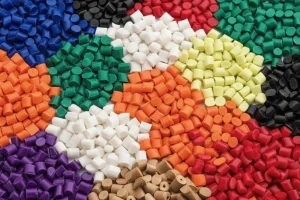
Stampaggio a iniezione di TPE2 è il processo di fusione di granuli di elastomero termoplastico e loro iniezione in uno stampo per produrre componenti flessibili simili alla gomma. A differenza della gomma reticolata, che richiede una vulcanizzazione chimica che richiede minuti o ore, il TPE solidifica per raffreddamento in pochi secondi su apparecchiature termoplastiche standard.
For a broader look at progettazione di stampi a iniezione, our pillar guide covers tooling structure, thermal control, and manufacturability tradeoffs.
Thermoplastic elastomers are a broad family of block copolymers that combine the elastic recovery of vulcanized rubber with the melt-processability of conventional plastics. The molecular structure consists of hard crystalline segments that provide structural integrity and soft amorphous segments that deliver elasticity. When heated above the hard segment melting point, the entire polymer flows like a thermoplastic. When cooled, the hard segments re-crystallize, locking the elastic network in place without any chemical crosslinking reaction.
Il vantaggio pratico è enorme: un componente in TPE che richiede da 15 a 30 secondi per essere stampato su una macchina standard richiederebbe da 2 a 5 minuti di tempo di pressatura se realizzato in gomma termoindurente. Questa riduzione del tempo di ciclo si traduce direttamente in un costo per pezzo inferiore, una maggiore utilizzazione della macchina e la possibilità di utilizzare stampi a più cavità per la produzione di volumi. Il nostro impianto di processo di stampaggio a iniezione utilizza quotidianamente gradi di TPE per applicazioni automobilistiche e consumer.
What Are the Key TPE Material Properties for Injection Molding?
TPE properties vary significantly across the material sub-families, but several characteristics are universal to the class. Understanding these helps you select the right grade and predict molding behavior before committing to tooling.
| Proprietà | SBS/SEBS (Styrenic) | TPO (Olefinic) | TPV (Vulcanizate) | TPC (Copolyester) |
|---|---|---|---|---|
| Hardness Range | 20A-80A | 60A-70D | 40A-80A | 40A-70D |
| Temp Resistance | -40 to 80°C | -40 to 120°C | -40 to 135°C | -40 to 150°C |
| Set di compressione | Poor-Fair | Fiera | Buono | Good-Excellent |
| Resistenza chimica | Povero | Buono | Buono | Eccellente |
| Cost (relative) | Basso | Low-Medium | Medio | Alto |
| Typical Use | Grips, toys | Automotive seals | Underhood parts | Hose, cable |
Shore hardness is the primary selection criterion. TPE grades span from ultra-soft 20 Shore A (comparable to a gel) through 80 Shore D (similar to rigid polyethylene). The wide range means a single material family can cover applications from cushioned insoles to stiff structural bushings, simplifying your supply chain compared to maintaining separate rubber and plastic material inventories.
Compression set resistance is where TPE historically falls short of thermoset rubber. Standard styrenic TPEs (SBS, SEBS) exhibit compression set values of 30 to 50 percent after 22 hours at 70°C, while a properly vulcanized EPDM rubber achieves under 20 percent. For static seal applications where long-term compression recovery matters, TPV and TPC grades close this gap significantly, with compression set values of 15 to 25 percent.
Nella nostra esperienza di stampaggio di oltre 400 materiali plastici, i gradi di TPE sono tra i più sensibili alle variazioni di lavorazione — uno spostamento di 10°C nella temperatura di fusione può modificare la durezza Shore misurata di 3–5 punti. Consigliamo sempre di eseguire un'ispezione del primo articolo su qualsiasi nuovo lotto di TPE prima della produzione completa.
What Are the Critical TPE Injection Molding Parameters?
Lo stampaggio a iniezione del TPE richiede temperature di fusione di 180–240°C, temperature dello stampo di 20–60°C e velocità di iniezione da moderate a veloci. Questi parametri di stampaggio3 differiscono dai termoplastici rigidi principalmente per la loro sensibilità alla velocità di taglio e alla temperatura. Sbagliare questi parametri si manifesta con bave, mancati riempimenti o durezza inconsistente nel componente — problemi costosi da risolvere negli stampi di produzione.
""L'essiccazione dei granuli di TPE prima dello stampaggio è essenziale anche se il TPE assorbe meno umidità del nylon — l'umidità residua superficiale causa splay e instabilità dimensionale nei componenti flessibili dove la qualità visiva è un criterio di accettazione primario""Vero
Most TPE grades require 2-4 hours of drying at 60-80°C. While not as hygroscopic as PA or PBT, surface moisture on pellets creates cosmetic defects that are particularly visible on soft, translucent TPE parts used in consumer products.
""Lo stampaggio a iniezione del TPE richiede gli stessi parametri di lavorazione indipendentemente dal grado specifico di TPE o dalla sottofamiglia""Falso
SBS grades melt at 160-200°C, while TPC grades require 220-260°C. Injection speed, mold temperature, and holding pressure all vary significantly across the TPE family. Using one parameter set for all grades guarantees processing defects.
Melt temperature ranges from 180 to 240°C for most commercial TPE grades, with styrenic TPEs at the lower end and copolyester TPEs at the upper end. Mold temperature between 20 and 60°C is typical, with higher mold temperatures improving surface finish but extending cycle time. Injection speed should be moderate to fast — TPE viscosity drops sharply with increasing shear rate, so faster fill actually produces more consistent parts in many geometries.
Holding pressure and time are critical for dimensional consistency. TPE compresses significantly under pressure, and insufficient holding time allows the material to relax and shrink unevenly as the part cools. A practical starting point is 40 to 60 percent of injection pressure for 1 to 3 seconds, adjusted based on gate freeze time measured during sampling. Packing pressure that is too high causes flash on the parting line because TPE flows easily into small gaps.
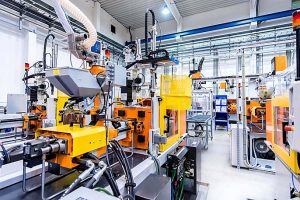
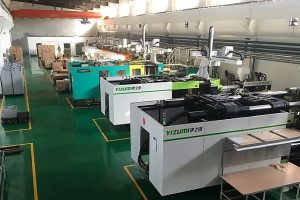
Nella nostra fabbrica di Shanghai, gestiamo 47 macchine per stampaggio a iniezione da 90T a 1850T. In oltre 20 anni di lavorazione del TPE, abbiamo imparato che ottenere la temperatura di fusione e la velocità di iniezione corretti al primo tentativo fa risparmiare settimane di iterazioni — la nostra revisione DFM individua i problemi dei parametri prima che l'acciaio venga tagliato.
Cooling time drives cycle time and part quality. TPE conducts heat slowly compared to rigid plastics, so thick sections take longer to solidify than you might expect from experience with PP or ABS. For wall thicknesses above 3mm, cooling time typically exceeds 15 seconds. Ejecting too early causes permanent deformation because the part has not developed enough stiffness to resist ejection forces without distortion.
What Design Rules Apply to TPE Molded Parts?
I componenti stampati in TPE sono soggetti a uno spessore uniforme della parete (1,0–4,0 mm), angoli di sformo di 1–2° e ampi raggi in tutti gli angoli. Sebbene il design del TPE segua i principi generali dei termoplastici, la flessibilità del materiale e il modulo inferiore richiedono importanti adattamenti per caratteristiche come cerniere viventi, linguette a scatto e guarnizioni elastomeriche che sarebbero impossibili nelle plastiche rigide.
Regole per lo spessore della parete e l'angolo di sformo
Wall thickness should be uniform and between 1.0 and 4.0mm wherever possible. TPE parts thicker than 4mm develop significant sink marks and require extended cooling times that erode the cycle time advantage over rubber. For structural applications requiring stiffness, consider rib reinforcement on a thinner base wall rather than increasing overall thickness. Rib height should not exceed 3 times the base wall thickness, and rib base width should be 50 to 70 percent of wall thickness to minimize sink on the cosmetic surface.
Draft angles of 1 to 2 degrees are sufficient for most TPE parts because the material flexes during ejection and releases from undercuts that would trap rigid plastics. For deep cores or textured surfaces, increase to 3 degrees minimum. The ejector system should use large-area blades or stripper plates rather than small-diameter pins that can punch through soft TPE material during ejection.
Overmolding Design Principles
Overmolding is where TPE delivers the most value. Bonding TPE onto a rigid substrate (PP, ABS, PC, PA) creates soft-touch surfaces, grip zones, and environmental seals in a single molding operation. The key design rule is to provide mechanical interlocks — undercuts, holes, or T-slots in the substrate — that physically trap the TPE regardless of chemical adhesion. Chemical bonding between TPE and substrate depends on material compatibility and surface temperature, and it degrades with environmental aging.
TPE vs TPU vs Rubber — When Does Each Make Sense?
Scegliere il TPE per cicli rapidi e facile riciclo, il TPU quando la resistenza all'abrasione è critica e la gomma termoindurente per requisiti estremi di compressione permanente. La decisione dipende da tre fattori pratici: esigenze di prestazioni meccaniche, volume di produzione e costo totale comprese le operazioni secondarie. La tabella seguente confronta le proprietà chiave affiancate.
| Criterion | TPE | TPU | Thermoset Rubber |
|---|---|---|---|
| Hardness Range | 20A-80D | 60A-80D | 20A-90A |
| Resistenza all'abrasione | Fiera | Eccellente | Buono |
| Set di compressione | Fair-Good | Buono | Eccellente |
| Elaborazione | Standard IM | Standard IM | Compression/Transfer |
| Tempo di ciclo | 15-30s | 20-40s | 2-5 min |
| Costo degli utensili | Low-Medium | Medio | Alto |
| Recyclable | Yes | Yes | No |
| Il migliore per | Grips, seals | Wear parts, belting | Static seals, tires |
Choose TPE when you need moderate elasticity, fast cycle times, and the ability to overmold onto rigid substrates. TPE is the default choice for soft-touch consumer products, automotive interior components, and general-purpose sealing applications where compression set requirements are not extreme.
Choose TPU when abrasion resistance is critical — conveyor belts, caster wheels, phone cases, and industrial wear components. TPU costs 30 to 60 percent more per kilogram than standard SEBS-based TPE but delivers significantly better wear life and tensile strength. TPU also bonds well to fabrics and metals with surface treatment, expanding overmolding options beyond what standard TPE can achieve.
Choose thermoset rubber (EPDM, NBR, FKM) when the application demands long-term compression set below 15 percent, continuous service temperatures above 150°C, or exposure to aggressive chemicals and fuels that attack TPE and TPU. The higher tooling cost and slower processing are justified for static oil seals, high-temperature gaskets, and chemical-resistant diaphragms where thermoplastic alternatives simply cannot meet the performance specification.
What Industries Use TPE Injection Molded Parts?
I componenti stampati a iniezione in TPE sono utilizzati nei settori automobilistico, dell'elettronica di consumo, dei dispositivi medici, industriale, delle costruzioni e alimentare. La famiglia di materiali copre un'ampia gamma di durezza e prestazioni, tanto che le applicazioni di maggior volume si concentrano nei settori automobilistico, dei prodotti di consumo e sanitario.
""Le applicazioni TPE per interni automobilistici sono cresciute del 12% annuo dal 2020, poiché i produttori sostituiscono PVC e gomma reticolata con gradi di TPE riciclabili per soddisfare le direttive europee ELV sul riciclo""Vero
EU End-of-Life Vehicle regulations require 85 percent recyclability by weight. TPE overmolded components can be ground and reprocessed alongside the base substrate material, while PVC and vulcanized rubber require separation and disposal as non-recyclable waste.
""Il TPE non può essere utilizzato per componenti di dispositivi medici perché il materiale non soddisfa i requisiti di biocompatibilità""Falso
Several SEBS and TPC grades hold USP Class VI and ISO 10993 biocompatibility certifications, qualifying them for medical tubing, seals, and device housings that contact skin or bodily fluids. Medical-grade TPE replaces PVC and latex in many applications to eliminate plasticizer and protein allergy concerns.
Key TPE Application Sectors:
Automobile: Interior trim, seals, gaskets, NVH components
Consumer electronics: Wearable bands, earbud tips, phone cases
Dispositivi medici: Tubing, seals, inhaler mouthpieces, syringe caps
Industrial: Gaskets, bumper feet, anti-vibration mounts, cable glands
Construction: Window gaskets, door seals, expansion joints
Elettronica di consumo e dispositivi medici
Consumer electronics represents the fastest-growing segment, driven by wearable devices and wireless earbuds that require soft, skin-safe materials in thin-wall geometries. TPE grades with Shore A hardness between 30 and 50 dominate this segment because they combine comfort, grip, and the ability to mold complex geometries with living hinges for charging case covers and cable management features.
Industrial sealing and vibration damping applications use harder TPE grades in the 60 to 80 Shore A range for gaskets, bumper feet, and anti-vibration mounts. These parts often overmold onto metal inserts for threaded assembly, combining the sealing function with a rigid mounting point in a single molded component that eliminates a separate gasket installation step.
Edilizia e contatto alimentare
Construction and building applications consume growing volumes of TPE for window gaskets, door seals, and expansion joint profiles. TPE replaces traditional EPDM rubber in these applications because it can be extruded or molded with tighter dimensional tolerances and colored to match architectural elements without painting. The material also bonds to PVC and aluminum profiles during co-extrusion, creating integrated sealing systems.
Food contact applications require FDA-compliant TPE grades that pass extraction testing under 21 CFR 177.2600 for repeated use food contact surfaces. Several SEBS and TPO grades hold these certifications, enabling TPE use in food processing equipment seals, container closures, and dispensing valves. The absence of plasticizers — a concern with PVC in food contact — makes TPE an increasingly popular replacement material in food packaging and processing equipment.
Sport, tempo libero e usi emergenti
L'industria dello sport e del tempo libero utilizza ampiamente il TPE per superfici di presa su manubri di biciclette, impugnature di utensili, maniglie di attrezzature fitness e imbottiture protettive. Queste applicazioni sfruttano la capacità del TPE di fornire superfici morbide e confortevoli al tatto con una buona presa in caso di umidità e una moderata resistenza all'abrasione a costi significativamente inferiori rispetto ai composti di gomma su misura.
Frequently Asked Questions About TPE Injection Molding
Can TPE be overmolded onto metal inserts during injection molding?
Yes, TPE can be overmolded onto metal inserts, but the bond relies primarily on mechanical interlocking rather than chemical adhesion. Design the metal insert with knurling, holes, or undercuts that physically trap the TPE material as it flows around and through the insert during molding. For improved adhesion, preheat the metal insert to 80 to 120°C before molding and select a TPE grade with adhesive-modified formulations designed for metal bonding applications.
What shrinkage rate should I use for TPE injection molding tooling design?
I tassi di ritiro del TPE variano dall'1,0 al 2,5 percento a seconda del grado specifico, della durezza e delle condizioni di lavorazione. I gradi più morbidi sotto i 50 Shore A si ritirano di più — tipicamente dall'1,5 al 2,5 percento — mentre i gradi più duri sopra i 70 Shore A si ritirano dall'1,0 all'1,5 percento. Utilizza sempre il valore della scheda tecnica del fornitore del materiale per la progettazione dello stampo e verifica con un prototipo prima di definire le dimensioni dello stampo di produzione. Il ritiro varia anche con la direzione di flusso, essendo circa lo 0,3 percento più alto attraverso il flusso che lungo di esso.
Does TPE require drying before injection molding?
Controllo qualità e ispezione dei componenti stampati a iniezione in TPE
How does TPE recycling work in injection molding operations?
TPE is fully recyclable as a thermoplastic material. Runners, sprues, and rejected parts can be reground and reprocessed at 10 to 30 percent regrind ratio without significant property loss for most commercial grades. This is a major cost advantage over thermoset rubber, where flash and rejected parts become non-recyclable scrap. Keep regrind clean and dry, and limit accumulated heat history to avoid progressive degradation of elastic properties over multiple reprocessing cycles.
What is the difference between SEBS and SBS TPE grades for injection molding?
SEBS (styrene-ethylene-butylene-styrene) is the hydrogenated version of SBS (styrene-butadiene-styrene), offering significantly better thermal stability, UV resistance, and chemical resistance. SBS grades cost 20 to 30 percent less but degrade above 80°C and yellow rapidly under UV exposure. SEBS grades handle continuous service temperatures up to 120°C and maintain color stability outdoors. For any application requiring weathering resistance or elevated temperature service, SEBS is the correct choice despite the price premium.
Can TPE parts replace silicone rubber in sealing applications?
TPE can replace silicone rubber in many moderate-temperature sealing applications below 150°C where extreme compression set resistance is not required. TPE offers faster cycle times, lower tooling costs, and full recyclability compared to liquid silicone rubber molding. However, silicone retains its sealing performance at temperatures up to 250°C and achieves compression set values below 10 percent — performance levels that no current TPE grade can match. Evaluate the specific temperature, chemical exposure, and compression requirements of your application before switching.
Why ZetarMold for TPE Injection Molding?
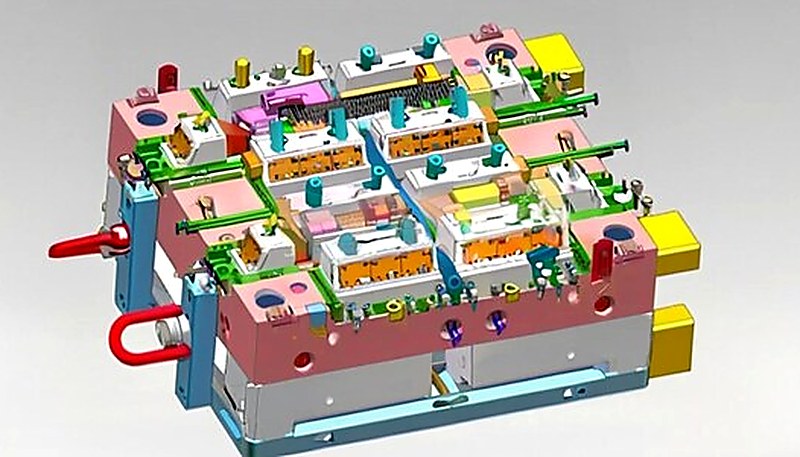
ZetarMold è un produttore di stampaggio a iniezione con sede a Shanghai con 47 macchine (90T–1850T) e presse dedicate a due colate per l'overmolding in TPE. La nostra struttura interna per la produzione di stampi e oltre 20 anni di esperienza nella lavorazione del TPE significano che possiamo consegnare stampi di produzione in settimane, non mesi. Per progetti complessi stampo a iniezione progettazioni con inserti a più cavità, il nostro team di ingegneria fornisce feedback DFM che individua potenziali problemi prima che venga tagliato l'acciaio.
Pronto a iniziare il tuo progetto in TPE? Contatta il nostro team di ingegneria per una guida alla selezione dei materiali e preventivi completi per gli stampi entro 5 giorni lavorativi.
Need a Quote for Your Injection Molding Project?
Get competitive pricing, DFM feedback, and production timeline from ZetarMold’s engineering team.
Request a Free Quote →
-
sovrastampaggio: L'overmolding è un processo di stampaggio a iniezione in due fasi in cui un materiale morbido (tipicamente TPE o TPU) viene stampato su un substrato rigido per creare una superficie soft-touch, un'impugnatura o una guarnizione senza adesivi. ↩
-
Stampaggio a iniezione di TPE: Questo si riferisce al processo di modellazione dei materiali elastomerici termoplastici utilizzando apparecchiature standard di stampaggio a iniezione per produrre componenti flessibili senza vulcanizzazione. ↩
-
parametri di stampaggio: i parametri di stampaggio si riferiscono ai parametri di stampaggio a iniezione che includono temperatura di fusione, temperatura dello stampo, velocità di iniezione, pressione di mantenimento e tempo di raffreddamento — le variabili chiave che determinano la qualità del componente, l'accuratezza dimensionale e l'efficienza del ciclo. ↩



 EN
EN  ES
ES  FR
FR  DE
DE  PT
PT  AR
AR  RU
RU  JA
JA  KO
KO  IT
IT  NL
NL  TR
TR  PL
PL