Supplier risk in injection molding isn’t some abstract concept about plastic pellets and color samples—it’s the reason your project ships three months late and costs 40% more than quoted. After two decades of watching companies make the same preventable mistakes, I can tell you that most delays and rework trace back to a handful of oversights that are entirely avoidable if you know what to look for. This article walks through the real risk prevention mistakes I’ve seen burn projects, and what you should do differently.
The painful truth is that most buyers focus on unit price and delivery time, then act surprised when their project derails. They skip the hard questions about process capability, communication protocols, and tooling ownership. I have watched companies lose six figures on a single project because they treated supplier selection like shopping on Amazon. If you are sourcing injection molded parts, especially from overseas suppliers, understanding these risk prevention mistakes is not optional. It is the difference between a smooth launch and a costly disaster that could have been prevented with the right approach from day one.
- Most supplier delays come from communication gaps, not technical failures
- Material specification mismatches cause 30-40% of injection molding rework
- A structured audit before production catches 80% of common supplier issues
- In-house tooling capability is the single biggest risk mitigator
- Your sourcing guide should include communication protocols, not just cost benchmarks
What Are the Most Common Supplier Risk Mistakes in Injection Molding?
The biggest supplier risk mistake is treating price as the only decision factor while ignoring process capability and communication quality. In my experience, companies that focus solely on the lowest quote end up paying two to three times more in rework, delays, and lost market windows.
Here’s the pattern I see repeatedly: a buyer finds a supplier online, gets an attractive quote, signs a purchase order, and then discovers the supplier can’t hold tolerances, doesn’t have the right equipment, or subcontracts critical steps without telling anyone. The injection molding process is sensitive—small deviations in temperature, pressure, or timing turn good parts into scrap. If your supplier doesn’t have tight process control, you’re gambling with your entire production run.
The most damaging mistakes fall into five categories: inadequate supplier audits, missing material specifications, poor communication protocols, ignoring quality certifications, and failing to verify tooling capabilities. Each one seems minor during the quoting phase but compounds into major problems once steel is cut and production starts. A good sourcing guide should address all five before you commit to any supplier.
"Checking only the unit price is enough to evaluate an injection molding supplier."True
False. Unit price tells you nothing about process capability, communication quality, or risk of rework. Total landed cost including scrap, delays, and engineering changes often doubles the quoted price for low-balling suppliers.
"A factory visit can reveal capability gaps that certifications alone will not show."False
True. ISO certificates confirm a documented system exists, but not necessarily competent execution. Walking the production floor shows you whether machines are maintained, operators are trained, and processes are actually followed.
How Can Poor Supplier Communication Cause Production Delays?
Poor communication causes more production delays than any technical failure in outsourced molding. When your supplier cannot report status clearly, flag issues early, or respond to changes within 24 hours, small problems become expensive emergencies.
I have seen a project delayed six weeks because the supplier received a revised 3D model, silently noted a conflict with the existing mold design, and decided to figure it out during T1 sampling instead of raising the issue. By the time anyone realized the part would not fill properly, the mold steel was already cut wrong. The rework_cost1 exceeded the original tooling. When dimensional accuracy and draft angle specs get lost in translation, communication protocols are not bureaucratic overhead. They are the difference between catching a problem on paper versus catching it in steel.
The fix is straightforward: establish a communication matrix before production starts. Define who reviews engineering changes, what the escalation path looks like, maximum response times for critical issues, and weekly status reports with photos of actual parts. If your supplier pushes back on this, that is your first red flag. Reliable suppliers welcome structured communication because it protects them too.
Why Do Material Specification Gaps Lead to Rework?
Material specification gaps are a leading cause of rework because wrong resin grades or missing specs produce parts that fail in testing. Even small differences in drying conditions or melt flow index produce parts that look right but fail in use. I would estimate that 30-40% of the rework I have diagnosed traces back to the buyer not specifying the exact material, or the supplier quietly substituting an equivalent grade that was not equivalent at all.
Here is a real example: a medical device company specified ABS on their drawing. The supplier used a general-purpose ABS that met the basic spec but had different impact resistance than what the application required. Parts passed visual inspection but cracked during drop testing. The entire production run had to be scrapped and remolded with the correct grade. The cost difference between the two ABS grades was about 15 percent per kilogram. The cost of the rework was over $80,000.
The prevention is simple but often skipped: specify the full material designation including manufacturer, grade, color, and any additives, require material certifications with each shipment, and insist on first-article testing against your actual performance requirements rather than just dimensional checks. When you work with injection molding partners who handle 400+ materials regularly, they will flag these gaps before they become problems.
When Should You Audit Your Injection Molding Supplier?
Audit before your first production order, annually for ongoing work, and immediately if quality degrades. Waiting until there is a problem to audit is like buying insurance after your house is already on fire.
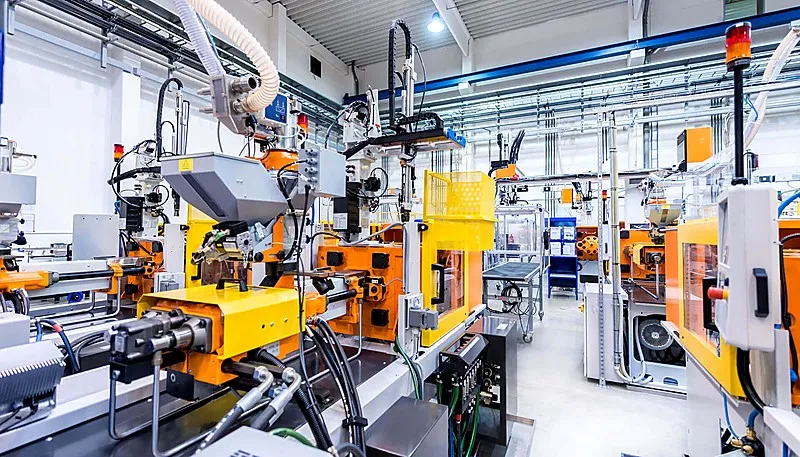
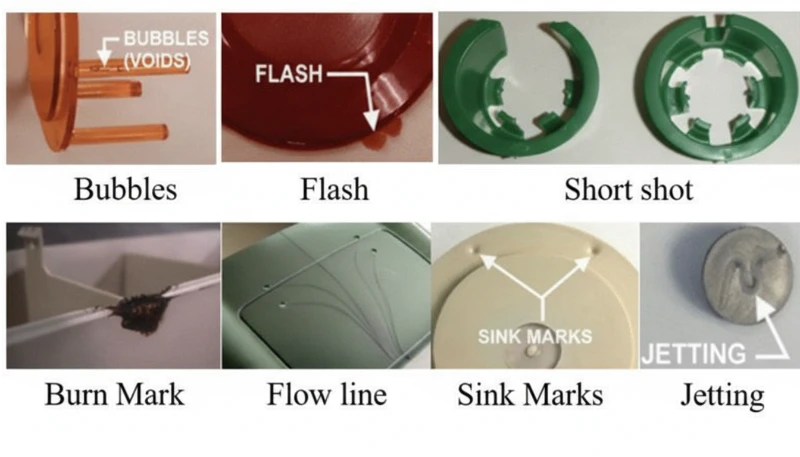
In our Shanghai factory, we have seen common defects like burn marks and flash that result when buyers skip audits. We run 47 injection machines from 90T to 1850T with in-house mold manufacturing, and we still get audited regularly by our customers. That is how it should be. Twenty years of experience has taught us that transparency during audits builds the trust that prevents costly surprises later. When a buyer visits and sees our tooling shop, presses, and quality lab in one facility, they understand why communication flows faster and rework stays low.
For ongoing suppliers, schedule a supplier_audit2 annually even when everything is running smoothly. Factories change: key personnel leave, equipment gets repurposed, workloads shift. An annual walk-through catches capability drift before it affects your parts. And if you notice quality trending downward or deliveries stretching out, do not wait for the next scheduled audit. Get on a plane or send a third-party inspector immediately.
"ISO 9001 certification guarantees that your parts will meet quality specifications."True
False. ISO 9001 certifies that a quality management system exists and is documented. It does not guarantee that the system produces parts to your specific tolerances. You still need to validate process capability with first-article inspections and ongoing statistical process control.
"Annual supplier audits can catch capability drift before it affects your production."False
True. Factories evolve over time as staff change, equipment ages, and workloads shift. Regular audits establish a baseline so you can spot negative trends early, before they show up as defective parts on your assembly line.
What Quality Control Failures Signal a Bad Supplier?
Missing inspections, inconsistent data, and reactive defect handling are the clearest quality control failure signals. If your supplier only checks quality after parts are molded rather than controlling the process in real time, you have a serious problem that will only get worse as production volume increases.
Watch for these specific warning signs. First, if the supplier cannot provide a dimensional report with actual measured values rather than just pass or fail within 48 hours of first shots, their quality system is underdeveloped. Second, if defect rates bounce around wildly between batches, say 0.5 percent one run and 4 percent the next, they are not controlling process variables. Third, if they cannot tell you which machine, which operator, and which material lot produced any given box of parts, their traceability is nonexistent.
Key details about machine units like clamp tonnage matter when evaluating suppliers. They figure you will not check every part, so they ship known mixed-quality lots and hope the bad ones slip through. This is not just a quality problem. It is a trust problem. Once you catch a supplier doing this, the relationship is over. Full stop. Your injection mold partner needs to be someone who flags problems proactively, even when it is uncomfortable.
A risk prevention framework is a repeatable system that evaluates and scores suppliers before problems occur. It should cover technical capability, communication quality, financial stability, and cultural alignment around quality expectations.
Next, build communication protocols into your contracts. Define response time expectations such as 24 hours for engineering questions and 4 hours for production-stopping issues, require weekly status updates with photos during tooling builds, and establish a formal change management process. Finally, maintain a backup supplier for critical parts. It costs more to qualify two suppliers, but when your primary supplier has a factory flood or loses their best moldmaker, you will be back in production in days instead of months.
Why Is In-House Tooling Capability a Risk Mitigator?
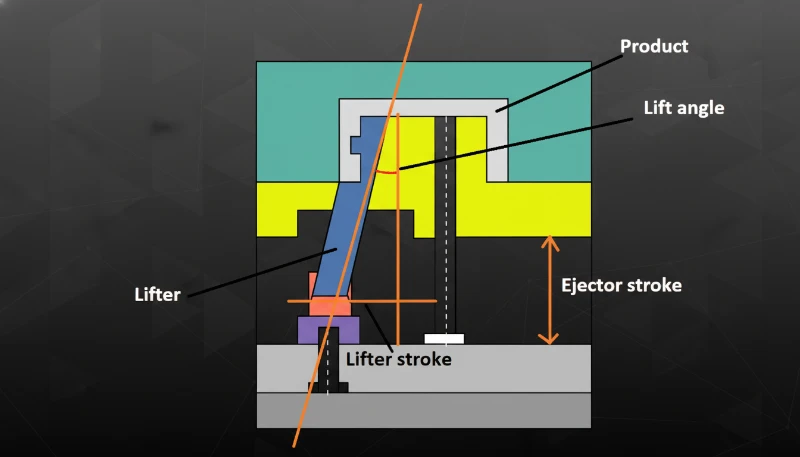
In-house tooling eliminates dependency on outside mold shops, the most common bottleneck in molding projects. When your supplier outsources tooling, every design change involving lifters and ejector stroke adjustments adds days or weeks to your timeline.
Consider what happens when T1 samples show a dimensional issue. If your supplier has in-house tooling, an engineer walks to the mold shop, discusses the fix with the toolmaker, and the steel is modified the same day. If tooling is outsourced, the supplier sends a drawing to the mold shop, waits for a quote, gets approval, waits in the queue, and finally gets the mold back, often two to three weeks later. On a tight timeline, that difference is the difference between launching on time and missing your market window.
In-house tooling also means the mold design team and the production team sit in the same building. That proximity catches design-for-manufacturing issues early, when they are cheap to fix. Our team of 8 senior engineers reviews every mold design for producibility before steel is cut, because they know exactly what our machines can and cannot do. That kind of integrated knowledge simply does not exist when tooling is outsourced to a separate company with separate incentives.
What Questions Should You Ask About Injection Molding Supplier Risks?
What is the biggest risk when choosing an injection molding supplier?
The biggest risk is selecting a supplier based solely on price without verifying their technical capabilities. Low quotes often come from factories cutting corners on process control, material quality, or communication infrastructure. The resulting delays and rework typically cost two to three times the initial savings you thought you were getting. Always evaluate total landed cost, including potential scrap rates, communication overhead, and the likelihood of tooling rework, before committing to any supplier. A thorough sourcing process that weights capability over price saves significant money long term.
How often should I audit my injection molding supplier?
Audit new suppliers before your first production order and existing suppliers at least annually. For critical applications like medical or automotive parts, consider semi-annual audits to stay ahead of potential issues. Additionally, conduct immediate audits if you notice declining quality metrics, missed deliveries, or significant changes in key personnel at your supplier. Regular audits establish performance baselines and catch capability drift before it impacts your production schedule or product quality. Think of audits as preventive maintenance for your supply chain.
Can a supplier with ISO certification still have quality issues?
Yes, absolutely. ISO certification confirms that a documented quality management system exists, not that it produces parts meeting your specific requirements. A factory can be ISO 9001 certified and still produce out-of-tolerance parts if their process parameters are wrong, their operators are poorly trained, or their equipment is improperly maintained. Certification is a starting point for supplier evaluation, not a guarantee of good parts. You still need first-article inspections and ongoing performance monitoring to ensure parts actually meet the specifications your application demands.
What should be included in a supplier communication protocol?
A communication protocol should define contact persons and roles on both sides of the relationship, maximum response times for different issue severities such as 24 hours for general questions and 4 hours for production-stopping problems. It should require weekly status reports with photos during tooling builds, a formal engineering change management process with documented approval steps, and clear escalation paths for unresolved issues. Without these communication structures in place, critical information falls through the cracks and minor issues quickly escalate into expensive emergencies.
How do material specification gaps cause injection molding rework?
Material gaps cause rework when buyers specify only generic material names like ABS or nylon without specifying the exact grade, manufacturer, or required additives and fillers. Suppliers may then substitute what they consider equivalent materials that have different mechanical properties, thermal performance, or chemical resistance characteristics. Parts pass visual inspection but fail during application testing, forcing complete production reruns that cost far more than getting the specification right from the start. Always specify full material designations with manufacturer and grade details and require certifications.
When should I switch injection molding suppliers?
Consider switching suppliers when your current supplier repeatedly misses delivery dates, quality metrics trend downward without corrective action, communication becomes unreliable, or they lose key personnel critical to your project success. Before switching, document the issues thoroughly, communicate expectations clearly in writing, and give the supplier a reasonable chance to correct problems through formal corrective action requests. If problems persist after you have exhausted these steps, begin qualifying alternative suppliers while managing the transition carefully to avoid production interruptions or quality lapses.
Why is in-house tooling important for reducing supplier risk?
In-house tooling reduces risk by eliminating dependency on external mold shops, which are consistently the most common bottleneck in injection molding projects. When tooling is internal, design changes, mold maintenance, and dimensional corrections happen in days instead of weeks. The physical proximity between design engineers and toolmakers also catches manufacturability issues early, before steel is cut. Suppliers with in-house tooling typically deliver faster T1 sampling and shorter iteration cycles, directly reducing your project timeline and the risk of costly delays that derail your launch schedule.
How Can You Find a Supplier That Eliminates These Risks?
The safest choice is a supplier with integrated tooling and production under one roof. ZetarMold operates exactly that kind of integrated facility in Shanghai with 47 injection machines from 90T to 1850T, in-house mold manufacturing, and over 30 English-speaking project managers who keep communication tight and transparent. Our ISO 9001, ISO 13485, ISO 14001, and ISO 45001 certified operations mean your parts are built right the first time. Get a Free Quote and let us show you what risk-free injection molding looks like.
rework_cost: rework_cost refers to iSO guidance on quality management principles for manufacturing process control and defect prevention strategies. ↩
supplier_audit: supplier_audit refers to iSO 45001 occupational health and safety management provides framework for auditing supplier workplace conditions and process controls. ↩
ISO 9001: ISO 9001 refers to quality Management Systems provides a framework for consistent process control and continuous improvement in manufacturing. ↩