 Skip to content

Toute surface verticale nécessite un léger dépouille — généralement de 1° à 2° — afin que la pièce puisse être éjectée du moule sans traîner ou coller. Les pièces sans dépouille nécessitent des mécanismes de moule spéciaux (et coûteux) ou des surfaces texturées qui exigent encore plus de dépouille.
– Part design must account for uniform wall thickness, draft angles, and undercut limitations.
– Long lead times for mold fabrication can delay product launches by weeks or months.
– Material selection is constrained by processing temperatures, shrinkage rates, and flow characteristics.
– Large or very complex parts may require multi-cavity or multi-shot molds, adding cost and complexity.
– Despite these limitations, injection molding remains the most cost-effective method for high-volume plastic parts.
Why Does Injection Molding Have Limitations Worth Understanding?
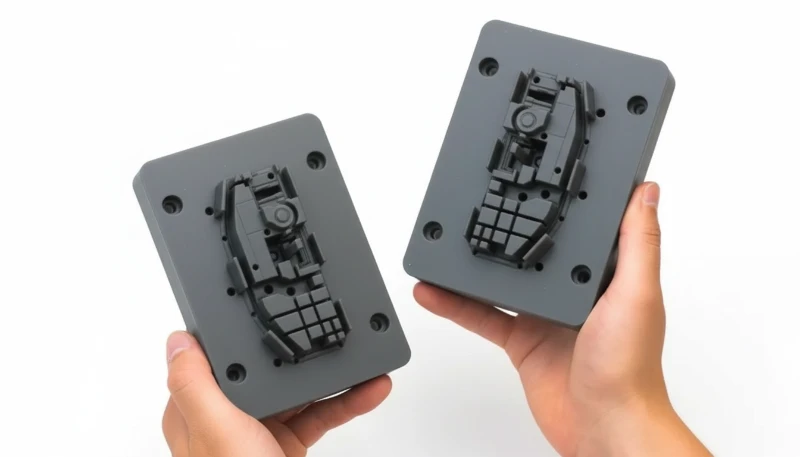
Injection molding is the backbone of mass plastic manufacturing — at ZetarMold, we’ve produced hundreds of millions of parts using this process over our 20+ years in the industry. But I’ll be the first to tell you: it’s not perfect for every project.
Understanding the les limites du moulage par injection is just as important as knowing its strengths. I’ve seen too many clients come to us after wasting months and thousands of dollars on a project that wasn’t suited for the process — or that needed design modifications they didn’t anticipate.
In this article, I’ll walk you through the real-world constraints we encounter on the factory floor every day, from cost barriers to design restrictions, material challenges, and production bottlenecks. Whether you’re an engineer, product designer, or procurement manager, this guide will help you make smarter decisions before committing to a mold.
What Makes the Upfront Cost of Injection Molding So High?
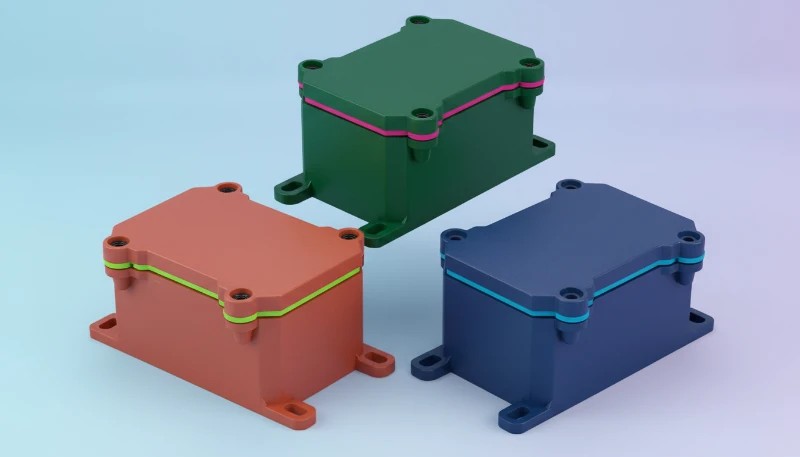
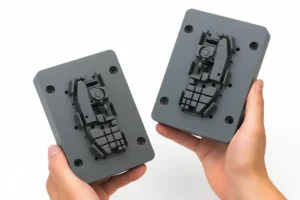
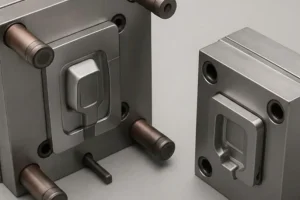
The single biggest limitation of injection molding is the high initial investment. Before a single part is produced, you need a precision-machined steel or aluminum mold — and that doesn’t come cheap.
At ZetarMold, a simple single-cavity mold might start around $2,000–$5,000, but complex multi-cavity molds with intricate features can easily exceed $50,000–$100,000. This cost includes mold design, CNC machining, EDM (usinage par décharge électrique)1, polishing, and testing.
| Complexité des moules | Typical Cost Range | Délai d'exécution | Meilleur pour |
|---|---|---|---|
| Simple (single cavity, no slides) | $2,000–$8,000 | 2–4 weeks | Prototyping, low-complexity parts |
| Medium (multi-cavity, basic slides) | $8,000–$35,000 | 4–8 weeks | Consumer products, housings |
| Complex (hot runner, multi-shot) | $35,000–$100,000+ | 8–16 weeks | Automotive, medical, high-volume |
For startups or products with uncertain market demand, this upfront cost creates a serious financial risk. If your annual volume is below 1,000–5,000 units, alternatives like 3D printing, CNC machining, or urethane casting may offer better economics.
“Injection molding is always the cheapest way to make plastic parts.”Faux
At low volumes (under 5,000 units), the per-part cost of injection molding is often higher than 3D printing or CNC machining due to the $3,000–$100,000+ upfront mold investment. Injection molding only becomes the cheapest option when volume is high enough to amortize tooling costs.
“Injection molding has the lowest per-part cost at high volumes, but the upfront mold investment makes it expensive for low-quantity production.”Vrai
A $30,000 mold producing 500,000 parts adds only $0.06 per unit in tooling cost. But that same mold producing just 500 parts costs $60 per unit in tooling alone — making alternatives like CNC machining far more economical at low volumes.
How Do Design Constraints Limit What You Can Injection Mold?
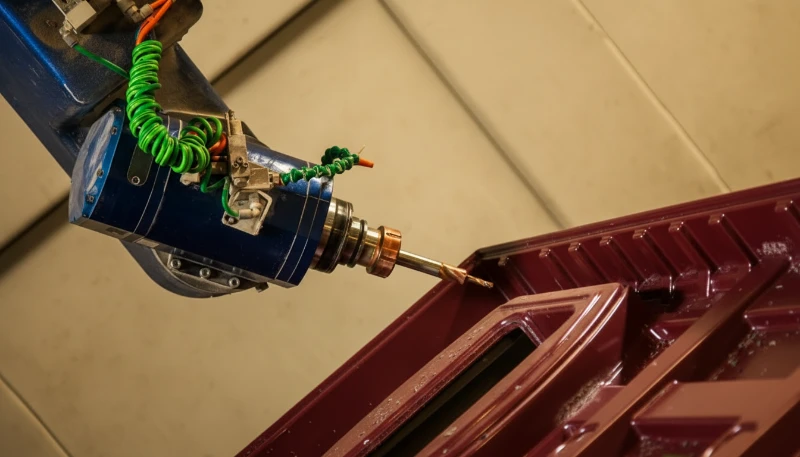
Injection molding imposes strict design-for-manufacturability (DFM)2 (DFM guide) rules that every engineer must follow. Ignore them, and you’ll end up with defective parts, stuck molds, or costly redesigns.
Here are the key design constraints I see tripping up clients most often:
Épaisseur uniforme de la paroi
Molten plastic flows and cools at predictable rates only when wall thickness is consistent. Thick sections cool slower than thin ones, creating marques d'évier, page de guerre, and internal voids. At ZetarMold, we recommend maintaining wall thickness within ±10% variation throughout the part.
Angles d'ébauche
Every vertical surface needs a slight taper — typically 1°–2° — so the part can eject from the mold without dragging or sticking. Parts with zero draft require special (and expensive) mold mechanisms or textured surfaces that demand even more draft.
Prévention
Features like holes on the side of a part, snap fits, or internal threads require side actions, lifters, or collapsible cores in the mold. Each one adds cost, complexity, and potential maintenance issues. I always advise clients to eliminate undercuts where possible during the design phase.
Minimum Feature Size
Very thin ribs, sharp internal corners, or tiny text can be difficult or impossible to fill consistently. Flow path length, gate location, and material viscosity all play a role. We typically recommend a minimum rib thickness of 50–60% of the adjacent wall.
Why Are Lead Times for Injection Molding So Long?
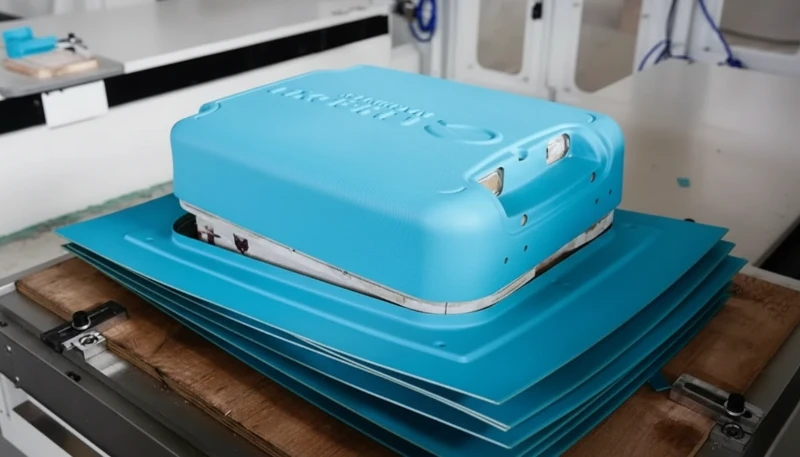
Speed-to-market is critical in today’s competitive landscape, and this is where injection molding can be frustrating. From initial design to first production parts, the timeline often looks like this:
- Mold design and DFM review: 1–2 weeks
- Mold fabrication: 3–8 weeks (depending on complexity)
- Mold trial and sampling (T1): 1 week
- Modifications and re-trials (T2, T3): 1–4 weeks
- Production ramp-up: 1–2 weeks
That’s a minimum of 6–8 weeks for simple parts, and 12–20 weeks for complex ones. At ZetarMold, we’ve invested in high-speed CNC and experienced toolmakers to compress these timelines, but physics and precision still take time.
Compare this to 3D printing, which can deliver prototype parts in days, or CNC machining, which requires no tooling at all. For time-sensitive prototyping, injection molding simply can’t compete.
What Material Limitations Should You Know About?
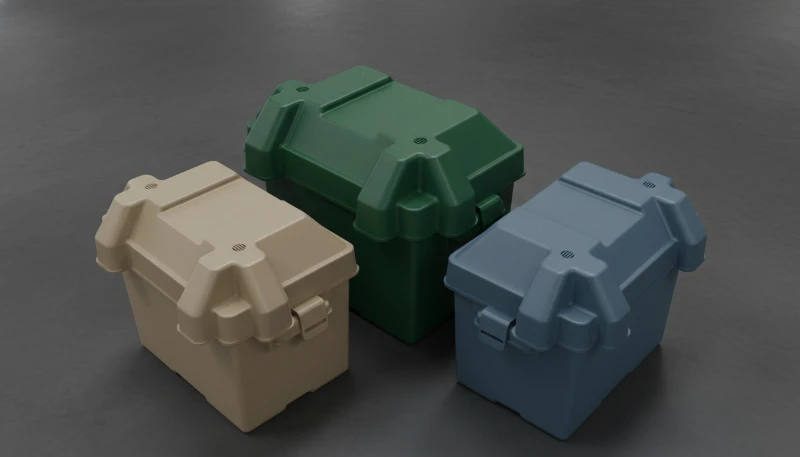
While injection molding supports a wide range of thermoplastiques3 — see our material selection guide — from commodity resins like PP and ABS to engineering plastics like PEEK and POM — there are real material constraints:
- Thermosets and silicones require specialized processes (compression molding, liquid silicone rubber molding) and different equipment.
- Fiber-reinforced materials increase wear on molds and can cause anisotropic shrinkage, leading to warpage.
- Multi-material parts need overmolding or insert molding setups, adding cost and complexity.
- Shrinkage rates vary by material (from 0.1% to over 3%), requiring precise mold compensation. Getting this wrong means out-of-tolerance parts.
- Recycled or bio-based plastics can have inconsistent melt behavior, requiring careful process tuning.
At ZetarMold, we maintain a material database covering 200+ resins and work closely with suppliers like SABIC, DuPont, and BASF to match the right material to each application. But even with our experience, some material-part geometry combinations simply push the limits of what injection molding can achieve.
“You can injection mold any plastic material without special considerations.”Faux
Many engineering resins like PEEK, PEI, and LCP require specialized high-temperature barrels (up to 400°C), precise drying protocols, and corrosion-resistant mold steels. Processing PVC incorrectly releases hydrochloric acid that corrodes standard molds. Each material demands its own unique set of parameters.
“Each resin has unique processing requirements — shrinkage, flow, temperature — that must be matched to mold design and machine settings for successful parts.”Vrai
For example, nylon (PA6) requires 4–6 hours of drying at 80°C before molding, a mold temperature of 60–90°C for proper crystallization, and shrinkage compensation of 1.5–2.0%. Ignoring any of these requirements produces warped, brittle, or dimensionally incorrect parts.
How Do Part Size and Complexity Create Challenges?
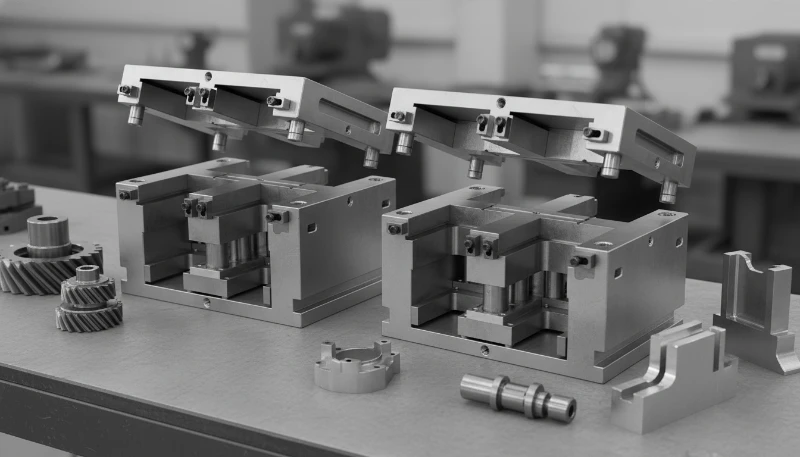
Injection molding machines are rated by force de serrage (measured in tons) and shot size (the maximum volume of plastic they can inject per cycle). This creates practical limits on part size.
Very large parts — think automotive bumpers, appliance panels, or industrial enclosures — require massive machines (1,000+ tons), enormous molds, and longer cycle times. The cost scales accordingly. At ZetarMold, our largest presses run up to 1,800 tons, but not every shop has this capability.
On the complexity side, features like living hinges4, micro-features, or optical-grade surfaces demand specialized tooling, precise process control, and often secondary operations. Materials like polypropylene are specifically chosen for living hinge capability — see our material selection guide for details. Each layer of complexity increases the risk of defects and adds to the per-part cost.
What Are the Common Defects and Quality Challenges?
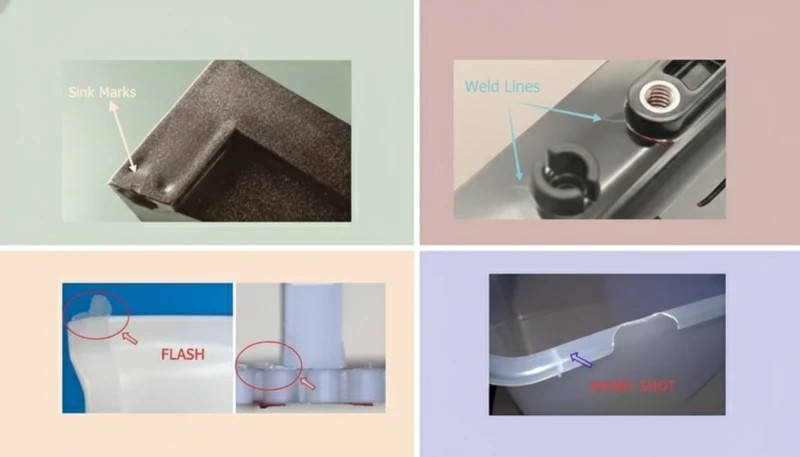
Even with experienced toolmakers and optimized processes, injection molding is susceptible to a range of defects:
| Défaut | Empêche les marques d'affaissement sur la surface opposée | Impact | Prevention |
|---|---|---|---|
| Sink marks | Thick sections, insufficient packing | Comment ZetarMold aide à surmonter les limites | Uniform walls, proper hold pressure |
| Les pages de guerre | Uneven cooling, material shrinkage | Dimensional accuracy | Balanced cooling, correct gate location |
| Flash | Excessive pressure, worn mold | Cosmetic, secondary trimming needed | Proper clamp force, mold maintenance |
| Short shots | Insufficient material, poor venting | Incomplete parts, scrap | Optimize fill speed, add vents |
| Lignes de soudure | Flow fronts meeting | Weak points, visible lines | Gate placement, raise melt temperature |
| Burn marks | Trapped gas, excessive speed | Discoloration, degraded material | Improve venting, reduce injection speed |
At ZetarMold, we use scientific molding principles — monitoring cavity pressure, melt temperature, and fill time in real-time — to catch and correct issues before they become production problems. But the reality is that injection molding requires ongoing vigilance and skilled operators to maintain consistent quality.
How Does Injection Molding Compare to Alternative Processes?
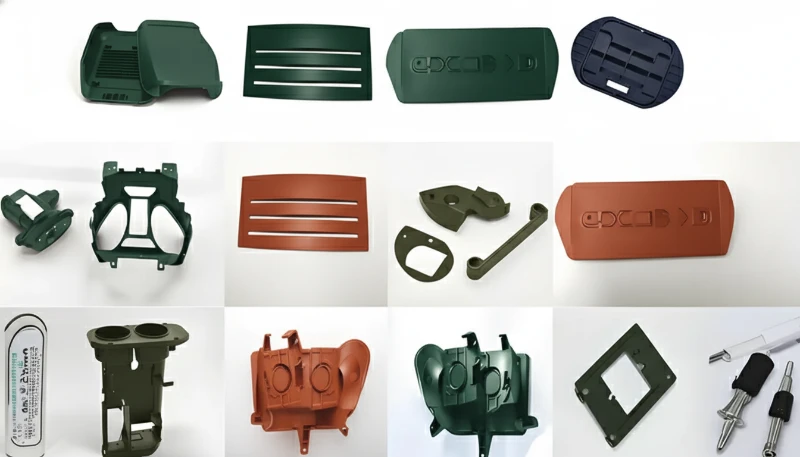
No manufacturing process is universally superior. The best choice depends on your volume, part complexity, material, budget, and timeline. Here’s how injection molding stacks up:
| Facteur | Moulage par injection | Impression 3D | Usinage CNC | Moulage par soufflage |
|---|---|---|---|---|
| Best volume range | 10,000+ | 1–500 | 1–5,000 | 5,000+ |
| Upfront tooling cost | Haut | None | None | Medium–High |
| Per-part cost at volume | Très faible | Haut | Moyen | Faible |
| Lead time to first part | 6–20 weeks | 1–5 days | 1–3 weeks | 8–16 weeks |
| Geometric complexity | Medium–High | Très élevé | Haut | Faible |
| Surface finish | Excellent | Fair–Good | Excellent | Bon |
| Material range | Wide (thermoplastics) | Limited | Very wide | Narrow |
The takeaway: injection molding dominates at scale, but it’s over-engineered and over-priced for low-volume or rapidly iterating products. At ZetarMold, we often help clients start with rapid prototyping and transition to injection molding once the design is validated and volumes justify the investment.
What Environmental and Sustainability Concerns Exist?
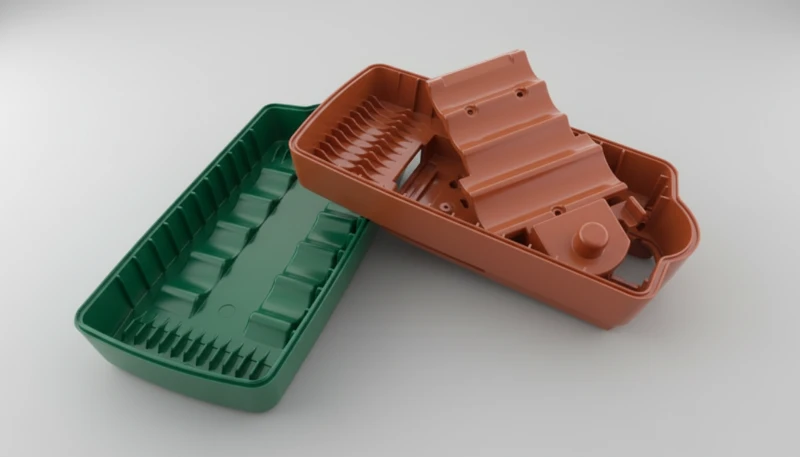
Sustainability is an increasingly important limitation to consider:
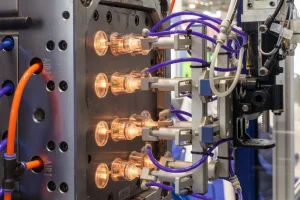
- Déchets de matériaux : Runners, sprues, and rejected parts generate scrap. Hot runner systems5 reduce runner waste by keeping plastic molten, but they add $5,000–$15,000 to mold cost. Learn more in our hot runner mold guide.
- Energy consumption: Injection molding machines consume significant electricity — hydraulic machines especially. Modern all-electric machines are more efficient but cost more upfront.
- Plastic lifecycle: Most injection-molded parts are thermoplastics that can theoretically be recycled, but contamination, mixed materials, and sorting challenges mean real-world recycling rates remain low.
- Mold end-of-life: Steel molds eventually wear out and must be decommissioned, creating metal waste.
At ZetarMold, we’ve been investing in energy-efficient servo-driven machines, regrind programs for runner material, and helping clients design for recyclability. But there’s no getting around the fact that injection molding — like all plastics manufacturing — carries an environmental footprint.
How Can You Overcome These Limitations?
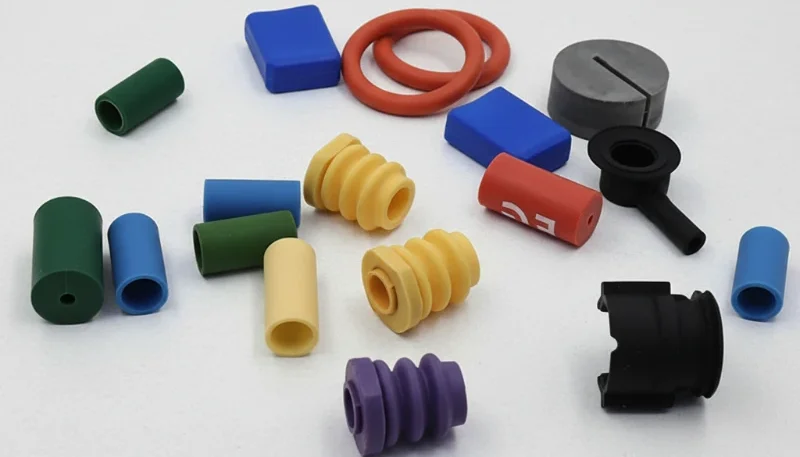
Diagramme du processus de moulage par injection managed, minimized, or designed around with the right approach. Here’s what we recommend at ZetarMold:
- Invest in DFM early. We offer free DFM reviews before any mold is cut. Catching issues at the design stage saves 10x compared to fixing them after tooling.
- Start with prototype tooling. Aluminum molds or single-cavity steel molds let you validate the design at lower cost before committing to production tooling.
- Choose the right material upfront. Our engineering team helps match materials to your performance, cost, and regulatory requirements.
- Plan for volume. If your volumes don’t justify injection molding today, consider bridge tooling or alternative processes until demand grows.
- Partner with an experienced molder. Process expertise, scientific molding, and quality systems (ZetarMold is ISO 9001 and IATF 16949 certified) dramatically reduce defect risk.
Questions fréquemment posées
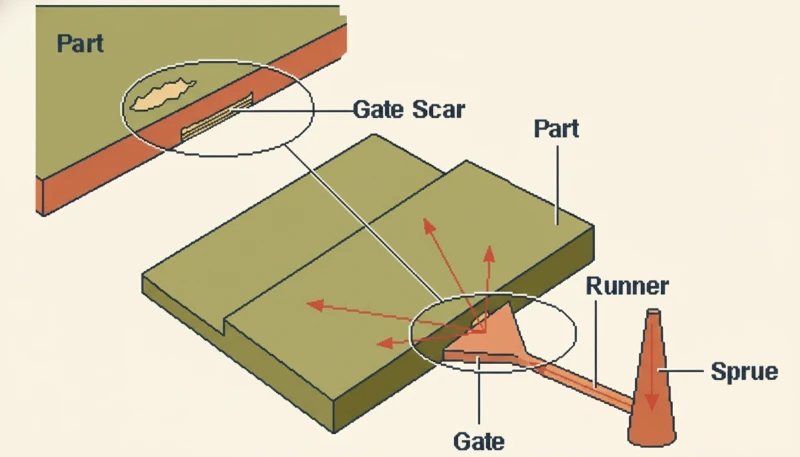
What is the minimum order quantity for injection molding?
There’s no strict minimum, but injection molding typically becomes cost-effective at volumes above 1,000–5,000 parts. Below that, the mold cost dominates the per-part price. At ZetarMold, we offer prototype molds for runs as low as 100–500 parts for design validation.
Can injection molding produce parts with tight tolerances?
Yes. Standard injection molding achieves tolerances of ±0.1–0.2 mm. With precision molds, controlled materials, and scientific molding processes, we regularly hold ±0.05 mm at ZetarMold. However, tighter tolerances increase mold cost and require stricter process control.
Why do injection molds take so long to make?
Mold fabrication involves multiple precision operations — CNC milling, EDM, grinding, polishing, fitting, and assembly — often on hardened tool steel. Each step requires skilled labor and time. At ZetarMold, we’ve reduced lead times by running 24/7 CNC operations and maintaining in-house EDM capacity.
Is injection molding environmentally friendly?
It’s a mixed picture. Injection molding is efficient at scale with minimal per-part waste, especially with hot runner systems. However, the energy consumption and end-of-life recyclability of plastic parts remain challenges. We’re actively working on sustainability through energy-efficient machines and design-for-recycling initiatives.
What happens if I need to change the design after the mold is made?
Minor changes (adding material by welding, changing texture) are possible but limited. Major changes — moving a hole, changing wall thickness, altering the parting line — usually require a new mold or costly mold modification. This is why we stress DFM review and prototype validation before cutting production steel.
Can injection molding handle metal parts?
Traditional injection molding is for plastics. However, Moulage par injection de métal (MIM) uses a similar process with metal powders and binders to produce small, complex metal components. At ZetarMold, we focus on plastic injection molding but can refer you to trusted MIM partners.
Résumé
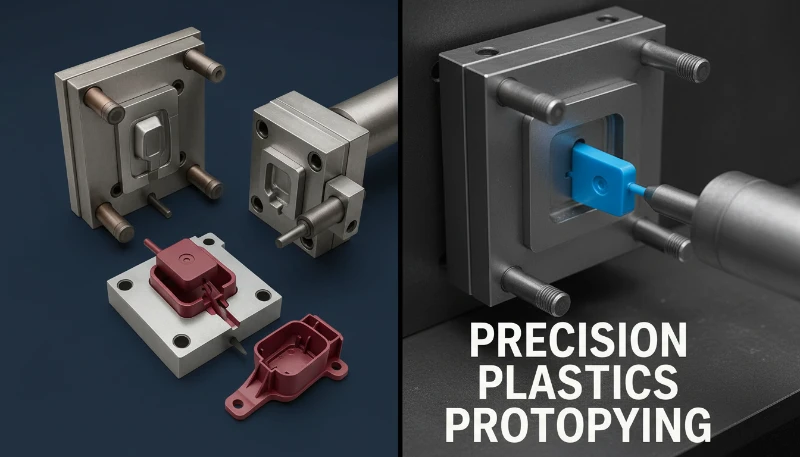
Le les limites du moulage par injection — high tooling costs, design constraints, long lead times, material restrictions, and quality challenges — are real and significant. But they’re also well-understood and manageable with proper planning, experienced engineering, and the right manufacturing partner.
At ZetarMold, we’ve spent over two decades helping clients navigate these limitations. From DFM optimization to prototype tooling, material selection, and scientific molding, we turn constraints into competitive advantages. If you’re considering injection molding for your next project, contact ZetarMold for a free consultation and DFM review — we’ll help you decide if it’s the right process and set you up for success.
- EDM (Electrical Discharge Machining): A precision machining process that uses electrical sparks to erode material from a workpiece, commonly used to create complex mold cavities and fine features. ↩
- DFM (Design for Manufacturability): An engineering practice of designing parts specifically to be easy and cost-effective to manufacture, minimizing defects and tooling complexity. ↩
- Thermoplastiques : Plastics that can be melted and re-solidified repeatedly, making them ideal for injection molding. Common examples include ABS, polypropylene, nylon, and polycarbonate. ↩
- Living Hinge: A thin, flexible section of plastic that connects two rigid sections, allowing repeated bending without breaking. Commonly made from polypropylene. ↩
- Système de canaux chauds : A mold component that keeps plastic molten in the runner channels, eliminating runner waste and reducing cycle time. More expensive to build but cost-effective at high volumes. ↩




 FR
FR  EN
EN  ES
ES  DE
DE  PT
PT  AR
AR  RU
RU  JA
JA  KO
KO  IT
IT  NL
NL  TR
TR  PL
PL 