 Ir al contenido

El diseño de la pieza es el factor más controlable en su cotización de molde. Un diseño bien optimizado con uniformidad
– Material selection for both the mold base and the molded part directly impacts tooling cost and long-term per-unit economics.
– Working with an experienced mold maker who provides a transparent, itemized quote helps you avoid hidden costs and costly redesigns.
– Design for Manufacturability (DFM) analysis before quoting can reduce mold cost by 15–30% by eliminating unnecessary complexity.
– Comparing quotes without standardizing specifications leads to apples-to-oranges decisions—always use a consistent RFQ template.
What Exactly Is an Injection Mold Quote and What Does It Include?
An injection mold quote is a detailed cost estimate that breaks down every expense involved in designing, manufacturing, and validating a custom molde de inyección1. It typically covers mold design, steel and material costs, CNC machining, EDM, polishing, assembly, trial runs, and shipping. In our factory at ZetarMold, we provide line-item quotes so customers can see exactly where their money goes.
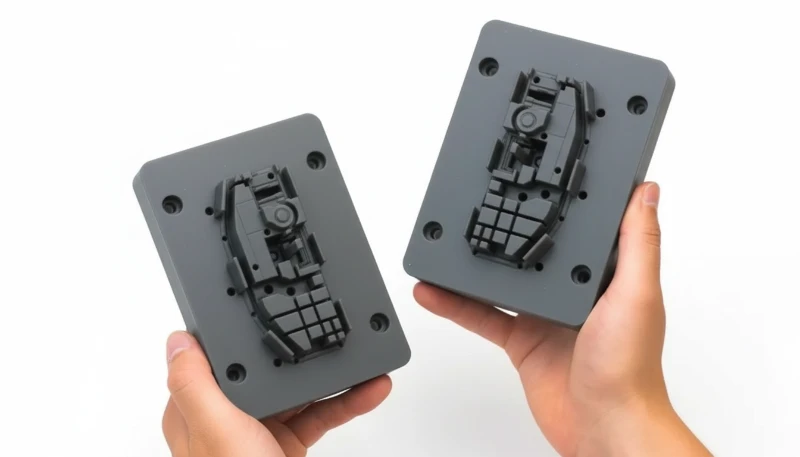
Many buyers confuse a mold quote with a part price quote. The mold quote is a one-time tooling investment, while the part price covers per-piece production costs like resin, cycle time, and labor. Understanding this distinction is the first step toward evaluating any quote you receive.
A professional quote document from a reputable mold maker should include the following elements:
| Quote Line Item | What It Covers | Typical Cost Share |
|---|---|---|
| Diseño de moldes | 3D modeling, DFM analysis, mold flow simulation | 5–10% |
| Mold Base & Steel | Raw material for core, cavity, sliders | 20–30% |
| Mecanizado CNC | Roughing and finishing of mold components | 25–35% |
| EDM & Wire-cut | Complex geometries, fine details | 10–15% |
| Acabado de superficies | Polishing, texturing, coating | 5–10% |
| Assembly & Trial | Fitting, T1 sample run, adjustments | 10–15% |
| Shipping & Packaging | Export crating, logistics | 2–5% |
What Factors Drive the Cost of an Injection Mold Quote?
The biggest cost drivers are part size, geometric complexity, mold steel grade, number of cavities, and required tolerances. A simple single-cavity mold in P20 steel for a small part might cost $3,000–$8,000, while a multi-cavity mold in H13 hardened steel with hot runners can exceed $80,000. We’ve found that cavity count alone can double or triple tooling cost.
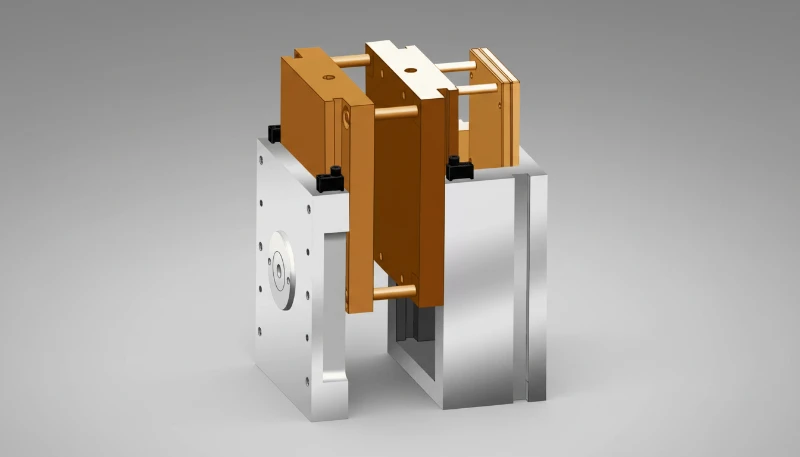
Part complexity is often the top driver. Features like undercuts, thin walls, tight tolerances, and textured surfaces all require additional machining operations, sliders, lifters, or special inserts. Each of these adds engineering time and material cost.
Mold steel selection matters enormously. For prototype runs under 10,000 shots, aluminum or pre-hardened P20 steel keeps costs low. For production molds rated at 500,000+ cycles, hardened S136 or H13 steel is necessary—but costs 2–4× more.
Surface finish requirements also add up quickly. An SPI A-1 mirror polish costs significantly more than an SPI D-2 sandblast texture. In our experience, specifying only the finish you truly need saves 5–15% on the total quote.
“The cheapest injection mold quote is always the best value.”Falso
A low quote may cut corners on steel quality, cooling design, or trial runs—leading to defective parts, short mold life, and costly rework that far exceeds the initial savings.
“Evaluating total cost of ownership—including mold life, cycle time, and scrap rate—gives you the true value of a quote.”Verdadero
A slightly more expensive mold that runs faster cycles, produces fewer rejects, and lasts longer will deliver better per-part economics over the production lifetime.
How Does Part Design Influence Your Injection Mold Quote?
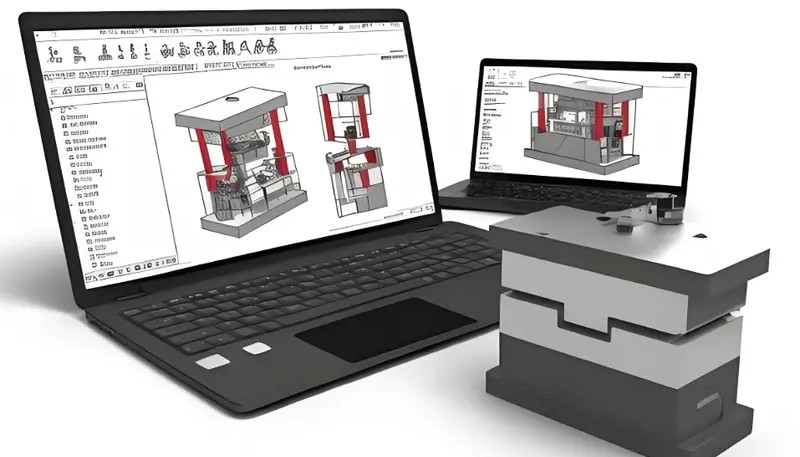
Part design is the single most controllable factor in your mold quote. A well-optimized design with uniform espesor de paredEn ZetarMold, incluimos todas las pruebas, informes dimensionales y análisis de flujo de moldeo en nuestros presupuestos estándar—sin costos ocultos. ángulo de calados, and minimal undercuts can reduce tooling cost by 15–30% compared to an un-optimized design. At ZetarMold, we run a free Análisis DFM2 before quoting to identify cost-saving opportunities.
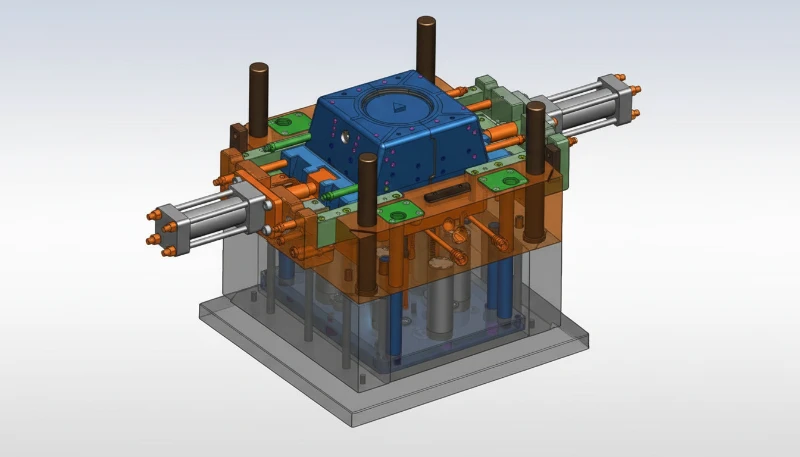
Common design issues that inflate quotes include:
- Non-uniform wall thickness — requires longer cooling time and risks marcas de hundimiento, sometimes needing conformal cooling channels that add machining cost.
- Undercuts — each undercut may require a side-action slider or lifter mechanism, adding $500–$3,000 per feature.
- Tight tolerances — tolerances below ±0.05 mm demand higher-grade steel, more precise machining, and additional trial iterations.
- Deep ribs or bosses — deep features need longer EDM processing and risk mold damage if not properly designed.
We always recommend customers submit 3D STEP files rather than 2D drawings. A 3D model allows us to run análisis del flujo de moldes3 and provide a much more accurate quote.
What Is the Difference Between Prototype and Production Mold Quotes?
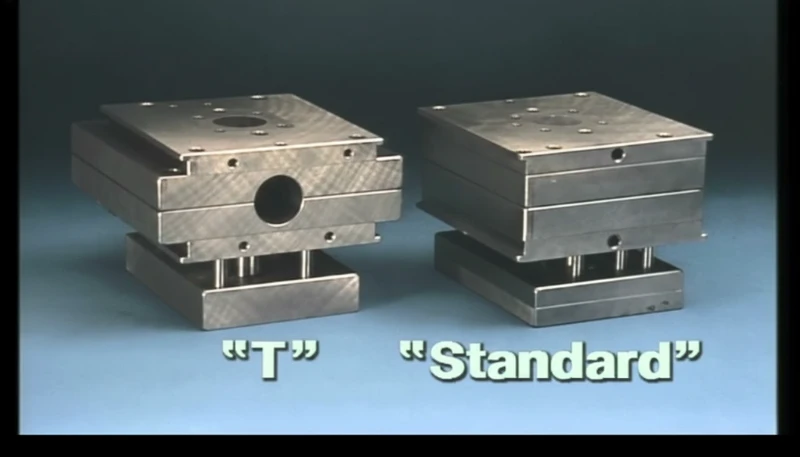
A prototype mold quote covers a low-volume, quick-turnaround tool (typically aluminum or soft steel) designed for 500–10,000 shots, while a production mold quote covers a hardened-steel tool rated for 100,000 to over 1 million cycles. The cost difference is typically 3–10×, but the per-part economics shift dramatically at higher volumes.
| Característica | Prototype Mold | Production Mold |
|---|---|---|
| Material | Aluminum / P20 | H13 / S136 hardened steel |
| Cavity Count | 1 (single cavity) | 2–64+ (multi-cavity) |
| Plazos de entrega | 2–4 weeks | 6–12 weeks |
| Vida del moho | 500–10,000 shots | 100K–1M+ shots |
| Typical Cost | $1,500–$10,000 | $8,000–$100,000+ |
| Tolerance | ±0,1 mm | ±0.02–0.05 mm |
| Corredor caliente | Rarely | Often included |
In our factory, we often advise startups to begin with a prototype mold for market testing, then invest in production tooling once volumes are confirmed. This staged approach reduces upfront risk while still validating the part design.
How Should You Compare Multiple Injection Mold Quotes?
To compare quotes fairly, you need a standardized Request for Quotation (RFQ) that specifies the same steel grade, cavity count, mold life expectancy, surface finish, and acceptance criteria for every supplier. Without these common specs, you’re comparing apples to oranges. We’ve seen customers save 20%+ simply by tightening their RFQ before sending it out.
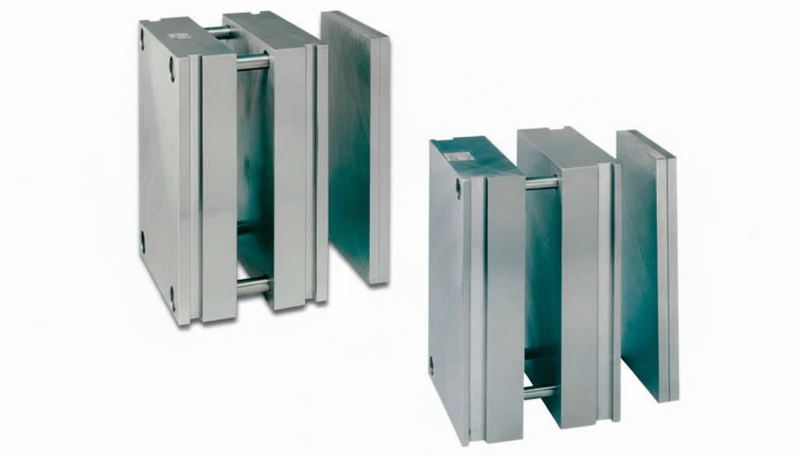
Here’s what to check in every quote you receive:
- Mold steel grade — Is it specified? Vague terms like “quality steel” are a red flag.
- Mold life guarantee — A reputable supplier specifies guaranteed shot count.
- Number of trial runs included — T1 samples should be standard; some suppliers charge extra.
- Hot runner brand — If included, the brand (Yudo, Synventive, HASCO) affects reliability and cost.
- Payment terms — Typical terms are 40/30/30 (deposit/steel-cut/delivery) or 50/50.
- Warranty and after-sales support — Does the supplier cover modifications if the mold doesn’t meet spec?
At ZetarMold, we include all trial runs, dimensional reports, and mold flow analysis in our standard quotes—no hidden costs.
Why Does Lead Time Vary So Much Between Injection Mold Quotes?
Sí. La forma más efectiva de reducir un presupuesto es mediante la optimización del diseño: simplificar la geometría, relajar tolerancias no críticas o elegir un grado de acero de menor costo. También puedes reducir el costo combinando múltiples piezas en un molde familiar o aceptando un tiempo de entrega más largo. molde de canal caliente4 may take 8–12 weeks. Suppliers quoting unusually short lead times may be cutting corners on cooling design or skipping proper mold trials.
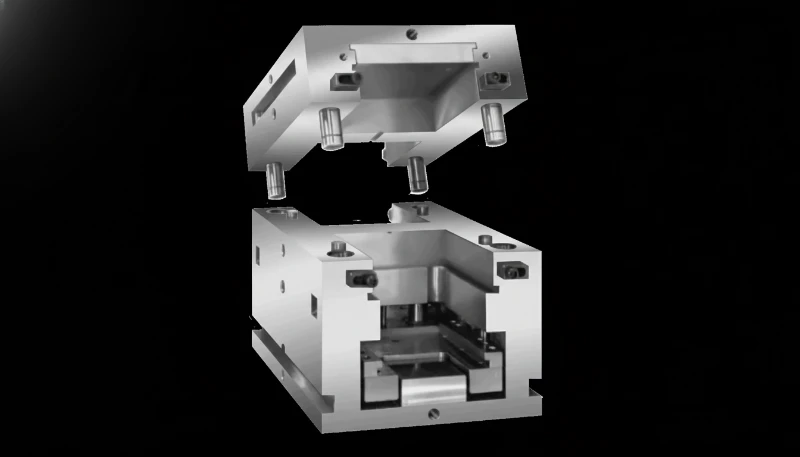
In our experience, the design approval phase is where most delays happen. Customers who provide finalized 3D files, clear specifications, and quick feedback on DFM reports cut their lead time by 2–3 weeks on average. We always encourage customers to freeze the part design before we start cutting steel.
“All injection mold suppliers in China deliver the same quality, so you should just pick the cheapest quote.”Falso
Quality varies enormously between Chinese mold makers. Factors like machine precision, engineering expertise, steel sourcing, QC processes, and certifications (ISO 9001, IATF 16949) create significant quality differences even at similar price points.
“Visiting a supplier’s factory or requesting a virtual tour before committing helps you verify their actual capabilities.”Verdadero
A factory tour reveals machine quality, shop floor organization, QC equipment, and workforce skill level—things no quote document can convey. ZetarMold welcomes both in-person and virtual factory visits.
What Common Mistakes Should You Avoid When Requesting an Injection Mold Quote?
The most common mistake is submitting an incomplete RFQ—missing 3D files, undefined material, unspecified tolerances, or no target volume. This forces suppliers to guess, inflating quotes with safety margins. We’ve found that a complete, well-prepared RFQ receives quotes 10–20% lower than a vague one because suppliers don’t need to pad for uncertainty.
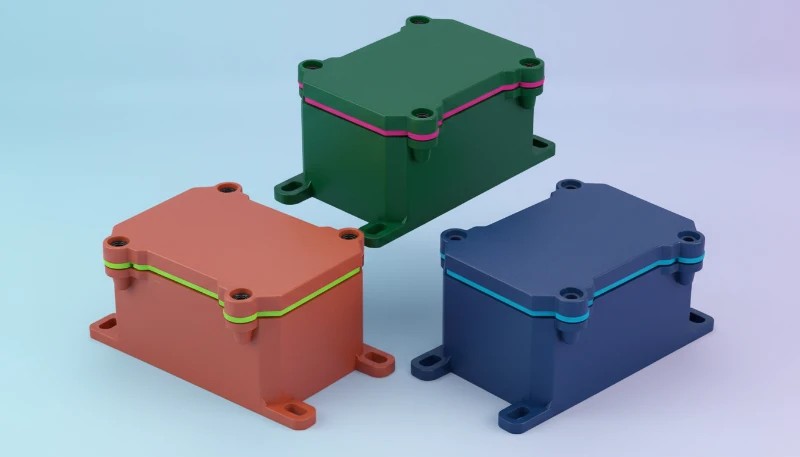
Other frequent mistakes include:
- Not specifying the resin — Different plastics require different steel hardness, gate designs, and cooling layouts. A mold for glass-filled nylon5 costs more than one for unfilled PP.
- Ignoring mold maintenance costs — Cheaper molds may need frequent repair, adding hidden long-term costs.
- Choosing based on price alone — Without evaluating communication quality, DFM support, and trial transparency.
- Not requesting T1 samples — Always get initial samples with a dimensional inspection report before approving the mold.
- Skipping mold flow analysis — A $500 simulation can prevent $10,000+ in tooling modifications later.
How Can ZetarMold Help You Get the Best Injection Mold Quote?
ZetarMold provides transparent, itemized injection mold quotes backed by 20+ years of tooling experience, ISO-certified processes, and a full in-house engineering team. We include free DFM analysis, mold flow simulation, and T1 sample inspection with every project—so what you see in the quote is what you pay.
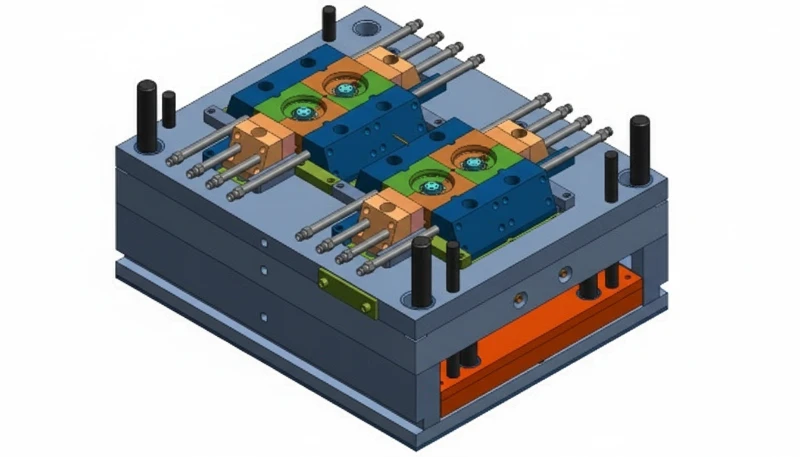
Here’s what sets our quoting process apart:
- 24-hour initial response — Submit your 3D files and specs, and we’ll send a preliminary quote within one business day.
- Itemized transparency — Every line item is broken out so you can see exactly where costs come from.
- DFM-driven savings — Our engineers proactively suggest design modifications that reduce tooling cost.
- Global logistics support — We handle export crating, customs documentation, and door-to-door shipping.
- After-sales warranty — We guarantee mold life and provide free modifications if the mold doesn’t meet agreed specifications.
Ready to get a detailed injection mold quote? Contact ZetarMold today with your project details and let our team prepare a competitive, no-surprises quote.
PREGUNTAS FRECUENTES
How much does a typical injection mold quote cost?
A typical injection mold ranges from $3,000 for a simple single-cavity prototype mold to over $100,000 for a complex multi-cavity production mold with hot runners. The exact price depends on part size, complexity, steel grade, cavity count, and surface finish requirements.
How long does it take to receive an injection mold quote?
At ZetarMold, we provide a preliminary quote within 24 hours of receiving your 3D files and specifications. A detailed quote with DFM analysis typically takes 2–3 business days, depending on part complexity.
What files do I need to submit for an accurate injection mold quote?
You should submit a 3D STEP or IGES file of your part, along with material specification, target annual volume, tolerance requirements, surface finish requirements, and any secondary operation needs (painting, plating, assembly).
Can I negotiate an injection mold quote?
Yes. The most effective way to reduce a quote is through design optimization—simplifying geometry, relaxing non-critical tolerances, or choosing a lower-cost steel grade. You can also reduce cost by combining multiple parts into a family mold or accepting a longer lead time.
Cotización de Molde de Inyección: Factores de Costo y Cómo Ahorrar | ZetarMold
Our standard quote includes mold design, DFM analysis, mold flow simulation, steel and machining, assembly, T1 trial with sample parts, dimensional inspection report, export packaging, and shipping. There are no hidden fees.
Should I get quotes from multiple suppliers?
Yes, we recommend getting 3–5 quotes using a standardized RFQ to ensure fair comparison. Focus on total value—steel quality, mold life guarantee, included services, and communication quality—not just the bottom-line price.
Resumen
Getting the right injection mold quote requires preparation, clear specifications, and the ability to evaluate quotes beyond just price. By understanding what drives mold costs, optimizing your part design through DFM analysis, and using a standardized RFQ template, you can secure a competitive quote that delivers real value over your production lifetime. ZetarMold combines 20+ years of moldeo por inyección expertise with transparent quoting and full-service engineering support to help you get the best mold at the right price.
-
Molde de inyección — A precision-machined tool, typically made of steel or aluminum, consisting of a core and cavity that shapes molten plastic into a specific part geometry under high pressure. ↩
-
DFM (Design for Manufacturability) Analysis — An engineering review process that evaluates a part design for potential manufacturing issues—such as moldability, draft angles, wall thickness, and gate location—before mold construction begins. ↩
-
Mold Flow Analysis — A computer simulation that predicts how molten plastic fills a mold cavity, identifying potential issues like air traps, weld lines, and uneven cooling before steel is cut. ↩
-
Hot Runner Mold — A mold system that uses heated channels to deliver molten plastic directly to the cavities, eliminating runner waste and reducing duración del ciclo compared to cold runner systems. ↩
-
Glass-Filled Nylon — A reinforced engineering thermoplastic (typically PA6 or PA66 with 10–50% glass fiber) that offers higher strength and stiffness but is more abrasive to mold steel, requiring harder tool materials. ↩



 EN
EN  ES
ES  FR
FR  DE
DE  PT
PT  AR
AR  RU
RU  JA
JA  KO
KO  IT
IT  NL
NL  TR
TR  PL
PL 