 Zum Inhalt springen

Einführung
ABS (Acrylnitril-Butadien-Styrol) ist eines der am weitesten verbreiteten Thermoplaste in Spritzgießen1—und das aus gutem Grund. Es vereint Festigkeit, Oberflächenqualität und Verarbeitungsfreundlichkeit auf eine Weise, die nur wenige andere Materialien erreichen. Von Automobil-Innenverkleidungen über Gehäuse für Unterhaltungselektronik und medizinische Geräte bis hin zu Gehäusen für Elektrowerkzeuge – ABS ist überall dort zu finden, wo Ingenieure ein robustes, lackierbares und dimensionsstabilies Teil benötigen.
Aber hier ist, was die meisten Leitfäden nicht verraten: ABS ist nachsichtig beim Spritzgießen, aber kompromisslos bei Nachlässigkeiten. Liegt die Schmelzetemperatur nur 15°C daneben, zeigen sich Einfallstellen oder Schweißnähte, die keine Nachbearbeitung verbergen kann. Sind die Wandstärken ungleichmäßig ausgelegt, kämpfen Sie bei jedem Zyklus mit Verzug. Dieser Leitfaden behandelt die Parameter, Designregeln und praktischen Abwägungen, die wirklich zählen, wenn Sie ABS-Teile in Serienfertigung spritzgießen.
- ABS verarbeitet sich am besten bei 220–260°C Schmelztemperatur und 40–80°C Werkzeugtemperatur
- Gleichmäßige Wandstärke (ideal 2–3 mm) verhindert Einfallstellen und Verzug.
- MFI-Klassen reichen von 5 bis 35 g/10 min – wählen Sie die Klasse entsprechend Ihrer Bauteilgeometrie
- Trocknen bei 80–85°C für 2–4 Stunden vor der Verarbeitung ist nicht verhandelbar
- ABS bietet eine hervorragende Oberflächengüte für Lackieren, Plattieren und Textur-Spritzgießen
Was ist ABS-Kunststoff und warum ist er im Spritzgießen so beliebt?
ABS ist ein Terpolymer – drei Monomere werden gemischt, um ein Material zu ergeben, das keines von ihnen allein liefern könnte. Acrylnitril verleiht chemische Beständigkeit und thermische Stabilität. Butadien fügt Zähigkeit und Schlagfestigkeit hinzu. Styrol sorgt für Steifigkeit, eine glänzende Oberfläche und gute Verarbeitbarkeit. Das Ergebnis ist ein amorpher Thermoplast, der keinen scharfen Schmelzpunkt hat, sondern sich allmählich über einen Temperaturbereich erweicht, was ihn bemerkenswert tolerant gegenüber geringen Prozessschwankungen macht.
Nach unserer Erfahrung mit ABS in Dutzenden von Fertigungsprogrammen ist seine vielseitige Nachbearbeitbarkeit das Unterscheidungsmerkmal gegenüber anderen Standardkunststoffen. Sie können es lackieren, galvanisieren (verchromen), ultraschallschweißen, lösemittelkleben und direkt im Werkzeug texturieren. Spritzgussform2. Deshalb dominiert es in Anwendungen, bei denen das Teil genauso gut aussehen muss wie es funktioniert.
Das Material füllt die Form zudem sauber aus. Seine relativ niedrige Viskosität bei Verarbeitungstemperaturen bedeutet, dass Sie komplexe Geometrien – dünne Rippen, Buchsen, Schnappverbindungen – ohne übermäßigen Einspritzdruck füllen können. Dies ist ein praktischer Vorteil, der den Verschleiß an Werkzeug und Maschine reduziert und so die Werkzeuglebensdauer in Großserien verlängert.
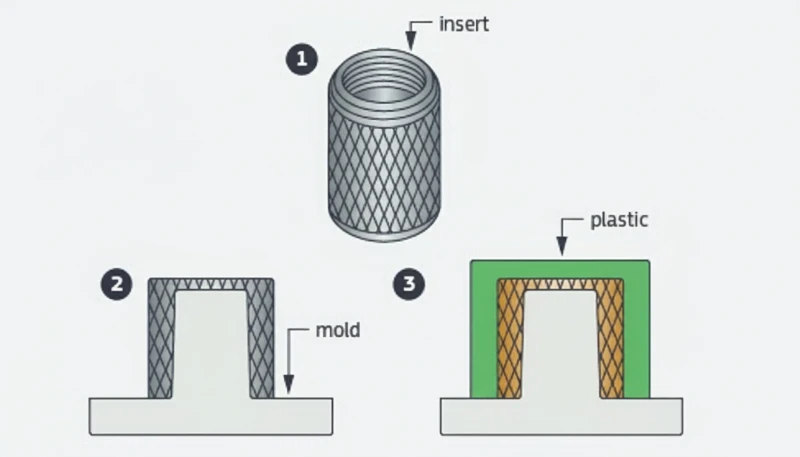
Was sind die wesentlichen Materialeigenschaften von ABS?
Die wichtigsten Materialeigenschaften von ABS sind die Hauptkategorien oder Optionen, die in diesem Abschnitt erläutert werden. Ein Überblick über die ABS-Eigenschaften hilft Ihnen vorherzusagen, wie sich das Material während der Verarbeitung und im Einsatz verhalten wird. Die folgende Tabelle fasst die kritischen Spezifikationen zusammen, die Ingenieure bei der Auswahl von ABS für Spritzgießprojekte benötigen.
| Eigentum | Typical Range | Why It Matters |
|---|---|---|
| Zugfestigkeit | 29–48 MPa | Bestimmt die Tragfähigkeit von Strukturteilen |
| Izod-Schlagzähigkeit (gekerbt) | 200–400 J/m | Falltest- und Schlagfestigkeit für Gehäuse |
| Wärmeableitungstemperatur (HDT) | 85–100°C @ 0,45 MPa | Obere Einsatztemperaturgrenze für Automobil- und Haushaltsgeräteteile |
| Schmelzflussindex (MFI) | 5–35 g/10 min | Höherer MVI = besseres Fließverhalten für dünnwandige Teile; niedrigerer MVI = bessere mechanische Festigkeit |
| Glasübergangstemperatur (Tg) | ~105°C | Definiert die obere Grenze, bevor das Material deutlich erweicht |
| Dichte | 1,04–1,07 g/cm³ | Leichtgewichts-Vorteil gegenüber Metallen und einigen technischen Kunststoffen |
| Mold Shrinkage | 0.4–0.7% | Kritisch für Maßhaltigkeit – bestimmt die Stahlauslegung des Werkzeugs |
| Rockwell-Härte | R100–R115 | Oberflächenkratz- und Dellenbeständigkeit |
Ein Detail, das Ingenieure überrascht: die Glasübergangstemperatur3 von Standard-ABS liegt bei etwa 105°C, aber die Dauergebrauchstemperatur wird typischerweise mit 60–80°C angegeben. Wenn Ihr Teil Motorraumtemperaturen im Automobilbereich oder anhaltende Hitze über 80°C aushalten muss, sollten Sie ABS-PC-Blends oder wärmestabilisierte ABS-Klassen in Betracht ziehen, nicht Standard-ABS.
Wie legt man optimale Spritzgießparameter für ABS fest?
Bei ABS-Parametern geht es weniger um das Auswendiglernen von Zahlen, sondern mehr um das Verständnis der Wechselwirkung zwischen Temperatur, Druck und Zeit. Hier ist, was in der Produktion tatsächlich funktioniert.
Schmelztemperatur
Zielwert 220–260°C, wobei 240°C ein verlässlicher Ausgangspunkt für die meisten Standardtypen ist. Unter 220°C kommt es zu unvollständiger Formfüllung, schlechter Schweißnahtfestigkeit und deutlichen Fließspuren. Über 260°C beginnt das Material zu degradieren – es zeigen sich silbrige Schlieren (Feuchtigkeit oder Gase), reduzierte mechanische Eigenschaften und mögliche Verfärbungen. Der Schmelze-Index Ihres spezifischen Typs sollte die Wahl leiten: Typen mit hohem MVI (20+ g/10 min) verarbeiten Sie gut bei 220–240°C, während strukturelle Typen mit niedrigem MVI 240–260°C benötigen, um korrekt zu füllen.
Temperatur der Form
Fahren Sie Ihr Werkzeug bei 40–80°C. Der untere Bereich (40–50°C) ermöglicht kürzere Zykluszeiten und ist für einfache Geometrien geeignet. Der obere Bereich (60–80°C) verbessert die Oberflächengüte, reduziert die Sichtbarkeit von Schweißnähten und minimiert innere Spannungen – entscheidend für Teile, die lackiert oder verchromt werden. In unserer Fertigung fahren wir ABS-Werkzeuge typischerweise bei 60°C für sichtbare Oberflächenteile und bei 50°C für Strukturteile, bei denen die Zykluszeit wichtiger ist als das Aussehen.
Einspritzgeschwindigkeit und -druck
ABS reagiert gut auf mittlere bis hohe Einspritzgeschwindigkeiten (40–80 mm/s bei den meisten Maschinen). Dünnwandteile benötigen höhere Geschwindigkeiten, um vorzeitiges Einfrieren zu verhindern; dickwandige Teile können mit langsameren Füllungen arbeiten, um Lufteinschlüsse zu minimieren. Der Einspritzdruck liegt typischerweise zwischen 70–120 MPa, der Nachdruck bei 40–70% des Spitzeneinspritzdrucks. Die Nachdruckzeit sollte beibehalten werden, bis der Anguss erstarrt – normalerweise 2–5 Sekunden, abhängig von Wandstärke und Angussgröße.
Trocknungsanforderungen
Dies ist nicht verhandelbar: Trocknen Sie ABS vor der Verarbeitung bei 80–85°C für 2–4 Stunden, um einen Feuchtigkeitsgehalt unter 0,11 % zu erreichen. Überspringen Sie diesen Schritt und es zeigen sich Spritztropfen, reduzierte Schlagzähigkeit und Maßunstabilität. In feuchten Klimazonen oder während der Regenzeit verlängern Sie die Trocknungszeit oder verwenden einen Entfeuchter-Trockner. Wir haben Teile aus ungetrocknetem ABS erlebt, die bereits bei der Hälfte der erwarteten Schlagenergie bei Falltests versagten – so sehr beeinträchtigt Feuchtigkeit das Material.
Welche Werkzeugbau-Aspekte sind für ABS-Teile zu beachten?

Gute ABS-Teile beginnen mit einem guten Formenbau. Das Material ist nachsichtig, aber es hat spezifische Designregeln, deren Missachtung garantiert Produktionsprobleme verursacht.
Die Wandstärke sollte gleichmäßig sein, idealerweise 2,0–3,0 mm. Abweichungen von mehr als ±10 % über das Bauteil hinweg führen zu unterschiedlichem Schwinden, was zu Verzug und Einfallstellen führt. Wenn Dickenübergänge unvermeidbar sind, verwenden Sie einen allmählichen Übergang (mindestens im Verhältnis 1:3) anstelle eines scharfen Sprungs. Ansätze sollten ausgehöhlt werden, um eine gleichmäßige Wandstärke beizubehalten – der Außendurchmesser sollte das 2,0–2,5-fache der Nennwandstärke betragen, mit einem Kerndurchmesser, der eine Wandstärke von 50–60 % in der Ansatzseitenwand belässt.
Schrägungswinkel von 1–2° pro Seite sind für die meisten ABS-Teile ausreichend, dank des relativ geringen Schwindungsverhaltens und der guten Entformungseigenschaften des Materials. Bei tiefen Zügen oder strukturierten Oberflächen sollte auf 3° pro Seite erhöht werden. Die strukturierte Oberfläche selbst erhöht die effektive Schrägung – eine grobe Struktur (VDI 33+) benötigt möglicherweise zusätzlich 1,5° pro 0,025 mm Strukturtiefe.
Das Angussdesign für ABS bevorzugt typischerweise Randangüsse oder Tunnelangüsse für optisch anspruchsvolle Teile und Direktangüsse für strukturelle Teile, wo Angussnarbe akzeptabel ist. Der Angussdurchmesser sollte 50–80 % der Wandstärke an der Angussstelle betragen – zu klein führt zu scherbedingter Verfärbung, zu groß verlängert die Zykluszeit durch übermäßige Angusserstarrungszeit. Das Angussverteilersystem sollte ausgeglichen, vollrund und so dimensioniert sein, dass es ausreichenden Druck liefert, ohne übermäßigen Materialverschleiß.
„ABS-Teile müssen vor dem Spritzgießen bei 80–85°C für 2–4 Stunden getrocknet werden, um Spritzmuster und reduzierte Schlagzähigkeit zu verhindern.“Wahr
ABS ist mäßig hygroskopisch und nimmt Feuchtigkeit aus der Atmosphäre auf. Ohne ausreichende Trocknung (Ziel: <0,1% Feuchtigkeitsgehalt) erzeugt eingeschlossener Wasserdampf Spritzer auf der Bauteiloberfläche und führt zu hydrolytischem Abbau der Polymerketten, was die Schlagzähigkeit erheblich verringert.
„ABS hat einen scharfen Schmelzpunkt bei 180°C, daher muss die Schmelztemperatur innerhalb von ±2°C dieses Ziels gehalten werden.“Falsch
ABS ist ein amorpher Thermoplast – es hat keinen scharfen Schmelzpunkt. Stattdessen erweicht es allmählich über einen Temperaturbereich, was tatsächlich einer seiner Verarbeitungsvorteile ist: Es toleriert geringe Temperaturschwankungen (typischerweise ±10°C) ohne katastrophale Fehler, im Gegensatz zu teilkristallinen Materialien wie POM oder PEEK.
Welche häufigen Fehler treten beim ABS-Spritzgießen auf und wie behebt man sie?
Häufige ABS-Spritzgussfehler und wie man sie behebt, sind die Hauptkategorien oder Optionen, die in diesem Abschnitt erläutert werden. Trotz der prozessfreundlichen Natur von ABS treten Fehler auf. Hier sind diejenigen, die wir in der Produktion am häufigsten sehen, nach Häufigkeit geordnet, zusammen mit ihren Ursachen und Lösungen.
| Defekt | Verhindert Einfallstellen auf der gegenüberliegenden Oberfläche | Fix |
|---|---|---|
| Sink marks | Dicke Bereiche schrumpfen stärker als umgebende dünne Wände | Dicke Bereiche aushöhlen, Wandverhältnis unter 1,5:1 reduzieren, Nachdruck und -zeit erhöhen |
| Schlieren / Silberstreifen | Feuchtigkeit in der Schmelze oder übermäßige Schmelztemperatur | Material gründlich trocknen (80–85°C, 2–4 Std.), Zylindertemperatur um 5–10°C reduzieren |
| Schweißlinien | Fließfronten treffen sich um ein Hindernis (Loch, Ansatz, Kern) | Schmelz- und Formtemperatur erhöhen, Schweißnaht in nicht sichtbaren Bereich verlegen, Überlaufmulde hinzufügen |
| Verzug | Ungleichmäßige Kühlung oder ungleichmäßige Wandstärke | Wandstärken angleichen, Kühlkanallayout optimieren, Einspritzgeschwindigkeit für dicke Teile reduzieren |
| Short shots | Unzureichende Füllung – niedrige Schmelztemperatur, ungenügender Druck, blockierte Entlüftung | Schmelztemperatur um 5–10°C erhöhen, Einspritzdruck erhöhen, Entlüftungsspiel prüfen (0,01–0,02 mm) |
| Wasserstrahlen | Schmelzestrom fließt durch das Anguss ohne sich auszubreiten | Einspritzgeschwindigkeit reduzieren, Angussgröße erhöhen, Anguss umpositionieren, um Strömungsaufprall zu erzeugen |
Die wichtigste Maßnahme zur Vermeidung von Fehlern: Optimieren Sie das Kühlkreislayout, bevor der Stahl bearbeitet wird. In unserem Werkzeugbau führen wir für jedes neue ABS-Werkzeug Strömungssimulationen durch, um Hotspots zu identifizieren und eine ausgeglichene Kühlung sicherzustellen. Die Kühlung in der Designphase zu korrigieren, kostet nichts im Vergleich zur Nachbearbeitung eines gehärteten Stahlwerkzeugs, nachdem bei der ersten Versuchslaufung ungleichmäßiges Schwinden festgestellt wurde.
Wie schneidet ABS im Vergleich zu anderen gängigen Spritzgussmaterialien ab?
Ingenieure wählen ABS selten isoliert. Hier ist ein Vergleich mit den Materialien, mit denen es in ähnlichen Anwendungen am häufigsten konkurriert.
| Eigentum | ABS | Polycarbonat (PC) | PP | Nylon 6 (PA6) |
|---|---|---|---|---|
| Zugfestigkeit | 29–48 MPa | 60–70 MPa | 25–40 MPa | 50–85 MPa |
| Schlagfestigkeit | Hoch | Sehr hoch | Niedrig (gekerbt) | Mäßig (trocken) |
| Verarbeitungstemperatur | 220–260°C | 280–320°C | 200–250°C | 240–280°C |
| Formtemperatur | 40–80°C | 80–120°C | 20–60°C | 60–90°C |
| Moisture Absorption | Niedrig (0,2–0,4 %) | Niedrig (0,15–0,2 %) | Sehr niedrig (<0,01 %) | Hoch (1,5–2,5 %) |
| Oberfläche | Ausgezeichnet | Ausgezeichnet | Schlecht–Mäßig | Gut |
| Kosten (relativ) | $$ | $$$ | $ | $$ |
| Am besten für | Gehäuse, Zierleisten, Verkleidungen | Transparente / kugelsichere Teile | Scharniere aus Kunststoff, Behälter | Zahnräder, Lager, Strukturteile |
ABS-PC-Blends verdienen besondere Erwähnung. Sie kombinieren die Verarbeitbarkeit von ABS mit der Schlagzähigkeit und Wärmebeständigkeit von PC. Wenn Ihre Anwendung eine bessere Schlagfestigkeit als Standard-ABS erfordert, aber die Kosten von reinem PC nicht rechtfertigt, sind ABS-PC-Blends (typischerweise 50/50 oder 70/30 Mischungen) oft der ideale Kompromiss. Diese Blends werden bei 240–280°C verarbeitet und bieten HDT-Werte von 95–110°C – deutlich besser als Standard-ABS.
Für Anwendungen, die eine chemische Beständigkeit erfordern, die ABS nicht bieten kann – wie Exposition gegenüber Ölen, Kraftstoffen oder aggressiven Lösungsmitteln – sind Nylon-Varianten wie PA6 oder PA66 der übliche Upgrade-Pfad. Allerdings bedeutet die hohe Feuchtigkeitsaufnahme von Nylon, dass die Maßhaltigkeit in feuchten Umgebungen leidet, und man tauscht die Oberflächenqualität gegen chemische Beständigkeit ein.
„ABS-PC-Blends bieten eine höhere Wärmeformbeständigkeitstemperatur (95–110°C) als Standard-ABS (85–100°C) bei gleichzeitig besserer Verarbeitbarkeit als reines Polycarbonat.“Wahr
Die Zugabe von Polycarbonat erhöht die thermische Leistungsfähigkeit, während die ABS-Komponente die Verarbeitungstemperaturen 20–40°C niedriger hält als reines PC erfordern würde, was Energiekosten senkt und die Lebensdauer der Anlage verlängert.
„ABS nimmt mehr Feuchtigkeit auf als Nylon (PA6), daher erfordert es längeres und aggressiveres Trocknen vor dem Spritzgießen.“Falsch
Das Gegenteil ist der Fall. ABS nimmt im Gleichgewicht nur 0,2–0,4 % Feuchtigkeit auf, während PA6 1,5–2,5 % aufnimmt. Nylon erfordert im Vergleich zu ABS (2–4 Stunden) eine strengere Trocknung (oft 6+ Stunden bei 80°C). ABS ist tatsächlich eines der einfacher zu trocknenden Materialien.
Welche Qualitätsstandards und Tests gelten für ABS-Spritzgussteile?
Qualitätskontrolle beim ABS-Spritzgießen beschränkt sich nicht nur auf die Messung von Teilen am Ende der Linie – es ist ein mehrschichtiges System, das beginnt, bevor das Material den Trichter erreicht, und sich durch jede Produktionsstufe fortsetzt.
Die Eingangsmaterialprüfung umfasst die Überprüfung des MFI gegen das Analysezertifikat des Lieferanten, die visuelle Inspektion von Granulatfarbe und -konsistenz sowie die Feuchtigkeitsprüfung mit einem Halogen- oder Karl-Fischer-Feuchtigkeitsanalysator. Wenn der MFI mehr als 15 % außerhalb der Spezifikation liegt, lehnen Sie die Charge ab – dies deutet entweder auf Abbau während des Transports oder auf eine Sortenverwechslung hin, die zu Verarbeitungsproblemen führt.
In-Prozess-Qualitätskontrollen sollten kritische Abmessungen (mit Koordinatenmessmaschine oder kalibrierten Messlehren), Sichtprüfungen auf Oberflächendefekte (Spritzer, Einfallstellen, Schweißlinien, Farbkonsistenz) und Gewichtsüberwachung als Indikator für die Füllkonsistenz abdecken. Eine Teilegewichtsschwankung von mehr als ±0,5% vom festgelegten Basiswert signalisiert einen Prozessdrift, der untersucht werden muss.
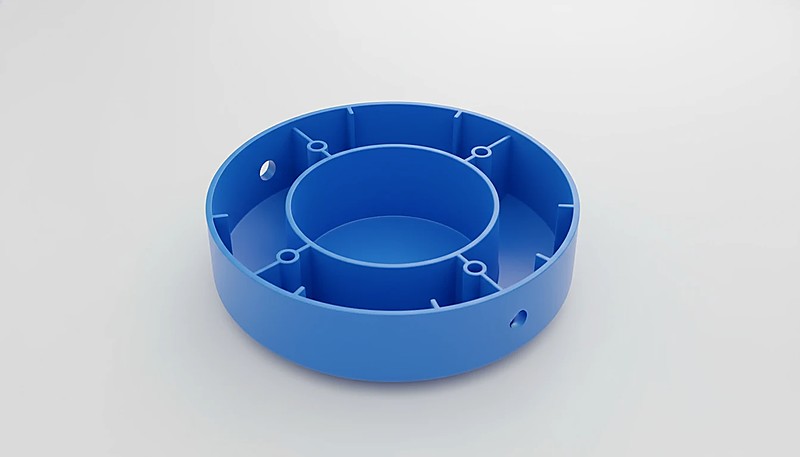
In unserer Einrichtung in Shanghai führen wir einen sechsstufigen Qualitätskontroll-Workflow durch – IQC, Zwischenprüfung von Stichproben, Prozessinspektion, Verpackungs- und Montageinspektion, FQC und OQC – über 45 Spritzgussmaschinen von 90T bis 1850T. Mit über 10 spezialisierten QC-Mitarbeitern und Messgeräten wie Koordinatenmessmaschinen, Profilprojektoren und Härteprüfern fangen wir Fehler ab, bevor sie den Kunden erreichen. Es ist keine glamouröse Arbeit, aber sie macht den Unterschied zwischen einer zuverlässigen Lieferkette und einer, die kostspielige Überraschungen produziert.
Wie wählt man den richtigen ABS-Spritzguss-Partner aus?
Die Auswahl eines Spritzgusslieferanten für ABS-Teile läuft auf drei praktische Fragen hinaus: Können sie das Werkzeug bauen? Können sie bei hohen Stückzahlen eine gleichbleibende Qualität aufrechterhalten? Und können sie bei Problemen effektiv kommunizieren?
Die interne Werkzeugfertigungskapazität ist wichtiger, als die meisten Käufer erkennen. Wenn Ihr Werkzeug modifiziert werden muss – was während der Qualifizierung fast sicher der Fall ist – verlängert eine Wartezeit von 3–4 Wochen, bis ein externer Werkzeugbauer Sie in seinen Zeitplan aufnimmt, direkt Ihre Zeitachse. Ein Lieferant mit eigener Werkzeugbauabteilung kann Änderungen in Tagen, nicht Wochen, umsetzen. Achten Sie auf CNC-Bearbeitungszentren, EDM-Fähigkeiten, Drahterodieren und Präzisionsschleifausrüstung vor Ort.
Der Maschinentonnagebereich gibt Aufschluss über das Fähigkeitsspektrum des Lieferanten. ABS-Teile reichen von winzigen elektronischen Clips (erfordern 50–90T Maschinen) bis zu großen Automobilpaneelen (benötigen 800–1500T). Wenn ein Lieferant nur Maschinen in einem Tonnagebereich hat, ist er auf einen engen Teilbereich optimiert. Ein breiteres Spektrum – wie unsere Flotte von 90T bis 1850T mit 45 Maschinen – bedeutet, dass sie Ihre aktuellen Teile bearbeiten können und für größere oder komplexere Geometrien skalieren, ohne dass Sie einen anderen Anbieter suchen müssen.
Materialexpertise ist der dritte Unterscheidungsfaktor. Ein Lieferant, der mit über 400 Materialien arbeitet, hat die Grenzfälle gesehen – wie sich verschiedene ABS-Typen verhalten, welche Mischungsverhältnisse für bestimmte Anwendungen funktionieren und wie man Fehler behebt, die in realen Produktionsumgebungen auftreten, nicht nur im Lehrbuch. Fragen Sie potenzielle Lieferanten nach ihren Trocknungsprotokollen, ihren typischen Prozessparameterbereichen für ABS und wie sie Materialchargenschwankungen handhaben. Die Antworten verraten Ihnen, ob sie eine Commodity-Spritzgussoperation oder einen Präzisionsfertigungsprozess betreiben.
Die Kommunikationsfähigkeit rundet die Bewertung ab. Wenn Ihr Engineering-Team nicht direkt mit den Personen kommunizieren kann, die die Maschinen bedienen, wird jedes Problem zu einem Stille-Post-Spiel. Wir beschäftigen über 30 englischsprachige Projektmanager genau deshalb, weil Missverständnisse in der Fertigung teuer sind – oft teurer als die Kosten der Teile selbst. Wenn Sie Lieferanten bewerten, testen Sie dies direkt: Rufen Sie ihren technischen Ansprechpartner an, nicht nur den Vertrieb, und sehen Sie, wie schnell Sie eine technisch kompetente Antwort erhalten.
„Eigene Werkzeugbaukapazitäten können die Durchlaufzeit für Werkzeugänderungen während der Teilequalifizierung von Wochen auf Tage reduzieren.“Wahr
Externe Werkzeugbaubetriebe benötigen typischerweise 3–4 Wochen für Änderungen, weil Ihr Auftrag in ihre Warteschlange kommt. Ein werkseigener Werkzeugbau kann Ihre Änderungen sofort priorisieren und oft einfache Stahländerungen in 1–3 Tagen durchführen, was Ihre Zeit bis zur fertigungsreifen Teilelieferung direkt verkürzt.
„ABS-Spritzguss erfordert spezialisierte Maschinen, die keine anderen thermoplastischen Materialien verarbeiten können.“Falsch
Standard-Spritzgussmaschinen mit hin- und hergehender Schnecke verarbeiten ABS problemlos – dieselben Maschinen können auch PP, PE, PS, PC und die meisten anderen Thermoplaste mit geeignetem Schneckendesign und Temperaturprofilanpassungen verarbeiten. Die Maschinenanforderungen für ABS sind tatsächlich sehr gängig.
Häufig gestellte Fragen
Welche Temperatur sollte ich für das ABS-Spritzgießen einstellen?
Zielen Sie auf eine Schmelztemperatur von 220–260°C (beginnend bei 240°C für die meisten Standardtypen) und eine Werkzeugtemperatur von 40–80°C. Höhere Werkzeugtemperaturen (60–80°C) verbessern die Oberflächengüte und reduzieren die Sichtbarkeit von Schweißlinien, erhöhen aber die Zykluszeit. Niedrigere Werkzeugtemperaturen (40–60°C) beschleunigen die Abkühlung für Strukturteile. Passen Sie die Werte innerhalb dieses Bereichs immer basierend auf dem Schmelzflussindex des spezifischen ABS-Typs an – Typen mit hohem MFI fließen bei niedrigeren Temperaturen besser, während Typen mit niedrigem MFI mehr Wärme benötigen, um vollständig zu füllen und eine ordnungsgemäße Nachdruckphase im gesamten Formhohlraum zu erreichen.
Muss ABS vor dem Spritzgießen getrocknet werden?
Ja, unbedingt. Trocknen Sie ABS bei 80–85°C für 2–4 Stunden, um den Feuchtigkeitsgehalt vor der Verarbeitung unter 0,1% zu bringen. Obwohl ABS deutlich weniger Feuchtigkeit aufnimmt als hygroskopische Materialien wie Nylon oder Polycarbonat, führt ungetrocknetes ABS dennoch zu Spritzerflecken (silberne Schlieren) auf der Teileoberfläche und zu reduzierter Schlagfestigkeit aufgrund hydrolytischen Abbaus der Polymerketten beim Schmelzen. Verwenden Sie einen Trockenlufttrockner und überprüfen Sie den Feuchtigtsgehalt mit einem Taupunktsmessgerät für optimale Ergebnisse bei kritischen Teilen, insbesondere solchen mit kosmetischen Oberflächenanforderungen.
Was ist die typische Schwindungsrate von ABS beim Spritzgießen?
Das Schwindmaß von ABS liegt zwischen 0,4–0,7%, abhängig vom spezifischen Typ, Wandstärke und Verarbeitungsbedingungen. Diese relativ geringe und vorhersehbare Schwindung macht ABS zu einem der dimensionsstabileren Standard-Thermoplaste, die heute verfügbar sind, weshalb es für präzise passende Gehäuse, montierte Bauteile und Teile, die mit Metall-Einsätzen verbunden werden, bevorzugt wird. Berücksichtigen Sie diese Schwindung immer beim Werkzeugdesign, indem Sie die Kavitätsabmessungen entsprechend skalieren, und testen Sie Ihre Erstmuster, um Kompensationsfaktoren zu optimieren, bevor Sie mit Vollproduktionsläufen und kostspieligen Werkzeugänderungen fortfahren.
Kann ABS für Lebensmittelkontakt oder medizinische Anwendungen verwendet werden?
Standard-ABS-Typen sind nicht von der FDA für direkten Lebensmittelkontakt zugelassen. Es sind jedoch spezielle ABS-Typen mit FDA-konformen Formulierungen für indirekte Lebensmittelkontaktszenarien erhältlich. Für Medizingerätegehäuse (nicht-implantierbare Gehäuse, Geräteverkleidungen) wird ABS aufgrund seiner hervorragenden Oberflächengüte und Sterilisationskompatibilität häufig verwendet. Überprüfen Sie stets die regulatorischen Konformitätsdokumente des spezifischen Typs direkt beim Materiallieferanten, bevor Sie ihn für regulierte Lebensmittel- oder Medizinanwendungen spezifizieren, um kostspielige Nachqualifizierungsverzögerungen, Regulierungsverstöße oder späte Neuentwicklungen zu vermeiden.
Wie verhält sich ABS-PC-Blend im Vergleich zu Standard-ABS beim Spritzgießen?
ABS-PC-Blends bieten eine 20–40% höhere Schlagzähigkeit und eine 10–15°C höhere Wärmeformbeständigkeitstemperatur als Standard-ABS, während sie nur bei etwas höheren Temperaturen verarbeitet werden (240–280°C gegenüber 220–260°C). Der Nachteil sind höhere Materialkosten (typischerweise 30–50% mehr) und etwas mehr Aufmerksamkeit für die Trocknungsanforderungen (85–90°C für 3–4 Stunden). ABS-PC ist die richtige Wahl, wenn Standard-ABS die Anforderungen an Schlagzähigkeit oder Wärmebeständigkeit nicht erfüllt, aber reines PC überdimensioniert und für die spezifischen Leistungsanforderungen und Budgetbeschränkungen der Anwendung zu teuer ist, was es zu einer idealen Kompromissmateriallösung macht.
Welcher Einspritzdruck wird für das ABS-Spritzgießen benötigt?
Der typische Einspritzdruck für ABS liegt zwischen 70–120 MPa (10.000–17.000 psi), wobei der Nachdruck auf 40–70% des maximalen Einspritzdrucks eingestellt wird. Dünnwandteile und komplexe Geometrien benötigen den höheren Bereich, um eine vollständige Füllung zu gewährleisten. Entscheidend ist die Aufrechterhaltung eines ausreichenden Nachdrucks, bis der Anguss erstarrt (normalerweise 2–5 Sekunden, abhängig von der Wandstärke), um Einfallstellen zu vermeiden und Maßhaltigkeit während der Abkühlphase sicherzustellen. Unzureichender Nachdruck führt zu Lunkern, schwachen Schweißlinien und reduzierter Gesamtteilfestigkeit.
Warum hat mein ABS-Teil Einfallstellen und wie behebe ich sie?
Einfallstellen entstehen, wenn dicke Bereiche (wie Ansätze oder Rippenkreuzungen) während der Abkühlung stärker schrumpfen als umliegende dünnere Wände. Beheben Sie sie durch Auskernen dicker Bereiche für gleichmäßige Wandstärke, Reduzierung der Wandstärkenverhältnisse unter 1,5:1, Erhöhung von Nachdruck und Nachdruckzeit sowie Senkung der Schmelztemperatur, um die volumetrische Schrumpfung zu reduzieren. Die Vermeidung im Designstadium durch gleichmäßige Wandstärke ist weitaus wirksamer als der Versuch, Einfallstellen nur mit Prozessanpassungen zu beheben, was zu anderen Fehlern wie Gratbildung oder Verzug führen kann.
Welche Wandstärke wird für spritzgegossene ABS-Teile empfohlen?
Die ideale Wandstärke für ABS-Teile liegt bei 2,0–3,0 mm, wobei Gleichmäßigkeit wichtiger ist als der absolute Wert. Halten Sie die Wandstärkenschwankung innerhalb von ±10% über das Teil hinweg ein. Wandstärken unter 1,0 mm riskieren unvollständige Füllungen; Wandstärken über 4,0 mm verursachen übermäßige Zykluszeiten, innere Lunker und Einfallstellen. Bei notwendigen Übergängen verwenden Sie graduelle Verjüngungen mit einem minimalen Verhältnis von 1:3, um Spannungskonzentrationen zu minimieren und einen gleichmäßigen Fluss während des Füllens bei konsistenten Abkühlraten über die Teilgeometrie hinweg zu gewährleisten.
-
injection molding: Spritzgießen bezeichnet einen Fertigungsprozess, bei dem geschmolzener Thermoplast in einen Formhohlraum eingespritzt wird, um Präzisionsteile in Serie herzustellen. ↩
-
injection mold: Spritzgießwerkzeug bezeichnet ein kundenspezifisch konstruiertes Werkzeug, typischerweise aus Stahl oder Aluminium, das geschmolzenen Kunststoff während des Spritzgießzyklus in eine spezifische Teilgeometrie formt. ↩
-
glass transition temperature: Die Glasübergangstemperatur bezeichnet den Temperaturbereich, in dem ein amorphes Polymer von einem harten, glasartigen Zustand in einen weichen, gummiartigen Zustand übergeht. Dies ist entscheidend für die Bestimmung der Verarbeitungs- und Einsatztemperaturgrenzen. ↩




 EN
EN  ES
ES  FR
FR  DE
DE  PT
PT  AR
AR  RU
RU  JA
JA  KO
KO  IT
IT  NL
NL  TR
TR  PL
PL 