İçeriğe geç
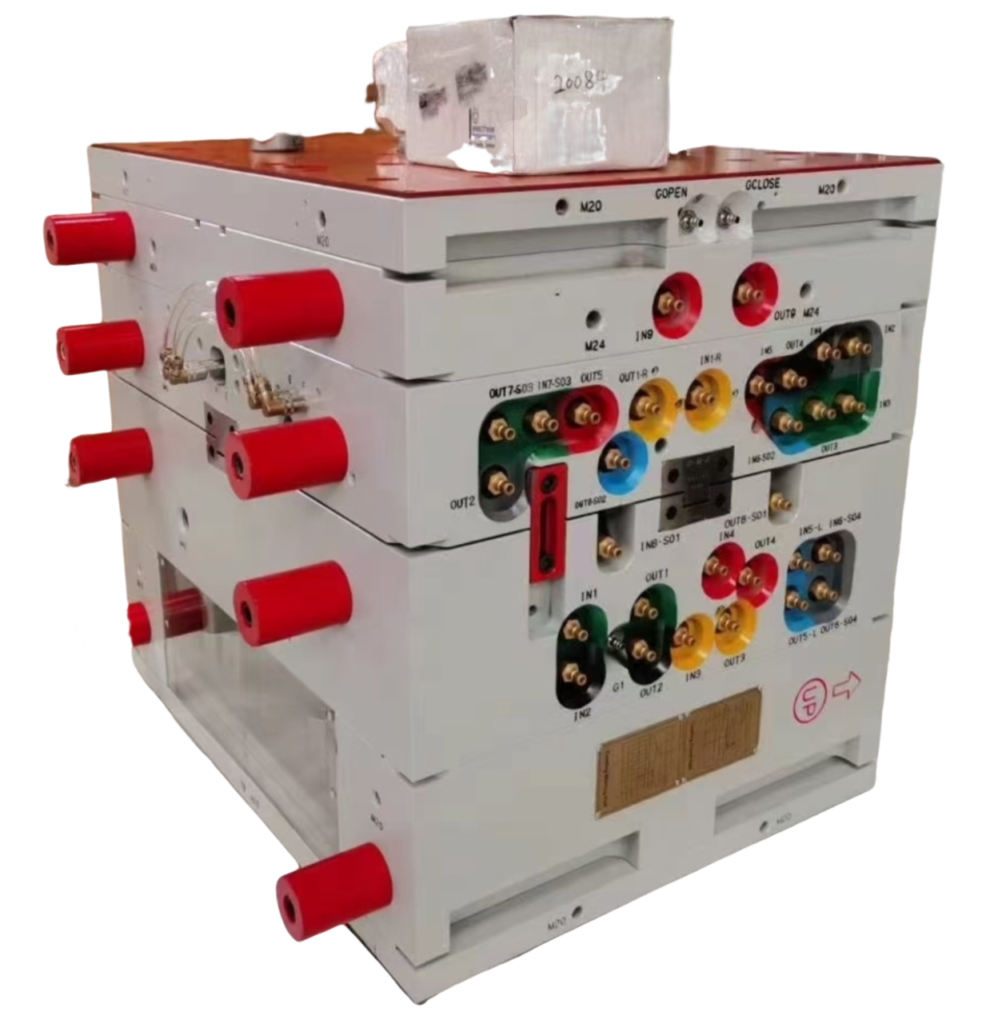
Bilimsel Enjeksiyon Kalıplama Nedir: Tam Kılavuz
Scientific injection molding transforms trial-and-error into data-driven precision. Learn how systematic process control reduces defects, improves quality, and delivers consistent parts every time.
Önemli Çıkarımlar
- Scientific molding uses data, not intuition
- Four stages define process window
- Process monitoring is non-negotiable
- Document everything for repeatability
- Training separates success from failure
İçindekiler
- What Is Scientific Injection Molding?
- How Does Scientific Molding Differ from Traditional Injection Molding?
- What Are Four Stages of Scientific Molding?
- Why Is Process Data Critical in Scientific Injection Molding?
- How Do You Implement Scientific Molding in Production?
- When Should You Use Scientific Injection Molding?
What Is Scientific Injection Molding?
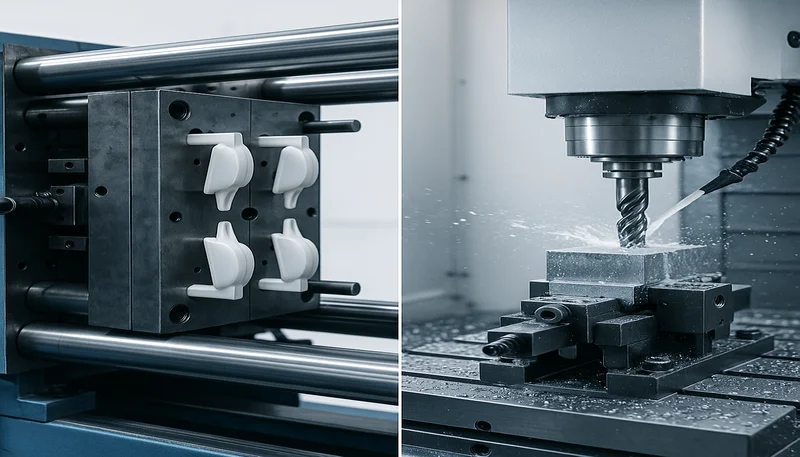
Scientific injection molding is a systematic approach to enjeksiyon kalıplama süreci1 and control that relies on data analysis rather than trial-and-error methods. Unlike traditional approaches where operators adjust parameters based on experience or intuition, scientific molding uses measurable variables to establish a robust process window that produces consistent parts regardless of machine variations or environmental changes.
The core principle is simple: understand how each processing variable affects final part quality, then control those variables within a defined range. This method transforms enjeksiyon kalıplama2 from an art form into a repeatable engineering discipline. From the initial enjeksiyon kalıbı3 design through final production, data-driven decisions ensure consistency and quality.
At our Shanghai facility with 20.0 years of experience, we’ve seen that projects built on scientific molding principles scale smoothly from prototype to production, while those relying on operator adjustments struggle with consistency.
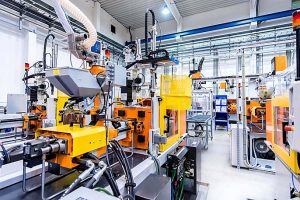
Key components include plastic viscosity curves, cavity pressure monitoring, and systematic design of experiments4 (DOE). These tools reveal relationship between injection speed, melt temperature, packing pressure, and part dimensions. When you know these relationships, you can predict how changes affect quality before producing thousands of bad parts. With 45 injection molding machines ranging from 90 ton to 1850 ton, we have the capacity to handle projects of any scale.
True or False?
False. Scientific molding doesn’t replace operator expertise it augments it. Skilled operators understand the data and make informed decisions when process boundaries shift.
True or False?
False. Scientific molding is ESSENTIAL for high-tolerance applications, not optional. The data-driven approach provides measurable quality assurance.
How Does Scientific Molding Differ from Traditional Injection Molding?
Traditional injection molding often follows a reactive pattern: produce parts, inspect, find defects, adjust parameters, repeat. This approach depends heavily on operator experience and machine capability. If the machine drifts or material lots vary, the operator manually compensates. Scientific molding, by contrast, is proactive and data-driven.
The most visible difference is documentation. Traditional shops often lack process records if a key operator leaves, their knowledge walks out the door. Scientific molding demands complete process sheets: specific melt temperatures, injection speeds, hold pressures, and cycle times. This documentation enables process transfer between machines, shifts, and even facilities.
Another critical distinction is the focus on process validation. Traditional molding validates by visual inspection and dimensional checks. Scientific molding validates through in-cavity pressure sensors and viscosity curves. We measure the plastic behavior directly, not just the resulting part. This means you catch problems before they manifest as defects.
In practical terms, scientific molding handles tighter tolerances and more complex geometries. With 45 injection molding machines ranging from 90.0 ton to 1850.0 ton, we have the capacity to handle projects of any scale. Traditional methods might handle simple parts well, but they break down when facing multi-cavity tools, thin-wall applications, or critical medical components. Our 8 senior engineers document every parameter precisely to ensure quality across 120.0 production staff members.
What Are Four Stages of Scientific Molding?
The four-stage framework provides a structured path from mold design to stable production. Each stage builds on the previous one, creating a foundation of data and understanding that supports long-term consistency.
Stage 1: Mold Design and Material Selection
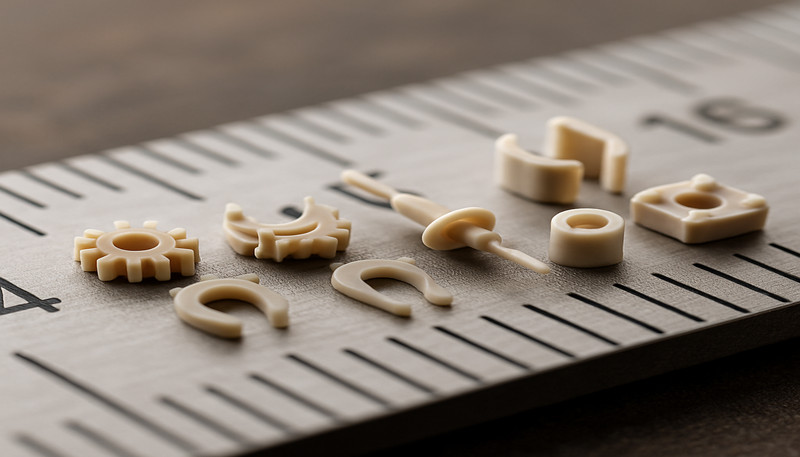
Process stability begins before the mold steel is cut. Scientific molding demands that mold design, material selection, and part requirements align. We analyze material datasheets for viscosity curves, shear sensitivity, and thermal properties. The mold design must provide balanced filling, adequate cooling, and venting. This foundational process development step is critical—in our experience with 400+ materials, skipping this analysis guarantees problems in later stages.
Stage 2: Process Development
This stage establishes the scientific molding process window. Using design of experiments (DOE), we systematically vary injection speed, melt temperature, packing pressure, and cooling time. We measure the effect on part dimensions, weight, and visual quality. The goal is finding the robust operating region where small parameter variations don’t cause defects. This process development stage requires cavity pressure sensors to measure actual plastic behavior, not just machine settings. Proper process development and mold design go hand-in-hand for optimal results.
Stage 3: Process Qualification
Once the process window is identified, qualification proves it’s repeatable. We run multiple batches across different shifts, operators, and even different machines when possible. The qualified process sheet specifies exact parameters with allowable tolerances. At ZetarMold, our 8 senior engineers document these parameters down to the decimal point. This documentation enables the same process on our 1850T machine to produce parts identical to those from a 90T machine.
Stage 4: Production Monitoring and Control
Qualified processes require ongoing monitoring. Process deviations trigger alarms before they cause defects. Modern machines provide real-time data on cavity pressure, injection velocity, and temperature profiles. When production data drifts outside the qualified window, adjustments return the process to proven parameters, not random tweaks. This monitoring is especially critical for multi-cavity molds, where cavity-to-cavity variation indicates problems. Our 120+ production team members monitor trends continuously.
Why Is Process Data Critical in Scientific Injection Molding?
Process data is the foundation of scientific molding. Without data, you’re guessing. With data, you’re engineering. The difference between successful production and endless troubleshooting often comes down to whether you captured the right information at the right time.
True or False?
True. Cavity pressure sensors provide direct measurement of plastic behavior inside the mold, enabling data-driven process control decisions.
True or False?
False. You can implement scientific molding principles on ANY machine type, regardless of age or manufacturer. The methodology is universal.
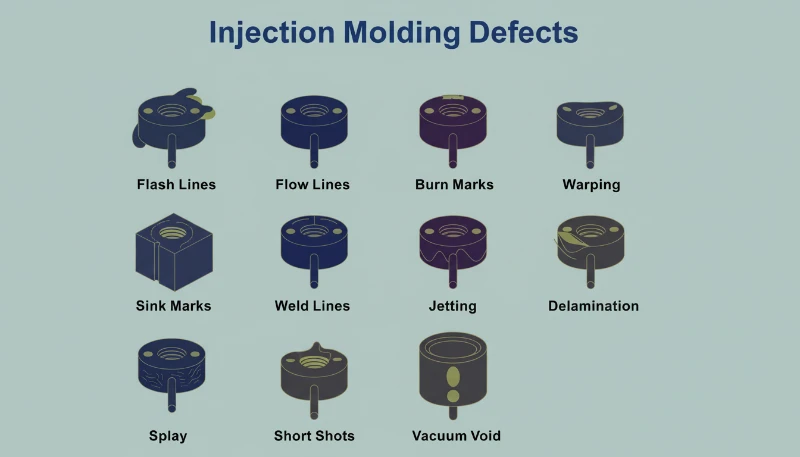
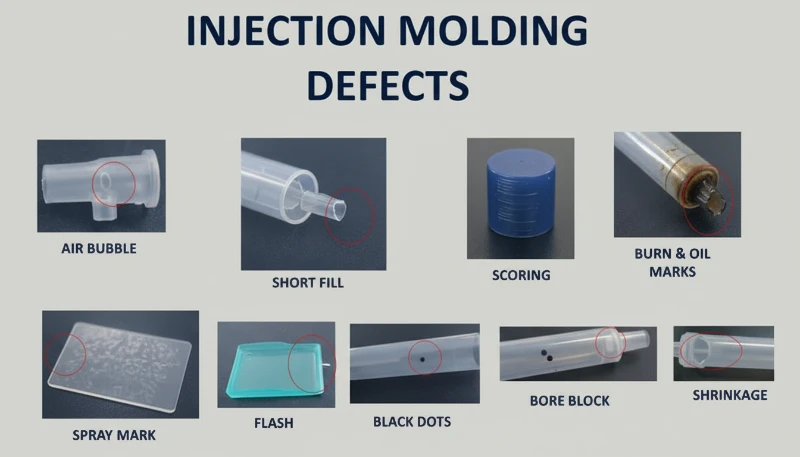
Plastic viscosity data reveals how injection speed affects flow resistance. Different materials respond differently to shear rates; some become less viscous with faster injection, others maintain stable viscosity. Without understanding this relationship5, you cannot optimize injection speed. We measure viscosity curves during process development and reference them when troubleshooting defects like jetting or short shots.
Cavity pressure data tells the real story of what happens inside the mold. Machine settings show what the pump does; cavity pressure shows what the plastic experiences. When a part sinks, cavity pressure curves reveal whether the problem is insufficient packing pressure, premature gate freeze, or cooling that’s too aggressive. We’ve seen countless cases where machine logs looked fine, but cavity pressure sensors exposed the root cause.
Production monitoring data provides early warning of process drift. Our 120+ production team members watch for trends, not just individual defects. If cycle time gradually increases or cavity pressure slowly declines, we investigate before bad parts accumulate. This proactive approach reduces scrap rates dramatically compared to reactive inspection.
Most importantly, documented data enables process transfer. When a customer needs production moved from our Shanghai facility to another location, the process sheet travels with the tool. The same data that proved process stability in qualification ensures the receiving facility reproduces identical parts. This capability has enabled us to support global customers shipping to worldwide destinations.
How Do You Implement Scientific Molding in Production?
Implementation requires commitment from management, investment in technology, and training across the organization. Rushing the process or skipping steps undermines the entire approach. Based on our experience implementing scientific molding across 45 machines, here’s a practical roadmap.
Start with Pilot Projects
Don’t attempt to convert your entire production floor at once. Select a representative tool, preferably one with known quality challenges, as a pilot project. This allows the team to learn the methodology without overwhelming pressure. Document every step, every decision, and every result. This pilot becomes the reference for future implementations.
Invest in Data Collection Tools
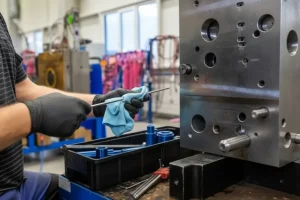
You need cavity pressure sensors, data logging capabilities, and analysis software. The investment pays for itself through reduced scrap, faster startups, and improved first article yield. For complex tools or critical dimensions, additional sensors like temperature probes in the mold may be necessary. We equip our mold shop with CNC machines, EDMs, and other precision equipment, but the sensors that collect process data are equally important.
Train Your Team
Scientific molding demands knowledge that traditional molding doesn’t require. Engineers must understand DOE, material science, and statistical process control. Operators need to read and interpret data, not just react to visual defects. With 30+ English-speaking project managers and a 10-person QC team, communication and training are integral to our operation. Without this knowledge foundation, data collection is useless people won’t know how to act on it.
Standardize Documentation
Create process sheet templates, report formats, and data storage conventions. Everyone should document the same way, in the same format. This consistency enables trend analysis across projects and facilities. When we transfer processes between our 90T and 1850T machines, standardized documentation ensures nothing gets lost in translation.
Establish Continuous Improvement Loops
Scientific molding isn’t a one-time project, it’s a culture. Regularly review process data, analyze defects, and update process windows. Encourage the team to question assumptions and propose experiments. The most valuable insights often come from production floor observations. With 70% of our production team having 10+ years of experience, we leverage their frontline knowledge continuously.

When Should You Use Scientific Injection Molding?
Not every project requires full scientific molding implementation. The methodology provides the most value for specific types of projects and quality requirements. Understanding when to invest in scientific molding versus when traditional methods suffice helps allocate resources effectively.
High-Tolerance Applications
Parts requiring dimensional tolerances tighter than ±0.05mm benefit significantly from scientific molding. The systematic process control ensures each cavity produces identical parts, which is crucial for tight-tolerance components. Medical devices, automotive connectors, and precision electronics fall into this category. Our ISO 13485 certification for medical manufacturing reflects the rigorous controls these applications demand.
Multi-Cavity Tools
Tools with 8, 16, or 32 cavities magnify process variations. What’s acceptable in a single-cavity tool becomes disastrous across multiple cavities. Scientific molding identifies and eliminates cavity-to-cavity variation by balancing flow, cooling, and packing. When you’re producing millions of parts annually on multi-cavity tools, even small variations accumulate into significant scrap.
Critical Safety Components
Parts whose failure causes safety hazards demand scientific molding. The data-driven approach provides objective evidence of process control, critical for regulatory compliance and liability protection. Automotive, aerospace, and medical industries often require this level of process documentation. Our ISO 9001, ISO 14001, and ISO 45001 certifications support customers’ quality system requirements.
Long Production Runs
Projects spanning years with consistent part specifications benefit from scientific molding’s repeatability. The documented process ensures that parts produced today match those from three years ago. This consistency simplifies design updates, customer approvals, and warranty claims. We’ve maintained processes for customer programs running continuously for over a decade.
Karmaşık Geometriler
Parts with thin walls, deep draws, or unusual flow paths present special challenges. Scientific molding’s systematic analysis reveals how these geometries affect flow and packing. Without this understanding, trial-and-error could consume months before finding a stable process. Our design and simulation skills, combined with physical process development, tackle these complex parts efficiently.
SSS
What Is the Main Benefit of Scientific Injection Molding?
The primary benefit is process repeatability. Scientific molding ensures parts produced today, tomorrow, and next year are identical. This repeatability reduces scrap, accelerates startups, and builds customer confidence.
How Long Does It Take to Implement Scientific Molding?
How Long Does It Take to Implement Scientific Molding?
Implementation varies by project complexity. Pilot projects typically require 2-4 weeks for process development and qualification. Full facility conversion may take 6-12 months, including team training and equipment upgrades. The investment in process development and training pays dividends through improved quality and reduced costs.
Is Scientific Molding Expensive?
Scientific molding requires upfront investment in sensors, software, and training. However, the return comes through reduced scrap, faster production ramp-ups, and fewer customer complaints. Most projects see positive ROI within the first year of production.
Can Scientific Molding Be Used With Any Material?
Yes, scientific molding principles apply to all thermoplastic materials. The specific process parameters vary by material; amorphous materials behave differently than semi-crystalline ones, but the methodology remains consistent across our 400+ material portfolio.
What Equipment Is Needed for Scientific Molding?
Essential equipment includes cavity pressure sensors, data acquisition systems, and analysis software. Modern injection molding machines with closed-loop control and monitoring capabilities facilitate implementation. Some applications benefit from additional sensors like mold temperature probes.
How Does Scientific Molding Affect Production Speed?
Scientific molding often increases production speed by optimizing cycle times. Once the process window is established and qualified, you can safely reduce cooling times or other cycle elements to the proven minimum. Data-driven decisions replace conservative estimates with actual minimum requirements.
What Training Do Operators Need for Scientific Molding?
Operators need training in reading and interpreting process data, understanding cause-and-effect relationships, and following documented procedures. They must recognize when to adjust parameters within the proven window and when to stop and involve engineers for problems outside that window.
Get a Free Quote for Your Project
ZetarMold brings 20+ years of injection molding experience, 45 machines ranging from 90T to 1850T, and ISO-certified quality systems to every project. Our Shanghai facility, in-house mold manufacturing capability, and team of 8 senior engineers ensure your project receives expert attention from design through production.
Whether you need precision scientific molding for high-tolerance medical components or consistent quality for long-running consumer products, we deliver. With 120+ production personnel and 30+ English-speaking project managers, communication and execution are seamless.
Contact us today for a free quote on your injection molding project. Let’s discuss how scientific molding can improve your part quality, reduce costs, and accelerate time to market.
enjeksiyon kalıplama | enjeksiyon kalıbı
-
The systematic approach to developing and controlling injection molding processes using measurable variables and data analysis rather than trial-and-error methods. ↩
-
A manufacturing process where molten plastic is injected into a mold cavity under high pressure to create precise plastic parts. ↩
-
A precision tool used in injection molding that defines the shape and features of the final plastic part, typically made of hardened steel with cooling channels and ejection systems. ↩
-
A systematic method of varying input parameters to observe output changes and optimize processes, used to establish robust process windows in scientific molding. ↩
-
The change in a fluid’s resistance to flow in response to shear rate, which varies by material and affects injection speed optimization in molding. ↩



 EN
EN  ES
ES  FR
FR  DE
DE  PT
PT  AR
AR  RU
RU  JA
JA  KO
KO  IT
IT  NL
NL  TR
TR  PL
PL