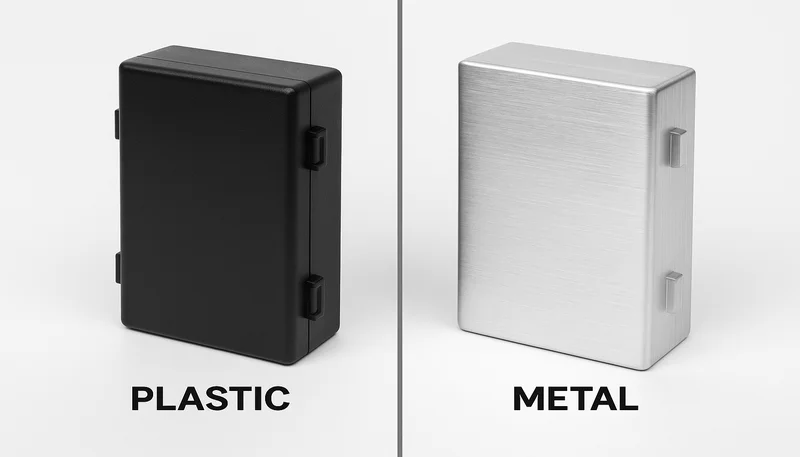
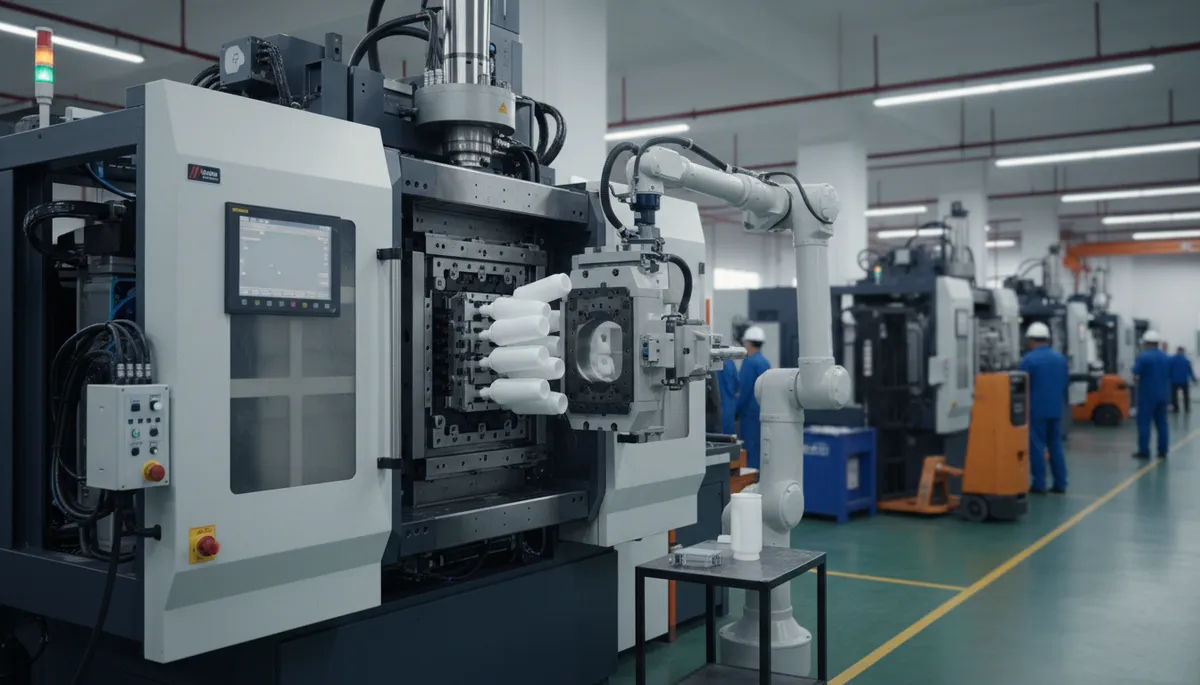
Enjeksiyon Kalıplama Tüketim Malları Üretiminde Neden Baskın Prosestir?
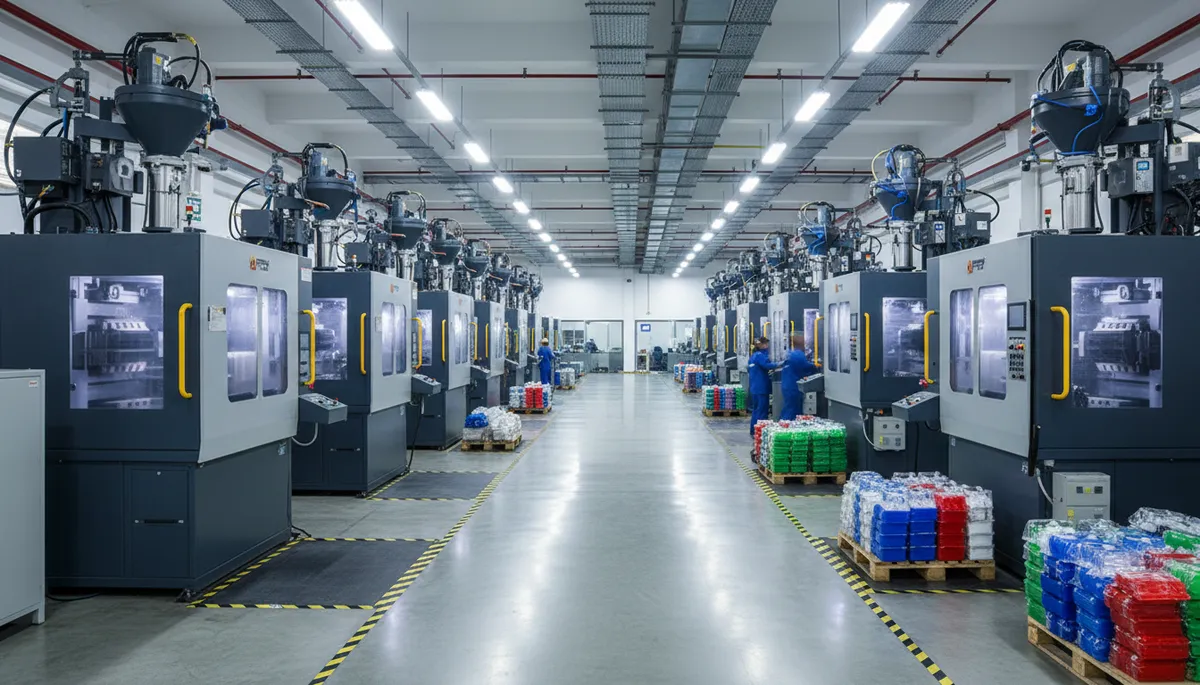
Enjeksiyon kalıplama1; yüksek hacim, düşük parça başı maliyet, tekrarlanabilir görsel kalite ve modern tüketici ürünlerinin gerektirdiği tasarım esnekliğini aynı anda sunabilen tek süreç olduğu için tüketim malları üretimine hâkimdir. Fabrikamızda gıda saklama kabı kapaklarından elektrik prizi kapaklarına ve oyuncak bileşenlerine kadar pek çok ürün ürettik; tümü erimiş plastiğin hassas çelik takımlara enjekte edilmesi, soğutulması ve bitmiş parçanın bir dakikadan kısa sürede çıkarılmasıyla imal edildi. Tüketim mallarının gerektirdiği ölçekte başka hiçbir üretim süreci bu hız, tutarlılık ve birim ekonomisi bileşimine yaklaşamaz.
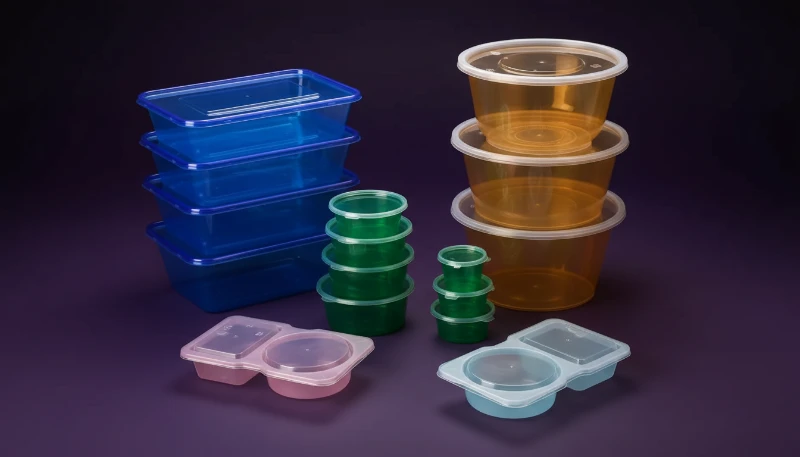
Tüketim malları sektörü sürekli ve yoğun bir maliyet rekabeti içindedir. Perakende fiyatları piyasa dinamikleriyle belirlenir ve üretim maliyeti, üreticilerin kontrol edebildiği az sayıdaki değişkenden biridir. Enjeksiyon kalıplama bu baskıyı doğrudan karşılar: kalıp yapıldıktan sonra parça başına malzeme ve makine süresi maliyeti çok düşüktür ve aynı kalıp aylarca aralıksız çalışabilir. Kalıp amortismanının avantaj sağladığı hacim eşiğini geçtikten sonra termoform veya rotasyon kalıplamadan enjeksiyon kalıplamaya geçen müşterilerin parça maliyetlerini %80 azalttığını gördük.
Enjeksiyon Kalıplama Tüketici Ürünlerinde Birim Başına Maliyeti Nasıl Düşürür?
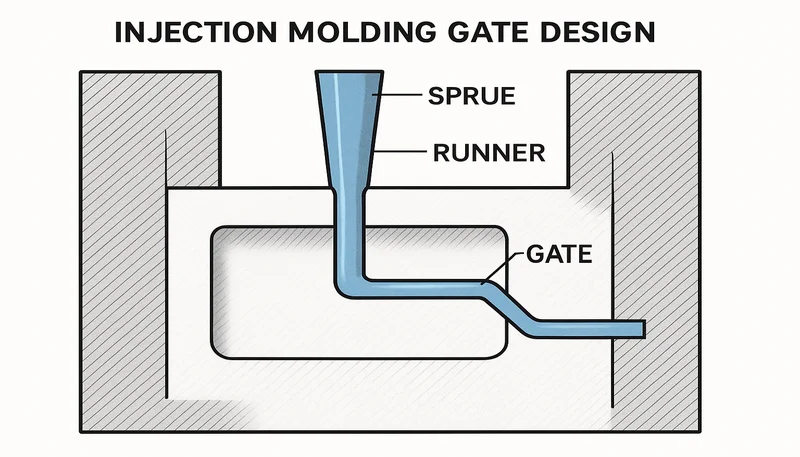
Enjeksiyon kalıplamada maliyet azalması birbirini güçlendiren birkaç etkenden kaynaklanır. Birincisi, çevrim süreleri kısadır — yüksek hacimli tüketici parçaları rutin olarak 15–30 saniyelik çevrimlerde çalışır; bu da tek bir enjeksiyon kalıplama makinesinin günde 1,000–4,000 baskı üretmesi demektir. İkincisi, çok kaviteli takım çıktıyı katlar: 16 kaviteli bir kalıp çevrim başına 16 özdeş parça üreterek makine maliyetini ve süresini fiilen 16’ya böler. Üçüncüsü, malzeme kullanımı yüksektir — sıcak yolluk sistemleri yolluk burçlarını ve yollukları tamamen ortadan kaldırıp erimiş plastiğin neredeyse tamamını kaviteye gönderir. Tüketici ambalajı uygulamalarındaki sıcak yolluk takımlarında düzenli olarak %95’in üzerinde malzeme kullanımına ulaşırız.
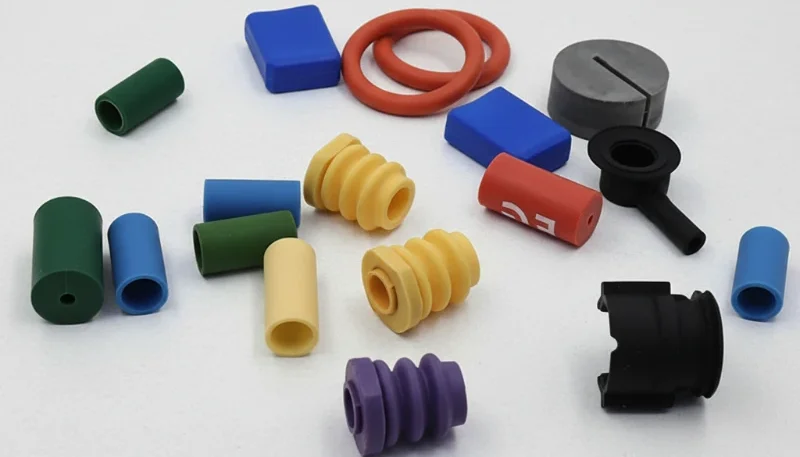
Aşağıdaki tablo, basit bir tüketici parçası (50 cm³ hacim, polipropilen) için farklı üretim proseslerindeki tipik maliyet ölçütlerini göstermektedir:
| Süreç | Kalıp Maliyeti | Çevrim Süresi | Parça Başına Maliyet @ 100K adet | Tasarım Karmaşıklığı |
|---|---|---|---|---|
| Enjeksiyon Kalıplama | $8,000–$50,000 | 15–30 sn | $0.05–$0.30 | Yüksek |
| Termoform | $2,000–$15,000 | 30–60 sn | $0.15–$0.80 | Düşük |
| Şişirme Kalıplama | $5,000–$30,000 | 20–60 sn | $0.10–$0.50 | Orta |
| Rotasyonel Kalıplama | $3,000–$20,000 | 10–20 min | $0.80–$4.00 | Orta |
| 3D Baskı (FDM) | Yok | 1–8 saat | $2.00–$20.00 | Çok Yüksek |
Enjeksiyon Kalıplama Tüketici Ürünü Mühendislerine Hangi Tasarım Avantajlarını Sunar?
Enjeksiyon kalıplama, tüketici ürünü tasarımcılarına son derece geniş bir araç seti sunar. Canlı menteşeler2 —parçayla bütünleşik kalıplanan ultra ince polipropilen esneme kesitleri— ayrı donanım gerektirmeden kapanan tek parçalı kapaklı ambalajlara, hap kutularına ve kap kapaklarına olanak tanır. Geçmeli bağlantılar, sıkı geçme bossları ve kendinden konumlanan montaj tırnakları doğrudan parçaya kalıplanarak vida, yapıştırıcı ve ikincil montaj adımlarını ortadan kaldırabilir. Deneyimlerimize göre iyi tasarlanmış enjeksiyon kalıplı bir tüketici parçası, eskiden üç parçadan oluşan mekanik bir tertibatı tek bir kalıplanmış bileşende birleştirebilir.
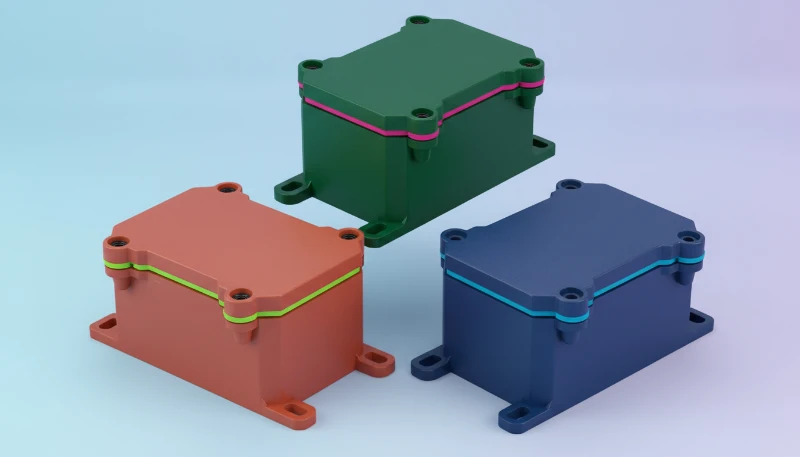
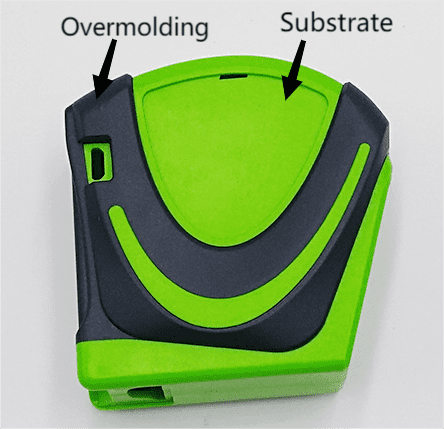
Yüzey kalitesi ve doku da aynı ölçüde güçlü tasarım araçlarıdır. SPI A1 sınıfı ayna yüzeyleri, mat dokuları, deri damarı desenlerini, kabartma logoları ve kavrama yüzeyleri gibi işlevsel dokuları doğrudan kalıp yüzeyinden oluşturabiliriz. Bu, birçok tüketici uygulamasında sonradan boyama veya doku uygulama ihtiyacını ortadan kaldırarak hem maliyeti hem de üretim adımlarını azaltır. İki bileşenli (2K) kalıplama, sert ve yumuşak dokunuşlu malzemelerin tek parçada birleştirilmesine olanak tanır — sert naylon maçalara ve TPE kavrama yüzeylerine sahip diş fırçası saplarını düşünün.
“Enjeksiyon kalıplama yalnızca bir milyon adedin üzerindeki çok büyük üretim serilerinde maliyet etkindir.”False
Enjeksiyon kalıplama yüksek hacimlerde en iyi ölçeklense de ekonomik uygulanabilirlik çok daha düşük miktarlarda başlar. Montaj, son işlem ve malzeme atığı dahil toplam parça maliyeti hesaba katıldığında karmaşık parçalarda enjeksiyon kalıplama 5,000–10,000 adet gibi düşük miktarlarda alternatif proseslerden daha iyi performans gösterebilir. Yumuşak takımlar ve alüminyum kalıplar, daha küçük tüketici ürünü serilerinin giriş eşiğini daha da düşürür.
“Çok kaviteli enjeksiyon kalıpları makine çevrimi başına çıktıyı 8x, 16x veya daha fazla artırabilir.”True
Çok gözlü takımlama tüketici ürünleri üretiminde standart uygulamadır. 20 saniyelik çevrimle küçük bir polipropilen kapak üreten 16 gözlü kalıp, her 20 saniyede 16 parça, tek makineden saatte 2,880 parça üretir. Enjeksiyon kalıplamanın tüketici ürünlerine hâkim olmasının nedeni budur: bu ölçekte çok gözlü üretim ekonomisi başka hiçbir süreçle eşleşmez.
Enjeksiyon Kalıplama Farklı Tüketici Uygulamaları İçin Malzeme Çeşitliliğini Nasıl Karşılar?
Tüketim malları sektörü çok geniş plastik malzeme yelpazesi kullanır ve enjeksiyon kalıplama ticari olarak mevcut neredeyse tüm termoplastiklerle çalışır. Fabrikamızda gıda kapları ve ambalaj için polipropilen (PP), elektronik muhafaza ve oyuncak için ABS, alet sapları ve mekanik parçalar için poliamid (naylon), güvenlik gözlüğü ve telefon kılıfı için polikarbonat, tutamak, conta ve yumuşak yüzey için TPE/TPU işleriz. Her malzeme farklı özellikler — darbe ve kimyasal direnç, şeffaflık, UV kararlılığı, gıda güvenliği uygunluğu — getirir ve enjeksiyon kalıplama her birine uyarlanır.
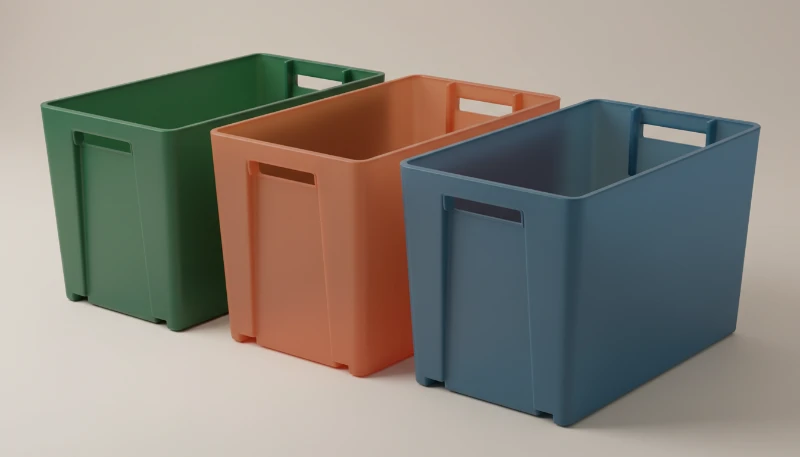
Gıdayla temas uyumluluğu mutfak ve ev ürünleri için kritik bir gereksinimdir. FDA uyumlu PP, PE ve polikarbonat sınıflarını stoklar, reçine partisinden bitmiş parçaya kadar belgelenmiş malzeme izlenebilirliğini koruruz. Tüketici ürünlerinde mevzuat uyumluluğu RoHS, REACH ve oyuncak güvenliği standartlarını (EN 71, ASTM F963) da kapsar; tüketim malları müşterilerimiz için bunların tümünü düzenli olarak yönetiriz.
| Malzeme | Anahtar Özellikler | Tipik Tüketici Uygulamaları | FDA Gıda Teması |
|---|---|---|---|
| Polipropilen (PP) | Kimyasallara dayanıklı, esnek, düşük maliyetli | Kaplar, kapaklar, ambalaj | Evet (gıdaya uygun sınıflar) |
| ABS | Darbeye dayanıklı, iyi yüzey kalitesi | Oyuncaklar, elektronik muhafazaları | Tüketici ürünleri için çeşitli renkli plastik kalıplanmış parçalar |
| Polikarbonat (PC) | Şeffaf, yüksek darbe dayanımlı | Koruyucu gözlükler, su şişeleri | Evet (BPA içermeyen sınıflar) |
| Naylon (PA6/PA66) | Güçlü, aşınmaya dirençli | Alet sapları, dişliler, klipsler | Tüketici ürünleri için çeşitli renkli plastik kalıplanmış parçalar |
| TPE/TPU | Esnek, yumuşak dokunuşlu, dayanıklı | Tutma yerleri, contalar, üzerine kalıplanmış parçalar | Evet (seçilmiş sınıflar) |
Enjeksiyon Kalıplama Tüketici Markalarına Hangi Kalite ve Tutarlılık Avantajlarını Sağlar?
Tüketici markalarının başarısı, kutu açma deneyiminin tutarlılığına bağlıdır. Yerine oturmayan bir kapak, üretim partileri arasında değişen yüzey dokusu veya sevkiyatlar arasında farklılaşan bir renk marka algısına zarar verir. Bilimsel kalıplama3 metodolojisiyle doğru kontrol edilen enjeksiyon kalıplama, başka hiçbir plastik işleme sürecinin erişemediği partiden partiye tutarlılık sağlar. Her çevrimde boşluk basıncını, eriyik sıcaklığını ve dolum süresini izleriz; istatistiksel süreç kontrol sistemlerimiz, uygunsuz parçalar üretilmeden önce sapmaları işaretler.
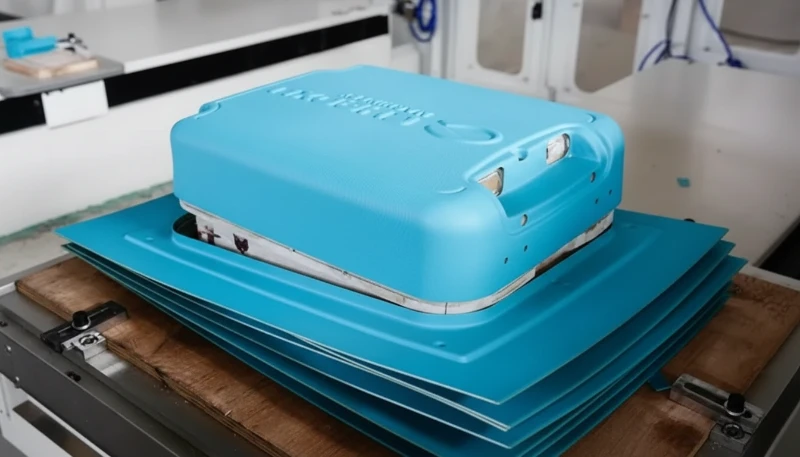
Renk eşleştirme özel bir gücümüzdür. Pantone veya RAL referanslarına göre kalibre edilmiş konsantreler kullanır, spektrofotometrelerle onaylı numunelere karşı doğrularız. Marka rengi olan belirli kırmızı veya maviyi milyonlarca parçada korumak ancak disiplinli malzeme yönetimiyle mümkündür.
“Enjeksiyon kalıplama, seçkin tüketici ürünleri için gereken ince yüzey ayrıntılarını elde edemez.”False
Enjeksiyon kalıplama, olağanüstü ince yüzey ayrıntılarını doğrudan kalıptan elde edebilir. 0.01 mm inceliğindeki özellikler parlatılmış çelik takımlardan kopyalanabilir. Ayna parlaklığında SPI A1 yüzeyler, mikro dokulu mat yüzeyler ve jilet keskinliğinde logo yazıları tüketici elektroniği ve kişisel bakım ürünü imalatında rutin olarak üretilir.
“Bilimsel kalıplama metodolojisi, tüketici ürünlerindeki kusur oranlarını %0,1'in altına düşürebilir.”True
Bilimsel kalıplama, geniş proses toleransına sahip sağlam kalıplama pencereleri oluşturmak için veriye dayalı proses geliştirmeyi kullanır. Dolum, ütüleme ve soğutma aşamalarını birbirinden ayırıp her birini bağımsız olarak optimize ederek, iyi karakterize edilmiş kalıplarda hata oranları rutin olarak 500 ppm'nin (0.05%) altına düşer. Bu, yeniden işlemenin pratik olmadığı ve müşteri iadelerinin pahalı olduğu tüketim malları için kritik önemdedir.
Tüketici Ürünlerinde Enjeksiyon Kalıplama Hakkında Sık Sorulan Sorular
S: Bir tüketici ürünü için enjeksiyon kalıbı takım yatırımını haklı çıkaracak minimum üretim hacmi nedir?Genel bir kural olarak enjeksiyon kalıbı takımları, orta derecede karmaşık tüketici parçalarında yılda yaklaşık 5,000–10,000 adette ekonomik olarak gerekçelendirilebilir. Düşük maliyetli alüminyum takımlara sahip daha basit biçimlerde eşik 1,000–2,000 adede kadar düşebilir. Müşterilerin kendi ürünlerine özgü geçiş noktasını belirlemek için takım, malzeme, makine süresi ve ikincil işlemleri içeren toplam yaşam döngüsü maliyetini modellemesine yardımcı oluyoruz.
S: Enjeksiyon kalıplama, boyama olmadan birden fazla renkte parçalar üretebilir mi?Evet, iki şekilde. Birincisi, reçine kalıplama öncesinde masterbatch veya bileşik renkle önceden renklendirilebilir. İkincisi, çift enjeksiyonlu (2K) ya da insert kalıplama iki farklı renkteki malzemenin tek parçada birleştirilmesini sağlar. Çoğu tüketim malında masterbatch ile renklendirme standart yaklaşımdır; ekonomiktir, tutarlıdır ve hemen her renk şartnamesinde bulunur.
S: Enjeksiyonla kalıplanmış tüketici ürünleri ne kadar dayanıklıdır?Dayanıklılık, malzeme seçimine ve parça tasarımına bağlıdır. Polikarbonat, naylon ve ABS, normal kullanım koşullarında 10+ yıl hizmet ömrüne sahip tüketici parçaları üretebilir. Kalıplanmış tüketici parçalarının hedeflenen hizmet ömrünü karşıladığını doğrulamak için ürün validasyonu sırasında rutin olarak hızlandırılmış yaşlandırma testleri — UV maruziyeti, termal çevrim ve düşürme testi — gerçekleştiriyoruz.
S: Enjeksiyon kalıplama, gıdayla temas eden tüketici ürünleri için uygun mudur?Kesinlikle. FDA uyumlu polipropilen, polietilen ve BPA içermeyen polikarbonat, gıdayla temas uygulamaları için standart enjeksiyon kalıplama malzemeleridir. Gıda sınıfı tüm malzemeler için parti izlenebilirliğini koruyor ve gıdayla temas eden tüketim ürünleri müşterilerimiz için FDA 21 CFR ve EU 10/2011 uygunluğunu destekleyen belgeler hazırlıyoruz.
S: Tüketim malları enjeksiyon kalıbı takımları için ne kadar teslim süresi beklemeliyim?Tek kaviteli bir çelik kalıp için tipik takım teslim süresi 4–6 haftadır. Yüksek hacimli tüketim malları için çok kaviteli kalıplar genellikle 6–10 hafta sürer. Alüminyum prototip kalıpları 2–3 haftada teslim edilebilir. Takım teslim süresi genellikle kritik yol öğesi olduğundan bunu tüketici ürünü lansman zaman çizelgelerine dâhil etmenizi öneriyoruz.
S: Enjeksiyon kalıplı tüketici ürünlerinde geri dönüştürülmüş plastik kullanabilir miyiz?Evet ve buna yönelik talebin arttığını görüyoruz. Tüketici sonrası geri dönüştürülmüş (PCR) polipropilen ve PET, görünüm ile mekanik gereksinimlerin izin verdiği tüketim ürünü uygulamalarında artık rutin olarak kullanılmaktadır. Tüketici markalarının ambalaj ürünlerinde kabul edilebilir kozmetik kaliteyi korurken %30–50 PCR içeriğine ulaşmasına yardımcı olduk.
Özet
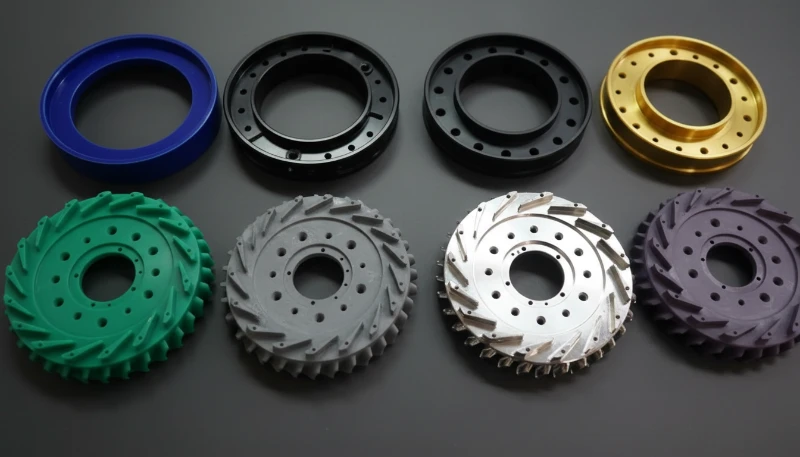
Enjeksiyon kalıplama, güçlü nedenlerle tüketim malları üretiminin temelidir: tüketici pazarlarının talep ettiği düşük birim maliyet, tasarım karmaşıklığı, görsel kalite ve üretim hızı bileşimini başka hiçbir süreç sunamaz. 15 saniyelik çevrimlerden saatte binlerce parça üreten çok gözlü takımlara; entegre canlı menteşelerin, geçmeli bağlantıların ve iki bileşenli üst kalıplamanın sağladığı tasarım özgürlüğüne kadar enjeksiyon kalıplama, tüketici markalarının beklenen fiyatlarla yüksek kaliteli ürünler sunmasını sürekli mümkün kılar. Fabrikamızda bilimsel kalıplama ilkelerini uygulayarak milyonlarca parçalık üretimlerde hata oranını %0,1’in altında tutuyoruz; tüketici markalarının kalite programları bu tutarlılığı gerektirir. Plastikten bir tüketici ürünü geliştiriyor ve yılda 5.000 adedin üzerinde hacim hedefliyorsanız ilk üretim görüşmeniz enjeksiyon kalıplama üzerine olmalıdır. Kapsamlı bir genel bakış için Enjeksiyon Kalıplama Eksiksiz Kılavuzumuza göz atın. Kapsamlı bir genel bakış için Enjeksiyon Kalıplama Eksiksiz Kılavuzumuza göz atın.
-
Enjeksiyon Kalıplama: Erimiş termoplastik malzemenin basınç altında hassas bir çelik veya alüminyum kalıp boşluğuna enjekte edildiği, soğutulduğu ve bitmiş parça olarak çıkarıldığı üretim süreci; yüksek hacimli plastik tüketim malları üretiminde baskın yöntemdir. ↩
-
Canlı Menteşe: Parçayla bütünleşik kalıplanan, kırılmadan tekrar tekrar esnemesini sağlayan, genellikle polipropilenden yapılmış ince ve esnek plastik kesit; kapaklı ambalajlarda, kap kapaklarında ve menteşeli tüketici ürünü muhafazalarında yaygın olarak kullanılır. ↩
-
Bilimsel Kalıplama: En düşük hata oranıyla sağlam ve tekrarlanabilir bir kalıplama penceresi oluşturmak için dolum, ütüleme ve soğutma aşamalarını birbirinden bağımsız olarak sistematik biçimde karakterize edip optimize eden, veriye dayalı enjeksiyon kalıplama süreci geliştirme metodolojisi. ↩
ZetarMold mühendislik ekibinden rekabetçi fiyat, DFM geri bildirimi ve üretim zaman çizelgesi alın.