 Перейти к содержанию

Сравнение термоформования и литья под давлением
Thermoforming offers significantly lower tooling costs ($5,000-$50,000) compared to injection molding ($15,000-$500,000+)
Injection molding excels at complex geometries, tight tolerances, and high volumes while thermoforming suits larger parts and lower quantities
Volume breakpoints typically favor thermoforming under 50,000 units and injection molding above 100,000 units annually
Material selection is broader in injection molding with over 400 resin options versus thermoforming’s limited sheet material choices
After spending nearly two decades working with both литьё под давлением1 and thermoforming processes, I’ve seen countless engineers struggle with choosing the right manufacturing method for their projects. The decision often comes down to more than just cost – it’s about understanding how each process works, their limitations, and where they truly shine.
Let me walk you through the real differences between these two plastic forming processes. I’ll skip the marketing fluff and give you the practical engineering perspective you need to make informed decisions for your next project.
What Is the Difference Between Thermoforming and Injection Molding?
The fundamental difference lies in how each process shapes plastic. Thermoforming starts with a flat plastic sheet that gets heated until pliable, then stretched or pressed over a mold using vacuum, pressure, or mechanical force. Think of it like stretching warm taffy over a form.
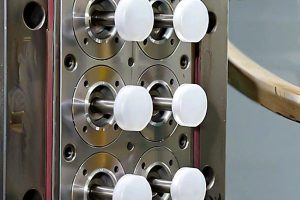
Injection molding takes a completely different approach. Plastic pellets get melted in a heated barrel, then injected under high pressure into a closed полость пресс-формы2. The material fills every corner of the mold before cooling and solidifying into the final shape.
These different approaches create distinct advantages and limitations. Thermoforming excels at creating large, relatively simple parts with consistent wall thickness. You’ll see it used for aircraft interior panels, medical device housings, and automotive dashboards. The process is forgiving and allows for design changes without massive tooling investments.
Injection molding dominates when you need complex geometries, multiple wall thicknesses, integrated features, or tight tolerances. It’s the go-to process for everything from smartphone cases to automotive components that require precise fitment.
From a production standpoint, thermoforming cycles tend to be longer – often 60 to 300 seconds depending on part size and material thickness. Injection molding cycles are typically much faster, ranging from 15 to 120 seconds for most parts. This speed difference becomes crucial when evaluating high-volume production scenarios.
How Do Tooling Costs Compare Between Thermoforming and Injection Molding?
This is where thermoforming really shines, especially for prototyping and low-volume production. Thermoforming tools are relatively simple – often just a single-sided mold made from aluminum, wood, or even 3D-printed materials for prototyping. Basic thermoforming tools can cost anywhere from $5,000 to $50,000, depending on part size and complexity.

Injection molding tools are far more complex and expensive. You’re looking at precision-machined steel molds with intricate cooling channels, ejection systems, and often multiple cavities. Entry-level injection molds start around $15,000 for very simple parts, but quickly escalate to $100,000-$500,000 for complex, multi-cavity production tools.
I’ve worked on projects where a simple thermoformed enclosure cost $12,000 to tool, while an equivalent injection-molded part would have required a $75,000 mold. However, the injection-molded version could produce parts in 30-second cycles versus 180-second cycles for thermoforming.
The tooling timeline also differs significantly. Simple thermoforming tools can be completed in 2-4 weeks, while injection molds typically require 6-16 weeks depending on complexity. For urgent projects or market testing scenarios, this timeline difference can be decisive.
One factor often overlooked is tooling modification costs. Making changes to a thermoforming tool might cost $2,000-$5,000, while modifying an injection mold can easily run $10,000-$50,000 or more. This flexibility makes thermoforming attractive during product development phases where design iterations are common.
Which Process Handles Complex Geometries Better?
Injection molding wins this category decisively. The high-pressure injection process forces molten material into every corner, undercut, and fine detail of the mold. You can achieve wall thickness variations from 0.5mm to 25mm in the same part, create living hinges, integrate threaded inserts, and mold multiple materials simultaneously.
Thermoforming faces inherent geometric limitations. Since you’re stretching a heated sheet over a form, you’re limited to shapes that can be formed by stretching. Deep draws, sharp corners, and undercuts are problematic. The process works best with parts that have a relatively uniform wall thickness and gradual transitions.
Draft angles illustrate this difference clearly. Injection molding can achieve draft angles as low as 0.5 degrees in some cases, while thermoforming typically requires 3-7 degrees minimum. This affects how your final product looks and functions, especially for consumer-facing applications.
Feature integration is another area where injection molding excels. You can mold in threaded bosses, living hinges, snap-fit features, and text/logos all in one shot. With thermoforming, these features usually require secondary operations like machining, bonding, or welding.
However, thermoforming has one geometric advantage – part size. I’ve seen thermoformed parts over 10 feet long, which would be impossible or prohibitively expensive to injection mold. Large aircraft interior panels, bathtub surrounds, and truck bed liners are natural fits for thermoforming.
Surface finish quality also differs between processes. Injection molding can achieve mirror finishes, fine textures, and precise surface details directly from the mold. Thermoforming surface quality depends heavily on the original sheet material and often requires secondary finishing operations for cosmetic applications.
What Are the Volume Breakpoints for Each Process?
The volume question isn’t straightforward because it depends on part complexity, size, and material costs. However, I can share some general guidelines based on real-world projects I’ve managed over the years.

For volumes under 10,000 parts annually, thermoforming often makes economic sense due to lower tooling costs. The higher per-part cost gets offset by the minimal upfront investment. I’ve worked on medical device housings where we produced 5,000 units annually via thermoforming for seven years before the accumulated volume justified switching to injection molding.
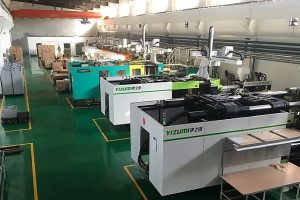
The crossover point typically occurs between 50,000-100,000 parts per year, depending on part complexity and material costs. Above 100,000 units annually, injection molding’s faster cycle times and lower per-part costs usually win out. With our facility’s 47 injection molding machines running multi-cavity molds, we can produce hundreds of thousands of parts monthly when needed.
Part size significantly affects these calculations. Large parts favor thermoforming longer because injection molding machines capable of handling large parts are expensive to operate. A dashboard panel that’s 3 feet wide might stay cost-effective in thermoforming up to 200,000 units annually.
Material costs also influence the breakpoint. Thermoforming typically generates 15-30% material waste from trimming operations, while injection molding can achieve near-zero waste with proper runner design. For expensive materials like medical-grade polymers or high-performance engineering plastics, this waste factor pushes the volume breakpoint lower.
Labor content is another consideration often missed in simple cost analyses. Thermoforming typically requires more manual handling and trimming operations, while injection molding can be highly automated. As labor costs increase, this factor favors injection molding at lower volumes than pure material costs would suggest.
How Do Material Options Compare Between Both Processes?
This is where injection molding demonstrates its versatility. Our material library includes over 400 different resin formulations, from commodity plastics like polyethylene and polystyrene to exotic engineering polymers like PEEK and liquid crystal polymers. If it melts and flows, we can probably injection mold it.
Thermoforming faces material limitations because you’re constrained to what’s available in sheet form. The sheet extrusion process limits thickness uniformity and material selection. While you can find sheets in many common materials like ABS, polystyrene, and polyethylene, specialized formulations are often unavailable or extremely expensive.
Filled materials illustrate this difference well. In injection molding, we regularly process glass-filled nylons, carbon-fiber reinforced composites, and mineral-filled engineering plastics. These materials provide exceptional strength and stiffness. Thermoforming struggles with heavily filled materials because the fillers interfere with the stretching process and can cause sheet defects.
Multi-material capabilities strongly favor injection molding. Two-shot molding allows us to combine rigid and soft materials, different colors, or materials with different properties in a single part. Thermoforming is limited to single materials, though you can sometimes bond different materials together in secondary operations.
Material thickness control is more precise in injection molding. We can control wall thickness to ±0.05mm in critical areas, while thermoformed parts typically show 20-40% thickness variation due to the stretching process. This affects part strength, appearance, and material usage calculations.
Recycled content integration works differently between processes. Injection molding can incorporate recycled materials more easily because the melting process helps homogenize the material. Thermoforming requires pre-processed recycled sheets, limiting options and often increasing costs for sustainable material choices.
When Does Thermoforming Make More Sense Than Injection Molding?
Despite injection molding’s advantages in many areas, thermoforming remains the smart choice for specific applications. Large parts represent the most obvious scenario. When you need parts larger than 24 inches in any dimension, thermoforming becomes increasingly attractive due to machine size limitations and tooling costs in injection molding.

Термоформование против литья под давлением
Parts requiring transparent materials with optical clarity work well with thermoforming. The process can maintain excellent optical properties from the original sheet material, while injection molding often introduces flow lines, gate marks, or surface imperfections that affect transparency.
Deep-draw applications suit thermoforming perfectly. Creating parts where the depth exceeds the width – like disposable cups, food containers, or equipment housings – plays to thermoforming’s strengths. The stretching action helps create uniform wall thickness in these geometries.
Time-sensitive projects benefit from thermoforming’s speed advantages. If you need production parts in 4-6 weeks, thermoforming tools can be completed while injection molds are still in the design phase. Market introduction timing often matters more than optimized per-part costs.
Cost-sensitive applications with moderate volumes represent another sweet spot. For annual volumes between 10,000-75,000 parts where every dollar matters, thermoforming’s lower tooling investment can provide better return on investment despite higher per-part costs.
What Are the Most Frequently Asked Questions About Thermoforming vs Injection Molding?
Могут ли термоформованные детали достигать таких же допусков, как литьевые под давлением?
Generally no, thermoformed parts cannot match injection molding tolerances. Injection molding typically achieves ±0.002-0.005 inches on critical dimensions, while thermoforming usually holds ±0.010-0.030 inches due to material stretching variations. However, secondary machining can improve thermoformed part tolerances to ±0.005 inches in critical areas. The choice depends on whether your application requires tight tolerances throughout the part or only in specific areas that can be machined after forming.
Какой процесс обеспечивает более короткие сроки от проектирования до производства?
Thermoforming typically offers faster lead times, especially for prototyping and low-volume production. Simple thermoforming tools can be completed in 2-4 weeks, while injection molds require 6-16 weeks depending on complexity. However, once production begins, injection molding’s faster cycle times can quickly make up the difference in total project timeline. For urgent market introductions or product testing scenarios, thermoforming’s speed advantage in tooling often proves decisive in getting products to market faster.
Как сравниваются варианты обработки поверхности между двумя процессами?
Injection molding offers superior surface finish control and variety. You can achieve mirror finishes, fine textures, logos, and precise surface details directly from the mold surface. Thermoforming surface quality depends on the original sheet material and typically requires secondary operations for cosmetic applications. However, thermoforming can maintain excellent optical clarity for transparent parts since it doesn’t introduce gate marks or flow lines that injection molding can create. The choice depends on your specific surface requirements and whether secondary finishing operations fit your production plan.
А как насчет воздействия на окружающую среду и отходов материалов между процессами?
Injection molding generally produces less material waste, achieving near-zero waste with proper runner design and regrind systems. Thermoforming typically generates 15-30% material waste from trimming operations, though this waste can often be recycled back into sheet production. However, thermoforming requires less energy per part for simple geometries since you’re only heating and forming rather than melting and cooling. The environmental impact depends on your specific part geometry, production volume, and local recycling capabilities.
Могу ли я перейти с термоформования на литье под давлением позже, когда объемы увеличатся?
Yes, this transition strategy works well for many products. Starting with thermoforming allows faster market entry and design validation with lower initial investment. However, plan this transition carefully because part geometries that work well for thermoforming may need modification for injection molding. Wall thickness, draft angles, and feature integration often require design changes. I recommend designing with both processes in mind from the start, or at least validating that your thermoformed design can be adapted for injection molding when volumes justify the switch.
Как сравниваются процессы для производства медицинских устройств?
Both processes work well for medical devices, but each has specific advantages. Литье под давлением3 excels for complex devices requiring precise fitment, integrated features, and biocompatible materials like medical-grade nylons or PEEK. Thermoforming works well for device housings, trays, and packaging where biocompatibility, chemical resistance, and clarity are important. Both processes can meet FDA requirements and ISO 13485 quality standards with proper validation and documentation. Material traceability and cleanroom production capabilities are available for both processes at qualified facilities.
Какие факторы следует приоритезировать при выборе между этими процессами?
Start with your volume requirements and timeline constraints, as these often eliminate one option immediately. Then evaluate part geometry complexity, tolerance requirements, and material needs. Consider total cost of ownership including tooling, per-part costs, and potential design changes rather than just initial tooling investment. Factor in your production location preferences, quality requirements, and any regulatory constraints. Finally, think about your product lifecycle – will volumes change significantly over time, requiring process flexibility? Most successful projects prioritize 2-3 critical factors rather than trying to optimize everything simultaneously.
Чем отличаются возможности автоматизации в термоформовке и литье под давлением?
Injection molding offers superior automation potential with robotic part removal, automated quality inspection, and integrated packaging systems. Modern injection molding cells can run lights-out for extended periods with minimal operator intervention. Thermoforming traditionally requires more manual handling for loading sheets, trimming parts, and quality inspection, though newer equipment offers increased automation capabilities. However, thermoforming’s simpler process can be easier to troubleshoot and maintain. Your labor costs, production volume, and desired automation level should influence this decision significantly.
Why Choose ZetarMold for Your Injection Molding Needs?
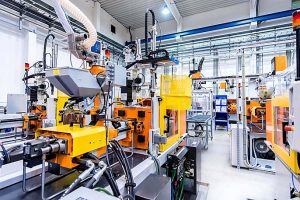
While both thermoforming and injection molding have their place in modern manufacturing, our expertise lies in maximizing injection molding’s capabilities for complex, high-quality parts. With nearly two decades of experience and 47 injection molding machines in our Shanghai facility, we’ve refined our processes to deliver consistent results across industries from medical devices to automotive components.
Our team of 8 engineers works closely with clients to optimize designs for manufacturability, helping you avoid common pitfalls that can derail injection molding projects. Whether you’re transitioning from thermoforming due to increasing volumes or starting fresh with injection molding, we provide the technical expertise and production capabilities to ensure your project’s success. With ISO 9001, 13485, 14001, and 45001 certifications and over 30 English-speaking team members, communication and quality remain consistent throughout your project lifecycle.
Need a Quote for Your Injection Molding Project?
Get competitive pricing, DFM feedback within 48 hours, and production timelines from ZetarMold’s engineering team.
-
Процесс литья под давлением: A manufacturing process where molten plastic material is injected under high pressure into a closed mold cavity, allowing for precise replication of complex geometries with tight tolerances and excellent surface finish quality. ↩
-
Полость пресс-формы: The hollow space within an injection mold that defines the final part geometry, including all features, surfaces, and dimensional requirements that will be replicated in the molded plastic component. ↩
-
Medical Grade Manufacturing: Specialized injection molding services that comply with FDA regulations and ISO 13485 standards, utilizing biocompatible materials and validated processes for medical device and pharmaceutical applications. ↩



 EN
EN  ES
ES  FR
FR  DE
DE  PT
PT  AR
AR  RU
RU  JA
JA  KO
KO  IT
IT  NL
NL  TR
TR  PL
PL 