Po przeprowadzeniu audytów ponad 200 dostawców formowania wtryskowego w Chinach, Wietnamie i Meksyku widziałem, jak zespoły ds. zaopatrzenia powtarzają te same kosztowne błędy. Te uchybienia podczas audytów prowadzą do 6-miesięcznych opóźnień, 40% wskaźników poprawek i zniszczenia relacji z dostawcami, czego można było uniknąć dzięki odpowiednim technikom kontroli. Niezależnie od tego, czy potrzebujesz kompleksowego przewodnika po formowaniu wtryskowym, czy jesteś już głęboko zaangażowany w pozyskiwanie dostawców, te wnioski z audytów mają bezpośrednie zastosowanie w Twoim programie.
- Większość audytów pomija kluczowe rejestry konserwacji maszyn i dane o ich możliwościach
- Luki w dokumentacji powodują 60% problemów jakościowych po udzieleniu zamówienia
- Rezygnacja z dostawcy kosztuje mniej niż naprawianie złych relacji z nim
- Weryfikacja rzeczywistych mocy produkcyjnych zapobiega 80% opóźnień dostaw
Dlaczego większość audytów fabryki nie wykrywa krytycznych problemów?
Głównym powodem niepowodzenia większości audytów fabryk jest skupienie się na powierzchownej czystości zamiast na możliwościach technicznych i systemach kontroli procesu. Z naszego doświadczenia w audytowaniu dostawców dla klientów z listy Fortune 500 wynika, że 70% zespołów audytowych poświęca zbyt dużo czasu organizacji 5S, a za mało walidacji rzeczywistych procesów formowania. Widzieliśmy doskonale zorganizowane fabryki, które za nic nie potrafiły utrzymać tolerancji 0.05mm. Najbardziej szkodliwym przeoczeniem, z jakim się spotykamy, jest przyjmowanie badań zdolności procesu bez zastrzeżeń i bez obserwacji rzeczywistych serii produkcyjnych. Jeden z klientów z branży motoryzacyjnej przekonał się o tym boleśnie, gdy zatwierdzony przez niego dostawca nie potrafił utrzymać krytycznych wymiarów podczas pełnej produkcji, mimo że podczas audytu przedstawił doskonałe badania Cpk (wskaźnika zdolności procesu)1.
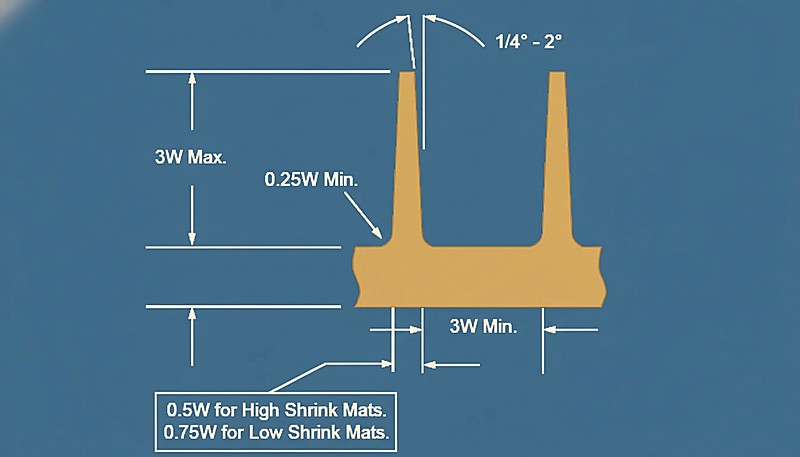
Szersze omówienie projektowania form wtryskowych znajdziesz w naszym głównym przewodniku, który obejmuje konstrukcję oprzyrządowania, kontrolę cieplną i kompromisy związane z wykonalnością produkcji.
14-tygodniowego opóźnienia i $180,000 przyspieszonych kosztów oprzyrządowania można było uniknąć, wymagając walidacji procesu na żywo podczas początkowego audytu.
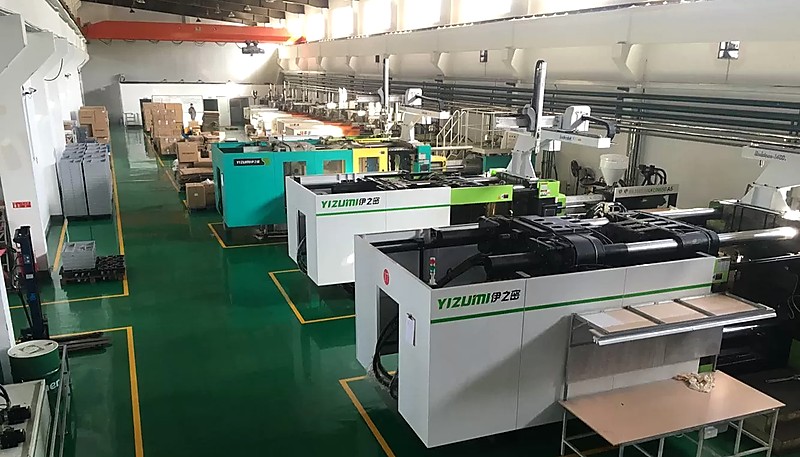
W naszej fabryce w Szanghaju używamy 47 wtryskarek od 90T do 1850T i prowadzimy szczegółowe rejestry każdej z nich. Podczas wizyty zespoły audytowe mogą osobiście sprawdzić nasze harmonogramy konserwacji zapobiegawczej, badania czasu cyklu i dane statystycznej kontroli procesu.
Co należy sprawdzić najpierw podczas audytu dostawcy formowania wtryskowego?
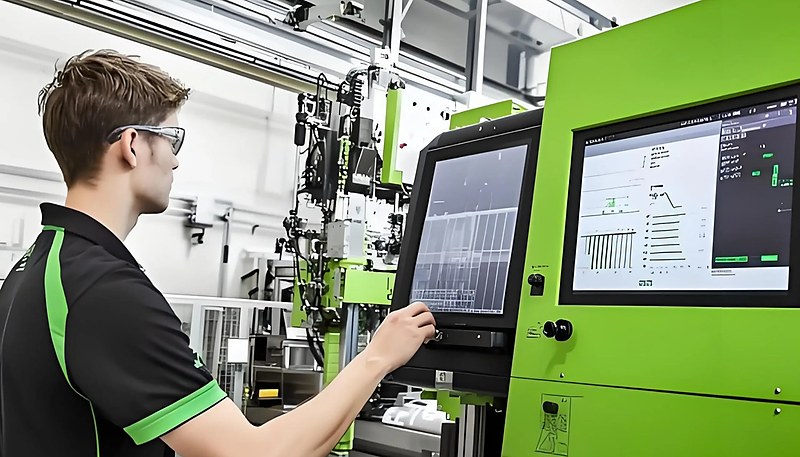
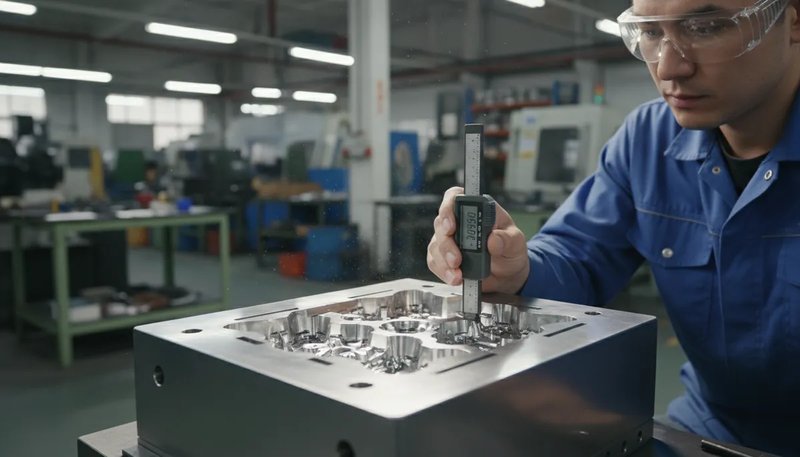
W pierwszej kolejności należy sprawdzić wtryskarki — a konkretnie rejestry konserwacji, liczniki wtrysków i systemy kontroli temperatury. Zawsze rozpoczynamy oceny techniczne od sprawdzenia stanu maszyn, ponieważ wszystko na dalszych etapach zależy od stabilności przetwórstwa. W naszym zakładzie w Szanghaju używamy 47 wtryskarek od 90T do 1850T i możemy pokazać dokładną historię konserwacji każdej z nich.
Rozsądni audytorzy najpierw proszą o trzy konkretne dokumenty: harmonogramy konserwacji zapobiegawczej, rejestry przestojów maszyn z ostatnich 12 miesięcy oraz świadectwa kalibracji regulatorów temperatury. Jeśli dostawca nie może ich natychmiast przedstawić, jest to pierwszy sygnał ostrzegawczy. Następnie sprawdź jego rzeczywiste karty procesowe i procedury ustawiania maszyn.
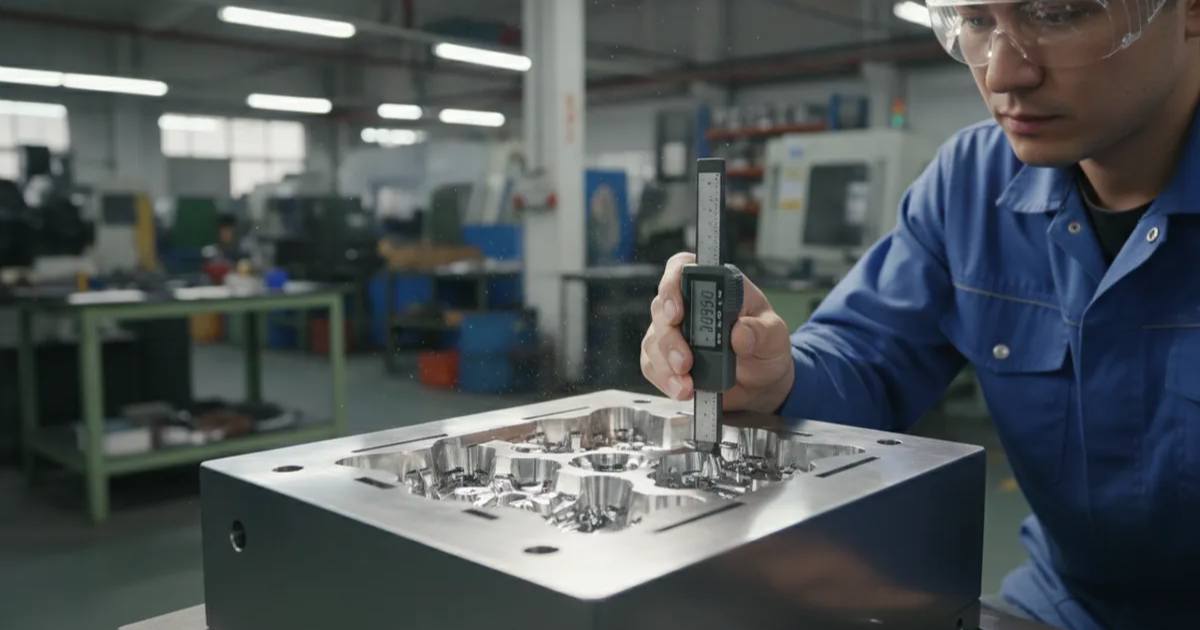
Prowadzimy szczegółową dokumentację parametrów formowania dla każdej produkowanej części, w tym temperatur cylindra, prędkości wtrysku, ciśnienia docisku i czasu cyklu. Wielu dostawców pokaże Ci piękne, profesjonalnie wyglądające karty procesowe, których w rzeczywistości nikt nie używa na hali produkcyjnej. Poproś o zużyte, opisane egzemplarze, z których faktycznie korzystają operatorzy. Na koniec, zanim sprawdzisz cokolwiek innego, skontroluj ich wyposażenie pomiarowe i badawcze. Przechowujemy świadectwa kalibracji wszystkich naszych maszyn CMM, suwmierek i narzędzi do kontroli wymiarowej. Jeśli wyposażenie pomiarowe dostawcy nie jest prawidłowo skalibrowane, wszystkie dane o zdolności procesu są bezwartościowe.
Jak możliwości maszyn wpływają na jakość Twojego produktu?
Możliwości maszyn są głównym czynnikiem decydującym o jakości części poprzez powtarzalność i stabilność procesu. Z naszej analizy ponad 15,000 cykli produkcyjnych na różnych typach maszyn wynika, że nowsze maszyny z napędem serwo zwykle osiągają 2-3x lepszą spójność wymiarową niż starsze jednostki hydrauliczne. Powtarzalność kolejnych wtrysków staje się kluczowa w zastosowaniach o wąskich tolerancjach. Mierzymy zmienność ciśnienia wtrysku, spójność prędkości i stabilność temperatury w kolejnych seriach produkcyjnych. Z naszego doświadczenia wynika, że maszyny o współczynniku zmienności kluczowych parametrów powyżej 3% zwykle generują o 15-20% wyższy wskaźnik braków.
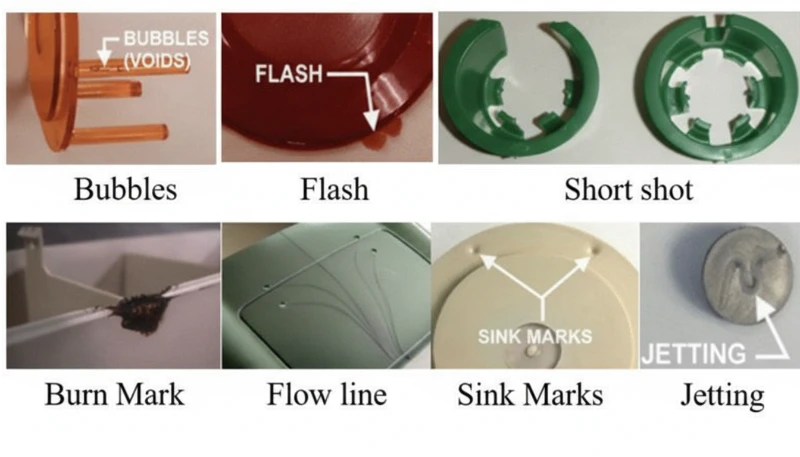
Równie ważny jest dobór tonażu. Widzimy dostawców, którzy próbują produkować duże części na zbyt małych maszynach, co prowadzi do niepełnego wypełnienia i zapadnięć, albo małe części na zbyt dużych maszynach, co powoduje wypływki i niestabilność wymiarową. Nasza zasada jest prosta: dla uzyskania optymalnej jakości i wydajności tonaż maszyny powinien być wykorzystany w 60-80%. Dla każdego krytycznego wymiaru prowadzimy karty statystycznej kontroli procesu (SPC)2, aby zapewnić stałe wykorzystanie tonażu we wszystkich seriach produkcyjnych.
"Większość audytów formowania wtryskowego zbyt mocno skupia się na czystości zamiast na możliwościach technicznych"True
Z naszego doświadczenia wynika, że 70% zespołów audytowych poświęca zbyt dużo czasu organizacji 5S, pomijając kluczową walidację kontroli procesu i możliwości maszyn.
"Wtryskarki z napędem serwo zawsze zapewniają lepszą jakość niż maszyny hydrauliczne"False
Chociaż nowsze maszyny serwo zwykle osiągają lepszą spójność, dobrze utrzymane maszyny hydrauliczne mogą zapewniać doskonałą jakość w odpowiednich zastosowaniach.
Kiedy po audycie należy zrezygnować z dostawcy?
Natychmiast zrezygnuj ze współpracy, jeśli dostawca nie potrafi wykazać stosowania SPC, ukrywa dokumentację produkcyjną lub nie ma formalnych systemów jakości. W ciągu 22 lat rozwoju dostawców nauczyłem się, że niektóre sygnały ostrzegawcze wskazują na fundamentalne problemy, których nie da się rozwiązać za pomocą programów rozwojowych. Największym sygnałem ostrzegawczym jest sytuacja, w której dostawcy pokazują badania zdolności procesu, ale nie potrafią wyjaśnić metodologii statystycznej ani przedstawić surowych danych. Prowadzimy karty SPC dla każdego krytycznego wymiaru każdej produkowanej części. Jeśli dostawca twierdzi, że stosuje statystyczną kontrolę procesu, ale nie może pokazać kart kontrolnych, analizy trendów ani zapisów działań korygujących, w rzeczywistości nie stosuje SPC.
Jeśli dostawca twierdzi, że stosuje statystyczną kontrolę procesu, ale nie może pokazać kart kontrolnych, analizy trendów ani zapisów działań korygujących, w rzeczywistości nie stosuje SPC. Kolejną przesłanką do natychmiastowej dyskwalifikacji jest niechęć do pokazania rzeczywistych hal produkcyjnych podczas aktywnej produkcji.
Zdarzało się, że zespoły audytowe odwiedzały nas w godzinach szczytowej produkcji właśnie po to, aby zobaczyć rzeczywiste warunki pracy. Dostawcy, którzy pokazują tylko puste obszary produkcyjne lub nalegają na zaplanowane wizyty w czasie przestoju, coś ukrywają. Dojrzałość systemu jakości jest niezbędna w zastosowaniach krytycznych. Jeśli nie mają certyfikatu ISO 90013 lub równoważnych systemów zarządzania jakością, zasadniczo uzależniasz powodzenie swojego programu od ich dobrej woli. Z naszego doświadczenia wynika, że dostawcy bez formalnych systemów jakości generują 5-8x wyższe wskaźniki wad i mają znacznie dłuższe czasy rozwiązywania problemów.
W ZetarMold działamy zgodnie z certyfikowanymi systemami ISO 9001, ISO 13485, ISO 14001 i ISO 45001, a ponad 10 specjalistów ds. kontroli jakości dba o to, aby każda seria produkcyjna spełniała udokumentowane normy jakości. Regularnie przeprowadzamy badania Cpk (wskaźnika zdolności procesu), aby sprawdzać, czy nasze procesy konsekwentnie spełniają wymagania specyfikacji.
Jakie błędy w dokumentacji podważają wyniki audytu?
Najbardziej szkodliwym błędem w dokumentacji jest akceptowanie przetłumaczonych zapisów zamiast przeglądania oryginalnych danych produkcyjnych. Widzieliśmy zespoły audytowe zatwierdzające dostawców na podstawie dopracowanych materiałów prezentacyjnych, które nie odzwierciedlały rzeczywistych możliwości fabryki. W naszym systemie zarządzania jakością przechowujemy oryginalną dokumentację wraz z tłumaczeniami na język angielski, ponieważ w tłumaczeniu giną niuanse. Rozsądni audytorzy nalegają na wgląd w dokumenty źródłowe, zwłaszcza w przypadku kluczowych pozycji, takich jak raporty z walidacji procesu, rejestry reklamacji klientów i zapisy działań korygujących. Brak dokumentacji identyfikowalności stwarza ogromne ryzyko dla branż regulowanych. Nasz system certyfikacji materiałów umożliwia śledzenie każdej partii żywicy przez produkcję aż do wysyłki końcowej.
Dostawcy, którzy nie potrafią wykazać pełnej identyfikowalności, powinni zostać zdyskwalifikowani w przypadku zastosowań medycznych, motoryzacyjnych lub lotniczych. Najbardziej subtelna pułapka związana z dokumentacją polega na akceptowaniu ogólnych kart procesowych zamiast procedur dotyczących konkretnych części. Dla każdego narzędzia w naszym zakładzie prowadzimy szczegółowe instrukcje ustawiania, w tym konkretne profile temperatury, parametry wtrysku i punkty kontroli jakości. Ogólne procedury formowania wskazują, że dostawca nie rozumie optymalizacji procesu.
Jak możesz zweryfikować rzeczywiste moce produkcyjne dostawcy?
Zweryfikuj rzeczywiste moce produkcyjne, sprawdzając wskaźniki wykorzystania maszyn, czasy ustawiania i faktyczne zobowiązania wobec klientów. Wielu dostawców zawyża swoje moce produkcyjne, zakładając pracę 24/7 i doskonałą wydajność, co nigdy nie odzwierciedla rzeczywistości. Podczas planowania w naszym zakładzie przyjmujemy 85% dostępności maszyn jako maksymalny zrównoważony wskaźnik wykorzystania, uwzględniający konserwację zapobiegawczą, zmiany narzędzi i normalne przestoje. Podczas audytu deklarowanych mocy produkcyjnych zażądaj rzeczywistych harmonogramów produkcji i wykresów obciążenia maszyn z ostatnich 90 dni. Prowadzimy szczegółowe arkusze planowania mocy produkcyjnych, które pokazują bieżące zobowiązania, wymagania dotyczące ustawiania i dostępne godziny każdej maszyny.
Średnia zmiana narzędzia zajmuje nam 2.5 godziny, wliczając walidację ustawienia i kontrolę pierwszej sztuki. Dostawcy deklarujący 30-minutowe przezbrojenie albo chodzą na skróty w procedurach ustawiania, albo przedstawiają nierealistyczne szacunki. Oceniając deklarowane moce produkcyjne, zawsze poproś o rejestry czasów ustawiania z rzeczywistych serii produkcyjnych z ostatniego kwartału. Dostępność pracowników często ogranicza moce produkcyjne bardziej niż liczba godzin pracy maszyn. Zatrudniamy ponad 120 pracowników produkcyjnych na różnych zmianach, ale znalezienie wykwalifikowanych techników formowania wtryskowego nadal jest wyzwaniem. Praca wielozmianowa wymaga starannej weryfikacji. Wielu dostawców deklaruje zdolność do pracy na trzy zmiany, ale na nocnych zmianach pracuje jedynie w minimalnej obsadzie. Podczas audytu poproś o harmonogramy zmian i rzeczywiste ewidencje obecności, aby sprawdzić, czy na wszystkich planowanych godzinach produkcyjnych utrzymywana jest odpowiednia obsada.
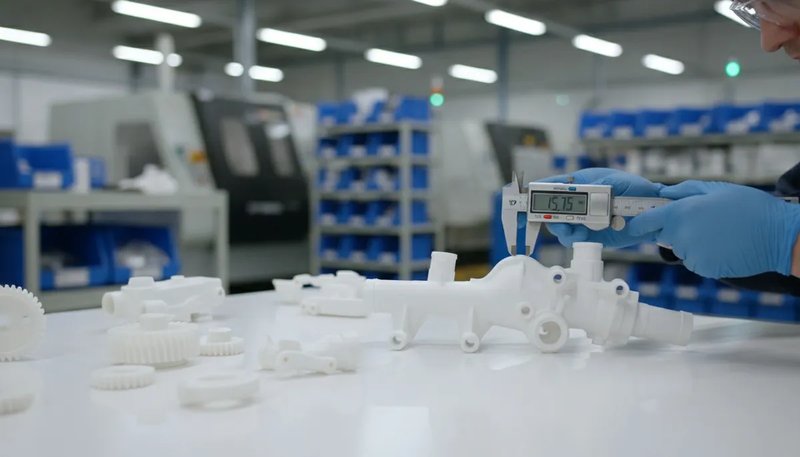
Dzięki własnemu zakładowi produkcji form, który obsługuje ponad 100 zestawów form miesięcznie, oraz doświadczeniu z ponad 400 tworzywami sztucznymi ZetarMold udostępnia przejrzyste dane o mocach produkcyjnych i rzeczywiste harmonogramy produkcji podczas każdego audytu dostawcy.
"Wykorzystanie maszyn powyżej 85% prowadzi do problemów z jakością i dostawami"True
Zrównoważona produkcja wymaga przestojów na konserwację, ustawianie i kontrolę jakości — wykorzystanie na poziomie 85% pozwala na realizację tych niezbędnych działań.
"Wszyscy dostawcy formowania wtryskowego mogą łatwo przełączać się między różnymi rodzajami żywic"False
Zmiana materiału wymaga czyszczenia układu, regulacji temperatury i walidacji procesu — niektóre kombinacje materiałów są niekompatybilne bez rozbudowanych procedur czyszczenia.
Jakie luki w systemie jakości audytorzy najczęściej przeoczają?
Najczęściej pomijaną luką jest brak wdrożenia statystycznej kontroli procesu i systemów monitorowania jakości w czasie rzeczywistym podczas faktycznych serii produkcyjnych. Większość audytorów sprawdza certyfikat ISO i przegląda księgi jakości bez weryfikowania, czy procedury są rzeczywiście przestrzegane na hali produkcyjnej. W naszej działalności prowadzimy karty SPC dla krytycznych wymiarów we wszystkich bieżących programach produkcyjnych, gromadząc dane w czasie rzeczywistym podczas cykli produkcyjnych. Podczas audytu systemów jakości obserwuj rzeczywiste zachowanie operatorów, zamiast tylko przeglądać udokumentowane procedury. Odkryliśmy dostawców z doskonałymi księgami jakości, których operatorzy pod presją produkcyjną pomijali etapy kontroli. Sposób obsługi reklamacji klientów świadczy o dojrzałości systemu jakości lepiej niż jakikolwiek certyfikat. Dla każdego problemu jakościowego śledzimy czas reakcji na reklamację, dogłębność analizy przyczyn źródłowych i skuteczność działań korygujących.
Nasz średni czas rozpatrywania reklamacji wynosi 48 godzin w przypadku wstępnej odpowiedzi i 10 dni roboczych w przypadku pełnego wdrożenia działań korygujących. Procedury kwalifikacji dostawców surowców są często pomijane, ale mają bezpośredni wpływ na jakość części. Prowadzimy listy zatwierdzonych dostawców wszystkich żywic i dodatków, wraz z procedurami kontroli przychodzącej i wymaganiami dotyczącymi certyfikacji materiałów. Dostawcy, którzy kupują materiały z niezatwierdzonych źródeł lub pomijają kontrole przychodzące, tworzą niekontrolowane zmienne zagrażające spójności części.
Jakie są najczęstsze pytania dotyczące audytów dostawców formowania wtryskowego?
Często zadawane pytania
Jak długo powinien trwać kompleksowy audyt dostawcy formowania wtryskowego?
Dokładny audyt dostawcy formowania wtryskowego wymaga co najmniej 2-3 dni na właściwą ocenę techniczną. Pierwszy dzień powinien koncentrować się na możliwościach maszyn, systemach jakości i przeglądzie dokumentacji. Drugi dzień obejmuje obserwację rzeczywistej produkcji, walidację procesów i przegląd planowania mocy produkcyjnych. Wiele zespołów ds. zaopatrzenia przeprowadza jednodniowe audyty w pośpiechu i pomija kluczowe szczegóły techniczne, które później powodują problemy. Zalecamy planowanie audytów w okresach aktywnej produkcji, aby obserwować rzeczywiste warunki pracy i procedury operatorów, a nie inscenizowane pokazy. Złożone części lub branże regulowane mogą wymagać dodatkowego czasu.
Które informacje o wtryskarkach są najważniejsze podczas audytów?
Skup się na rejestrach konserwacji zapobiegawczej, licznikach wtrysków, kalibracji regulatorów temperatury i rzeczywistych wskaźnikach wykorzystania maszyn. Czynniki te mają bezpośredni wpływ na jakość części i zdolność realizacji dostaw. Poproś o harmonogramy konserwacji z ostatnich 12 miesięcy oraz badania zdolności procesu dla podobnych zastosowań, aby zweryfikować utrzymywanie parametrów w czasie. Wiek maszyny ma mniejsze znaczenie niż jakość konserwacji i wdrożenie kontroli procesu. Dzięki rygorystycznym programom konserwacji dobrze utrzymane starsze maszyny często działają lepiej niż zaniedbane nowsze urządzenia. Zawsze sprawdzaj, czy świadectwa kalibracji są aktualne i powiązane z uznanymi normami.
Czy należy audytować dostawców formowania wtryskowego w szczycie sezonu?
Tak, audyt w okresie szczytowej produkcji ujawnia rzeczywiste możliwości i reakcje na obciążenie lepiej niż audyt w spokojniejszym okresie. Zaobserwujesz rzeczywiste procedury operatorów, stosowanie kontroli jakości i zarządzanie mocami produkcyjnymi w normalnych warunkach pracy fabryki. Wielu dostawców prezentuje w okresach mniejszego obciążenia wyidealizowane warunki, które w ogóle nie odzwierciedlają typowych wyników. Zachęcamy klientów do wizyt w miesiącach o najwyższym wolumenie produkcji, ponieważ pokazuje to nasze rzeczywiste możliwości, spójność jakości oraz to, jak nasz zespół ponad 120 pracowników produkcyjnych skutecznie radzi sobie z realną presją produkcyjną.
Które certyfikaty jakości są niezbędne dla dostawców formowania wtryskowego?
ISO 9001 jest minimalnym wymogiem, a w poszczególnych branżach wymagane są certyfikaty takie jak ISO 13485 dla wyrobów medycznych lub IATF 16949 dla zastosowań motoryzacyjnych. Certyfikaty mają jednak mniejsze znaczenie niż faktyczne wdrożenie i działania na rzecz ciągłego doskonalenia. Podczas wizyty u dostawcy przejrzyj najnowsze raporty z audytów, zapisy działań korygujących i wewnętrzne wskaźniki jakości. Skup się na weryfikacji rzeczywistej skuteczności systemu jakości na podstawie danych SPC, wskaźników zadowolenia klientów i dokumentacji ciągłego doskonalenia, zamiast tylko sprawdzać certyfikaty wywieszone na ścianie. Poproś o dowody odbywania posiedzeń przeglądu zarządzania i harmonogramy audytów wewnętrznych.
Jak można zweryfikować możliwości dostawcy formowania wtryskowego w zakresie identyfikowalności materiałów?
Podczas audytu poproś o dokumentację certyfikacji materiałów, procedury śledzenia partii i systemy zarządzania zapasami. Prawidłowa identyfikowalność wymaga certyfikatów materiałowych od dostawców żywic, śledzenia numerów partii podczas produkcji oraz dokumentacji gotowych części łączącej części z konkretnymi partiami materiału. Przetestuj system, wybierając losową gotową część i prosząc o prześledzenie jej do pierwotnej partii materiału oraz parametrów przetwórstwa. Nasz system identyfikowalności w ZetarMold umożliwia prześledzenie dowolnej części do źródła jej materiału w ciągu 15 minut za pomocą cyfrowej platformy śledzenia.
Jakie są największe sygnały ostrzegawcze podczas audytu deklarowanych mocy produkcyjnych w zakresie formowania wtryskowego?
Uważaj na dostawców deklarujących 100 procent wykorzystania maszyn, nierealistyczne czasy ustawiania lub nieograniczone moce produkcyjne bez odpowiednich planów zatrudnienia. Rzeczywiste obliczenia mocy produkcyjnych muszą uwzględniać konserwację zapobiegawczą, zmiany narzędzi, czas kontroli jakości i normalne wahania produkcji. Poproś o rzeczywiste harmonogramy produkcji, wykresy obciążenia maszyn i dokumentację czasu ustawiania z ostatnich 90 dni działalności. Dostawcy, którzy nie potrafią przedstawić szczegółowych danych dotyczących planowania mocy produkcyjnych, prawdopodobnie przyjmują zbyt wiele zobowiązań i nie dotrzymają terminów dostaw w okresach szczytowego popytu, kiedy najpilniej potrzebujesz części do swojego harmonogramu produkcji.
Kiedy należy wymagać walidacji procesu podczas audytu dostawcy formowania wtryskowego?
Podczas wizyty w fabryce zawsze wymagaj walidacji procesu na żywo w przypadku krytycznych wymiarów, złożonych geometrii lub wąskich wymagań tolerancji. Nie akceptuj badań zdolności procesu bez bezpośredniej obserwacji rzeczywistego ustawienia produkcji i procedur walidacji podczas audytu. Walidacja procesu powinna obejmować kontrolę pierwszej sztuki, wdrożenie statystycznej kontroli procesu i demonstrację kompetencji operatorów. Jest to szczególnie ważne w zastosowaniach medycznych, motoryzacyjnych lub lotniczych, w których zwalidowane procesy produkcyjne są wymagane do zapewnienia zgodności z przepisami i pełnej identyfikowalności w całym cyklu produkcyjnym części.
ZetarMold łączy zaawansowane możliwości formowania wtryskowego z rygorystycznymi systemami jakości i przejrzystymi procesami audytowymi. Dzięki ponad 20 latom doświadczenia, 47 maszynom od 90T do 1850T i ponad 30 anglojęzycznym kierownikom projektów nasz zakład w Szanghaju chętnie poddaje się audytom technicznym. Uzyskaj bezpłatną wycenę kolejnego projektu formowania wtryskowego i poznaj różnicę, jaką zapewnia właściwa kwalifikacja dostawcy.
Cpk (wskaźnik zdolności procesu): Cpk (wskaźnik zdolności procesu) to statystyczna miara określająca, jak dobrze proces produkcyjny może wytwarzać wyniki mieszczące się w granicach specyfikacji ↩
Statystyczna kontrola procesu (SPC): Statystyczna kontrola procesu (SPC) to metoda kontroli jakości wykorzystująca metody statystyczne do monitorowania i sterowania procesami produkcyjnymi ↩
ISO 9001: ISO 9001 to międzynarodowa norma określająca wymagania dotyczące systemów zarządzania jakością ↩