

After two decades of running our factory in Shanghai, we’ve seen too many sourcing decisions go wrong. Companies pick spuitgieten1 suppliers based on price alone, or impressive facility tours, only to face quality disasters six months later.
A systematic capability evaluation isn’t just due diligence — it’s your insurance policy against production nightmares. When you understand exactly what equipment, materials expertise, tooling resources, and quality systems a supplier actually has (versus what they claim), you can make informed decisions that protect your program long-term. This article gives you a practical framework to assess any spuitgieten supplier’s real capabilities — not just their marketing claims.
- Machine tonnage range determines part size limits more than total machine count
- Material experience separates reliable suppliers from problem shops
- In-house tooling capabilities reduce lead times by 30-50%
- Quality certifications mean nothing without inspection data and process controls
- Build a weighted scorecard to compare suppliers objectively
What Does an Injection Molding Supplier Capability Matrix Include?
A supplier capability matrix is a structured tool that maps a supplier’s real manufacturing resources across six critical areas.
The matrix covers equipment capabilities (machine tonnage2, shot size, specialty features), material expertise (engineering plastics experience, processing know-how, material handling), tooling resources (spuitgietvorm design and manufacturing, maintenance capabilities, prototyping services), quality assurance systems (certifications, inspection equipment, process controls), operational certifications (ISO standards, industry-specific qualifications, regulatory compliance), and logistics infrastructure (packaging capabilities, shipping coordination, inventory management).
Here’s how different supplier types typically stack up:
| Capability Area | Full-Service Supplier | Contract Manufacturer | Specialized Shop |
|---|---|---|---|
| Machine Range | 90T-1850T+ across multiple brands | Limited tonnage range, higher volumes | Narrow range, specialized applications |
| Materiaalexpertise | 400+ materials, engineering plastics | 50-100 common materials | Deep expertise in specific materials |
| Tooling Services | In-house design, manufacturing, repair | Basic maintenance only | Specialized tooling for niche applications |
| Quality Systems | Multiple ISO certifications, full QA lab | Basic ISO 9001, limited inspection | Industry-specific certifications |
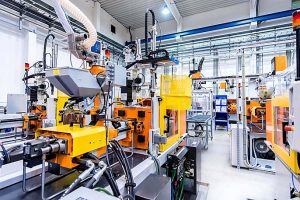
Factory Insight: Our Shanghai facility operates 47 injection molding machines ranging from 90T to 1850T tonnage, with processing experience across 400+ different materials. This range allows us to handle everything from precision medical components to large automotive housings in a single facility.
The matrix approach prevents costly mistakes. Our engineers regularly audit supplier capabilities and have seen procurement teams select suppliers who claimed full capabilities but actually outsourced critical functions.
Remember that capability depth matters more than breadth. A supplier with moderate capabilities across all areas often outperforms specialists when you need integrated solutions and single-source accountability.
How Do Machine Tonnage and Capacity Reveal Supplier Limits?
Machine tonnage is the primary specification that determines the maximum part size and complexity a supplier can produce.
Small tonnage machines (90T-250T) excel at precision parts under 50 grams — think of key electronic components, detail clips, and small medical devices where clamp force and unit precision matter most.

Here’s what tonnage ranges actually mean for your parts:
- 90T-150T: Maximum part area ~15 square inches, typical shot size 1-3 oz
- 200T-350T: Maximum part area ~35 square inches, typical shot size 3-8 oz
- 500T-800T: Maximum part area ~80 square inches, typical shot size 8-20 oz
- 1000T-1500T: Maximum part area ~150 square inches, typical shot size 20-50 oz
- 1850T+: Maximum part area 200+ square inches, shot size 50+ oz
But tonnage isn’t everything. Shot size capacity, injection speed, and machine precision matter equally. A supplier with only large tonnage machines wastes energy and costs money on small parts, while limited small tonnage capacity creates bottlenecks for precision components.
Machine age and brand also indicate capability. Modern machines from Engel, Arburg, or Haitian offer better repeatability and energy efficiency than 15-year-old equipment. However, well-maintained older machines can still produce quality parts for less demanding applications.
Ask suppliers for their complete machine list with tonnage, shot size, and manufacturing year. Suppliers who hesitate to share this basic information raise immediate red flags about transparency and confidence in their equipment.
Why Does Material Experience Separate Good Suppliers from Great Ones?
Material processing experience is the single most important factor separating good suppliers from great ones.
Consider these common materials and their processing challenges:
| Materiaal | Treksterkte (MPa) | Schokbestendigheid | Temp Range (°C) | Key Processing Challenge |
|---|---|---|---|---|
| PA6 (Nylon 6) | 50-80 | Hoog | -40 to 150 | Moisture absorption requires pre-drying |
| PA12 (Nylon 12) | 50-60 | Uitstekend | -40 to 120 | Lower moisture sensitivity but narrow process window |
| PC (polycarbonaat) | 55-75 | Uitstekend | -100 to 135 | High processing temps, stress cracking sensitivity |
| TPU (Thermoplastic Polyurethane) | 25-65 | Superior | -40 to 80 | Elastomer processing requires specialized screws |
| PEEK | 90-100 | Goed | -50 to 250 | Extremely high melt temps, expensive material losses |
I’ve witnessed suppliers confidently accept PA12 projects, then produce brittle parts because they didn’t pre-dry the material properly. Nylon absorbs moisture from air, and wet nylon degrades during processing, creating weak molecular chains. Experienced suppliers maintain dedicated drying equipment and humidity-controlled storage — inexperienced ones learn this lesson with your expensive tooling.
Factory Insight: Our material processing experience spans over 400 different grades, from commodity plastics to high-performance PEEK and LCP. Our 8 senior engineers maintain processing parameter databases developed over 20+ years, ensuring consistent results even with challenging engineering plastics.
The real test? Ask suppliers about their material pre-processing procedures, parameter development process, and scrap rates for different material families. Suppliers with deep expertise provide specific answers about drying times, melt temperatures, and cooling strategies. Inexperienced suppliers give vague responses about “following datasheet recommendations.”
Material traceability also indicates sophistication. Professional suppliers maintain lot tracking, material certificates, and can trace every pellet back to the raw material supplier. This capability becomes critical for medical, automotive, or aerospace applications where material compliance documentation is mandatory.
Don’t just ask what materials they “can process” — ask what materials they process regularly with documented success rates. The difference between theoretical capability and proven experience is measured in your project’s success rate.
What Tooling Capabilities Should You Look For?
In-house tooling capability is a critical differentiator that determines how quickly suppliers solve problems and adapt to changing requirements.
In-house tooling operations include mold design engineering with dimension and draft angle specifications, CNC machining centers for steel cutting, EDM for complex geometries, wire cutting for precision features, and dedicated mold assembly areas. Suppliers with complete capabilities can modify minimum draft angle requirements within days rather than weeks.
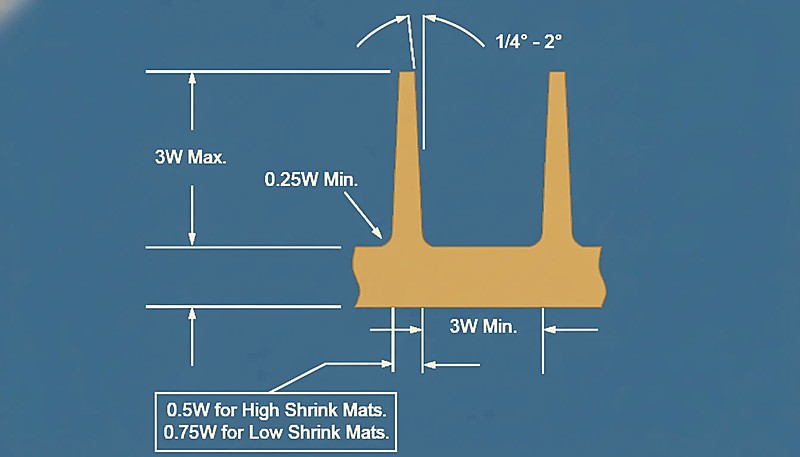
The speed advantage is dramatic. When design changes arise, including draft angle adjustments from minimum 0.5° to maximum 3° dimension requirements, in-house tooling teams respond within hours.
Consider mold maintenance capabilities equally. Spuitgieten tools are precision instruments requiring regular maintenance, cleaning, and eventual repair. Suppliers without in-house maintenance capabilities face production delays every time tooling issues arise.
Key tooling capabilities to evaluate:
- Design Engineering: Can they optimize your design for manufacturability?
- Prototyping Services: Do they offer rapid prototyping before cutting production tools?
- Mold Flow Analysis: Can they simulate filling patterns to prevent defects?
- Tool Steel Expertise: Do they select appropriate steel grades for your volume requirements?
- Oppervlakteafwerking: Can they achieve your required surface textures and appearance?
- Maintenance Programs: Do they maintain detailed service records and preventive maintenance schedules?
Ask to tour their tooling facility and meet the engineering team. Suppliers with serious tooling capabilities proudly show their machining centers, design workstations, and completed molds. Those who deflect or claim their “partner handles tooling” create dependency risks you’ll regret later.
Factory Insight: Our in-house tooling department includes 12 CNC machining centers, EDM equipment, and a dedicated mold design team. This integration allows us to complete tool modifications within 24-48 hours rather than waiting weeks for external tool shops.
The investment in tooling capabilities signals long-term thinking. Suppliers who build comprehensive tooling operations commit significant capital and expertise, indicating they plan to stay in business and support your program for years, not just fulfill initial orders.
How Do QA Systems Protect Your Production Quality?
Quality assurance systems are the foundation for consistent part production and defect prevention.
Effective QA systems start with incoming material inspection (verifying material grades, moisture content, and contamination), continue through process monitoring (tracking temperatures, pressures, and cycle times), and conclude with comprehensive part inspection using both automated and manual methods.
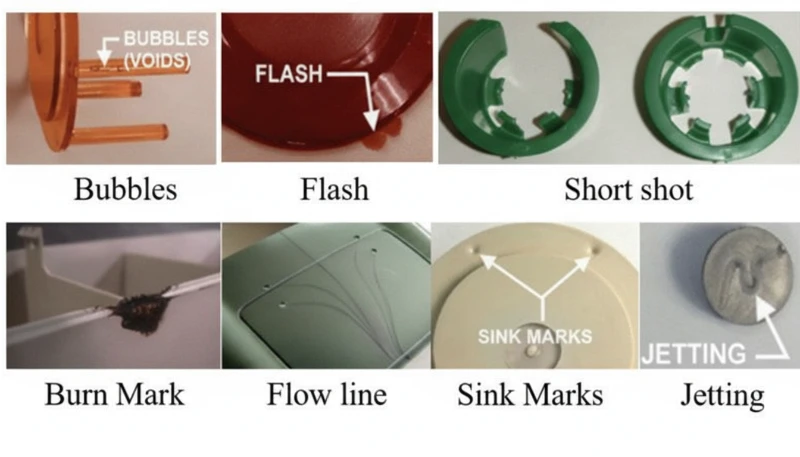
ISO certifications provide frameworks but not guarantees. ISO 9001 establishes quality management systems, ISO 13485 covers medical device manufacturing, ISO 14001 addresses environmental management, and ISO 45001 focuses on occupational health and safety. However, certification audits occur annually while production runs daily — the real test is implementation consistency.
Critical QA capabilities include:
- First Article Inspection (FAI): Complete dimensional verification of initial production samples
- Q1: Wat is "Lights Out" productie in spuitgieten?: Real-time monitoring of critical dimensions during production
- Coordinate Measuring Machines (CMM): Precision measurement of complex geometries
- Material Testing Equipment: Tensile, impact, and thermal property verification
- Surface Quality Assessment: Gloss, color, and texture measurement capabilities
- Procesdocumentatie: Detailed work instructions and parameter tracking
“Material experience matters more than machine count.”Echt
We have seen suppliers with hundreds of machines produce terrible parts in PA12 because they had no experience with nylon’s moisture sensitivity. Material know-how is the real differentiator.
“A supplier with 50 machines is always better than one with 20.”Vals
What matters is whether the tonnage range and machine types match YOUR parts. A precision medical molder with 20 specialized machines may outperform a general shop with 50 older presses.
The most telling quality indicator? Process capability data (Cpk values) for similar parts. Suppliers with robust QA systems readily share Cpk data showing process stability over time. Those without reliable data either lack measurement capability or hide poor performance.
Ask suppliers for their defect rates, customer complaint logs, and corrective action procedures. Professional operations maintain detailed quality metrics and continuously improve processes. Suppliers who can’t provide specific quality data lack the systems to ensure consistent production.
Remember that quality costs money upfront but saves exponentially more in avoided field failures, warranty claims, and reputation damage. The cheapest supplier often becomes the most expensive when quality issues arise.
What Red Flags Should You Watch When Evaluating a Supplier?
Red flags are specific warning signs that consistently predict supplier problems, regardless of facility appearances during tours.
Capability Red Flags:
Vague responses about machine specifications, tonnage ranges, or material experience indicate either inexperience or intentional deception. Professional suppliers maintain detailed equipment databases and readily share technical specifications. Claims of “we can handle anything” without supporting documentation suggest unrealistic promises that lead to delivery failures.
Outsourced critical capabilities create dependency risks. Suppliers who outsource tooling, quality testing, or engineering support cannot control schedules or resolve problems quickly. When issues arise (and they will), you’re waiting for multiple companies to coordinate solutions.
Communication Red Flags:
Poor English communication capabilities signal future project management problems. Technical manufacturing requires precise communication about specifications, changes, and problem resolution. Suppliers without dedicated English-speaking project managers create communication barriers that multiply throughout production.
Delayed responses to technical questions or RFQ requests indicate either resource constraints or lack of priority for your business. Suppliers serious about new business respond comprehensively within 24-48 hours. Extended delays suggest capacity limitations or organizational problems.
Financial Red Flags:
Prices significantly below market rates often indicate corner-cutting on materials, quality control, or engineering support. While competitive pricing is attractive, unrealistic pricing suggests the supplier doesn’t understand true production costs or plans to cut quality to maintain margins.
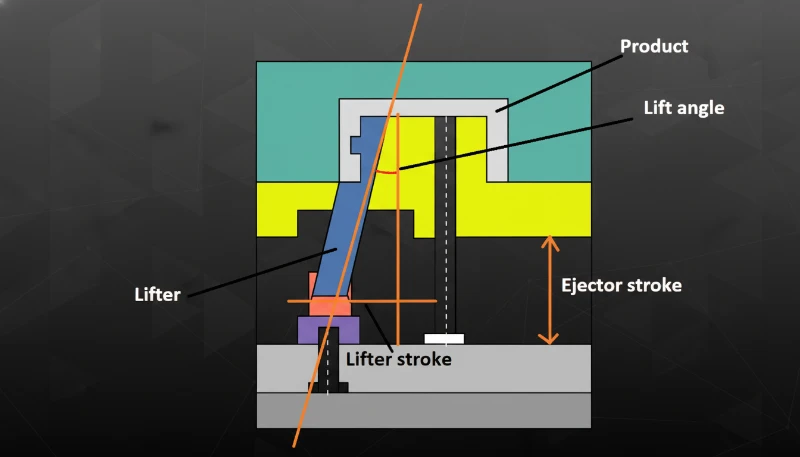
Requests for large upfront payments without corresponding deliverables create cash flow risk. Watch for suppliers who cannot explain their lifter, ejector stroke, or core pull mechanisms — this indicates outsourced mold building.
Facility Red Flags:
Reluctance to provide facility tours or detailed capability documentation suggests hidden limitations. Confident suppliers welcome customer visits and proudly demonstrate their capabilities. Those who discourage visits or provide limited facility access often hide outdated equipment or poor organization.
Lack of proper material storage, temperature control, or cleanliness standards indicates poor process control. Injection molding requires controlled environments — suppliers with disorganized facilities typically produce inconsistent parts.
The biggest red flag? Pressure for immediate decisions without adequate technical evaluation time. Reliable suppliers understand that proper due diligence protects both parties and encourage thorough capability assessment before commitment.
Trust your instincts. If communication feels difficult during supplier evaluation, it won’t improve during production crisis management.
How Do You Build Your Own Supplier Evaluation Scorecard?
A structured evaluation scorecard removes emotion and bias from supplier selection, creating objective comparisons.
Step 1: Define Your Critical Success Factors
Identify what matters most for your specific program. Medical device manufacturers prioritize quality systems and regulatory compliance, while consumer product companies emphasize cost and delivery speed. Automotive suppliers focus on process capability and capacity scalability.
Step 2: Establish Scoring Criteria
Use a 1-5 scale for each evaluation area:
- 5 = Excellent: Exceeds requirements with demonstrated expertise
- 4 = Good: Meets all requirements with solid capabilities
- 3 = Adequate: Meets minimum requirements
- 2 = Marginaal: Enige zorgen maar werkbaar met toezicht
- 1 = Slecht: Voldoet niet aan de vereisten
Stap 3: Pas Toepasselijke Gewichten Toe
Weg elke categorie op basis van belang voor het succes van uw programma:
| Evaluation Criteria | Gewicht (%) | Score Leverancier A | Gewogen Score A | Score Leverancier B | Gewogen Score B |
|---|---|---|---|---|---|
| Machinemogelijkheden | 20% | 4 | 0.80 | 5 | 1.00 |
| Materiaalerkennis | 25% | 5 | 1.25 | 3 | 0.75 |
| Quality Systems | 25% | 4 | 1.00 | 4 | 1.00 |
| Gereedschapsmogelijkheden | 15% | 5 | 0.75 | 2 | 0.30 |
| Communicatie/Ondersteuning | 10% | 4 | 0.40 | 5 | 0.50 |
| Kostenconcurrentievermogen | 5% | 3 | 0.15 | 5 | 0.25 |
| Totaalscore | 100% | 4.35 | 3.80 |
Stap 4: Maak Evaluatie Checklist
Documenteer specifieke vereisten voor elke categorie:
Machine Capaciteiten Checklist:
– [ ] Tonnagebereik dekt onze onderdeelvereisten
– [ ] Spuitgrootte geschikt voor grootste onderdelen
– [ ] Gemiddelde machineleeftijd minder dan 10 jaar
– [ ] Preventief onderhoudsprogramma gedocumenteerd
– [ ] Reservecapaciteit voor kritieke productie
Materiaalervaringschecklist:
– [ ] Aangetoonde ervaring met onze specifieke materialen
– [ ] Geschikte opslag- en droogfaciliteiten voor materialen
– [ ] Parameterontwikkelingsproces gedocumenteerd
– [ ] Systeem voor materiaaltraceerbaarheid aanwezig
– [ ] Afvalpercentages onder industrienormen
“Eigen gereedschapscapaciteit verkort de levertijd met 30-50%.”Echt
Wanneer matrijsreparatie of -aanpassing nodig is, kan wachten op een externe gereedschapswerkplaats weken toevoegen. Eigen gereedschap betekent aanpassingen op dezelfde dag en snellere iteraties.
“ISO 9001-certificering garandeert consistente kwaliteit.”Vals
ISO 9001 betekent dat er EEN kwaliteitsmanagementsysteem is — niet dat het goed wordt uitgevoerd. Vraag altijd naar procescapabiliteitsdata (Cpk), defectpercentages en echte inspectierecords.
Stap 5: Valideer Scoring met Bezoeken ter Plaatse
Gebruik de scorecard tijdens faciliteitsaudits om consistente evaluatie over meerdere leveranciers te waarborgen. Maak foto's, verzamel documentatie en interview sleutelpersoneel om beweerde capaciteiten te verifiëren.
De scorekaart is niet alleen voor de initiële selectie — gebruik hem jaarlijks om huidige leveranciers opnieuw te beoordelen en verbeteringsmogelijkheden of opkomende risico's te identificeren voordat ze de productie beïnvloeden.
When Should You Consider Switching Injection Molding Suppliers?
Het wisselen van leverancier is een belangrijke beslissing die zowel risico's als kosten met zich meebrengt, maar bij een falende leverancier blijven kost meer.
Prestatiegebaseerde Omschakeltriggers:
Kwaliteitsachteruitgang vertegenwoordigt het duidelijkste omschakelsignaal. Wanneer defectpercentages toenemen, klachten van klanten stijgen, of procescapaciteit verslechtert ondanks corrigerende maatregelen, heeft de leverancier de controle over zijn processen verloren. Voortzetting van de samenwerking brengt uw reputatie en klantrelaties in gevaar.
Kostenstijgingen boven markttarieven duiden op financiële problemen bij de leverancier of opportunistische prijsstelling. Hoewel sommige kostenstijgingen inflatie van grondstoffen of arbeid weerspiegelen, wijzen excessieve of onverklaarbare prijsverhogingen erop dat de leverancier maximale winst probeert te behalen voordat de zakenrelatie eindigt.
Capaciteitsbeperkingen die herhaaldelijk leveringen vertragen, wijzen op groeibeperkingen of slechte planning. Leveranciers die regelmatig leveringsafspraken niet nakomen, hebben niet de infrastructuur of managementsystemen om uw groei te ondersteunen.
Relatiegebaseerde Omschakeltriggers:
Communicatiestoring gaat vaak vooraf aan operationele falen. Wanneer technische discussies moeilijk worden, projectmanagement verslechtert, of probleemoplossing aanzienlijk vertraagt, is de relatie een last geworden in plaats van een aanwinst.
Veranderingen in eigendom of management wijzigen vaak de prioriteiten, capaciteiten en cultuur van leveranciers. Nieuw management kan de focus verleggen naar andere markten, kwaliteitsnormen aanpassen of gebrek hebben aan ervaring met uw toepassingen.
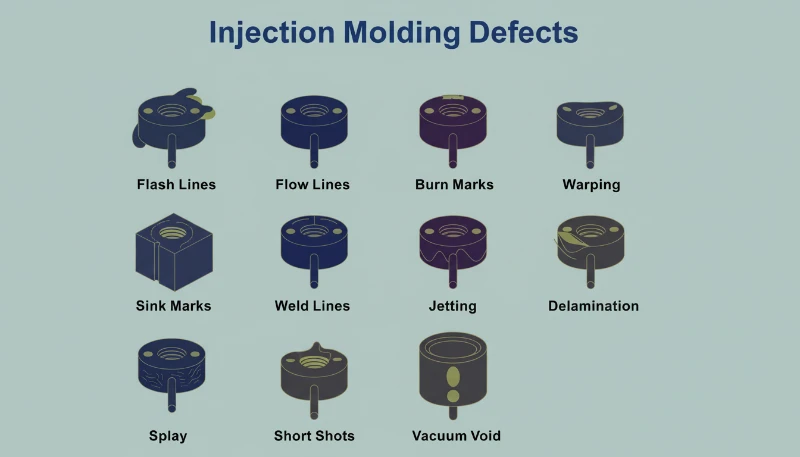
Technologische vooruitgang door concurrenten kan veelvoorkomende defectpreventiesystemen omvatten die uw huidige leverancier mist, zoals flitsdetectie of visuele inspectiecapaciteiten voor brandmerken.
Ons team van 30+ Engelssprekende projectmanagers helpt bij het soepel coördineren van leveranciersovergangen, waardoor communicatiehiaten tijdens de kritieke overdrachtsperiode worden verminderd.
Geografische nabijheidseisen kunnen verschuiven door optimalisatie van de toeleveringsketen, handelsregelgeving of wijzigingen in klantlocaties. Leveranciers die zich niet kunnen aanpassen aan nieuwe geografische vereisten beperken uw marktflexibiliteit.
Overgangsplanningproces:
Start supplier development 6-12 months before switching. Rushing transitions creates quality risks, delivery disruptions, and negotiating weakness. Allow adequate time for tooling transfer3, process development, and qualification.
Develop parallel sourcing gradually. Begin with non-critical parts or secondary applications to validate new supplier capabilities before transitioning primary production. This approach provides backup capacity and reduces transition risks.
Factory Insight: We support smooth supplier transitions by providing detailed process documentation, accepting existing tooling designs, and offering parallel production during qualification phases. Our 30+ English-speaking team members ensure clear communication throughout transition projects.
Plan tooling transfer carefully. Document current tool conditions, obtain complete drawings and specifications, and coordinate physical transfer during planned downtime. Poor tooling transfer planning causes months of production delays.
Calculate total switching costs including tooling modifications, qualification expenses, inventory adjustments, and potential production disruptions. Compare these costs against continued partnership risks to make informed decisions.
Remember that supplier switching is ultimately about risk management. The cost of staying with failing suppliers often exceeds transition expenses when calculated over multiple years of poor performance.
FAQ
### What is a supplier capability matrix for injection molding?
A supplier capability matrix is a comprehensive evaluation framework that systematically assesses an injection molding supplier’s technical resources, equipment capabilities, material expertise, quality systems, and operational capacity. It provides an objective method to compare suppliers beyond pricing and marketing presentations. The matrix typically covers machine tonnage ranges, material processing experience, tooling capabilities, quality certifications, inspection equipment, engineering support, and production capacity. This structured approach helps buyers identify which suppliers can actually deliver their specific requirements rather than making claims they cannot support with documented capabilities and experience.
How many injection molding machines should a reliable supplier have?
Machine quantity matters less than machine diversity and condition. A reliable supplier needs sufficient capacity to handle your volume requirements plus backup capability for equipment maintenance and unexpected demand. Generally, suppliers with 15-30+ machines offer better flexibility and redundancy than smaller operations. However, machine tonnage range, age, and maintenance condition are more critical factors. A supplier with 20 well-maintained machines spanning 90T-1500T tonnage provides more capability than one with 50 older machines in a narrow tonnage range. The key is ensuring the supplier has appropriate machines for your specific part sizes, volumes, and backup capacity requirements.
What materials should a full-service injection molder offer?
A comprehensive injection molding supplier should process 200+ different material grades across major polymer families including commodity plastics (PP, PE, PS, ABS), engineering plastics (PA6, PA12, PC, POM, TPU), and high-performance materials (PEEK, PEI, LCP) when required. More importantly, they should demonstrate documented processing experience with materials relevant to your applications. Material expertise includes proper storage, drying procedures, parameter development, and additive processing capabilities. Suppliers should maintain material traceability systems, provide material certificates, and show low scrap rates with challenging materials. Breadth of materials offered indicates supplier sophistication, but depth of experience with your specific materials determines production success.
Why is in-house tooling important for injection molding?
In-house tooling capabilities provide control over schedules, quality, and design modifications throughout the product lifecycle. When suppliers outsource tooling, simple mold changes require coordination with external tool shops, adding 2-4 weeks to modifications that could be completed in days with in-house capabilities. In-house tooling teams understand the production requirements intimately and can optimize designs for specific machines and processes. They also provide immediate mold maintenance and repair services, preventing extended production delays. Additionally, in-house tooling indicates long-term supplier commitment since tooling operations require significant capital investment and specialized expertise that suppliers only develop when planning sustained business growth.
What quality certifications should an injection molding supplier hold?
Essential certifications depend on your industry requirements, but ISO 9001 provides the foundation for quality management systems in any application. Medical device manufacturers require ISO 13485 certification, while automotive suppliers often need IATF 16949 or specific OEM certifications. Environmental certifications like ISO 14001 and safety certifications like ISO 45001 indicate comprehensive management systems. However, certifications alone don’t guarantee performance — verify implementation through process capability data (Cpk values), defect rates, customer complaint records, and inspection equipment capabilities. The most critical factor is documented quality performance rather than certificates on the wall. Ask for specific quality metrics and visit facilities to observe actual quality practices in operation.
How do I compare injection molding suppliers effectively?
Develop a weighted scoring matrix based on your specific program requirements rather than generic criteria. Define critical success factors for your application, assign weights reflecting their importance, and score each supplier on a 1-5 scale across machine capabilities, material experience, quality systems, tooling resources, communication, and cost competitiveness. Conduct facility audits to verify claimed capabilities, interview technical personnel, and request customer references for similar applications. Collect objective data including machine lists, material experience documentation, quality metrics, and process capability studies. Most importantly, pilot small projects when possible to evaluate actual performance before committing to major programs. This systematic approach removes bias and provides defensible supplier selection decisions.
What does machine tonnage range tell you about a supplier?
Machine tonnage range reveals the supplier’s ability to handle different part sizes and complexities across your product portfolio. Tonnage determines clamping force, which directly limits maximum part surface area and complexity. Suppliers with narrow tonnage ranges cannot accommodate diverse part requirements or future design changes. A broad range (90T-1850T) indicates versatility and growth accommodation capability. However, match tonnage capabilities to your actual needs — excessive tonnage wastes energy and increases costs for small parts, while insufficient tonnage prevents large part production. Also consider shot size capacity, injection speed, and machine precision alongside tonnage. Modern machines with advanced controls provide better repeatability than older high-tonnage equipment, making machine age and brand equally important evaluation factors.
When should I audit an injection molding supplier’s facility?
Conduct facility audits during initial supplier evaluation, annually for strategic suppliers, and immediately when performance issues arise. Initial audits verify claimed capabilities, assess facility organization and cleanliness, evaluate equipment condition, and meet key personnel. Schedule audits after reviewing documentation but before final selection decisions. Annual audits monitor capability changes, equipment investments, personnel stability, and process improvements for existing suppliers. Immediate audits become necessary when quality issues, delivery problems, or communication difficulties suggest underlying operational problems. Effective audits include production floor tours, equipment inspections, quality lab evaluation, tooling facility review, and interviews with engineering, quality, and management personnel. Document findings with photos and detailed notes to support supplier selection and development decisions.
-
spuitgieten: ISO 9001:2015 is an international standard for quality management systems published by the International Organization for Standardization. ↩
-
machine tonnage: machine tonnage refers to international Organization for Standardization, ISO 9001:2015 Quality management systems — Requirements. ↩
-
tooling transfer: tooling transfer refers to automotive Industry Action Group, Supplier Quality Management Task Force, Core Tools Reference Manual 5th Edition, 2023. ↩




 EN
EN  ES
ES  FR
FR  DE
DE  PT
PT  AR
AR  RU
RU  JA
JA  KO
KO  IT
IT  NL
NL  TR
TR  PL
PL 