Injection Molding Supplier Factory Audit Checklist for Overseas Buyers

• ZetarMold Engineering Guide
• Plastic Injection Mold Manufacturing Since 2005
• Built by ZetarMold engineers for buyers comparing mold and molding solutions.

올바른 선택 사출 성형 supplier is one of the most consequential decisions an overseas buyer makes. A bad choice costs you months of delays, six-figure tooling rework, and product launches that miss their window. A factory audit is your best defense — but only if you know what to look for and what questions to ask. In our experience running injection molding operations in Shanghai for over 20 years, we’ve seen every type of buyer walk through our factory — from Fortune 500 procurement teams doing their due diligence to first-time entrepreneurs who are not sure what a tonnage rating means. For a broader perspective on evaluating partners, see our injection molding supplier sourcing guide.

Our engineers and quality team have compiled this checklist based on what actually matters when you evaluate an injection molding factory, whether you visit in person or audit remotely.

주요 내용
  • Verify ISO certifications (9001, 13485, 14001, 45001) and ask for recent audit reports
  • Inspect machine tonnage range, age, and maintenance logs — not just machine count
  • Confirm in-house mold manufacturing capability and tooling capacity
  • Evaluate material storage, drying procedures, and traceability systems
  • Watch for red flags: no quality lab, vague defect data, reluctance to share records

What Should You Look for in an Injection Molding Factory?

The five core areas are certifications, equipment, tooling, materials, and process controls. Each has checkpoints that separate reliable partners from future headaches.\n\nMost suppliers will show you a clean showroom and a few well-maintained machines near the entrance. The real test is what happens in the back — where production actually runs. A thorough factory audit evaluates each of these areas systematically. In practice, the factories that pass audits with flying colors are the ones that treat quality as a system, not an afterthought. They have documented procedures, calibrated instruments, and staff who can explain why they do things a certain way — not just that they do them.

They have documented procedures, calibrated instruments, and staff who can explain why they do things a certain way — not just that they do them. When you walk the floor, pay attention to how the operators work: are they following SOPs posted at their stations, or working from memory? That tells you more about real quality culture than any certificate on the wall.

How Do You Verify a Supplier’s Certifications and Quality Systems?

🏭 ZetarMold Factory Insight
We maintain ISO 9001, ISO 13485, ISO 14001, and ISO 45001 systems across our Shanghai facility, with 10+ dedicated QC specialists performing incoming, in-process, and final inspections daily.

Certifications are the baseline, not the finish line. At minimum, any injection molding supplier you consider should hold ISO 9001:20151 (quality management). For medical or automotive parts, ISO 13485:20162 또는 IATF 16949:20163 are non-negotiable. Environmental and safety certifications like ISO 14001 and ISO 45001 show the factory takes a broader view of operational discipline.\n\nBut here is the critical part: do not just ask to see the certificate. Ask for the most recent third-party audit report. The certificate tells you they passed once; the audit report tells you what the auditors actually found — including minor nonconformances and corrective actions.

A factory that transparently shares its audit findings is usually one that takes continuous improvement seriously.\n\nDuring your visit, check whether the quality management system (QMS) is actually in use. Look for: control plans at each workstation, incoming material inspection records, in-process inspection checkpoints, and final inspection sign-off procedures. Ask to see a recent CAPA log (Corrective and Preventive Actions) — how they handle defects and deviations tells you everything about their real quality culture.\n\nAlso verify that their calibration records are current. Measurement tools — calipers, micrometers, CMMs, vision systems — should have traceable calibration stickers with valid dates. Expired calibration is a red flag that the quality system exists on paper but not in practice.

What Equipment and Capacity Should You Inspect?

🏭 ZetarMold Factory Insight
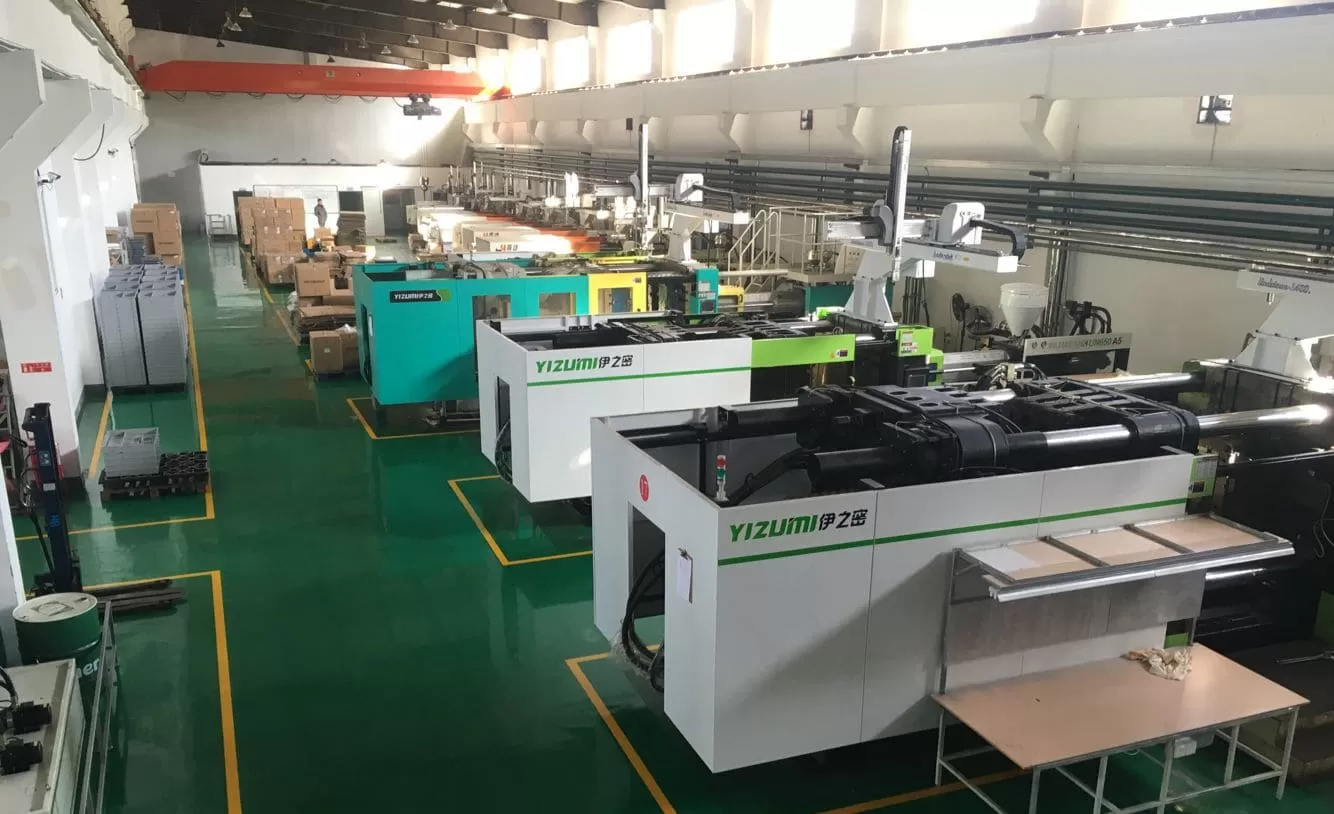
Our Shanghai factory runs 47 injection molding machines ranging from 90T to 1850T, covering everything from micro-precision parts to large structural components.

The key metrics are tonnage range, machine count, and auxiliary systems. These determine whether a factory can actually produce your parts at the required quality and volume.\n\nAsk for a complete machine list with tonnage, brand, year of manufacture, and shot volume. You want to see a range that covers your current and future needs. A factory with machines spanning 90T to 1850T can handle everything from tiny precision connectors to large automotive panels.\n\nBeyond the machines themselves, check the auxiliary equipment: dryers, mold temperature controllers, robots, conveyors, and granulators. These determine whether production runs smoothly or constantly breaks down. A factory with well-maintained auxiliaries typically has fewer process-related defects.\n\nAlso look at utilization rates.

If every machine is running at 100% capacity with no buffer, the factory has no room for rush orders or unexpected volume spikes. Conversely, if most machines sit idle, that raises questions about the factory’s financial health and order book.

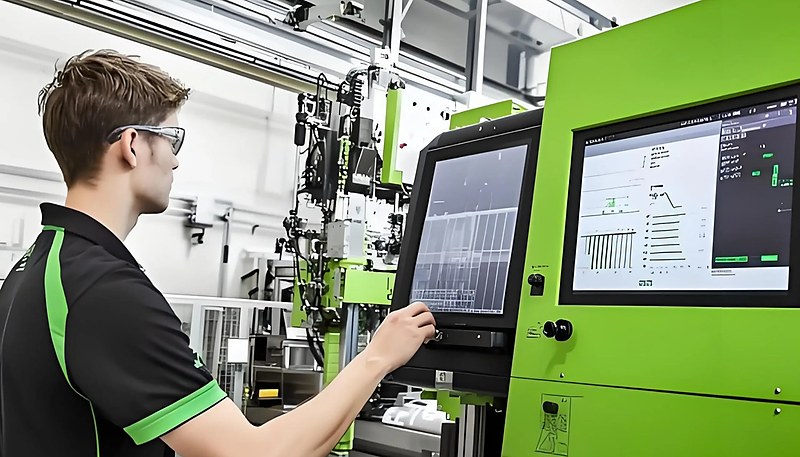
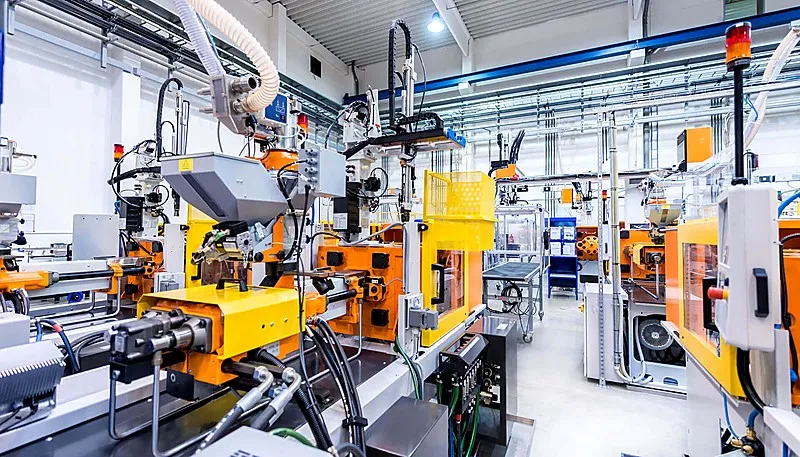
사출 성형 생산
Injection molding production line with machines.

How Do You Evaluate Mold Design and Tooling Capabilities?

🏭 ZetarMold Factory Insight
Our in-house mold manufacturing facility in Shanghai produces 100+ mold sets per month, with 8 senior engineers overseeing complex multi-cavity and precision tooling projects.

If you are sourcing injection molding from China, the single biggest risk is mold quality. A poorly built mold produces defective parts, requires constant rework, and eventually needs to be completely rebuilt — at your expense. This is why tooling capability is arguably the most important section of any factory audit.\n\nFirst, check whether the factory has in-house mold manufacturing. Factories that outsource tooling have less control over mold quality, longer lead times, and limited ability to make quick modifications during sampling.

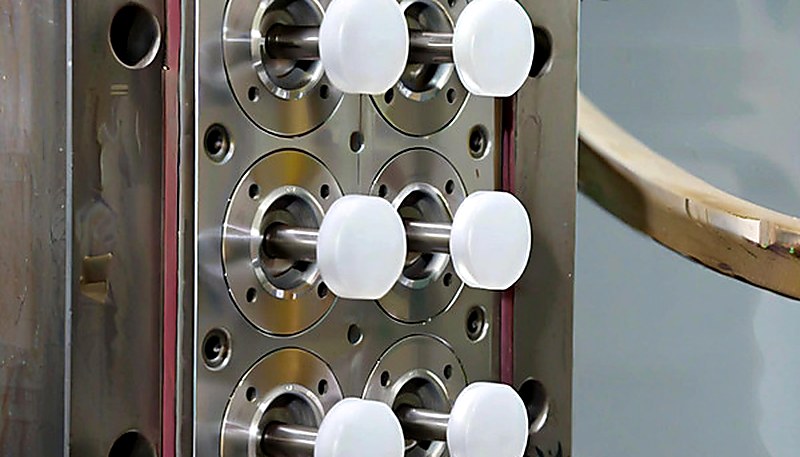
In-house tooling means the factory can iterate faster during T0/T1/T2 sampling and respond to engineering changes without waiting on an external vendor.\n\nAsk to see their 금형 설계 software (most use CAD systems like UG/NX, SolidWorks, or Pro/E), their CNC 머시닝 센터, EDM machineswire cutters. These determine the precision and complexity of molds they can produce. A factory that can handle multi-cavity molds, insert molding, overmolding, and unscrewing molds has the engineering depth to support complex projects.\n\nAlso look at their mold maintenance program. Good factories maintain detailed records for each mold: shot count, last maintenance date, spare parts inventory, and expected tool life.

Ask how they store molds between production runs — climate-controlled storage prevents rust and dimensional changes.

What Material Management Practices Reveal Supplier Quality?

🏭 ZetarMold Factory Insight
With experience processing 400+ plastic materials, we maintain strict incoming inspection protocols and full lot traceability from raw resin to shipped parts.

Material handling is one of those areas that separates professional operations from amateur shops — and most buyers skip right past it. Do not make that mistake.\n\nStart with material storage. Raw plastic resins should be stored in a climate-controlled area, clearly labeled with material grade, lot number, and date received. If you see open bags of resin sitting on the floor near machines, that is a contamination risk. Hygroscopic materials like nylon, polycarbonate, and PET must be properly dried before processing — ask to see the drying records and verify dryer temperatures match the material manufacturer’s recommendations.\n\nTraceability is critical.

The factory should be able to trace any finished part back to the specific material lot it was produced from. This means maintaining records that link incoming material lots to production runs. If there is ever a field failure or recall, this traceability is your only way to identify the scope of the problem.\n\nAsk about their material testing procedures. Do they perform incoming material inspections? Do they verify melt flow index, moisture content, or mechanical properties for critical materials? A factory experienced with 400+ materials has likely seen and solved most material-related issues — but you want to confirm they test, not assume.

Colorful plastic pellets for injection molding
Colorful plastic resin pellets used.

How Do You Assess Production Process Controls?

Process controls are the systems and procedures that ensure consistent part quality across production runs. Without them, even well-equipped factories produce inconsistent output.\n\nDuring your audit, ask to see process parameter monitoring records — injection pressure, holding pressure, melt temperature, mold temperature, cooling time, and cycle time. Modern factories use real-time Statistical Process Control to catch drift before it produces defects.\n\nCheck whether the factory has a documented first article inspection (FAI) process. The first few shots should be measured against the part drawing before production proceeds.

If not, the process parameters get adjusted and new samples are measured before full production proceeds — preventing hundreds of defective parts from being manufactured.

Defect tracking and analysis is another key indicator of process control maturity. Ask for their defect rate data — not just the overall percentage, but a detailed breakdown by type: flash, short shots, sink marks, warpage, dimensional out-of-tolerance, contamination, and color variation. A factory that tracks and categorizes defects by mold, shift, and production run can actually fix the root causes through targeted corrective actions. One that only tracks a single reject rate number is managing by headlines, not driving real improvement.

“You should request the full third-party audit report, not just the ISO certificate.”True

True. The certificate only tells you the factory passed an audit at one point in time. The detailed audit report reveals nonconformances, corrective actions, and the auditor’s actual findings — which tell you much more about the factory’s quality culture.

“A factory with ISO 9001 certification automatically produces high-quality injection molded parts.”False

False. ISO 9001 certifies that a quality management system exists — it does not guarantee the quality of output. An engineer should inspect whether the system is actively used through audit reports, inspection records, and defect data.

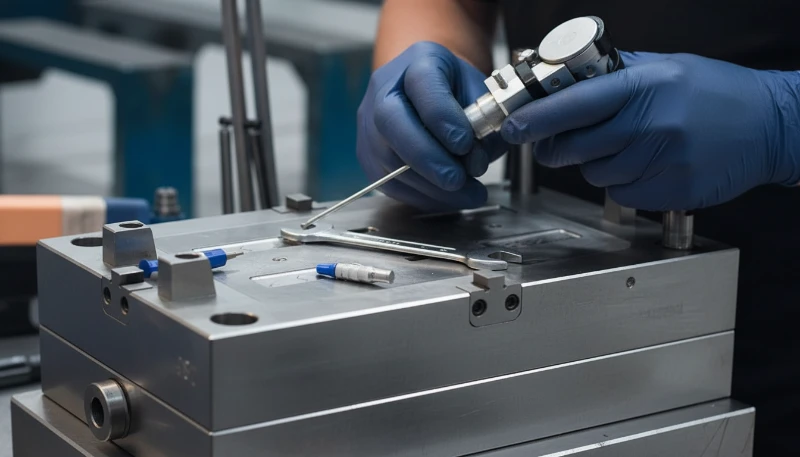
Engineer Inspecting Injection Mold
Quality engineer inspecting an injection mold.

What Red Flags Should Stop You from Working with a Supplier?

Some red flags are obvious. Others are subtle — you only learn to spot them after seeing enough factories. Here are the ones that should make you think twice:\n\nNo quality lab or inspection area. If a factory claims to produce precision parts but has no dedicated measurement area with calibrated instruments, they are either not inspecting parts or doing it casually at the machine. Neither is acceptable for anything beyond commodity-grade products.\n\nVague or missing defect data. When you ask about defect rates and get answers like “very low” or “around 1-2%” without supporting documentation, that is a warning sign. Professional operations track defects by type, by mold, by shift, and by production run.

They can show you Pareto charts and trend analysis.\n\nReluctance to share records or provide references. A legitimate supplier should be willing to show you production records, quality reports, and — with appropriate confidentiality — references from existing customers. Evasiveness here usually means something to hide.\n\nOver-reliance on subcontracting. If a “factory” is primarily a trading company that outsources most production, you have limited visibility into actual manufacturing conditions. This is not always a dealbreaker, but you need to know exactly where your parts are being made.\n\nPoor housekeeping and 5S practices. A disorganized factory floor — cluttered aisles, unlabeled materials, machines leaking oil — reflects poor operational discipline.

If they cannot keep the floor clean, they probably cannot keep their quality processes tight either.

How Do You Conduct an Effective On-Site Factory Audit?

🏭 ZetarMold Factory Insight
With 20+ years in Shanghai and 30+ English-speaking project managers, we welcome factory audits and provide full transparency — including production floor walks, quality records review, and mold shop inspections.

Knowing what to check is half the battle. Knowing how to structure your audit visit is the other half. Here is a practical approach that maximizes what you learn in a limited time.\n\nBefore the visit: Send an audit agenda in advance, but include a “surprise” element — ask to see something not on the official tour, like the scrap area, the warehouse, or a production line running a different product than the one you are there to see. Factories prepare for audits; the unplanned stops reveal reality.\n\nDuring the visit — start with the production floor, not the conference room. Many factories want to begin with a long presentation in the meeting room.

Politely redirect: “I would love to see the production floor first while everything is running.” This prevents them from staging or adjusting things before you see them.\n\nWalk the floor systematically: material receiving → drying → molding → inspection → packaging → shipping. This follows the production flow and lets you see how work-in-progress moves through the factory.\n\nAsk to see a production run similar to your product. If they cannot show you anything comparable — in terms of material, size, complexity, or tolerance requirements — that may indicate they lack relevant experience.\n\nTake photos and notes. Record machine nameplates, inspection records posted at workstations, calibration stickers, and any conditions that concern you.

These details fade from memory within hours of leaving the factory.

“Factories with in-house mold manufacturing have significantly more control over quality and lead times than trading companies that outsource production.”True

True. When a factory builds and maintains its own molds, they can iterate faster during sampling, respond to engineering changes immediately, and maintain consistent quality standards without depending on external vendors. This direct control is one of the most important factors overseas buyers should evaluate during a factory audit.

“You can fully evaluate a supplier through a remote video call audit.”False

False. Video audits are useful for initial screening, but they cannot replace walking the production floor. You cannot verify machine conditions, check calibration records, inspect material storage, or assess the overall operational culture through a camera. For significant contracts, an in-person visit is essential.

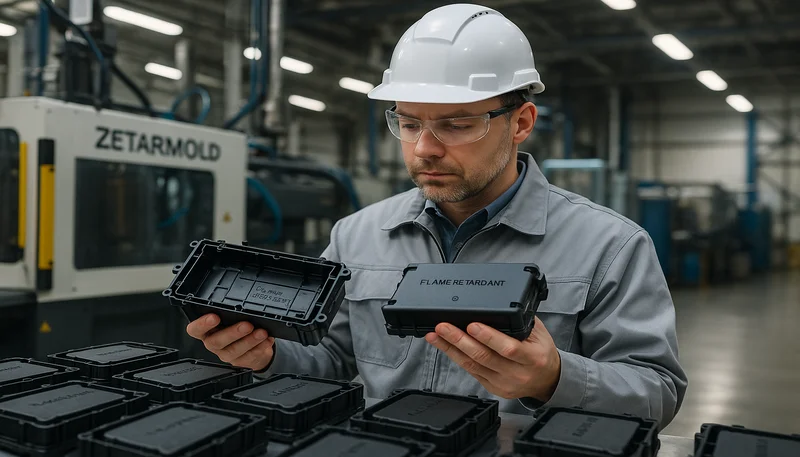
사출 성형 제품 품질 검사
Injection molded parts undergoing quality inspection.

Frequently Asked Questions About Factory Audits

자주 묻는 질문

What certifications should an injection molding factory have?

At minimum, any injection molding factory should hold ISO 9001 certification for quality management systems. For medical device parts, ISO 13485 is mandatory and often required by regulatory bodies. Automotive suppliers should have IATF 16949 certification. ISO 14001 for environmental management and ISO 45001 for occupational health and safety demonstrate broader operational discipline and responsible manufacturing practices. Always verify these certifications through recent third-party audit reports rather than just examining the certificate itself, as the detailed findings reveal much more about actual quality culture.

How long does a typical factory audit take?

A thorough on-site factory audit typically takes 4 to 8 hours for a medium-sized injection molding facility. This includes walking the production floor, inspecting the quality lab, reviewing documentation, and interviewing key staff. Remote video audits are shorter at 1 to 2 hours but provide significantly less depth and cannot verify physical conditions like machine maintenance or calibration records. For critical or high-value supplier relationships, investing in a full-day on-site visit is strongly recommended as the comprehensive assessment pays for itself in risk reduction.

Can I audit a factory without visiting China?

You can perform an initial remote assessment via video call to screen potential suppliers before committing to travel. However, a video audit cannot replace walking the actual production floor. You cannot physically verify machine conditions, check calibration stickers on measurement tools, inspect material storage areas, or assess the overall operational culture through a camera lens. For significant contracts or long-term partnerships, engaging a third-party audit firm like SGS, Bureau Veritas, or TUV to conduct an independent on-site inspection is a practical alternative when personal travel is not feasible.

What is the most important area to check during a factory audit?

Mold tooling capability is arguably the single most critical area to evaluate during a factory audit. Poor mold quality is the biggest source of defects, delays, and cost overruns in injection molding sourcing. Verify whether the factory has in-house mold manufacturing capability, inspect their CNC machining centers and EDM equipment, review mold maintenance records and storage practices, and ask about their engineering team’s experience with complex mold designs. A factory that builds and maintains its own molds has significantly more control over quality and lead times than one that outsources tooling.

How do I verify a factory’s actual production capacity?

Ask for the complete machine list with tonnage ratings, brand names, year of manufacture, and shot volume specifications. Then verify utilization rates and available production capacity by requesting their production scheduling records for the past 3 to 6 months. Compare claimed capacity against actual output data. Also check whether they have backup machines and whether their auxiliary equipment like dryers, robots, and temperature controllers is well maintained. A factory claiming extensive capacity but running at full utilization with no buffer may struggle with rush orders or unexpected volume increases.

What questions should I ask during a factory audit?

Focus your questions on five key areas: quality management system details including CAPA logs and audit findings, defect tracking methods with specific breakdown by type and cause, material traceability procedures from incoming resin to shipped parts, mold maintenance programs including shot count records and spare parts inventory, and employee training systems. The depth and specificity of their answers will tell you far more about their actual operational maturity than any marketing materials or certificates. Ask to see real records, not just process descriptions, and note how quickly and confidently they can retrieve the information you request.

Ready to Audit Your Next Injection Molding Supplier?

The right supplier is one that welcomes your audit and provides transparent documentation. This checklist gives you the framework to evaluate any supplier with confidence.\n\nIf you are looking for a transparent, audit-ready manufacturing partner, we invite you to visit our factory. With 20+ years of experience, 47 injection molding machines (90T–1850T), in-house mold manufacturing, and a team of 30+ English-speaking project managers, we welcome the scrutiny. See our full supplier sourcing guide for more on evaluating manufacturing partners.\n\n무료 견적 받기 for your next injection molding project — we will show you exactly how your parts would be produced, inspected, and shipped.


  1. ISO 9001:2015: ISO 9001:2015 refers to international standard for quality management systems, published by ISO.

  2. ISO 13485:2016: ISO 13485:2016 refers to international standard for quality management systems specific to medical devices.

  3. IATF 16949:2016: IATF 16949:2016 refers to international standard for quality management in the automotive industry, maintained by IATF.

최신 게시물
Facebook
트위터
LinkedIn
Pinterest
Mike Tang 사진
마이크 탕

Hi, I'm the author of this post, and I have been in this field for more than 20 years. and I have been responsible for handling on-site production issues, product design optimization, mold design and project preliminary price evaluation. If you want to custom plastic mold and plastic molding related products, feel free to ask me any questions.

나와 연결하기 →

빠른 견적 요청하기

다음을 통해 도면 및 세부 요구 사항을 보내세요. 

Emial:[email protected]

또는 아래 문의 양식을 작성하세요:

빠른 견적 요청하기

다음을 통해 도면 및 세부 요구 사항을 보내세요. 

Emial:[email protected]

또는 아래 문의 양식을 작성하세요:

빠른 견적 요청하기

다음을 통해 도면 및 세부 요구 사항을 보내세요. 

Emial:[email protected]

또는 아래 문의 양식을 작성하세요:

빠른 견적 요청하기

다음을 통해 도면 및 세부 요구 사항을 보내세요. 

Emial:[email protected]

또는 아래 문의 양식을 작성하세요:

빠른 견적 요청하기

다음을 통해 도면 및 세부 요구 사항을 보내세요. 

Emial:[email protected]

또는 아래 문의 양식을 작성하세요:

브랜드에 대한 빠른 견적 요청하기

다음을 통해 도면 및 세부 요구 사항을 보내세요. 

Emial:[email protected]

또는 아래 문의 양식을 작성하세요:

댓글 작성하기

이 도움말에 대한 자세한 내용을 보려면 "[email protected]"으로 이메일 주소를 입력하세요.

빠른 견적 요청하기

다음을 통해 도면 및 세부 요구 사항을 보내세요. 

Emial:[email protected]

또는 아래 문의 양식을 작성하세요:

빠른 견적 요청하기

다음을 통해 도면 및 세부 요구 사항을 보내세요. 

Emial:[email protected]

또는 아래 문의 양식을 작성하세요: