
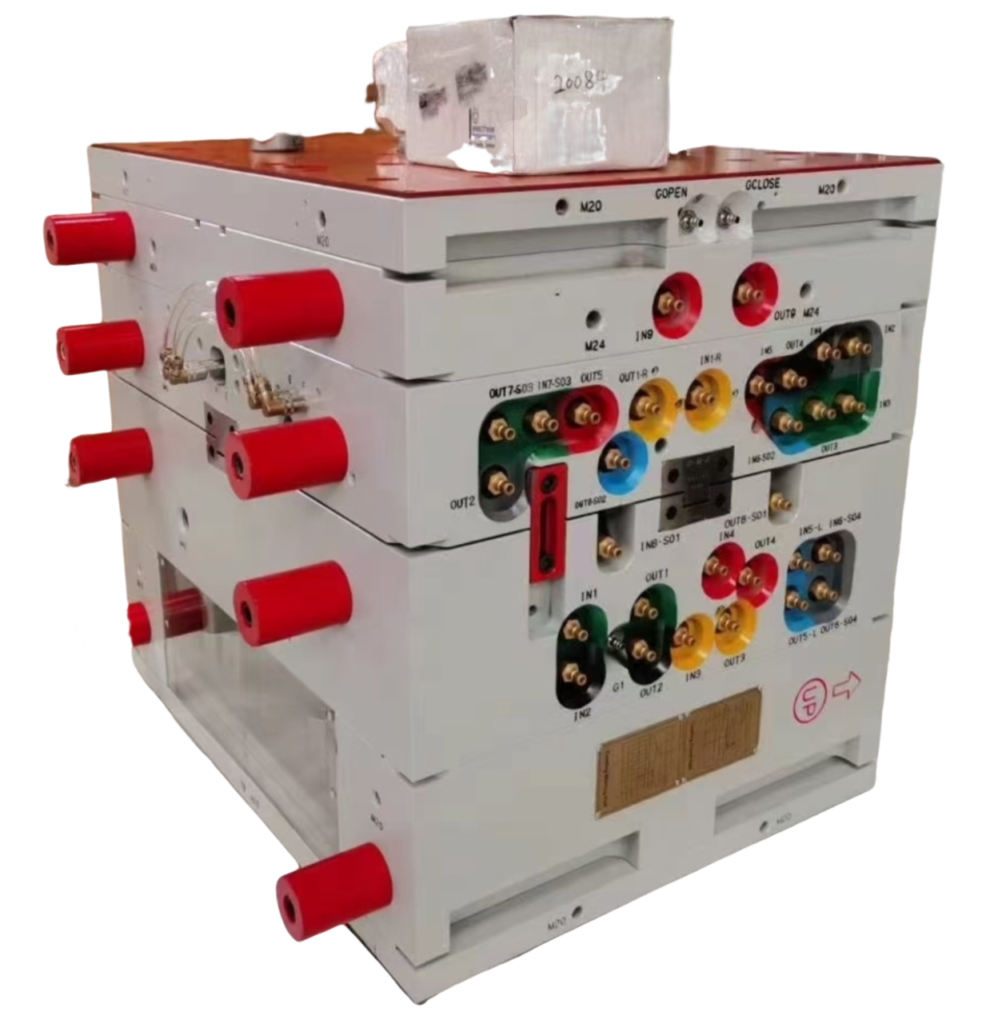
You placed the order. The supplier confirmed the schedule. Now what? Most overseas buyers invest weeks negotiating tooling and material specs, then go silent during production — only to discover problems after the goods arrive at their warehouse. A structured 射出成形 production follow-up checklist closes that gap. This article gives you a phase-by-phase checklist — from pre-production verification through in-process monitoring to post-run documentation — so you catch issues early, reduce defect rates, and build a reliable long-term supplier relationship.
- Follow up before, during, and after production — not just at the end
- Request first article inspection (FAI) reports before full run approval
- Document every deviation — photos, dimensions, lot numbers
- Schedule weekly status calls during active production
- Use a standardized checklist to avoid missing critical checkpoints
The stakes are especially high for overseas buyers. You are working across time zones, languages, and sometimes cultural expectations around quality reporting. Without a systematic approach to follow-up, small process deviations compound into major quality escapes that cost far more to fix after shipping than to prevent during production. This checklist covers every phase of production — from the moment your mold is pulled from storage through in-process sampling to the final packaging photos before your shipment leaves the factory dock.
Why Do You Need a Production Follow-Up Checklist?
A production follow-up checklist is your single most effective tool for maintaining quality control when you cannot stand at the press yourself. In our experience working with overseas buyers, the projects that run into the most expensive problems are almost always the ones where the buyer placed the PO and waited for shipping confirmation.
Here is what typically goes wrong without a follow-up system. The supplier starts production, but a machine parameter drifts during a night shift. Nobody catches it because your quality requirements sit in a PDF nobody referenced after the kick-off meeting. Three weeks later, 5,000 parts arrive with dimensional deviation outside your tolerance. Now you are negotiating rework costs across time zones instead of selling product.
If you are comparing vendors or planning procurement, our injection molding supplier sourcing guide covers RFQ prep, qualification, and commercial risk checks.
The root cause is not poor manufacturing capability — it is a communication gap. A well-structured checklist bridges that gap by defining exactly what gets checked, when, by whom, and how deviations get reported. Research from the Society of Manufacturing Engineers consistently shows that structured process monitoring reduces defect rates by 30–50% compared to ad-hoc approaches. Think of it this way: your 射出成形金型 is a precision tool worth tens of thousands of dollars. The follow-up checklist is the insurance policy that ensures every part coming out of that tool meets your specification.
What Should You Check Before Production Starts?
Pre-production verification is where you prevent 80% of downstream problems. Before the operator presses the green button, confirm these items:
Material Confirmation: Verify the exact resin grade, lot number, and supplier match your approved specification. Request a certificate of analysis (CoA1) for the material batch. If you specified Sabic 500P polypropylene, do not accept a generic PP without documented equivalence. Mold Condition Report: Ask for photos or a video walkthrough of the mold being installed. Check for visible damage, rust, or worn components. If the mold has been in storage since your last run, request a maintenance log. A mold that sits idle for months can develop corrosion on the cavity surface, leading to cosmetic defects on your parts.
Machine Setup Sheet: The supplier should document the injection pressure, hold pressure, melt temperature, mold temperature, cooling time, and cycle time. Compare these against the parameters from your last successful run. Any unexplained deviation is a red flag. First Article Inspection (FAI2): This is non-negotiable. Before approving volume production, inspect the first 3–5 samples from the initial cycle. Measure critical dimensions against your drawing. Check visual quality — flash, sink marks, short shots, weld lines. Only approve the run after FAI passes.
At ZetarMold, we document every machine setup parameter for each production run across our 47 injection molding machines (90T–1850T). This means when you reorder, we pull the exact same parameters — no guesswork, no drift.
How Do You Monitor Quality During Production?
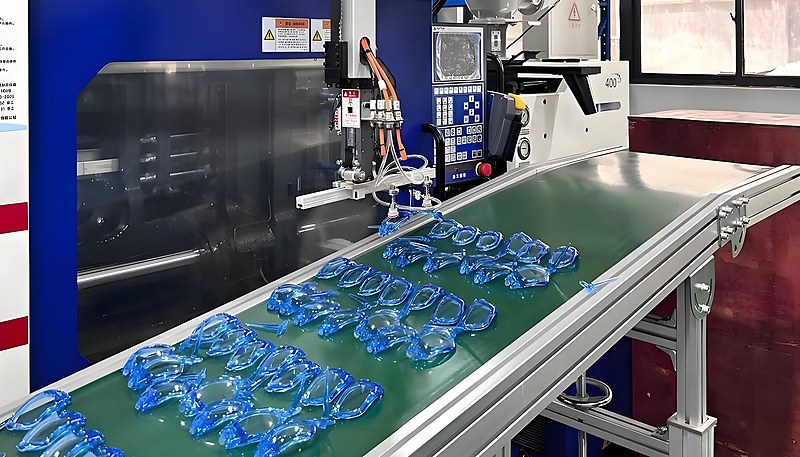
In-process monitoring is where the checklist pays for itself. The goal is to catch trends before they become defects. Here are the checkpoints you should run during active production:
Scheduled Sampling: Pull 3–5 parts every 2 hours (or every 500 shots, whichever comes first). Measure critical dimensions and log the results on an SPC3 chart. If you see a trend — even if parts are still within tolerance — flag it early. A dimension drifting 0.02mm per hour will eventually go out of spec. Visual Inspection Protocol: Check for flash, short shots, contamination (black specks, foreign material), color consistency, and surface finish. Define your acceptance criteria before production starts, not during.
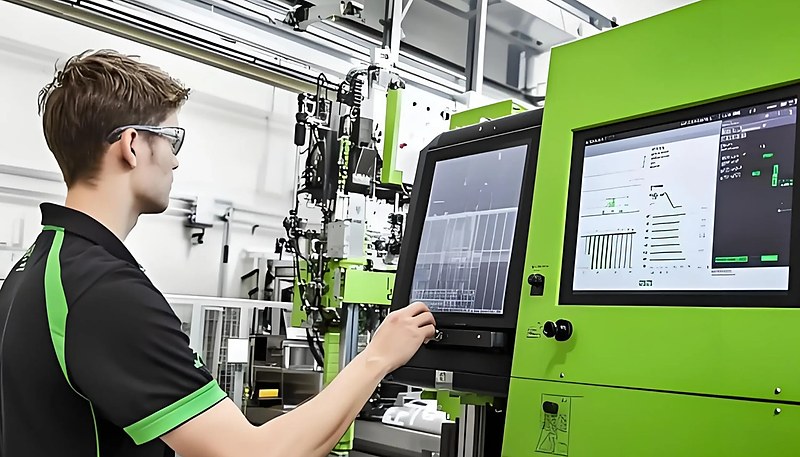
Use AQL (Acceptable Quality Level) sampling based on your risk tolerance. For most B2B applications, AQL 1.0 for critical defects and AQL 2.5 for minor defects is standard. Process Parameter Logging: Request that the supplier logs cycle time, injection pressure, and melt temperature at each sampling interval. Modern machines output this data automatically — there is no excuse for not sharing it. A sudden change in cycle time often indicates a developing problem: worn gate, contaminated check ring, or cooling issue. Color and Material Verification: If your part has a specific color match, compare samples against your approved color standard under the same lighting conditions (D65 standard illuminant).
Color shift during a run usually means the material is degrading or the colorant is not dispersing evenly.
“Requesting process parameter logs from your supplier helps catch quality drift before parts go out of tolerance.”真
Process data — cycle time, injection pressure, melt temperature — is your earliest warning system. Trends in these parameters predict dimensional drift before it exceeds tolerance.
「初品検査(FAI)は、同一金型による繰り返し注文では任意です。」偽
繰り返し注文でも、初回製品検査(FAI)は不可欠です。材料ロットの変更、機械の摩耗、環境の変化により部品品質が変わる可能性があります。常に本格生産を承認する前に検証してください。
| 工程内チェックポイント | サンプリング頻度 | Acceptance Criteria | エスカレーション措置 |
|---|---|---|---|
| Dimensional check | 2時間ごと / 500ショットごと | 図面公差内の寸法 | 生産停止、パラメータ調整 |
| 外観検査 | 2時間ごと / 500ショットごと | フラッシュなし、ショートショット、汚染 | 疑わしい部品を隔離し、金型を検査 |
| 工程パラメータ | 2時間ごと / 500ショットごと | 安定したサイクルタイム、圧力、温度 | 継続前に根本原因を調査 |
| 色合わせ | 4時間毎 | D65光源下で承認済み標準に一致 | 材料、スクリュー、温度を確認 |
| 重量チェック | 2時間毎 | 部品重量がFAIサンプルの±0.5%以内 | ショートショット、フラッシュ、またはキャビティの不均衡を示す |
What Documents Should You Request After Each Production Run?
文書化は証拠の軌跡です。品質問題が数か月後にお客様の組立ラインや現場で発生した場合、生産中に何が起こったかを正確に追跡する必要があります。以下は各ロット後に要求すべき内容です:
検査報告書: 生産中に採取された全ての寸法測定値の要約で、図面公差と比較したもの。各測定について日付、時刻、作業者名、使用機器を含めること。 材料証明書: 生産に使用された樹脂ロットの分析証明書(CoA)。これは材料が指定された特性を満たしていることを証明し、規制産業では必須です。 工程パラメータ記録: ロット全体を通じた機械設定の完全な記録。
サプライヤーがプロセス監視機能を備えた近代的な機械を運用している場合は、生データのエクスポートを要求してください。 歩留まり・スクラップ報告書: 生産された部品数、検査合格数、不合格数 — 不合格理由を分類して。成熟した金型でスクラップ率が3%を超える場合は調査が必要。 出荷・梱包記録: 梱包済み製品、カートンラベル、パレット構成の写真。これにより、輸送損傷の紛争から保護され、受領時の数量確認に役立ちます。これらの書類は少なくとも3年間保管してください。これらは適切な注意を払った証拠であり、将来の生産ロットの参考資料となります。
当社のISO 9001、ISO 13485、ISO 14001、ISO 45001認証システムに基づき、ZetarMoldでの各製造ロットは、検査報告書、材料証明書、工程記録を含む完全な文書パッケージを生成し、お客様の記録用に準備されます。
How Do You Handle Defects Found During Follow-Up?
追跡調査で不具合を発見することは失敗ではありません。それはシステムが意図通りに機能している証です。重要なのは、どれだけ迅速かつ体系的に対応できるかです。以下に推奨する意思決定フレームワークを示します:
ステップ1 — 問題の封じ込め: 前回の合格検査以降に生産されたすべての部品を直ちに隔離してください。疑わしい部品が包装工程に入らないようにします。これがサンプリング頻度が重要な理由です — チェックが頻繁であればあるほど、隔離バッチは小さくなります。ステップ2 — 欠陥の分類: それは致命的(機能や安全性に影響)、重大(外観や組立に影響)、または軽微(外観のみ)か?分類は対応の緊急度を決定する。致命的な欠陥は即時生産停止を意味する。軽微な欠陥は監視強化の上で継続を意味する可能性がある。
ステップ3 — 根本原因分析: サプライヤーは24時間以内に5Why分析またはフィッシュボーン図を提供すること。射出成形における一般的な根本原因には以下がある:金型部品の摩耗、材料汚染、機械パラメータの変動、作業者ミス。「機械を調整した」という説明だけでは、なぜ最初にパラメータが変動したのかを理解しない限り受け入れないこと。 ステップ4 — 是正処置の検証: サプライヤーが修正を実施した後、生産再開前に再度FAIを実施してください。修正は約束ではなくデータで検証します。根本原因が摩耗したキャビティインサートであった場合は、交換インサートが取り付けられ測定されたことを確認してください。 ステップ5 — すべてを文書化: 不具合の内容、根本原因、是正処置、検証結果を記録します。
これは将来の生産における組織的知識となる。
When Should You Escalate Issues to Your Supplier’s Management?
是正処置後に欠陥が再発した場合、仕様が承認なしに変更された場合、または文書提供を拒否された場合にはエスカレーションを行う。全ての問題がエスカレーションを必要とするわけではないが、特定のトリガーには管理職の関与が正当化される。
同一ロットでの繰り返し欠陥: 是正措置後にも同じ欠陥が2回発生した場合、それは偶発的な事象ではなく、体系的な問題です。営業担当ではなく、生産管理者との会議を要求してください。
Deviation from Agreed Specifications: If the supplier unilaterally changes material grade, colorant, or process parameters without your written approval, this is a contractual issue that requires immediate escalation.
Missed Deadlines Without Prior Notice: A supplier who hides delays is a bigger risk than one who communicates them. If your shipping date slips without proactive communication, escalate to understand the real situation.
Quality Documentation Refusal: If the supplier cannot or will not provide inspection reports, material certificates, or process data, you have a transparency problem. This is a legitimate reason to escalate and potentially re-evaluate the relationship.
“Structured follow-up checklists typically reduce defect rates by 30–50% compared to ad-hoc quality control.”真
Research from manufacturing engineering organizations consistently shows that systematic process monitoring catches issues earlier, preventing cascading defects and reducing overall scrap rates.
“If a defect is classified as minor, you should continue production and address it after the run is complete.”偽
Even minor defects can indicate a developing problem. Continue with enhanced monitoring, and if the defect recurs or worsens, stop production for root cause analysis.
The Right Way to Escalate: Be specific and data-driven. Send an email with photos, measurement data, and a clear description of the gap between expected and actual results. Frame it as a partnership rather than an accusation. Suppliers who see you as a partner are more likely to mobilize their best resources to solve the problem.
What Are the Most Common Follow-Up Mistakes Overseas Buyers Make?
The top mistakes are skipping follow-up, using vague specs, skipping FAI, and trusting verbal promises. After two decades of working with overseas buyers, here is what to avoid:
Mistake 1 — No Follow-Up Until Shipment: The single most expensive mistake. By the time parts arrive, it is too late to fix anything. The cost of rework, return shipping, and lost production time can exceed the original order value.
Mistake 2 — Vague Quality Requirements: Saying “good quality” is not a specification.
Define exact tolerances, surface finish standards (SPI grades), acceptable color deviation (Delta E values), and specific inspection methods. Ambiguity always favors the supplier’s interpretation.
Mistake 3 — Skipping First Article Inspection: The first 5 parts tell you whether the setup is correct for the remaining 50,000. Skipping FAI to save a few hours of inspection time is a false economy — you are gambling the entire batch on an unverified process. Mistake 4 — Not Requesting Process Data: If your supplier has modern injection molding machines (most do), they generate detailed process data. Not asking for it means flying blind. Process data is your early warning system. Mistake 5 — Accepting Verbal Assurances: “Everything is fine” is the most expensive sentence in manufacturing. Always require photographic evidence, measurement data, and written reports. Trust is good; verification is better.
With 20+ years of injection molding experience and a dedicated focus on overseas business since 2013, we have seen every follow-up mistake in the book — and helped our customers build processes that prevent them.
How Can a Follow-Up Checklist Reduce Long-Term Costs?
A follow-up checklist is not overhead — it is an investment with measurable returns. Here is the cost breakdown:
Defect Prevention vs. Defect Correction: Catching a dimensional drift during production costs you a phone call and a parameter adjustment. Catching it after shipment costs you return freight, rework labor, material waste, and potentially lost customer contracts. The ratio is typically 1:10 to 1:50 — prevention is dramatically cheaper. Reduced Scrap Rates: Suppliers who know they are being monitored consistently produce lower scrap. It is human nature. When performance is measured, performance improves. We have seen scrap rates drop from 5% to under 1.5% simply by implementing structured in-process checks.
Faster Time to Market: A follow-up checklist prevents the “discover problems at receipt” scenario that adds 2–4 weeks to your timeline. First-pass quality means your parts go straight from receipt to assembly, no incoming inspection bottleneck required. Lower Total Cost of Ownership: When you account for rework, returns, delays, and quality escapes, the total cost of poor follow-up can add 15–30% to your per-part price. A checklist that costs 30 minutes per production run eliminates that premium. Stronger Supplier Relationships: Paradoxically, diligent follow-up builds better supplier relationships, not worse ones. When you communicate clearly what you need and provide data-driven feedback, you become a preferred customer.
Preferred customers get priority scheduling, faster responses, and more engineering support when they need it.
よくある質問
How Often Should I Request Production Updates from My Supplier?
For active production runs, request updates at least twice per week — ideally with a structured status report after each sampling checkpoint. During critical phases like initial setup or first article inspection, daily updates are appropriate. Schedule a weekly video call with the production team to review process data, dimensional trends, and any deviations. The key is consistency: establish the reporting cadence before production starts, not after problems appear. Buyers who set clear expectations for update frequency upfront consistently experience fewer surprises at shipment.
What Is a First Article Inspection and Why Does It Matter?
A first article inspection (FAI) is a comprehensive measurement and visual check of the very first parts produced from a production run against your engineering drawings. It confirms that the mold, material selection, and machine parameters are all set correctly before committing to full volume production. Skipping FAI is the most expensive follow-up mistake overseas buyers can make, because approving thousands of parts without first verifying process capability consistently results in costly rework, shipment delays, and damaged customer relationships that far exceed the cost of the inspection itself.
Should I Visit the Factory During Production?
For first production runs or high-value orders, a factory visit during the initial setup phase provides irreplaceable firsthand insight into the actual manufacturing environment, equipment condition, and team capabilities on the ground. You can verify mold condition in person, observe the FAI process directly, and build a face-to-face working relationship with the production team that pays dividends throughout the entire project lifecycle. For repeat orders with an established and trusted supplier, remote monitoring through structured reports and scheduled video calls is usually sufficient and significantly more cost-effective.
What AQL Level Should I Specify for Injection Molded Parts?
AQL 1.0 for critical defects affecting function or safety, and AQL 2.5 for minor cosmetic defects, is the standard specification for most business-to-business manufacturing applications worldwide. For medical devices or automotive components, tighter acceptance levels such as AQL 0.65 may be more appropriate depending on your specific regulatory obligations and end-use requirements. Always specify your AQL levels explicitly in the purchase order before production begins, rather than attempting to negotiate them retroactively after the production run is already complete and the parts are on their way.
How Do I Handle a Supplier Who Refuses to Share Process Data?
This is a significant red flag that warrants serious attention. Modern injection molding machines automatically log process parameters including cycle time, peak injection pressure, and melt temperature for every single shot. If a supplier cannot or will not share this data, you should ask why — possible reasons include outdated equipment lacking data capture, manual process control that introduces inconsistency, or deliberate opacity about their manufacturing practices. Consider data transparency a core criterion in your ongoing supplier evaluation and selection process.
Can a Follow-Up Checklist Help with Multi-Cavity Molds?
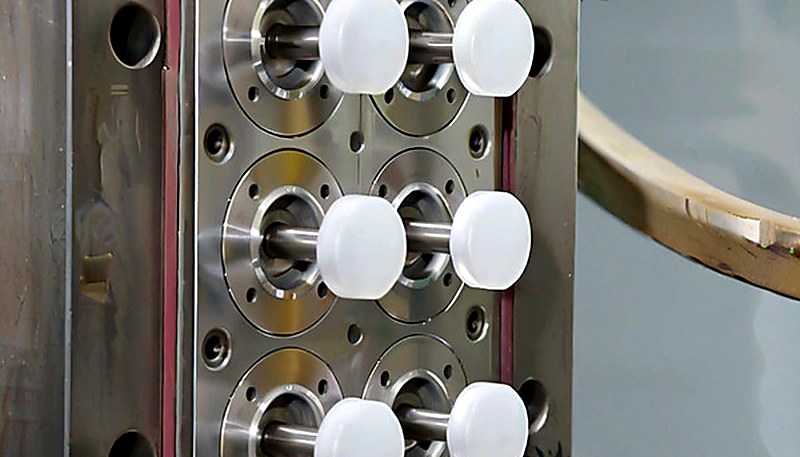
Absolutely, and a follow-up checklist is especially important for multi-cavity molds. Each cavity in a multi-cavity mold can produce slightly different parts due to variations in cooling channel effectiveness, flow length, or venting conditions. Your follow-up checklist should specify exactly which cavities to measure at each sampling interval and track dimensional data per cavity. Cavity imbalance is one of the most common hidden quality issues in multi-cavity production, and without systematic cavity-level tracking you risk missing defects that affect only certain cavities consistently.
Ready to Streamline Your Production Follow-Up Process?
最善の次のステップは、プロセスに透明性を組み込むサプライヤーを選ぶことです。ZetarMoldでは、120名以上の生産作業員と8名のシニアエンジニアがISO認証品質システムの下で運営され、フォローアップをシームレスにします。透明性が持続的なパートナーシップを築くため、FAIレポート、プロセスデータ、検査記録を積極的に共有しています。 フォローアップを容易にするサプライヤーをお探しですか? 無料見積もりを取得し、すべてを文書化するパートナーとの仕事の違いを体験してください。




 EN
EN  ES
ES  FR
FR  DE
DE  PT
PT  AR
AR  RU
RU  JA
JA  KO
KO  IT
IT  NL
NL  TR
TR  PL
PL