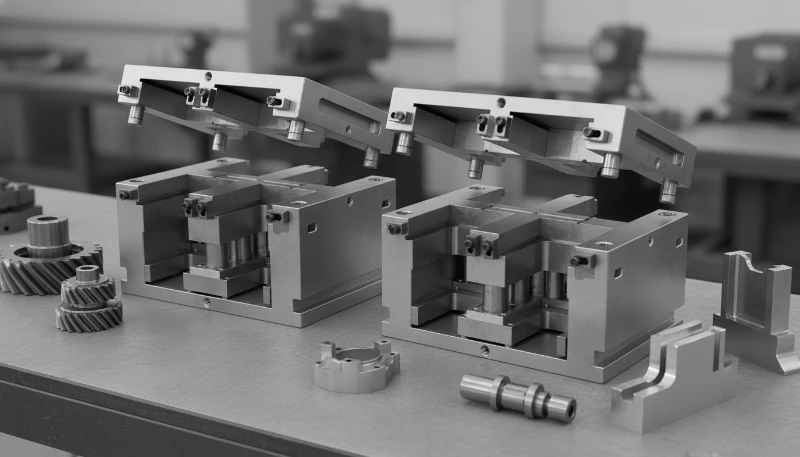
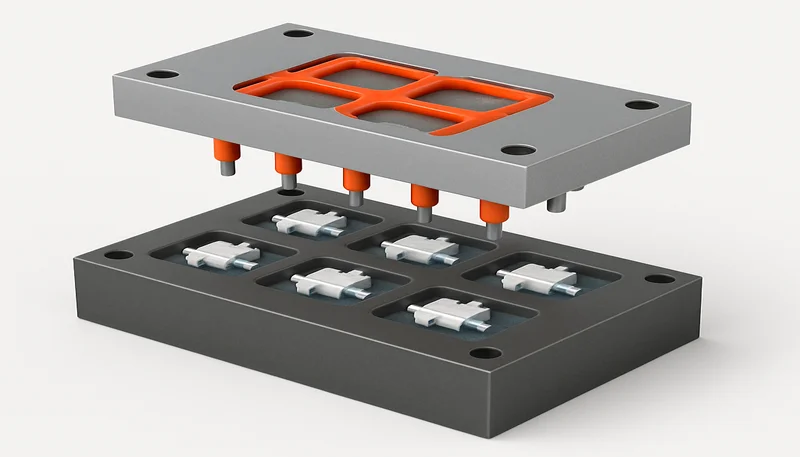
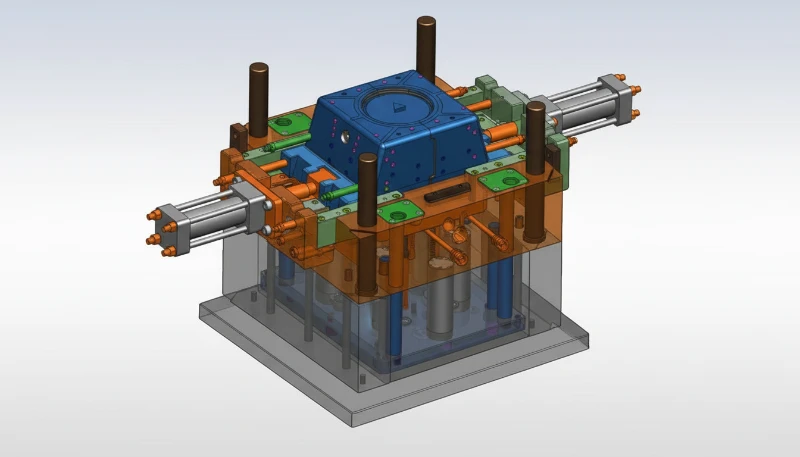
- サイドアクション、ねじ抜き機構、リフター、コラプシブルコアでアンダーカットに対応
- アンダーカットの深さと直径の比率によって最適な方法が決まります
- コラプシブルコアは、サイドアクションより深いアンダーカットに対応できます
- アンダーカット形状1か所につき、サイドプルにより金型費が15~20%増加する
- 金型製作前のDFMレビューにより、高額な設計変更を防止
「スライド機構は深さ6 mmまでのアンダーカットに効果的に対応でき、ねじ抜き機構より低コストです。」True
アンダーカット1では、型開き方向と直角に引くアンギュラピンまたはサイドコアを使います。直角方向からアクセスできる部品表面の浅い外側アンダーカットに適し、6 mm超ではピンのたわみや突き出し力不足が生じます。
「ねじ形状には、必ず回転抜き機構が必要である。」False
実際には、ねじ山が浅い小型部品の外ねじであれば、ねじ抜き機構を使わず、離型時に無理抜きできる場合があります。しかし、内ねじ、長いねじ、ボトルキャップなど、ほとんどのねじ形状では、通常の突き出し時にねじ付きコアが部品を拘束するため、ねじ抜き機構が必要です。
アンダーカット機構の理解は射出成形工程に関わる全員に不可欠で、選択は金型費、サイクルタイム、部品品質へ直結します。サイドアクション、ねじ抜き、コラプシブルコア、リフターは、射出成形金型設計における特定のアンダーカット形状と深さに対応します。設計段階で適切な機構を選べば、高額な金型改修を防ぎ、製品寿命を通じた安定生産が可能です。以下で各機構の設計指針と費用影響を説明します。
「コラプシブルコア2は、サイドアクションやリフターよりも深い内側アンダーカットに対応できる。」True
コラプシブルコアは、離型時に内側へ収縮する分割コア部を使用します。深さ20 mmまでの内側アンダーカットに対応し、部品形状によって側面からアクセスできない内側スナップフィットなど、複雑な内部形状に適しています。
「部品のアンダーカットを増やすと、コストは必ず直線的に上昇する。」False
実際には、アンダーカットが複数あると金型の複雑さは相乗的に増します。単純なアンダーカットが2つある場合、1つの場合よりコストが約50%高くなります。3つ以上では複数の金型動作が必要となり、アンダーカットのない設計と比べて金型コストが100-200%増加します。
射出成形のアンダーカットとは?
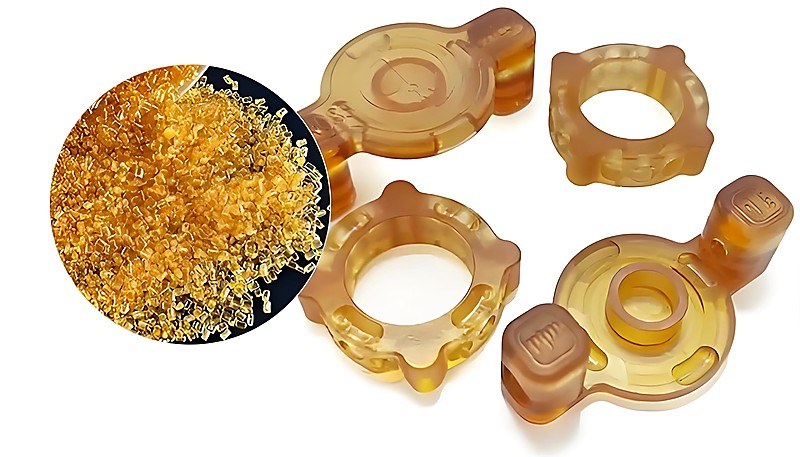
アンダーカットとは、金型からの製品取り出しを妨げる形状です。型開き方向に対して直角に配置された横穴、ねじ、ボス、スナップフィット、外側リブなどが該当します。すべてのアンダーカットには、金型設計上、専用の取り出し機構が必要です。
射出成形金型の設計者は、深さ対直径比に基づきアンダーカットの難度を3段階に分類します。Tier 1(比率0.25未満)は単純なサイドプラーまたはアンギュラピンを使い、追加費用は最小限です。Tier 2(0.25~0.5)はリフターまたはコラプシブルコアが必要で、費用への影響は中程度です。Tier 3(0.5超)はねじ抜き機構または多段突出し機構が必要で、金型の複雑さとモールドベース寸法が大幅に増します。設計段階で適切に分類すれば、後の高額な金型変更を防げます。
各アンダーカット方式は、金型全体の構造にそれぞれ異なる影響を及ぼします。サイドアクションには、アンギュラピンのガイドとリターンスプリングを配置するため、モールドベース内に追加スペースが必要です。ねじ抜き機構には、ラック・アンド・ピニオン機構または油圧駆動ユニット用の空間が必要です。コラプシブルコアでは、射出時のバリを防ぐため、各コアセグメントを高精度に公差管理しなければなりません。こうした構造上の制約により、アンダーカット方式の選定はエジェクションシステムだけでなく、金型レイアウト全体と成形機の必要型締力にも影響します。
アンダーカットの難易度分類
設計エンジニアは、どのプロジェクトでも金型設計方針を確定する前に、アンダーカット要件を部品機能、組立方法、目標生産量と併せて評価し、十分な根拠に基づいてトレードオフを判断する必要があります。
金型費は、アンダーカットの複雑さと生産要件によって大きく異なります。サイドプラーを使用する単純な外側アンダーカットは、形状1か所当たり$500–$1,200で、深さ6 mm未満の浅い形状に安定して対応できます。ねじ形状用の回転抜き機構は、キャビティ当たり$2,000–$5,000ですが、通常では成形できない形状を実現できます。複雑な内側アンダーカット用のコラプシブルコアは、キャビティ当たり$3,000–$7,000で、サイドアクションでは届かない深さ20 mmまでの形状に対応します。最も費用対効果の高いアンダーカット方式を選ぶには、必ず金型費を生産数量および部品要件と比較してください。
ZetarMoldの上海工場で20+年にわたり射出成形金型を稼働してきた経験では、毎月製作する100+セットの金型の約35%にアンダーカットがあります。最も一般的なのはねじ形状(ねじボス、ボトルねじ)で、次いでスナップフィット形状と側面窓です。各自10+年の経験を持つ8名のシニアエンジニアが、鋼材の切削前に、すべてのDFMレビューで必須項目としてアンダーカットの実現可能性を検討します。
アンダーカットの複雑さは金型費用に影響します。単純なアンダーカットが2か所ある部品では、同等のアンダーカットがない設計と比べて、金型費用が約25-35%高くなります。複数または内部のアンダーカットでは、金型費用が50-80%増加し、コラプシブルコアやねじ抜き機構などの複雑な金型作動機構が必要になります。
サイドアクションを使用すべき場合とは?
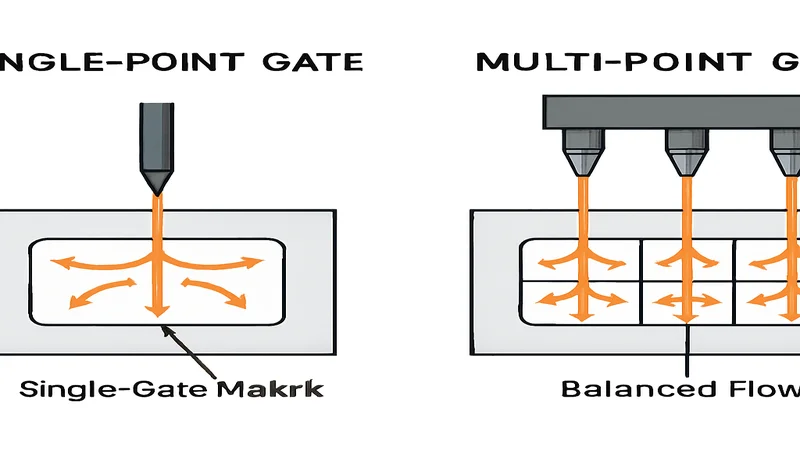
サイドアクションでは、金型の開閉方向に対して垂直に引き抜くアンギュラピンまたはサイドコアを使用します。深さ6 mm未満の浅いアンダーカットに最適です。サイドプーラーはねじ抜き機構より低コストですが、対応できる深さに制限があります。
アンダーカット深さが3-6 mmで、アンダーカット形状が外面にある場合は、サイドアクションを使用します。6 mmを超えると、ピンのたわみや突出力不足が生じます。サイドプーラーは、形状が単純な側面穴、スロット、外側アンダーカットに適しています。
スライド機構を追加すると、複雑さに応じてアンダーカット1か所当たり約$500~$1,200が金型費に加算されます。1つのキャビティに複数のスライド機構を設けると、金型費は複合的に増加します。大量生産では、この初期費用は部品ごとの離型工程を簡素化することで回収できます。
ねじ抜き設計はどのように機能しますか?
ねじ抜き機構は、離型時にねじ形状を回転させて金型から取り外します。ねじ穴、ねじボス、直径150 mmまでの外ねじに対応します。ねじ抜きコアは、ラック・アンド・ピニオン、油圧モーター、または電動サーボで駆動します。
ねじ形状では、通常の突き出し時にねじコアが成形品を拘束するため、ほとんどの場合、回転抜き機構が必要です。回転抜きが必要な代表的部品には、ボトルキャップ、ねじ式クロージャー、ねじボス、外ねじを持つ円筒部品があります。必要な回転量は、ねじピッチとねじ長さによって決まります。
ねじ抜き機構は、ねじの複雑さと駆動機構に応じて、キャビティ当たり約2,000~5,000ドルの金型費を追加します。回転と後退が必要なため、サイクルタイムも2~4秒長くなります。ねじ長さは最小限に設計し、二次加工でねじを追加できるなら、ねじ抜き機構を避けてください。
コラプシブルコアとは何か、どのような場合に使用されるか?
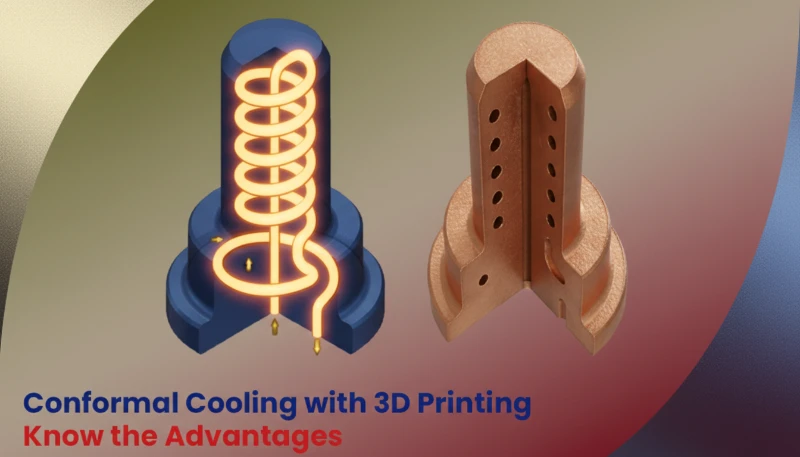
コラプシブルコアは、突出し時に内側へ収縮する分割コアで構成されます。深さ20 mmまでの内部アンダーカットに対応し、内部スナップフィット、内部リブ、複雑な内部アンダーカット形状に適しています。
コラプシブルコアはスライドより高価ですが、スライドコアでは届かない深い内側アンダーカットに対応できます。突き出し時にコアセグメントがガイドピラー内へ収縮し、アンダーカット形状が通過するための隙間を作ります。金型が閉じると、ばねまたは油圧アクチュエータによってコラプシブルコアが元の位置に戻ります。
部品形状により側面からアクセスできない、深さ6-20 mmの内側アンダーカットには、コラプシブルコアを使用します。金型費用はキャビティ当たり$3,000–$7,000増加しますが、通常なら複数部品の組み立てが必要になる形状を一体で実現できます。
リフターは外側アンダーカットにどのように対応するのか?
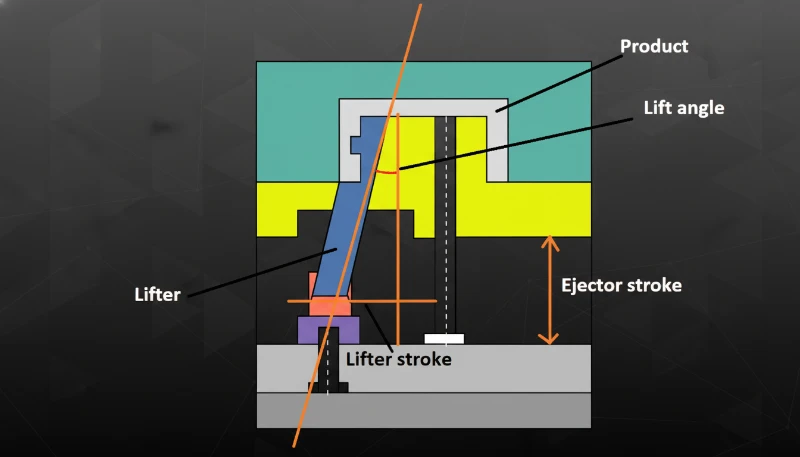
リフターは、突き出し時にアンダーカット形状の下から部品を押し出す傾斜ピンです。パーティングラインからアクセスできる浅い横穴、スロット、外側リブなどの外部アンダーカットに最も適しています。通常、リフターは5-15度の傾斜角度を利用して、部品をアンダーカット形状から押し出します。
単純な外側アンダーカットであれば、リフターはコラプシブルコアより低コストです。ただし、リフターの移動量はアンダーカット深さを上回る必要があります。アンダーカットがリフターの移動量を超えると、成形品が金型から抜けなくなります。直線状の側壁、逆抜き勾配の排除、リフター動作用の十分なクリアランスなど、リフターに適した形状でアンダーカット部を設計してください。
金型設計上アクセス可能な部品外面にある深さ8 mm未満の外側アンダーカットには、リフターを使用します。リフターはフィーチャー1か所当たり$800–$1,500の金型費用を追加しますが、単純なアンダーカット形状を確実に離型できます。
適切なアンダーカット処理方法はどのように選定しますか?
アンダーカットの深さ、位置(内側/外側)、生産量に基づいてアンダーカット機構を選定します。深さ6 mm未満の単純な外側アンダーカットにはリフターが適しています。より深い外側アンダーカットやねじ形状には、ねじ抜き機構が必要です。深さ6 mmを超える内側アンダーカットには、コラプシブルコアが必要です。
深さと直径の比が主要な設計指針です。深さが形状直径の25%未満のアンダーカットは、サイドアクションで処理できます。形状直径の50%を超える深いアンダーカットには、ねじ抜き機構またはコラプシブルコアが必要です。アンダーカットが複数あると、金型構造の複雑さが増大します。
金型費の増加は、アンダーカットの複雑さと密接に連動します。アンダーカット機構を追加するたびに、金型の複雑さは線形に加算されるのではなく、相乗的に増大します。コラプシブルコアを用いた内部アンダーカット1か所の費用は、キャビティ当たり$3,000-$7,000です。同じ部品に2か所目の内部アンダーカットを追加すると、機構の総費用は60-80%増加します。製品設計段階でアンダーカット形状を計画し、機構の総数と金型投資全体を抑えてください。
生産数量はコスト正当性に影響します。少量生産プロジェクト(50,000個未満)では、複雑なアンダーカット機構を避けるべきです。大量生産(500,000個以上)では、サイクル時間を短縮したり組み立て工程を排除したりするアンスクリューやコラプシブルコアのための先行金型コストが正当化されます。
費用対効果分析では、初期金型投資と生産量を比較して機構を選びます。年間500,000ショットの部品に$3,000のコラプシブルコアを使うと、二次加工より1サイクル約2秒短縮し、初年度内に金型投資を回収できます。当社技術チームはDFMレビュー3で詳細なアンダーカット解決策を分析し、金型費と生産効率の最適化を支援します。
よくある質問
サイドアクションの最大アンダーカット深さは?
ほとんどの射出成形アプリケーションにおいて、サイドアクションは深さ6mmまでのアンダーカットを効果的に処理します。6mmを超えると、表面積の増加と部品・金型鋼材間の摩擦により、サイドピンがたわむか十分な取り出し力を欠きます。より深いアンダーカットには、確実な取り出しのために収縮コアまたはねじ切り機構が必要です。サイドプーラーは、金型設計がパーティングラインを通じて垂直方向のアクセスを提供する部品表面の外部アンダーカットに最適です。取り出し不良、金型損傷、生産停止を回避するため、金型製作前にDFMレビューを通じて選択した機構の能力とアンダーカット深さが一致することを常に確認してください。
アンダーカットの深さは金型コストに影響しますか?
アンダーカットの深さは、射出成形の金型コストに直接影響します。3 mm未満の浅いアンダーカットは金型コストに300~800米ドルを追加し、単純なアングルピンやサイドコアを使用します。3~8 mmの中程度のアンダーカットは800~1,500米ドルを追加し、より堅牢なエジェクションシステムを必要とします。8 mmを超える深いアンダーカットやコラプシブルコアを必要とする内部アンダーカットは、複雑さに応じてキャビティごとに2,000~7,000米ドルを追加します。アンスクリューなどの複雑なアンダーカット機構は、精密機械部品と駆動システムにより、キャビティごとに2,000~5,000米ドルを追加します。部品設計でアンダーカット形状を決定する前に、すべてのアンダーカット機構を含む総金型コストを常に計算してください。
設計段階で内部アンダーカットを回避できますか?
内部アンダーカットは、DFM段階での設計変更により解消されることがよくあります。内部リブに適切な抜き勾配を追加する、不要な内部スナップフィットを除去する、または部品を2つのコンポーネントの組み立てとして再設計することで、収縮コアの必要性がなくなり金型コストが削減されます。金型製作前のDFMレビューにより、代替設計手法を特定することで、再設計および金型修正コストを$3,000〜$15,000節約できます。製品機能を維持しながら内部アンダーカット形状を完全に回避する、リビングヒンジ、外部スナップフィット、分割部品組み立てなどの設計代替案を検討してください。金型エンジニアとの早期協業により、鋼材切削前にコスト削減につながる設計変更を特定できます。
選択した機構に対してアンダーカットが深すぎるとどうなりますか?
深すぎるアンダーカットは、部品の閉じ込め、金型部品の損傷、不完全なエジェクション、生産停止など深刻な生産上の問題を引き起こします。深いアンダーカットに対するサイドアクションは、ピンの破損、金型の損傷、部品の不完全な取り外しを招きます。設計限界を超えるアンダーカットに対するコラプシブルコアは、コアの崩壊、収縮不全、エジェクション時の部品損傷を引き起こします。長すぎるねじ山に対するアンスクリュー機構は、過度なサイクル時間、駆動システムの損傷、ねじ山の損傷を引き起こします。これらの問題を回避し確実な生産を確保するため、金型生産前にDFM解析、物理試験、またはシミュレーションを通じて、アンダーカットの深さが選択したエジェクション機構の能力と一致することを常に確認してください。
1つの部品にいくつのアンダーカットを持てますか?
射出成形において、複数のアンダーカットは金型の複雑さを乗数的に増加させます。2つの単純なアンダーカットは、追加の金型アクションにより、1つのアンダーカットよりも約50~100%高コストになります。3つ以上のアンダーカットは複数の金型アクションを必要とし、アンダーカットのない設計と比べて金型コストを100~200%増加させます。複雑なアンダーカット配置は、機械のサイズ制限を超えたり、サイクル時間を増加させたり、複数の生産工程を必要としたりする可能性があります。金型コストと生産の複雑さを最小限に抑えるため、アンダーカット形状を統合する、不要なアンダーカット形状を避ける、代替の組み立て方法を使用するなど、部品を設計してください。大量生産では複雑な複数アンダーカット金型が正当化されますが、少量生産プロジェクトでは簡素化された設計が有利です。
ねじ山ピッチはアンスクリュー要件に影響しますか?
射出成形におけるねじ山ピッチは、アンスクリュー要件に大きく影響します。ねじ山ピッチは、アンスクリュー作業中の回転数を決定します。ピッチの大きい粗いねじ山は、ピッチの小さい細かいねじ山よりも回転数が少なくて済むため、アンスクリューサイクル時間を短縮します。ねじ山の長さにピッチを乗じた値が、金型から部品を取り外すのに必要な総回転数となります。サイクル時間を短縮し生産効率を向上させるため、機能要件を満たす最小限のピッチでねじ山を設計してください。ねじ山仕様を選択する際は、アンスクリューサイクル時間が生産スループットに与える影響を考慮し、エンジニアリングチームとトレードオフについて議論してください。
アンダーカットの深さ対直径比とは何ですか?
射出成形設計における深さ対直径比は、アンダーカット深さをアンダーカット形状の直径で割った値です。0.25未満の比率では通常サイドアクションが使用可能です。0.25〜0.5の比率では、形状とアクセシビリティに応じてリフターまたは収縮コアを使用します。0.5を超える比率では、ねじ切り機構または代替の取り出し方法が必要です。取り出しを簡素化し金型コストを削減するため、アンダーカット形状は直径に対して可能な限り浅く保ちます。この比率は、製品開発および金型設計段階において適切なアンダーカット取り出し機構を選択するための主要な設計指針となります。エンジニアはこの比率を使用して、詳細なDFM分析の前に適切なアンダーカット解決策を迅速に決定します。
簡易ルール:突出し機構を選ぶ前に、必ずアンダーカットの深さ対直径比を計算します。0.25未満はサイドアクション、0.25~0.5はリフターまたはコラプシブルコア、0.5超はねじ抜きを使います。着工前にDFMレビューを依頼し、設計前提を確認して高額な金型改修を防いでください。
工場からの知見
ZetarMoldでは、上海工場に45台の射出成形機(90T~1850T)を稼働させています。2005年からの20年以上にわたり、8名のシニアエンジニアが、6 mmの外部スナップフィット用の単純なリフターから150 mmのねじ山キャップ用の多軸アンスクリュー機構まで、あらゆる複雑さのレベルでアンダーカットソリューションを備えた金型を設計してきました。加工データベースに400以上の材料を保有し、120名以上の生産スタッフ(70%が10年以上の経験)を擁する当社は、部品形状と生産数量を評価し、最も費用対効果の高いアンダーカットソリューションを推奨します。当社の金型工場では月に100セット以上の金型を生産しており、生産規模におけるアンダーカットの信頼性に関する深い実務経験を有しています。
アンダーカット設計をご相談ください。3D CADファイルを当社技術チームへ送れば、無料でDFMレビューを行います。アンダーカットのリスクを特定し、適切な突出し機構を提案し、24時間以内に詳細な金型見積りを提示します。今すぐZetarMoldへお問い合わせください。