コンテンツへスキップ
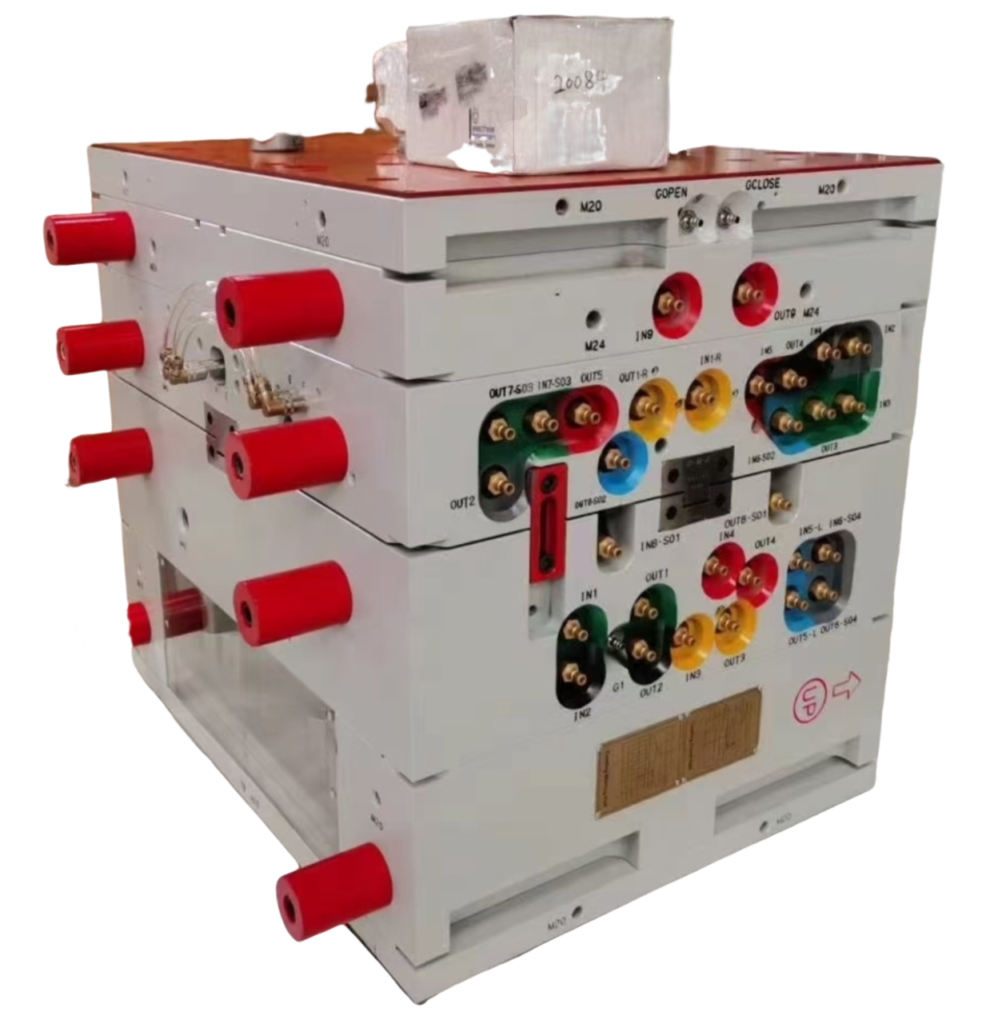
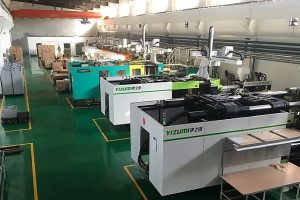
過去20年間にわたり、47台の射出成形機を通じて数百万ポンドのプラスチックを処理してきた経験から、リサイクルプラスチックがニッチな好奇心から主流の製造現実へと進化するのを見てきました。問題は、リサイクルプラスチックが機能するかどうかではなく、 射出成形 — 確かに可能です。真の問題は、いつ使用するか、適切な加工方法、そしてどのようなトレードオフがあるかです。当社が rPET1 ボトルから rHDPE2 90Tから1850Tの成形機による自動車部品。
- 再生プラスチックは通常、リサイクルサイクルごとに機械的特性が5-15%低下しますが、ほとんどの非構造用途には適しています
- 水分管理が重要 — rPETは加水分解防止のため0.02%未満の水分含有量と80-120°Cで4-6時間の乾燥が必要
- 材料コストはバージンプラスチックより15-30%低くなりますが、加工にはパラメータの調整とより厳格な品質管理が必要です
- rHDPEとrPPは最も信頼性高く加工できますが、rPETとrABSは温度と乾燥管理により注意が必要です
- 肉厚の増加(10-15%)やゲート位置の最適化などの部品設計変更により、流動性低下を補うことができます
再生プラスチック射出成形とは何ですか?
再生プラスチック射出成形は、機械的リサイクルを通じてプラスチック廃棄物を新しい機能部品に変えるプロセスです。ベンダーを比較したり、調達を計画している場合、当社の injection molding supplier sourcing guide covers RFQ prep, qualification, and commercial risk checks.
再生プラスチック射出成形は、バージン樹脂の代わりに消費後または産業廃棄物のプラスチックを原料として使用します。このプロセスは、廃棄されたボトル、容器、製造端材を粉砕・洗浄・溶融・ペレット化して新たな原料に再生し、機能的なプラスチック部品へと変換します。
私たちが扱う4つの主要なリサイクルプラスチックは、それぞれ異なる特性を持っています。rPETは主に飲料ボトルや食品容器から得られます。良好な透明性とバリア性を維持し、包装用途に適していますが、吸湿性があり、注意深い乾燥が必要です。通常、引張強度はバージンPETの55-60 MPaに対し、約45-50 MPaです。
rHDPEの原料には、牛乳パック、洗剤ボトル、パイプなどがあります。この材料は非常に良好に加工され、私たちの経験ではバージン材とほとんど区別がつきません。耐薬品性は優れたままであり、衝撃強度の低下が5-8%を超えることはほとんどありません。 rPP3 自動車部品、容器、繊維製品由来の材料も同様の挙動を示します。どちらの材料もエンジニアリングプラスチックよりも複数のリサイクルサイクルに耐えます。
rABSはより多くの課題を提示します。電子機器の筐体、自動車のトリム、家電製品から調達され、再処理中の熱分解に敏感です。この材料には、リサイクルを複雑にする難燃剤や着色剤が含まれることが多いです。rABSはバージン材料と混合するのが最適であり、通常30-50%のリサイクル含有量で許容可能な特性を維持しつつコストを削減できます。
射出成形に最適な再生プラスチックはどれですか?
射出成形に最適な再生プラスチックはrHDPEとrPPで、バージン材料とほぼ同じように加工できます。当社の試験所が長年にわたり400種類以上の材料で測定した結果は以下の通りです:
| 再生材料 | 引張強さ (MPa) | 衝撃強度(J/m) | Melt Temperature (°C) | 代表的なアプリケーション |
|---|---|---|---|---|
| rPET | 45-50 | 25-35 | 250-280 | ボトル、容器、トレイ |
| rHDPE | 20-25 | 150-200 | 180-220 | ビン、自動車部品、パイプ |
| rPP | 25-30 | 20-40 | 180-200 | 自動車内装、家庭用品 |
| rABS | 35-40 | 100-150 | 200-240 | 電子機器、家電製品 |
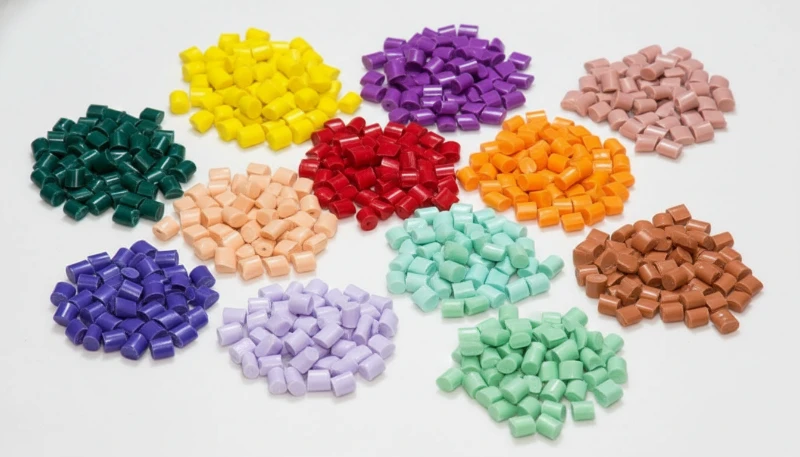
rHDPEは常に最も問題が少ない材料です。流動性が予測可能で、収縮が均一(約1.5-2.0%)、他のプラスチックよりも汚染に強い特性があります。50グラムの収納ボックスから2キログラムの自動車部品まで、主要な工程調整なしで成形に成功しています。
「再生HDPEは、特性の損失を最小限に抑え、バージンHDPEとほぼ同じように加工できます。」真
rHDPEは衝撃強度がわずか5-8%低下し、流動性が予測可能であるため、標準的な生産環境で扱いやすいリサイクルプラスチックの一つです。
「再生PETは射出成形前にバージンPETと同じ乾燥時間を必要とします。」偽
再生PETは、再処理された材料の高い表面積と微細な亀裂による吸湿性の増加により、バージンPETの2〜4時間に対して120°Cで4〜6時間の乾燥を必要とします。
rPETはより高い技術を必要としますが、包装用途には優れた価値を提供します。鍵は水分管理です — 0.02%を超える水分含有量は鎖の切断を引き起こし、アセトアルデヒドを生成し、食品接触用途を台無しにします。私たちは除湿乾燥機を120°Cで最低4〜6時間稼働させ、カールフィッシャー滴定装置で水分レベルを確認しています。
再生プラスチック射出成形プロセスの違いは?
重要な違いは、再生プラスチック成形ではバージン加工よりも長い乾燥時間と厳格な品質管理が必要な点です。リサイクルプロセスは材料が工場に届くずっと前から始まっています。
段階的なリサイクルプロセスには6つの主要工程が含まれます:(1) 選別 — 光学選別と比重選別で不純物を除去;(2) 粉砕 — 廃棄物を8〜12 mmのフレークに削減; (3) 洗浄 — 熱苛性洗浄で接着剤やラベルを除去;(4) ペレット化 — 溶融と再ペレット化により材料が均質化; (5) Drying — critical moisture removal before molding; (6) Molding — standard injection process with parameter adjustments.
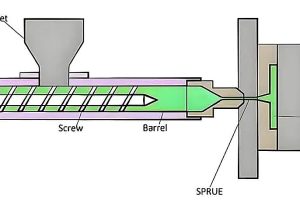
We learned the hard way that recycled materials need 15-20% longer residence time in the barrel. Rushing the melt leads to incomplete homogenization and weak knit lines. Our operators now run screw speeds 10-15% slower than virgin material, especially on our larger 1200T+ machines where heat transfer takes longer.
Critical processing parameters require adjustment. Moisture content must stay below 0.02% for hygroscopic materials — we check every incoming lot with our moisture analyzer. Melt temperatures typically run 10-15°C higher than virgin to ensure complete melting of any degraded chains. Screw speed drops to 70-80% of virgin settings to prevent excessive shear heating.
Quality control becomes more intensive. We test melt flow index on every batch — recycled materials show higher variability batch-to-batch. Our lab runs tensile and impact tests weekly rather than monthly. Color matching requires different masterbatch concentrations since recycled base resins often have slight color shifts.
再生プラスチックとバージンプラスチックの機械的特性の違いは何ですか?
Recycled plastics typically retain 85–95% of virgin mechanical properties after one recycling cycle, with tensile strength degrading first. Each subsequent cycle drops properties another 5–10%, depending heavily on contamination levels and processing history. First-generation recycled materials (single processing cycle) retain 85-95% of virgin properties.
Tensile strength usually degrades first. rPET drops from 60 MPa virgin to 45-50 MPa after first recycling. Impact resistance follows similar patterns — rHDPE goes from 250 J/m virgin to 180-200 J/m recycled. Flexural modulus often increases slightly due to shorter polymer chains, making parts more brittle but stiffer.
The good news? Most applications don’t need virgin-level properties. Storage containers, non-structural automotive parts, electronics housings, and packaging applications work fine with recycled materials. We’ve successfully molded automotive door panels, appliance housings, and industrial containers that meet all performance requirements using 100% recycled content.
Blending strategies help optimize cost and performance. A 70/30 virgin-to-recycled blend typically retains 95% of virgin properties while reducing material costs 20-25%. For critical applications, we sometimes use recycled material for non-stressed areas while keeping virgin plastic in high-stress zones — like using rHDPE for a container body but virgin HDPE for the threaded neck.
“Blending 30% recycled material with 70% virgin plastic typically retains 95% of virgin mechanical properties.”真
A 70/30 virgin-to-recycled blend is a well-established strategy that reduces material costs 20-25% while maintaining performance levels suitable for most commercial and industrial applications.
“Recycled plastics always produce parts with visibly inferior surface finish compared to virgin materials.”偽
With proper processing including adequate drying, adjusted melt temperatures, and optimized injection speeds, recycled plastics achieve surface finishes virtually indistinguishable from virgin material.
なぜリサイクルプラスチックでは水分管理がより重要なのでしょうか?
Moisture control is critical with recycled plastics because reprocessing creates micro-cracks that absorb far more water than virgin resin. This absorbed moisture causes hydrolysis during melting — polymer chains break down, creating weak spots and visible defects like silver streaking.
rPET presents the biggest challenge. The polyester backbone hydrolyzes rapidly above 200°C in the presence of water. We maintain moisture below 0.02% — measurably drier than the 0.04% acceptable for some virgin grades. Our dehumidifying dryers run 24/7 at 120°C with -40°C dew point air circulation.
Drying times extend significantly. Virgin PET needs 2-4 hours at 120°C, but recycled PET requires 4-6 hours minimum. We’ve found overnight drying (8+ hours) gives the most consistent results. rABS needs similar treatment — 3-4 hours at 80°C compared to 2-3 hours for virgin.
Even rHDPE and rPP, which aren’t hygroscopic, benefit from pre-drying. Surface moisture from washing or humid storage can cause steam voids. We run a simple 2-hour cycle at 60°C to drive off surface moisture, especially during Shanghai’s humid summers when ambient humidity hits 80-90%.
リサイクルプラスチック射出成形用部品の設計方法は?
Part design for recycled materials requires accommodating reduced flow properties and potential property variations. Wall thickness typically increases 10-15% compared to virgin material designs. Where we might use 1.5mm walls with virgin rHDPE, recycled material flows better at 1.7-1.8mm thickness.
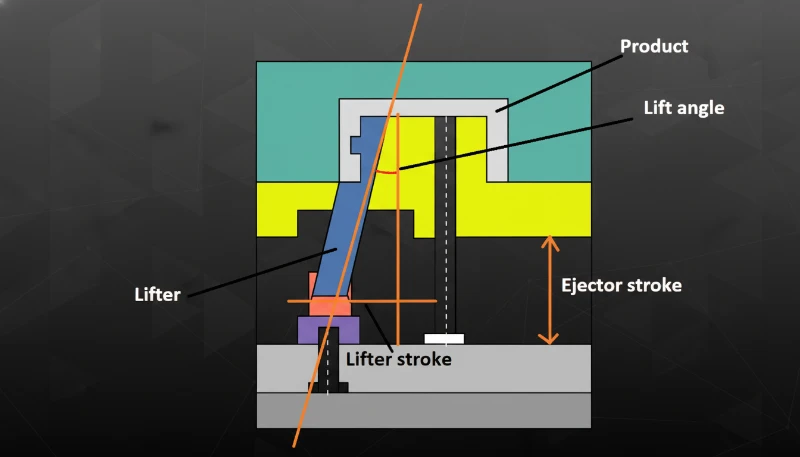
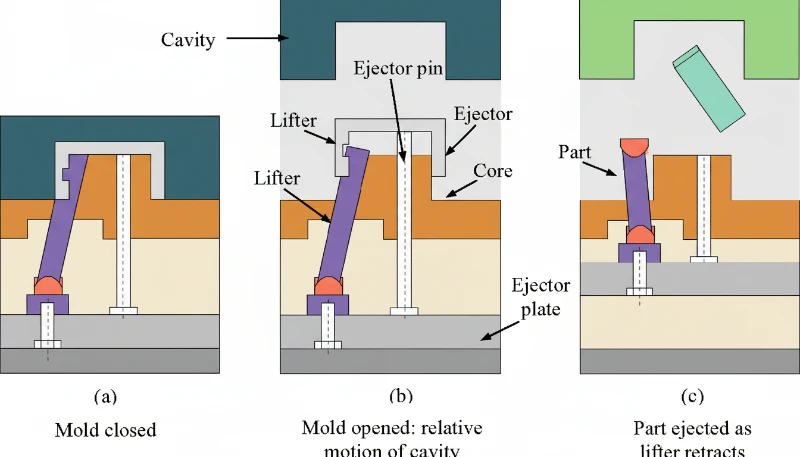
Draft angles need attention since recycled materials often have higher shrinkage variation. We add an extra 0.5° draft on deep features and use 2° minimum instead of 1.5°. This prevents sticking during ejection, especially important since recycled materials sometimes have higher coefficients of friction.
Gate design becomes critical with recycled materials’ reduced flow properties. We use larger gates — typically 15-20% bigger than virgin material requirements. Hot runner systems work well since they eliminate gate vestige and reduce pressure drop. For cold runner 射出成形金型, we prefer edge gates over pin gates to minimize shear heating.
Ribbing and structural features need reinforcement. Instead of 0.6x wall thickness ribs common with virgin materials, we design ribs at 0.7-0.8x wall thickness. Sharp corners get larger radii — minimum 0.5mm instead of 0.3mm — to prevent stress concentrations that could propagate as cracks in the potentially more brittle recycled material.
再生プラスチック部品に適用される品質基準は何ですか?
The quality standards that apply to recycled plastic parts are the same as those for virgin parts, plus additional batch-level testing. Our ISO 9001 certification covers recycled materials, but we have added specific procedures for batch-to-batch variation monitoring that were not necessary with virgin resins.
ISO 14001 environmental management becomes relevant when customers want lifecycle assessments. We track energy consumption, water usage, and waste generation for recycled vs. virgin processing. Interestingly, recycled materials often require 15-20% more energy due to longer drying times and higher processing temperatures.
Material testing protocols expand significantly. Melt flow index testing happens on every batch rather than weekly sampling. We measure intrinsic viscosity for rPET to detect degradation. Color consistency requires spectrophotometer readings since recycled materials show more batch-to-batch variation — Delta E values under 2.0 for critical applications.
REACH and RoHS compliance can be challenging with recycled materials since contamination history isn’t always known. We require certificates of analysis showing heavy metal content, especially for rABS that might contain legacy flame retardants. Some customers specify only post-industrial recycled content to ensure contamination control.
再生プラスチックをバージンプラスチックより選ぶべきタイミングは?
Choose recycled plastic over virgin when your application tolerates a 5–15% property reduction and cost savings justify the processing adjustments. Recycled plastics work excellently for non-structural applications where 10-15% property reduction does not matter. Storage containers, automotive interior trim, appliance housings, and packaging represent ideal applications.
Cost savings justify recycled materials when processing complexity doesn’t offset material savings. rHDPE and rPP process so similarly to virgin materials that we recommend them whenever properties meet requirements. rPET and rABS require more careful evaluation since additional drying and processing costs can erode the 15-30% raw material savings.
Avoid recycled materials for structural components, thin-wall packaging requiring high flow, or applications where property consistency matters more than cost. Medical devices, aerospace components, and precision mechanical parts typically require virgin materials. However, non-critical components within these assemblies often work fine with recycled content.
よくある質問
Can recycled plastic be used for injection molding?
Yes, recycled plastics work well for injection molding with proper processing adjustments and quality control protocols. rHDPE and rPP process nearly identically to virgin materials, making them excellent choices for most non-structural applications. rPET and rABS require more careful moisture control, extended drying times, and adjusted temperature management, but consistently produce acceptable parts when processed correctly. Over the past two decades, we have successfully molded millions of parts using recycled content across our 47 injection molding machines, ranging from consumer packaging to automotive interior components.
What is the cost difference between recycled and virgin plastic?
Recycled plastic raw materials typically cost 15-30% less than virgin resins at the commodity level. However, the total cost picture includes additional processing requirements that reduce net savings. Extended drying times add energy costs, more frequent quality testing increases lab expenses, and higher melt temperatures consume more electricity per cycle. In our experience, the effective net savings after accounting for these additional processing costs typically range from 10-20%, depending on the specific material grade and the complexity of your application requirements.
How many times can plastic be recycled for injection molding?
Most thermoplastics can be recycled 3-5 times for injection molding applications before mechanical properties degrade below useful performance levels. rHDPE and rPP generally handle more recycling cycles than rPET or rABS due to their simpler molecular structures and lower sensitivity to thermal degradation during reprocessing. Each recycling cycle typically reduces tensile strength and impact resistance by 5-10%, so the suitability of heavily recycled material depends entirely on your specific application requirements and the minimum performance thresholds you need to maintain.
Does recycled plastic weaken injection molded parts?
Recycled plastics show a predictable 5-15% reduction in tensile strength and impact resistance compared to virgin materials, depending on the number of previous processing cycles and overall contamination levels in the recycled feedstock. This reduction is perfectly acceptable for most non-structural applications including storage containers, electronics housings, and automotive interior trim parts. Critical structural components, precision mechanical assemblies, and load-bearing applications typically require virgin materials or carefully engineered virgin-to-recycled blends that maintain specified minimum performance thresholds for all safety-critical applications.
What is the moisture content requirement for recycled PET?
リサイクルPETは射出成形加工中の加水分解を防ぐために、水分含有量を0.02%(200 ppm)以下にする必要があります。この厳しい水分レベルを達成するには、露点-40°C以下の除湿空気を使用し、120°Cで4〜6時間の連続乾燥が必要です。水分レベルが高いと、ポリエステル骨格で不可逆的な鎖切断が生じ、分子量と機械的特性が大幅に低下する一方、分解副生成物としてアセトアルデヒドが発生し、臭いや味の問題を引き起こし、食品接触用途から完全に除外されます。
リサイクルプラスチックは食品グレード基準を満たせますか?
はい、リサイクルプラスチックは食品グレード基準を満たせますが、適切な認証、完全に文書化された管理連鎖、リサイクルプロセス全体での厳格な汚染管理プロトコルが必要です。管理されたボトルtoボトルリサイクルストリームからのrPETは、米国における食品接触用途のFDA要件を満たします。加工履歴が明確な産業廃棄物由来のリサイクル材料は、汚染プロファイルが十分に文書化されているため最適です。使用済み製品由来のリサイクル材料は、広範な移行試験と、食品接触承認を得る前にしばしば関連規制当局からの正式な異議なしの書簡が必要です。
リサイクルプラスチックペレットの品質をどのように試験しますか?
リサイクルプラスチックペレットの品質試験には、ASTM D1238に基づくメルトフローインデックス測定、カールフィッシャー滴定による水分含有量分析、それぞれASTM D638およびD256に基づく引張・衝撃試験、顕微鏡を使用した視覚的汚染評価が含まれます。バージン材料で一般的な定期サンプリングに頼らず、入荷するすべてのロットを試験します。追加試験には、分子量劣化を検出するためのrPET固有粘度測定、外観に敏感な重要な用途ではDelta E値を2.0未満に維持した色調一貫性のための分光光度計測定が含まれます。
At ZetarMold, we’ve processed over 400 different recycled plastic formulations across our 47 injection molding machines ranging from 90T to 1850T capacity. Our ISO-certified facility in Shanghai combines 20+ years of processing expertise with comprehensive quality control to help you successfully implement recycled materials. Whether you’re looking to reduce costs, meet sustainability targets, or both, our engineering team can guide material selection and optimize processing parameters for your specific application requirements.


 EN
EN  ES
ES  FR
FR  DE
DE  PT
PT  AR
AR  RU
RU  JA
JA  KO
KO  IT
IT  NL
NL  TR
TR  PL
PL