

You designed the perfect part, your tooling is dialed in, and first-article inspection passed with flying colors. Then the shipment arrives at your customers dock — and 15% of the parts are scratched, warped, or cracked. Sound familiar? In our experience, packaging is the most underestimated step in the entire stampaggio a iniezione supply chain. This guide breaks down the packaging requirements that actually prevent shipping damage, based on what we have seen work (and fail) across thousands of shipments from our Shanghai factory.
Every year, manufacturers lose millions to shipping damage that could have been prevented with proper packaging. For injection molded components specifically, the stakes are high because these parts often have tight tolerances, delicate surface finishes, and geometric features that are easily deformed under load. Whether you are shipping electronic housings, medical device components, or automotive trim pieces, the packaging strategy must be as carefully engineered as the parts themselves. This article covers the specific packaging requirements, materials, testing standards, and validation processes that separate reliable suppliers from those who leave your parts vulnerable to damage in transit.
- Scratches, cracks, and contamination account for over 80% of shipping damage claims on plastic parts
- Proper packaging starts at part design — sharp edges and thin walls demand extra protection
- ESD-safe and moisture-barrier materials are non-negotiable for electronic and medical components
- ISTA 3A and ASTM D4169 [astm-d4169] are the two testing standards every supplier should reference
- Custom packaging costs more upfront but cuts defect rates by 60-80% compared to generic solutions
What Are the Most Common Types of Shipping Damage for Injection Molded Parts?
Surface scratches, cracks, warpage, and particulate contamination are the four dominant failure modes we see in shipped injection molded parts. Surface damage tops the list — parts rubbing against each other inside a bag or tray is the number-one cause of rejected shipments. Cracks typically originate at stress-concentration points: sharp internal corners, thin wall transitions, or gate remnants that were not fully trimmed. Warpage during transit is less common but more expensive, usually caused by uneven temperature exposure inside shipping containers. Contamination — dust, metal shavings, or chemical residue — is a silent killer, especially for medical and optical parts where even microscopic particles trigger rejection.
According to ISTA [ista-3a1] data, roughly 70% of all package damage happens during last-mile handling — rough forklift moves, conveyor belt transfers, and waist-height drops. This means your packaging has to survive rough handling, not just gentle stacking inside a container.
Surface scratches — caused by part-to-part contact in bulk packaging. Aesthetic covers, lens bezels, and glossy housings are most at risk. Usually reworkable but costly at volume.
Cracks and fractures — caused by impact shock or stress at thin walls. Snap-fit clips, bayonet connectors, and thin ribs are the usual victims. Result: scrap loss.
Deformazioni e deformazioni — caused by temperature cycling or uneven stacking pressure. Large flat panels and long thin profiles suffer most. This is a 100% scrap event.
Particulate contamination — caused by open packaging or dirty transit environments. Medical components, optical lenses, and food-contact parts are affected. Leads to quarantine and expensive re-cleaning.
ESD damage — caused by static discharge during handling.
Electronic housings and sensor carriers are at risk, with latent field failures being the worst outcome.

In our Shanghai factory, we run 47 injection molding machines ranging from 90T to 1850T, and we ship parts globally — from small precision components to large automotive panels. Over the years we have learned that packaging decisions must match part geometry and destination. A 500g electronic housing going to Germany by air freight needs completely different protection than a 2kg automotive trim piece going by sea to the US.
How Should Injection Molded Parts Be Packaged for Safe Transit?
Parti stampate ad iniezione are best shipped in three layers: individual wrapping, inner trays, and a double-wall outer box. Layer 1 — Individual protection. Every part gets its own barrier. For small, high-value parts this means individual polybags (ideally with VCI or desiccant for corrosion-sensitive materials). For larger parts, a single wrap of PE foam or bubble wrap with tape securing the seam. The goal is zero part-to-part contact.
Layer 2 — Inner packaging. Parts are arranged in trays,egg-carton inserts, or custom-molded pulp trays that hold each part in a fixed position. The tray material matters: expanded polyethylene (EPE) foam trays are excellent for shock absorption, while corrugated pulp trays are cheaper and more environmentally friendly but offer less cushioning. For parts with Class A surfaces, we recommend PET sheet dividers — they are non-abrasive, transparent for inspection, and reusable. Layer 3 — Outer container. Double-wall corrugated cartons with a minimum Edge Crush Test (ECT) rating of 32 lb/in are the baseline for most stampo a iniezione component shipments. Heavy or high-density parts may require triple-wall boxes or even wooden crates.
The inner dimensions of the outer box should leave no more than 25mm of void space on any side after the inner packaging is placed inside — excess space allows shifting, which causes damage.
“Individual polybag packaging for each part is one of the most effective ways to prevent surface scratches”Vero
True. Individual bags eliminate part-to-part contact, which is the leading cause of surface damage. The cost per bag is minimal compared to the rework or scrap cost of damaged parts.
“Standard single-wall corrugated boxes provide adequate protection for most injection molded parts”Falso
False. Single-wall boxes routinely fail under stacking loads and vibration during ocean freight. Double-wall cartons with ECT 32+ rating are the baseline minimum we specify for all shipments.
What Packaging Materials Work Best for Precision Plastic Components?
PE foam is the best all-around packaging material for precision plastic components. Add ESD-safe and moisture-barrier materials for sensitive electronic and medical parts. Material selection is not just about cushioning — it is about chemical compatibility, static control, and environmental conditions during transit.
For anything heavier, the bubbles compress permanently under load and you lose protection after the first impact. Use large-cell bubble wrap only as void fill, not as primary cushioning. Corrugated pulp trays are gaining popularity because they are recyclable and can be molded to fit specific part geometries. The downside: they provide almost no shock absorption. We use them for sturdy parts where positioning matters more than cushioning — think threaded inserts or heavy wall brackets.
Anti-static and ESD materials deserve their own conversation, which we cover in the next section. But the short version: if your parts are going anywhere near electronics assembly, you need ESD-safe packaging from the individual bag all the way to the outer carton.
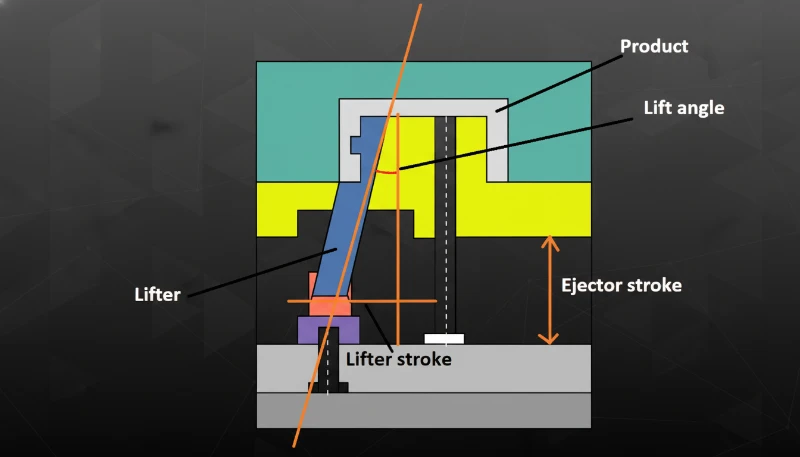
Even parts with complex mold lifter mechanisms or long ejector stroke features need trays that hold them securely. A part with a delicate lifter undercut can be damaged if the tray applies pressure at the wrong angle during the packaging process.
Why Do Moisture and Static Control Matter in Part Packaging?
Two environmental enemies destroy more shipped parts than physical impact: moisture and electrostatic discharge. Both are invisible until the damage is done, and both are preventable with the right packaging strategy. Moisture damage takes several forms. Hygroscopic materials like nylon (PA6, PA66) and polycarbonate absorb atmospheric moisture, which causes dimensional change — a part that was within spec at the factory can measure out of tolerance after a two-week ocean voyage through humid climates.
The fix is simple: desiccant packets (silica gel or molecular sieve) inside sealed moisture-barrier bags (MBBs). Military-grade packaging uses MIL-DTL-81705 rated barrier materials, but for most commercial applications, a PE-lined bag with 2-3 silica gel packets per cubic foot of void space is sufficient.
For maximum protection, vacuum-seal the bag after inserting the desiccant. Static discharge is the hidden killer for electronic-related components. When a PE bag rubs against a plastic part during transit, static charges build up to thousands of volts. If that part is an ESD-sensitive housing, sensor carrier, or connector body, the discharge can damage embedded circuitry or create latent defects that fail in the field. The solution is a layered ESD packaging system: pink poly bags (low-charging) or metallized shield bags for individual parts, pink foam or conductive trays for inner packaging, and ESD-safe outer cartons with grounding labels.
With over 20 years of injection molding experience and 8 senior engineers on staff, we have shipped parts to customers in over 50 countries. We have seen moisture damage destroy an entire container of nylon gears headed for Germany because the supplier skipped desiccant packs. That small decision cost a fortune in scrap and emergency air freight for a replacement shipment.
“ESD-safe packaging should cover every layer from individual bag to outer carton”Vero
True. A single ESD-safe layer does not provide adequate protection. Static can build up on any non-ESD surface and discharge through the protected layer. The full chain — bag, tray, and outer box — must be ESD-rated.
“Silica gel packets alone are sufficient to protect nylon parts from moisture damage during ocean freight”Falso
False. Silica gel works only inside a sealed moisture-barrier bag. In a standard carton, the desiccant saturates within hours and provides no further protection. You need a sealed PE-lined or metallized barrier bag plus desiccant.
What Industry Standards Govern Injection Molded Part Packaging?
ISTA 3A, ASTM D4169, and JEDEC J-STD-033 are the three primary standards governing injection molded part packaging validation. Each addresses a different risk profile, from parcel shipping hazards to medical device requirements to moisture sensitivity. Many suppliers use color-coded storage boxes to organize parts by batch and specification during the validation process, making it easier to trace packaging performance back to specific tray configurations.
ASTM D4169 [astm-d41692] is the medical device and pharmaceutical industry standard (often required by FDA). It defines performance testing of shipping containers through simulated hazard sequences. DC-13 is the most common test plan for small parcel shipments. ASTM D4169 [astm-d4169] is stricter than ISTA 3A and includes additional conditioning steps like temperature cycling and altitude simulation for air freight.
JEDEC J-STD-033 governs moisture-sensitive component handling. If you ship parts made from hygroscopic resins (nylon, polycarbonate, PBT), this standard defines the moisture barrier bag specifications, desiccant quantity calculations, and humidity indicator card requirements. It also specifies the floor life — how long a part can sit outside its barrier bag before it needs to be re-baked to remove absorbed moisture.
How Can Suppliers Validate Packaging Effectiveness Before Shipment?
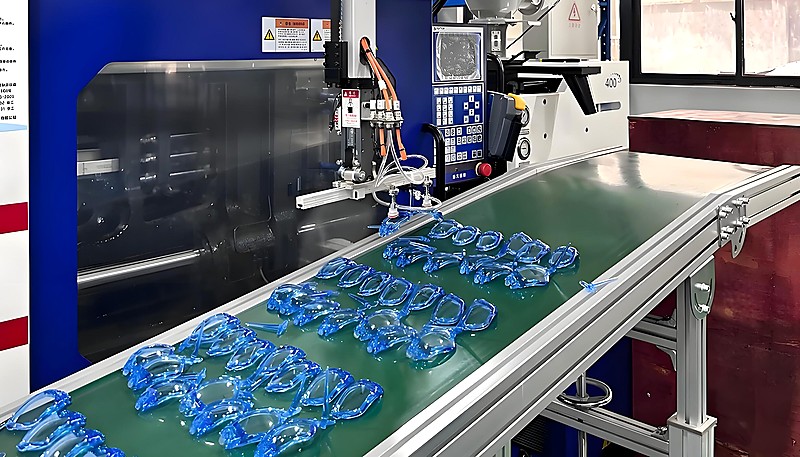
Packaging validation is a repeatable test protocol that suppliers run with actual production parts using ISTA 3A or ASTM D4169 standards. The key is testing with real parts, not dummy weights or empty boxes, because actual part geometry affects how loads distribute inside the package during drops and vibration. Package real production parts using the exact materials and configuration you plan to ship, then run the full test protocol and inspect every part afterward using the same criteria your customer will use for incoming quality inspection.
After testing, inspect every part using the same criteria your customer will use — not a visual once-over. For medical parts, this means dimensional measurement against the drawing specification. For aesthetic parts, it means checking for scratches under proper lighting at the correct viewing angle. Document results in a test report with photos of the packaging before and after testing. This report becomes your evidence base if the customer audits your packaging process. Step 3: Document and lock the packaging specification. Once you find a configuration that passes testing, document every detail: bag type, desiccant quantity, tray orientation, box dimensions, tape type, and label placement. Create a packaging work instruction with photos.
This becomes the locked standard under ISO 9001 [iso-90013] quality management — no changes without formal re-validation and documented approval. If your customer sends a packaging change request, always run a quick validation test before implementing it on the production line. We have seen cases where a well-meaning change from PE foam to corrugated inserts doubled the damage rate because the new material did not absorb vibration as effectively during simulated drop testing. Every modification, no matter how minor it seems, needs to go through the same validation protocol as the original specification. This discipline is what separates suppliers with consistently low damage rates from those who experience periodic quality spikes.
When Should You Choose Custom Packaging Over Standard Solutions?
Custom packaging is not always necessary, but when the situation calls for it, the ROI is undeniable. The decision comes down to part value, part fragility, and annual volume. Here is how to decide. Go custom when: your part has fragile features (thin ribs under 1mm, snap-fit clips, threaded metal inserts that protrude), when surface finish is Class A (automotive exterior, consumer electronics visible surfaces), or when your annual volume exceeds 10,000 units and the per-part packaging cost matters. Custom thermoformed trays molded to the exact part geometry are the single most effective packaging investment for medium-to-high volume production.
They lock each part in place, prevent any movement during transit, and can be designed to stack efficiently in standard carton sizes.
Stick with standard when: your parts are robust (wall thickness over 3mm, no fragile features), volumes are low (under 1,000 units per shipment), or the surface finish is functional rather than cosmetic. Standard PE foam sheets, bubble wrap, and double-wall cartons are perfectly adequate for these scenarios. The key is being honest with yourself about your parts vulnerability — optimism is not a packaging strategy. The cost trade-off looks like this: a custom thermoformed tray might cost $0.30 to $1.00 per unit at 5,000-piece volume, versus $0.08 to $0.15 for generic foam-and-bag packaging.
But if generic packaging gives you a 5% damage rate on a $20 part, your effective cost per good part is $21.00 — already more expensive than custom packaging at 0.5% damage rate. For parts over $5 unit value, custom packaging almost always pays for itself within the first year. For sourcing guidance on finding the right fornitore di stampaggio a iniezione with proper packaging capabilities, see our comprehensive sourcing guide.
How Do Packaging Requirements Vary by Part Geometry and Material?
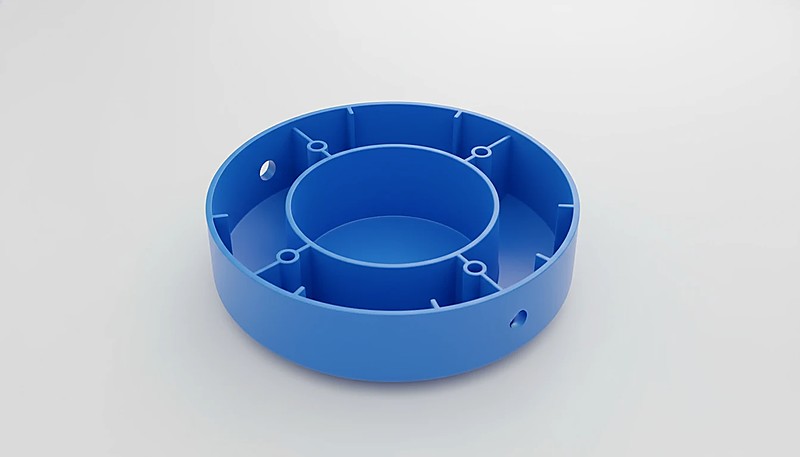
Part geometry and material are the two biggest factors driving packaging requirements. Thin walls demand rigid support, soft materials need breathing room, and brittle composites require targeted shock absorption.
Thin-wall parts (wall thickness under 1.5mm) are fragile under compressive loads and should never be stacked without rigid support. Use individual cavities in a molded tray with a rigid top cover that prevents vertical compression. Do not rely on the part itself to support stacking weight — it will crack. Large flat panels (over 300mm on any side) are susceptible to warpage from uneven pressure and temperature gradients. Ship these in single-layer trays with foam padding on both faces, oriented flat inside the carton. Never stack large panels vertically — the bending stress from vibration during transit causes permanent deformation.
Materiali morbidi (TPE, TPU, LDPE) resistono bene agli urti ma si deformano sotto pressione prolungata. Non imballarli stretti — lascia spazio affinché le parti non siano compresse l'una contro l'altra o contro le pareti del vassoio. Sacchetti individuali con talco impediscono alle superfici appiccicose di aderire. Per le parti che richiedono tolleranze strette — sia da stampaggio a iniezione di precisione che da operazioni secondarie di lavorazione CNC — l'imballaggio deve prevenire anche minime deformazioni che potrebbero portare le dimensioni fuori specifica.
Avendo lavorato con oltre 400 diversi materiali plastici e producendo più di 100 set di stampi al mese, sappiamo per esperienza diretta che i requisiti di imballaggio variano drasticamente in base al materiale. Una manopola in TPU soffice sovrastampata necessita di una gestione completamente diversa rispetto a un ingranaggio in nylon rigido caricato con fibra di vetro — e sbagliare questo aspetto nella fase di imballaggio può annullare settimane di attento lavoro di stampaggio.
What Are the Most Common Questions About Injection Molding Packaging Requirements?
Domande frequenti
Cos'è il test ISTA 3A e il mio imballaggio ne ha bisogno?
ISTA 3A è un protocollo di test standardizzato sviluppato dalla International Safe Transit Association che simula i pericoli di spedizione nel mondo reale per pacchi di peso inferiore a 70 kg spediti attraverso reti di corriere espresso. Il protocollo di test include una caduta libera di 76 cm su ogni faccia, bordo e angolo, test di vibrazione casuale a 0,73 grms per 60 minuti e compressione statica equivalente ai carichi di impilamento in magazzino. Se spedisci parti stampate a iniezione tramite corriere o servizi postali, superare ISTA 3A ti dà la certezza che l'imballaggio resisterà alle condizioni di transito effettive. Raccomandiamo la certificazione ISTA 3A per qualsiasi parte con un valore unitario superiore a tre dollari o dove il danno estetico è un criterio di scarto.
Quanti pacchetti essiccanti dovrei utilizzare in una sacca barriera contro l'umidità?
Il calcolo standard segue le linee guida JEDEC J-STD-033. Come regola pratica, utilizza un'unità di gel di silice per piede cubo di volume del sacchetto per spedizioni con tempi di transito inferiori a sette giorni e due unità per piede cubo per viaggi più lunghi come il trasporto marittimo. Includi sempre una carta indicatrice di umidità priva di cobalto all'interno della sacca barriera in modo che l'ispettore qualità ricevente possa verificare a colpo d'occhio se le parti sono state esposte a un'eccessiva umidità durante il transito. Per materiali particolarmente sensibili come nylon o policarbonato, considera l'aggiunta di un'etichetta indicatrice di umidità secondaria anche all'esterno del cartone.
Posso riutilizzare i vassoi di imballaggio di una spedizione precedente?
I vassoi riutilizzabili sono accettabili se realizzati in materiali durevoli come PET o PVC rigido e superano un controllo visivo per crepe, deformazioni o contaminazioni prima di ogni utilizzo. I vassoi in schiuma EPE e i vassoi in polpa di cartone ondulato generalmente non dovrebbero essere riutilizzati perché si comprimono sotto carico e perdono le loro proprietà ammortizzanti dopo il primo ciclo di spedizione. Se passi da vassoi monouso a vassoi riutilizzabili, esegui sempre un test di caduta ISTA semplificato per confermare che il vassoio riutilizzato offra ancora una protezione adeguata della parte. Documenta il numero massimo di cicli di riutilizzo consentiti nelle istruzioni di lavoro per l'imballaggio.
Di quale imballaggio ha bisogno il mio fornitore per i pezzi medicali stampati a iniezione?
Le parti mediche richiedono un imballaggio che soddisfi gli standard di test prestazionali ASTM D4169 più i requisiti ISO 11607 per sistemi a barriera sterile se è richiesta la sterilizzazione terminale. Materiali di imballaggio compatibili con le camere pulite come sacchetti Tyvek, sacchetti in polietilene di grado medico e etichette a strappo validate sono standard del settore. Etichette di rintracciabilità con numeri di lotto, date di produzione e codici di lotto di sterilizzazione devono essere applicate a ogni strato dell'imballaggio. Inoltre, il processo di imballaggio stesso dovrebbe essere eseguito in un ambiente controllato corrispondente ai requisiti di pulizia della parte e tutti i materiali di imballaggio necessitano di documentazione di certificato di conformità.
Come calcolo il ROI dell'imballaggio personalizzato rispetto a quello standard?
Inizia calcolando l'attuale perdita annuale per danni di spedizione: moltiplica la percentuale del tasso di danneggiamento per il valore unitario della parte per il volume annuale più eventuali costi di spedizione associati per resi e sostituzioni. Poi confronta quel totale con il costo annuale aggiuntivo del passaggio a vassoi termoformati personalizzati. Secondo la nostra esperienza, i vassoi personalizzati tipicamente si ripagano da soli quando il valore unitario della parte supera i cinque dollari e il volume annuale è superiore a diecimila pezzi, perché riducono i tassi di danneggiamento da circa il cinque percento a meno dello zero virgola cinque percento. Il punto di pareggio arriva più rapidamente per parti con finiture superficiali costose.
Qual è la differenza tra imballaggio anti-statico e imballaggio sicuro per le ESD?
I materiali antistatici sono progettati per resistere alla generazione di cariche elettrostatiche durante la normale manipolazione — semplicemente non accumulano facilmente una carica. L'imballaggio sicuro per ESD va oltre, fornendo un percorso di dissipazione controllato che permette a qualsiasi carica accumulata di scaricarsi in sicurezza a terra, prevenendo un evento di scarica improvvisa attraverso il pezzo stesso. Per involucri elettronici stampati a iniezione, supporti per sensori e corpi di connettori, la specifica corretta è l'imballaggio sicuro per ESD con resistività superficiale tra dieci alla quinta e dieci all'undicesima ohm per quadrato. Il solo antistatico è insufficiente per i pezzi che saranno assemblati in sistemi elettronici.
Why Choose ZetarMold for Injection Molded Parts with Validated Packaging?
L'imballaggio non è un ripensamento — è l'ultimo passo di produzione che determina se i tuoi pezzi arriveranno a specifica o nel bidone degli scarti. In ZetarMold, i nostri oltre 30 project manager di lingua inglese coordinano le specifiche di imballaggio con ogni cliente prima della prima produzione. Operiamo sotto i sistemi di gestione della qualità ISO 9001 [iso-9001] e ISO 13485, il che significa che ogni decisione sull'imballaggio è documentata, validata e ripetibile.
Che tu abbia bisogno di imballaggi per pacchi testati ISTA 3A, imballaggi medicali compatibili con le camere sterili, o vassoi termoformati su misura per componenti delicati, abbiamo l'esperienza e i sistemi per fornire pezzi che arrivano pronti per il montaggio. Richiedi un preventivo gratuito per il tuo prossimo progetto di stampaggio a iniezione — e raccontaci le tue esigenze di imballaggio.
Includeremo una specifica di imballaggio validata nel tuo preventivo senza costi aggiuntivi.
-
ista-3aISTA 3A è un protocollo di test della International Safe Transit Association per prodotti imballati di peso inferiore a 70 kg spediti tramite corriere espresso. ↩
-
astm-d4169ASTM D4169 fa riferimento a una pratica standard per i test di prestazione di contenitori e sistemi di spedizione, ampiamente utilizzata nella convalida dell'imballaggio per dispositivi medici. ↩
-
iso-9001ISO 9001 fa riferimento a uno standard internazionale che specifica i requisiti per un sistema di gestione della qualità, comprese le procedure documentate per imballaggio e movimentazione. ↩





 EN
EN  ES
ES  FR
FR  DE
DE  PT
PT  AR
AR  RU
RU  JA
JA  KO
KO  IT
IT  NL
NL  TR
TR  PL
PL 