 Vai al contenuto

What Does Belgium’s Injection Molding Market Look Like?
Belgium’s injection molding market is a compact but technically advanced segment of European manufacturing. The Belgian plastics industry1 generates approximately EUR 7 billion in annual revenue, with injection molding representing a significant share of that output.
Il European injection molding market2 was valued at approximately EUR 85 billion in 2024, with Belgium accounting for roughly 2-3% of total production capacity.
The automotive sector is the single largest consumer of injection-molded parts in Belgium, followed by packaging (especially food packaging), construction materials, and medical devices. Belgium’s position between the Netherlands, Germany, France, and Luxembourg gives its molders natural access to a market of over 180 million consumers within a 500 km radius. This geographic advantage means that many Belgian molders function as de facto European distribution points for international buyers. Major automotive OEMs with Belgian production facilities — including Volvo Cars Ghent — create steady demand for local injection molding suppliers who can deliver just-in-sequence.
- Belgium hosts over 300 injection molding companies, generating roughly EUR 7 billion in annual plastics sector revenue.
- Top Belgian molders like ASPEL, Rectilim, and Didak Injection serve automotive, packaging, and technical industries with machines up to 1,000+ tons.
- Belgian tooling costs run 2-4x higher than China, but offer advantages in precision, proximity to EU markets, and IP protection.
- For complex or high-volume projects requiring cost efficiency, pairing a Belgian molder with a Chinese partner like ZetarMold can optimize your supply chain.
What Trends Are Shaping Belgium’s Injection Molding Industry?
Several trends are actively reshaping how Belgian injection molders operate and compete. Understanding these helps you evaluate whether a Belgian partner’s capabilities align with your project timeline.
Automation and Industry 4.0 adoption. Belgian molders are investing heavily in robotic part removal, automated quality inspection, and real-time process monitoring. Companies like Rectilim now produce over 600,000 parts per day with significant automation. This is partly a response to employment in Belgium3, where labor costs — when you are paying EUR 35-45 per hour for operators, every automated cycle counts.
Sustainable materials and circular economy mandates. Belgium is subject to sustainability regulations that require increasing use of recycled content and bio-based polymers. Molders serving the packaging sector are adapting to requirements for 50%+ recycled content by 2030. MCC Verstraete, based in Maldegem, produces over 60 million in-mold labels per day and is at the forefront of sustainable IML solutions. If your project involves consumer-facing packaging, Belgian molders have a head start on sustainable material processing.
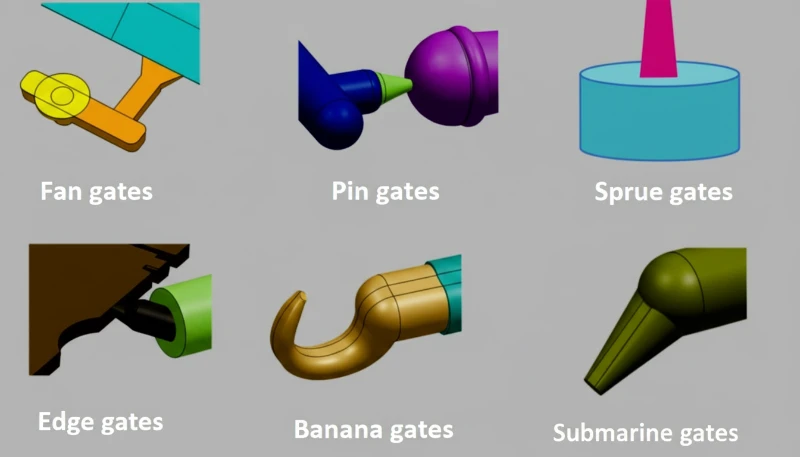
Consolidation and international expansion. The ASPEL Group, originally founded in 1953 in Eupen, expanded through mergers (ASPEL, POLYFORM, VG Plastics) and now operates across Europe, North America, and Asia with over 300 employees and 100+ machines. This consolidation pattern reflects a broader trend: Belgian molders are either scaling up internationally or specializing in niche, high-value work.
Nearshoring pressure from Central Europe. While Belgium has traditionally been a manufacturing hub, Polish and Czech molders are increasingly competing on price for standard injection molding work. Belgian companies are responding by moving up the value chain — focusing on multi-component molding, insert molding, and technically complex parts that justify their cost structure. This is good news for buyers: Belgian molders are motivated to deliver genuine value rather than competing purely on geography.
How Do You Choose an Injection Molding Supplier in Belgium?
Choosing a Belgian injection molder requires a different evaluation framework than sourcing in Asia. The price premium is a given — what you are evaluating is whether that premium delivers proportional value for your specific project. Here is what actually matters when you are comparing Belgian suppliers, based on what we see European buyers get right and wrong.
1. Machine tonnage range vs. your part requirements. Belgian molders tend to cluster around specific tonnage ranges. VARINA in Antoing runs 14 presses from 20T to 1,000T. ASPEL operates over 100 machines from 15T to 500T. If your part needs a 1,500T press, your options in Belgium narrow significantly. Always confirm available tonnage before committing to a supplier — many Belgian shops max out at 500T.
2. In-house tooling capability. This is the big differentiator. Companies like Rectilim and Penne NV build their own molds, which means faster iterations and better control over tooling quality. If you are sourcing stampi a iniezione from Belgium, a molder with in-house tooling can save 2-4 weeks on lead times compared to those who outsource mold construction to third-party tool shops.
3. Quality certifications relevant to your industry. For automotive: check for IATF 16949 (not just ISO 9001). For medical: ISO 13485. FERONYL in Mouscron holds both ISO 9001 and EN9100 (aerospace), which is unusual for a Belgian molder and opens the door to aviation-grade work. Do not assume certifications — ask for current certificates and verify their scope covers your specific part category.
4. Volume alignment. Some Belgian molders are optimized for high-volume production (Didak Injection runs 24/7 with a five-shift system of 130 employees), while others like Stratago specifically target low-to-medium volumes with rapid tooling approaches. Matching your volume to their sweet spot prevents you from being either too small or too large for their operation. A molder optimized for 100,000+ runs may deprioritize your 2,000-piece order, while a low-volume specialist may struggle to scale up if demand surges.
“A Belgian molder with in-house tooling can typically deliver molds 2-4 weeks faster than one who outsources mold construction.”Vero
In-house tooling eliminates coordination delays between the molder and external tool shops, and enables faster mold modifications during sampling.
“All Belgian injection molding companies offer the same tonnage range and production capacity.”Falso
Tonnage ranges vary significantly — ASPEL covers 15T to 500T, VARINA goes up to 1,000T, but few Belgian molders exceed 1,000T. Always verify machine specifications match your part requirements.
Beyond machine specifications and certifications, consider the practical aspects of working with a Belgian supplier. Request references from companies in your industry. Ask about their average mold changeover time, their policy on dimensional reports with each batch, and how they handle engineering changes mid-production. These operational details often matter more than the headline capabilities listed on a company website. A molder who responds to technical queries within hours and provides detailed process documentation is worth more than one with impressive machinery but slow communication. Also confirm their material sourcing — Belgian molders typically source from European compounders, which affects both material cost and lead times.
“Belgium’s central EU location gives molders access to over 180 million consumers within 500 km.”Vero
Positioned between the Netherlands, Germany, France, and Luxembourg, Belgian molders can deliver to most European markets within 1-3 business days.
“ISO 9001 certification is sufficient for automotive injection molding parts produced in Belgium.”Falso
Automotive parts typically require IATF 16949, not just ISO 9001. Always verify the specific certification your industry demands before selecting a supplier.
Which Are the Top 10 Injection Molding Companies in Belgium?
Here are 10 Belgian injection molding companies worth knowing, based on company size, industry reputation, and verified capabilities. Each profile includes the essentials you need to evaluate fit for your project.
1. ASPEL Group
Founded: 1953 | Location: Eupen/Beringen, Belgium | Employees: 300+
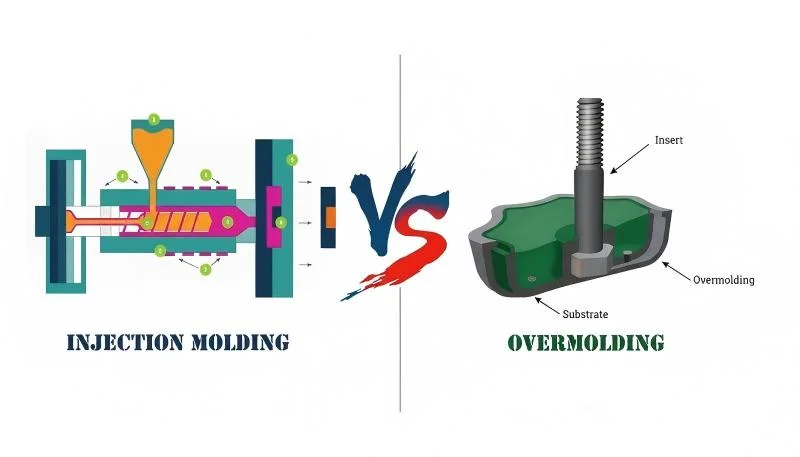
ASPEL is Belgium’s largest injection molding group, operating over 100 machines from 15T to 500T. Founded in 1953 in Eupen and formed through the merger of three Belgian companies (ASPEL, POLYFORM, VG Plastics) in 2000, the group now operates production sites across Europe, North America, and Asia. They specialize in technical and complex plastic parts, including 2K (two-shot) and insert overmolded components. Now fully owned by 3D Participaties, a Belgian family-owned investment company, ASPEL has the financial backing for long-term equipment investments. Their global footprint makes them a strong option for buyers who need multi-region supply chain redundancy. They primarily serve automotive, electronics, and industrial equipment sectors.
ASPEL’s multi-site approach means you can source the same part from different regions if needed — useful for managing logistics risk or tariff exposure. Best fit: Buyers needing multi-component technical parts with global supply chain support. Website: aspel-group.com
2. Rectilim
Fondata: 1963 | Sede: Hasselt, Limburgo | Dipendenti: 200-299
Rectilim è un'azienda a conduzione familiare stampaggio a iniezione azienda ora alla terza generazione di leadership. Da oltre 50 anni, si sono specializzati nella progettazione di stampi, costruzione di stampi e stampaggio a iniezione di parti in plastica. Lavorano tutti i tipi di termoplastici e producono oltre 600.000 parti al giorno — un volume che indica una scala produttiva seria e investimenti in linee di produzione automatizzate. Ciò che distingue Rectilim è il loro approccio integrato: progettano e costruiscono stampi internamente, poi eseguono la produzione sulle proprie macchine, il che garantisce un controllo stretto sull'intero processo dallo stampo al componente. Questo elimina i ritardi di coordinamento che si verificano quando costruzione dello stampo e stampaggio sono divisi tra aziende diverse.
Their location in Limburg puts them in the heart of Belgium’s manufacturing corridor, with easy access to Dutch and German markets. Best fit: Buyers who want a single partner for both mold construction and production molding, especially for mid-to-high volume technical parts. Website: rectilim.be
Fondata: 1953 (stampaggio dagli anni '60) | Sede: Grobbendonk, Belgio | Dipendenti: 130
Didak Injection è uno specialista dell'alto volume. Operano 24 ore al giorno, 7 giorni alla settimana, con un sistema a cinque turni e 130 dipendenti. Attivi nello stampaggio a iniezione di materie plastiche dagli anni '60, sono tra i principali attori in Europa per imballaggi riutilizzabili e contenitori agricoli. La loro gamma di prodotti include casse pieghevoli e contenitori impilabili utilizzati in logistica, agricoltura e automazione dei magazzini.
Didak ha anche sviluppato una propria cassa pieghevole proprietaria - compatta, robusta e sostenibile - che dimostra il loro investimento nell'innovazione di prodotto accanto alla produzione su contratto. La loro operatività 24 ore su 24 significa un'elevata utilizzazione delle macchine e prezzi competitivi per pezzo per geometrie standard.
Adatto per: Produzione ad alto volume di imballaggi, contenitori e prodotti per la logistica agricola.
Sito web: didak.eu
Founded: 1986 | Posizione: Grobbendonk, Belgio | Employees: 130
Didak Injection è uno specialista dell'alto volume. Operano 24 ore al giorno, 7 giorni alla settimana, con un sistema a cinque turni. Attivi nello stampaggio a iniezione di materie plastiche dagli anni '60, sono tra i principali attori in Europa per imballaggi riutilizzabili e contenitori agricoli. La loro gamma di prodotti include casse pieghevoli e contenitori impilabili utilizzati in logistica, agricoltura e automazione dei magazzini.
Didak has also developed its own proprietary foldable crate — compact, sturdy, and sustainable. If your project involves high-volume production of standard or reusable packaging, Didak’s round-the-clock operation makes them a strong candidate.
Sito web: didak.eu
4. IMTEC
Fondata: 2013 | Sede: Waregem, Belgio | Dipendenti: 200-299
IMTEC è uno dei nuovi arrivati nel panorama belga dello stampaggio a iniezione, ma è cresciuto rapidamente. Offrono stampaggio a iniezione tradizionale, stampaggio a 2 componenti, sovrastampaggio, etichettatura nello stampo (IML) e prodotti a pareti spesse. Con un team di dipendenti esperti sia in Belgio che in Cina, IMTEC offre un interessante modello ibrido - supervisione della qualità europea con accesso alle economie produttive cinesi. Gestiscono progetti dal design alla consegna e hanno sviluppato proprie linee di prodotto sotto i marchi Imtec Home e Imtec Pets, dimostrando capacità di sviluppo prodotto end-to-end. Questo modello a doppio continente significa che possono offrire prezzi competitivi su lotti di produzione più grandi mantenendo la gestione del progetto e il controllo qualità europei.
Migliore per: Acquirenti che desiderano una gestione progetti europea con l'economicità della produzione cinese, specialmente per prodotti di consumo. Sito web: imtecplastics.com
5. FERONIL
Fondata: 1950 | Sede: Mouscron, Belgio | Dipendenti: 200-299
FERONYL is the senior statesman of Belgian injection molding, established in 1950. They are a multi-process manufacturer — injection molding, overmolding, compression molding, welding, and assemblies — targeting lightweight mechanical components in polymers, composites, and multi-material systems (2K overmolding). What makes FERONYL unusual is their EN9100 aerospace certification alongside ISO 9001, positioning them for high-specification work in aviation and defense. Few Belgian molders hold this credential. They offer a complete project approach with dedicated teams: project managers, R&D engineers, quality engineers, process engineers, and operators. For buyers needing complex, multi-material parts with full traceability and aerospace-grade quality, FERONYL is one of the few Belgian options.
Migliore per: Aerospazio, difesa e applicazioni tecnicamente impegnative multimateriale che richiedono piena tracciabilità e qualità di grado aerospaziale. Sito web: feronyl.com

6. MCC Verstraete
Fondata: 1974 | Sede: Maldegem, Belgio | Dipendenti: 500+ (globali)
MCC Verstraete (ora parte di Multi-Color Corporation) è il leader globale nell'etichettatura in stampo (IML). Producono oltre 60 milioni di etichette in stampo ogni singolo giorno per applicazioni di stampaggio a iniezione, soffiaggio e termoformatura. Sebbene non stampino parti direttamente, MCC Verstraete è essenziale da comprendere perché l'IML è un importante differenziatore di capacità nel settore degli imballaggi belga. Con oltre 55 anni di esperienza, servono a livello globale i settori alimentare, lattiero-caseario, cura della casa e vernici. Qualsiasi stampatore belga che offra imballaggi decorati con IML probabilmente si approvvigiona di etichette da MCC Verstraete o collabora strettamente con il loro team tecnico per l'integrazione del design delle etichette.
Migliore per: Acquirenti che necessitano di soluzioni IML per imballaggi decorati — fornitura di etichette, supporto alla progettazione e integrazione tecnica con partner di stampaggio. Sito web: iml.mcclabel.com
7. VARINA
Fondata: 1961 | Sede: Antoing, Belgio | Dipendenti: 50-99
VARINA è un'azienda a conduzione familiare con una storia affascinante — iniziò negli anni '30 producendo scarpe (come CASTELSHOES), per poi passare allo stampaggio a iniezione di plastica negli anni '60 quando iniziò a iniettare suole in plastica. Questa esperienza decennale nella lavorazione dei materiali conferisce loro un'esperienza pratica che le aziende più nuove non possono replicare. Oggi, sono specializzati in componenti tecnici in plastica per applicazioni industriali e del settore pubblico. Il loro parco macchine comprende 14 presse da 20T a 1.000T, producendo parti da 1g a oltre 4kg in serie piccole e medie (da 25 a 100.000 pezzi). La loro gamma di tonnellaggio è una delle più ampie tra gli stampatori belgi, coprendo tutto dai microcomponenti ai componenti strutturali di grandi dimensioni.
Migliore per: Produzione flessibile di parti tecniche più pesanti o complesse senza minimi di volume elevati. Sito web: varina.com
8. Penne NV
Fondata: anni '60 | Sede: Aalst, Belgio | Dipendenti: 100-200
Penne NV è un one-stop-shop per componenti sia metallici che plastici, una combinazione relativamente insolita. Gestiscono il proprio reparto utensili all'avanguardia con capacità in stampi progressivi, stampi a trasferimento, stampi per iniezione plastica, stampi per formatura profonda e stampaggio. La loro specialità nella lavorazione di lamiere metalliche preverniciate insieme allo stampaggio a iniezione conferisce loro una posizione unica per gli acquirenti che necessitano sia di parti metalliche che plastiche nella stessa catena di fornitura. Questa doppia capacità semplifica la gestione dei fornitori, riduce la complessità logistica e può abbassare i costi totali di approvvigionamento. Penne serve i settori automotive, beni di consumo e edilizia, offrendo una soluzione pratica per sottoassiemi che combinano entrambi i tipi di materiale.
Adatto per: Acquirenti che necessitano sia di stampati metallici che di parti stampate a iniezione da un unico fornitore. Sito web: penne.be
9. IIP (International Industrial Plastics)
Fondata: anni '60 | Sede: Belgio | Dipendenti: 50-100
IIP è un'azienda familiare belga con oltre 50 anni di esperienza nella produzione di imballaggi in plastica e stampi di precisione. Offrono capacità di stampaggio a iniezione e soffiaggio, insieme alla produzione di stampi — una combinazione che li rende autonomi per progetti di imballaggio personalizzati.
IIP produce in Belgio e consegna in tutto il mondo, concentrandosi sul settore degli imballaggi. Essendo un'azienda a conduzione familiare, tendono a offrire un servizio più personale e flessibilità rispetto ai grandi gruppi industriali. La loro capacità di costruire stampi significa che possono iterare rapidamente sui design di imballaggi personalizzati senza attendere fornitori esterni, riducendo significativamente i cicli di sviluppo.
Adatto per: Progetti di imballaggio personalizzati che richiedono sia utensileria che produzione da un unico fornitore flessibile.
Sito web: iip.be
10. Stratago
Fondata: anni 2010 | Sede: Belgio | Dipendenti: 20-50
Stratago is the newest and smallest company on this list, but they fill an important niche. They specialize in low-to-medium volume injection molding with an innovative tooling approach that delivers products within days of an initial order. Their stated mission is to remove the barriers between design and production. For buyers who need quick iterations, small batches, or are in the early stages of product development, Stratago’s speed-first model is compelling. They serve a wide array of industries and emphasize flexibility over volume. While they cannot match the scale of ASPEL or Rectilim, their speed makes them valuable for prototyping-to-production transitions and for projects where time-to-market is more critical than unit cost.
Adatto a: Sviluppatori di prodotti che necessitano di iterazioni rapide e produzione a volume da basso a medio senza i tempi di consegna tradizionali degli stampi. Sito web: stratago.be
How Does Belgium’s Injection Molding Cost Compare to China?
Let’s be direct about the numbers. Belgian injection molding is not cheap, and pretending otherwise does not help anyone make good sourcing decisions. The question is not whether Belgium costs more — it does — but whether the premium delivers enough value to justify it for your specific project.
Costi di attrezzatura per stampi: Uno stampo standard a cavità singola per un pezzo di media complessità (circa 100mm x 80mm x 30mm, PA66-GF30) potrebbe costare 15.000-25.000 EUR da un'officina belga. Lo stesso stampo da un produttore cinese come ZetarMold costerebbe tipicamente 4.000-8.000 USD. Questa è una differenza di 2-4 volte, e si mantiene per la maggior parte dei livelli di complessità dello stampo.
Prezzo per pezzo: I componenti stampati belgi costano tipicamente 2-3 volte di più degli equivalenti cinesi per la stessa geometria e materiale. Una staffa in PA66-GF30 che costa 0,35 EUR da uno stampatore belga potrebbe costare 0,12-0,18 EUR dalla Cina. Il divario si riduce per componenti altamente automatizzati (dove l'efficienza belga aiuta) e si allarga per le operazioni secondarie ad alta intensità di manodopera.
Tempi di consegna: Costruzione stampo in Belgio: 8-16 settimane. Cina: 4-8 settimane. Prima produzione di campione in Belgio: 2-4 settimane dopo l'approvazione dello stampo. Cina: 1-2 settimane.
Costi nascosti che gli acquirenti spesso trascurano:
- Logistics — La produzione belga significa zero dazi doganali all'interno dell'UE, nessun ritardo doganale e consegna in 1-3 giorni. I pezzi cinesi affrontano dazi di importazione del 3-6% (a seconda del codice HS), trasporto marittimo di 4-6 settimane, o costoso trasporto aereo per ordini urgenti.
- Sovraccarico comunicativo — I fornitori belgi operano nel tuo fuso orario e tipicamente parlano fluentemente inglese, olandese e francese. I fornitori cinesi richiedono capacità di gestione del progetto per gestire i gap di fuso orario (6-7 ore per l'Europa occidentale).
- Controllo qualità — Gli stampatori belgi generalmente mantengono controlli di processo più rigorosi fin dall'inizio.
Con i fornitori cinesi, considera il costo dell'ispezione in entrata o delle verifiche di controllo qualità di terze parti.
- Protezione della proprietà intellettuale — Belgium’s legal framework provides strong intellectual property protection. Chinese IP enforcement has improved but remains a consideration for proprietary designs.
Quando il Belgio è la Scelta Giusta per l'Approvvigionamento dello Stampaggio a Iniezione?
Ecco l'analisi onesta. Il Belgio ha senso in alcuni scenari e non in altri. La risposta giusta dipende dalla complessità del tuo componente, dal volume, dai tempi e da dove si trovano i tuoi clienti finali.
Scegli uno stampatore belga quando:
- Hai bisogno della vicinanza al mercato UE. I tuoi clienti sono in Europa, hai bisogno di consegna in 48 ore e la logistica di importazione dalla Cina aggiunge tempi di consegna o costi inaccettabili.
- La complessità del componente giustifica il premio. Componenti multi-componente (2K), assemblaggi con inserti stampati o parti che richiedono una rigorosa certificazione aerospaziale/medica dove le credenziali belghe EN9100 o ISO 13485 sono importanti.
- La protezione della proprietà intellettuale è fondamentale. Stai stampando design proprietari per prodotti con alto valore di proprietà intellettuale, e le protezioni legali dell'UE ti danno tranquillità.
- Produzione a basso volume, alta varietà. You need 500-5,000 parts across multiple SKUs, and a Belgian molder’s flexibility and fast tool change times make this feasible.
Scegli un partner cinese come ZetarMold quando:
- Il costo per pezzo è il tuo fattore principale. Stai producendo 50.000+ unità all'anno e la differenza di costo di 2-3 volte impatta direttamente i tuoi margini.
- Hai bisogno di macchine di grande tonnellaggio. ZetarMold’s 90T-1850T range covers applications that many Belgian molders cannot handle — especially parts requiring 500T+ machines.
- La proprietà dell'attrezzatura è importante. I produttori cinesi offrono tipicamente termini di proprietà degli stampi più flessibili. Possiedi lo stampo e puoi spostare la produzione se necessario.
- Vuoi una strategia di doppia fornitura. Gli acquirenti intelligenti non mettono tutte le uova in un paniere. Gestire la produzione sia in Belgio che in Cina garantisce resilienza della catena di approvvigionamento.
I clienti più sofisticati con cui lavoriamo usano entrambi: stampatori belgi per ordini europei tempestivi e ad alte specifiche, e ZetarMold per la produzione in volume ottimizzata sui costi e per requisiti di tonnellaggio maggiori. Questo approccio ibrido ti dà il meglio di entrambi i mondi — la vicinanza UE dove ti serve, e l'efficienza di costo cinese dove il volume lo permette. Se stai valutando strategie di doppia fornitura, la chiave è assicurarsi che entrambi i partner possano soddisfare gli stessi standard di qualità e documentazione.
Domande Frequenti sullo Stampaggio a Iniezione in Belgio
Qual è il costo medio dello stampaggio a iniezione in Belgio?
I costi dello stampaggio a iniezione in Belgio sono tra i più alti in Europa. La costruzione dello stampo costa tipicamente 15.000-40.000+ EUR a seconda della complessità, e il prezzo per pezzo è 2-3 volte superiore agli equivalenti cinesi. Un componente di media complessità in PA66-GF30 potrebbe costare 0,30-0,50 EUR per unità. Il premio ti garantisce vicinanza, protezione della proprietà intellettuale e conformità alle normative UE.
Quali aziende belghe di stampaggio a iniezione servono l'industria automobilistica?
ASPEL, Rectilim, Penne NV e FERONYL servono tutti clienti del settore automotive. ASPEL opera con oltre 100 macchine e ha siti produttivi globali. FERONYL detiene le certificazioni ISO 9001 ed EN9100. Penne NV offre in modo unico sia stampaggio metallico che stampaggio a iniezione, rendendoli un fornitore unico per i sottoassiemi automotive.
Quanto tempo ci vuole per realizzare uno stampo per iniezione in Belgio?
Prevedere 8-16 settimane per la costruzione dello stampo da un'officina belga di utensileria, più 2-4 settimane per il campionamento e l'approvazione del primo articolo. Questo è circa il doppio del tempo di consegna dei costruttori di stampi cinesi. Se la velocità è critica, alcune aziende belghe come Stratago offrono utensileria rapida per volumi inferiori con consegna entro giorni dall'ordine.
Le aziende belghe di stampaggio a iniezione sono competitive con la Cina?
Solo sul prezzo, no — lo stampaggio belga costa 2-4 volte di più rispetto agli equivalenti cinesi. Ma la competitività non riguarda solo il prezzo. Gli stampatori belgi offrono vantaggi nella vicinanza ai mercati UE, nella protezione della proprietà intellettuale, nella profondità delle certificazioni e nella facilità di comunicazione. Per componenti ad alta specificazione, a volume da basso a medio venduti in Europa, il costo totale di proprietà (inclusi logistica, controllo qualità e dazi) può effettivamente favorire la produzione belga.
Con quali materiali lavorano comunemente gli stampatori a iniezione belgi?
Gli stampatori belgi lavorano con tutta la gamma di termoplastiche tecniche: PA6, PA66, PC, ABS, POM, PBT, PP e PE, oltre a materiali ad alta temperatura come PEEK e PPS per applicazioni aerospaziali e mediche. Compagnie come Rectilim processano tutti i tipi di termoplastiche, mentre altre si specializzano in famiglie di materiali specifiche pertinenti alle industrie target.
Gli stampatori a iniezione belgi offrono l'etichettatura nello stampo (IML)?
Sì. IMTEC e molti altri stampatori belgi offrono l'IML come capacità. Il Belgio è in realtà un hub globale per la tecnologia IML — MCC Verstraete a Maldegem produce oltre 60 milioni di etichette nello stampo al giorno ed è il principale fornitore mondiale di IML. Se il tuo progetto coinvolge imballaggi decorati, l'ecosistema IML del Belgio è un vantaggio significativo.
Qual è la quantità minima d'ordine (MOQ) per gli stampatori a iniezione belgi?
Le MOQ variano ampiamente. Specialisti di grandi volumi come Didak Injection si aspettano ordini nell'ordine delle decine di migliaia. Produttori flessibili come VARINA accettano lotti da 25 pezzi (piccole serie) fino a 100.000. Stratago è specializzata in volumi bassi e medi con approcci di utensileria rapida. Discuti sempre le MOQ in anticipo — gli stampatori belgi sono generalmente più flessibili sui volumi rispetto alle loro controparti del sud-est asiatico.
Posso usare uno stampatore belga per la prototipazione e poi spostare la produzione in Cina?
Sì, questa è una strategia comune. Puoi prototipare con uno stampatore belga per iterazioni rapide e feedback locale, poi trasferire l'utensileria a un produttore cinese come ZetarMold per la produzione di volume. Assicurati che il tuo accordo di proprietà dell'utensileria lo consenta fin dall'inizio. ZetarMold può anche costruire stampi di produzione dalle specifiche del tuo prototipo belga, evitando complicazioni di trasferimento.
Perché ZetarMold è il Partner Giusto per gli Acquirenti Belgi?
Se hai letto fin qui, comprendi il panorama dello stampaggio a iniezione belga — e probabilmente stai pensando a come la produzione cinese si inserisca nella tua strategia di approvvigionamento. Ecco cosa offre ZetarMold agli acquirenti europei che desiderano un partner affidabile ed economico per la produzione di volume.
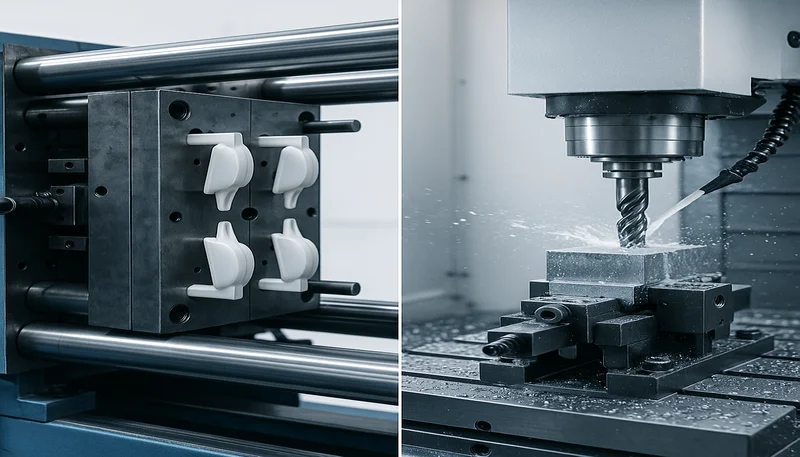
Scala che gli stampatori belgi non possono eguagliare. Il nostro stabilimento di Shanghai gestisce oltre 45 macchine per lo stampaggio a iniezione da 90T a 1.850T — inclusa una pressa da 1.850T che lavora componenti che la maggior parte degli stampatori belgi non può produrre. Produciamo oltre 100 set di stampi al mese con capacità interna di costruzione stampi che include centri di lavorazione CNC, EDM a filo, incisori di precisione e attrezzature per la rettifica. Per gli acquirenti europei che necessitano di componenti che richiedono una forza di chiusura superiore a 500T, ZetarMold colma una reale lacuna nella catena di fornitura belga.
Comunicazione senza mal di testa. Oltre 30 membri del personale parlano fluentemente inglese, con tempi di risposta di 24 ore o meno. Il nostro team di ingegneria include 8 ingegneri senior con oltre 10 anni di esperienza nella progettazione di stampi, coprendo capacità CAD, simulazione e design industriale. Otterrai discussioni tecniche, non solo presa d'ordine. Assegniamo project manager dedicati ad ogni cliente internazionale, così avrai un unico punto di contatto che comprende le tue esigenze.
Infrastruttura di qualità che soddisfa gli standard europei. Certificata ISO 9001, ISO 13485 (medica), ISO 14001 e ISO 45001. Sei macchine in camera bianca per la produzione medicale e alimentare. Processo di qualità completo in 6 fasi — dal Controllo Qualità in Ingresso (IQC) al Controllo Qualità in Uscita (OQC) — supportato da misurazioni CMM, proiezione del profilo e attrezzature di ispezione di precisione. Possiamo fornire certificati originali su richiesta.
Oltre 20 anni di esperienza nell'esportazione. Fondata nel 2005, abbiamo spedito in Europa, Nord America e globalmente per oltre due decenni. Conosciamo i requisiti della marcatura CE, le procedure doganali UE e le aspettative di qualità europee. Il nostro database di oltre 400 materiali copre praticamente ogni termoplastica tecnica richiesta dal tuo progetto.
Sia che tu abbia bisogno di un'alternativa competitiva in termini di costi per la produzione di grandi volumi, o di un partner a doppia fonte affiancato al tuo fornitore belga, siamo pronti a discutere il tuo progetto. Richiedi un preventivo gratuito e ricevi un feedback DFM entro 24 ore.
Per una panoramica completa delle strategie di approvvigionamento, consulta la nostra Guida all'approvvigionamento di fornitori per lo stampaggio a iniezione.
-
settore delle materie plastiche: L'industria della plastica si riferisce al settore globale coinvolto nella produzione e nella fabbricazione di prodotti plastici, includendo processi come lo stampaggio a iniezione, l'estrusione e lo stampaggio a soffio. ↩
-
mercato europeo dello stampaggio a iniezione: Il mercato europeo dello stampaggio a iniezione si riferisce all'industria combinata dello stampaggio a iniezione nei paesi europei, valutata approssimativamente 85 miliardi di EUR nel 2024. ↩
-
occupazione in Belgio: I costi del lavoro in Belgio si riferiscono al fatto che il Belgio ha alcuni dei costi del lavoro più alti nell'UE, con l'indice del costo del lavoro che ha raggiunto 118,87 punti nel Q3 2025 secondo Trading Economics. ↩




 EN
EN  ES
ES  FR
FR  DE
DE  PT
PT  AR
AR  RU
RU  JA
JA  KO
KO  IT
IT  NL
NL  TR
TR  PL
PL 