You just received three quotes for the same plastic housing. One is $12,000 for tooling, another is $28,000, and the third is $45,000. The cheapest one promises four-week delivery. The most expensive says six. How do you know which manufacturer will actually deliver parts that work — not just parts that exist? Choosing an fabricante de moldeo por inyección based on price alone is the fastest way to burn through your budget twice.1
This article gives you a 12-point evaluation framework we use on both sides of the table — as a manufacturer being evaluated, and as engineers who have seen what happens when buyers skip the right questions. Each point includes what to ask, what to look for, and the red flags that mean walk away.
- Evaluate manufacturers on tooling capability, not just machine count.
- Always request a DFM report before committing to tooling.
- Visit the factory or request a video audit — photos lie.
- ISO certifications are baseline, not a differentiator.
- Communication quality predicts project success more than price.
Why Does Choosing the Right Injection Molding Manufacturer Matter?
The wrong manufacturer does not just cost you money — it costs you time, market position, and sometimes the entire product launch. We have seen projects delayed six months because a supplier underestimated mold complexity. We have seen companies scrap $40,000 in tooling because the molder could not hold tolerances their CMM could not even measure.
A good manufacturer catches design issues before steel is cut, suggests cost-saving changes you did not think of, and delivers consistent parts run after run. A bad one nods along during the call, then sends you parts with flash, sink marks, and dimensional drift — and blames your design for every problem. See our supplier sourcing guide for the full RFQ-to-production framework.
What Should You Check About Tooling Capability?
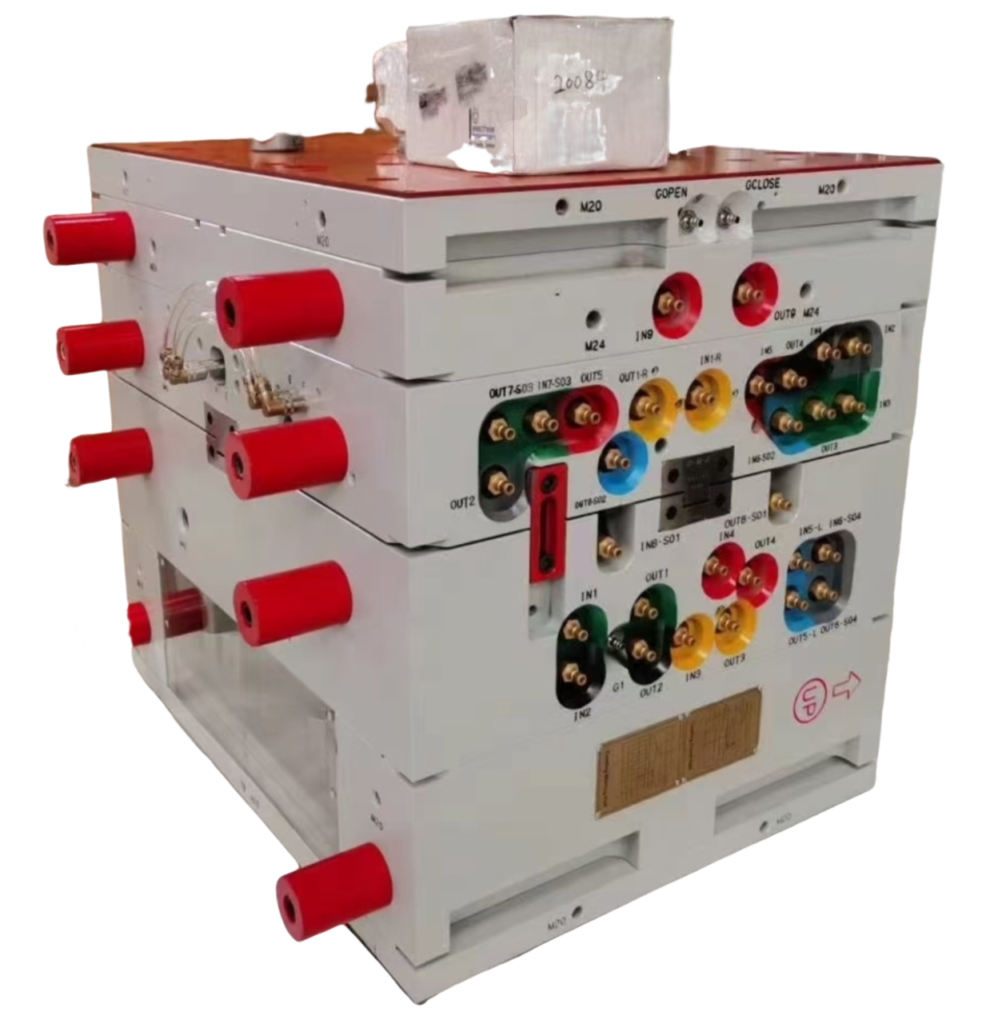
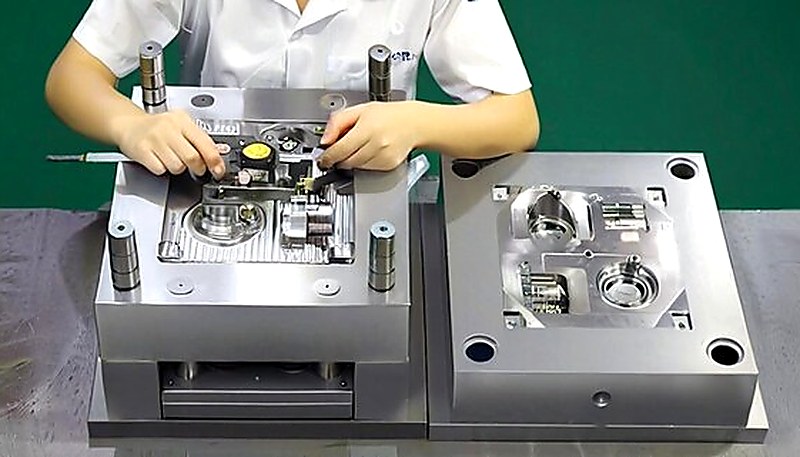
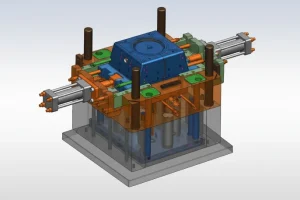
Tooling is where most projects succeed or fail. A manufacturer that outsources all mold building2 has less control over quality, timeline, and cost changes. Ask these questions upfront: Do they build molds in-house or outsource? What steel grades do they stock (P20, H13, S136, beryllium copper)? What is their largest mold size capacity? Do they have their own wire EDM, CNC, and grinding equipment?
An in-house utillaje para moldes facility means faster iterations when the mold needs adjustment — and every mold needs adjustment during sampling. If your supplier has to ship the mold to a third-party shop for every steel change, your T1 sampling timeline doubles automatically.
How Do You Evaluate Equipment and Machine Capacity?
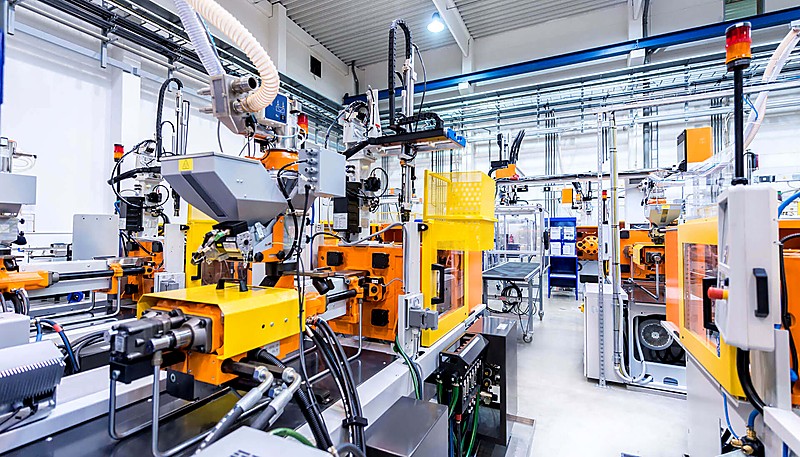
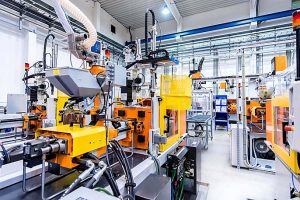
Machine count tells you nothing without tonnage range. A shop with 50 machines all under 200T cannot mold your 1500-gram housing. You need to match your part requirements to the supplier’s actual machine fleet. Ask for a machine list with tonnage, shot size, and controller type.
Look for machines that cover your tonnage needs with headroom. If your part needs 300T, a shop running it on a 350T machine at 95% capacity is a red flag. You want at least 20% tonnage buffer. Also check if they have multi-material or insert molding capability if your design calls for it. At ZetarMold, we run 45 machines from 90T to 1850T specifically because the tonnage gap between a medical connector and an automotive bumper is the difference between a 90T and a 1500T press.
What Quality Certifications Actually Matter?
Everyone has 3. If a manufacturer leads with that as their main selling point, they are telling you they meet the minimum. The certifications that matter depend on your industry: ISO 13485 for medical devices, IATF 16949 for automotive, ISO 14001 for environmental management, UL recognition for electrical components.
But certifications on paper do not equal certifications in practice. Ask when their last audit was. Ask to see the audit report, not just the certificate. A supplier who got ISO 9001 three years ago and has not had a surveillance audit since is not the same as one who gets audited every six months and can show you the findings and corrective actions.
Why Is DFM Analysis a Non-Negotiable?
A manufacturer that quotes your tooling without doing DFM analysis4 is either guessing or planning to charge you for changes later. DFM catches wall thickness issues, impossible undercuts, inadequate draft, and gate placement problems before you spend a dollar on steel.
Request the DFM report before you approve tooling. It should include draft angle verification, wall thickness uniformity check, undercut identification and action plan, gate location rationale, and cooling channel layout. If the DFM report is a one-page checklist with no markups, it is not a real DFM. A proper one has annotated CAD screenshots showing each issue and the recommended change.
“A supplier who skips DFM and quotes tooling in 24 hours will likely charge more in engineering changes later.”Verdadero
Fast quotes without analysis mean the supplier has not reviewed your design for manufacturability. Every issue they miss upfront becomes an engineering change order (ECO) during sampling, often at $500-$2,000 per change.
“If your CAD model looks fine in SolidWorks, DFM is unnecessary.”Falso
CAD software validates geometry, not manufacturability. A part can be perfectly modeled yet impossible to mold — missing draft on vertical faces, wall thickness varying from 1mm to 6mm, or undercuts that require complex lifters adding 40% to tooling cost.
How Do You Assess Communication and Project Management?
Communication quality is the single best predictor of project success. You will know within the first three emails whether a manufacturer can handle your project. Red flags: responses take more than 48 hours, answers dodge the specific question asked, technical questions get routed to sales instead of engineering, or quoted lead times change between conversations.
Look for a supplier with dedicated English-speaking project managers — not a sales rep who also handles five other accounts. You want one person who knows your project, can translate between your engineering team and their shop floor, and responds within 24 hours. At ZetarMold, our 30+ English-speaking PMs exist precisely because miscommunication kills more projects than bad tooling.
What Should a Factory Audit Reveal?
Photos and brochures are marketing. Walk the floor — in person or by live video call. You are looking for five things: machine condition and maintenance (are machines clean, labeled, running?), mold storage organization (are molds protected, labeled, accessible?), material handling (is resin stored properly, dried before use?), inspection equipment (do they have CMM, projector, gauges — and are they calibrated?), and shop cleanliness and safety.
A factory that is messy, has unlabeled molds stacked in corners, or runs machines with visible oil leaks and worn platens is telling you exactly how they will treat your project. The condition of the facility IS the quality system.

How Do You Compare Pricing Fairly?
Never compare just the unit price. The real cost of injection molding includes tooling amortization, material cost per part, cycle time (which drives machine hour rate), scrap rate and rework costs, shipping and logistics, and quality rejection costs. Two suppliers quoting $1.50 per part can have vastly different total costs when you factor in a 3% reject rate versus 8%.
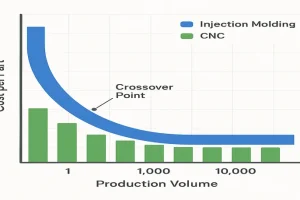
Ask each supplier for a cost breakdown showing tooling, material, processing, and secondary operations separately. The one who refuses to break down their quote is the one hiding something. Also verify the cavity count5 assumptions — a single-cavity mold at $8,000 sounds cheaper than a four-cavity at $22,000 until you realize the four-cavity pays for itself at 20,000 parts.
Why Does Material Expertise Matter?
Any molder can run PP or ABS. The question is whether they can handle your material. Engineering resins like PEEK, PPS, LCP, and glass-filled nylon require different processing windows, higher barrel temperatures, faster screw speeds, and more aggressive drying. A molder who says they can process anything probably processes most things poorly.
Ask specifically: What is the highest-temperature resin you run regularly? How many glass-filled materials do you process monthly? What is your drying protocol for hygroscopic materials? A supplier running 400+ materials monthly has seen more processing challenges than one who runs the same five commodity grades year-round.
How Do You Verify Lead Time Claims?
Every manufacturer quotes 4–6 weeks for tooling. Few deliver in that window for complex molds. The difference between a supplier who promises 4 weeks and delivers in 6 versus one who promises 4 weeks and delivers in 12 is whether they were honest about their capacity. Ask for references from the last three projects similar to yours in complexity and call those references.
Also ask about their mold sampling process. T1 sampling should take 3–5 days after mold completion. If they say one day, they are rushing. If they say two weeks, they are backlogged. The right answer includes time for proper machine setup, process parameter optimization, and dimensional inspection of sample parts before shipping.
“A manufacturer who quotes 3 weeks for a multi-cavity mold with lifters and hot runners is underestimating or cutting corners.”Verdadero
Complex molds with side actions, hot runner systems, and tight tolerances realistically require 5–8 weeks. A 3-week quote either excludes sampling, assumes simplified design, or means the supplier will rush and deliver an underperforming mold.
“Lead time is the most important factor when choosing a manufacturer.”Falso
Speed without quality means rework, delays, and cost overruns. A manufacturer who delivers on time but with 15% dimensional failures costs you more in inspection, sorting, and retooling than one who takes an extra week but delivers 99% first-pass yield.
What Role Does Location and Logistics Play?
China-based manufacturing offers 30–50% cost savings on tooling and per-part pricing for most production volumes. But logistics add 2–4 weeks of shipping time, customs complexity, and minimum order quantities that favor larger runs. If you need 500 parts next week, domestic is your only option. If you need 50,000 parts per quarter, China’s cost advantage outweighs the logistics overhead.
Evaluate the manufacturer’s logistics capabilities: Do they offer DDP shipping (door-to-door, duties paid)? Can they handle customs paperwork? What is their track record for on-time delivery? A manufacturer in Shanghai with established export processes and a logistics coordinator is more reliable than one in a closer location who ships parts loose in a box with no tracking.
Why Should You Request Sample Parts First?
Never commit to full production without reviewing T1 samples. The sample tells you what the manufacturer can actually produce — not what their brochure says. Evaluate dimensional accuracy against your drawing tolerances, surface finish against your requirements (SPI standards), visual quality including gate marks, weld lines, and flash, and material properties through basic testing.
If samples have issues, the right manufacturer discusses root causes and corrective actions. The wrong one blames your design. The sampling phase is where you learn whether you picked the right partner — before you are locked into a production commitment.
What Are the Most Frequently Asked Questions About Choosing an Injection Molding Manufacturer?
What is the minimum order quantity I should expect from a Chinese injection molding manufacturer?
Most Chinese manufacturers set MOQs between 1,000 and 5,000 pieces per run for standard production orders. Tooling orders have no minimum — you pay for the mold regardless of part quantity. For low-volume needs under 500 pieces, look for suppliers who specialize in bridge tooling or aluminum molds, which typically have lower MOQs and faster turnaround. Some manufacturers, including ZetarMold, accommodate smaller production runs when the project has clear growth potential or when the tooling investment justifies schedule flexibility.
How much does injection molding tooling typically cost?
Tooling costs range from $1,500 for a simple single-cavity aluminum mold to $80,000 or more for a multi-cavity production steel mold with hot runners and side actions. Most consumer product molds fall in the $8,000 to $25,000 range depending on part complexity, cavity count, steel grade selection, surface finish requirements, and tolerance specifications. Always get at least three quotes and compare the detailed tooling specifications — steel grade, number of cavities, expected mold life, and included sampling iterations — not just the bottom-line price.
Should I choose a manufacturer with the most machines?
Machine count alone is a vanity metric that tells you little about whether a manufacturer can handle your specific project. A shop with 100 machines running at 70 percent utilization has less available capacity than one with 40 machines at 40 percent utilization. Focus on whether they have the right machines for your part — matching tonnage range, shot size capability, and controller sophistication — and whether their current production schedule has room for your volumes without displacing other customers’ orders.
How long should I expect from PO to first article samples?
For a standard single-cavity or two-cavity mold with no side actions, expect 4 to 6 weeks from purchase order to T1 samples. For complex molds with lifters, hot runner systems, or tight tolerances, plan for 6 to 10 weeks. Add another 1 to 2 weeks for international shipping if the manufacturer is overseas. The T1 sampling process itself takes 3 to 5 days of machine setup, process parameter optimization, and dimensional inspection. Any supplier quoting tooling completion under 3 weeks is either oversimplifying the scope or planning to cut corners.
What is the most important factor when evaluating a manufacturer?
Communication quality and engineering capability matter far more than price or machine count when selecting a long-term manufacturing partner. A supplier who responds within 24 hours, provides detailed DFM feedback with annotated screenshots, and proactively flags potential design issues will save you significantly more time and money than the cheapest option who goes silent after receiving your deposit. Test their communication rigorously during the quoting phase — how they treat you as a prospect is exactly how they will treat you as a paying customer.
Can I visit a Chinese injection molding factory before placing an order?
Yes, and you absolutely should if your project involves significant tooling investment. Most reputable Chinese manufacturers welcome factory visits and can arrange them with one to two weeks advance notice. If a supplier makes excuses or repeatedly delays a visit request, consider that a major red flag. If international travel is not feasible, request a live video tour conducted during actual production hours — not a pre-recorded highlight reel. You want to see the real shop floor, observe machine conditions, and talk to the engineers who will build your mold.
Referencias
-
injection molding manufacturer: An injection molding manufacturer is a company that operates injection molding machines and produces plastic parts by injecting molten polymer into a mold cavity, typically serving automotive, medical, consumer electronics, and industrial clients. ↩
-
mold tooling: Mold tooling refers to the design and fabrication of the metal mold used in injection molding, including cavity inserts, core pulls, cooling channels, and ejection systems, typically made from P20, H13, or S136 steel. ↩
-
ISO 9001: ISO 9001 is an international quality management standard that requires documented processes for quality control, continuous improvement, and customer satisfaction, certified by third-party auditors. ↩
-
DFM analysis: DFM (Design for Manufacturability) analysis is a review process where engineers evaluate a part design for injection molding feasibility, identifying issues like draft angles, wall thickness, undercuts, and gate placement before tooling begins. ↩
-
cavity count: Cavity count is the number of identical part-forming cavities in a single mold, which directly determines per-part cost and production throughput during each injection molding cycle. ↩



 EN
EN  ES
ES  FR
FR  DE
DE  PT
PT  AR
AR  RU
RU  JA
JA  KO
KO  IT
IT  NL
NL  TR
TR  PL
PL