Zum Inhalt springen
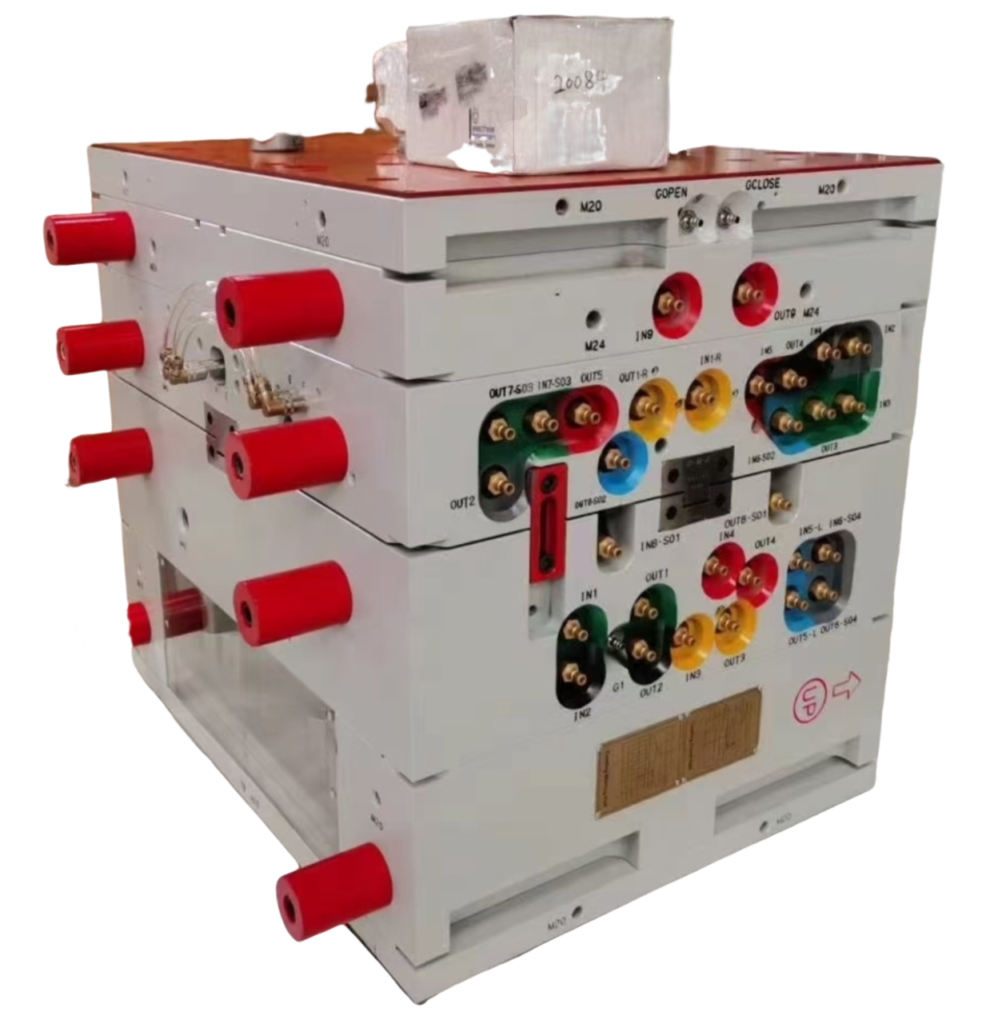
Die Wahl eines Spritzgießer without rigorously evaluating their tooling capability is like buying a house without an inspection — the deal looks great until the foundation cracks. Tooling accounts for 30–60% of your total project investment, and a mold that fails at 10,000 shots can set your launch back by months.
In this guide, we walk through the practical, field-tested methods we use to evaluate supplier tooling risk before committing production volume, so you can make sourcing decisions with confidence. From mold design audits and steel grade verification to trial report analysis and contractual safeguards, every section gives you actionable criteria you can apply to your next supplier evaluation.
- Tooling consumes 30–60% of total project investment in custom injection molding.
- Mold steel grade directly determines tool lifespan and maintenance cost.
- A structured trial report (T0/T1) is your best evidence of supplier capability.
- Contractual tool ownership and maintenance clauses prevent costly disputes.
- Walking away from a high-risk supplier early saves more money than fixing failures later.
What Is Supplier Tooling Risk in Injection Molding?
Supplier tooling risk is the probability that a mold maker fails to deliver a tool meeting your quality, volume, and timeline requirements.
In our 20+ years of injection molding and tooling experience at our Shanghai factory, we have seen nearly every mode of tooling failure: soft steel worn out at 50,000 shots, misaligned cores causing flash on every part, and cooling channels that were never optimized, leading to 40-second cycle times on a part that should have run at 12 seconds. Whether you are commissioning your first Spritzgussform or your hundredth, the risk factors remain the same.
The key is to identify and mitigate these risks before you sign the purchase order, not after your customer rejects the first shipment. A structured evaluation framework turns tooling risk from a guessing game into a measurable, manageable variable.
Why Do Tooling Failures Derail Production Timelines?
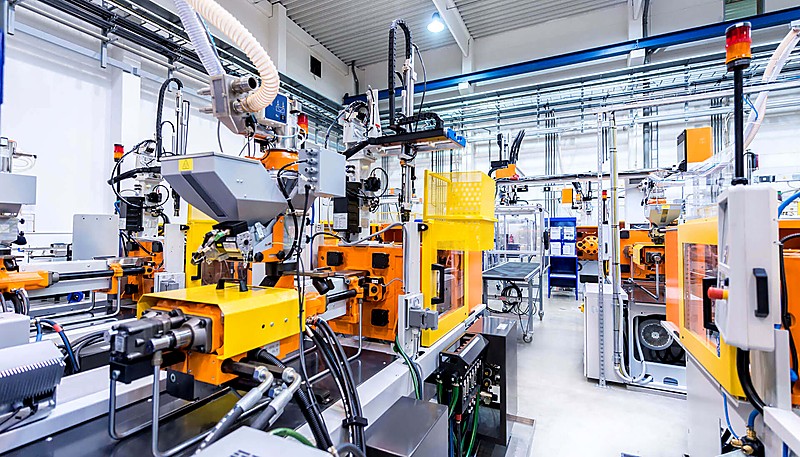
Tooling failures are the single biggest source of unplanned delays in Spritzgießen projects. When a mold fails during production validation or early volume runs, the consequences cascade: the supplier must diagnose the root cause, redesign and remachine the affected components, run new samples, and re-validate — adding 4–12 weeks to your timeline.
The most common failure modes include steel degradation, where using P20 steel for a part that demands H13 causes wear at 50,000 shots instead of 500,000. Cooling design flaws lead to uneven shrinkage, warpage, and cycle times 2–3 times longer than designed. Ejection system failures cause sticking, part deformation, or gate marks that fail cosmetic inspection. Core and cavity misalignment produces tolerances that were fine on the CAD model but cannot be maintained during high-volume production.
Each of these failures shares a common root cause: insufficient tooling risk evaluation before the mold was built. A structured audit of the supplier’s mold design, material selection, and trial process catches these issues early — when fixes cost hundreds of dollars instead of tens of thousands.
How Can You Audit a Supplier’s Mold Design Capability?
Auditing a supplier’s mold design capability is the first and most important step in evaluating tooling risk. You are not just checking whether they can draw a 3D model — you are verifying that their engineering team understands the physics of injection molding and can design a tool that produces consistent, high-quality parts at production volumes.
Start by requesting a mold flow analysis (also known as flow simulation) for your part. A competent supplier will run MOLDFLOW or equivalent simulation software and provide a report showing fill patterns, weld line locations, air trap positions, and cooling efficiency. If the supplier cannot produce this report, or dismisses it as unnecessary, that is a significant red flag.
Next, review their design standards document. Ask specifically about steel selection criteria — how do they choose between P20, 718H, H13, S136, and other grades? The answer should reference your part’s volume, material, surface finish, and complexity, not just price. Ask about cooling design methodology — do they use conformal cooling for complex geometries? What is their standard baffle or bubbler layout? How do they select gate type (edge, sub-marine, hot tip, valve gate) and location? And how do they plan ejector pin placement to minimize cosmetic impact and prevent sticking?
Our Shanghai factory houses an in-house mold manufacturing facility staffed by 8 senior engineers who specialize in mold design optimization. This integrated approach means every mold design is reviewed for manufacturability before a single cut is made on the CNC, reducing design-to-production iteration cycles.
A supplier with in-house mold manufacturing has a structural advantage here: the design team and machining team sit in the same building, so design intent translates directly to machining precision. This eliminates the communication gaps and tolerance drift that occur when mold design and mold building are handled by separate organizations.
What Mold Steel Grades Should You Verify?
The steel grades to verify are P20, 718H, H13, and S136. Match each grade to your volume, resin, and finish requirements to optimize tool lifespan and cost.
| Stahlsorte | Härte (HRC) | Typical Life (shots) | Am besten für | Heat treatment1 |
|---|---|---|---|---|
| P20 / P20+Ni | 28–36 | 300K–500K | Low-volume, simple parts | Pre-hardened |
| 718H | 33–38 | 500K–800K | Medium-volume, standard parts | Pre-hardened |
| H13 | 44–52 | 1M+ | High-volume, abrasive resins | Hardened + tempered |
| S136 | 48–54 | 1M+ | Optical/transparent parts | Hardened + polished |
| BECU (beryllium copper) | N/A | Inserts only | High-cooling areas | As-cast |
When evaluating a supplier, ask them to justify their steel selection against your specific requirements. A supplier that defaults to P20 for everything is either cutting costs or lacking engineering depth. Similarly, a supplier that specifies H13 for a 10,000-shot prototype run is over-engineering and overcharging.
Heat treatment is equally critical. Improperly hardened steel will crack under cyclic thermal and pressure loading. Verify that the supplier’s heat treatment process includes proper tempering cycles and hardness verification documentation. Ask for the heat treatment certificate — a reputable mold builder will provide this without hesitation.
“P20 pre-hardened steel is adequate for prototype and low-volume molds running fewer than 300,000 shots with non-abrasive resins.”Wahr
P20 is a versatile, pre-hardened Mold steel2 with 28–36 HRC hardness that machines well and polishes to a mirror finish. For runs under 300,000 shots using non-filled, non-flame-retardant resins like PP, PE, or ABS, P20 provides sufficient wear resistance at a significantly lower cost than hardened steels. Specifying H13 for every project regardless of volume adds unnecessary cost without proportional benefit.
“All mold steels perform identically in high-volume production — the grade only affects the initial Tooling cost3, not the tool’s service life.”Falsch
Steel grade has a direct, measurable impact on mold service life. P20 typically lasts 300,000–500,000 shots before showing significant wear, while H13 hardened to 52 HRC can exceed 1,000,000 shots. Glass-filled resins like PA66-GF30 are highly abrasive and can erode P20 cavities in under 100,000 shots. The grade selection affects both the initial investment and the long-term cost per part through maintenance frequency, dimensional stability, and eventual mold replacement timing.
How Do You Evaluate a Supplier’s Trial Process?
The mold trial — also called T0/T1 sampling — is your single best opportunity to evaluate a supplier’s tooling quality under real conditions. A structured trial process reveals design flaws, machining precision, and the supplier’s engineering response capability, all before you commit to production volume.
A proper mold trial process includes three stages. T0 (First Shot / Dimensional Check) verifies that the mold produces parts meeting dimensional specifications. The supplier should provide a first-article inspection report (FAIR) comparing measured dimensions against drawing tolerances. Key evaluation criteria include dimensional conformance rate targeting 90% or higher of critical dimensions within tolerance, surface finish quality against the agreed specification, gate vestige appearance and location, and flash conditions at the parting line.
T1 (Process Optimization) focuses on optimizing processing parameters to achieve stable, repeatable production. The supplier should document optimal injection pressure, speed, and hold pressure profiles, cooling time and total cycle time, ejection parameters, and short-shot analysis to confirm complete fill. For high-volume projects, a third T2 production validation run confirms the optimized process is stable over extended runs, catching issues like thermal fatigue, progressive flash, and dimensional drift.
In our Shanghai factory, we run 47 injection molding machines from 90T to 1850T, which means we can trial virtually any mold size in-house without depending on external press availability. This in-house trial capability reduces T0-to-T1 lead times and ensures the trial data directly reflects production conditions.
When evaluating a supplier, ask to see sample trial reports from previous projects. A supplier that produces detailed, data-rich trial documentation demonstrates both technical competence and transparency. A supplier that provides only a few photos and a subjective assessment is either inexperienced or hiding something.
What Contractual Protections Secure Your Tooling Investment?
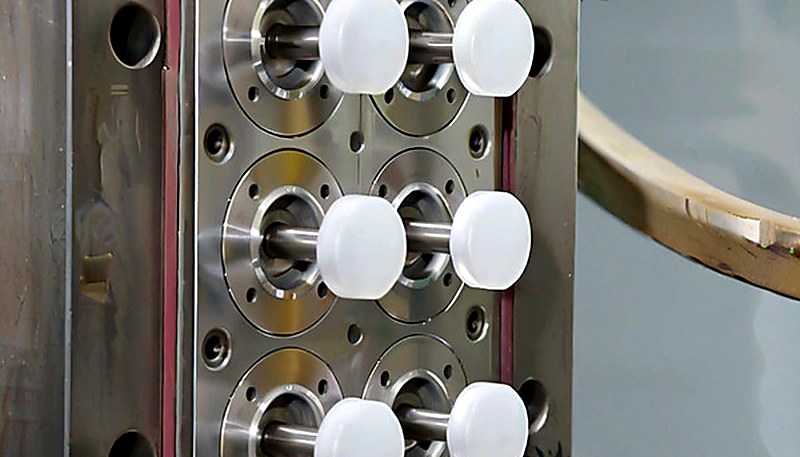
The contractual protections you need are mold ownership, maintenance responsibility, and defect warranty. Without these three clauses, your mold can be held hostage by the supplier.
Key contractual clauses to negotiate include tool ownership and transfer rights. Ensure the contract explicitly states that the mold is your property, and include the right to transfer the mold to another supplier at your discretion with reasonable notice, typically 30 days. Define maintenance responsibilities: who handles routine maintenance like cleaning, lubrication, and ejector pin replacement versus major repairs like core replacement and re-polishing. A well-structured maintenance clause should specify a preventive maintenance schedule, cost allocation for wear-related versus design-defect repairs, and maximum turnaround time for mold maintenance to minimize production downtime.
For warranty terms, negotiate coverage of manufacturing defects with a standard period of 12 months from first production or a minimum shot count of 500,000, whichever comes first. The warranty should define what constitutes a covered defect versus normal wear, the supplier’s obligation to repair or replace defective components, and the timeline for warranty repairs, typically 10 business days. Also require the supplier to carry insurance covering your mold against damage, loss, or destruction while in their custody.
“Final payment for a production mold should be contingent on successful T1 trial results, not just mold completion.”Wahr
Tying the final payment milestone to measurable trial outcomes — dimensional conformance, surface quality, and cycle time targets — shifts risk back to the supplier where it belongs. Paying in full upon mold completion gives the supplier no financial incentive to resolve trial issues promptly. This payment structure aligns both parties around the same definition of success: a mold that produces conforming parts at the agreed cycle time.
“If a supplier builds the mold, they automatically own it unless the contract says otherwise.”Falsch
Mold ownership is determined entirely by the contract, not by who physically builds the tool. In most custom tooling arrangements, the buyer pays for the mold and owns it outright. Without explicit ownership, transfer, and release clauses in the contract, a supplier can legally retain possession of the mold, making it extremely difficult and expensive to move your tooling to another vendor. Always insist on clear, written tool ownership terms before the mold build begins.

When Should You Walk Away from a High-Risk Supplier?
Knowing when to walk away is as important as knowing how to evaluate. Not every supplier is salvageable, and the cost of switching suppliers early is always lower than the cost of managing a tooling failure during production.
Walk away if you observe critical red flags. No mold flow analysis capability is non-negotiable — a supplier that does not run flow simulation is designing blind. Refusal to provide trial report data means the supplier is hiding something, because transparency is the foundation of trust. Steel grade substitution without notification, such as specifying H13 and using P20 without telling you, is a breach of trust that will only get worse. No ISO 9001 or equivalent quality management system indicates a lack of process discipline. Excessive change orders during mold building for basic features signals inadequate engineering competence. And no in-house tooling capability means the supplier is a middleman adding margin without adding value.
The decision to walk away should be based on evidence, not emotion. Use the evaluation framework from the preceding sections to build an objective risk score. If the score exceeds your acceptable threshold, disengage quickly and redirect your energy to a more qualified supplier.
Our operations are backed by ISO 9001, ISO 13485, ISO 14001, and ISO 45001 certifications, providing documented quality management across the entire tooling lifecycle. With experience processing 400+ materials, our engineering team can recommend the optimal steel grade and mold design for virtually any resin and application.
The walk-away decision is not about finding a perfect supplier — every supplier has gaps. It is about identifying gaps that are structurally unfixable: missing capabilities, dishonest practices, or fundamental misalignment between their capacity and your requirements. The best time to discover these issues is during the evaluation phase, when your switching cost is zero, not during production when it can be hundreds of thousands of dollars.
What Else Should You Know About Tooling Risk?
These answers address the most common concerns buyers raise when evaluating supplier tooling risk for the first time.
Häufig gestellte Fragen
What is the most important factor in evaluating injection molding supplier tooling risk?
The most important factor is the supplier’s mold design engineering capability, demonstrated through mold flow analysis reports, steel selection justification, and documented design review processes. A supplier that cannot produce detailed engineering documentation for their mold designs is operating on guesswork rather than engineering rigor. This single capability area predicts more tooling failures than any other risk factor, because design errors cascade into every subsequent phase of mold building and production. Always demand documented proof of design competence before committing funds.
How many mold trial runs should a supplier provide before production?
A qualified supplier should provide at least two trial runs: T0 for dimensional verification and T1 for process optimization. For high-volume or critical-tolerance parts, a third T2 production validation run is recommended to catch progressive issues like thermal fatigue and dimensional drift over extended runs. Each trial should produce detailed reports with dimensional data, process parameters, and defect analysis. A supplier offering fewer than two structured trials is cutting corners that will inevitably cost you later in production quality problems and rework expenses.
What steel grade should my injection mold use for 500,000 shots?
For 500,000 shots, 718H pre-hardened steel at 33 to 38 HRC is typically sufficient for non-abrasive resins with standard surface finish requirements. If you are molding glass-filled or flame-retardant resins, upgrade to H13 hardened steel at 44 to 52 HRC to resist abrasive wear effectively. For optical or mirror-finish parts, S136 stainless steel provides both wear resistance and corrosion protection at this volume level. Always require your supplier to justify their steel selection in writing against your specific resin, volume, and surface requirements.
Should I own the mold or let the supplier retain ownership?
You should always retain mold ownership for production tooling. Include explicit tool ownership, transfer, and maintenance clauses in your contract from the very start of the engagement. The supplier should agree in writing to release the mold in working condition upon reasonable notice, typically 30 days. If a supplier insists on retaining ownership, consider this a significant risk factor that limits your flexibility and potentially holds your production hostage to their pricing and scheduling decisions. Never proceed without documented ownership terms.
How do I verify a supplier’s claimed mold quality certifications?
Request copies of their ISO certificates and verify them through the issuing certification body’s online database. Ask for steel mill certificates and heat treatment documentation for your specific mold — a reputable supplier provides these proactively without being asked twice. Cross-reference their claims with customer references and, if feasible, arrange an on-site factory audit to verify their quality management processes firsthand. Any supplier that cannot or will not provide certification documentation within a reasonable timeframe should be treated as high risk for your project.
What warranty terms are standard for injection molds?
Standard mold warranty terms are 12 months from first production or a minimum of 500,000 shots, whichever comes first. The warranty should cover manufacturing defects including steel defects, machining errors, and design flaws, but exclude normal wear and damage caused by improper operation or maintenance neglect. Ensure the contract specifies repair timelines of 10 to 15 business days, and clarify whether the supplier provides loaner tooling or alternative production capacity during warranty repairs to protect your delivery commitments to your own end customers.
Can I reduce tooling risk without visiting the supplier’s factory?
Yes, you can significantly reduce tooling risk remotely by requesting and evaluating mold flow analysis reports, steel certificates, heat treatment documentation, trial reports from previous projects, ISO certificates, and customer references. Video calls with the engineering team can supplement document review. However, an on-site factory audit provides the most comprehensive risk assessment, allowing you to verify equipment condition, staff competence, and quality management processes directly. For critical or high-value tooling programs, the investment in a site visit pays for itself many times over.
-
Heat treatment: Heat treatment is a controlled process of heating and cooling mold steel to achieve specific mechanical properties such as hardness, toughness, and wear resistance. ↩
-
Mold steel: Mold steel refers to is the specific grade of tool steel used to manufacture injection mold cores, cavities, and structural components, selected based on production volume, resin abrasiveness, and surface finish requirements. ↩
-
Tooling cost: Tooling cost refers to the total expense of designing, machining, and validating an injection mold, typically ranging from $5,000 for simple single-cavity molds to over $100,000 for complex multi-cavity tools with side actions and hot runners. ↩




 EN
EN  ES
ES  FR
FR  DE
DE  PT
PT  AR
AR  RU
RU  JA
JA  KO
KO  IT
IT  NL
NL  TR
TR  PL
PL